
Soft Touch Business Cards and Their Velvety Finish Explained


A soft touch business card is uncoated stock cured with a velvety, suede-like coating. It feels premium, resists scuffs, and gives people a reason to keep your card instead of tossing it.
A soft touch business card is a card printed on uncoated stock and cured with a velvety, suede-like coating. It is not the same as matte. The finish adds real tactile friction, resists fingerprints and scuffs, and comes in thicknesses from 16pt to 80pt. The result is a card people pause on, hold longer, and actually keep.
Quick tips
Soft touch business cards at a glance
A soft touch business card gets its velvety feel from a curing process on uncoated stock, not a laminate on top. It reads more premium than matte, resists fingerprints and scuffs, and comes in five thicknesses from 16pt to 80pt. Keep the design minimal, lean on deep rich colors, and always check a free proof, since ink lands slightly softer on uncoated paper.
Why a soft touch business card feels different in your hand
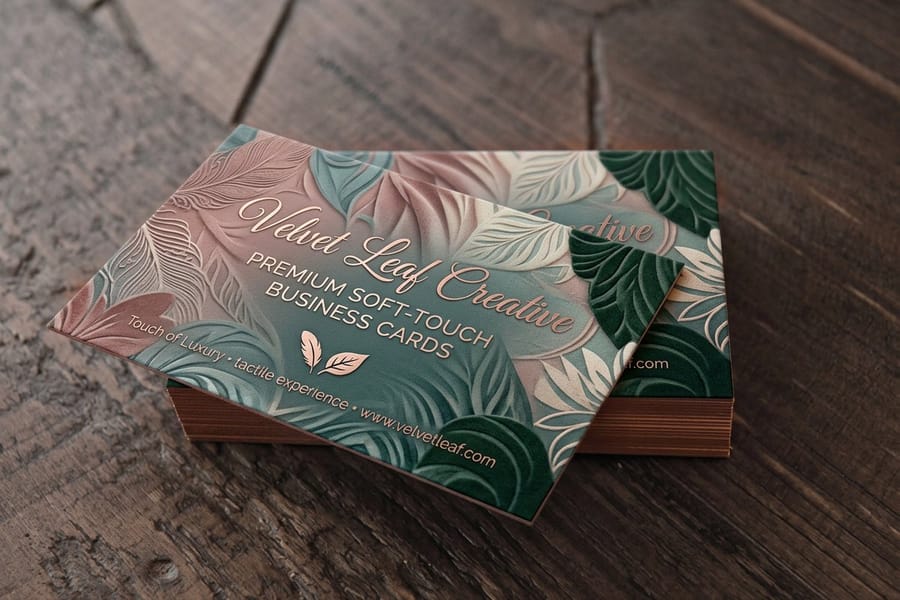
You have felt a standard business card. Stiff, flat, forgettable. A soft touch business card is something else. Run a finger across the surface and you notice a velvety, almost petal-like texture that makes people pause. That pause is the whole point.
4OVER4.COM makes these cards with a pre-cured treatment on uncoated stock, so each one carries a tactile friction that is hard to put down. With more than 10 billion cards printed, we have watched texture change the way people respond. Prospects hold onto these cards. Partners comment on them. They do not end up in the trash.
Whether you run a real estate desk, a salon, or a brand-new startup, a card that feels this good signals that you sweat the details. Browse the full soft touch printing collection to see every product that carries the same finish.
What a soft touch business card actually is
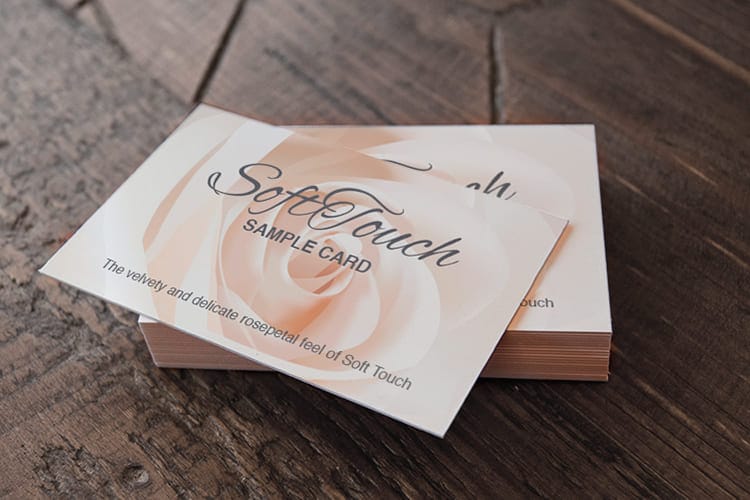
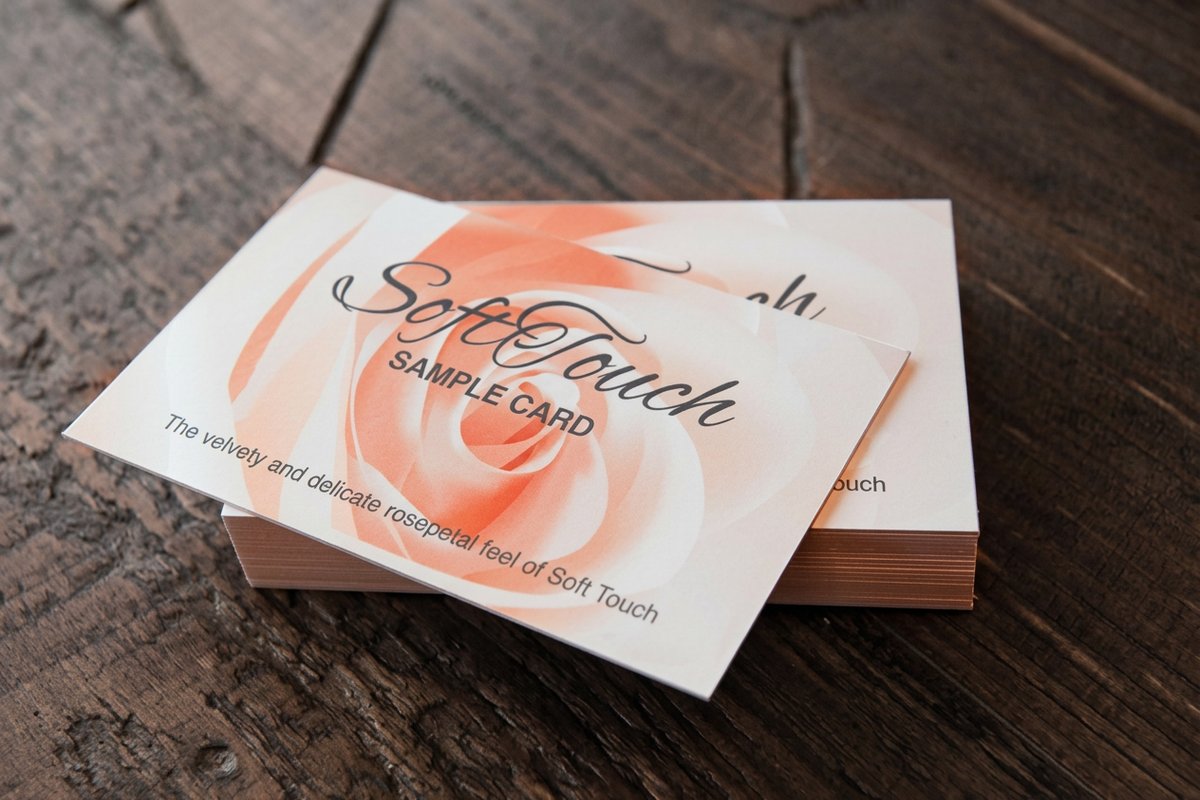
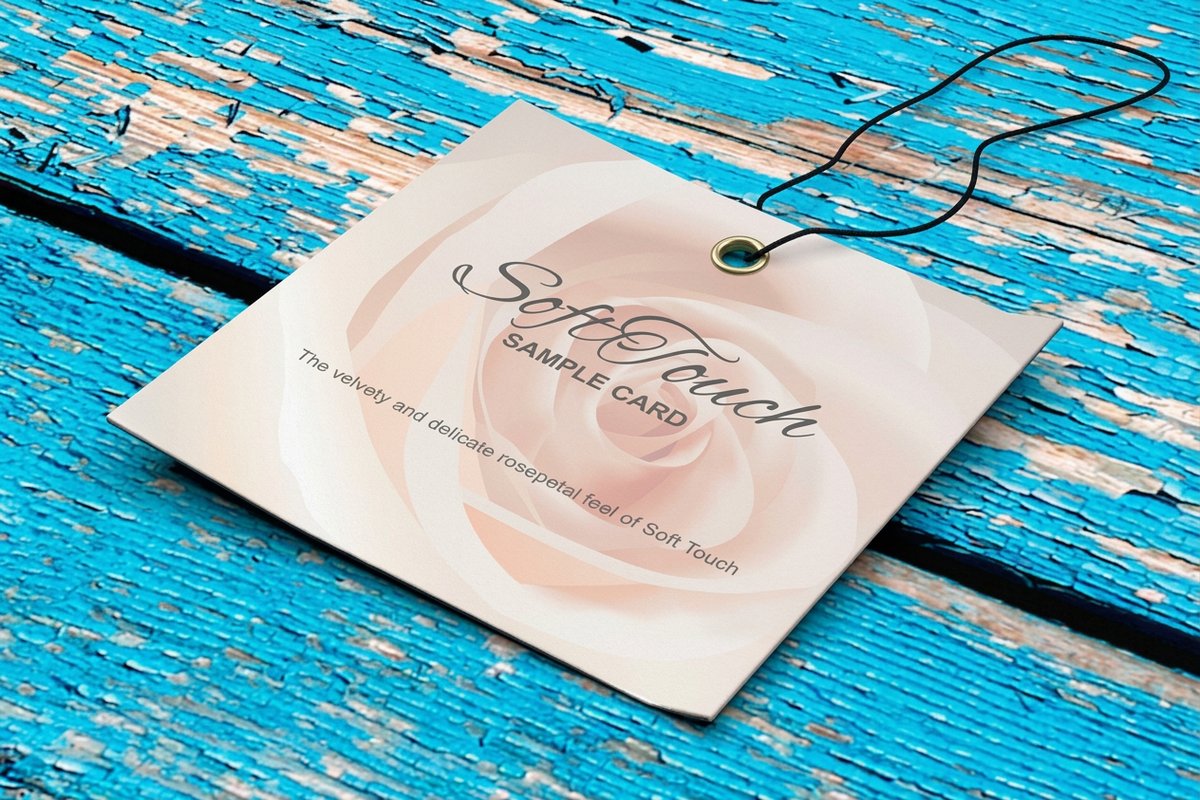
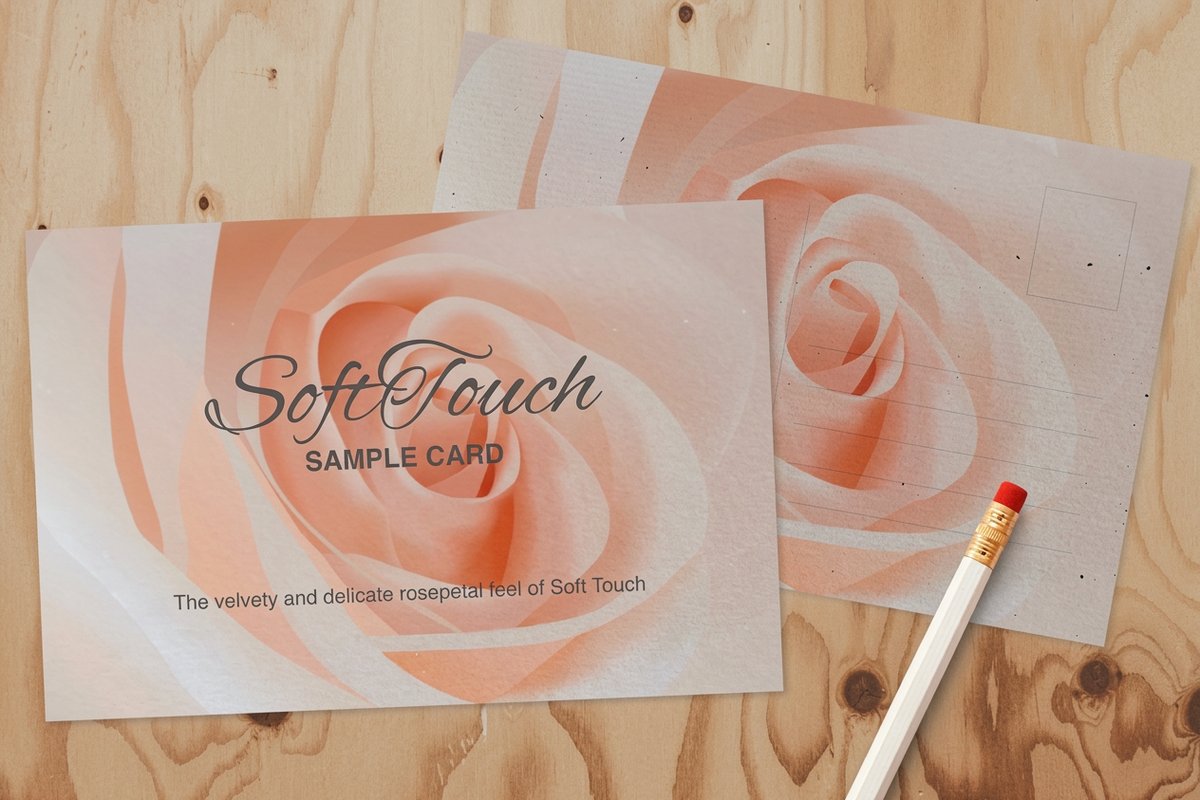
A soft touch business card starts with ordinary paper or cardstock, just like any other card. The difference is what happens next. The stock runs through a curing process that bonds a velvety coating to the surface, giving you a rose-petal feel, a subtle pearly sheen, and a scuff-resistant finish that survives being handled dozens of times.
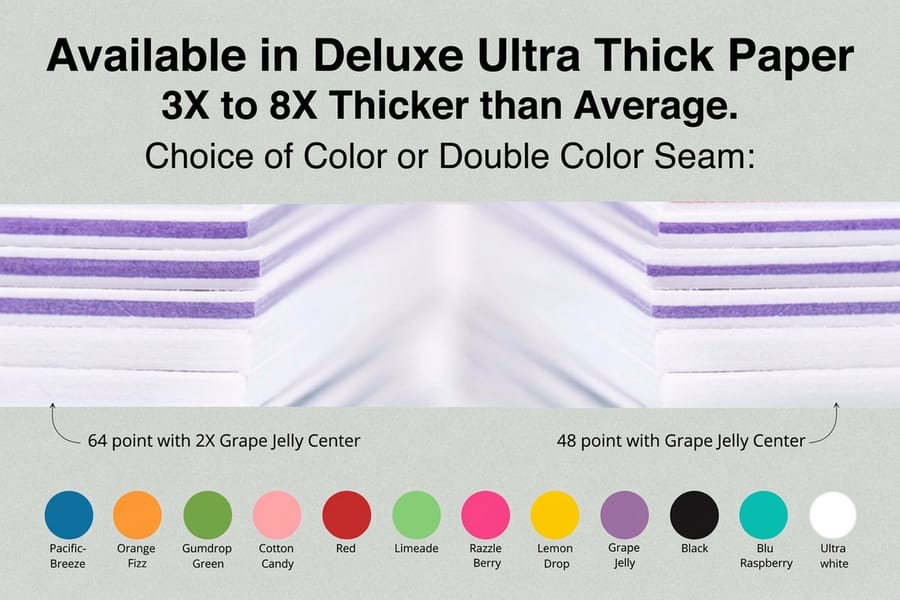
4OVER4.COM prints soft touch business cards on uncoated stock in five thicknesses, from a slim 16pt to a furniture-thick 80pt. The 32pt option lands right around credit-card thickness, sturdy enough to impress without bulging a wallet. The 80pt is a statement piece people ask about before they read your name. Set it beside the rest of our business cards printing range and the tactile jump is obvious.
How the soft touch curing process creates that texture
The curing technique treats uncoated paper with a specialized coating that changes how the surface meets your skin. Unlike a glossy laminate that sits on top of a card, soft touch curing works into the paper fibers. That is what creates the friction, the kind that makes your fingertips linger a beat longer.
The same coating adds a layer of protection. Soft touch cards resist fingerprints, minor scratches, and the everyday wear that turns standard cards into crumpled messes. If you have ever pulled a bent, smudged card out of a pocket and winced, you will appreciate the durability here. For more finishing know-how, our printing guide hub covers card design, stocks, and coatings in plain language.
Soft touch versus matte: they are not the same thing
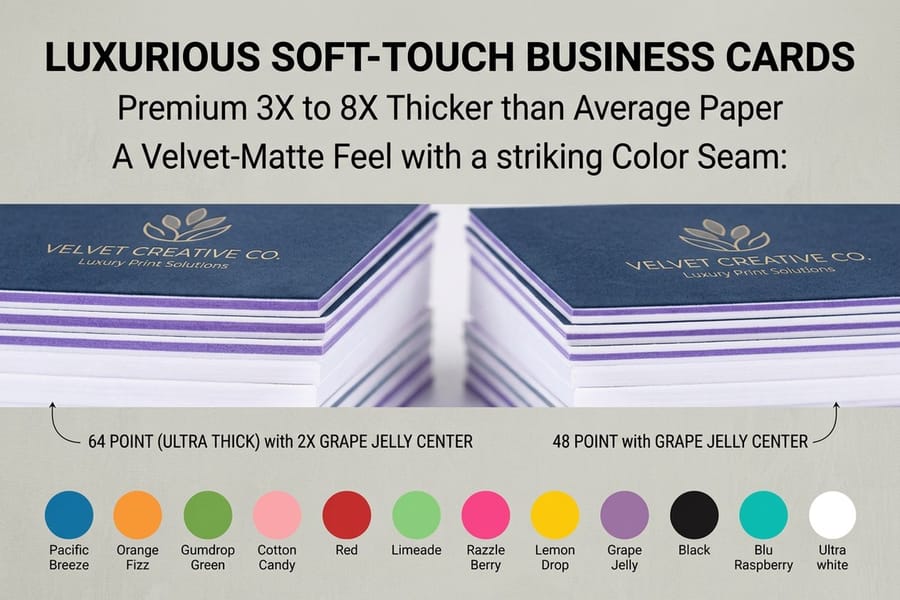
This is the most common mix-up. Matte and soft touch cards both look non-glossy and understated, so people assume they are identical. Pick them up and you feel the difference right away.
Matte cards have a flat, smooth finish with no tactile texture. They look clean and professional, which suits law firms, accountants, and anyone chasing a no-nonsense image. What they lack is the moment of surprise when someone runs a finger across the surface.
Soft touch cards add a velvety, suede-like texture that turns a handoff into a sensory experience. Matte is visual. Soft touch is physical. To weigh it against a laminated finish too, read our take on soft touch laminated business cards, or feel the contrast on silk laminated business cards.
Which soft touch thickness should you choose?
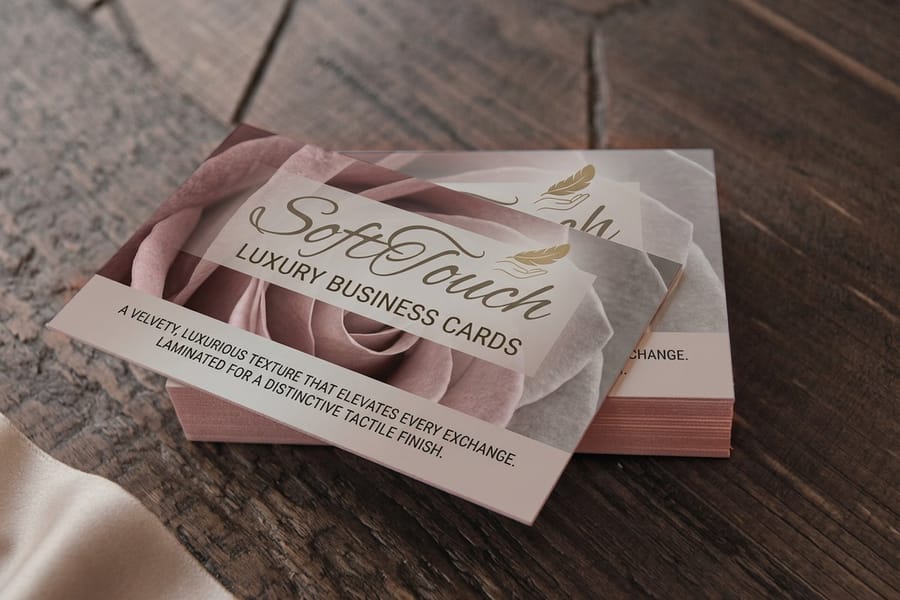
Your stock thickness depends on the impression you want to make and how the card gets used day to day.
- 16pt soft touch uncoated. The slimmest option. Great for high-volume networking where you hand out dozens of cards and do not want a bulging pocket.
- 32pt soft touch uncoated. The sweet spot for most professionals. Credit-card thickness with that velvety feel. Real estate agents, consultants, and creative directors reach for this one.
- 48pt soft touch uncoated. Noticeably thick. People register the weight before they read your name. A strong fit for luxury brands and high-end services.
- 64pt soft touch uncoated. A bold choice that barely bends. It signals permanence and confidence, ideal for boutique hotels, fine dining, and premium retail.
- 80pt soft touch uncoated. The thickest option. The card itself becomes the conversation. Use it when the card is part of your brand story.
Working on a wider brand kit? Keep everything consistent with our guides on how to make flyers and how to fold a brochure.
Design tips for a soft touch business card
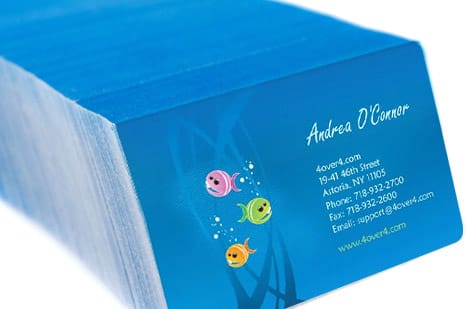
The velvety finish changes how your artwork reads, so design for the medium.
Colors look slightly muted. Uncoated stock absorbs ink differently than a coated sheet, so rich tones land a touch softer. That works in your favor for an understated, premium look. Deep navy, charcoal, burgundy, and forest green all look excellent on soft touch stock.
Minimalist layouts shine. Give the texture room to talk. A clean layout with generous white space, your name, title, number, and maybe a logo is all you need.
Go easy on heavy ink coverage. Full-bleed dark designs on both sides can show fingerprints more readily, even on scuff-resistant stock. Put the dark background on one side and keep the other lighter.
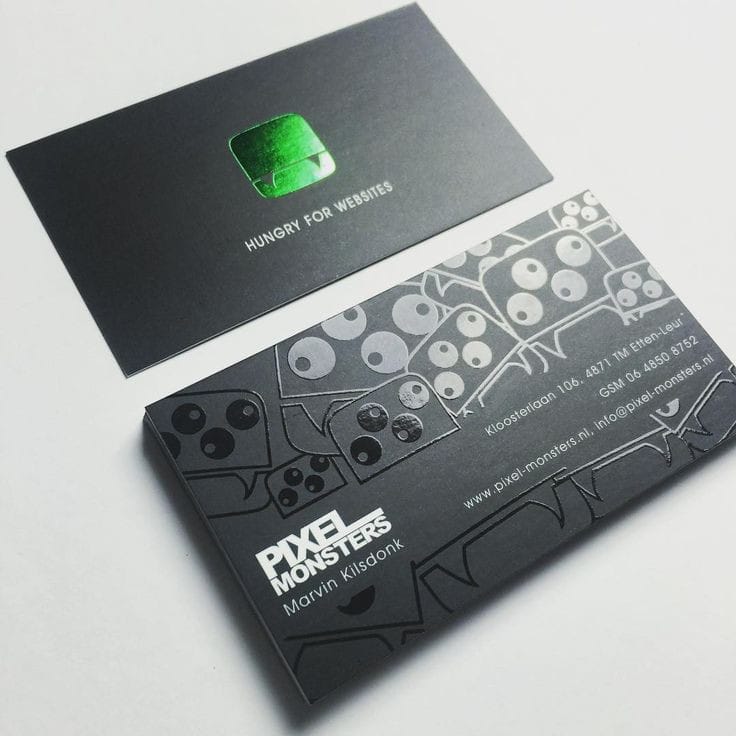
Foil stamping pairs beautifully. Gold or silver foil stamped business cards against a velvety surface create a contrast that is hard to ignore. Start from a ready layout in our design templates, or grab a print-ready soft touch business card blank template. If your mailers need to match, our guides on how to make envelopes and how to clean rubber stamps keep the whole set sharp.
Who actually uses soft touch business cards?
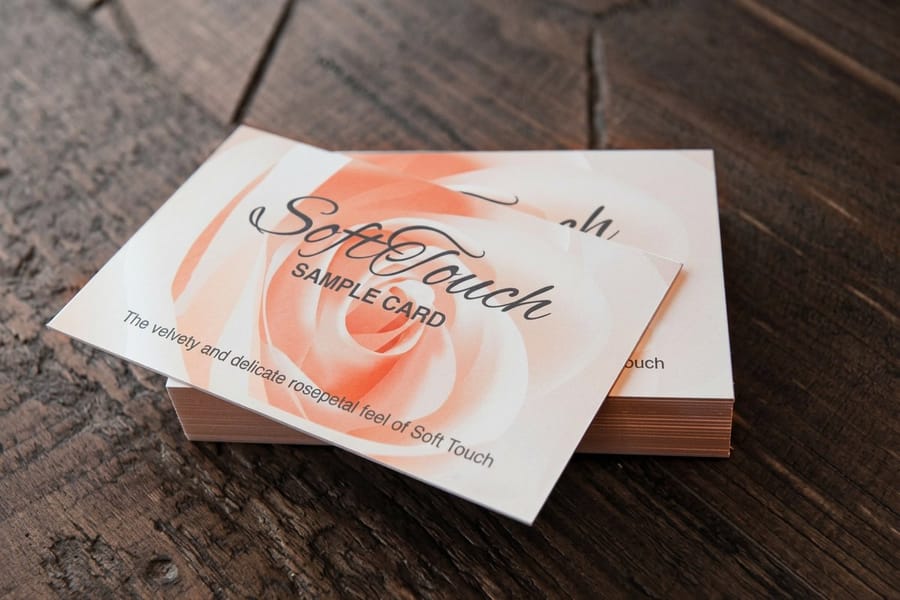
Soft touch cards are not tied to one industry. They hit hardest wherever a first impression carries real weight.
Real estate agents hand out cards at open houses and coffee meetings. A 32pt soft touch card tells a seller that you notice every detail, including theirs.
Beauty and wellness pros such as salon owners and estheticians lean on the sensory connection. A card that feels luxurious reinforces the experience they sell.
Financial advisors and attorneys need cards that read as trustworthy and stable, and weight does that without a word. Creative professionals treat the card as a portfolio piece. For another branded touchpoint, our custom magnets guide covers a fun option to hand out alongside your cards.
How soft touch cards hold up over time
Durability matters. A card that looks amazing on day one but frays after a week in a wallet defeats the purpose.
Soft touch business cards resist scuffing, which is their biggest edge over standard uncoated or matte cards. The cured layer handles friction from wallets, pockets, and card holders without showing marks. Colors stay true and edges stay clean. Thicker stocks at 48pt and up hold their shape and skip the curved bend that thinner cards pick up.
Once you feel the finish on a card, you will want it across the whole kit. 4OVER4.COM runs the same treatment on soft touch postcards, soft touch hangtags, and soft touch bookmarks, so every piece in your business stationery set feels the same in hand.
Mistakes that ruin a soft touch business card
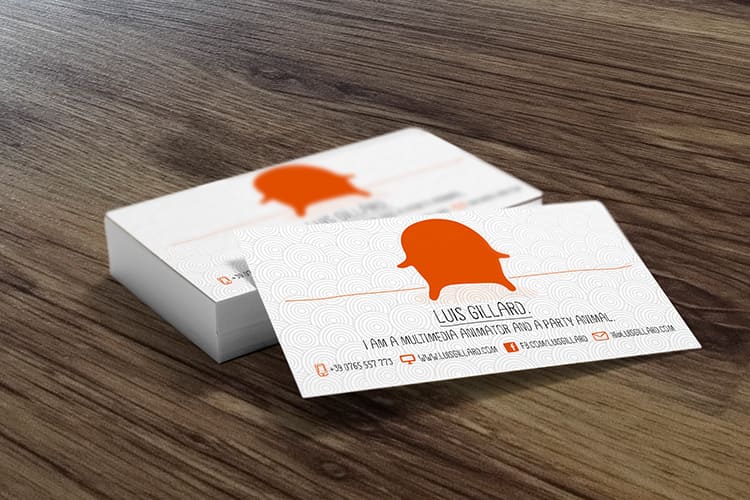
Even a premium card falls flat with the wrong choices at design and order time. Here are the errors 4OVER4.COM sees most, and how to dodge them.
Using glossy design elements on uncoated stock. Soft touch is an uncoated finish. High-contrast photos and neon colors built for glossy paper will not translate. Reach for muted tones and clean type.
Going too thin for the job. A 16pt card still feels nice, but it will not carry the weight of a 32pt or thicker option. In a premium market, do not undercut your brand to save a few dollars.
Overcrowding the layout. The texture is the feature. Cram every handle, QR code, and tagline onto one side and you bury what makes the card special. Edit hard.
Skipping the proof. Colors shift on uncoated stock, so always review your free proof before you approve. For questions about mixing foil or spot finishes, our help center has answers. Want a completely different kind of wow factor? Look at 3D lenticular business cards for motion your soft touch card cannot match.
Specs and pricing
Soft touch business card specs and pricing
Here is what a made-to-order soft touch business card gives you at 4OVER4.COM, with live specs and price-per-unit pulled straight from the configurator.
| Quantity | Price Per Unit | Total |
|---|---|---|
| 50 | 80.6¢ | $40.28 |
| 100 | 76.7¢ | $76.65 |
| 200 | 59.9¢ | $119.74 |
| 300 | 53.9¢ | $161.67 |
| 400 | 44.9¢ | $179.65 |
| 500 | 38.3¢ | $191.60 |
| 600 | 33.9¢ | $203.60 |
| 700 | 30.8¢ | $215.58 |
Print it
Order soft touch cards and matching print at 4OVER4
Wally explains soft touch
Why a velvety card gets kept, not tossed
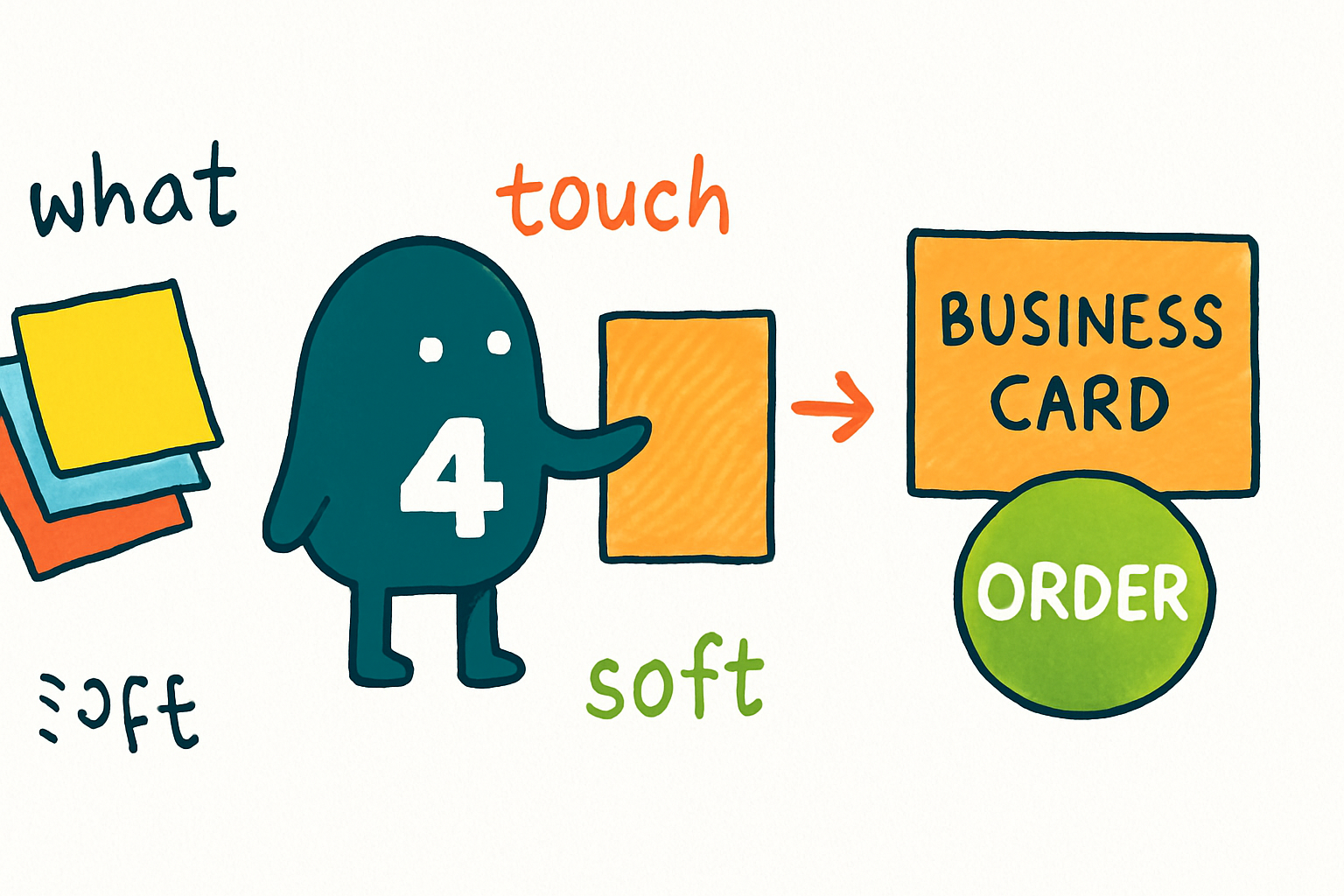
Wally treats a business card like a first handshake: the soft touch finish adds a velvety grip that makes people slow down and actually feel your brand. It is cured into uncoated stock, so it resists fingerprints and scuffs while reading more premium than plain matte. Pick 32pt for everyday networking, or go thicker when you want the card itself to start the conversation.
Order soft touch cards →See it in use
Real business card work, printed in-house
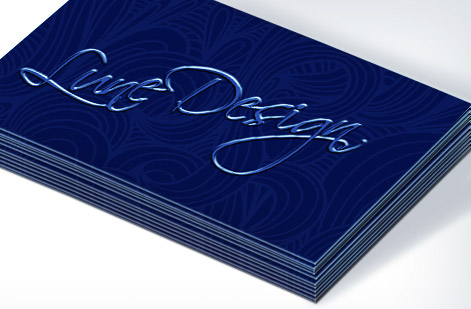
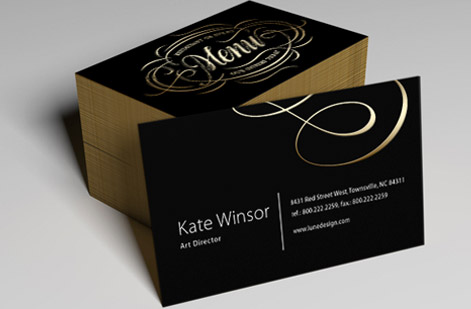
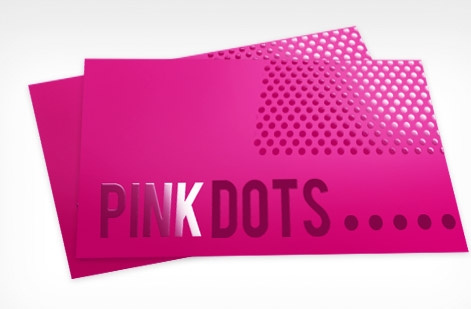
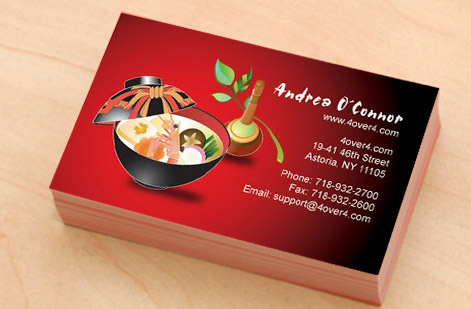
Explore more
Where to go next
By the numbers
Printing you can count on at 4OVER4
Common Questions
Common questions about soft touch business cards
What exactly is a soft touch business card?
A soft touch business card is printed on uncoated paper treated with a special curing process. That creates a velvety, suede-like texture you feel the moment you run a finger across it. The finish is scuff-resistant and durable, and it reads differently from standard matte or glossy cards. 4OVER4.COM offers it in 16pt through 80pt thicknesses.
Is soft touch the same as a matte finish?
No. Both are non-glossy, but matte is smooth and flat while soft touch has a tactile, velvety texture. Matte looks understated. Soft touch feels understated, and that physical sensation is what makes people remember the card.
Can I add foil stamping or spot UV to a soft touch card?
Foil stamping works beautifully on soft touch stock, since the contrast between metallic foil and velvety paper is striking. Spot UV is trickier because the surface is uncoated. Check the exact finish combinations for your chosen thickness with the 4OVER4.COM help center before you order.
What thickness is best for a soft touch business card?
For most professionals, 32pt hits the balance, credit-card thick with a premium feel. Move up to 48pt or 64pt for luxury markets like fine dining, boutique retail, or high-end consulting. The 80pt option is for brands that want the card itself to be the talking point.
Will my colors look different on soft touch stock?
Yes, slightly. Uncoated paper absorbs ink differently than coated stock, so colors land a touch softer and more muted. That actually gives designs a warm, sophisticated look. Deep, rich tones like navy and charcoal perform especially well. Always review your free proof before approving the order.
How do I design a card that works with the soft touch finish?
Keep it simple. Minimalist layouts with generous white space let the texture speak for itself. Avoid full-bleed dark designs on both sides and stick to clean typography. Your name, title, number, and a logo are usually all you need on a velvety card.
Do soft touch business cards cost more than standard cards?
They run a bit more than basic glossy or matte cards because of the curing step, but the gap is small. People are far more likely to keep a soft touch card, and a card that stays in a wallet is worth more than ten that end up recycled.
How long do soft touch business cards last?
The scuff-resistant coating keeps cards looking fresh through normal wallet and pocket handling. Thicker stocks at 48pt and above resist bending and warping. With normal use, soft touch cards hold their texture and appearance far longer than standard uncoated cards.
Get Started
Ready to order soft touch business cards?
Pick your thickness, drop in your logo, and we print a velvety, scuff-resistant card people actually keep.
Legal Disclaimer
Gold Standard guarantees apply to all standard orders placed through 4over4.com. Price match requires verifiable proof of a competitor's published price for an equivalent product with matching specifications and turnaround time. Satisfaction guarantee covers manufacturing defects and print quality issues. Contact support with order number and documentation. On-time delivery rate based on tracked orders 1999 to 2026. Individual results may vary based on shipping carrier performance.
