
How to Make Envelopes with DIY Methods and Pro Printing Tips


Fold a clean envelope by hand from a template, choose paper that fits the card, then print your own or order a matched custom batch. The steps run from the first score line to a print-ready file on White Wove.
To make an envelope, start with the finished size: pick paper to match your card, trace or print a template, then score every fold line before folding. Fold the bottom flap first, then the sides, glue the seams, and close with the top flap. For dozens of matching pieces with a return address or logo, order custom printed envelopes instead of folding each one by hand.
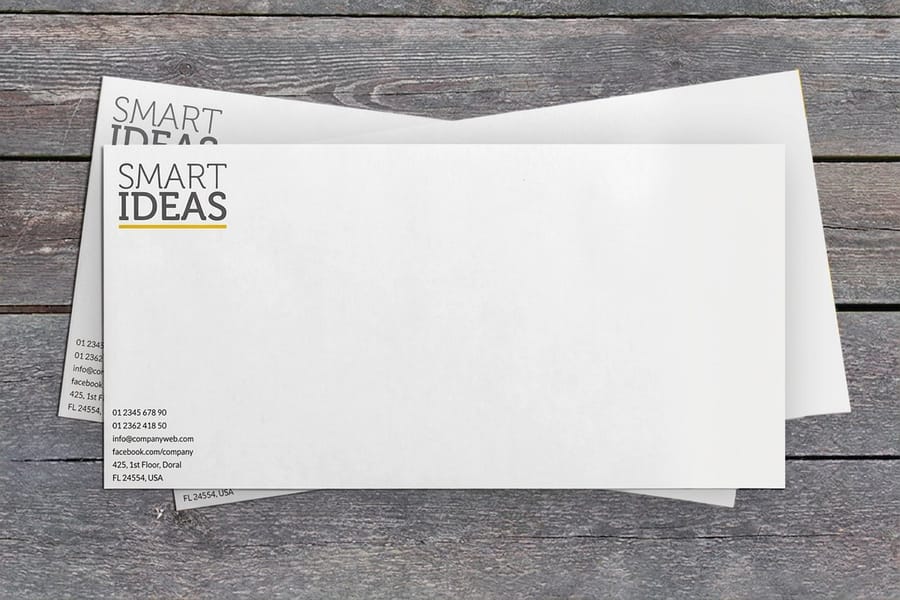
Quick tips
Quick tips for making clean envelopes
Match the envelope to the card first, then add a quarter inch of room on each side. Score every fold line before folding so the creases stay sharp, use text-weight paper for everyday mail and heavier text for invitations, and fold the bottom flap first, the sides next, and the top flap last. When you need dozens of matching envelopes with a return address, 4OVER4.COM prints them faster and more consistently than folding by hand.
Why make your own envelopes (and when to print them)
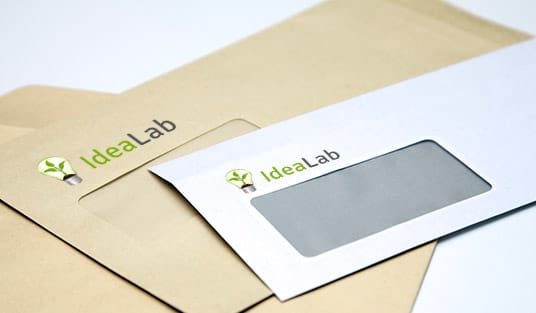
An envelope is the first thing anyone sees, and an odd size or thin paper undersells whatever is inside. Learning how to make envelopes gives you full control over the fit, the paper, and the look, for a handmade card as much as for a proposal that needs to feel considered.
Making your own suits one-off cards, gifts, and small batches where the exact size matters more than speed. You choose the stock, the color, and the finish, and you can build an envelope around a card that no store-bought size fits. If you want a head start on the artwork, the Online Designer lets you lay out a return address or a monogram before you print.
This guide walks through sizes, a step-by-step hand fold, paper choices, file setup, and the point where ordering printed envelopes simply makes more sense. For inspiration on what a finished envelope can look like, browse real custom envelope designs printed at 4OVER4.COM.
Envelope sizes and styles, explained
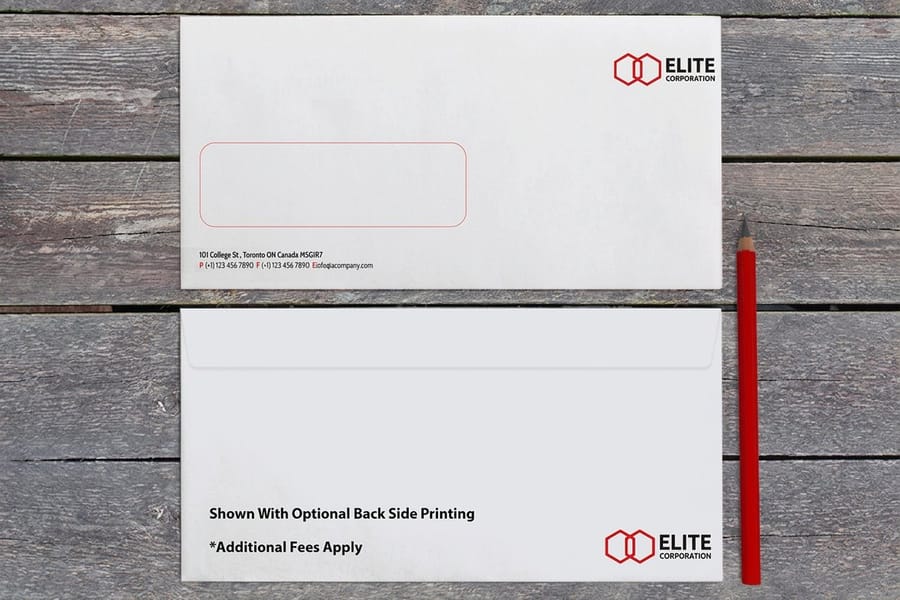
The card decides the envelope, not the other way around. Measure what goes inside, add about a quarter inch to the height and width for breathing room, and that is your target envelope size. Get this right and everything else falls into place.
A few standards cover most jobs. The #10 business envelope (4.125 by 9.5 inches) fits a letter folded in thirds and carries most statement and letter mail. The A7 (5.25 by 7.25 inches) fits a 5 by 7 invitation, and the smaller A2 (4.375 by 5.75 inches) suits note cards and thank-you cards. Square and window styles handle the rest.
Styles matter too. Announcement and A-style envelopes have a pointed flap that reads formal, while commercial styles seal fast for mail runs. When you outgrow hand folding, 4OVER4.COM offers printed envelopes and invitation envelopes in these exact sizes.
How to make an envelope by hand, step by step
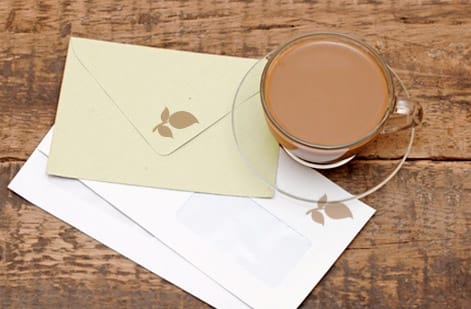
Here is the reliable method. It takes a few minutes and needs only paper, a scoring tool, and glue or double-sided tape.
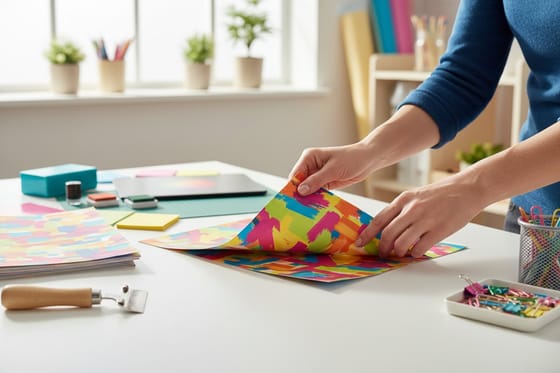
- Start from a template. Trace an envelope you already own, or print a template sized to your card. A guide keeps every flap square.
- Cut the shape cleanly. Use a craft knife and a ruler rather than scissors so the edges stay straight.
- Score every fold line. Run a bone folder or a dry ballpoint along each crease. Scored paper folds sharp and will not crack.
- Fold in order. Bring in the bottom flap first, then the two side flaps, and glue where they overlap. The top flap folds down last to close it.
- Press and let it set. Weigh the seams down for a minute so the glue holds flat with no gaps at the corners.
Want the shape done for you? 4OVER4.COM Blank Templates come pre-sized with the correct dimensions, and ready-made Design Templates add layouts you can drop your details into before printing.
Choosing the right paper and finish
Paper is where a homemade envelope either feels special or feels flimsy. The right weight folds cleanly, hides the card inside, and survives a trip through the mail without tearing at the seams.
For everyday mail, reach for text-weight paper in the 24 lb to 32 lb range. It folds crisply and seals flat. For invitations and cards, step up to 70 lb to 80 lb text so the envelope feels substantial and keeps ink or dark cards from showing through. Skip thick cardstock for hand folding because the heavy creases crack and will not close smoothly.
Finish sets the tone. Smooth uncoated paper takes handwriting and stamps well, laid and linen textures read formal, and a lined interior adds a premium touch for weddings and events. If you are matching envelopes to a larger stationery set, explore 4OVER4.COM business stationery printing so the whole suite shares one look.
Pro printing tips: setting up your envelope file
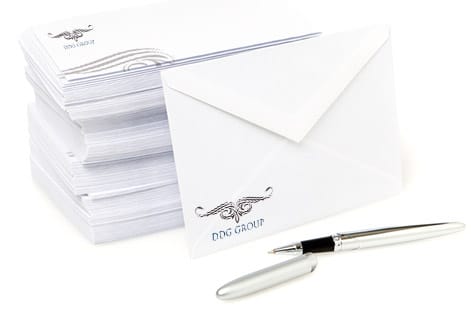
Printing on envelopes, at home or at a shop, needs a clean, correctly built file. Get the basics right and your return address and artwork land sharp instead of soft or clipped.
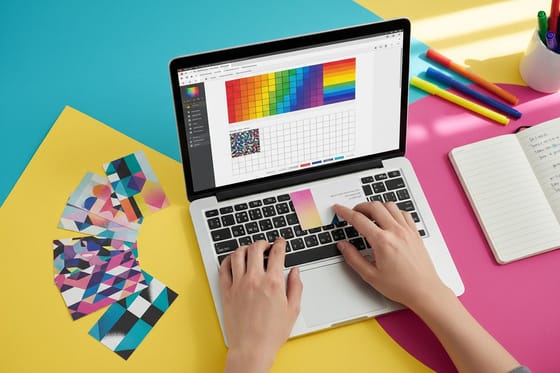
Build at 300 DPI in CMYK. Screens show color in RGB at 72 DPI, but presses print in CMYK at 300 DPI, so set your file to 300 DPI at the final envelope size and convert to CMYK before you export. This keeps colors true and edges crisp. Add a 0.125 inch bleed if your design runs to the edge, and keep text a safe distance inside the trim so nothing gets cut. The same file rules carry over to related pieces, which is why our guides on how to fold a brochure and how to make flyers repeat them.
Export a print-ready PDF rather than a screen PNG, since PDF preserves fonts, vectors, and CMYK color in one file. Feed envelopes one at a time through the manual tray, set the paper type to envelope, and run a single test on scrap before the full batch.
When to order custom printed envelopes instead
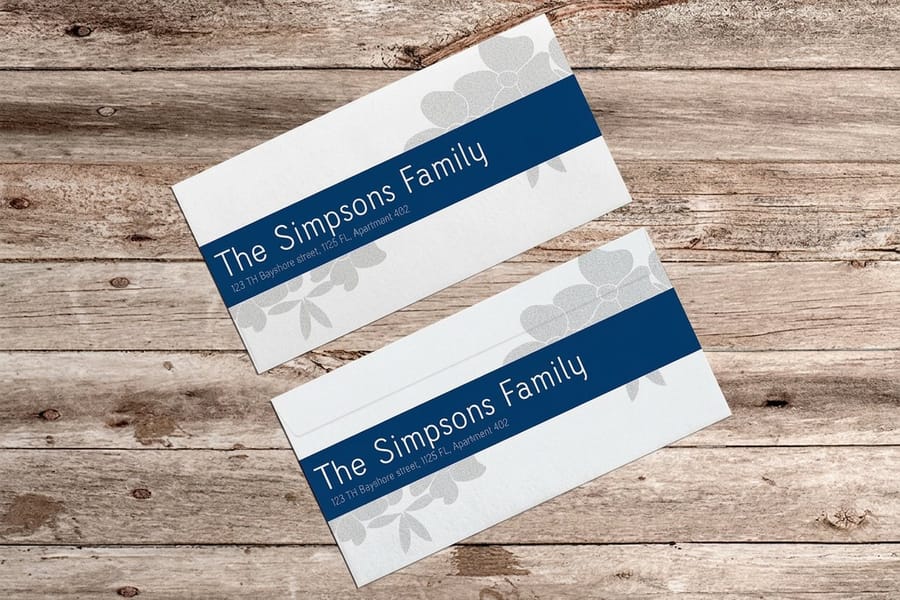
Hand folding is a joy for a handful of pieces. Past that, the math changes fast. Once you need dozens or hundreds with a consistent return address, a logo, or full-color art, ordering printed envelopes saves real time and looks uniform across every piece.
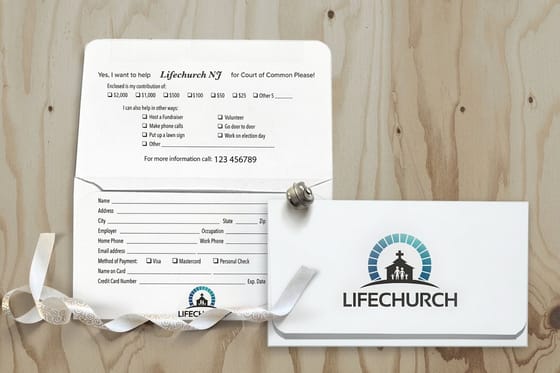
4OVER4.COM prints printed envelopes in standard and specialty sizes, plus blank envelopes when you want to run them through your own printer. For churches and nonprofits, purpose-built donation envelopes and remittance styles come ready for names, tear-off stubs, and mailing details.
Pricing drops as your quantity climbs, and if you find a lower price elsewhere the Price Match guarantee has you covered. Browse the full range on the envelope printing category page to compare sizes and styles side by side.
Addressing and branding your envelopes
A finished envelope still needs to be addressed and, ideally, branded. Handwriting and printing both work, and consistency is what makes a plain envelope look intentional.
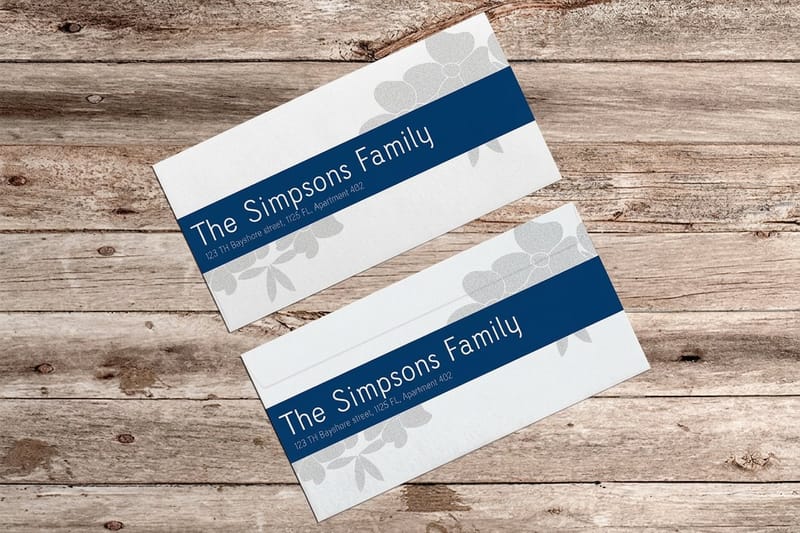
Keep the return address in the top-left corner and the delivery address centered, with room for a stamp in the top-right. Printing the addresses in a single clean typeface reads sharper than mixed handwriting on a large run. A small logo or monogram on the flap ties the envelope to the rest of your materials, and it is easy to add in the Online Designer.
Think of the envelope as one piece of a set. Pair it with matching invitations printing for events, or extend it to lenticular extras like 3D lenticular postcards and custom magnets so every mailer feels like it came from the same place.
Envelope mistakes that waste paper and postage
Even a simple envelope has a few traps. Avoid these and you will waste far less paper, ink, and postage.
Skipping the score line. Folding without scoring gives soft, uneven creases that crack on heavier paper. Always score first.
Building the envelope too tight. With no clearance, the card jams and the seams bulge. Add a quarter inch on the height and width so it slides in clean.
Using cardstock that is too heavy. Thick stock will not fold flat or seal, so keep hand-folded envelopes in the text-weight range.
Ignoring postage limits. Square and oversized envelopes often cost more to mail. Check the size against postal rules before you commit to a run.
For more file prep and finishing help, the 4OVER4.COM guide hub covers everything from paper to folds, including a companion read on how to clean rubber stamps if you address envelopes with a custom stamp.
Wally explains envelopes
The card picks the envelope, not the other way around
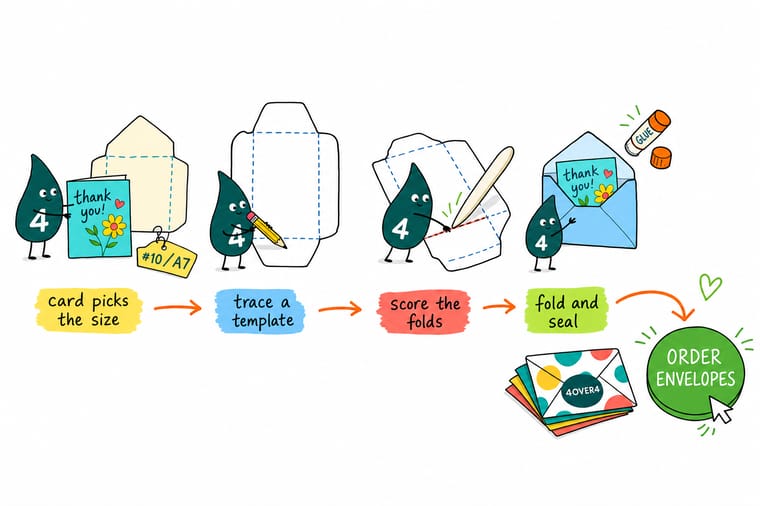
Wally builds every envelope back to front: measure the card, add a little breathing room, score the folds, then close it clean. A handmade one is perfect for a special card or two. When you need a whole stack that all match, with a return address and your logo already on them, skip the paper cuts and order printed envelopes built to your exact size at 4OVER4.
Order printed envelopes →Specs and pricing
Custom envelope specs and pricing
When hand folding stops making sense, here is what a custom-printed envelope gives you at 4OVER4.COM, with live specs and price-per-unit straight from the configurator.
| Quantity | Price Per Unit | Total |
|---|---|---|
| 250 | 57.2¢ | $142.99 |
| 500 | 29.2¢ | $146.12 |
| 1,000 | 15.4¢ | $153.87 |
| 2,500 | 12.8¢ | $319.95 |
| 5,000 | 10.6¢ | $529.40 |
Print it
Order envelopes in every style at 4OVER4
See it in use
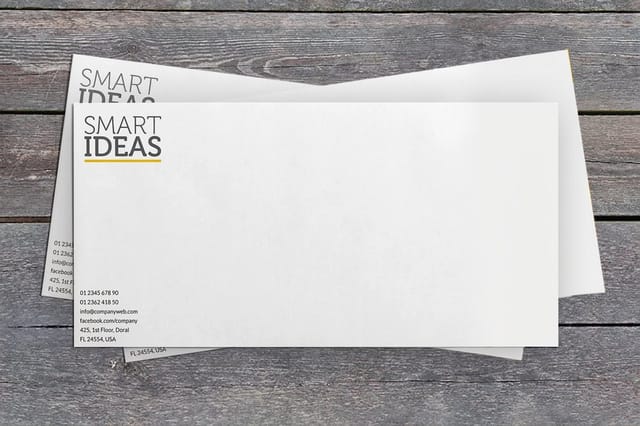
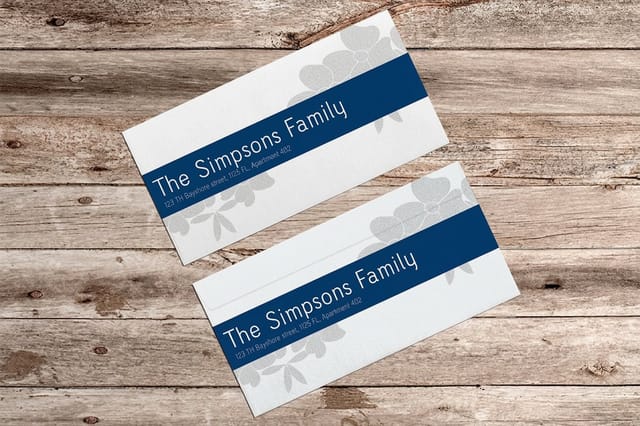
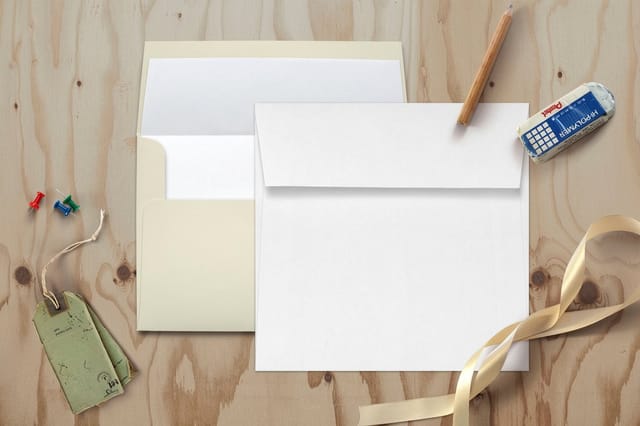
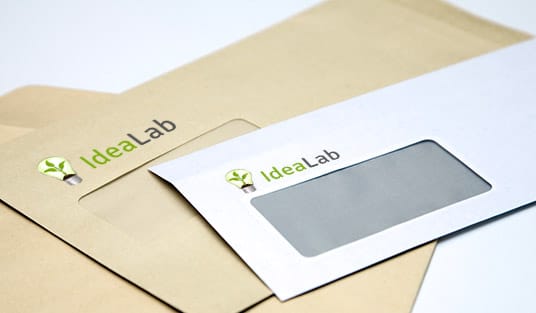
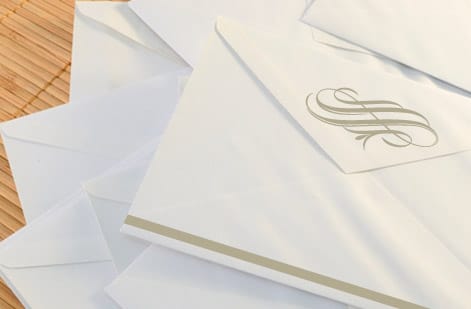
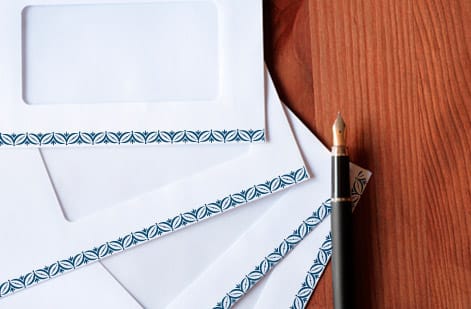
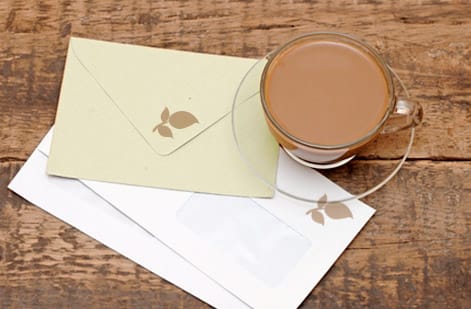
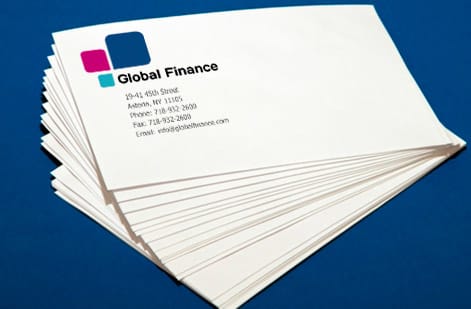
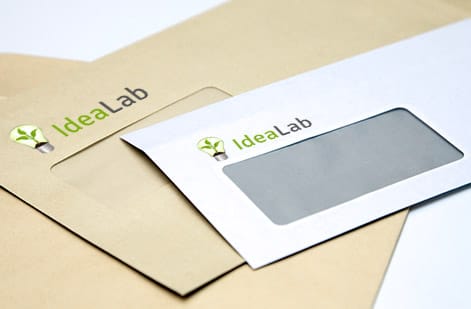
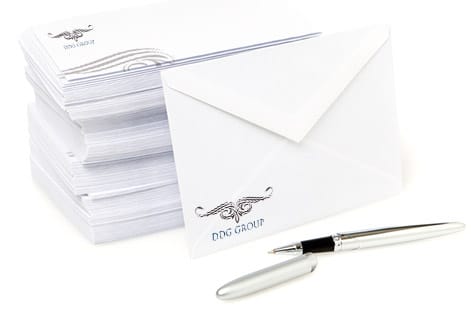
Printed envelopes from finished customer jobs

Explore more
Where to go next
By the numbers
The plant that prints the stack you order
Common Questions
Common questions about making envelopes
What is the easiest way to make an envelope at home?
Take a square sheet of paper, place your card in the center at a slight diagonal, then fold the bottom, left, and right corners over it and glue the seams. Folding the top corner down last creates the closing flap. For repeatable results, trace an envelope you already own or print a template so every flap matches.
What paper weight works best for envelopes?
Text-weight paper around 24 lb to 32 lb folds crisply and works for everyday mail. For invitations and cards, step up to 70 lb to 80 lb text so the envelope feels substantial and hides the card inside. Avoid heavy cardstock for hand-folded envelopes because the thick creases crack and will not seal flat.
What are the standard envelope sizes?
The most common are the #10 business envelope at 4.125 by 9.5 inches for folded letters, the A7 at 5.25 by 7.25 inches for 5 by 7 invitations, and the A2 at 4.375 by 5.75 inches for small note cards. Match the envelope to the card first, then leave about a quarter inch of breathing room on each side.
Can I print directly on envelopes with a home printer?
Yes, most inkjet and laser printers accept envelopes through the manual feed tray. Set the paper type to envelope, keep the design inside the printable area, and run one test on scrap first. For large runs or full-bleed color, a print shop gives cleaner, faster, and more consistent results.
Is it cheaper to make envelopes or order them printed?
For a handful, making your own from paper you already have is cheapest. Once you need dozens or hundreds with a return address, logo, or color, ordering printed envelopes is usually cheaper per piece and far quicker once you count your time. 4OVER4.COM prices drop as quantity rises.
How do I make an envelope for an invitation or card?
Measure your card, add a quarter inch on the height and width, then build or buy an envelope in the matching A-size, such as A7 for a 5 by 7 invitation. Use a heavier text-weight paper so it feels formal, line the inside for a premium touch, and print the address with the online designer for a polished finish.
Get Started
Order printed envelopes from $0.57 each
Pick your size and style, drop in your return address or logo, and we print envelopes that seal clean and mail well every time.
Legal Disclaimer
Gold Standard guarantees apply to all standard orders placed through 4over4.com. Price match requires verifiable proof of a competitor's published price for an equivalent product with matching specifications and turnaround time. Satisfaction guarantee covers manufacturing defects and print quality issues. Contact support with order number and documentation. On-time delivery rate based on tracked orders 1999 to 2026. Individual results may vary based on shipping carrier performance.
