
Standard Brochure Sizes with Every Dimension Explained


From Letter and A4 to DL, Half-Letter, Tabloid, and square, here is every standard brochure size, the fold each one suits, and how to set up a print-ready file that folds clean.
Standard brochure sizes cluster around a few proven dimensions: Letter (8.5 by 11 inches), Legal (8.5 by 14), Tabloid (11 by 17), A4 (8.3 by 11.7), Half-Letter (5.5 by 8.5), DL (3.9 by 8.3), and square. Each one folds into a different panel count, so pick the size by how much content you have, how the piece travels, and your budget, then design flat with a 0.125 inch bleed.
Quick answer
Which brochure size should you pick?
Start from the flat sheet, then let the fold decide how it opens. Letter (8.5 by 11 inches) is the everyday tri-fold, DL and Half-Letter suit mail and rack displays, and Tabloid or square make a statement when you want impact. Match the size to your content, your distribution, and your budget, design the file flat with a 0.125 inch bleed, and score anything 16pt and heavier before it folds.
Why brochure size is the first decision you make
A brochure size guide saves you from the most expensive mistake in print marketing, which is designing something beautiful that does not fit your message, your budget, or your reader's pocket. The dimensions you choose decide almost everything: how many panels you get, how much white space you can work with, and whether the piece qualifies for standard postal rates or costs extra to mail.
4OVER4.COM has printed more than 10 billion cards and marketing materials for over 150,000 businesses, and brochures are still one of the most requested products. Before you jump into design, open the online design studio to see how your content fits each dimension. You can also trim your next print run through daily printing deals or bank points toward future orders with the 4OVER4 loyalty program.
Below is every standard brochure size, what each one does best, and how to match the right dimensions to your project.
Letter size brochures (8.5" x 11")
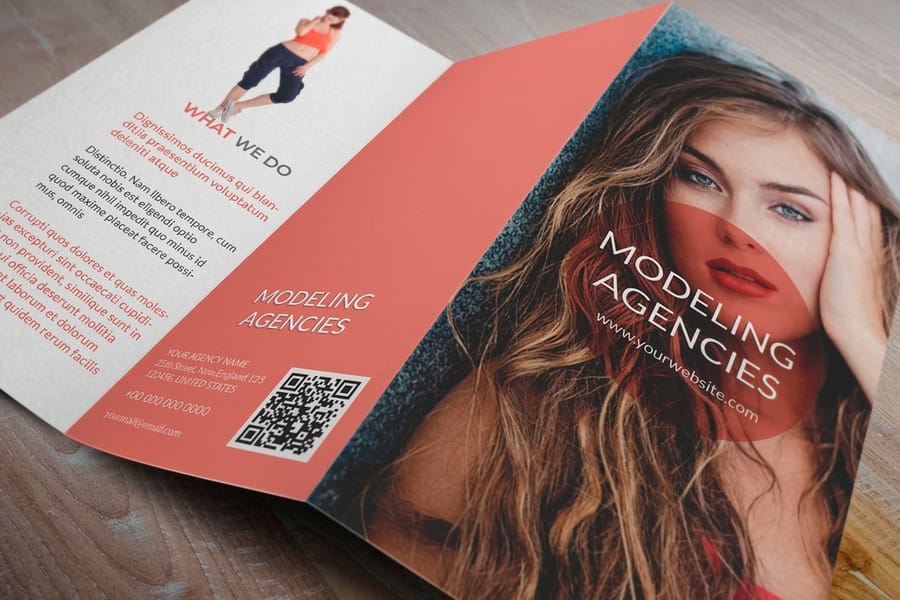
The Letter size brochure is the workhorse of North American print marketing. At 8.5 by 11 inches it is the most widely used brochure dimension for one simple reason. It is built around the standard paper size that every printer, every envelope, and every filing cabinet already handles.
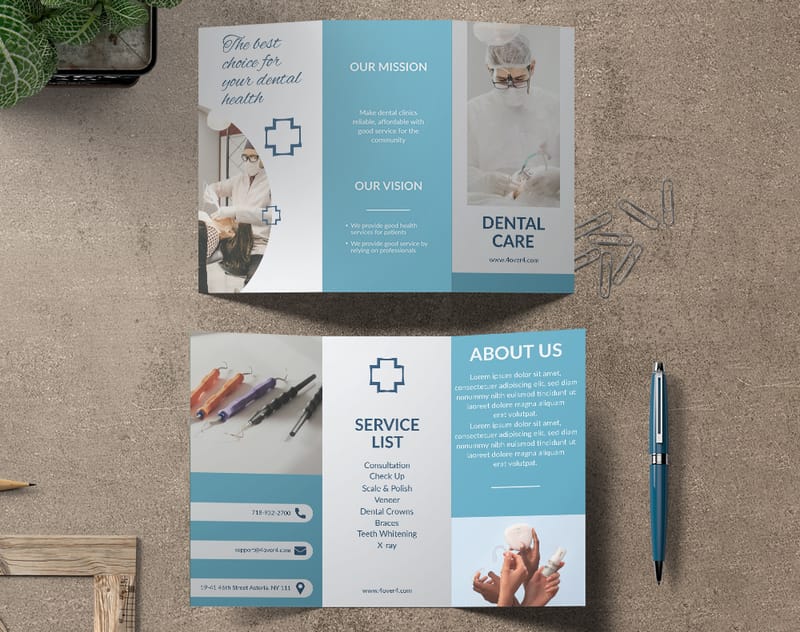
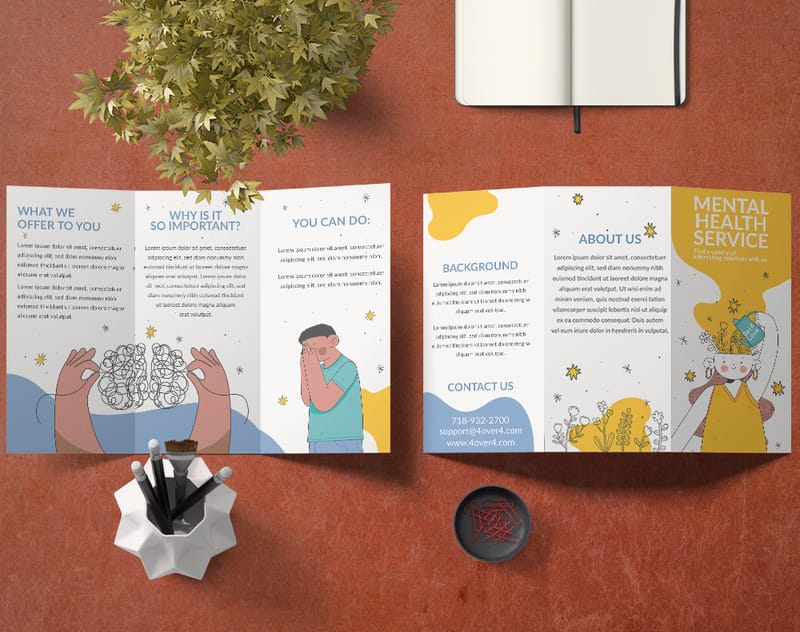
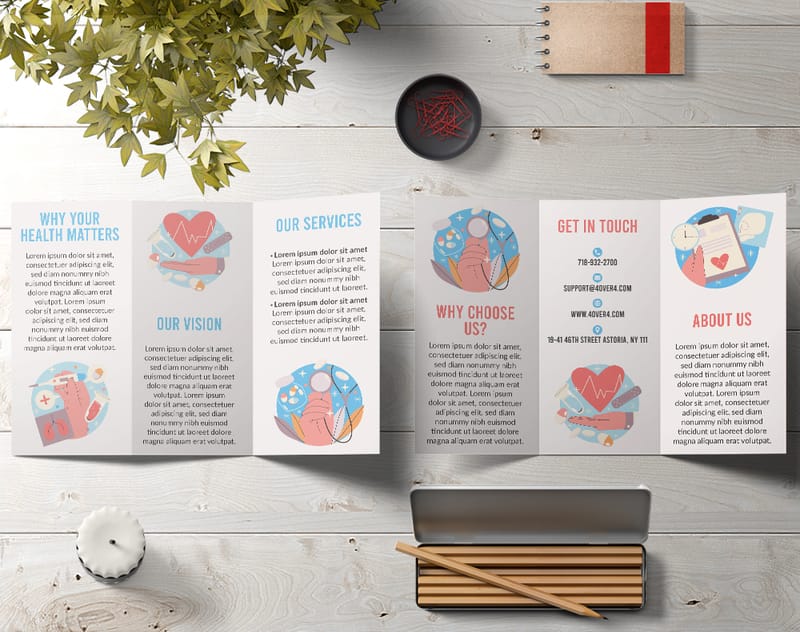
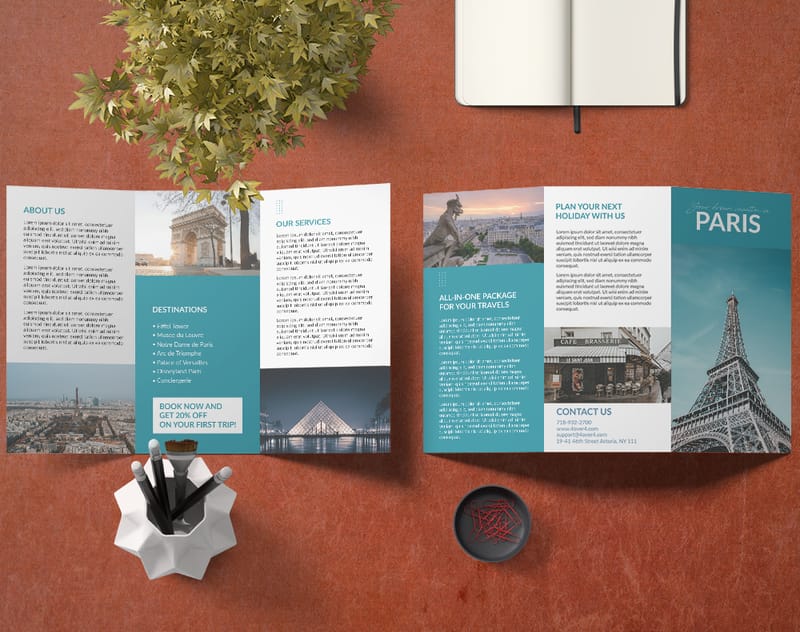
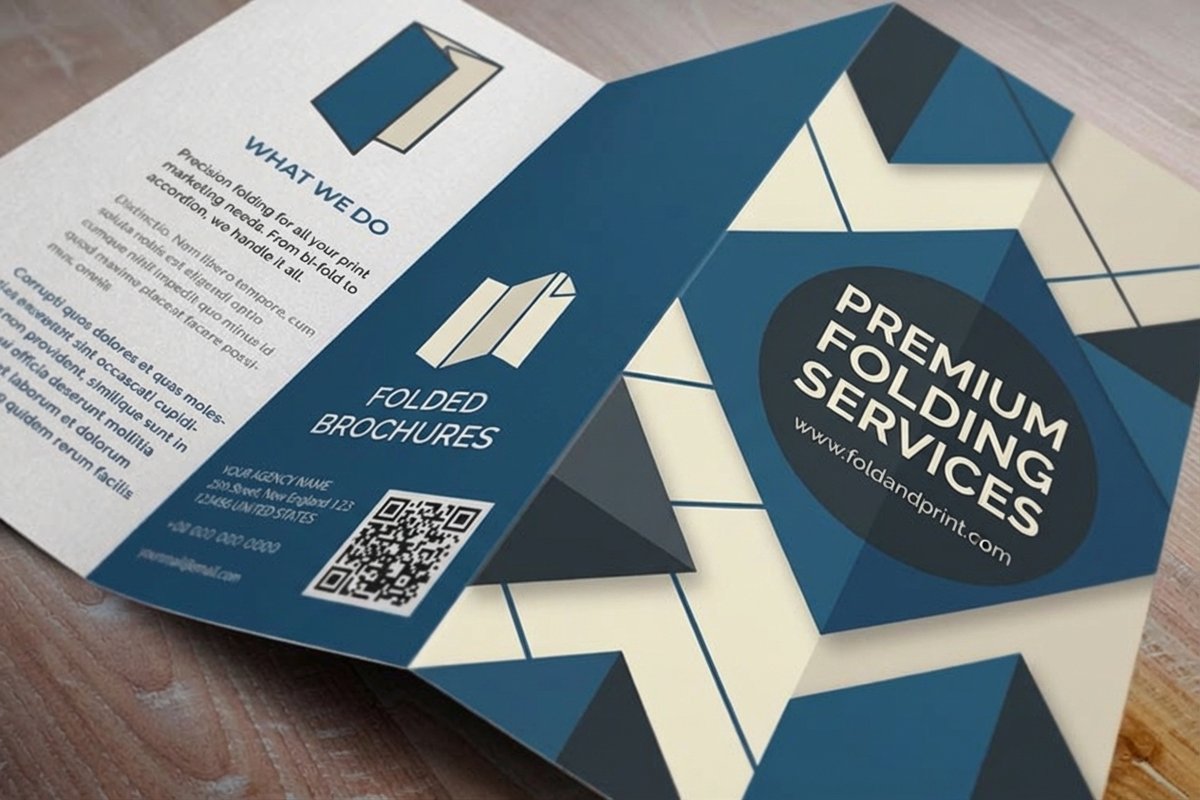
Tri-fold a Letter sheet and you get six panels, each roughly 3.67 by 8.5 inches. That is enough room for a front cover, an introduction panel, three content sections, and a back panel with your contact details. It is the classic layout you have seen at doctor's offices, real estate open houses, and hotel lobbies. Letter size also works with bi-fold, Z-fold, and gate fold layouts. If folding is new to you, our guide on how to fold a brochure walks through every technique with visual examples.
Best for: general marketing, service overviews, welcome packets, real estate listings, and healthcare information sheets.
Legal size brochures (8.5" x 14")

Add three inches to the Letter format and you get the Legal size brochure at 8.5 by 14 inches. Those extra inches are not padding. They give you roughly 27% more printable area than a Letter brochure, which means more room for detailed pricing tables, longer service descriptions, or larger images.
Tri-folded, a Legal brochure creates panels about 4.67 by 8.5 inches, noticeably taller than Letter panels. Restaurants love this size for menus, law firms use it for practice-area breakdowns, and travel companies pick it for itinerary brochures that list destinations, dates, and pricing without cramping the layout. One catch: Legal brochures do not fit standard #10 envelopes, so you will need a #10 policy envelope or a 6 by 9 envelope. If you are making your own, how to make envelopes covers the sizing.
Best for: restaurant menus, detailed service catalogs, travel itineraries, legal service brochures, and event programs.
Tabloid size brochures (11" x 17")
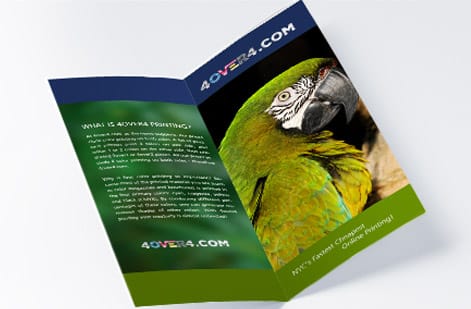
The Tabloid brochure is the big one. At 11 by 17 inches it is exactly double the Letter size, so a single bi-fold gives you four Letter-sized panels. That is a lot of real estate, and it makes a physical impression the moment someone picks one up. It feels big, it looks premium, and it gives designers room for large photography, infographics, and detailed maps without shrinking everything down.
Tri-folded, a Tabloid creates panels roughly 5.67 by 11 inches, each nearly the size of a half-sheet flyer on its own. If you are weighing a brochure against a standalone flyer, our resource on how to make flyers breaks down when a flyer makes more sense.
Best for: product catalogs, campus maps, trade show handouts, nonprofit annual reports, tourism guides, and conference programs.
A4 size brochures (8.3" x 11.7")
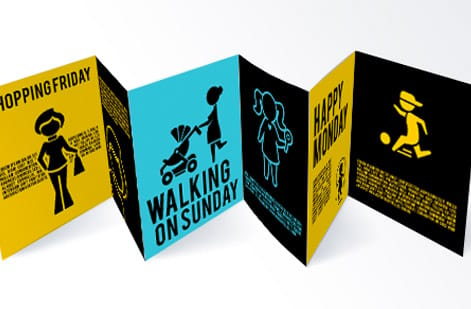
A4 is the international standard. At 8.3 by 11.7 inches it is slightly narrower and taller than the North American Letter size. If your business operates internationally, or you are printing for a client outside the United States, A4 is the format people expect.
The difference between A4 and Letter is small but real. A4 panels in a tri-fold measure about 3.9 by 8.3 inches, compared to Letter's 3.67 by 8.5. A4 gives you a bit more height, Letter a bit more width. For most designs the distinction will not change your layout, but repurposing a design between US and international markets means adjusting margins and bleeds. Many global brands play it smart and keep two versions of every key piece, one in Letter for North America and an A4 version for everyone else, so the brand looks consistent in every region.
Best for: international marketing materials, global corporate communications, multilingual brochures, and export product sheets.
Half-Letter size brochures (5.5" x 8.5")

Cut a Letter sheet in half and you get the Half-Letter brochure at 5.5 by 8.5 inches. It is compact, portable, and surprisingly versatile. This size works well as a single bi-fold, giving four panels at 4.25 by 5.5 inches, or as an unfolded booklet-style piece.
Half-Letter brochures are popular at trade shows and events where people collect a stack of handouts. They slip into a tote bag, a jacket pocket, or a conference folder, and they cost less to print and mail than full-size brochures.
Best for: trade show handouts, event programs, quick-reference guides, retail product inserts, and appointment reminders.
DL size brochures (3.9" x 8.3")

DL stands for Dimension Lengthwise, and at 3.9 by 8.3 inches this size is built to fit perfectly into a standard DL envelope. It is the most common brochure size in Europe and Australia, and it is gaining traction in North America for direct mail.
A DL brochure is essentially one-third of an A4 sheet. It is tall and narrow, which creates a distinctive look that stands out in a stack of Letter-sized mail. That slim profile also makes it easy to display in brochure racks and countertop holders.
Best for: direct mail campaigns, rack cards, hotel and tourism information, salon service menus, and loyalty program inserts.
Square brochures (8" x 8" or 8.5" x 8.5")
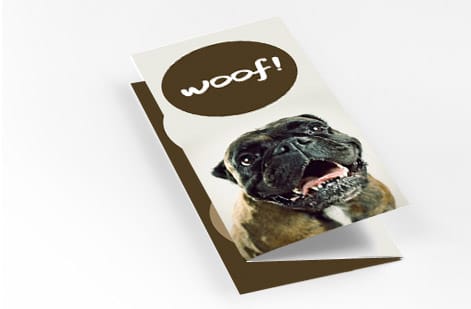
Square brochures break the rectangular mold and grab attention through geometry alone. At 8 by 8 or 8.5 by 8.5 inches they feel modern and creative, and the equal sides create a balanced canvas that works beautifully for image-heavy designs.
The trade-off is postage. Square brochures do not qualify for standard letter rates with USPS and do not fit standard envelopes, so they cost more to mail. For hand distribution at events, in-store displays, or welcome kits, the visual impact is usually worth it.
Best for: portfolio pieces, photography showcases, luxury brand marketing, art galleries, boutique retail, and high-end real estate.
How fold type changes your effective size
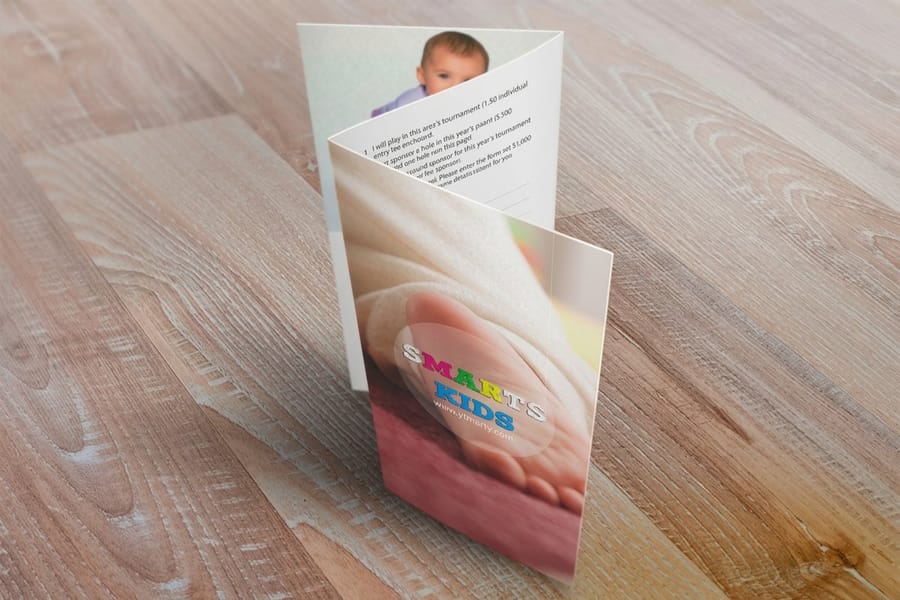
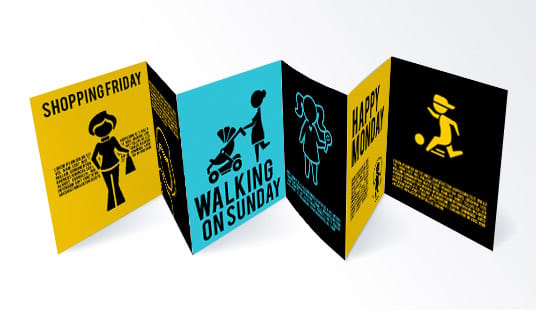
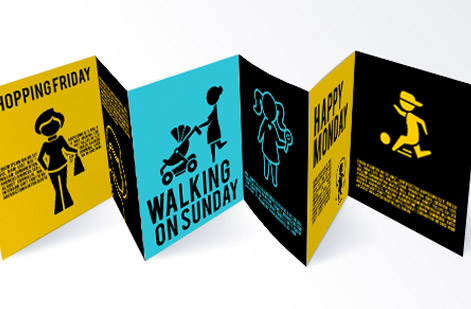
The flat sheet size is only half the equation. Your fold type sets the final folded dimensions, which is what your reader actually holds. A Letter tri-fold finishes at about 3.67 by 8.5 inches, the same Letter sheet bi-folded finishes at 5.5 by 8.5, and a Z-fold on a Legal sheet creates an accordion effect at 4.67 by 8.5. Gate folds, roll folds, and accordion folds each produce different panels from the same starting sheet.
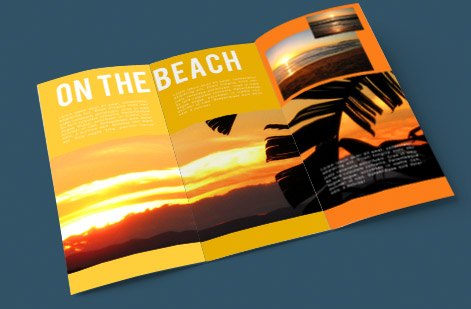
Fold choice shapes more than the look. It decides how information reveals itself. A tri-fold guides the eye in sequence, a Z-fold lets everything open at once, and a gate fold swings two outer panels open for a dramatic reveal, which is perfect for product launches or special-event invitations. A French fold, folded in half horizontally then vertically, makes a compact four-panel piece that opens into a near-poster spread. Accordion and roll folds are ideal for step-by-step guides or menus because the design flows across every panel without interruption.
Need help visualizing each option? The full walkthrough lives in our brochure folding guide.
Choosing the right size for your project
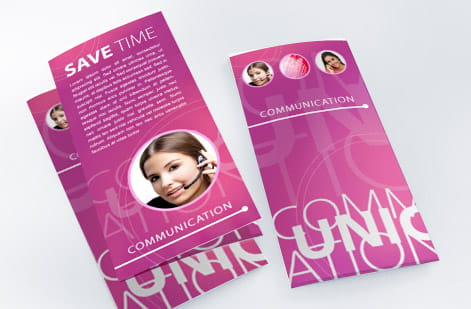
Match your brochure size to three factors: content volume, distribution method, and budget. Content volume comes first. A paragraph of text and a few images fit Half-Letter or DL, while twelve services with pricing call for Legal or Tabloid. Distribution is next. Mailing favors Letter, DL, or Half-Letter to keep postage down, event handouts work at any size but smaller formats get kept more often, and rack displays suit DL and Half-Letter.
Budget rounds it out. Smaller sizes use less paper and ink, so a Half-Letter brochure costs roughly half as much per unit as a Tabloid, and printing in bulk lowers the per-unit cost at every size. For more printing know-how, from promotional items to stationery, browse the full printing guides hub. You will find resources like custom magnet printing and rubber stamp care alongside detailed brochure advice.
Setting up your brochure file for print
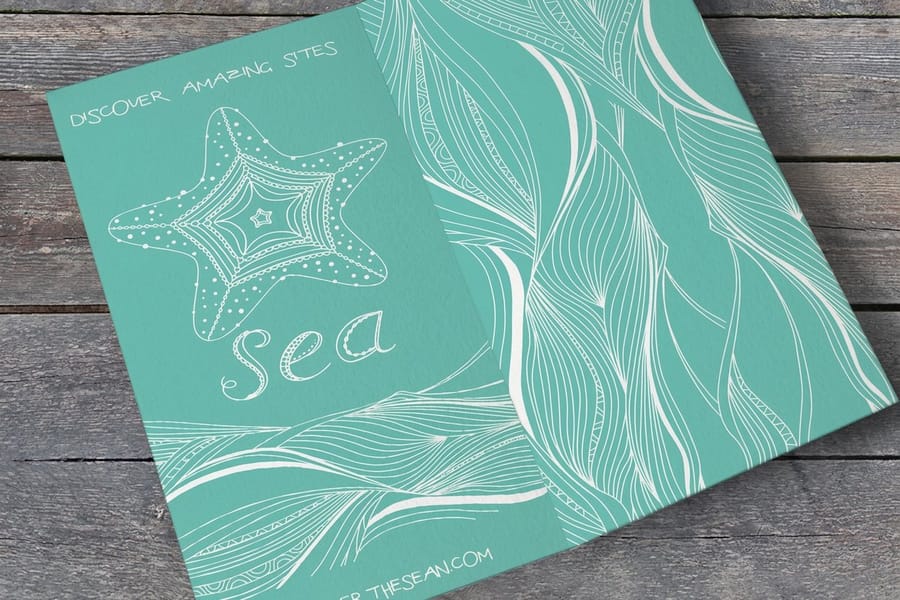
Whichever standard size you pick, your print file needs three things: the correct flat dimensions, proper bleed of about 0.125 inches on every side, and a safe zone that keeps critical text at least 0.125 inches inside the trim line. For a Letter tri-fold, the flat file should be 8.75 by 11.25 inches including bleed, with fold lines set at the right panel widths. Remember that the panel folding in first is usually about one-sixteenth of an inch narrower so it tucks cleanly. Our primer on bleed and trim shows exactly how the trim line, bleed area, and safe zone stack up.
Paper choice matters just as much as dimensions. 100 lb text (150 gsm) is the sweet spot for most brochures, solid in hand and easy to fold, while 70 to 80 lb text keeps high-volume handouts affordable and 80 to 100 lb cover gives bi-folds and booklet covers a premium, durable feel. Finish sets the mood too. Gloss makes photos pop for travel and automotive pieces, matte keeps text-heavy layouts easy to read, and silk or satin lands in between with a low sheen that feels modern. Anything 16pt and heavier should be scored before folding so it does not crack, and 4OVER4.COM scores heavy stock as standard practice. For a deeper look at stock options, see our guide to the best paper types for brochures.
Avoid these
Brochure size mistakes that cost you money
Even seasoned designers trip on brochure sizing. These are the errors the 4OVER4.COM prepress team catches most often.
Ignoring the fold panel width difference. On a tri-fold, the inner panel must be about one-sixteenth of an inch narrower than the outer panels. Skip it and the brochure will not fold flat. It buckles and looks sloppy.
Designing at the folded size instead of the flat size. Your file needs the full unfolded dimensions with bleed. Design at 3.67 by 8.5 inches thinking that is your tri-fold panel and you end up with a brochure a third of the size you wanted.
Choosing a size that does not fit standard envelopes. If you are mailing, check envelope compatibility before you commit. A beautiful 8 by 8 square brochure is useless for direct mail if you have not budgeted for custom envelopes and non-standard postage.
Forgetting about paper weight and fold cracking. Heavier stocks, 16pt and above, can crack along the fold if they are not scored first. Always request scoring for thick brochure stocks. 4OVER4.COM includes scoring on heavy paper brochures as standard practice.
Free downloads
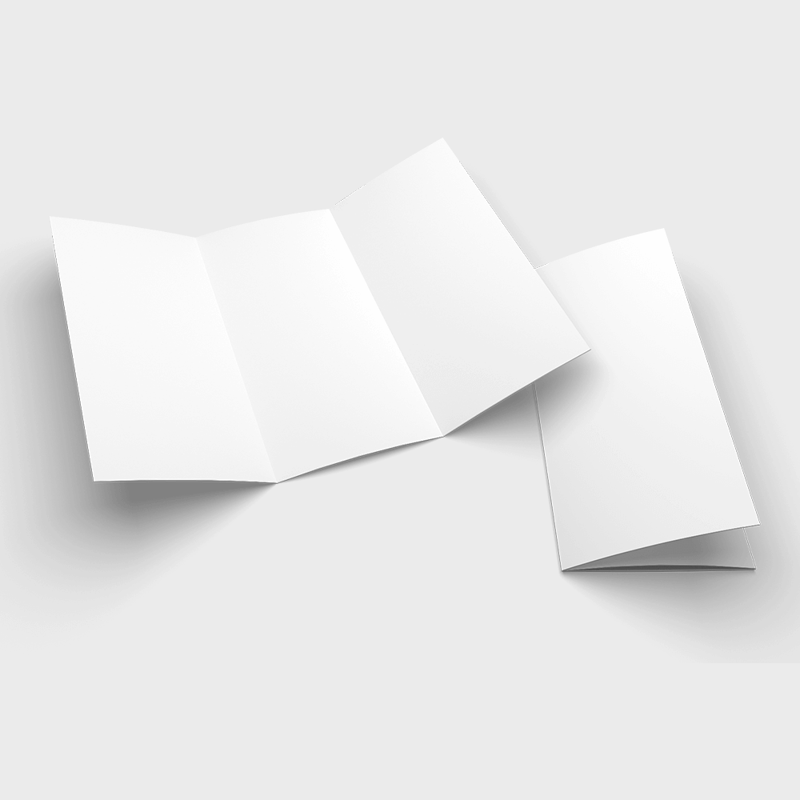
Blank brochure and banner templates
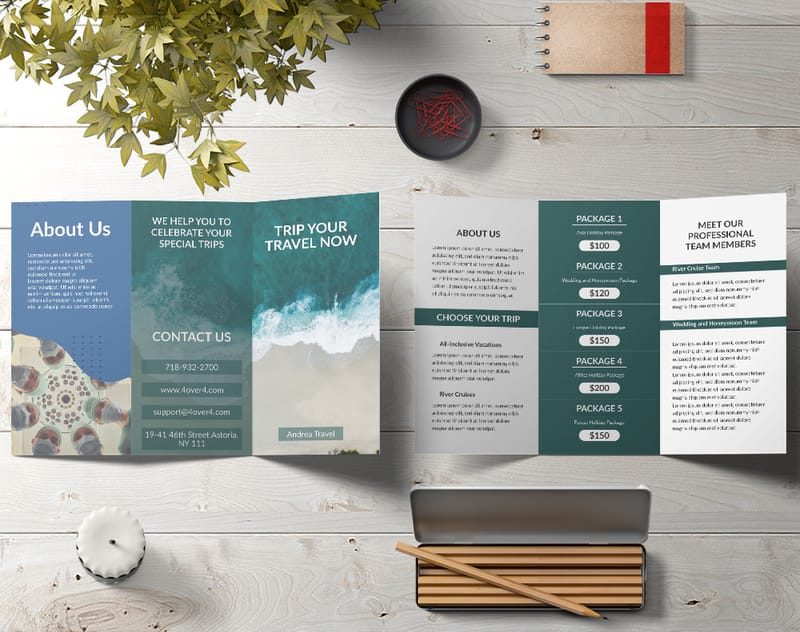
Download a ready-made template sized for every standard fold before you design, and skip the most common file-setup headaches.
Start from a design
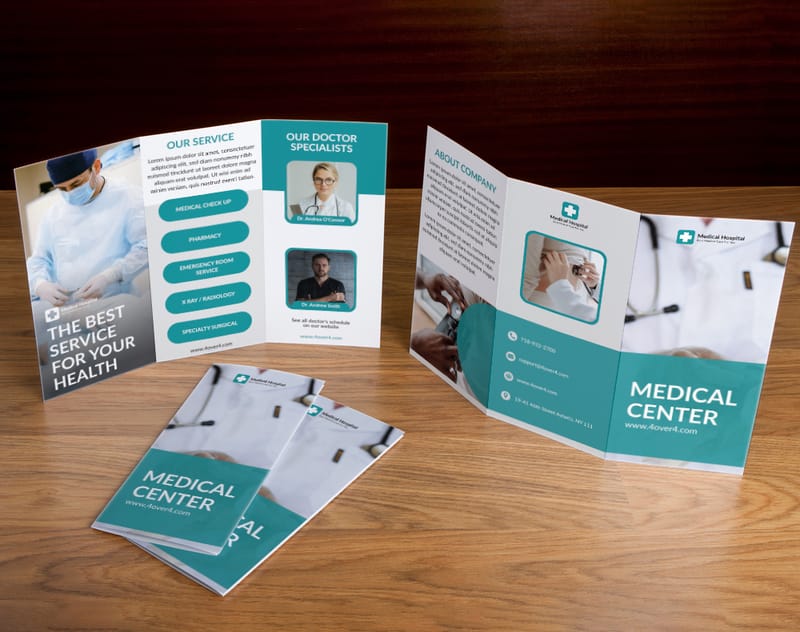
Free brochure design templates
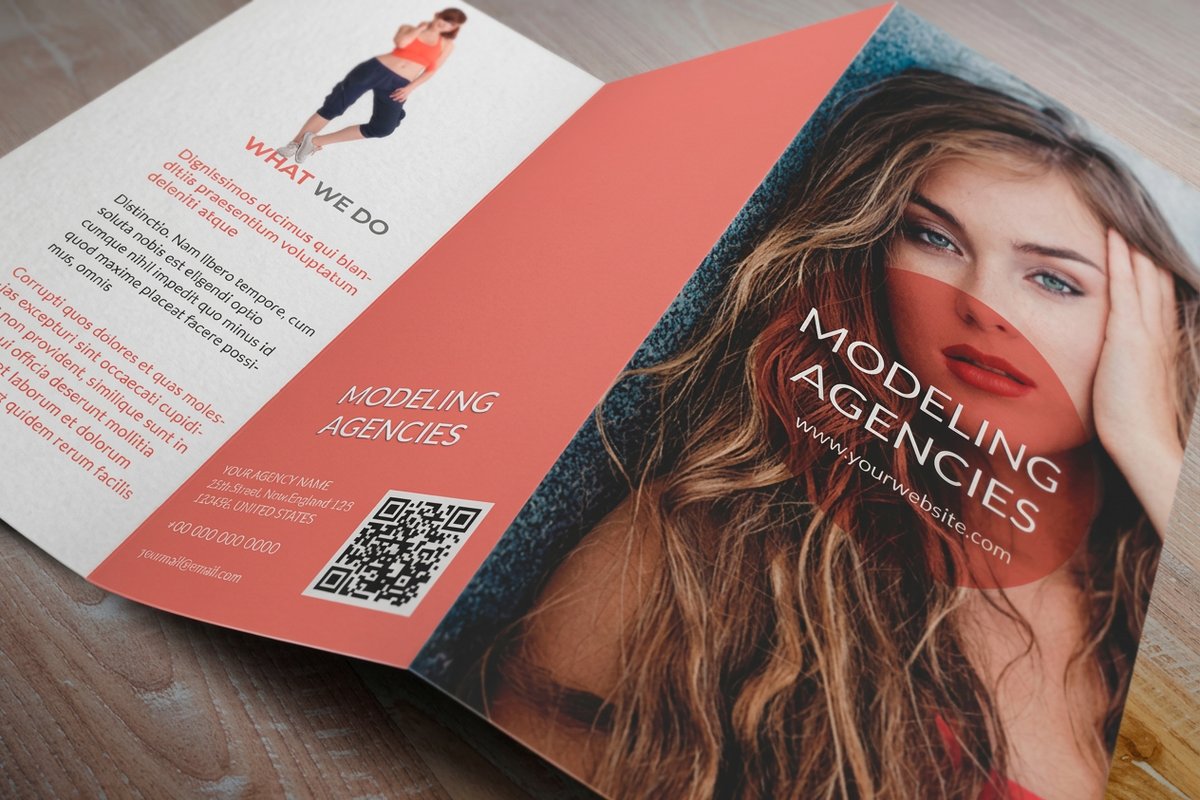
Open any layout in the online designer, swap in your text and photos, and send it straight to print.
Specs and pricing
Standard brochure specs and pricing
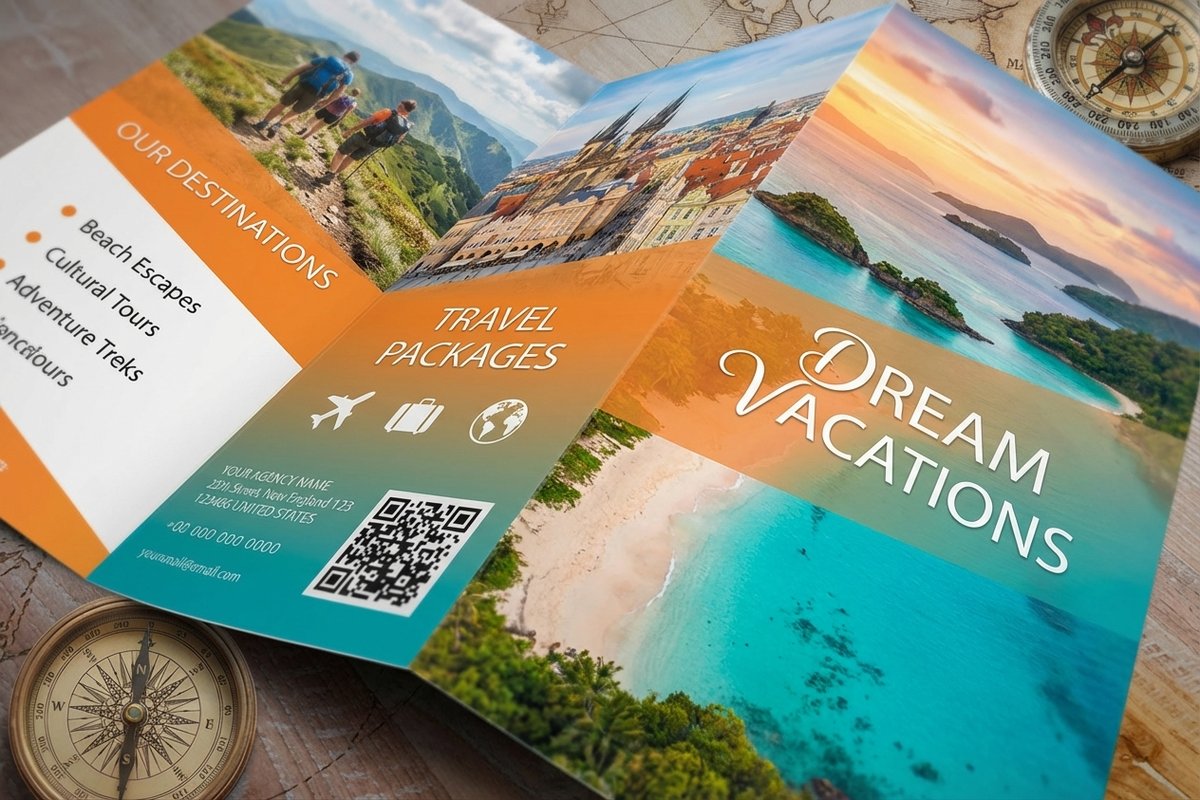
4OVER4.COM prints custom brochures in every size in this guide, from compact DL formats to large tabloid spreads, backed by 60+ paper types, multiple fold options, and a 99.8% on-time delivery rate. Here are the live specs and price-per-unit straight from the configurator.
| Quantity | Price Per Unit | Total |
|---|---|---|
| 50 | $1.14 | $57.11 |
| 100 | 82.4¢ | $82.38 |
| 200 | 53.3¢ | $106.55 |
| 300 | 41.0¢ | $123.02 |
| 400 | 34.9¢ | $139.49 |
| 500 | 31.2¢ | $155.97 |
| 600 | 26.7¢ | $160.36 |
| 700 | 23.5¢ | $164.75 |
Print it
Order brochures at 4OVER4
Wally sizes up your brochure
Pick the sheet first, then the fold does the rest
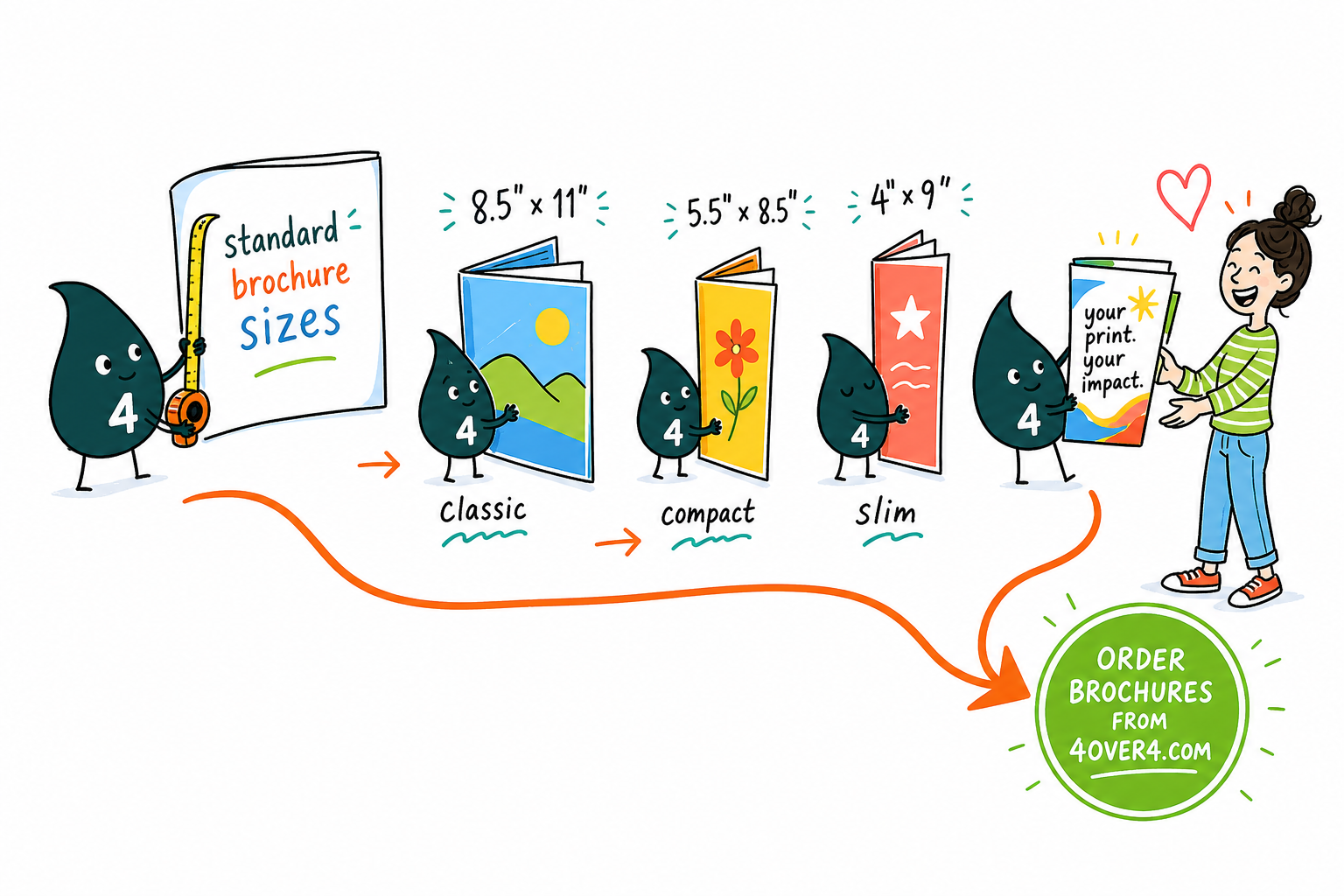
Wally treats brochure sizing like a tape measure and a fold in one move: choose the flat sheet for how much you need to say, then let the fold decide how it opens in a reader's hands. Letter for the everyday tri-fold, DL and Half-Letter for mail and racks, Tabloid and square when you want to make a statement. Design flat with a 0.125 inch bleed, score anything heavy, and 4OVER4 prints it clean across 60+ paper types.
Order brochures →See it in use
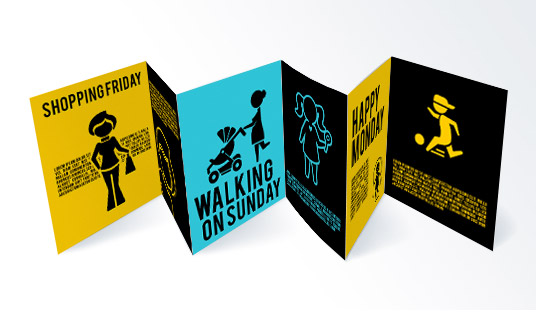
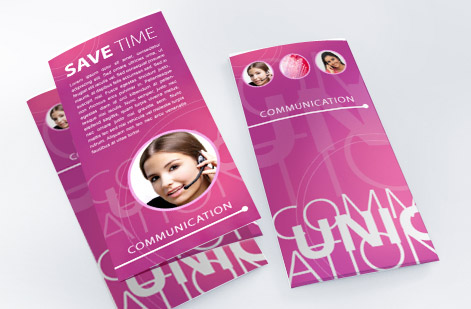
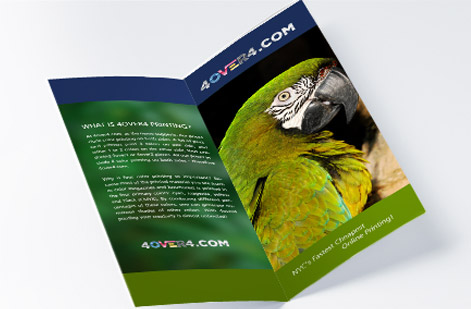
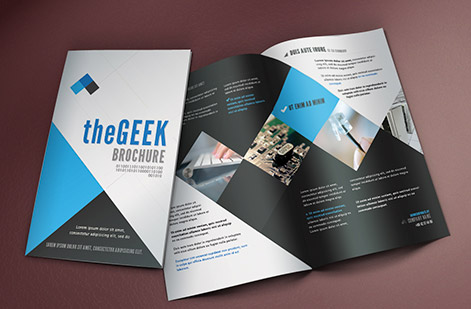
Real brochure work, printed in-house


Explore more
Where to go next
By the numbers
Brochure printing you can count on at 4OVER4
Common Questions
Common questions about brochure sizes
What is the most common standard brochure size?
The most common standard brochure size in North America is Letter (8.5 by 11 inches). Tri-folded, it creates six panels at roughly 3.67 by 8.5 inches each. It fits standard #10 envelopes, works with most brochure racks, and offers a balanced amount of space for text and images. Internationally, A4 (8.3 by 11.7 inches) holds the same dominant position.
What size should I choose for a mailed brochure?
For mailed brochures, stick with a Letter (8.5 by 11 inches) tri-fold or a Half-Letter (5.5 by 8.5 inches) bi-fold. Both fit standard envelopes and qualify for regular postage. DL size (3.9 by 8.3 inches) also works well for direct mail. Avoid square or Tabloid sizes for mailing, since they need non-standard envelopes and higher postage.
How much bleed do I need for a standard brochure?
Standard bleed for brochures is 0.125 inches, one-eighth of an inch, on all four sides of the flat, unfolded sheet. That means a Letter-size brochure file should be 8.75 by 11.25 inches total. Keep all critical text and logos at least 0.125 inches inside the trim line so nothing important is cut off during finishing.
Can I print a brochure in a non-standard custom size?
Yes. While this guide covers the most popular dimensions, 4OVER4.COM prints custom sizes too. Custom dimensions can affect pricing and turnaround because they need non-standard cutting. Contact the 4OVER4.COM support team to confirm feasibility and get a quote for any custom brochure dimensions.
What paper weight works best for brochures?
For most brochures, 100 lb gloss text or 100 lb matte text gives a professional feel without being too stiff to fold. For a sturdier, more premium piece, 14pt or 16pt cardstock works, but request scoring along the fold lines to prevent cracking. Thinner 80 lb text is budget-friendly for high-volume handouts.
What is the difference between a brochure and a pamphlet size?
In printing, brochure and pamphlet are often used interchangeably. Both usually start as Letter or A4 sheets and get folded. The distinction is about content rather than size. Brochures tend to be marketing-focused with images and calls to action, while pamphlets lean informational or educational. The standard sizes are identical for both.
Get Started
Ready to print your brochures?
Pick your size and fold, drop in your design, and we print crisp, cleanly folded brochures across 60+ paper types.
Legal Disclaimer
Gold Standard guarantees apply to all standard orders placed through 4over4.com. Price match requires verifiable proof of a competitor's published price for an equivalent product with matching specifications and turnaround time. Satisfaction guarantee covers manufacturing defects and print quality issues. Contact support with order number and documentation. On-time delivery rate based on tracked orders 1999 to 2026. Individual results may vary based on shipping carrier performance.
