Screen Printing vs Vinyl Printing for Custom Shirts


Screen printing pushes ink into the fabric for durable bulk runs, while vinyl (HTV) cuts and heat-presses your design for small, detailed, personalized orders. Here is how to pick the right one for your shirts.
Screen printing vs vinyl printing comes down to quantity and design: screen printing forces ink through mesh stencils into the fabric, so it is the durable, low-cost choice for bulk runs of 25 or more. Vinyl printing cuts your design from colored sheets and heat-presses it on with almost no setup, which makes it ideal for small batches, personalization, and complex or specialty finishes.
Quick answer
Screen printing or vinyl, at a glance
Choose screen printing for large runs and long-term durability, and choose vinyl (HTV) for small batches, personalization, and complex or specialty designs. Screen printing pushes ink into the fabric for a soft, wash-resistant finish that gets cheaper per shirt as quantity climbs. Vinyl cuts your design from colored sheets and heat-presses it on with almost no setup, so a single custom shirt costs about the same per unit as five. The crossover sits near 25 to 30 shirts. 4OVER4.COM prints both, so you can match the method to the job.
Picking between screen printing and vinyl for your project
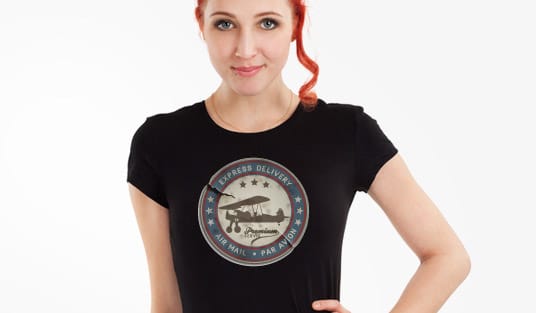
Screen printing versus vinyl printing is not a question with one right answer. The best method depends on your order quantity, how complex your artwork is, your budget, and how you want the finished shirt to feel in your hands. Both routes produce professional results. They simply get there in completely different ways.
This guide breaks down every factor that matters, from cost per unit and durability to color range, texture, and turnaround time. Whether you are printing 500 event shirts or a single custom jersey, you will walk away knowing exactly which method fits. If you are lining up other print projects alongside your apparel, our guide on how to fold a brochure covers your marketing collateral, and our design templates give you ready-to-customize layouts.
Need finishing help on other materials too? Our walkthrough on how to clean rubber stamps keeps hand-stamped packaging and stationery looking sharp. Now let us dig into what actually separates these two methods.
How screen printing actually works
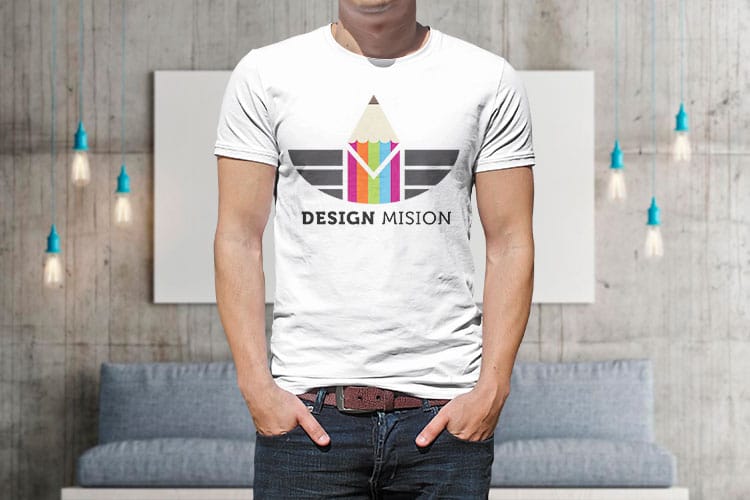
Screen printing is a stencil-based process that has been around for centuries. A fine mesh screen is coated with a light-sensitive emulsion, then your design is burned into that emulsion with UV light, opening up the areas where ink can pass through. Every color in your design needs its own separate screen.
An operator lays the screen over the garment, floods it with ink, and pulls a squeegee to push that ink through the mesh and straight into the fabric fibers. The ink does not sit on top of the material. It becomes part of it. That is why screen-printed shirts feel soft to the touch and survive dozens of wash cycles without cracking or peeling.
The trade-off is setup. Creating screens, mixing inks, and aligning registration marks all happen before a single shirt is printed. A one-color design might take 30 minutes to prepare. A six-color design can take a couple of hours. That is why screen printing makes the most financial sense at higher quantities, because the setup cost spreads across more units and drops your per-shirt price fast.
Where screen printing shines:
- Company uniforms and branded apparel for runs of 50 or more, where consistency matters and per-unit cost needs to stay low.
- Event merchandise like concert tees, fundraiser shirts, and conference giveaways that repeat the same design hundreds of times.
- Simple logo designs in one to four colors with bold, clean lines that pop on fabric.
- Athletic team gear that has to survive sweat, stretching, and repeated washing without fading.
Running a promotional campaign that needs more than shirts? Our guide on how to make flyers walks you through print collateral that pairs with your branded apparel.
How vinyl printing (HTV) works

Heat transfer vinyl, usually shortened to HTV, takes a completely different path. Instead of pushing ink through a screen, a cutting machine precision-cuts your design from a sheet of colored vinyl. The excess vinyl is weeded away by hand, leaving only your design on a carrier sheet.
That carrier sheet goes face-down on the garment. A heat press applies pressure and temperature, typically around 305 to 320°F for 10 to 15 seconds, bonding the vinyl to the surface of the fabric. Peel the carrier away and the design is done.
Because each piece of vinyl is cut individually, there is almost no setup cost. Making one shirt costs roughly the same per unit as making five, which is exactly why HTV is the go-to for small orders, custom names, and one-off personalized items.
Where vinyl printing shines:
- Personalized jerseys and team numbers, where every player gets a unique name and number with no extra screen charges.
- Small batch orders of 1 to 24 pieces, where screen setup fees would blow the budget.
- Multi-color and gradient designs, since layered vinyl builds complex color combinations without a per-color screen charge.
- Specialty finishes like glitter, metallic, holographic, and reflective vinyl that screen printing cannot easily match.
For adhesive vinyl projects beyond apparel, 4OVER4.COM prints clear adhesive vinyl for signage, window decals, and packaging.
Cost breakdown: screen printing vs vinyl printing
Money talks, and this is where most people make their decision.
Screen printing carries a higher upfront cost because of screen creation and ink mixing. Expect roughly $25 to $50 per screen, per color. A four-color design means $100 to $200 in setup before a single shirt runs. Once those screens are ready, each additional shirt can cost as little as $2 to $5 depending on quantity. Order 200 shirts and that setup cost becomes almost invisible.
Vinyl printing has next to no setup cost, because the machine cuts your design straight from a digital file. The catch is that the per-unit material cost stays relatively flat. Each shirt might run $5 to $15 depending on vinyl type and design size, with none of the volume discount screen printing offers.
The crossover point lands somewhere around 25 to 30 units. Below that number, vinyl usually wins on total cost. Above it, screen printing pulls ahead, and the gap widens with every extra piece. To make that concrete:
- 10 shirts, two-color design: around $50 to set up two screens, plus about $8 per shirt, for a total near $130. That works out to roughly $13 per shirt.
- 200 shirts, two-color design: the same $50 setup, but printing can drop to about $4 per shirt. Total near $850, which is only about $4.25 per shirt.
Two hidden costs to watch. Screen printing color changes add up, because every extra ink color means another screen, another setup pass, and more drying time, so 1 to 3 colors gives the best value. Vinyl gets expensive across large coverage areas, since a full-chest design eats a lot of material. Small logos, text, and numbers are where HTV stays cheap.
Durability and feel: what lasts longer
Screen printing wins on longevity, hands down. Because the ink penetrates the fabric, a well-done screen print can survive 50 or more wash cycles without noticeable fading or cracking. The print feels like part of the shirt. You barely notice it under your fingers.
Vinyl sits on top of the fabric, so you can feel the edges. It has a slightly raised, smooth texture that some people love and others find stiff. Quality HTV from reputable brands holds up well, typically 25 to 40 washes before showing wear, but cheaper vinyl can crack, peel, or lift at the edges after just a handful of cycles.
For garments that see heavy use, like work uniforms, gym wear, and everyday tees, screen printing is the safer bet. For occasional-wear pieces, gifts, or fashion items where the raised vinyl texture is part of the look, HTV works great.
Color and design flexibility
This is where vinyl printing fights back, hard.
Screen printing works in spot colors, with each color a separate pass through a separate screen. Photorealistic images or smooth gradients call for halftone or simulated-process printing, which adds complexity and cost. Most screen printers suggest keeping designs to six colors or fewer for practical and financial reasons.
Vinyl printing handles complexity in its own way. Printable HTV lets you print full-color, photographic images onto vinyl with a wide-format printer, then cut and press them. Standard HTV uses layered sheets of solid-color vinyl, which looks fantastic for bold graphic designs. And when it comes to specialty finishes, vinyl is the clear winner:
- Detailed, multi-color artwork with fine lines that vinyl reproduces cleanly, even on a small run.
- Gradients and photos that screen printing struggles with but printable vinyl can render beautifully.
- Eye-catching textures like glitter, holographic, metallic, flock, and puff vinyl for a raised 3D effect.
Want more project ideas? Browse our guide hub for walkthroughs on everything from how to make envelopes to custom promotional pieces.
Turnaround time and production speed
Need shirts by Friday? The method you pick changes the math.
Screen printing is slow to start but fast once it is rolling. Setup takes hours, but after the screens are locked in, an experienced printer can turn out 100 or more shirts an hour. Large orders finish quickly once the prep is done.
Vinyl printing is fast from the jump and stays steady. There are no screens to build. Cut, weed, press, done. Each shirt takes about 2 to 5 minutes depending on how detailed the design is. For small orders under 20 pieces, vinyl gets your shirts finished sooner because there is no setup bottleneck.
For rush orders of 10 pieces or fewer, vinyl is almost always faster. For rush orders of 100 pieces or more, screen printing catches up and overtakes it thanks to that batch-processing advantage.
Fabric compatibility
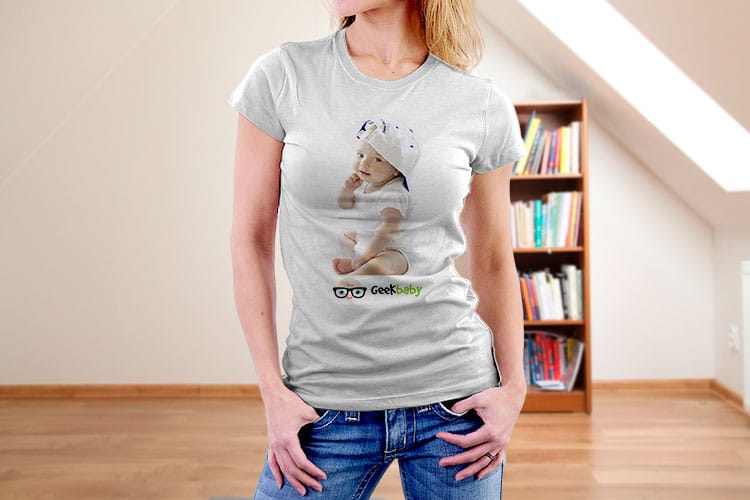
Not every fabric plays nicely with every method.
Screen printing is happiest on cotton and cotton-blend fabrics. It can handle polyester with special low-bleed inks, but the process gets trickier. Dark polyester is especially tough, because the polyester dye can bleed through the ink while it cures.
Vinyl printing bonds to almost anything a heat press can reach, including cotton, polyester, nylon, spandex, and canvas. That makes HTV the safer choice for performance fabrics, moisture-wicking materials, and synthetic blends that screen printing wrestles with. In practice, vinyl comfortably covers:
- Cotton and cotton blends for everyday tees.
- Polyester, the standard for most athletic wear.
- Nylon, common on jackets and tracksuits.
- Spandex and Lycra blends for stretchy performance gear.
One warning for both methods: keep a hot iron off the print. Direct heat can melt and smear screen-printed plastisol ink, and it can reactivate the adhesive under vinyl so it warps or peels. If you are printing on athletic wear or anything stretchy and synthetic, vinyl is your best bet. Want to feel the materials first? Order free samples to compare finishes and textures, and if you are branding a locker room or storefront, our guide on custom magnets covers the full process.
Step by step: how each method is made
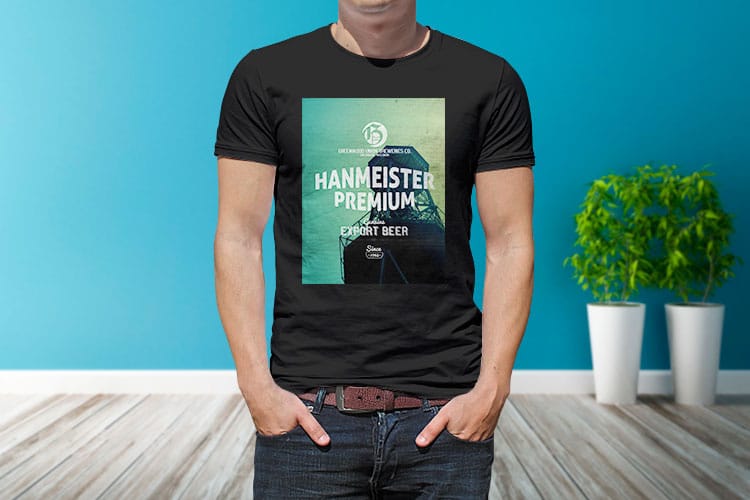
It helps to see how each method comes together on the shop floor. Screen printing runs through five stages:
- Screen creation: a fine mesh screen is stretched tight over a frame and coated with a light-sensitive emulsion.
- Burning the stencil: your design is printed onto transparent film, placed on the coated screen, and hit with a powerful light that hardens the emulsion everywhere except where your design blocks it, leaving a precise stencil.
- Applying the ink: the screen sits on the garment, plastisol ink is spread across it, and a squeegee presses that ink through the open mesh onto the fabric.
- Layering colors: more than one color means repeating the whole process with a fresh screen for each individual color.
- Curing: the garment travels through a conveyor dryer that cures the ink into a permanent, durable part of the fabric.
Vinyl is a shorter, three-step path:
- Digital cutting: your design goes from a computer straight to a vinyl cutter, whose tiny blade cuts the shape from a sheet of colored vinyl.
- Weeding: the excess vinyl around and inside the design is peeled away by hand.
- Heat pressing: the weeded design is placed on the garment and a heat press applies high heat and firm pressure, activating the adhesive and bonding the vinyl to the fabric.
Which method to choose by project type

Still deciding? Match the method to the job.
- Staff uniforms and workwear: go with screen printing, built to take constant wear and industrial laundering.
- Custom sports jerseys: vinyl is the champ, perfect for individual names and numbers and happy on polyester. This is also where dedicated vinyl labels help with other branding elements.
- Retail fashion lines: screen printing, for the soft feel and professional finish customers expect.
- Promotional event tees: screen printing, the most durable and cost-effective choice for big batches.
- One-off gifts and specialty items: vinyl, ideal for complex one-of-a-kind designs and finishes like glitter or metallic foil.
Screen printing tends to win the high-volume jobs, such as 200-plus trade-show tees with a two-color logo, school spirit wear that has to look identical across a full team, tour merch fans actually want to wear, and mass promotional giveaways. Vinyl owns the personalized and short-run work, like team jerseys with unique names, a 5 to 10 shirt test batch for a new brand, full-color logos with gradients, single custom gifts, and anything that needs a specialty texture.
Planning branded merch around your shirts? Explore green printing for eco-conscious runs, and add premium invitations as a promotional touch for your next launch or event.
Mistakes that cost you money, and how to dodge them
When people weigh screen printing against vinyl, they trip over the same errors again and again. Dodge these four and you will save real money.
Ordering screen printing for tiny quantities. Ten shirts means paying full setup fees spread across just ten units, which can push your per-shirt cost to $15 to $20 when vinyl would have been around $8. Always calculate total project cost, not just the per-unit price.
Using vinyl for huge coverage areas. A design that blankets the whole chest in HTV burns through expensive material and takes forever to weed. Screen printing handles large solid areas far more efficiently.
Ignoring the fabric. Pressing HTV onto a fabric that cannot take the required temperature ruins garments, and screen printing polyester without low-bleed inks causes dye migration. Match the method to the material every time.
Skipping the test print. Whichever method you choose, run a sample first. 4OVER4.COM has helped businesses avoid costly print mistakes for more than 25 years, and the number one piece of advice never changes: test before you commit to a full run.
Side by side
Screen printing vs vinyl printing at a glance
| Attribute | Screen printing | Heat transfer vinyl (HTV) |
|---|---|---|
| Ideal order size | Large batches, usually 25 or more | Small batches, single items and prototypes |
| Cost per item | Very low in bulk, high for small runs | Consistent per item, great for small quantities |
| Design complexity | Best for simple art with limited solid colors | Excellent for complex, multi-color detailed graphics |
| Durability | Extremely high, ink fuses with the fabric | Good to excellent, may crack or peel with heavy wear |
| Feel on fabric | Soft and breathable, ink soaks into the fibers | Slightly thicker layer that sits on top |
| Color options | Mixed to match, each color adds setup cost | Wide range plus glitter and metallic effects |
| Setup time | High, one screen per color | Low, a mostly digital process |
| Turnaround | Slower to start, faster on reprints | Fast, ideal for quick-turnaround and on-demand runs |
Specs and pricing
Custom shirt specs and pricing, side by side
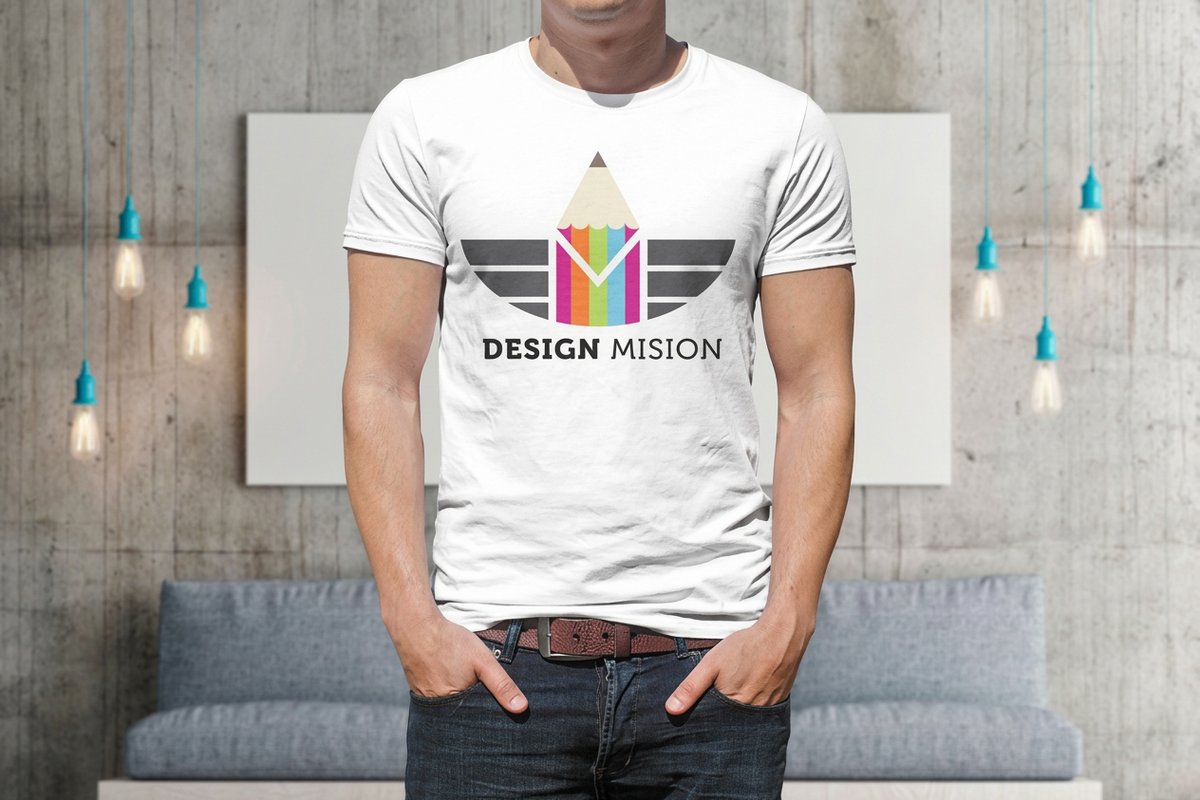
Here is what screen-printed and vinyl (HTV) shirts give you at 4OVER4.COM, with live specs and price-per-unit straight from the configurator so you can see the crossover for yourself.
| Quantity | Price Per Unit | Total |
|---|---|---|
| 1 | $21.96 | $21.96 |
| 2 | $16.47 | $32.93 |
| 3 | $16.46 | $49.39 |
| 4 | $15.93 | $63.71 |
| 5 | $15.93 | $79.63 |
| 6 | $15.93 | $95.56 |
| 7 | $15.85 | $110.94 |
| 8 | $15.38 | $123.02 |
| Quantity | Price Per Unit | Total |
|---|---|---|
| 1 | $21.96 | $21.96 |
| 2 | $16.47 | $32.93 |
| 3 | $16.46 | $49.39 |
| 4 | $15.93 | $63.71 |
| 5 | $15.93 | $79.63 |
| 6 | $15.93 | $95.56 |
| 7 | $15.85 | $110.94 |
| 8 | $15.38 | $123.02 |
Print it
Order screen-printed and vinyl shirts at 4OVER4
Wally weighs screen vs vinyl
Count the shirts, then pick the press
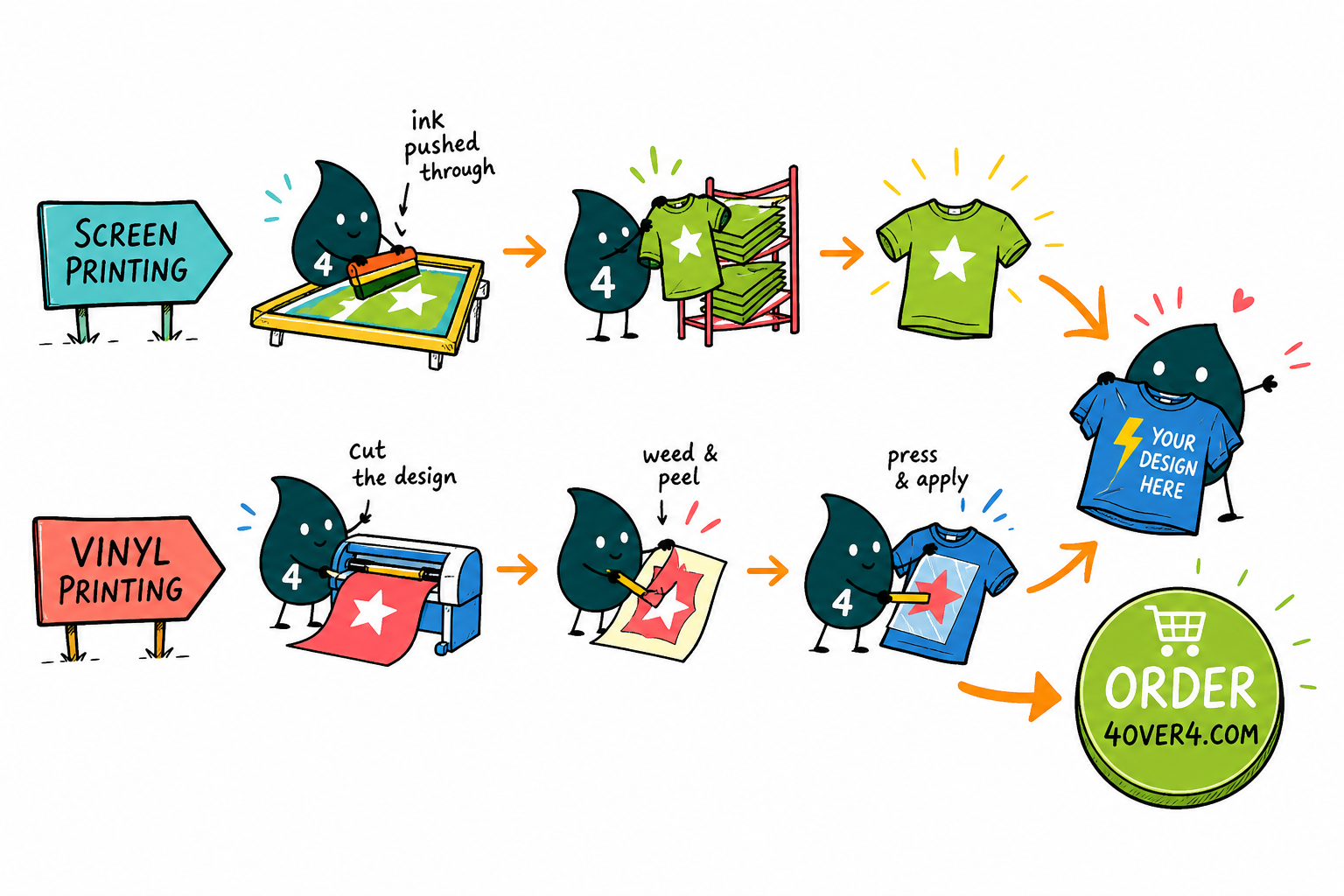
Wally keeps it simple: for big, durable runs, screen printing soaks ink into the fabric and gets cheaper with every extra shirt. For small batches, custom names, and wild finishes like glitter or metallic, vinyl cuts and heat-presses with almost no setup. Count your quantity, count your colors, check your fabric, and the winner picks itself. 4OVER4 prints both, so you never have to force the wrong method onto the job.
Order custom shirts →See it in use
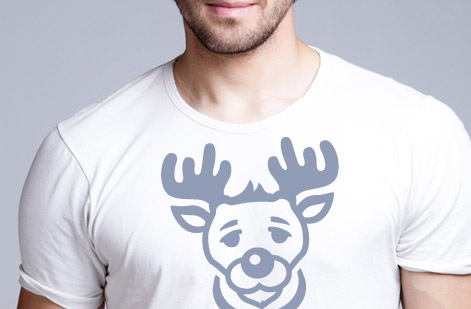
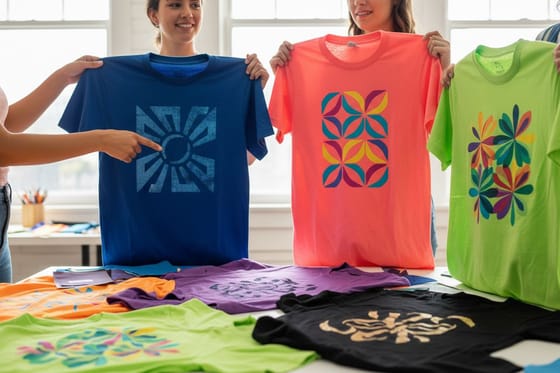
Real custom apparel, printed in-house
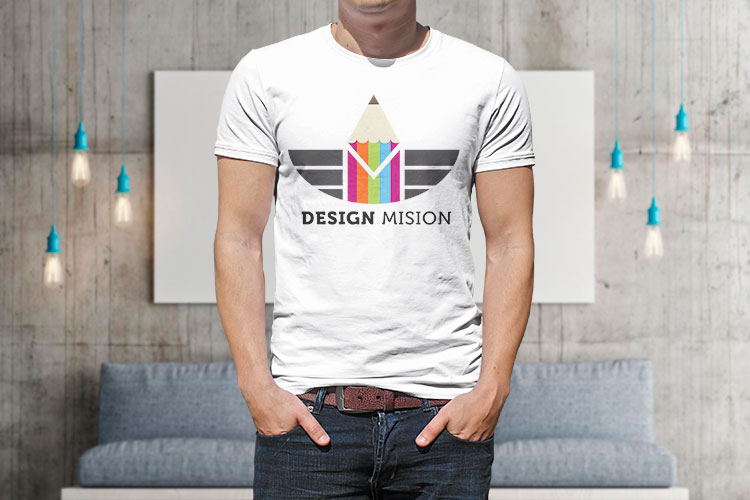
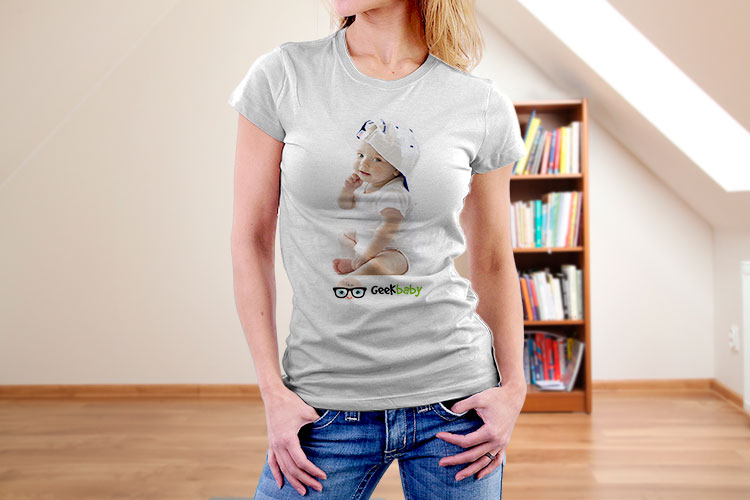

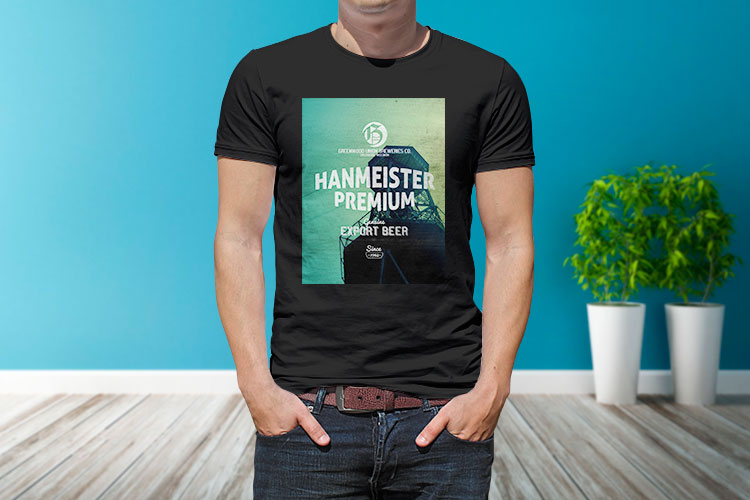
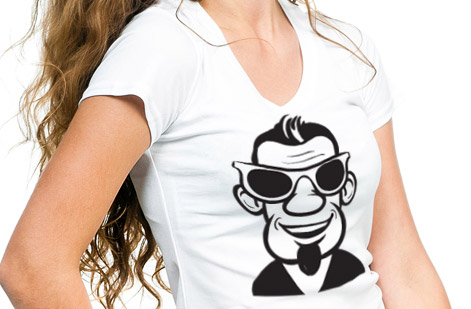

Explore more
Where to go next
By the numbers
Printing you can count on at 4OVER4
Common Questions
Common questions about screen printing vs vinyl printing
Which is cheaper, screen printing or vinyl printing?
It depends on quantity. Screen printing is cheaper per unit for orders above 25 to 30 pieces, because the setup cost gets spread across more garments. Vinyl printing wins for small batches under 25 units, since there is no screen creation fee. Always compare your total project cost rather than the per-unit price alone.
Does screen printing or vinyl last longer on shirts?
Screen printing generally lasts longer. The ink penetrates the fabric fibers and survives 50 or more washes without cracking. Vinyl sits on top of the fabric and typically holds up for 25 to 40 washes with proper care. Washing garments inside-out on cold settings extends the life of both methods.
Can you use vinyl printing on polyester athletic wear?
Yes. Vinyl printing works well on polyester, nylon, spandex and other synthetic fabrics. You will want low-temperature HTV, around 270 to 290°F, for heat-sensitive synthetics. Screen printing polyester requires specialty low-bleed inks, which makes vinyl the simpler and more reliable option for athletic apparel.
Is screen printing or vinyl better for detailed, multi-color designs?
Vinyl printing handles complex, multi-color designs more cost-effectively. Each color in screen printing needs its own screen at roughly $25 to $50 each, while printable HTV can reproduce full-color photographic images from a single transfer. For designs with more than four colors, vinyl is usually the smarter financial choice.
How do I decide between screen printing and vinyl for a custom order?
Ask three questions. How many pieces? Over 25 leans screen printing. How many colors? Over four leans vinyl. What fabric? Synthetics lean vinyl, cotton works either way. 4OVER4.COM has helped 150,000 or more businesses make this exact call, so start with your quantity and work from there.
Can you combine screen printing and vinyl on the same garment?
Absolutely. Many shops screen print the main design for durability, then add vinyl names or numbers for personalization. This hybrid approach is common for sports teams and corporate events, where the base design stays consistent but individual details change from one garment to the next.
Get Started
Ready to print your custom shirts?
Pick screen printing for durable bulk runs or vinyl for small, personalized, detailed designs, upload your art, and we handle the rest.
Legal Disclaimer
Gold Standard guarantees apply to all standard orders placed through 4over4.com. Price match requires verifiable proof of a competitor's published price for an equivalent product with matching specifications and turnaround time. Satisfaction guarantee covers manufacturing defects and print quality issues. Contact support with order number and documentation. On-time delivery rate based on tracked orders 1999 to 2026. Individual results may vary based on shipping carrier performance.
