
How to Sell Custom T-Shirts for Profit Step by Step


Turn a design into real income. Pick a niche, choose the right print method, price for profit, and sell where your audience already shops. Here is the full playbook.
To sell custom t-shirts profitably, start with a niche audience and a simple, wearable design. Print on demand while you test what sells, then scale winners with screen printing. Price on your total cost per shirt, not just the blank, and sell through an online store plus in-person markets so each channel feeds the other.
Quick tips
Quick tips for selling custom t-shirts
Start narrow and test before you scale. Pick a niche audience, launch a small print-on-demand batch to prove the design sells, then move winners to bulk screen printing to grow your margin. Price on your full landed cost, not the blank alone, and sell through an online store plus in-person markets. 4OVER4.COM prints DTG, vinyl, silk, and premium blanks so your line can grow without switching suppliers.
Why selling custom t-shirts is a smart business to start
Custom t-shirts are one of the easiest physical products to sell. Almost everyone wears them, the blank cost is low, and a good design can be printed on demand so you never sit on unsold stock. That mix of low risk and broad appeal is why a t-shirt line is a favorite first product for creators, clubs, small brands, and side hustlers alike.
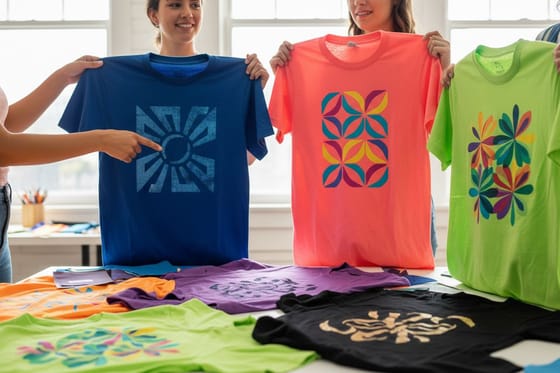
The trick is treating it like a business rather than a hobby. A shirt that sells combines a clear audience, a design people are proud to wear, and a price that leaves room for profit after the blank, the print, and the fees. Get those three right and the rest is repeatable. Browse real customer work in our custom t-shirt design showcase to see the range of styles that sell.
This guide walks the full path from first idea to repeat orders: picking a niche, designing the art, choosing a print method, pricing for profit, and finding the channels where your shirts actually sell. If you want the hands-on production side too, our companion guide on how to make custom t-shirts covers the printing itself.
Start with a niche, not a blank shirt
The most common reason a t-shirt brand stalls is that it tries to appeal to everyone. A generic cool graphic competes with millions of others. A shirt made for a specific group sells because it says something the wearer already believes about themselves.
Pick a niche you understand: a sport, a hometown, a profession, a hobby, a fandom, or a cause. The tighter the group, the easier it is to design for them and to find them online. A nurse who loves a particular inside joke, a pickleball club, or a local brewery's regulars all come with built-in demand and built-in places to advertise.
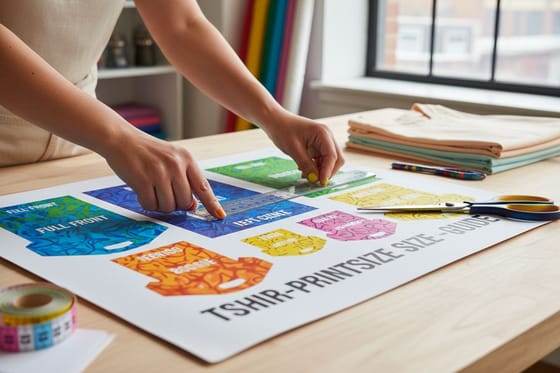
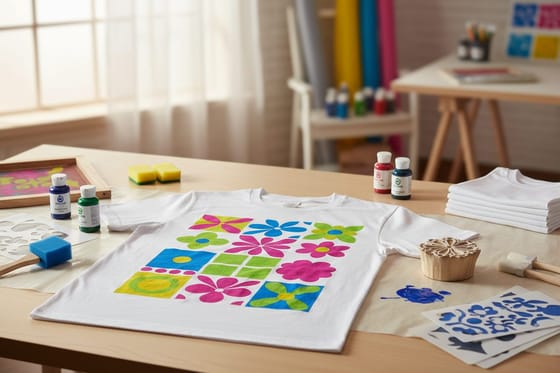
Before you invest in a big print run, test the idea. Post the design as a mockup, take pre-orders, or sell a small batch at a local event. Let real demand tell you what to scale. When you are ready to size the artwork correctly, our t-shirt print size guide shows exactly how big your design should be.
Designing shirts people actually want to wear
A strong t-shirt design usually does one thing well. Bold type, a clean icon, or a single striking illustration reads better on a chest than a busy, detailed scene. Keep the concept simple and let the message land in a second, because that is how long someone glances at a shirt across a room.
Set your art up for print from the start. Work at 300 DPI at the real print size, use CMYK color, and keep important elements inside the standard print area so nothing gets cut off. If your design has fine lines or small text, print a test shirt first to confirm it holds up on fabric.
Not a designer? The 4OVER4.COM Online Designer lets you build artwork in the browser and send it straight to print. For the technical side of getting art onto fabric, the how to make custom t-shirts guide breaks down file prep and print-ready checks.
Choose the right printing method for your design
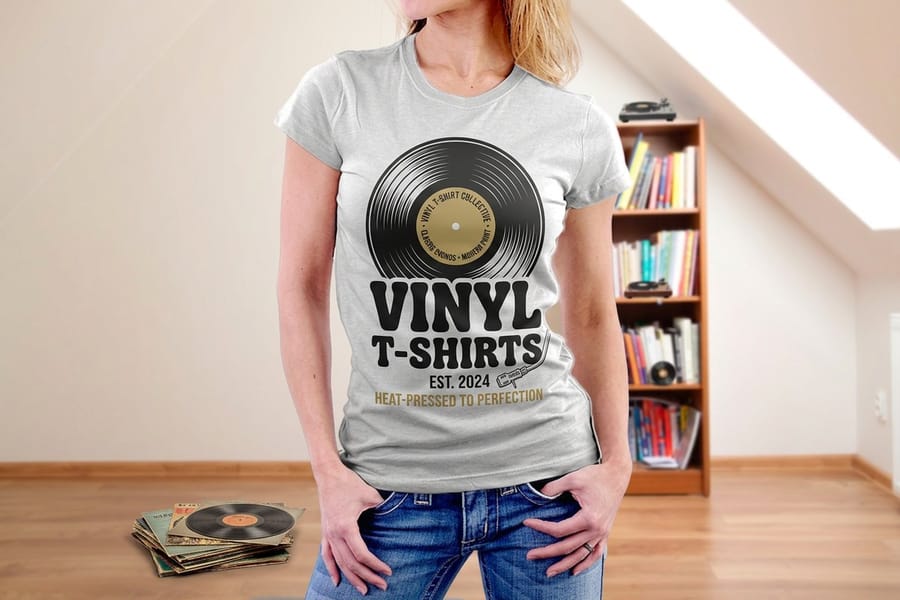
The print method decides how your design looks, how much each shirt costs, and how many you should order at once. Match the method to the artwork and the order size.
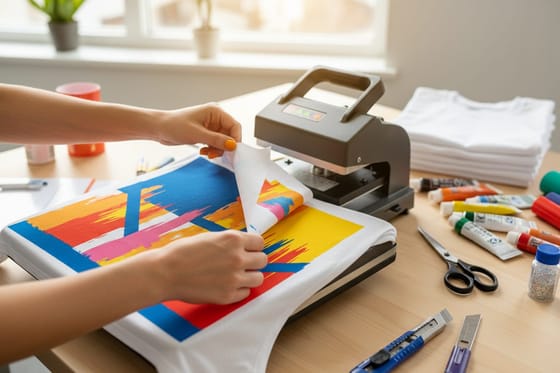
- Direct-to-garment (DTG) prints full-color, photographic art straight onto the fabric. It is ideal for detailed designs and small runs with no minimum, which makes it the go-to for print on demand.
- Screen printing shines when you order in volume with a few solid colors. The setup costs more, but the per-shirt price drops fast, so it wins for bulk club, event, and merch orders.
- Vinyl is perfect for names, numbers, and bold single-color graphics. Our vinyl t-shirts are built for team rosters and personalized one-offs.
- Silk and premium blanks raise the perceived value when you want a softer hand feel and a higher price point. Compare silk t-shirts and premium t-shirts for the upscale end of your line.
Not sure which to start with? Most sellers begin with DTG to test designs risk-free, then move popular winners to screen printing once orders justify the setup.
Sourcing blanks and ordering samples first
The blank shirt is the product your customer actually feels, so the fabric matters as much as the art. A scratchy, thin blank makes even a great design feel cheap, while a soft, well-fitted tee earns repeat orders and word of mouth.
Decide what your niche values: a heavyweight cotton for a workwear brand, a soft tri-blend for a lifestyle label, or a budget-friendly blank for a giveaway. Order a sample before committing to a run so you can check the fit, the color, and how the print sits on the fabric in person.
4OVER4.COM lets you request free samples so you can judge quality before you scale. Feeling the blank in your hands beats guessing from a screen every time.
Pricing your t-shirts for real profit

Profit hides in the details, and new sellers lose it by pricing only against the blank. Your real cost per shirt is the blank plus printing plus platform or payment fees plus shipping plus a slice of your own time. Add all of it up before you set a price.
A simple starting point is to price a printed tee at two to three times your total landed cost. That margin covers the fees you forget, funds discounts and free shipping offers, and leaves genuine profit on every sale.
- Blank cost from your supplier, plus any premium for softer fabric.
- Print cost per shirt, which drops as your quantity rises.
- Selling fees from your store platform, marketplace, or card processor.
- Shipping and packaging, whether you absorb it or charge for it.
Know these numbers cold and you can run a sale without accidentally losing money on every order.
Where to sell: online store, marketplaces, and in person

You do not need every sales channel at once. You need the one or two where your niche already spends time. Most t-shirt sellers combine an online storefront with in-person events, and let each feed the other.
An online store gives you control over branding and customer data, while marketplaces bring their own built-in traffic. In-person selling at markets, fairs, conventions, and pop-up booths is where a niche brand often makes its fastest early sales, because people can feel the fabric and buy on the spot.
Bridge the physical and digital worlds with a QR code on your booth signage and hang tags that sends shoppers to your store to reorder or browse more designs. Generate a print-ready code with our free QR code generator, then put it on flyers and postcards using the tips in our how to make flyers guide.
Marketing your t-shirt brand on a small budget

Great shirts do not sell themselves. The good news is that apparel is visual, which makes it a natural fit for low-cost, high-impact marketing. Photograph real people wearing your designs, post consistently where your niche gathers, and make it easy for happy customers to tag you.
Print backs up the digital push. A stack of flyers, a folded brochure of your lookbook, a few well-designed business cards, and a take-home extra like a magnet keep your brand in front of people after the moment passes. Learn to make each piece in our guides on flyers, brochures, and custom magnets.
Consistency ties it together. Use the same logo, colors, and voice across your shirts, your packaging, and your posts so every touchpoint reinforces the same brand. If you send orders or thank-you notes by mail, our how to make envelopes guide helps you brand even the shipping.
Fulfillment, shipping, and repeat customers
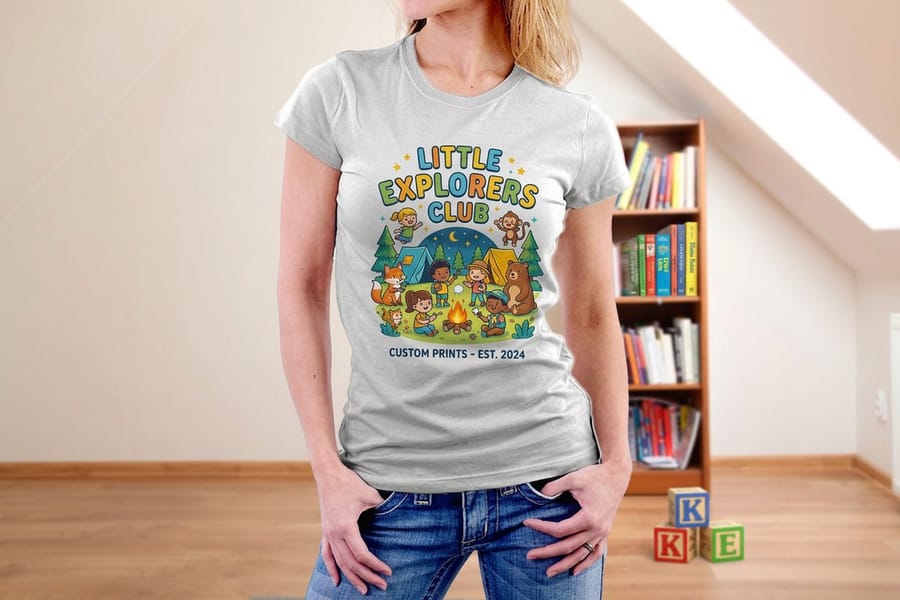
The sale is not the finish line, it is the start of the relationship. How an order arrives decides whether a first-time buyer becomes a repeat customer or a one-time transaction. Fast, tidy fulfillment is a marketing channel of its own.
Package shirts so they arrive clean and uncreased, add a branded touch like a thank-you card, a sticker, or a logo stamped on the mailer, and set clear expectations on shipping time. A stamped mark stays crisp when you keep the die clean, which our guide on how to clean rubber stamps walks through, and a small unboxing moment costs little while earning the photos and reviews that sell your next batch.
Make reordering effortless. Keep your bestsellers in stock, offer size exchanges without a fight, and follow up with past buyers when you drop a new design. Selling to someone who already loves your shirts is far cheaper than finding a brand-new customer.
Mistakes that sink new t-shirt sellers
Even good designs fail when the business basics are wrong. These are the errors 4OVER4.COM sees most from first-time t-shirt sellers, and each one is easy to avoid.
Ordering a huge run before testing demand. A garage full of unsold shirts ties up cash. Start with print on demand or a small batch, prove the design sells, then scale.
Designing for everyone. A shirt aimed at no one in particular speaks to no one. Pick a niche and make something its members are proud to wear.
Pricing on the blank alone. Forgetting fees, shipping, and your time turns a sale into a loss. Price on total landed cost, not the shirt tag.
Skimping on the blank. A scratchy tee kills repeat orders no matter how sharp the art is. Order samples and choose fabric your niche will actually wear.
Ignoring the reorder. Most profit comes from repeat customers. Stay in touch, keep bestsellers stocked, and make buying again simple.
Specs and pricing
Custom t-shirt specs and pricing
Here is what a made-to-order custom t-shirt gives you at 4OVER4.COM, with live specs and price-per-unit straight from the configurator so you can build your margins on real numbers.
| Quantity | Price Per Unit | Total |
|---|---|---|
| 1 | $21.96 | $21.96 |
| 2 | $16.47 | $32.93 |
| 3 | $16.46 | $49.39 |
| 4 | $15.93 | $63.71 |
| 5 | $15.93 | $79.63 |
| 6 | $15.93 | $95.56 |
| 7 | $15.85 | $110.94 |
| 8 | $15.38 | $123.02 |
Print it
T-shirts to build your line at 4OVER4
Wally explains selling shirts
A focused niche beats a clever graphic every time
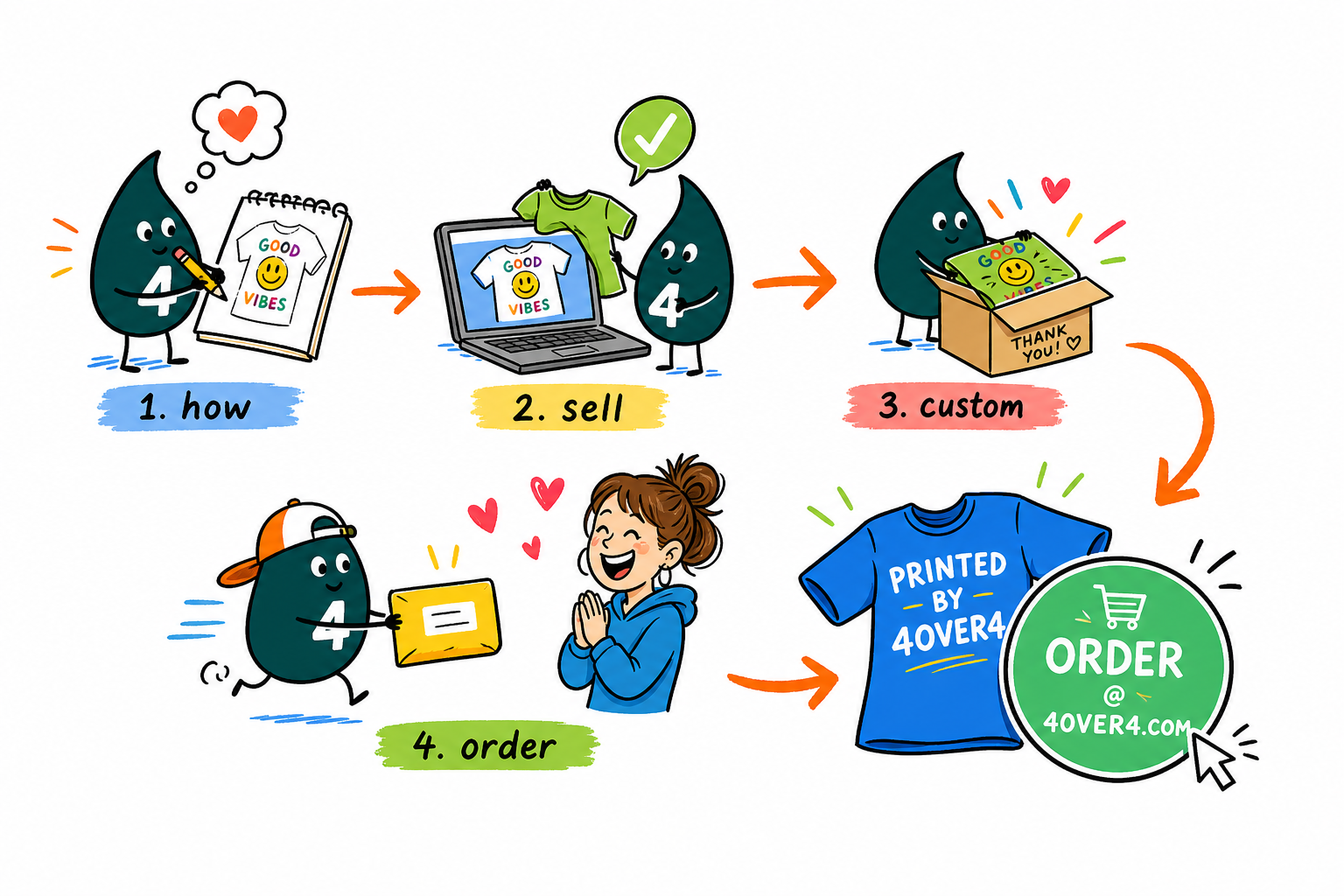
Wally's rule for t-shirts is simple: sell to someone specific. A shirt made for one clear group, a team, a town, a trade, sells itself, while a generic graphic gets lost in the crowd. Test small with print on demand, price on your whole cost, and scale the winners. When a design takes off, 4OVER4 prints DTG, vinyl, silk, and premium blanks so your line can grow without ever switching printers.
Order custom t-shirts →See it in use
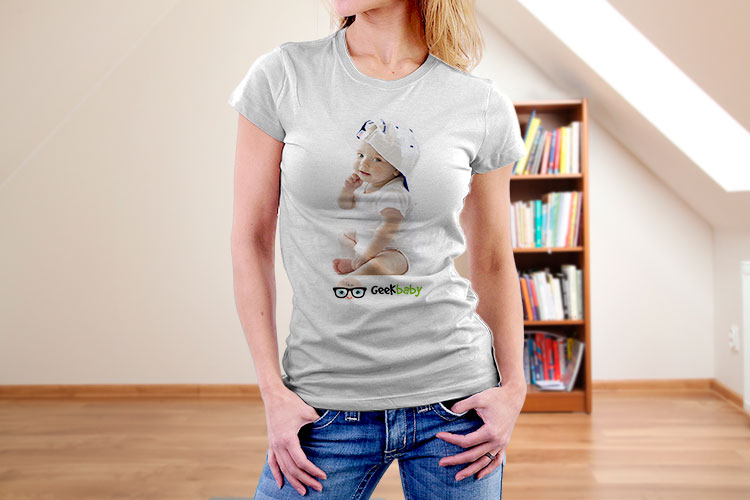
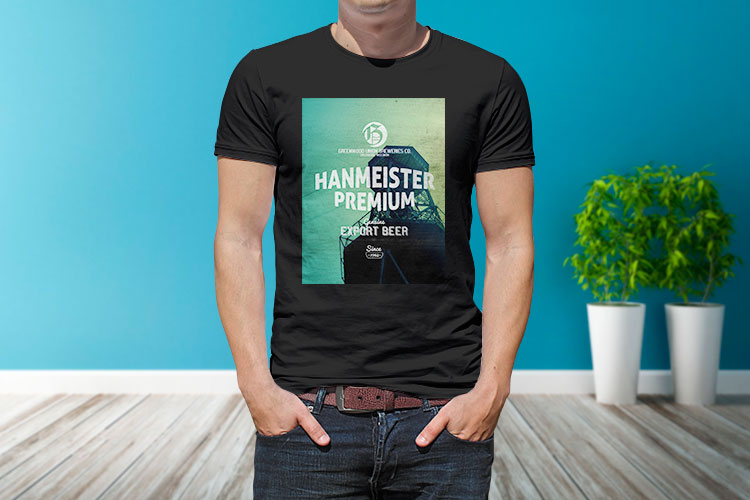
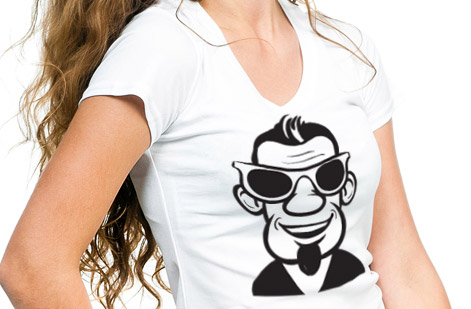
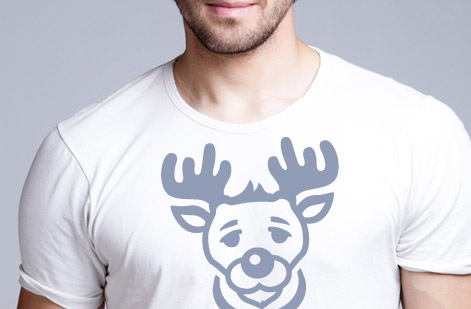
Real custom t-shirt work, printed in-house


Explore more
Where to go next
By the numbers
Printing you can count on at 4OVER4
Common Questions
Common questions about selling custom t-shirts
How much does it cost to start selling custom t-shirts?
You can start for very little. With print on demand there is no upfront inventory, so your only real cost is the shirt when a customer orders. A small tested batch of 20 to 50 shirts keeps risk low while you prove a design sells. Add a free online store and free QR codes and your first launch can cost under the price of a single bulk print run.
What is the best printing method for custom t-shirts?
It depends on the design and the order size. Direct-to-garment (DTG) prints detailed, full-color art with no minimum, which makes it ideal for small runs and print on demand. Screen printing costs more to set up but drops the per-shirt price fast, so it wins for bold, few-color designs in volume. Vinyl is best for names, numbers, and single-color graphics.
Do I need to buy inventory upfront to sell t-shirts?
No. Print on demand lets you list designs and print each shirt only after it sells, so you never hold stock. Once a design proves popular, ordering a bulk run through screen printing lowers your cost per shirt and raises your margin. Most sellers start on demand to test, then scale the winners into inventory.
How do I price custom t-shirts for profit?
Add up your total landed cost, the blank, the printing, selling and payment fees, plus shipping and packaging, then mark up two to three times. That margin covers the fees people forget, funds sales and free-shipping offers, and still leaves real profit on every order. Pricing against the blank alone is the fastest way to lose money.
Where can I sell custom t-shirts?
The best channel is wherever your niche already spends time. An online store gives you branding control and customer data, marketplaces bring built-in traffic, and in-person markets, fairs, and pop-up booths let people feel the fabric and buy on the spot. Most sellers combine an online store with live events and let each feed the other.
How do I choose a niche for my t-shirt brand?
Pick a group you understand and that already gathers somewhere, a sport, a hometown, a profession, a hobby, or a cause. The tighter the audience, the easier it is to design something they are proud to wear and the easier they are to reach online. A focused niche has built-in demand and built-in places to advertise.
Get Started
Ready to print and sell your first custom t-shirts?
Upload your design, pick your blank and print method, and we print sharp, sellable shirts with no minimums to get you started.
Legal Disclaimer
Gold Standard guarantees apply to all standard orders placed through 4over4.com. Price match requires verifiable proof of a competitor's published price for an equivalent product with matching specifications and turnaround time. Satisfaction guarantee covers manufacturing defects and print quality issues. Contact support with order number and documentation. On-time delivery rate based on tracked orders 1999 to 2026. Individual results may vary based on shipping carrier performance.
