
Is It Illegal to Put Business Cards in Mailboxes?


Short version: yes. A mailbox is federal territory the moment it is approved for mail, so an unstamped card inside it breaks the law. Here is the statute, the fines, and the legal ways to reach the very same households.
Yes, it is illegal to put business cards in mailboxes. Federal law (18 U.S.C. 1725) reserves every mailbox for U.S. Mail, so an unstamped card inside one is depositing mailable matter without postage. Fines reach $5,000 per item for an individual and $10,000 for a business, with each card counted separately. Legal alternatives include door hangers, hand-to-hand delivery, windshield flyers, and reaching the mailbox the paid way through USPS Every Door Direct Mail.
Quick answer
The short, straight answer
It is illegal to put business cards in mailboxes. Under 18 U.S.C. 1725, a mailbox is reserved for U.S. Mail, so slipping an unstamped card inside is a federal offense that can be fined up to $5,000 per item. Permission from the homeowner does not change that, because the Postal Service controls the inside of the box. Reach the same households legally with door hangers, in-person handoffs, windshield flyers, or paid USPS Every Door Direct Mail.
Is it illegal to put business cards in mailboxes?
Yes. In the United States it is illegal to put a business card, flyer, or any unstamped item inside a mailbox. The rule comes from 18 U.S.C. 1725, the federal statute that makes a mailbox part of the postal system rather than a public drop box. Once a receptacle is approved for mail delivery, only the Postal Service and the postage-paying public may put things in it.
That surprises a lot of new business owners. Handing out cards feels harmless, and the mailbox looks like the perfect target. But the moment you lift that little door and slide a card in, you are depositing mailable matter with the intent to avoid paying postage, and that is exactly what the law prohibits. The good news is that there are plenty of legal ways to get your card in front of the same households, and this guide walks through every one of them. If you are juggling several print projects at once, our guides on how to clean rubber stamps and how to fold a brochure cover the hands-on details too.
The law behind the mailbox rule
The mailbox restriction has been on the books for decades. The relevant text of 18 U.S.C. 1725 targets anyone who knowingly and willfully deposits mailable matter such as circulars, sale bills, or similar material on which no postage has been paid into a letter box established or approved by the Postal Service, with intent to avoid paying lawful postage. A business card handed out this way fits that description cleanly.
The Supreme Court upheld the rule in 1981, agreeing that the Postal Service can keep mailboxes for mail alone. The stated reasons are practical: protecting postal revenue, keeping delivery efficient and secure, and guarding customer privacy. When a carrier opens a box crammed with loose flyers, mail gets delayed and lost, which is the outcome the statute was written to prevent.
Enforcement falls to the U.S. Postal Inspection Service, one of the oldest federal law enforcement agencies. Residents who find unstamped material in their box can and do report it, and inspectors keep the reports on file. For a wider look at how these rules shape everyday printing, the guide hub collects the rest of our how-to and rules explainers in one place.
What the fines actually look like

The penalty is a fine, and the ceiling is higher than most people expect. For an individual the maximum is $5,000 per offense, and for a business or organization it climbs to $10,000. The detail that catches people out is this: each item deposited is a separate offense. Drop one card and you have one potential violation. Walk a block stuffing 100 mailboxes and you have created 100 of them on paper.
Real-world enforcement is more measured than those numbers suggest. Inspectors generally reserve resources for repeat offenders and organized commercial operations rather than a first-timer who left a single card. A first complaint often ends in a warning. Still, the exposure is real, and it is not a risk worth taking when compliant alternatives cost about the same and reach more people. Treat the mailbox as off-limits and route your card through the channels below instead.
Whose mailbox is it, anyway?
Here is the part that trips up even careful marketers: the mailbox does not belong to the homeowner in the way you would assume. The resident owns the post and the physical box, but once that receptacle is approved for mail delivery, the inside of it is controlled by the Postal Service. Federal authority over what goes in the box does not stop at a private property line.
That is why a homeowner saying "sure, leave it in the mailbox" does not protect you. They cannot grant permission for something the law reserves to the carrier. The same goes for apartment mailbanks, curbside boxes, and the little slot in a front door if it is a postal-approved receptacle. If mail gets delivered there, treat it as hands-off for anything without postage. When you want to reach a specific building or block, hand the card to a person or place it on the door, never in the slot.
Legal ways to get your card seen

Skipping the mailbox does not mean skipping the neighborhood. There are several compliant channels that reach the exact same households, and most of them actually get more attention than a card lost in a stack of mail.
- Door hangers. They hang on the doorknob, never inside the box, so they sidestep the mailbox rule entirely. Order custom door hangers and canvass a whole street the legal way.
- Hand-to-hand. The original and still the best. Give the card directly to a person at an event, a shop counter, or a networking meetup. Nothing beats a real handoff for making the card stick.
- On the door or porch. A card tucked under a doormat or clipped to a screen door is fine, as long as you respect any posted no-solicitation signs.
- Windshield flyers. Where local ordinances allow it, a flyer under a wiper is legal because a car is not a mailbox. Check city rules first, since some towns ban it.
For designing any of these pieces to match your card, our walkthroughs on how to make flyers and how to make envelopes keep your branding consistent across every touchpoint.
The one legal way into the mailbox: use USPS
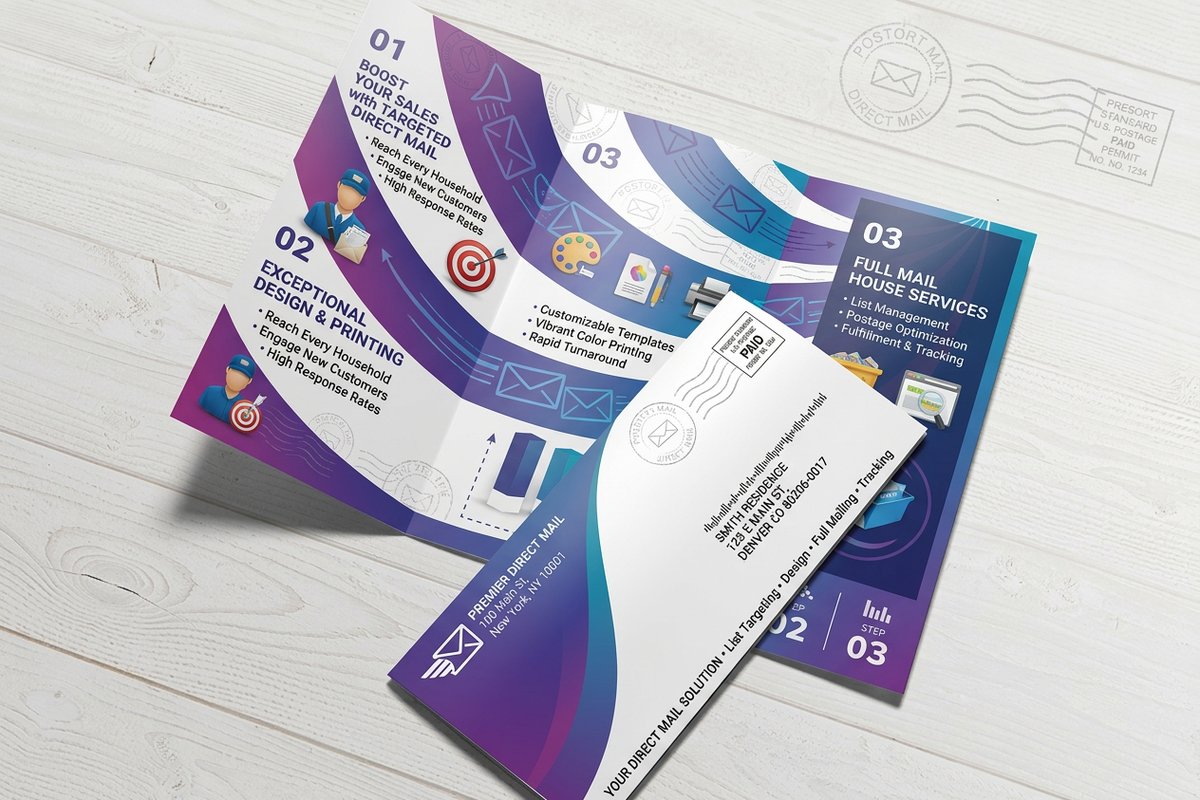
If the mailbox is genuinely where you want to be, there is a fully legal path: pay the Postal Service to put you there. Every Door Direct Mail (EDDM) lets you send a card or postcard to every address on a carrier route without buying a mailing list. You pick the routes on a map, drop the pieces at the post office, and the carrier delivers them with postage accounted for. It is the mailbox drop you wanted, done the compliant way.
For sharper targeting, addressed direct mail reaches specific households by name and street. Either way the postage is paid, the carrier handles delivery, and your piece lands inside the box without a single trip down the block on your part. Our direct mail flyers and postcards are built for exactly this, and both pair well with the business card you hand out in person. Want to feel the stock before committing? Order free samples and compare weights in your hands.
Make a card worth keeping, not tossing
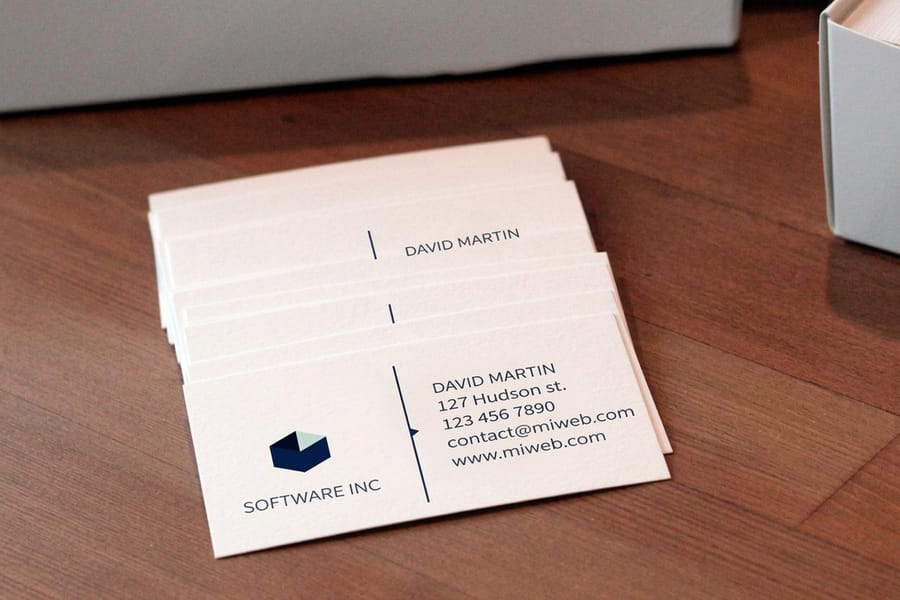
Whichever legal route you choose, the card itself has to earn its place in a wallet. A flimsy card on thin paper reads as budget and gets tossed. A thick, well-finished card gets kept and passed along, which is the whole point of distributing them.
4OVER4.COM prints business cards on 60+ paper types, from writable 14pt uncoated to hefty 32pt ultra-thick that people literally comment on. Add a finish and the card starts to work harder for you: soft-touch matte feels velvety, spot UV adds a glossy pop to your logo, and foil catches the light. Explore real examples in our business card design styles gallery, browse the full business stationery lineup, or build your own in the online designer and send it straight to print. If a run of custom magnets fits your campaign, the custom magnets guide is another tactile piece to consider.
Distribution mistakes that get businesses reported

Even seasoned marketers get tripped up by the mailbox rule. Avoid these and you keep your campaign clean.
Assuming private mailboxes are exempt. They are not. A curbside box on someone's own lawn is still a postal receptacle. The federal rule follows the mail, not the property line.
Treating "permission" as a shield. A homeowner cannot authorize what the law reserves to the carrier. Verbal okay or not, the card still cannot go inside the box.
Hanging cards on the mailbox or its flag. Attaching anything to the receptacle invites the same complaint as putting it inside. Use the door, not the box.
Ignoring local solicitation rules. Some towns restrict door-to-door and windshield flyers even though those spots are federally legal. A quick check of city ordinances saves a headache.
Skipping the paid channel when it fits. If you truly need the mailbox, EDDM costs about the same as a big print run and removes the risk entirely. Explore compliant options across our marketing materials hub, and if sustainability matters, green printing covers recycled and eco-friendly stocks.
Specs and pricing
Business card specs and pricing
Before you distribute a single card, here is what a fresh order of standard business cards gives you at 4OVER4.COM, with live specs and price-per-unit straight from the configurator.
| Quantity | Price Per Unit | Total |
|---|---|---|
| 100 | 17.6¢ | $17.57 |
| 200 | 11.5¢ | $23.07 |
| 300 | 9.15¢ | $27.46 |
| 400 | 7.96¢ | $31.86 |
| 500 | 7.25¢ | $36.26 |
| 600 | 6.77¢ | $40.64 |
| 700 | 6.43¢ | $45.04 |
| 800 | 6.18¢ | $49.43 |
Distribute it legally
Cards, hangers, and mail that reach the neighborhood
Wally explains the mailbox rule
The box is for mail, the door is for you
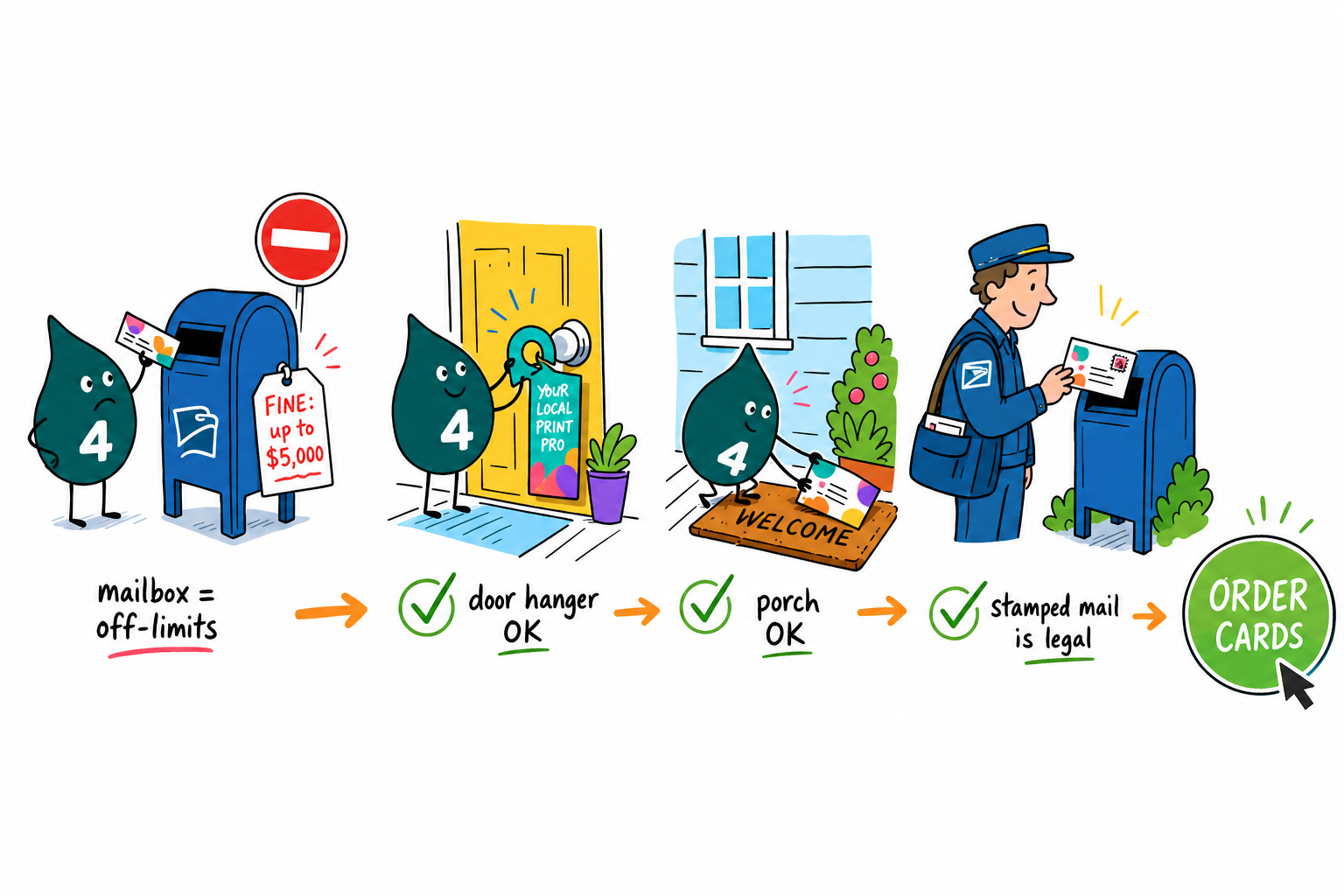
Wally treats the mailbox like a locked postal vault: only the carrier and paid postage get in, so an unstamped card inside it is a federal no-go with fines up to $5,000 a piece. His workaround is simple. Hang the card on the door, hand it over in person, or let USPS Every Door Direct Mail carry it into the box for you. Same neighborhood, zero risk, and a card people actually keep.
Order business cards →See it in use
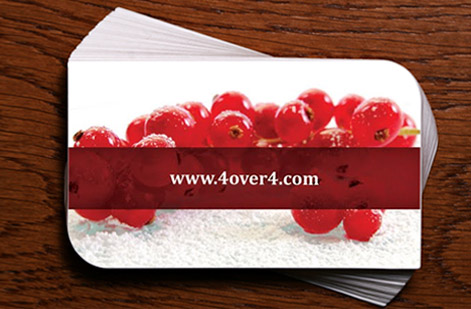
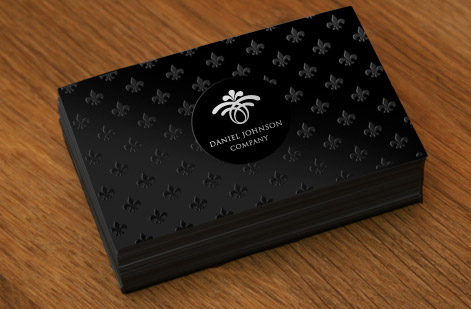
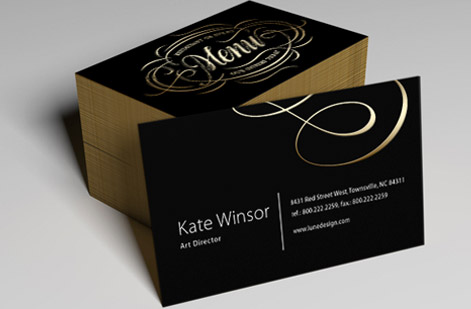
Real business card work, printed in-house





Explore more
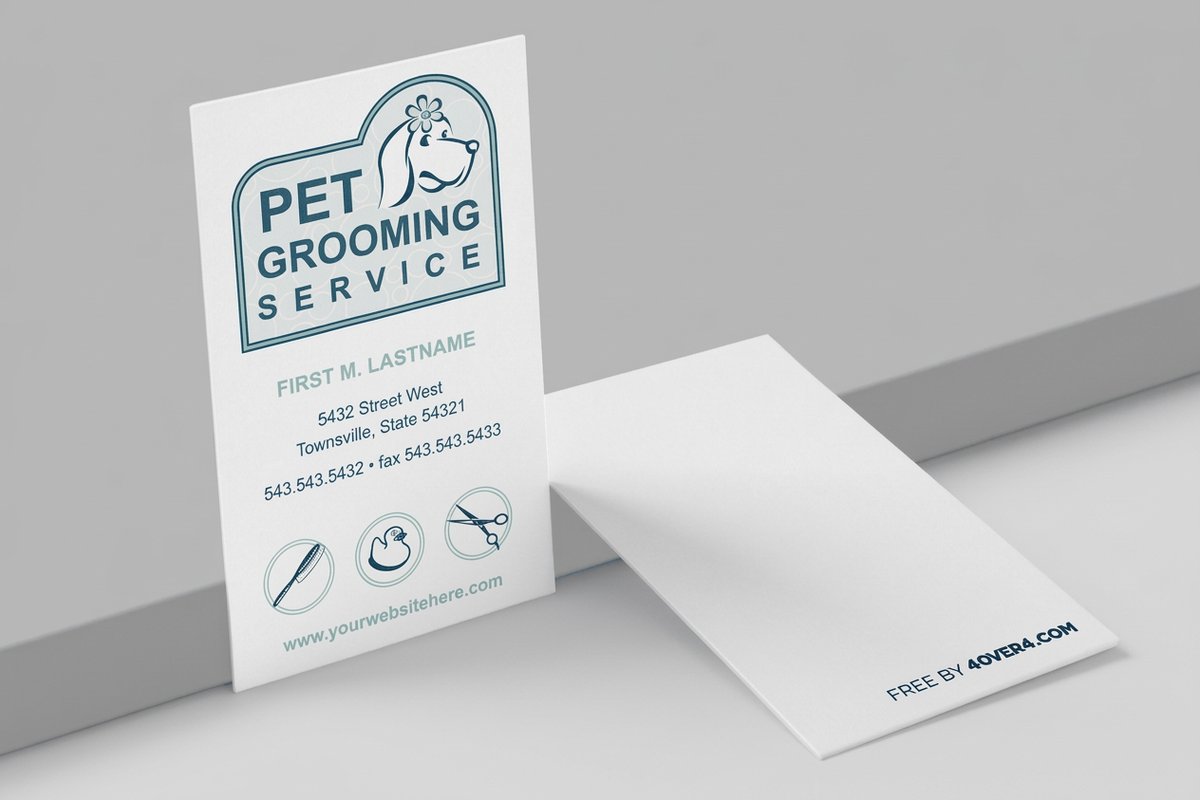
Where to go next



By the numbers
The rule, the fine, and a better way to distribute
Common Questions
Common questions about business cards in mailboxes
Is it illegal to put business cards in mailboxes?
Yes. Federal law (18 U.S.C. 1725) reserves every mailbox on a delivery route for U.S. Mail only. Placing a business card inside a mailbox with no postage paid is depositing mailable matter unlawfully, and it is treated as a federal offense enforced by the U.S. Postal Inspection Service.
How much is the fine for putting a card in a mailbox?
The statutory maximum is $5,000 per offense for an individual and $10,000 for an organization. Because each item is counted separately, a stack of 100 cards could, in theory, be charged as 100 violations. In practice first-time offenders who drop a single item usually get a warning, and enforcement focuses on repeat and commercial offenders.
What if the homeowner said it was okay?
Permission does not help. The Postal Service, not the homeowner, controls the inside of the mailbox once it is approved for mail delivery. Even with a friendly nod from the resident, putting an unstamped card inside still violates the federal mailbox restriction.
Can I attach a card to the outside of a mailbox or the flag?
That is a gray area best avoided. The safe, clearly legal spots are the door, the porch, a doorknob hanger, or a windshield where local rules allow. Hanging anything on the mailbox itself or its flag risks the same complaint, so keep your card off the receptacle entirely.
How can I legally get my business card into someone’s mailbox?
Use the Postal Service. Every Door Direct Mail lets you send a card or postcard to every address on a carrier route without buying a mailing list, and addressed direct mail reaches specific households. Postage is paid, the carrier delivers it, and your piece lands in the mailbox the legal way.
Are door hangers a legal alternative to mailbox drops?
Yes. Door hangers hang on the doorknob rather than going inside the mailbox, so they sidestep 18 U.S.C. 1725 completely. They are one of the most popular compliant ways to reach a neighborhood, alongside handing cards out in person and windshield flyers where permitted.
Get Started
Ready to print cards worth handing out?
Pick your stock, drop in your logo, and we print a card people keep. Then reach the neighborhood the legal way with door hangers and Every Door Direct Mail.
Legal Disclaimer
Gold Standard guarantees apply to all standard orders placed through 4over4.com. Price match requires verifiable proof of a competitor's published price for an equivalent product with matching specifications and turnaround time. Satisfaction guarantee covers manufacturing defects and print quality issues. Contact support with order number and documentation. On-time delivery rate based on tracked orders 1999 to 2026. Individual results may vary based on shipping carrier performance.
