
5 Rebranding Tips From a Successful Small Business


Why a small business decides to rebrand
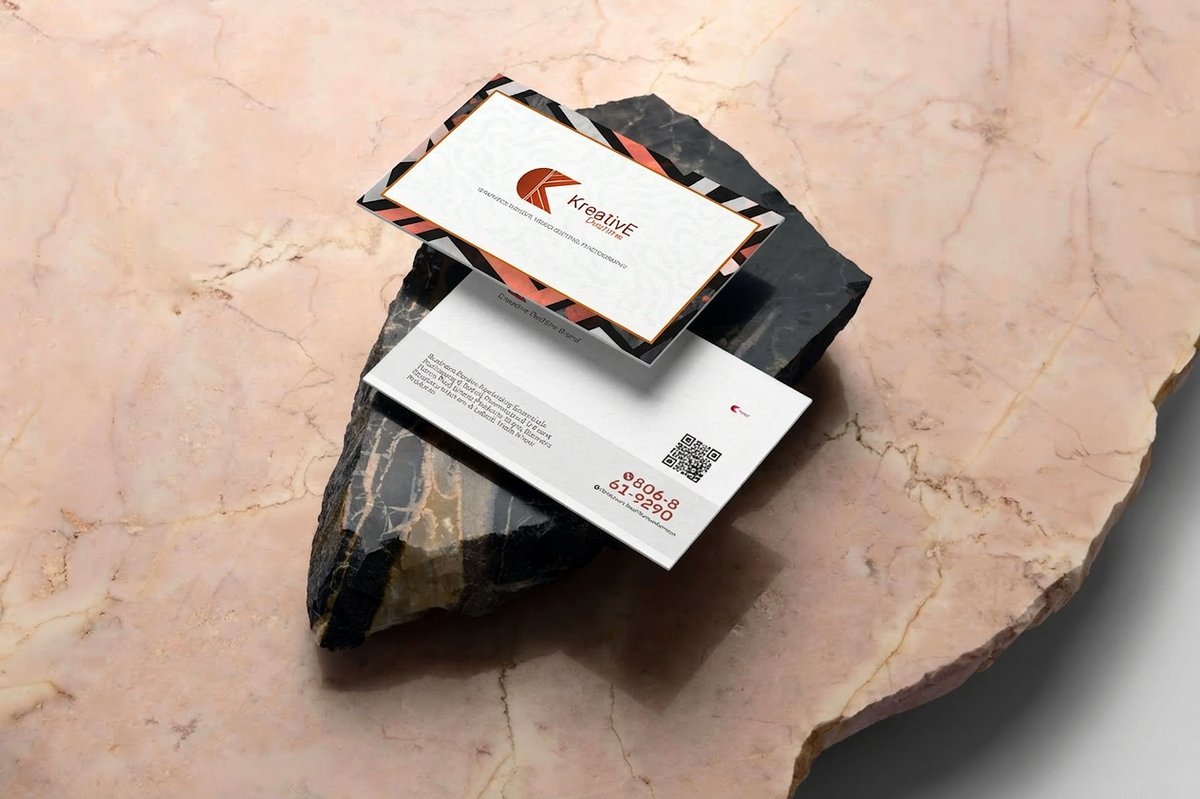
A rebrand almost never starts with a designer. It starts with a feeling. The logo you drew in year one no longer matches the business you built in year five. The name outgrew the town it was born in. Or a competitor showed up looking sharper, and suddenly your storefront feels dated. Whatever the trigger, the instinct is the same, freshen up before customers decide you have gone stale.
Here is the part most advice skips. The goal of a small business rebrand is not to look different. It is to look like the better version of who you already are. The businesses that pull it off treat their existing recognition as an asset to protect, not baggage to throw away. Before you change a single color, it helps to be clear on what branding actually is for a business your size, because a rebrand is just branding done a second time, with more at stake.
The five tips below come from the way successful small businesses handle it, careful with their equity, honest about the reason, and thorough all the way down to the printed card. And the very first move, before the strategy decks and mood boards, is deciding which kind of rebrand you are actually doing.
Reprint first
The card is where the rebrand gets real
Nobody sees your new logo more than the person you just handed a card to. Start the reprint here.
Refinement, expansion, or experimentation

Not every rebrand is the same size. Naming the type you need keeps the project from ballooning into a full identity crisis when all you wanted was a cleaner logo. Broadly, a small business rebrand falls into one of three lanes.
- Refinement. You keep the core identity and sharpen it. New typeface, tighter color palette, a cleaner logo built on the same idea. Customers still recognize you, they just see a more grown-up version. This is the safest and most common path for a small business.
- Expansion. You are growing into new products, markets, or a new audience, and the old brand no longer covers all of it. The rebrand widens the story so the name still fits where you are headed. Read our companion guide on how to expand a business before you commit to this one.
- Experimentation. You test a bolder direction on a limited surface first, a new sticker, a seasonal flyer, a single social campaign, and watch how people react before you roll it everywhere. Low risk, real feedback, no wasted print run.
Most owners think they need the biggest option and actually need the smallest. Refinement carries almost all of your hard-won recognition forward, which is exactly what you want when word of mouth is still your best marketing channel. Save the full expansion for when the business has genuinely outgrown its name, and consider testing the boldest ideas on a low-cost surface first, the way you would workshop a new tagline on a single run of flyers before committing it to a storefront banner.
Go public
Banners put the new brand on the street
Storefront and event banners are the biggest, most public sign that something changed. Get them right.
5 rebranding tips from a small business that got it right
The following five habits separate a rebrand that builds momentum from one that quietly loses regulars. They are not glamorous. They are the discipline behind every small business that came out the other side of a rebrand bigger than it went in.
1. Do not try to do everything yourself
The founder who designed the first logo in a spare afternoon is not always the person to lead the rebrand. Bring in a designer for the mark, get a second set of eyes on the color choices, and let customers weigh in before you print. Doing it alone is how a rebrand ends up looking like one person’s taste instead of a brand.
2. Welcome the change, but keep an anchor
Rebranding works when it feels like growth, not amnesia. Hold on to one recognizable element, a color, a symbol, a name people already say out loud, and rebuild around it. That anchor is what tells loyal customers this is still the business they trust, only better.
3. Stay consistent across every touchpoint
A rebrand that lives only on the homepage is half a rebrand. The new look has to show up the same way on the storefront, the invoice, the packaging, the email signature, and the card you hand across the counter. Consistency is what turns a fresh coat of paint into a brand people remember. If you need a refresher on the mechanics of a clean card, the guide to proper business card format keeps your new layout sharp.
4. Reprint the brand you can hold, not just the one on screen
Websites update in an afternoon. Printed materials do not. The old logo keeps circulating on business cards in wallets, flyers on community boards, and banners at events long after launch day. Budget for the reprint from the start so your physical brand and your digital brand tell the same story.
5. Tell your customers before they figure it out
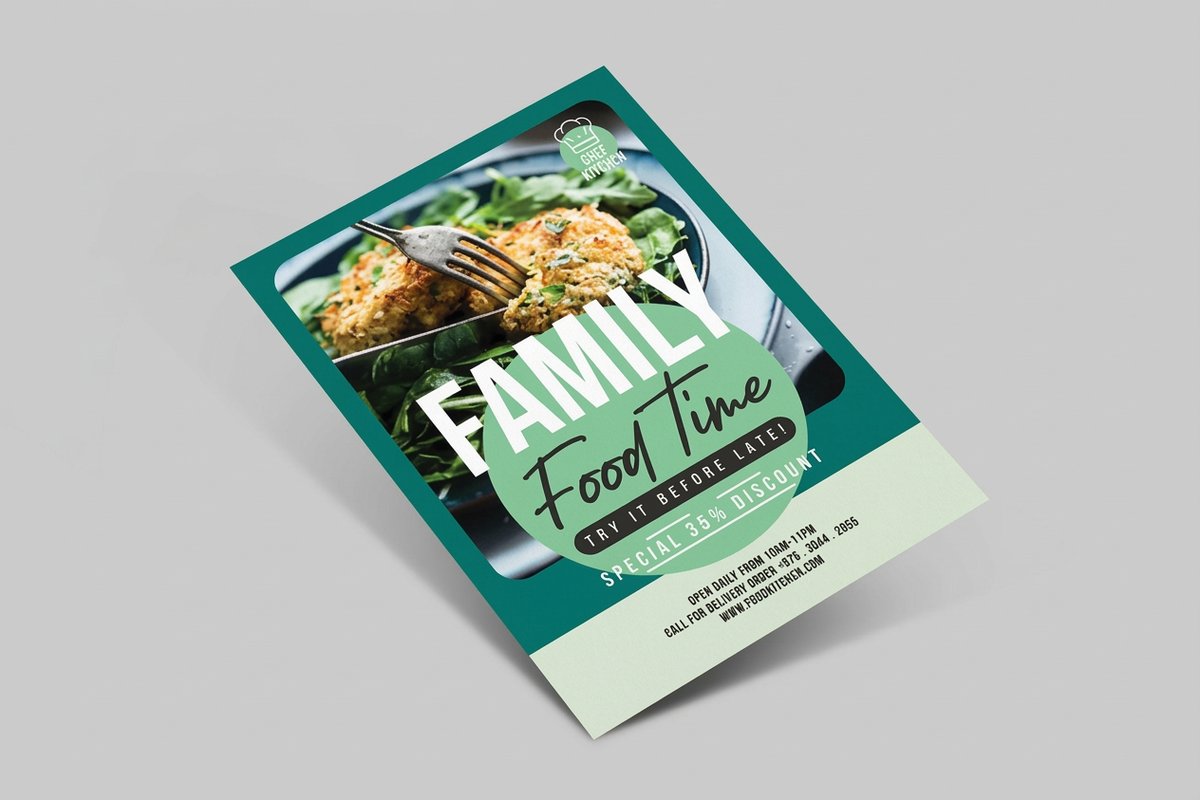
Nothing rattles a loyal customer like showing up to a business they cannot recognize. Announce the change, explain the why, and make the reveal feel like an invitation. A short flyer, a thank-you card in the next order, or a banner at the door turns a jarring surprise into a moment people root for. A rebrand announcement is one of the best jobs a business flyer can do, it carries the new look and the story in a single, low-cost piece.
Announce it
The flyer that carries your reveal
One flyer shows the new look and explains the why. Hand it out, mail it, or tuck it into the next order.
The print checklist for a clean rebrand
A rebrand is only finished when the last piece of the old identity is out of circulation. Websites are easy, they change in one push. Printed materials are the hard part, because they live in wallets, on community boards, and on storefronts you forgot you branded. Work down this list in order, front-line pieces first.
- Business cards. The single most-handled piece of your brand. Reprint these first so no one leaves a meeting holding the old you.
- Storefront and event banners. Big, public, and slow to change. An old banner over a new logo undoes the whole rebrand in one glance.
- Flyers and mailers. Your announcement channel. A rebrand flyer does double duty, it updates the look and tells the story at the same time.
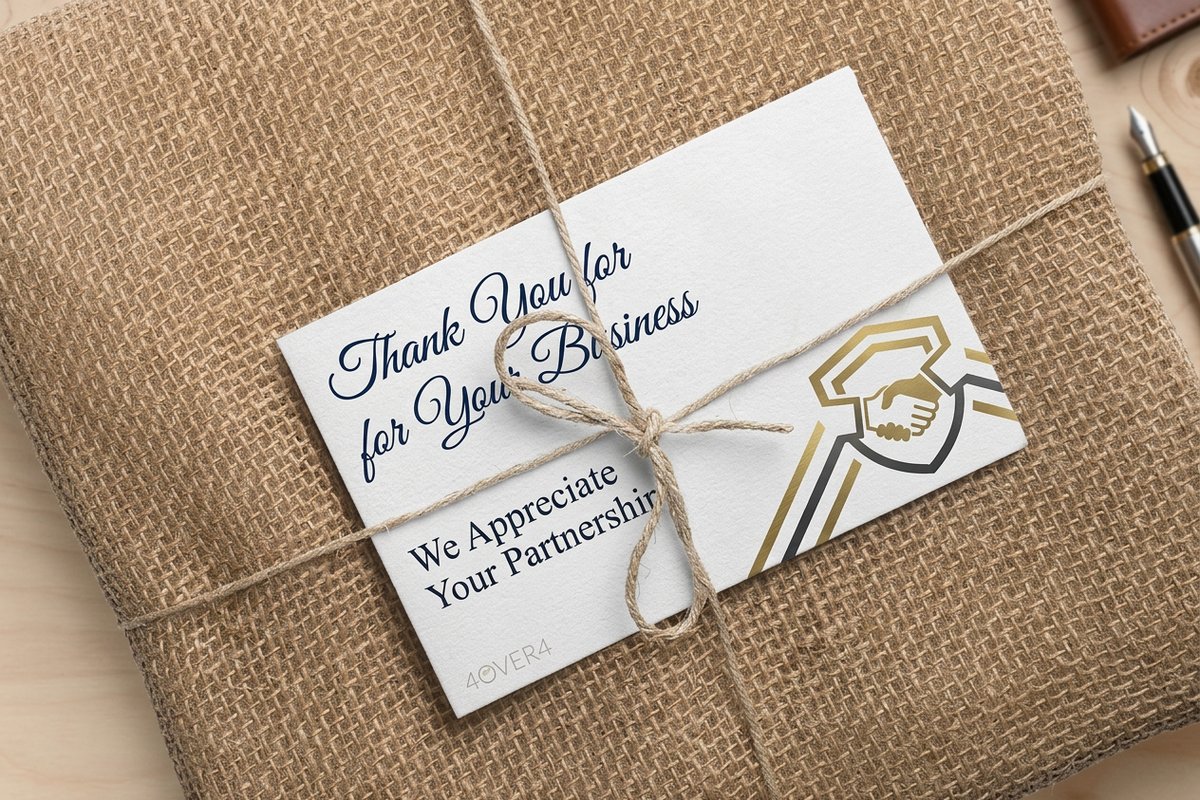
- Packaging and thank-you cards. The last thing a customer touches. Carry the new identity all the way through the unboxing.
- Signage magnets and stickers. Cheap, mobile, and everywhere. Update the small stuff so stray old logos do not linger on cars, fridges, and laptops.
Ordering the whole set from one printer is the quiet trick behind a consistent rollout. When your cards, flyers, and banners come off the same presses with the same color profiles, the new brand looks like one brand instead of five near-matches. Browse the full range at business cards printing and pair it with matching flyers and banners in the same order.
Quantity and price
Business card pricing and specs
Real configurator numbers for the piece you will reprint most. The more you order, the lower the per-unit cost drops.
| Quantity | Price Per Unit | Total |
|---|---|---|
| 100 | 17.6¢ | $17.57 |
| 200 | 11.5¢ | $23.07 |
| 300 | 9.15¢ | $27.46 |
| 400 | 7.96¢ | $31.86 |
| 500 | 7.25¢ | $36.26 |
| 600 | 6.77¢ | $40.64 |
How successful small businesses actually roll it out
Strategy is the fun part. Execution is where rebrands live or die. The businesses that get it right treat the rollout as a sequence, not a launch-day flip of a switch, so old and new never confuse a customer for long.
- Audit what carries the old brand. Walk the whole customer journey and list every surface with your logo on it, on screen and off. You cannot reprint what you forgot you had.
- Lock the new identity before you print. Finalize logo, colors, and fonts in one place. Print a proof at actual size and read it from arm’s length before you commit to a run.
- Roll out physical first at the front line. Cards, storefront banners, and packaging touch customers directly. Reprint those before the low-traffic items.
- Announce, then retire the old. Launch the reveal, then pull the last of the old materials out of circulation so the two brands never overlap for long.
For the bigger picture, fold the rebrand into your broader plan rather than treating it as a one-off. The guide on how to create a small business marketing plan shows where a refresh fits alongside your ongoing marketing, and the restaurant rebrand case study walks through one business doing it end to end, from menu to signage.
Compare formats
Popular business cards, side by side
Stock, finish, quantity, turnaround, and from-price across our most-ordered business cards, so you can match the card to the new brand.
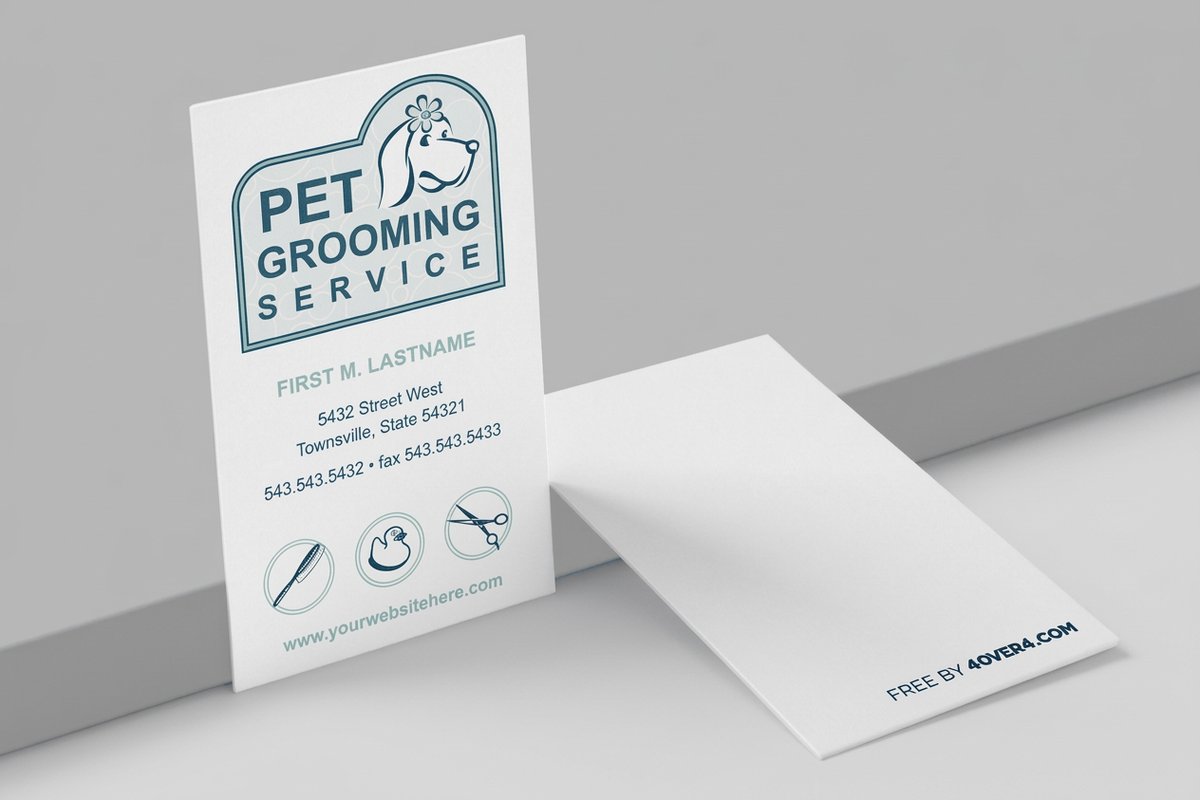 free business cards | 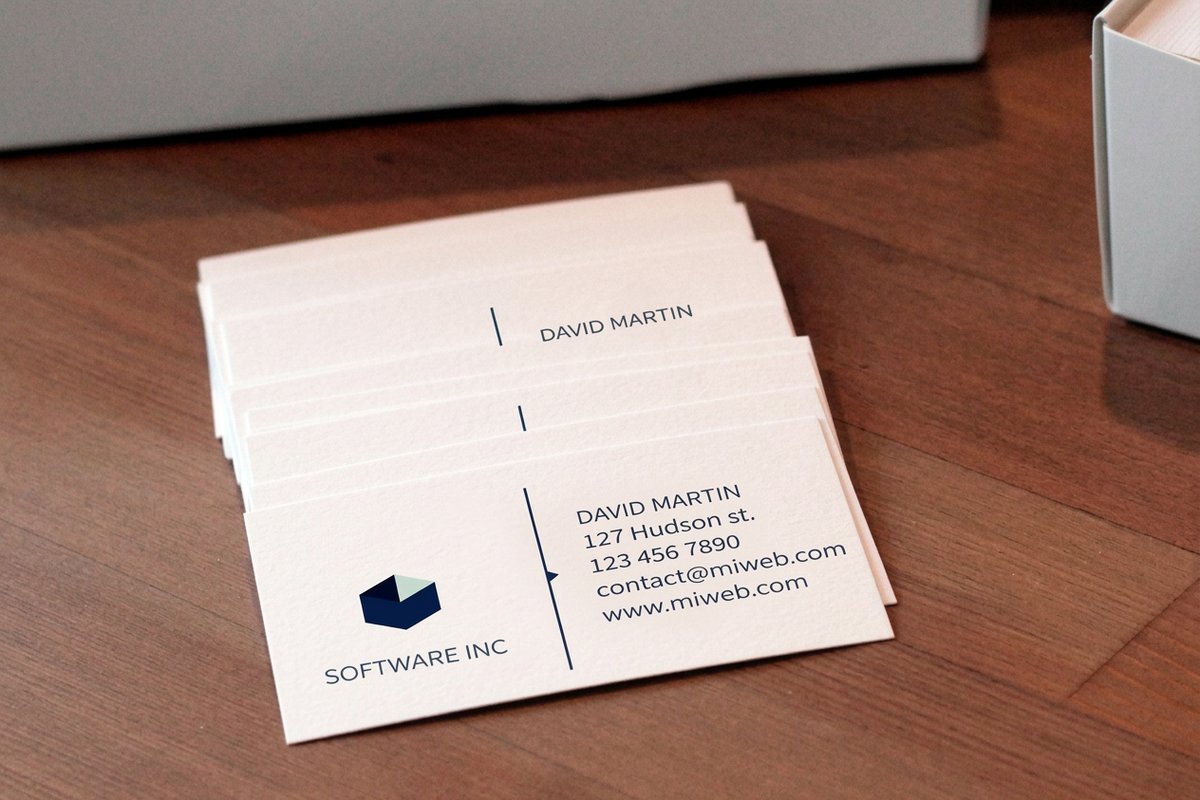 Standard Business Cards |  3D Lenticular Business Cards | 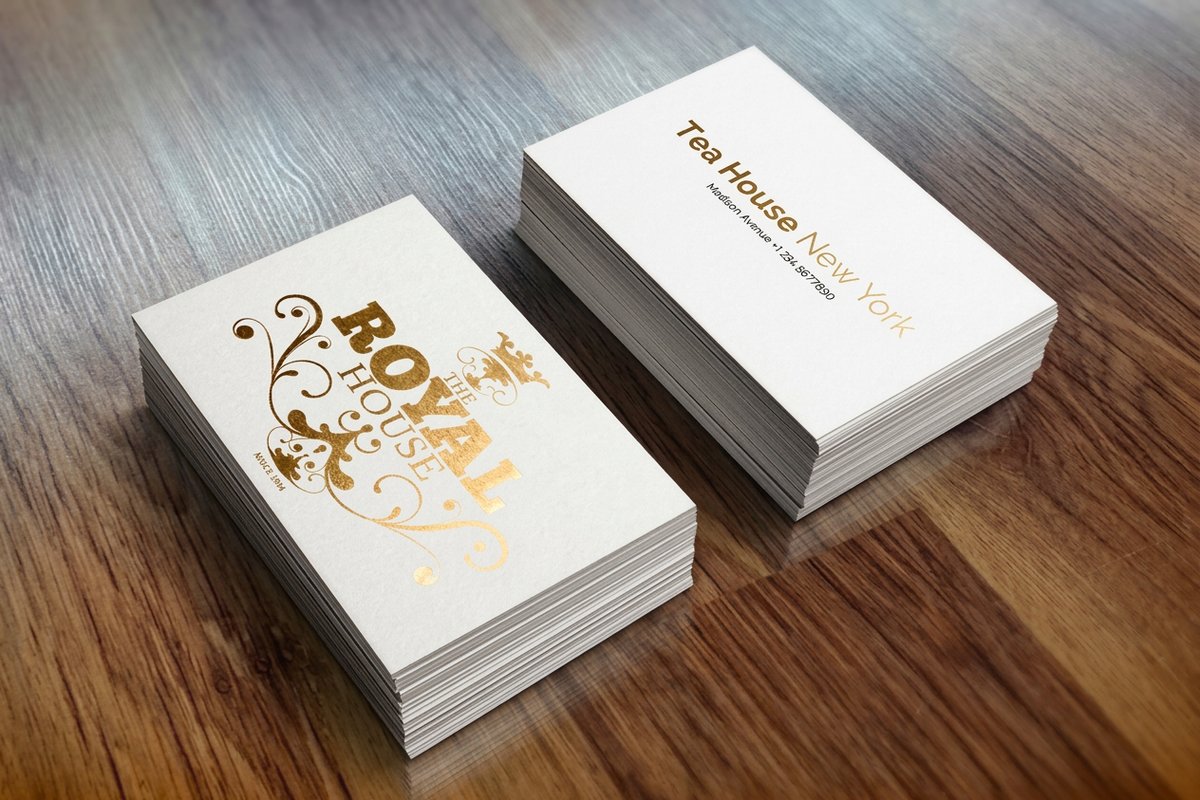 Metallic Foil Business Cards | |
|---|---|---|---|---|
| Min price | Free | $17.57 | $690.88 | $222.13 |
| Paper / stock | 14pt Gloss Cover | 14pt Gloss Cover | 31pt Lenticular Lens | 16 Point Silk Laminated |
| Finish | - | Standard Finish | - | - |
| Size | 2" x 3.5" | 2" x 3.5" | 2" x 3.5" - Vertical | 2" x 3.5" |
| Default qty | 200 | 100 | 500 | 500 |
| Turnaround | 5 business days | 3 business days | 22 business days | 7 business days |
| Rating | ||||
| View & customize | View & customize | View & customize | View & customize |
Wally walks you through the rebrand
Refresh the look, then carry it everywhere
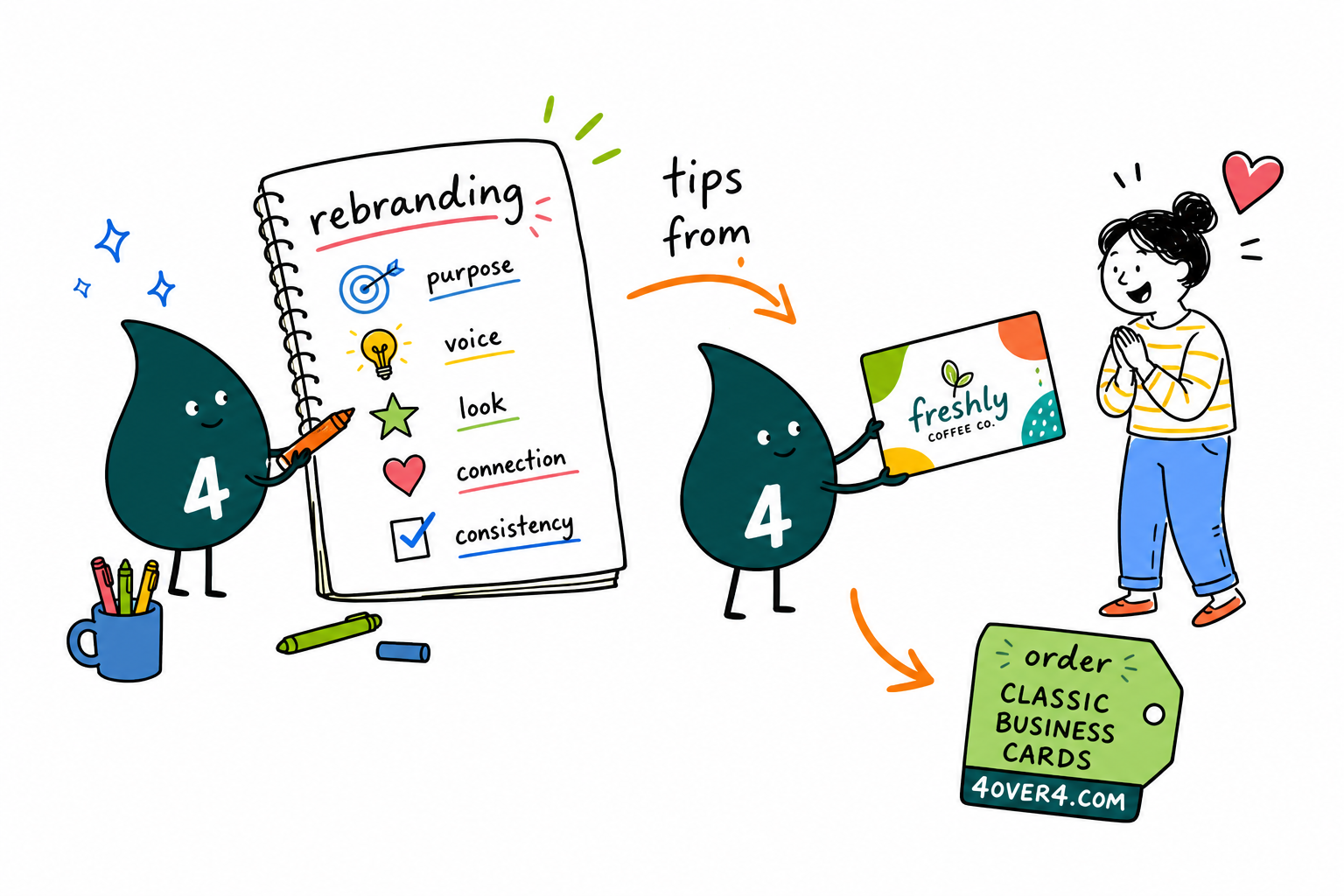
A small business rebrand is not a teardown, it is a sharper version of who you already are. Keep one anchor customers recognize, lock the new logo and colors, then reprint the pieces people actually hold. Cards first, then banners and flyers, so your physical brand and your website finally tell the same story.
Reprint your business cards →What to remember about rebranding a small business
Explore more
Keep planning your rebrand
Guides, data, a real case study, and the products that carry a new brand into the world, one card each.
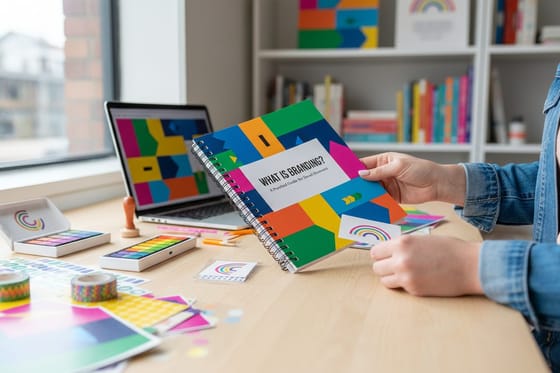 Guide What Is Branding The practical foundation before any rebrand.
  Guide How to Expand a Business When growth is the reason you rebrand.
  Case study A Restaurant Rebrand From menu to signage, a full print refresh.
  Statistics Small Business Survival Data The 2026 numbers behind the decision.
 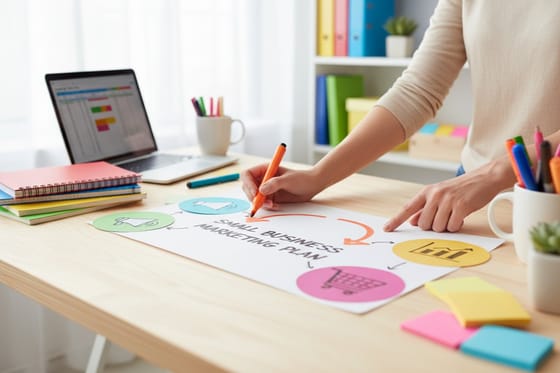 Guide Build a Marketing Plan Where a rebrand fits in the bigger plan.
 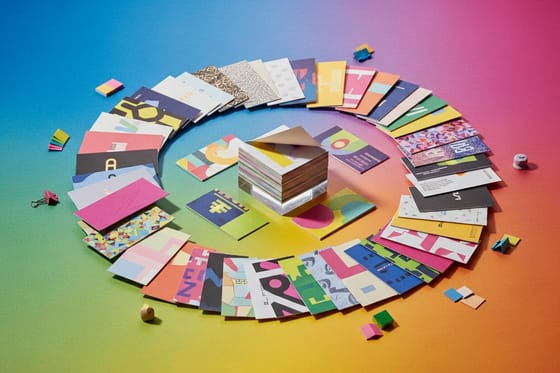 Article Business Card Inspiration 30 designs to spark the new identity.
 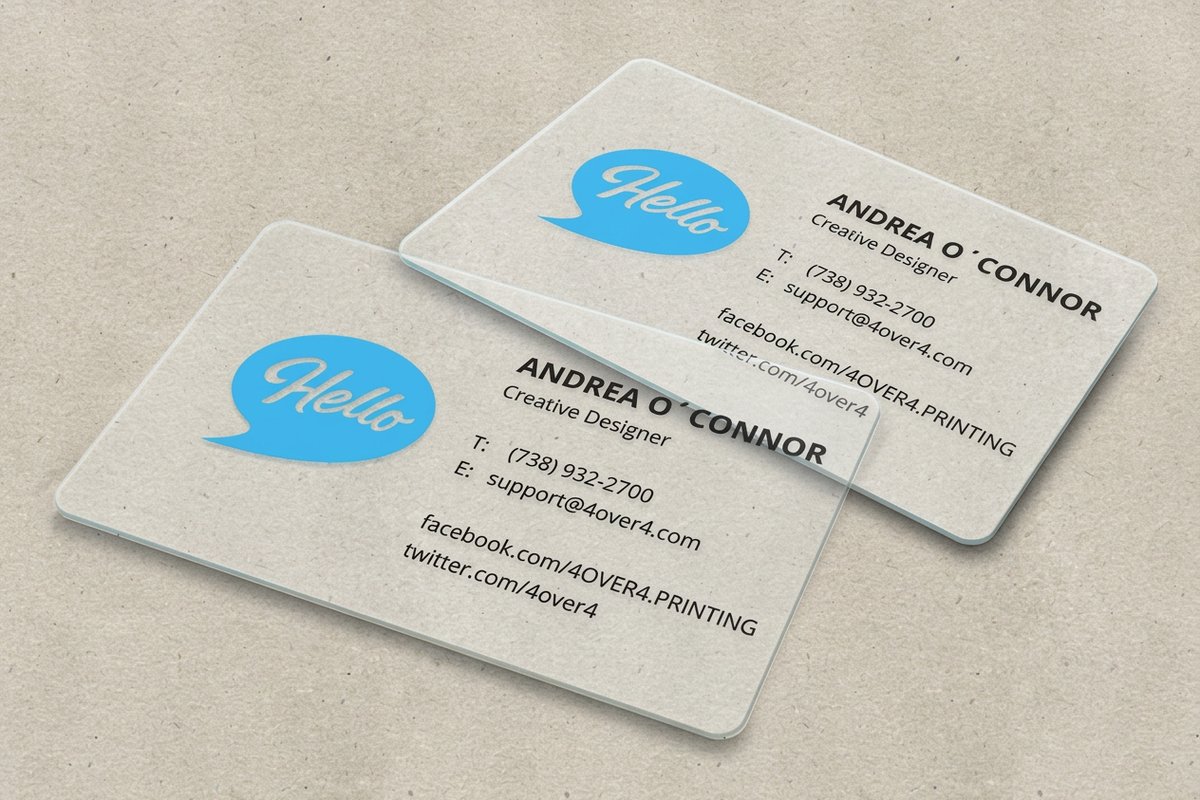 Review Business Card Reviews What 10,000+ buyers say about the print. Product Classic Business Cards The first thing to reprint, from $17.57.
  Article Small Business Owners Day Marketing ideas for the business behind the brand.
 Ready to reprint your new identity?
Lock the logo, drop in your colors, and 4OVER4.COM prints cards, flyers, and banners that match, as fast as same day when the rebrand cannot wait.
Common questions about rebranding a small business
How do I rebrand a small business without losing loyal customers?
Keep one recognizable anchor, a color, a symbol, or the name people already say, and rebuild around it so the change reads as growth instead of a total replacement. Announce the rebrand before customers stumble on it, explain the reason, and update every touchpoint at once so no one gets confused by a mix of old and new. A short reveal on a business flyer or a note tucked into the next order does most of the reassurance for you.
What is the difference between a refinement and a full rebrand?
A refinement keeps your core identity and sharpens it with a cleaner logo, updated colors, or a new typeface, so customers still recognize you. A full rebrand changes the name, story, or positioning, usually because the business has expanded past what the old identity could carry. Most small businesses need a refinement, not a teardown. If growth is the driver, our guide on how to expand a business covers when the bigger move makes sense.
What printed materials do I need to reprint during a rebrand?
Start with the pieces people handle and see most: business cards, storefront and event banners, flyers, and packaging or thank-you cards. Then update the small mobile items like magnets and stickers that keep old logos circulating. Websites change in an afternoon, but printed materials linger, so budget for the reprint from day one. You can order cards, flyers, and banners together at 4OVER4.COM to keep colors matched across the whole set.
How much does it cost to reprint a brand identity?
Less than most owners expect. At 4OVER4.COM, classic business cards start at $17.57, business flyers at $57.11, and business banners at $43.92, and per-unit cost drops as quantity climbs. Reprinting a full identity often costs less than a single month of paid advertising. For the exact numbers, see the business card configurator or check the printing terms glossary if any option is unfamiliar.
