
Product Branding Strategies for Naming, Packaging and Identity


A Product Branding Strategy Starts Before the First Sketch
A product branding strategy is the plan that makes a thing on a shelf feel like it came from somewhere on purpose. It is not the logo, and it is not the tagline. It is the whole system of choices, the name, the look, the voice, and the physical package, that tells a shopper what to expect before they read a single word. When those choices agree with each other, a product earns trust in about two seconds. When they fight, even a good product reads as generic.
Most founders start with the fun part, the logo, and skip the decisions that actually carry the brand. That is backwards. The name has to hold up legally and stretch across everything you sell next year. The identity has to survive being shrunk onto a label. The packaging has to look right in a photo, in a hand, and on a porch. Get those right and the logo has an easy job.
4OVER4.COM has printed 10 billion+ products across 1,000+ product types since 1999, and a lot of that is the print that makes branding physical: labels, sleeves, tape, hang tags, and boxes. This guide walks the strategy in order, from a name that can carry weight to the print pieces that put your brand in a customer's hands. If you want the fundamentals first, the practical branding guide is a solid place to warm up.
Shop the range
Packaging printing collection
Boxes, sleeves, tape, and labels to brand a product from the shelf to the doorstep.
Choose a Name That Can Do Real Work
A name is infrastructure, not decoration. You are going to say it, print it, and defend it for years, so pick one that can take the load. The best product names are easy to spell out loud, clear of trademark conflicts, and roomy enough to cover the products you have not launched yet. A name that boxes you into one item is a wall you will pay to knock down later.
Test a shortlist against three plain questions. Can a stranger spell it after hearing it once? Is the exact domain or a close one available? Does it still fit if you add a second and third product line? If a name clears all three, it is a keeper. Once you have the winner, drop it into the online design templates studio and see how it sits on a real label or box, because a name that looks great in a doc can crowd a small print area fast.
Say it, do not just spell it
Read the name aloud in a sentence a customer would actually use. "I bought the whatever soap" should not make anyone squint. Names that only work on paper lose every word-of-mouth referral, and word of mouth is the cheapest growth you will ever get.
Leave room to grow
Founders love a hyper-specific name until product number two shows up. If you sell cold brew today and might sell mugs tomorrow, do not paint the name into a coffee corner. A slightly broader name today saves an expensive rebrand later, and the rebranding guide exists precisely because most brands learn this the hard way.
Print picks
Three pieces that carry a brand
Live prices, ready to customize with your logo, color, and copy.
Packaging Sleeves From $438.25 Wrap a plain box, candle, or soap bar in a printed band that turns generic packaging into brand. 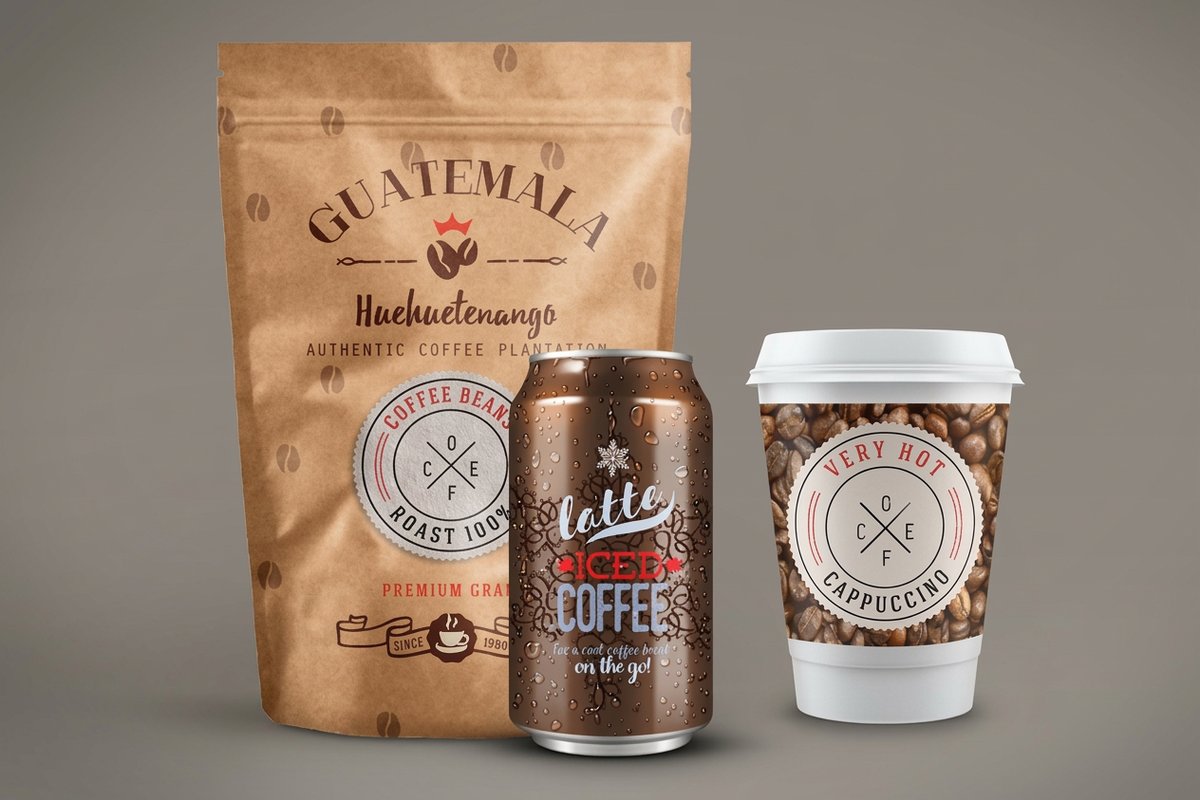 Premium Product Labels From $29.16 Give every item a crisp, durable label that reads premium the second it lands on the shelf.
 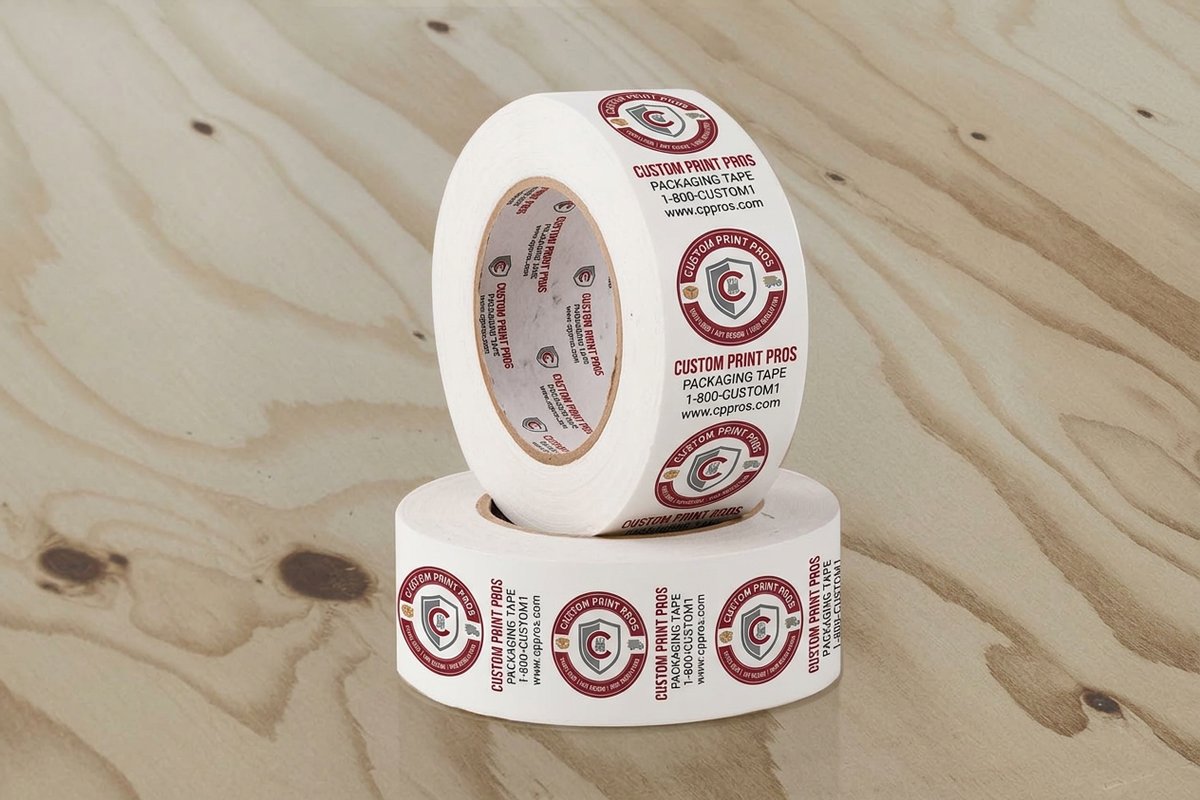 Printed Packaging Tape From $347.11 Seal every shipment with tape that carries your logo across the whole box. Premium Product Labels From $29.16 The label is where your packaging identity meets the shelf.
 Link It Into Your Wider Product Range
A single product rarely stays single. The strategy that pays off is the one that lets item two, three, and ten feel like a family the moment they launch. That is what a brand architecture is: a set of rules for how the pieces relate, so a new arrival looks like a sibling and not a stranger.
Decide early whether every product carries the master brand up front, or whether sub-lines get their own personalities under a shared umbrella. Either works, but pick one and hold the line. The repeated element, usually the logo lockup, the color, and a shared label shape, is what a shopper's eye stitches together across a shelf. When you are ready to move fast on a launch, 4OVER4.COM Same Day Printing produces and ships qualifying orders the same day, so a new product does not sit in a warehouse waiting on labels.
If you sell online, the range has to hang together in a grid of thumbnails too, not just on a physical shelf. Consistent label crops and a shared palette make a store page read as one brand instead of a flea market. Browse the ecommerce printing collection for the pieces that keep an online catalog looking deliberate, and see packaging ideas for small businesses when you want the range to feel bigger than your team is.
Build a Visual Identity People Recognize in a Second
Identity is a system, not a logo. A recognizable brand repeats the same handful of signals everywhere a customer meets it: one primary color, one or two typefaces, a consistent logo lockup, and a voice that sounds the same in an email and on a box. Recognition is just repetition that earned trust, so the rule is boring on purpose. Use the same pieces, in the same way, again and again.
Start with the mark. A logo has to survive being tiny, printing in one color, and sitting on a busy photo, so simple wins. The logo design best practices guide covers the print-ready side, and if your instinct is toward clean and quiet, the minimal brand identity guide shows how much a small system can carry.
- Color. Pick one hero color you can own and one or two supporting shades. Lock the exact print values so a label never drifts between batches.
- Type. One display face for names, one clean face for the fine print. Two is plenty. Three starts to look like an accident.
- Logo rules. Set a clear-space margin and a minimum size so the mark never gets crushed onto a small label.
- Voice. Write down five words your brand is and five it is not. It keeps every future package sounding like the same company.
Write these into a one-page reference and every designer, printer, and freelancer after you will stay on brand without a meeting. The full walkthrough lives in the brand identity guide.
Packaging Is Where the Brand Becomes Physical
You can build a beautiful identity on screen, but packaging is the version customers actually hold. It is the one brand touchpoint with weight, texture, and a sound when it opens. That makes it the design work with the biggest payoff, and the part a strategy cannot afford to treat as an afterthought.
Packaging also does quiet jobs a logo never can. It protects the product, carries the legal copy, survives a shipping journey, and photographs well for the listing. Balancing all of that is a real discipline, and the packaging design guide walks the tradeoffs. When budget questions come up, and they will, the packaging design cost guide sets honest expectations.
Start with a workhorse: a well-designed label on a clean container carries an enormous amount of brand for very little money. Here is what real label pricing and specs look like, so you can plan a run against actual numbers instead of a guess.
Quantity and price
Product label pricing and specs
Real configurator numbers. The more you order, the lower the per-label cost drops.
Design the Unboxing as One Continuous Moment
The unboxing is not one thing, it is a sequence, and a good brand choreographs it. Each layer a customer peels back is a chance to say the same thing one more time, so the whole experience feels intentional instead of just protective. You do not need an expensive box to do this. You need the layers to agree.
Think of it as five branded touchpoints stacked from the outside in. The shipping box and its printed tape set the tone on the porch. A printed sleeve turns a plain inner box into a reveal. Tissue and a sticker seal add a beat of anticipation. The product itself carries the label and a hang tag. A short thank-you card closes the loop and, done right, earns the reorder.
A sleeve is the easiest way to add that middle layer without redesigning anything, so it earns its place in almost every unboxing. Here are the real specs if you want to plan one around your box size.
Add the middle layer
Packaging sleeves
A printed band that turns a plain inner box into a branded reveal, no redesign required.
The Print Pieces That Actually Carry a Brand
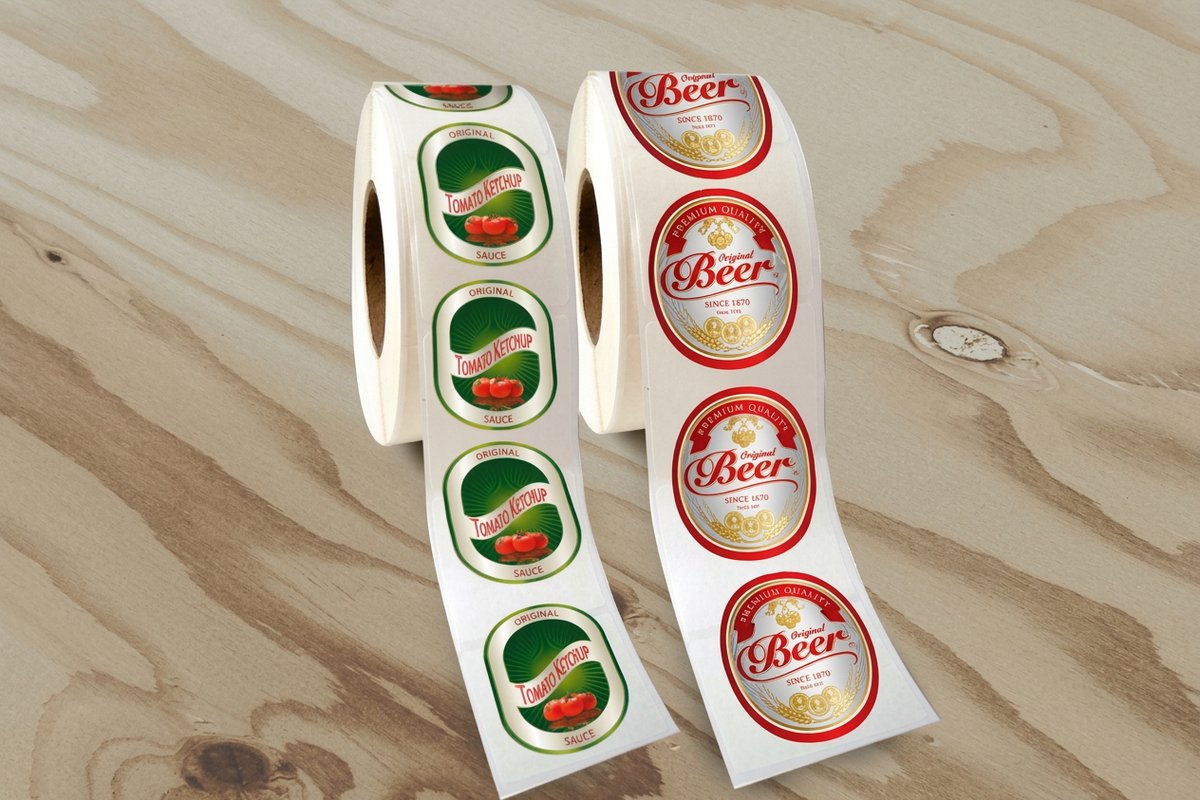
Strategy gets abstract fast, so here is the concrete part: the specific print pieces that do the branding work once the plan is set. None of these are expensive, and together they turn a product into something that looks like it came from a real company.
- Product and packaging labels. The single piece that does the most work. One well-designed label makes a plain jar look intentional. Roll formats feed a labeling line. Sheet formats suit small hand-applied runs.
- Stickers. The cheap seal that closes tissue, marks a box, or rides along as a free extra customers actually keep and stick on a laptop.
- Hang tags. The little sign-off on apparel, candles, and gifts. There is a reason hang tags still matter: they carry price, story, and brand in one small card.
- Printed tape and sleeves. The pieces that brand the outside of a shipment, so the experience starts before the box is even open.
- Thank-you cards and inserts. The human touch that turns a transaction into a relationship and nudges a second order.
The label is where most of this lives, and getting one right is its own craft. An art director breaks down the choices in this label design Q and A, from stock to legibility at a glance.
The workhorse piece
Product labels on a roll
Feed a labeling line or apply by hand, and brand a whole catalog for less than an ad.
Stand Out From the Competition
On a crowded shelf or a scrolling feed, the goal is not to be the loudest. It is to be the most legible. Shoppers decide in a blink, and the brand that communicates one clear idea fast beats the one shouting five. So before you add another flourish, subtract until a stranger can name your product's whole promise from three feet away.
Differentiation usually comes from one deliberate choice, not a pile of them. A single ownable color. An unexpected stock or finish. A shape that breaks the category grid. If you sell into stores, packaging that is easy to stock and face forward is its own edge, which is the whole point of shelf-ready packaging. To see how a real brand pulled ahead on labels alone, the retail packaging case study is worth a read.
The fastest way to find your edge is to line the options up side by side and pick with your eyes open. Here are popular packaging label formats compared on stock, finish, size, and from-price.
Compare formats
Popular packaging labels, side by side
Stock, finish, size, quantity, turnaround, and from-price across our most ordered packaging labels.
 Standard Packaging Labels |  Premium Packaging Labels | 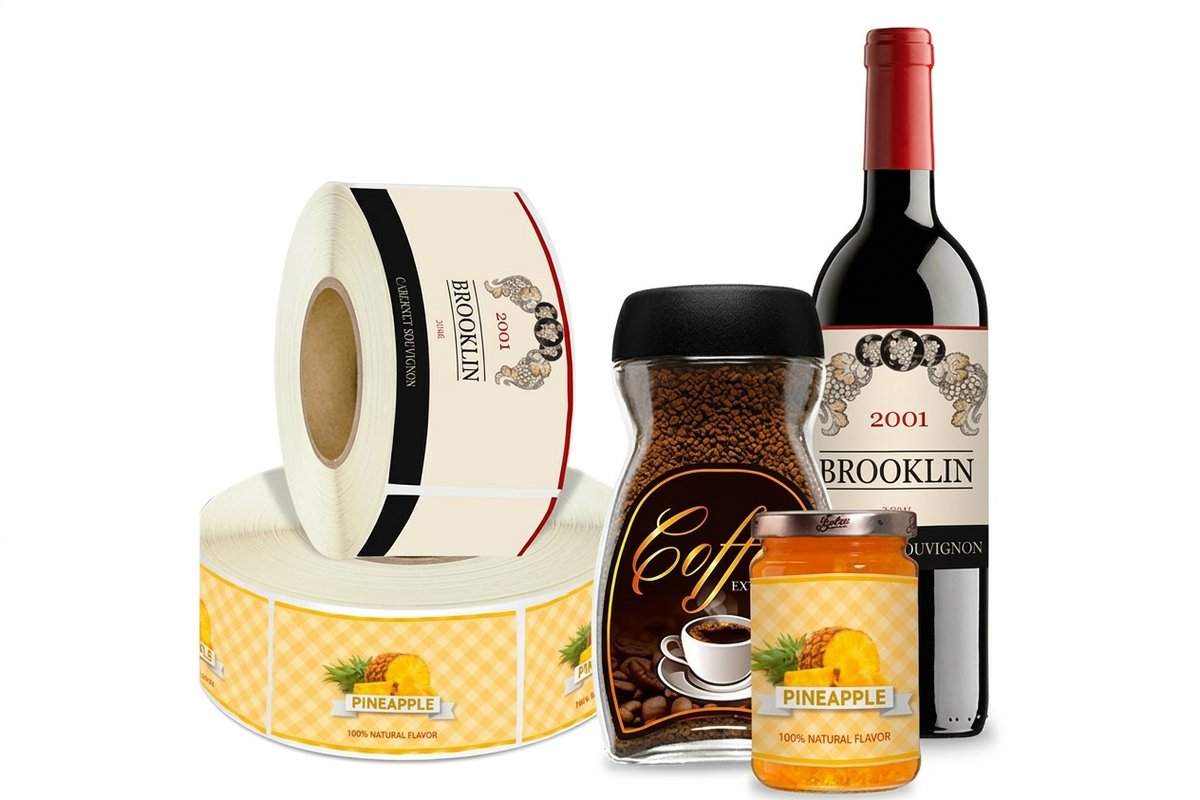 Roll Packaging Labels | |
|---|---|---|---|
| Min price | $23.88 | $29.16 | $322.98 |
| Paper / stock | Standard Uncoated Label | Uncoated Label | White Gloss (Indoor) |
| Size | .5" Circle | 3" x 5" | 1" x 1" |
| Default qty | 25 | 25 | 100 |
| Turnaround | 3 business days | 3 business days | 6 business days |
| Rating | |||
| View & customize | View & customize | View & customize |
Take the Brand to Market Without a Print Snag
A strategy is only real once it prints. The last mile is where good branding quietly dies, in a color that shifts, a logo that pixelates, or a die line that cuts through your text. A little file discipline prevents almost all of it, and it costs nothing but attention.
Build to spec from the start. Set up bleed and safe margins, convert type to outlines, and keep your brand color values locked so a label matches the box it sits on. The packaging file prep guide covers the exact setup, and the online design templates library aligns your artwork inside the cut and bleed lines for you. Want the branding to be kind to the planet too? The Green Printing program keeps a thoughtful package easy on the environment.
Match the piece to the moment
- Everyday products. A clean label on a stock container. Cheap, fast, and it carries the whole brand.
- Shipped goods. Printed tape and a sleeve so the experience starts on the doorstep.
- Retail shelf. Shelf-ready packaging that faces forward and reads in a blink.
- Premium and gifting. Soft-touch or foil finishes and a hang tag for the pieces that need to feel like an occasion.
Premium finish
Premium packaging labels
The upgraded label for the pieces that need to feel like an occasion in a customer's hands.
Wally maps a brand from name to package
Naming, identity, and the print that makes it real
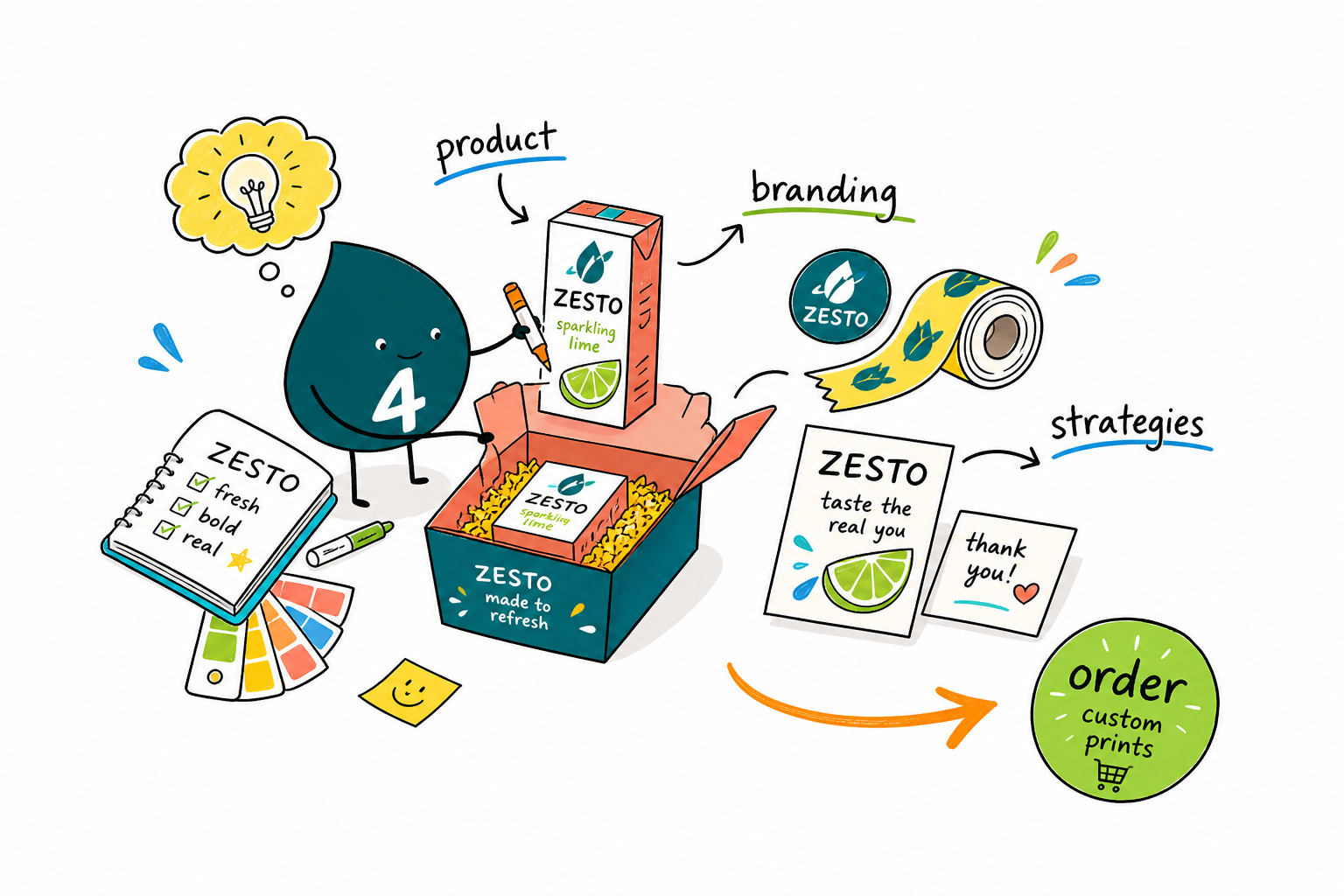
A product branding strategy runs in order. Pick a name that can carry a whole range, build an identity system you repeat everywhere, then make it physical with packaging. The labels, sleeves, tape, and hang tags are where a brand actually reaches a customer, so 4OVER4.COM prints them sharp, on brand, and on time. Start with one great label and grow the system from there.
Brand your product with custom labels →What to Remember About Product Branding
Explore more
More ways to brand a product with print
Related pages across 4OVER4.COM, one card each, so you can keep exploring labels, packaging, and identity.
 Collection Packaging Printing Boxes, sleeves, tape, and labels to brand every shipment. Shop Packaging Labels Printing Browse label formats, stocks, and finishes for any product. Product Premium Product Labels A crisp, durable label that reads premium on the shelf.
  Guide Packaging Design Cost Honest numbers on what product packaging design runs. Guides Comparisons and Reviews Side-by-side breakdowns of products and finishes.
  Article Packaging Ideas Smart packaging moves for small businesses.
 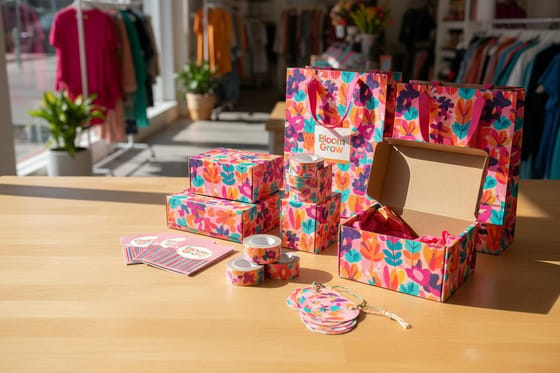 Case study Retail Packaging Story How custom labels drove sales for a retail brand.
 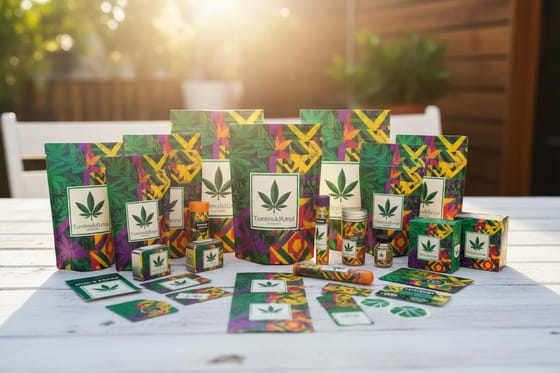 List Dispensary Packaging Set The seven pieces that work together on the shelf.
  Benefit Same Day Printing Order today, ship today when a launch cannot wait.
 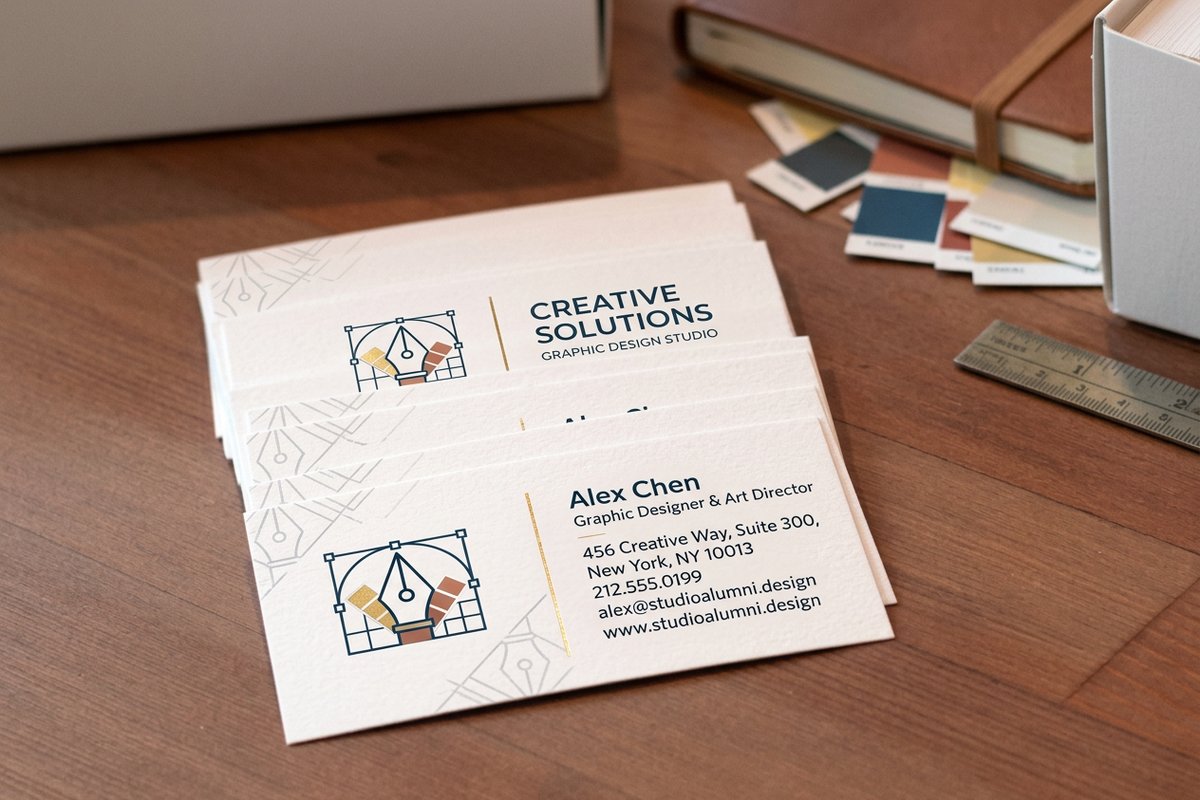 Service Online Design Templates Lay out your artwork inside the cut and bleed lines.
 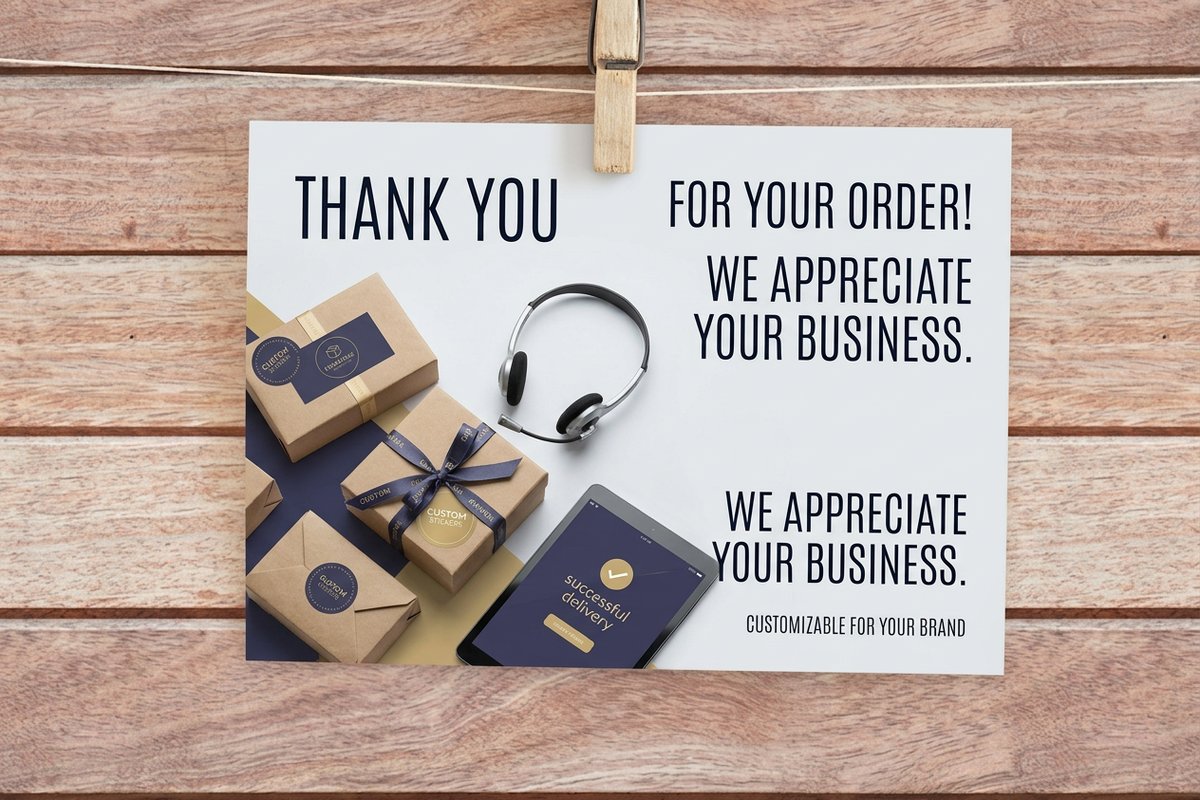 Ecommerce Ecommerce Printing The pieces that keep an online catalog on brand.
  Guide Rebranding Process Steps, strategy, and design for a clean rebrand.
 Ready to make your brand something a customer can hold?
Lock your name and identity, then print the labels, sleeves, tape, and tags that carry it. 4OVER4.COM prints on brand and on time, as fast as same day.
Common Questions About Product Branding
What is a product branding strategy?
A product branding strategy is the plan that makes a product feel intentional and recognizable, from the name and visual identity to the packaging a customer holds. It sets rules for how all the pieces relate so that everything you sell reads as one brand instead of a random collection. The strong ones cover four layers: a name that can carry a whole range, an identity system that repeats the same signals everywhere, packaging that carries the brand physically, and the print pieces, labels, tape, sleeves, and hang tags, that put it in a customer's hands. For the fundamentals underneath the strategy, start with the practical branding guide.
How do I choose a great product name?
Test a shortlist against three plain questions. Can a stranger spell it correctly after hearing it once? Is the domain, or a close one, available and clear of trademark conflicts? And does it still fit if you add a second and third product line next year? A name that clears all three is worth keeping. Avoid boxing yourself in with a hyper-specific name, because product number two almost always shows up and a forced rebrand is expensive. Once you have a winner, set it on a real label or box in the online designer to make sure it does not crowd a small print area.
How do I link a product into my wider range?
Decide on a brand architecture early: either every product carries the master brand up front, or sub-lines get their own personality under a shared umbrella. Either works, but commit to one and hold the line. Then repeat a consistent visual element, usually the logo lockup, a hero color, and a shared label shape, across everything so a new arrival looks like a sibling and not a stranger. Consistent label crops and a shared palette matter online too, so a store page of thumbnails reads as one brand. The ecommerce printing collection covers the pieces that keep a catalog looking deliberate.
Why does packaging matter so much for branding?
Packaging is the one brand touchpoint with weight and texture, the version customers actually hold rather than scroll past. That makes it powerful: it sets the first impression, protects the product, carries the legal copy, and photographs well for a listing. A well-designed label on a clean container carries an enormous amount of brand for very little money, and a printed sleeve, tape, and hang tag extend that all the way through the unboxing. See how the tradeoffs balance in the packaging design guide.
What does product branding cost, and how are prices set?
The print that carries a brand is affordable to start. At 4OVER4.COM, product and packaging labels start at $23.88, printed packaging tape at $347.11, and packaging sleeves at $438.25. Price depends on the piece, the stock and finish, and the quantity, and ordering more brings the per-unit cost down quickly, which helps when you are branding a full line. Specialty finishes like soft-touch or foil run a little higher for the premium pieces. Check the exact configurator numbers on each product page, and the packaging design cost guide sets expectations for the design side.
