
3D Lenticular Cup Design for Motion on Drinkware


3D lenticular cup design, a complete breakdown for brands and creators

3D lenticular cup design bonds a lenticular lens sheet to drinkware so the artwork shows depth, motion, or a flip as the cup turns in your hand. 4OVER4.COM has printed more than 10 billion cards using this same lens technology, and that precision carries straight over to cup artwork. If you want a cup that stops people mid sip, this is where you start.
Nothing grabs attention on a table like a cup that seems to move. 3D lenticular cup design takes standard mugs, tumblers, and plastic cups and turns them into interactive visual pieces. Tilt the cup and the image shifts, flips, or looks like it pops off the surface. It is not a gimmick. It is a real printing technique with a place in branding, events, retail, and gifting, and it has been catching on fast with businesses that value tactile marketing.
This guide covers the whole picture, from the production process and artwork setup to business uses and sourcing. Whether you manage a brand, build a design portfolio, or plan a memorable event, you will finish knowing exactly how to approach your next lenticular cup project. The foundation is the same one behind 3D lenticular printing on cards and postcards.
What makes 3D lenticular cups different from standard drinkware
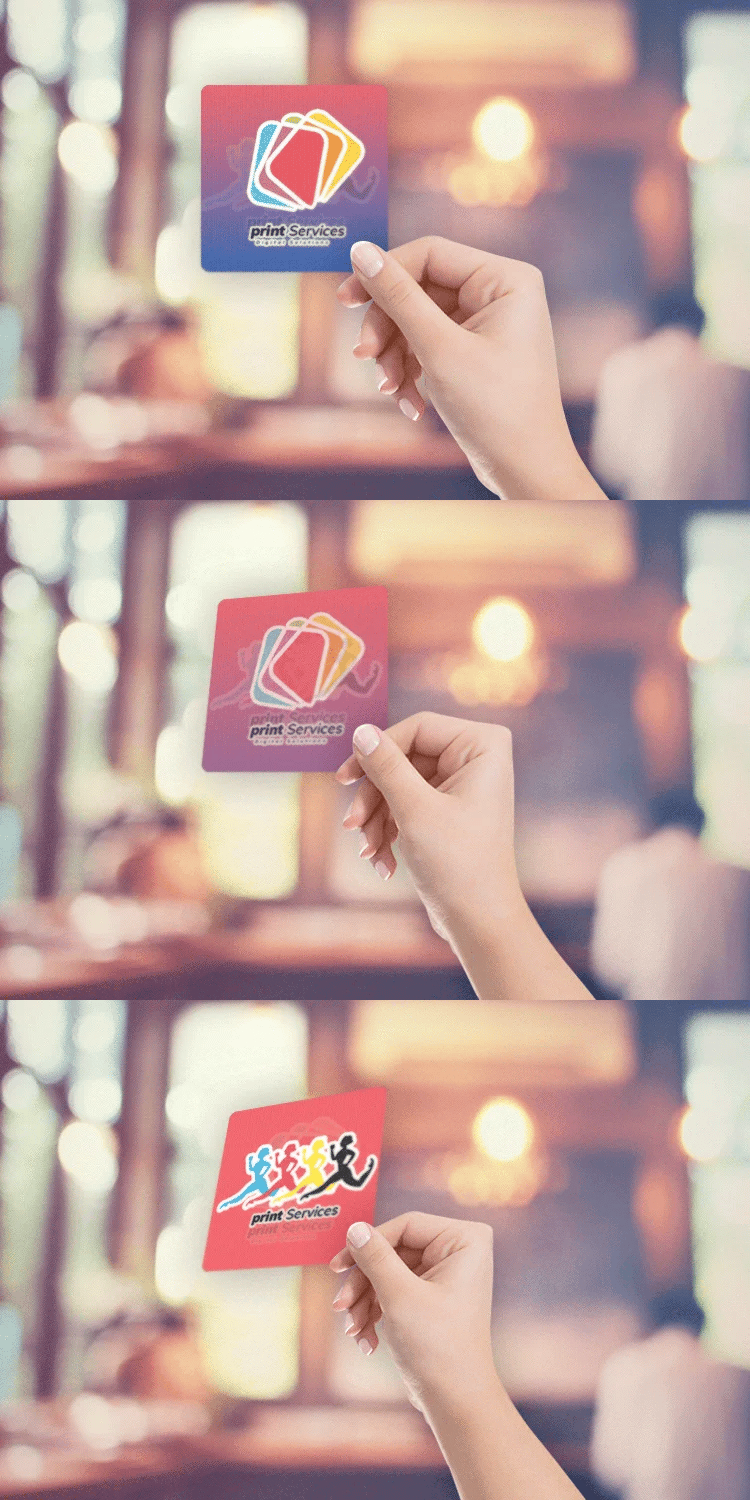
3D lenticular cups use a ribbed plastic lens sheet bonded to the outer surface, which creates optical illusions of depth, animation, or a clean image swap. With 10,000+ reviews from print customers, the lenticular know how at 4OVER4.COM translates directly into cup quality. Standard cups sit flat. Lenticular cups earn a second look.
The lenticular effect explained
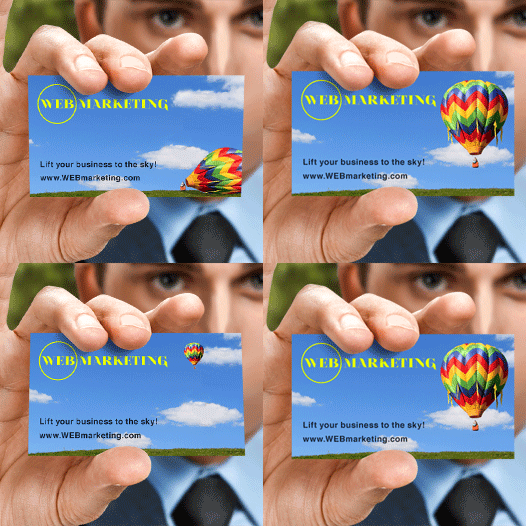
A lenticular lens is a sheet of tiny parallel convex lenses. Behind each lens sits a sliced, interlaced image. As your viewing angle changes, say when you pick up the cup or turn it, different image slices become visible. The result is motion, depth, or a full image transition.
This is not a holographic sticker slapped on a mug. The effect is built into the cup surface. It stays smooth to the touch, holds up through repeated use, and reads far more visually complex than any flat print. Think of the difference between a photograph and a short film.
How 3D lenticular cups stand apart
Regular printed cups use single layer ink on ceramic, plastic, or paper, so they look the same from every angle. A 3D lenticular cup changes as you interact with it, and that interaction is what makes it stick in memory. People do not just drink from these cups. They play with them, show friends, and post them on social media.
For businesses, that behavior matters. A standard branded mug might live in a cabinet. A lenticular cup sits on a desk where people watch the image shift, and it becomes a conversation piece. Conversations are where a brand impression turns into a real connection.
Why lenticular cups hold attention
The playful quality of a lenticular cup makes it a natural fit for branding, promotions, or a fun twist on an everyday drink. That visual pull captures attention and leaves a lasting impression that flat printed drinkware cannot match.
How 3D lenticular cups get made, from file to finished product
Making a 3D lenticular cup means interlacing several images, printing them at high resolution, and laminating the result under a precision cut lens sheet that wraps the cup surface. 4OVER4.COM has served 150,000+ businesses, and that production rigor carries into lenticular cup work.
The step by step production process
First, the artwork gets prepared. You need at least two distinct images for a flip effect, or a sequence of frames for animation. A designer interlaces them, slicing each into thin vertical strips and weaving them into one composite file.
Next, that interlaced file gets printed at very high resolution onto a flat substrate. Print quality here is not negotiable. Any misalignment between the image strips and the lens ridges blurs the effect, so this is precision work rather than an average digital run.
Then the lens sheet gets bonded to the printed surface, and the lens has to align perfectly with the interlaced image beneath it. Once laminated, the combined sheet is trimmed and applied to the cup body. Plastic cups can take the lens during molding, while ceramic mugs usually get a wrap around application. If you have seen 3D Lenticular Business Cards, you already know the visual payoff, now picture it wrapped around a cup.
Design drives the whole effect
Design is not decoration here. It is the engine. The images you pick, the transition type, and the color palette decide whether the cup looks incredible or just looks busy.
Bold, high contrast images work best, since subtle gradients can get lost in the lens. Motion sequences need smooth transitions between frames or the animation turns choppy, and 3D depth designs need careful layering of foreground, midground, and background to build a convincing sense of space. Designers new to this should study graphic design portfolio examples that feature dimensional and motion based work, because the skills carry straight across.
Customization options for lenticular cup artwork
3D lenticular cup design opens a wide range of options. You can print a logo that morphs into a tagline, a product image that rotates through different angles, a seasonal design that flips between themes, even a QR code that appears on tilt and links to a landing page or an offer.
For event planners, custom cups can match a specific theme or color scheme, and personal photos or messages turn each cup into an unforgettable party favor. That level of personalization makes every cup a keepsake. You can start from exact size blanks like 3D Lenticular Business Cards or 3D Lenticular Bookmarks to keep artwork inside the cut lines.
Quantity and price
Lenticular business card pricing and specs
Real configurator numbers from our lenticular line, the same lens process used for cups. The more you order, the lower the per unit cost drops.
| Quantity | Price Per Unit | Total |
|---|---|---|
| 500 | $1.38 | $690.88 |
| 1,000 | 80.1¢ | $800.72 |
| 2,000 | 53.2¢ | $1,064.33 |
| 3,000 | 43.5¢ | $1,305.98 |
| 5,000 | 35.1¢ | $1,756.30 |
| 10,000 | 31.8¢ | $3,184.20 |
Where to source 3D lenticular cups and what to expect
You can find 3D lenticular cups through specialized printing services, promotional product distributors, and online custom drinkware platforms. Minimum orders usually start around 100 to 500 units depending on the supplier, and per unit cost drops a lot at higher volumes.
Finding a reliable supplier
Not every printer handles lenticular work. The lens alignment process needs specialized equipment and experienced operators, so look for a supplier with a real track record in lenticular printing rather than general drinkware. Ask to see samples before you commit to a large order, because the gap between good and bad lenticular work is obvious on sight.
The lenticular capability at 4OVER4.COM spans many product types. If you are exploring promotional items beyond cups, the full library of printing articles has ideas for how the technology applies to other formats.
Custom orders for events and promotions
For product launches, trade shows, weddings, or corporate events, custom 3D lenticular cups make memorable takeaways. Unlike a standard branded pen or tote, a lenticular cup carries a wow factor that makes people want to keep it.
Planning something special? Pair the cups with matching printed pieces. Invitation cards from 4OVER4.COM can echo your cup design with coordinated branding across every touchpoint.
The case for reusable lenticular cups
Choosing reusable lenticular cups cuts single use plastic waste while extending how long your brand stays visible. Every time someone reaches for that cup at a desk or in a kitchen, they see your design, and that is repeated exposure at no extra cost.
Reusable cups also signal that your brand cares about sustainability, which matters to buyers. Eco minded packaging and promotional items tend to outperform disposable alternatives in brand perception studies.
Start fast
Templates and print ready blanks
Lenticular design templates and exact size blanks so your artwork lands inside the cut line.
How to use 3D lenticular cups in your business strategy

3D lenticular cup design works across many uses, from food service presentation to trade show giveaways to retail merchandise. The trick is matching the effect type, flip, animation, or 3D depth, to your specific marketing goal.
Elevating beverage presentation
Cafes, bars, and restaurants can serve drinks in lenticular cups to build a memorable moment. Picture a coffee shop where your latte arrives in a cup that shows a coffee bean growing into a plant as you rotate it. That is social content waiting to happen, and user generated posts are free advertising.
Food service businesses that invest in distinctive drinkware report stronger engagement and more social mentions. A lenticular cup turns an ordinary coffee run into a shareable moment.
Promotional giveaways that actually get kept
Most promotional items land in a drawer or a trash can within a week. Lenticular cups break that pattern, because their novelty makes people want to display them. At a trade show, a well designed lenticular cup pulls foot traffic to your booth before you say a word.
Pair the cup campaign with other creative print pieces. Logo sticker design ideas can help you build a cohesive kit that reinforces your brand across every touchpoint.
Campaigns built around interactive drinkware
Brands can put 3D lenticular cup design at the center of a campaign. Launch a limited edition series with collectible designs, create a reveal cup where a hidden message appears at a certain angle, or run a contest where customers share photos of their cups for prizes.
The interactive nature gives your audience something to do with your brand instead of just look at it, and that active engagement drives deeper recall than passive advertising ever could. For more creative print inspiration, browse funny print ad examples to see how humor and visual surprise land in print.
Compare formats
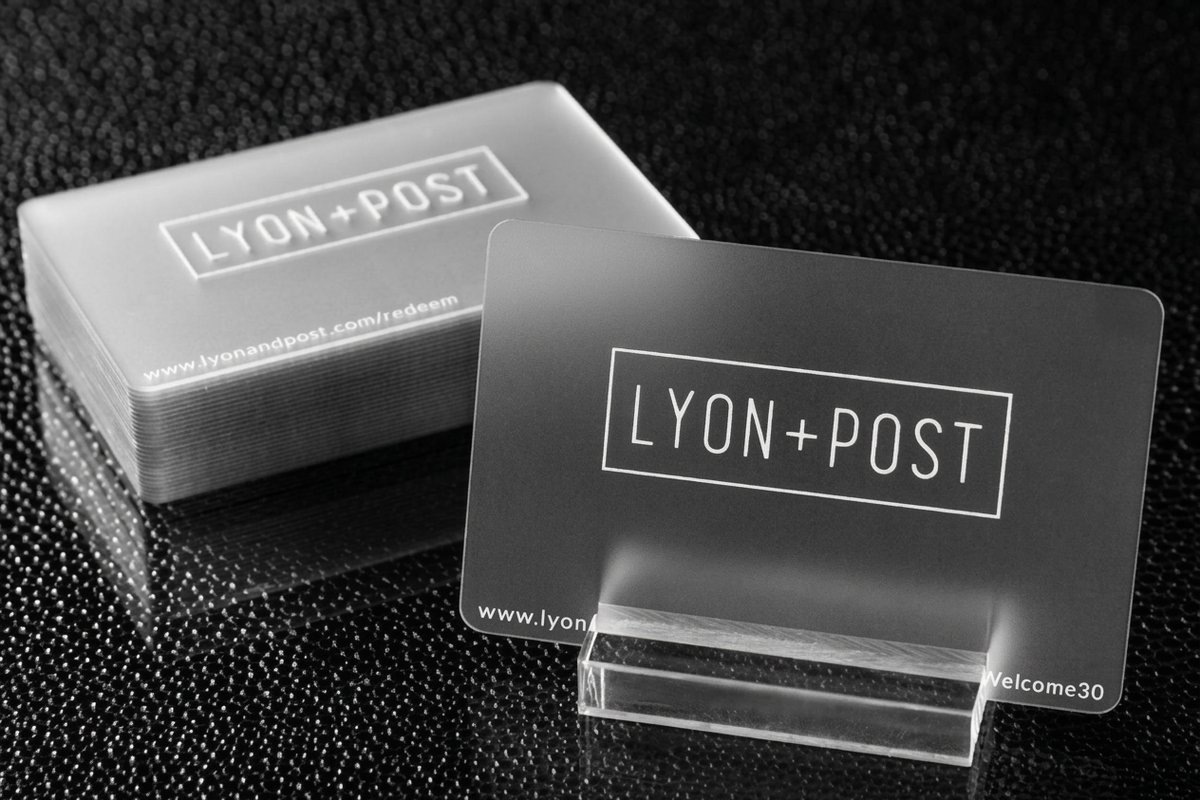
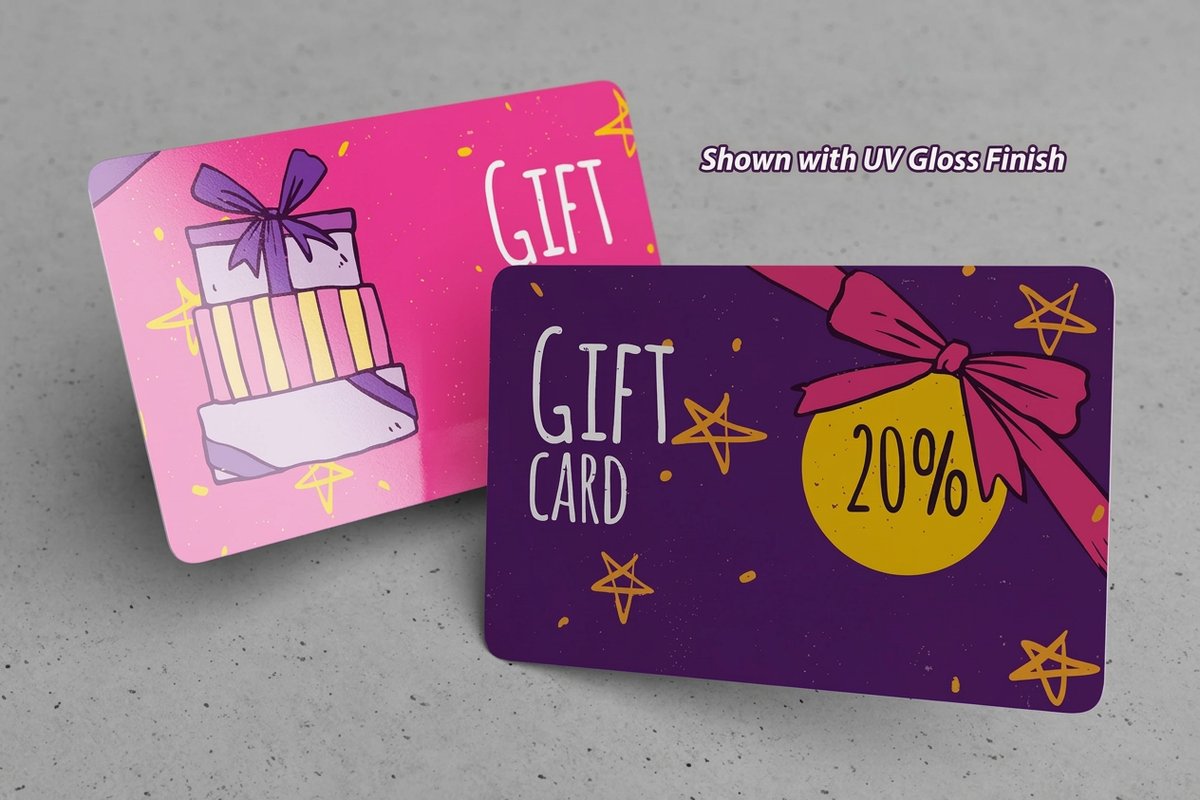
Lenticular and clear card formats, side by side
Explore the products that share the lenticular and clear lens family, each with live pricing.
Design tips for the best results from your lenticular cup artwork
Great 3D lenticular cup design starts with artwork built for the medium. You cannot take any flat design and expect it to look good behind a lens. These practical guidelines separate professional results from amateur attempts.
Image selection and preparation
Use high resolution images at 300 DPI minimum, though 600 DPI is better for lenticular work. Choose images with strong contrast and clear subject separation, because busy backgrounds with fine detail tend to muddy the effect. Clean, bold compositions with distinct foreground and background produce the sharpest results.
For flip effects, make sure your two images share a similar tonal range, since a bright image flipping to a dark one creates a jarring jump. For animation sequences, shoot or render your frames with consistent lighting and camera angle.
Choosing the right effect type
Three main lenticular effects suit cup design, and each serves a different goal:
- Flip effect. The image switches between two or more distinct images, which is great for before and after reveals, bilingual messaging, or showing different product views.
- Animation effect. A sequence of frames plays as the viewing angle changes, creating the illusion of movement, perfect for mascots, product demos, or storytelling.
- 3D depth effect. A single image gains layers of depth, with elements popping forward or receding, ideal for landscapes, product showcases, and artistic designs.
Each effect type has different file requirements, so discuss your concept with your printer early to make sure the files meet spec.
Color and material considerations
Lenticular lenses slightly diffuse the image beneath them, so colors read a touch softer than they would in standard printing. To compensate, bump saturation by 10 to 15 percent during file prep, because vivid, saturated colors punch through the lens better than muted tones.
The cup material matters too. Plastic cups accept lenticular wraps more easily than ceramic, while ceramic mugs may need a thicker adhesive layer that can slightly narrow the viewing angle range. Talk to your supplier about material compatibility before you finalize the design.
What clients say about 3D lenticular cup design
Wally makes a cup that moves
One tilt and your artwork shifts, flips, or gains depth
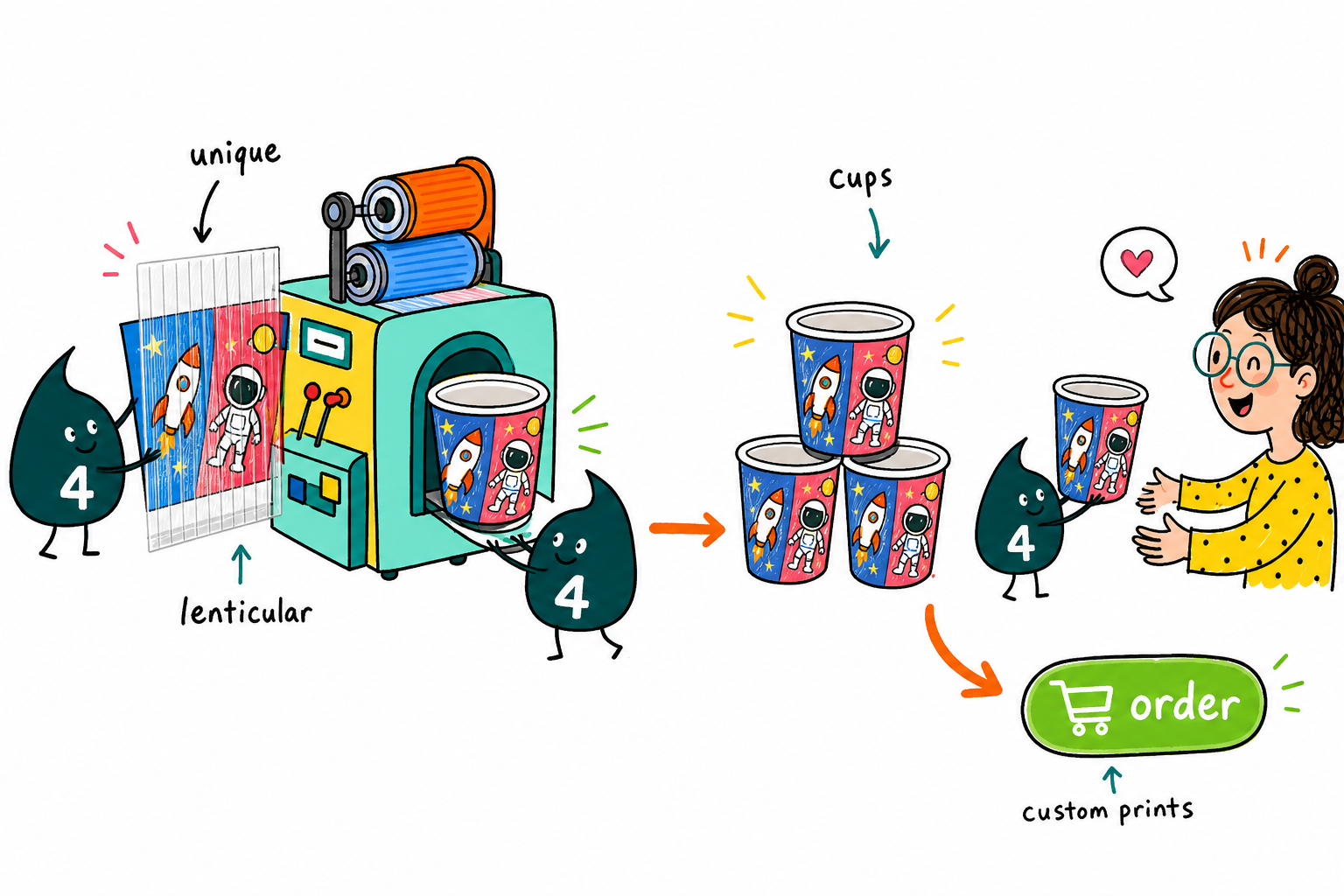
A lenticular cup hides interlaced artwork under a precision lens, so the image changes as the cup turns. Pick a flip for a quick reveal, an animation for a short story, or a 3D depth look for pure impact. Work at 300 to 600 DPI, push saturation a touch, and 4OVER4.COM prints it sharp on the same lens process behind 10 billion cards.
Explore lenticular printing →What to remember about 3D lenticular cup design
Explore more
Keep exploring lenticular and specialty printing
Related reads, products, and templates across the 4OVER4.COM library.
Ready to put motion on your drinkware?
Pick your effect, send interlaced artwork or start from a free blank, and 4OVER4.COM prints it sharp on the same lens process behind 10 billion cards.
Common questions about 3D lenticular cup design
What are the best practices for 3D lenticular cup design?
Start with high resolution images at 300 to 600 DPI. Use bold, high contrast compositions and avoid busy backgrounds. Increase color saturation by 10 to 15 percent to account for lens diffusion, and always request a physical proof before you approve a full run. Discuss your effect type, flip, animation, or 3D depth, with your printer early so the file specs are right from the start.
How do I choose the right 3D lenticular cup design?
Match the effect to your goal. Flip effects work for before and after reveals or bilingual messaging, animation suits storytelling and product demos, and 3D depth creates visual impact for logos and landscapes. Consider your cup material too, since plastic accepts lenticular wraps more easily than ceramic. Products like 30Mil Frosted Plastic Cards show how material choice shapes the final look.
What makes 3D lenticular cup design effective for marketing?
Lenticular cups create active engagement, because people pick them up, turn them, and show others. That interaction drives deeper brand recall than a passive printed piece, and it generates social content as users photograph and share the effect. 4OVER4.COM has served 150,000+ businesses, and lenticular items rank among the most talked about promotional pieces. Explore 30Mil White Plastic Cards for another take on how material boosts impact.
How much should I budget for 3D lenticular cup design?
Budget depends on order quantity, cup material, and effect complexity. Expect per unit costs of roughly $3 to $12 for standard orders of 100 to 500 cups. Animation effects with multiple frames cost more than a simple two image flip, and larger runs of 1,000 or more bring the per unit price down a lot. Factor in design time for interlacing artwork if you do not have a lenticular experienced designer on your team.
