
Business Card Design Rates Guide for 2026


Business card design rates run from about $5 for a basic template to $500 or more for a fully custom designer creation. 4OVER4.COM has printed over 10 billion cards for more than 150,000 businesses, so we see every day what actually drives design costs. Whether you set your own rates as a freelancer or you hire a designer as a business owner, this guide breaks down exactly what you pay and why.
A business card is more than contact details on cardstock. It is a handshake that stays in someone's pocket long after the conversation ends. The design behind that card, the typography, the layout, the color palette, and the paper choice, decides whether it gets kept or tossed. What does getting that design right cost? It depends on who does the work, how complex your vision is, and what printing specs you need.
Below we break down every factor that shapes what you pay for business card design, and where you can save without giving up quality.
How design complexity shapes your final cost
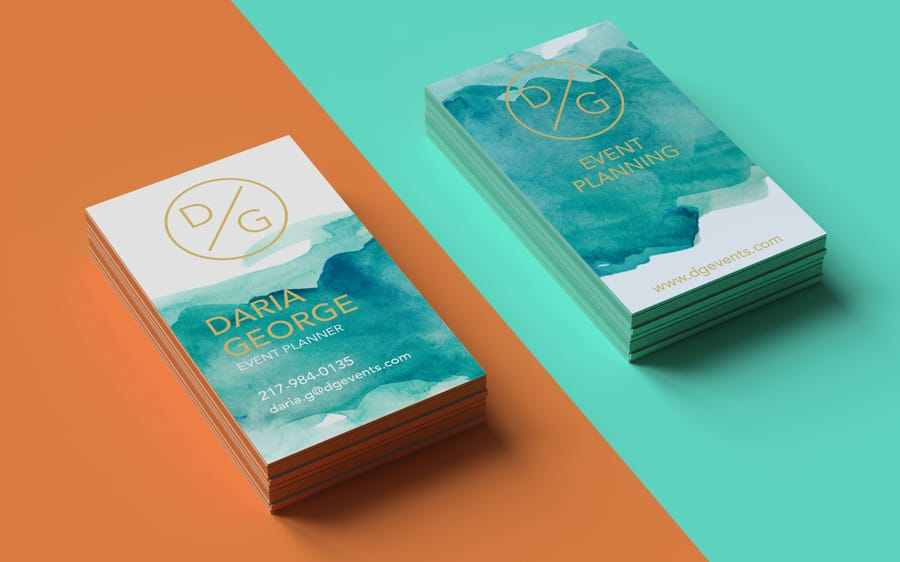
The biggest driver of business card design pricing is complexity. A single-color, text-only layout takes a designer about 30 minutes. A double-sided card with custom illustrations, foil-stamping areas, and bleed-ready artwork can take 4 to 6 hours. That time gap shows up directly on your invoice.
Simple designs with clean text, one logo, and a standard layout usually run $25 to $75 from a freelance designer. Mid-range designs with custom color palettes, brand-specific typography, and front-and-back layouts land between $75 and $200. Premium designs with original illustration, specialty print preparation such as spot UV maps, foil masks, or die-cut templates, and full brand identity packages start at $200 and climb from there.
If you want a card that truly stands out, 3D Lenticular Business Cards need specialized design files that add to preparation time. The lenticular effect requires precise layer separation, which most designers charge extra to handle.
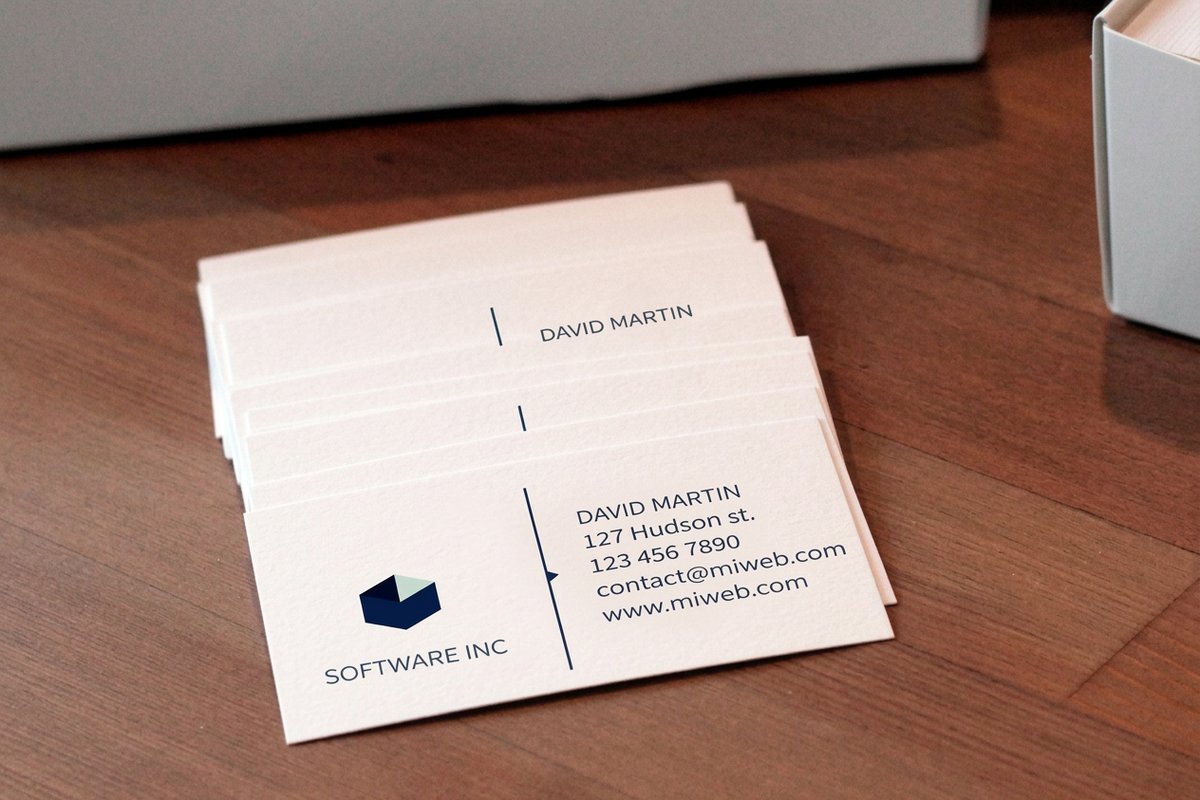
Here is what matters most. Do not confuse simple with cheap-looking. Some of the most effective business cards use minimal design. A well-chosen typeface on thick, textured stock reads as confident. You do not always need to spend more to look better.
Single-sided vs double-sided design costs
A single-sided card design costs roughly 40 to 60 percent less than a double-sided one. That math is simple, because less surface area means less design time. Double-sided cards give you room for a tagline, a QR code, social handles, or a brand pattern on the back. For most professionals, the extra $30 to $75 for back-side design pays for itself in usefulness.
If you are just starting and want to test layouts before you commit, free business card templates from 4OVER4.COM let you customize a professional design without hiring anyone.
Freelancer, agency, or DIY: where your money goes
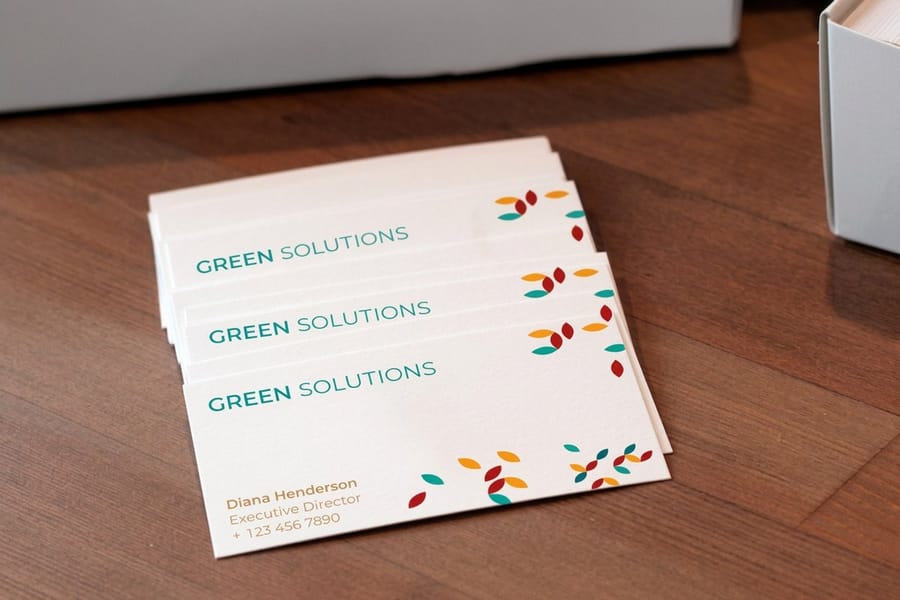
Who you hire changes everything about what you pay. Here is the reality of each route in 2026.
Freelance designers
Freelancers on platforms like Fiverr, Upwork, and 99designs charge anywhere from $5 to $300 per business card design. The range is wide because skill levels vary just as much. A designer in their first year might charge $15 to $30. An experienced brand designer with a strong portfolio charges $100 to $300.
The sweet spot for most small businesses sits at $50 to $150 from a mid-level freelancer with at least 20 completed projects and solid reviews. You get original work, two or three revision rounds, and print-ready files.
Want to see what strong design work looks like before you hire? Browse these graphic design portfolio examples to understand what different skill levels produce.
Design agencies
Agencies rarely design a business card on its own. They bundle it into brand identity packages that include logos, letterheads, envelopes, and social assets. A full brand package runs $500 to $5,000 or more, with the business card as one deliverable among many.
If you only need a card, an agency is not cost-effective. If you are building a complete brand from scratch, the per-piece cost drops a lot when it is bundled.
DIY design tools
Canva, Adobe Express, and the 4OVER4.COM online designer let you create professional-looking cards for $0 to $15. The trade-off is that you need some design sense and time. The tools have gotten remarkably good, though. Pre-built templates handle layout, spacing, and typography, so you swap in your details and brand colors.
For creative professionals like photographers or illustrators, Artist Business Cards offer specialty stocks and finishes that make even a simple DIY design look high-end.
Quantity and price
Business card pricing and specs
Real configurator numbers for standard business cards. The more you order, the lower the per-card cost drops.
| Quantity | Price Per Unit | Total |
|---|---|---|
| 100 | 17.6¢ | $17.57 |
| 200 | 11.5¢ | $23.07 |
| 300 | 9.15¢ | $27.46 |
| 400 | 7.96¢ | $31.86 |
| 500 | 7.25¢ | $36.26 |
| 600 | 6.77¢ | $40.64 |
What affects the price beyond the design itself
Design is only part of the equation. Several factors outside the creative work shape your total cost.
Number of revision rounds
Most designers include two or three revisions in their base rate. Each extra round usually costs $15 to $50. Scope creep, meaning changing direction mid-project, adding new elements, or asking for a full redesign, is the number one reason business card projects go over budget. Be clear about what you want before the designer starts.
File format and print preparation
A design that looks great on screen might not be print-ready. Converting RGB to CMYK, setting up bleed areas, embedding fonts, and exporting at 300 DPI are all part of print preparation. Some designers include this in their rate. Others charge $25 to $75 extra for print-ready files.
Always confirm upfront whether the quoted rate includes print-ready files. If it does not, factor that into your budget before you sign off.
Specialty print features
If your design calls for spot UV coating, foil stamping, embossing, or edge coloring, the designer has to build separate mask layers and preparation files. This adds one to two hours of work and $50 to $150 to the design cost, on top of what the printer charges for those finishes.
For something truly distinctive, Black Business Cards with foil accents create a bold, memorable impression, and the design files for these need precise foil placement maps.
Rush fees and turnaround time
Need a design in 24 hours instead of five days? Expect to pay 50 to 100 percent more. Rush fees are standard across the industry. Planning ahead is the easiest way to keep design costs down.
Design rates by industry and use case
What you should spend depends partly on your industry and how you use your cards.
Real estate agents
Real estate professionals go through cards fast, handing them out at open houses, leaving them in brochure boxes, and tucking them into closing packets. A clean, photo-included design on sturdy stock works best. Budget $50 to $100 for design and invest in bulk business cards printing to keep the per-card cost low.
Creative professionals
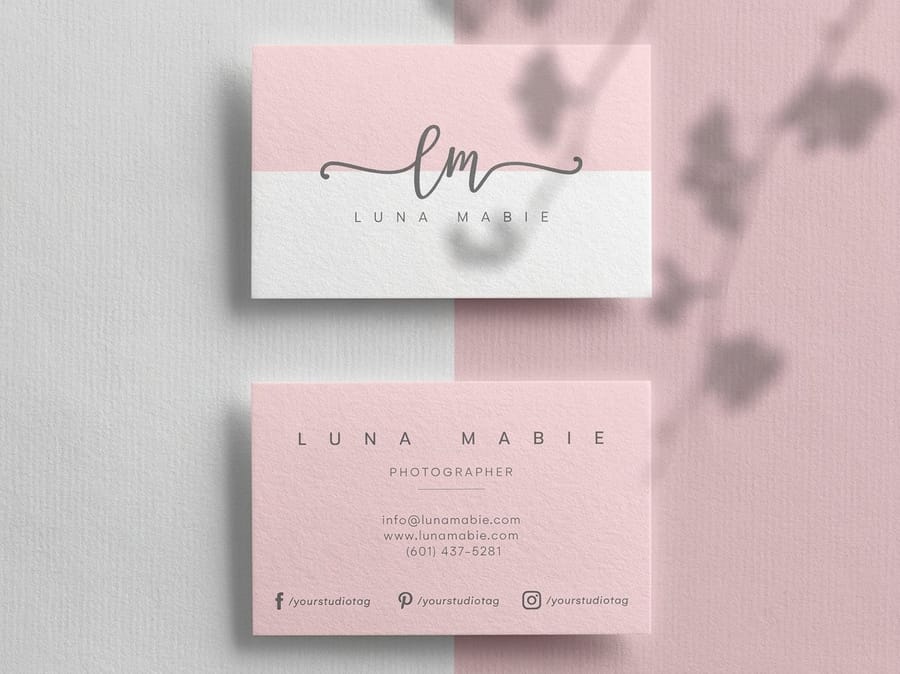
Designers, photographers, and artists need cards that double as portfolio pieces. Unique shapes, specialty finishes, and bold visuals are expected. Budget $150 to $300 for design that matches your creative standards. Your card is your work sample.
Corporate and finance
Conservative industries favor clean, classic designs with serif fonts, minimal color, and thick stock. The design itself is simple at $50 to $100, but the paper and finish choices matter more. A 32pt card with soft-touch lamination reads as established and trustworthy without a single design flourish.
Startups and tech
Tech startups often want modern, minimal cards with QR codes that link to digital portfolios or landing pages. Design runs $75 to $150. The QR integration and digital-first approach add a layer of complexity beyond basic layout.
Compare formats
Popular business cards, side by side
Stock, finish, quantity, turnaround, and from-price across our most-ordered business cards.
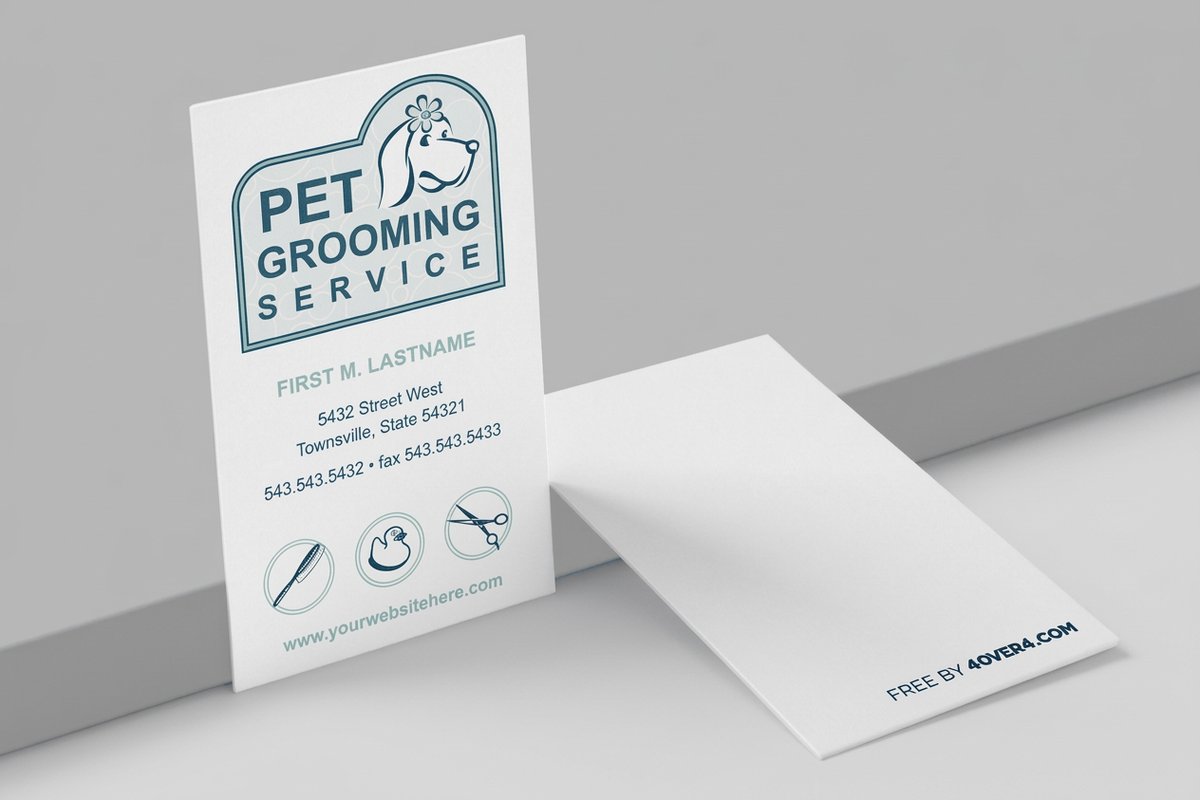 free business cards | Standard Business Cards |  3D Lenticular Business Cards | 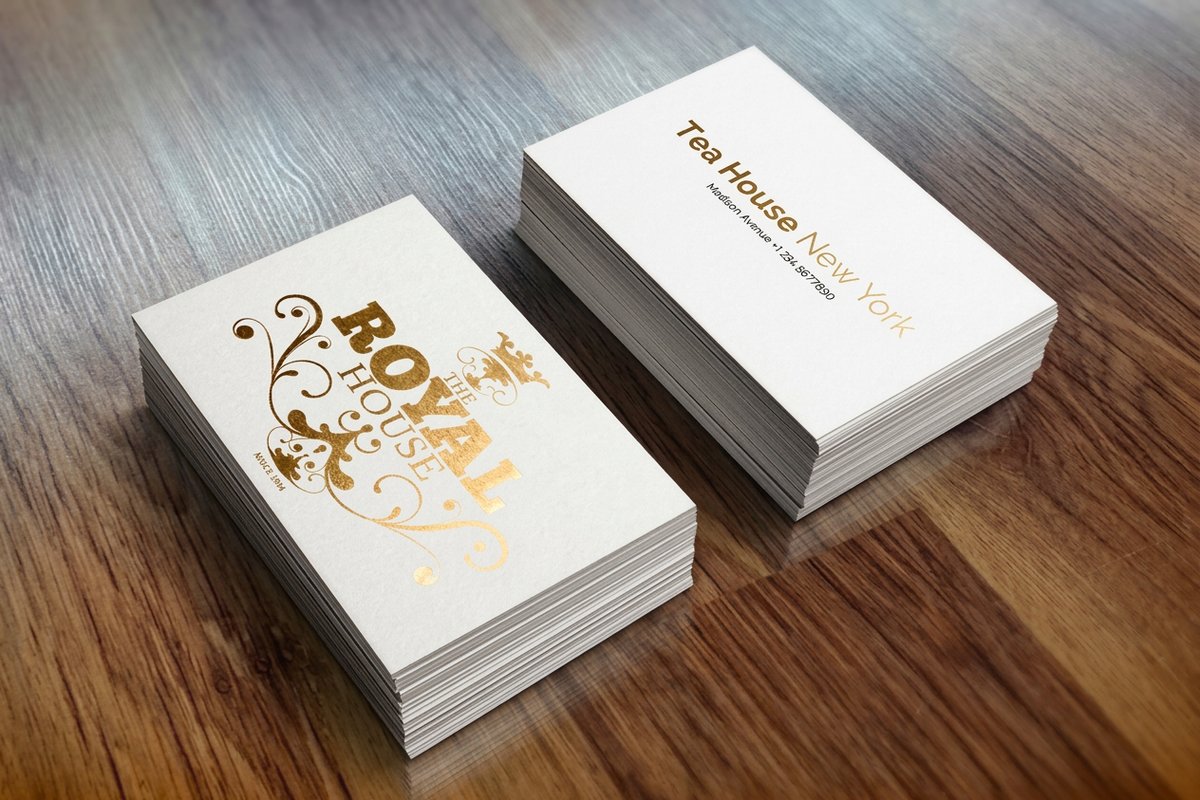 Metallic Foil Business Cards | |
|---|---|---|---|---|
| Min price | Free | $17.57 | $690.88 | $222.13 |
| Paper / stock | 14pt Gloss Cover | 14pt Gloss Cover | 31pt Lenticular Lens | 16 Point Silk Laminated |
| Finish | - | Standard Finish | - | - |
| Size | 2" x 3.5" | 2" x 3.5" | 2" x 3.5" - Vertical | 2" x 3.5" |
| Default qty | 200 | 100 | 500 | 500 |
| Turnaround | 5 business days | 3 business days | 22 business days | 7 business days |
| Rating | ||||
| View & customize | View & customize | View & customize | View & customize |
How to get the best value from your design budget
Spending smart matters more than spending big. Here is how to get the most from every dollar.
Start with a clear brief
The most expensive thing in design is indecision. Before you contact a designer, write down your brand colors with hex codes if you have them, the information you want on the card, two or three examples of cards you like, and any must-have elements like a logo or QR code. A clear brief saves revision rounds and keeps the project on budget.
Need inspiration before you write your brief? Look at these amazing business card designs to spot styles that connect with your brand.
Use templates as starting points
Templates are not cheating. They are smart. A $10 to $25 premium template customized with your brand elements can look just as professional as a $200 custom design. The key is choosing a template close to your vision and making strategic changes rather than trying to overhaul it.
Bundle design with printing
Some print providers, including 4OVER4.COM, build design tools right into the ordering process. This removes the back-and-forth of sending files between designer and printer. You design, preview, and order in one workflow.
Invest in versatile designs
A design that works across multiple card stocks and finishes gives you flexibility. You can print a batch on standard 14pt for everyday networking and a smaller batch on 32pt ultra-thick for VIP meetings, the same design at a different impact level.
Common design mistakes that waste your budget
Knowing what to avoid saves money and headaches.
Cramming too much information onto the card is the most common mistake. Your card does not need a fax number, three email addresses, and a mission statement. Edit ruthlessly. Name, title, phone, email, website. That is the core.
Ignoring bleed and safe zones leads to reprints. If your designer does not account for the 0.125 inch bleed area and 0.125 inch safe zone, text or logos can get cut off during trimming. That means paying for design fixes and reprinting.
Choosing trendy over timeless. That gradient mesh background looks cool now. In six months it looks dated. Classic elements like strong typography, balanced layout, and intentional white space age better and save you from redesigning every year.
Skipping the proof. Always request a printed proof or high-resolution mockup before you approve a full print run. A $5 to $10 proof can save you from a $200 reprint.
Getting the essentials right starts with knowing what to leave off a business card in the first place.
Start fast
Templates and print-ready blanks
Business card design templates and exact-size blanks so your artwork lands inside the cut line.





What should you actually pay? A realistic breakdown
Here is the honest answer for 2026, based on current market rates and what 4OVER4.COM customers report spending.
Budget tier, $0 to $50. DIY using online tools or basic freelancer templates. Good for personal use, side hustles, and testing designs before you commit to a premium version.
Mid-range tier, $50 to $200. A professional freelancer with a portfolio. You get original design, multiple concepts, revisions, and print-ready files. This is where most small businesses land, and it is the sweet spot for quality against cost.
Premium tier, $200 to $500 plus. Experienced brand designers or boutique agencies. Custom illustration, specialty print preparation, and brand consistency across many touchpoints. Best for businesses where the card is a primary sales tool.
The design is a one-time cost. Printing is recurring. A $150 design spread over 1,000 cards is $0.15 per card. Over 5,000 cards it is $0.03. The more you print, the less the design cost matters per unit.
Expanding your brand beyond business cards
Once you nail your business card design, that same visual identity can extend to your other marketing materials. The assets you paid for, meaning logo files, color palettes, and typography choices, work across your entire print presence.
Think about how your card design translates to packaging and promotion. These logo sticker design ideas help you repurpose your brand elements, and if you send client notes, your card aesthetic should carry through to your greeting cards too.
The point is simple. A good business card design is not just a card. It is the foundation of your visual brand. Spend wisely on it and you reuse those assets for years.
Upgrade the stock
Premium business cards
When the card is your first impression, thicker stock and refined finishes do the talking.
Choosing the right printing partner for your design
Your design is only as good as the print quality behind it. A beautifully designed card printed on flimsy stock with muddy colors defeats the purpose. 4OVER4.COM holds a 4.8 out of 5 star rating across 10,000 reviews because the print quality matches the design intent.
When you evaluate a printing partner, look for accurate color reproduction, so ask about their color-matching process, a range of paper stocks and finishes so your design has room to breathe, and fast turnaround without a quality trade-off. 4OVER4.COM delivers 99.8 percent of orders on time, with 82 percent shipping early.
The right printer turns a good design into a great card. Do not cut corners on printing after you invest in design.
Wally sizes up your design budget
From $25 templates to $500 custom, spend where it counts
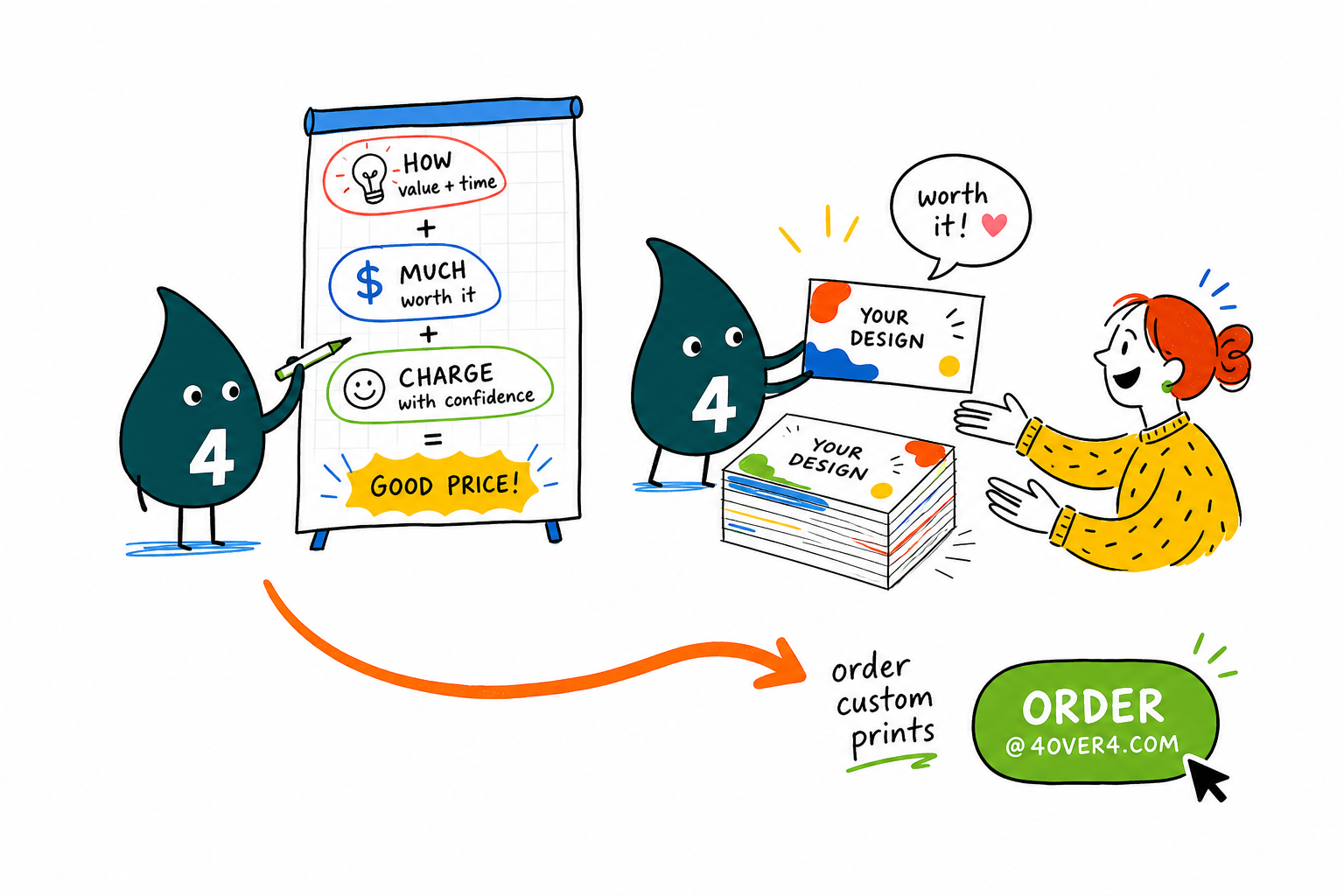
Business card design costs scale with complexity. A clean template runs a few dollars, a mid-level freelancer lands around $50 to $150, and full custom work climbs past $200. Write a tight brief, order two or three revisions, and put the savings into thicker stock. 4OVER4.COM prints it to match your mockup.
Configure your business cards →What to remember about business card design pricing
What shapes your design cost
- Design complexity. Detailed graphics and custom illustration cost more. Stock images and templates keep pricing low.
- Material and finish. Standard cardstock is affordable. Textured, recycled, foil, or embossed stock raises the price.
- Quantity ordered. Bulk runs lower the per-card cost, so larger orders make each card cheaper.
- Printing technique. Digital printing suits small runs. Offset gets economical at higher volumes.
- Revisions and scope. Two or three rounds are standard. Extra changes and mid-project pivots add cost.
- Vendor services. A printer with built-in design tools, like 4OVER4.COM, folds the design step into the order.
Explore more
More ways to design and print business cards
Every related page on 4OVER4.COM, one card each, so you can keep exploring business card printing.
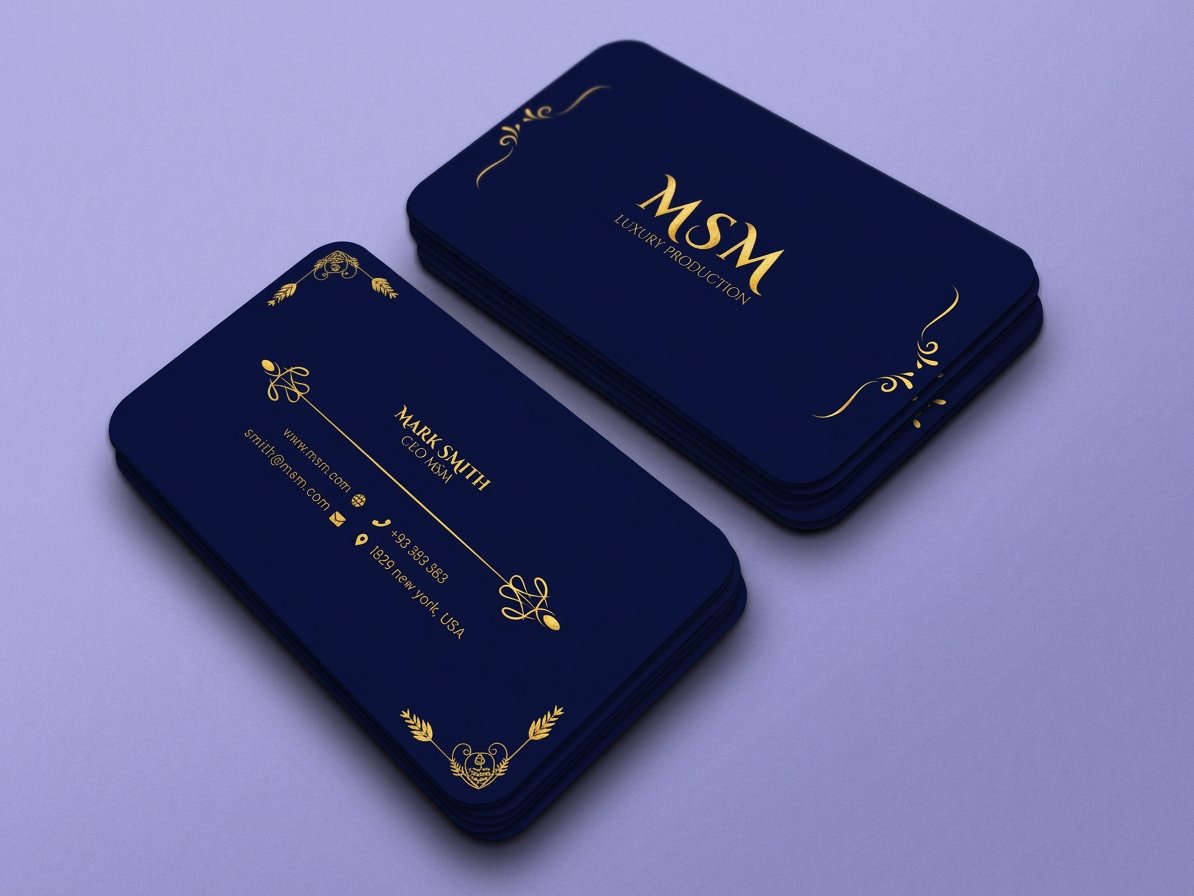 Product Premium Business Cards Thick stock and refined finishes for a standout card. Product 3D Lenticular Business Cards Motion and depth that turn heads at first glance.
 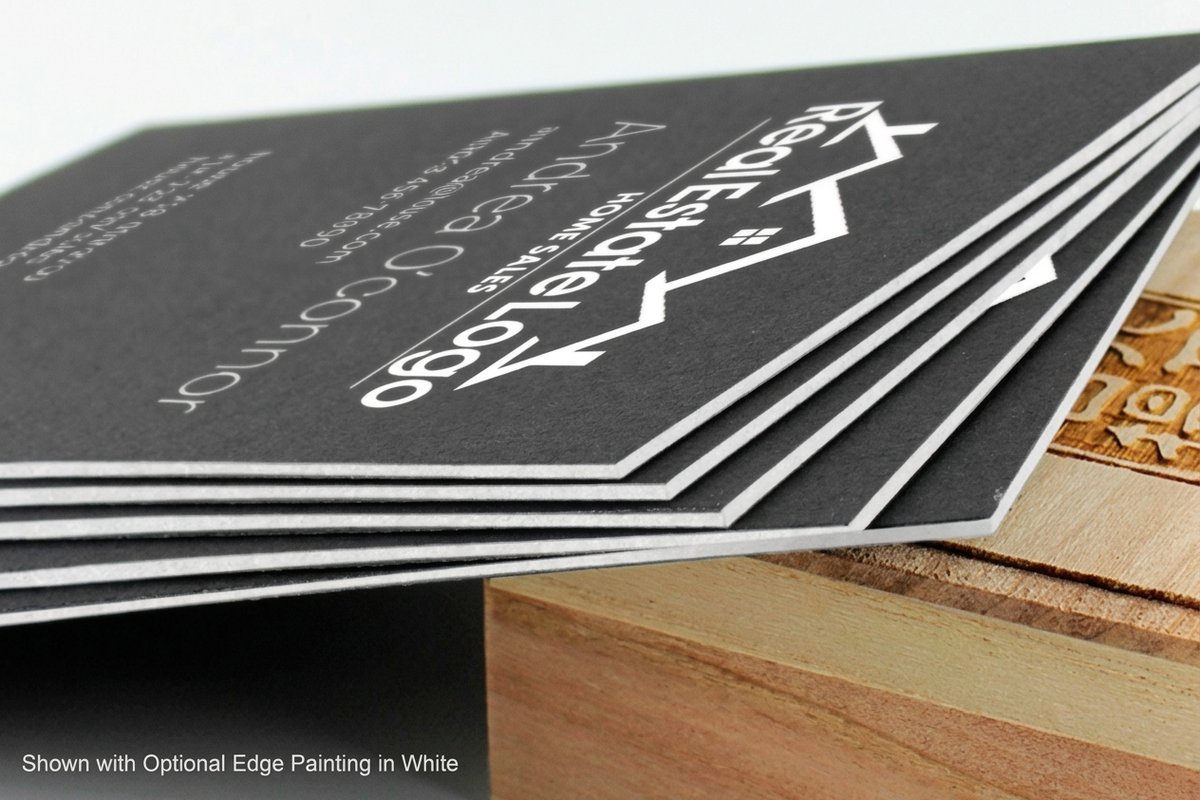 Product Black Business Cards Bold black stock with optional foil accents.
  Article 30 Most Amazing Business Card Designs Real designs worth studying for your own brief.
  Article Business Card Thickness Guide How thick your card should be and why it matters.
 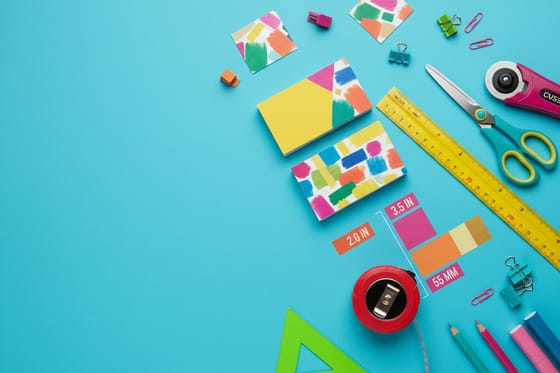 Article Business Card Size and Dimensions Standard sizes in inches and millimeters.
  Article What To Put on the Back Make the reverse side earn its space. Hub Business Stationery The full stationery and business-card hub.
  Templates Blank Templates Print-ready blanks with bleed and safe zones set.
  Article Logo Sticker Design Ideas Repurpose your brand onto stickers people display.
 Ready to design a business card that gets kept?
Set your budget, pick a stock, and 4OVER4.COM prints it sharp, as fast as same day. Start from a free template or upload your own print-ready file.
Your questions about business card design rates, answered
What are the best practices for business card design rates?
The best practices start with a detailed creative brief. Give your designer brand colors, logo files, and a few reference examples upfront, since that cuts revision rounds, the biggest cost driver. Ask for print-ready files in CMYK at 300 DPI with bleed included in the base quote. Compare at least three designers before you commit, and consider 30Mil Frosted Plastic Cards if you want a specialty material that makes even a simple design pop.
How do I choose the right business card design budget?
Match your design spend to how the card gets used. If you hand out 50 cards a year at casual meetups, a $25 template works fine. If the card is a primary sales tool for real estate, consulting, or creative services, invest $100 to $200 for custom work. Factor in the printing too, because a $75 design on 30Mil White Plastic Cards creates a premium impression without a premium design bill.
What makes a business card design effective for marketing?
A design works for marketing when it drives action. Cards with QR codes that link to a landing page, a booking link, or a portfolio turn a ten-cent card into a measurable tool. The design pays off when recipients actually reach out. A well-designed card on quality stock gets kept instead of tossed, so every dollar spent on design keeps working for your brand.
How much should I budget for business card design?
Budget $50 to $150 for a professional freelance design if you are a small business or solo operator. Add $25 to $75 for specialty print prep if you want foil, spot UV, or die-cut features. For a full brand identity package that includes business cards, budget $300 to $1,000. Keep in mind that 4OVER4.COM serves 150,000 businesses and offers built-in design tools that can reduce or remove a separate design cost entirely.
