
Green Printing Company Guide to Sustainable Practices


How Eco-Friendly Print Actually Works in 2026

A green printing company builds every job around one idea, cutting environmental impact without cutting quality. 4OVER4.COM has served more than 150,000 businesses with printing that leans on recycled materials, soy-based inks, and responsible sourcing. If you want a printer that treats sustainability as more than a marketing line, this guide breaks down what actually matters and what is just greenwashing.
Green printing is not a passing trend. It is how responsible printers operate now. Petroleum-based inks, paper scraps heading straight to landfill, and harsh chemical washes are fading fast. Not every company that prints an eco claim on its site delivers on it, so the goal here is to help you tell real practice from empty labels.
Whether you order business cards, labels, hang tags, or large-format prints, the choices behind your printer ripple outward. Paper stock, ink chemistry, waste handling, and the energy powering the presses all add up. You can see what is possible right now in the 4OVER4.COM Green Printing program, and you never have to trade a sharp, professional result for a better choice.
Why Green Printing Matters for Your Business and the Planet

Green printing matters because the print industry runs through paper, ink, and energy at a scale most people never see. A facilities-based printer consumes raw materials every single day, and paper and ink are the two biggest inputs. Older legacy practices were rough on the environment, with toxic inks, no recycling, and chemical-heavy cleaning.
The good news is that the industry has moved a long way. From large packaging firms down to small shops, every operation can manage its resources responsibly. Eco-friendly printing is not complicated at heart. It is a set of practices that keep resources in check and make sure the process does not leave the environment worse than it found it.
Many printers now offer sustainable stocks, vegetable-based inks, and recyclable finishes as standard options. You do not compromise the final product either. A card printed on recycled Kraft business cards stock looks and feels every bit as professional as one on virgin paper, and often more so.
What Goes Into a Genuinely Green Operation
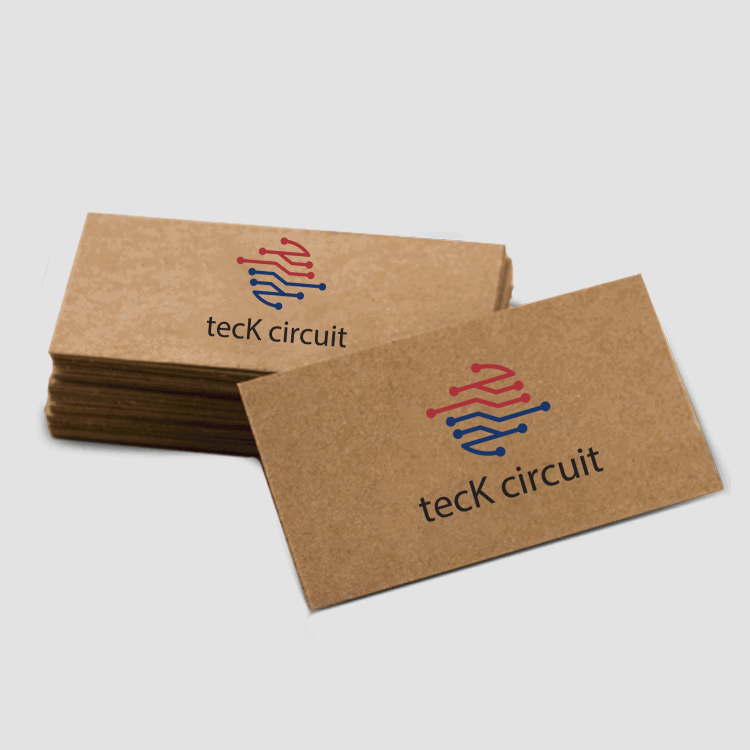
Several practical pieces make a printing operation genuinely green, and it goes well past a leaf icon on the homepage. Real green printing means being honest about the effects of running materials at scale and building better choices into daily work.
Responsible printers like 4OVER4.COM push the green initiative across several dimensions at once. It is a system of choices that work together rather than one headline feature, and the biggest levers are recycling, ink chemistry, and paper sourcing.
Recycling and waste reduction
Paper recycling is the backbone of any green operation. When a printed product is trimmed to final size, the leftover scraps add up fast. Recycling those scraps back into usable sheets saves trees at real scale, and a committed printer recycles everything else too, from shipping pallets and plating metal to cardboard packaging. Since waste is one of the main ways pollution reaches the outside world, responsible companies keep their supplies clean so anything that does leave the building carries nothing that harms ecosystems or wildlife.
If you are exploring sustainable products, recycled options like black hang tags and any shape wine labels let your packaging reflect your values.
Print it green
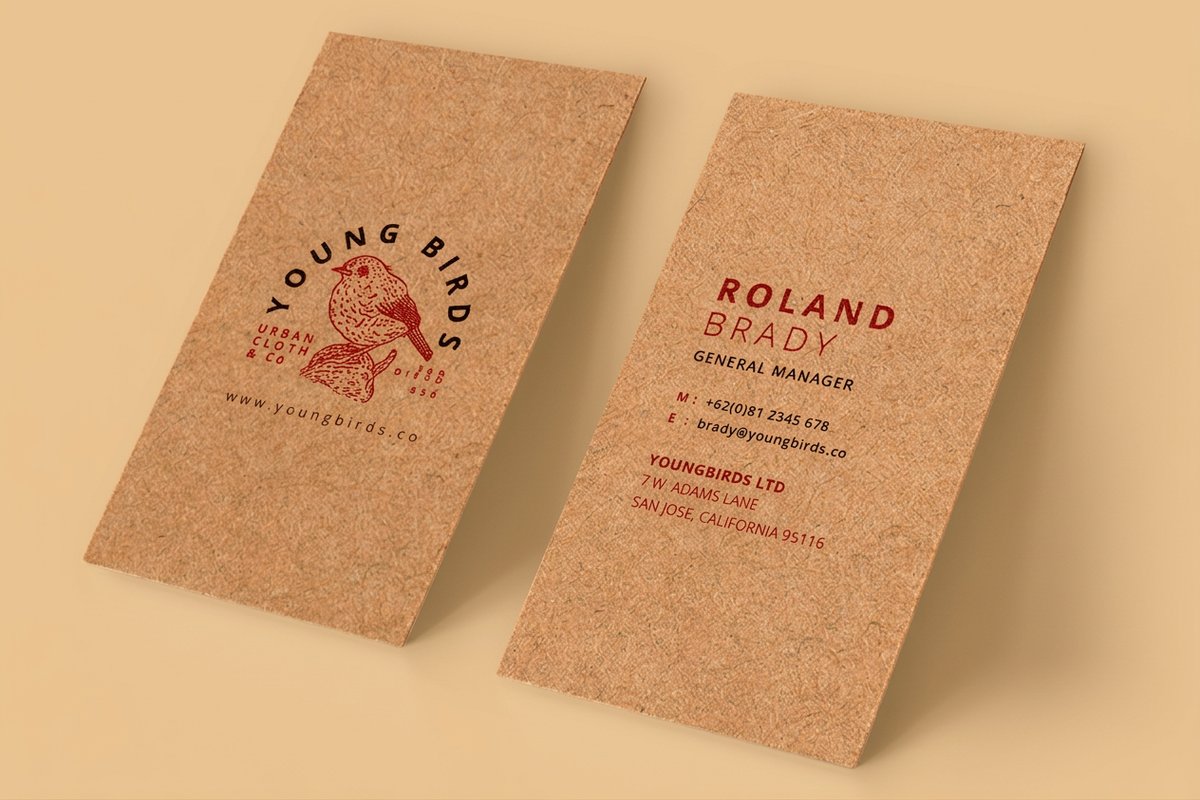
Kraft business cards, ready to order
Recycled Kraft stock and soy-based inks, the fastest way to put your brand on a sustainable card.
Soy-based and vegetable inks
Historically the industry relied on petroleum-based inks. Those inks carry volatile organic compounds, and as they dry they release gases that can include heavy metals and toxic stabilizers, which feeds air pollution. 4OVER4.COM uses vegetable-based inks instead, most of them soy-based and drawn from the soybean crop. Soybeans need little energy to grow, skip irrigation so they conserve water, and give off no VOCs. The plants even pull greenhouse gases out of the air as they grow.
For press cleaning, 4OVER4.COM uses vegetable-oil, water-soluble washes that skip petroleum solvents and cut VOCs by up to 90% next to traditional methods. That is a real, measurable difference rather than a slogan.
Paper sourcing and FSC certification
Paper is probably the single most important part of green printing. If you use trees to make paper, the responsible move is to reduce how many trees get cut, and that starts with sourcing. FSC certification from the Forest Stewardship Council is the gold standard, backed by third-party audits and chain-of-custody tracking from forest to finished product. Beyond FSC, post-consumer recycled content gives old paper a second life instead of a trip to the landfill.
Quantity and price
Kraft business card pricing and specs
Real configurator numbers, where the per-unit cost drops as your quantity climbs.
| Quantity | Price Per Unit | Total |
|---|---|---|
| 100 | 24.8¢ | $24.75 |
| 250 | 14.2¢ | $35.57 |
| 500 | 13.1¢ | $65.60 |
| 1,000 | 13.3¢ | $132.55 |
How to Evaluate a Green Printer Before You Order
Not every printer that prints a green claim walks the walk. Here is what to check before you hand over a project.
- Check for certifications. FSC, Sustainable Green Printing Partnership (SGP) certification, and EPA compliance are real signals. If a company cannot name a specific certification, ask why.
- Ask about ink chemistry. Soy-based or vegetable inks should be the default. Petroleum inks as the standard are a red flag, since the soy switch has been available for decades.
- Look at waste management. A genuinely green shop recycles scraps, plates, chemicals, and packaging, not just one bin in the corner.
- Review paper options. Recycled stocks, FSC-certified papers, and materials like Kraft or cotton should be on the menu. You can preview your artwork on eco-friendly stocks with 4OVER4.COM design templates before you commit.
- Weigh energy and operations. Energy-efficient presses, LED UV curing, and renewable power matter as much as the materials.
Green Printing Materials You Should Know
Understanding your material options is a big part of making informed choices. These are the eco-friendly stocks you will run into most.
Kraft paper
Kraft has become a favorite for brands that want a natural, earthy look. It is made from wood pulp through a process that is more efficient than standard papermaking, and the result is a strong, durable sheet with a distinctive brown tone. Kraft business cards signal sustainability before anyone reads a single word on them.
Recycled paper stocks
Recycled stocks come in many weights and finishes, and post-consumer content is the most beneficial because it pulls waste out of the landfill stream. Most recycled papers now match virgin stock for color accuracy and sharpness, so you will not see a quality drop.
Cotton and tree-free papers
Some printers offer sheets made from cotton, bamboo, or other fast-renewing fibers that take pressure off forests entirely. Cotton paper in particular has a beautiful texture that suits business cards, invitations, and stationery.
Biodegradable laminates and coatings
Traditional lamination uses plastic films that do not recycle. Newer biodegradable laminates and water-based coatings protect the surface without locking in permanent plastic. Aqueous coatings, for example, are water-based and skip the solvents found in UV coatings.
Start fast
Templates and print-ready blanks
Design templates and exact-size blanks so your artwork lines up with the cut and bleed on recycled stock.

Green Printing Across Industries
Sustainable print is not limited to one kind of business. Here is how different industries put it to work.
- Food and beverage brands lead the way, from wine labels on recycled stock to Kraft packaging for artisan goods, because their customers care about sustainability.
- Real estate professionals print cards and postcards on recycled stock, and when you hand out hundreds a month the impact adds up quickly.
- Retail and e-commerce brands use recycled hang tags and packaging inserts to reinforce a sustainability story right at the point of purchase.
- Nonprofits and advocacy groups match their mission with eco materials for mailers, programs, and campaigns, keeping their message authentic.
- Startups and small businesses use green printing as a differentiator, since a line like printed on recycled paper with soy inks makes a statement bigger companies rarely bother with.
For more creative ways to use sustainable print for promotion, read our guide on logo sticker design ideas.
Compare Popular Sustainable Print Products
Stock, finish, quantity, turnaround, and from-price sit side by side across our most-ordered business card formats, so you can pick the right recycled or Kraft option fast.
Compare formats
Popular cards, side by side
A quick look at how our most-ordered business card products stack up before you order.
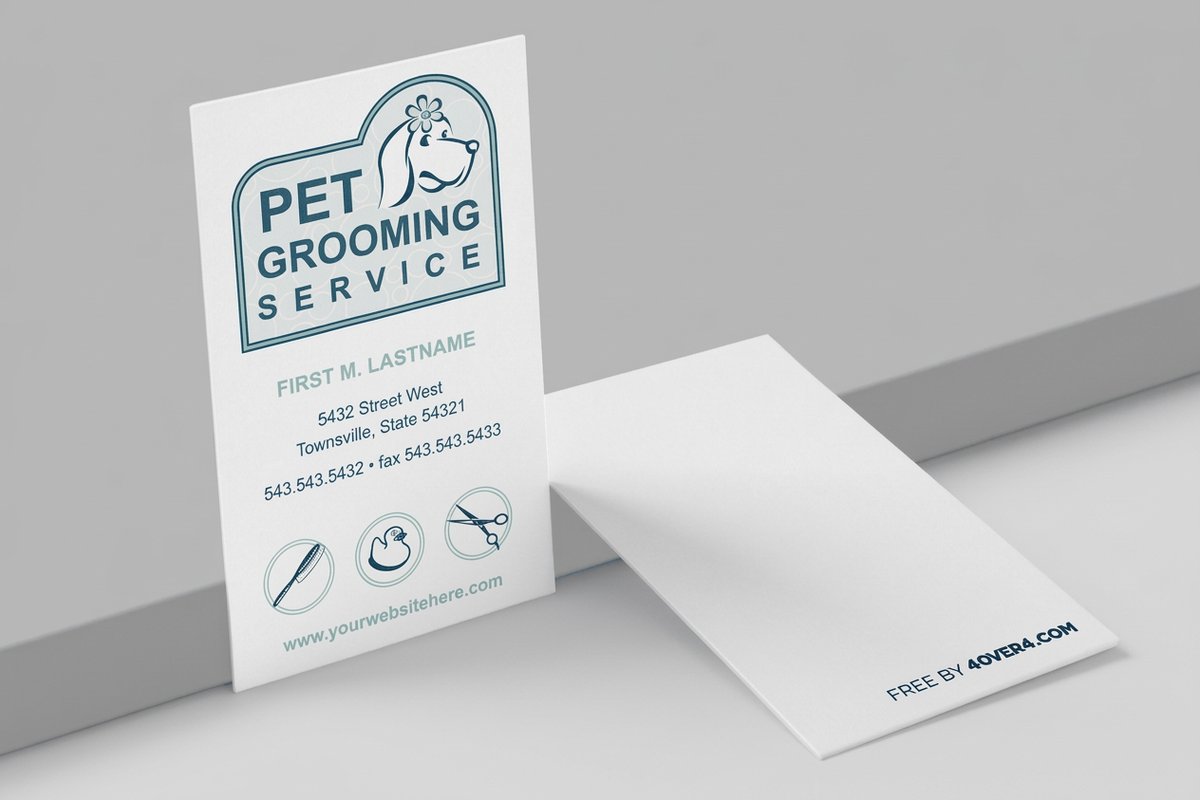 free business cards | 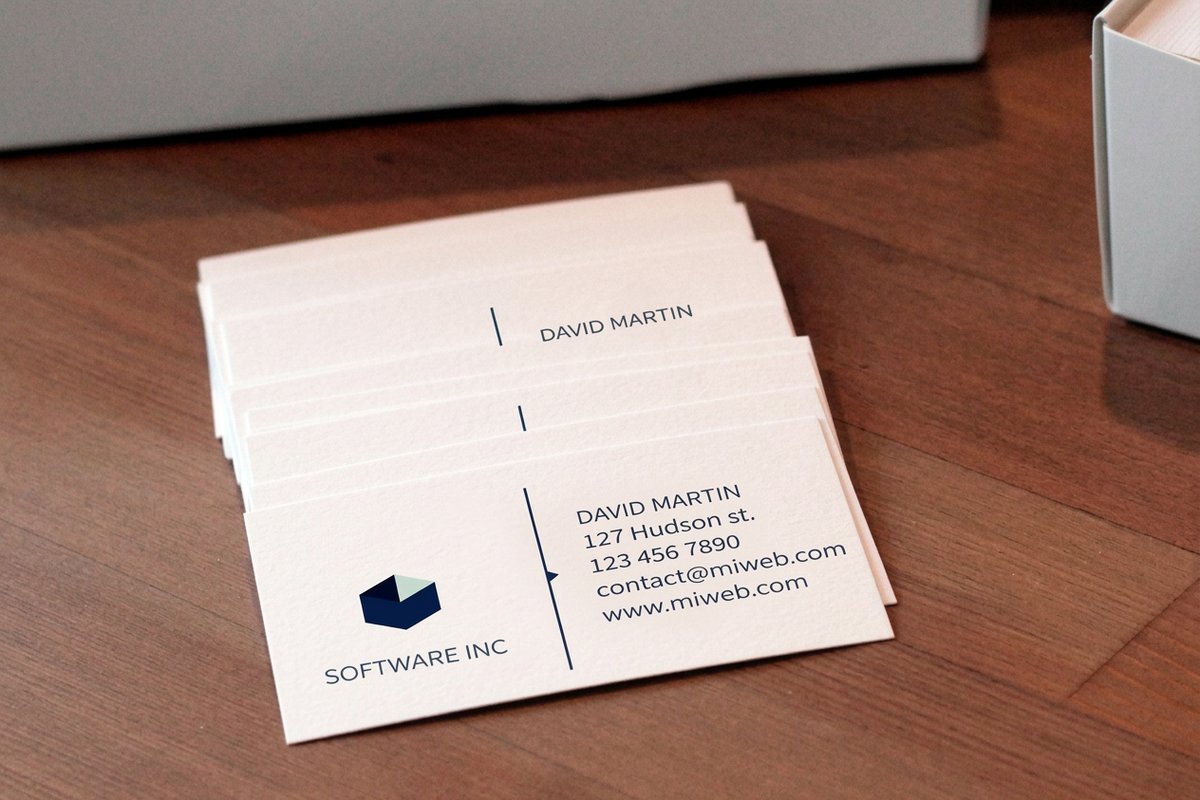 Standard Business Cards |  3D Lenticular Business Cards | 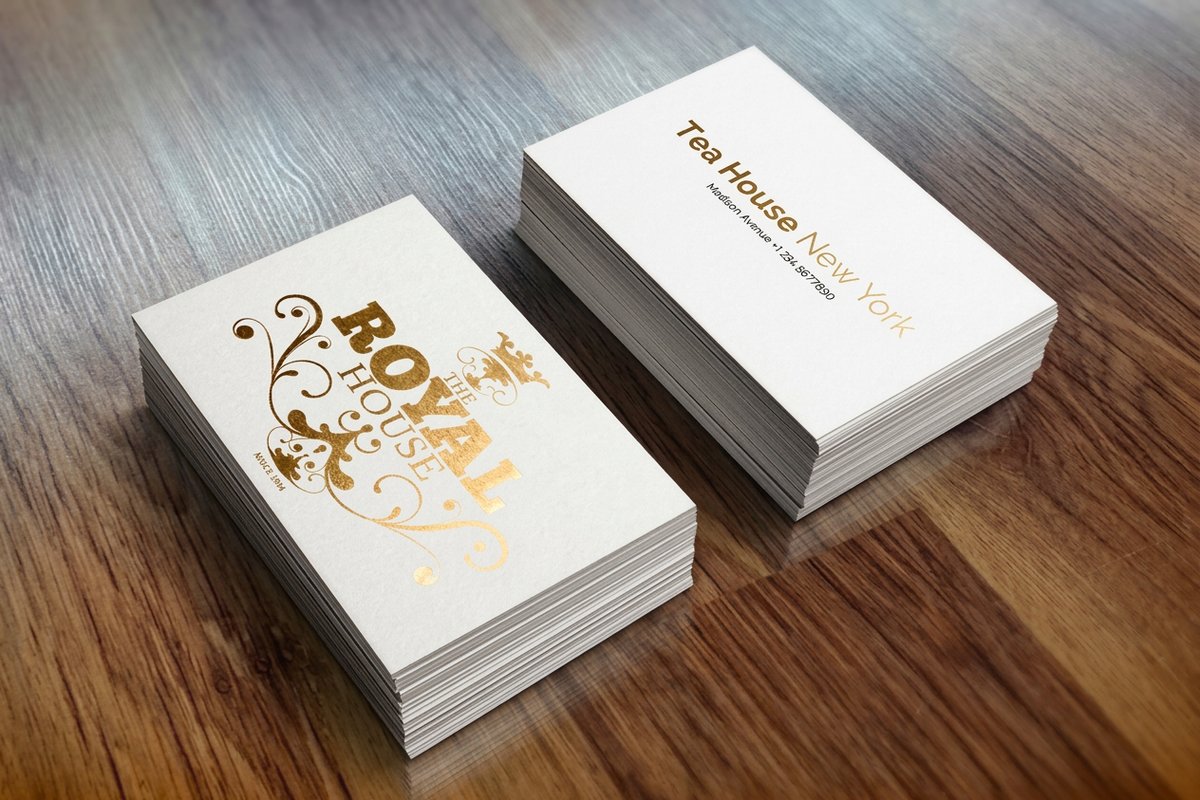 Metallic Foil Business Cards | |
|---|---|---|---|---|
| Min price | Free | $17.57 | $690.88 | $222.13 |
| Paper / stock | 14pt Gloss Cover | 14pt Gloss Cover | 31pt Lenticular Lens | 16 Point Silk Laminated |
| Finish | - | Standard Finish | - | - |
| Size | 2" x 3.5" | 2" x 3.5" | 2" x 3.5" - Vertical | 2" x 3.5" |
| Default qty | 200 | 100 | 500 | 500 |
| Turnaround | 5 business days | 3 business days | 22 business days | 7 business days |
| Rating | ||||
| View & customize | View & customize | View & customize | View & customize |
The Real Cost of Green Printing
Is green printing more expensive? Sometimes, a little, but the gap has narrowed sharply over the past decade. Soy-based inks now cost about the same as petroleum inks, so they are simply the default at forward-thinking printers rather than a paid upgrade.
Recycled paper stocks may run 5 to 15% more than comparable virgin stocks depending on weight and finish. In return you get a real brand story, alignment with customer values, and a lighter footprint. The bigger savings come from waste reduction, since printers that recycle aggressively and plan runs tightly lower their own operating costs and pass that along.
How 4OVER4.COM Approaches Green Printing
4OVER4.COM does not treat sustainability as an add-on. It is built into operations.
- Soy inks as standard. Every job runs on soy-based or vegetable inks, which removes VOC emissions from the drying stage.
- Comprehensive recycling. Paper scraps, metal plates, wood pallets, and cardboard all get recycled, with zero waste to landfill as the goal.
- Eco-friendly paper options. From Kraft to recycled stocks, sustainable choices run across business cards, postcards, labels, and hang tags.
- Water-soluble press washes. Vegetable-oil, water-soluble washes replace petroleum solvents and cut VOCs by up to 90%.
With 10,000+ reviews and a 4.8 out of 5 star rating, customers keep confirming that going green does not mean going cheap on quality. Browse the customer showcase to see finished work on eco-friendly materials, or the full library of printing articles for more ideas.
Build a Greener Print Strategy for Your Brand
Ready to make your print more sustainable? Here is a practical roadmap.
- Start with your most-ordered items. Move high-volume jobs like business cards to recycled or Kraft stock first for the biggest immediate impact.
- Choose a printer with real credentials. Look for FSC certification, soy inks, and a documented recycling program, and ask questions.
- Communicate your choice. A short note like printed on recycled paper with soy inks tells customers you care and keeps you accountable.
- Reduce print waste. Order what you need, use digital proofing, and plan quantities so fewer pieces end up in the bin.
- Think about the full lifecycle. Skip plastic laminates where you can so the finished piece can be recycled at the end of its life.
For event and site branding that still prints responsibly, options like barricade tape and bottle neck hang tags round out a sustainable lineup.
Wally makes your print greener
Recycled stock, soy inks, and less waste, without losing quality
Green printing is a system, not a sticker. Pick recycled or Kraft stock, print with soy-based inks, and let a printer that recycles scraps and uses water-soluble washes handle the rest. 4OVER4.COM makes it the default, so your brand looks sharp and reads responsible at the same time.
See green printing options →What to Remember About Green Printing
What green printing gives your brand
- Lower waste. Recycling scraps, plates, pallets, and cardboard keeps material out of the landfill.
- Cleaner air. Soy inks and water-soluble washes cut the VOC emissions that petroleum inks release.
- Brand trust. Recycled and Kraft stock signals your values before a customer reads a word.
- Traceable paper. FSC certification proves your paper came from responsibly managed forests.
- Comparable cost. Soy inks match petroleum ink pricing, so the eco choice is the default not a premium.
- Same quality. Modern recycled stocks print as sharp as virgin paper for color and detail.
Explore more
More ways to print responsibly
Every related page on 4OVER4.COM, one card each, so you can keep exploring sustainable print.
Ready to print greener?
Pick recycled or Kraft stock, print with soy-based inks, and let 4OVER4.COM handle the sustainable details from press to packaging.
Common Questions About Choosing a Green Printing Partner
What are the best practices for green printing?
The best practices work as a set. Use soy-based or vegetable inks, source FSC-certified or recycled paper, recycle 100% of production scraps, and clean presses with water-soluble washes instead of petroleum solvents. Choosing one without the others limits your impact. Products like custom CD covers print on recycled stock without any drop in quality.
How do I choose the right green printing company?
Look for specific certifications like FSC and SGP, and ask about ink chemistry, since soy inks should be standard rather than optional. Review the recycling program and paper sourcing, and expect open answers backed by documentation. 4OVER4.COM has served 150,000+ businesses with soy inks as the default and several eco-friendly paper options across every product category.
What makes green printing effective for marketing?
Green printing tells customers you care about more than profit. A Kraft business card or recycled postcard communicates values before anyone reads a word, and sustainability-minded buyers actively seek brands that match their beliefs. Printing on eco-friendly stock, from cards to custom CD sleeves, turns every piece into a quiet brand statement.
How much should I budget for green printing?
Green printing sits closer to standard printing than most people expect. Soy inks carry no premium at 4OVER4.COM because they are the default, and recycled stocks add roughly 5 to 15% depending on weight and finish. For most orders that difference is pennies per piece, and the brand value and customer loyalty usually outweigh it.
