
Best Paper for Flyer Printing With 7 Top Picks


Picking the best paper for flyer printing
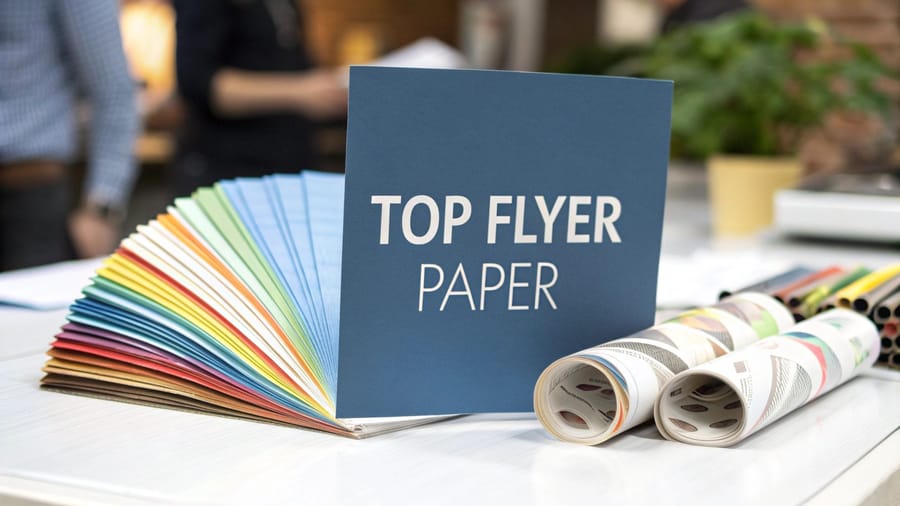
The best paper for flyer printing depends on your goal, your budget, and where those flyers end up. A glossy 100lb cover stock works for photo-heavy event promotions. A matte 80lb text weight suits door-to-door handouts. 4OVER4.COM offers 60+ paper types across many weights and finishes, so you are never stuck with one-size-fits-all options. With 25+ years in the printing business and 10,000+ reviews from real customers, 4OVER4.COM has helped more than 150,000+ businesses get their flyers right the first time.
Here is what most people get wrong about flyer paper. They pick based on what looks nice in a sample book without thinking about how the flyer actually gets used. A flyer pinned to a community board needs different paper than one slipped under a windshield wiper. A menu flyer has to survive greasy fingers. A real estate open house flyer needs to photograph well when someone snaps a picture with a phone. Your paper choice affects all of it.
Let us walk through the seven paper types that actually matter for flyer printing, what each one does best, and when to skip it. For high-gloss business flyer printing and every finish in between, the stock you choose is the difference between a keeper and the recycling bin.
Print it
Business flyers, ready to brand
Preset sizes and 60+ paper stocks, the fastest way to get your design on the right flyer paper.
Glossy photo paper for flyers that need to pop

Glossy paper is the go-to when your flyer is image driven. Think product launches, food photography, fashion promotions, or anything where color saturation matters more than long blocks of text. The reflective surface amplifies vibrancy and makes photos look sharp and punchy. If you are running a visual-first campaign, glossy is hard to beat.
Glossy flyer paper usually lands in the 200 to 300 GSM range, roughly 80lb to 110lb cover weight. That weight gives your flyer a sturdy, professional feel, so people are more likely to set it on a counter or pin it to a fridge than crumple it. The coating also adds real water resistance. Not waterproof, but enough that a few raindrops or a sweaty hand will not destroy your message.
When glossy flyer paper makes sense
Use glossy for product catalogs, event invitations, grand opening announcements, and any flyer where a single hero image carries the design. Skip it for text-heavy informational flyers or forms that need to be written on, since glare and fingerprints work against small type. For a similar high-impact approach on a different format, look at 3D lenticular postcards.
Quantity and price
Business flyer pricing and specs
Real configurator numbers. The more you order, the lower the per-unit cost drops.
| Quantity | Price Per Unit | Total |
|---|---|---|
| 50 | $1.14 | $57.11 |
| 100 | 82.4¢ | $82.38 |
| 200 | 53.3¢ | $106.55 |
| 300 | 41.0¢ | $123.02 |
| 400 | 34.9¢ | $139.49 |
| 500 | 31.2¢ | $155.97 |
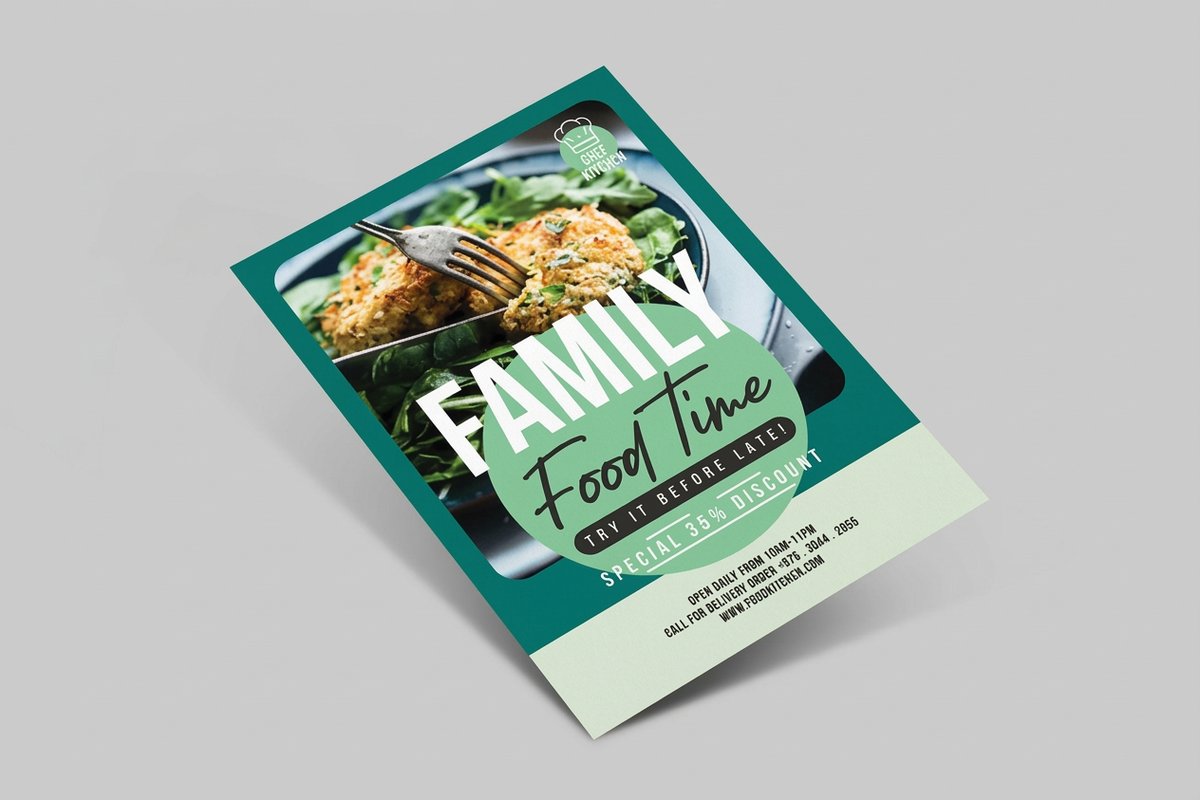
Matte paper, the workhorse of flyer printing
Matte paper is the opposite of glossy in almost every way, and that is exactly why it works for so many flyer projects. No glare. No fingerprints. Easy to read under any lighting. If your flyer has a lot of text, detailed instructions, maps, or QR codes, matte paper keeps everything clean and legible.
Matte flyer paper in the 150 to 200 GSM range offers a smooth, non-reflective surface that feels professional without being flashy. Colors appear softer and more muted than on glossy, which actually helps certain brand aesthetics. Luxury brands, wellness companies, and professional services often prefer matte because it reads as sophisticated rather than loud. One practical bonus is that matte accepts pen and pencil, so it doubles as a form or sign-up sheet.
For a full suite of matte marketing pieces beyond flyers, see matte presentation folders printed on the same clean, non-reflective stock.
Matte versus glossy, a quick comparison
Do not overthink this decision. If photos drive your design, go glossy. If text drives your design, go matte. If it is a mix, consider a silk or satin finish, which comes next. The best paper for flyer printing is always the one that matches how people will actually handle your flyer.
Silk and satin finish, the middle ground

Cannot decide between glossy and matte? Silk and satin finishes split the difference. You get a subtle sheen that makes colors look rich without the full reflective glare of glossy. Text stays readable. Photos still look good. It is the compromise that actually works.
Silk and satin paper in the 150 to 250 GSM range has a smooth, velvety feel that people notice right away. When someone picks up a silk-finish flyer, they tend to hold it a beat longer, and that extra second of attention can be the difference between your flyer getting read or getting recycled. The finish suits real estate flyers, spa and salon promotions, wedding materials, and anything in food and beverage. Explore silk and satin finishes on laminated club flyers to see how a soft sheen changes the feel of a stock.
Club flyer specs
Club flyers, stocks and finishing
Gloss and silk cover stocks, UV coating, and rounded-corner options for high-volume club flyers.

Cardstock, when your flyer needs to last
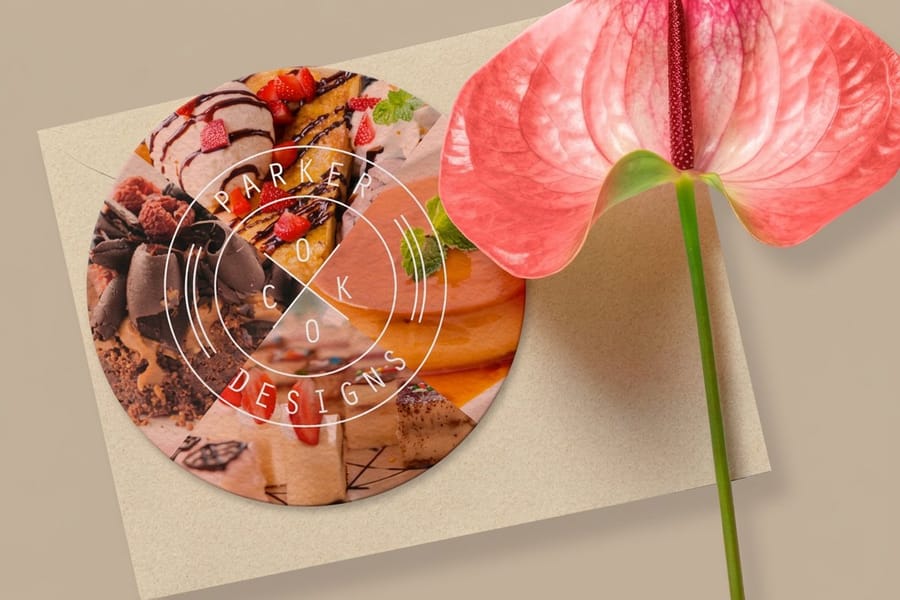
Standard flyer paper gets the job done for short-term promotions. But what about flyers that need to survive weeks or months? Menus posted in a breakroom. Event schedules pinned to a corkboard all season. Product spec sheets kept in a sales folder. That is where cardstock comes in.
Cardstock for flyers usually ranges from 250 to 350 GSM, roughly 14pt to 16pt. It is rigid enough to stand on its own, so it stays upright on a counter and does not flop over in a brochure rack. The trade-off is cost and weight, which raises shipping if you mail them. For a targeted, high-value handout like an open house flyer, that heft signals the offer is worth someone's time.
Cardstock weight guide for flyers
For most flyer work, 14pt cardstock hits the sweet spot between durability and cost, about the thickness of a credit card. Step up to 16pt when you want something that feels like a mini poster. Skip anything below 12pt if durability is your priority, since it will not hold up much better than standard text-weight paper.
Compare formats
Popular flyer products, side by side
Stock, finish, quantity, turnaround, and from-price across our most-ordered flyers.
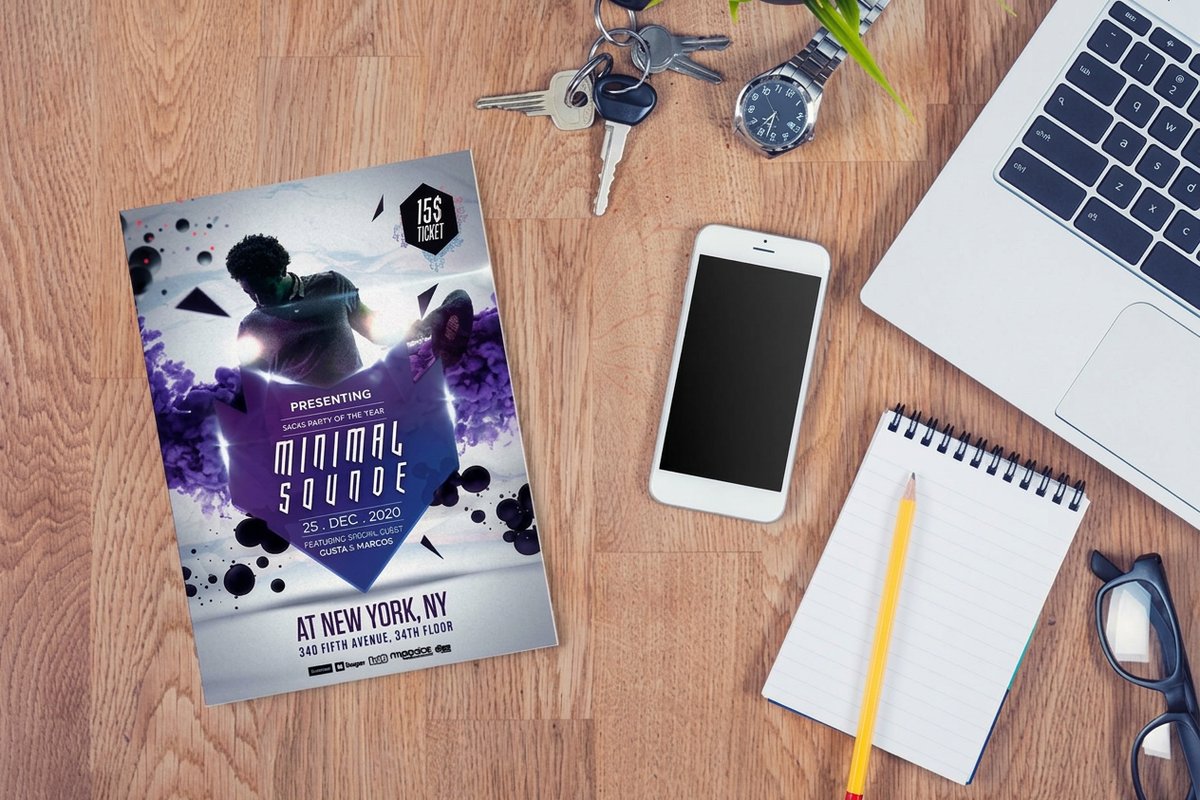 Standard Flyers | 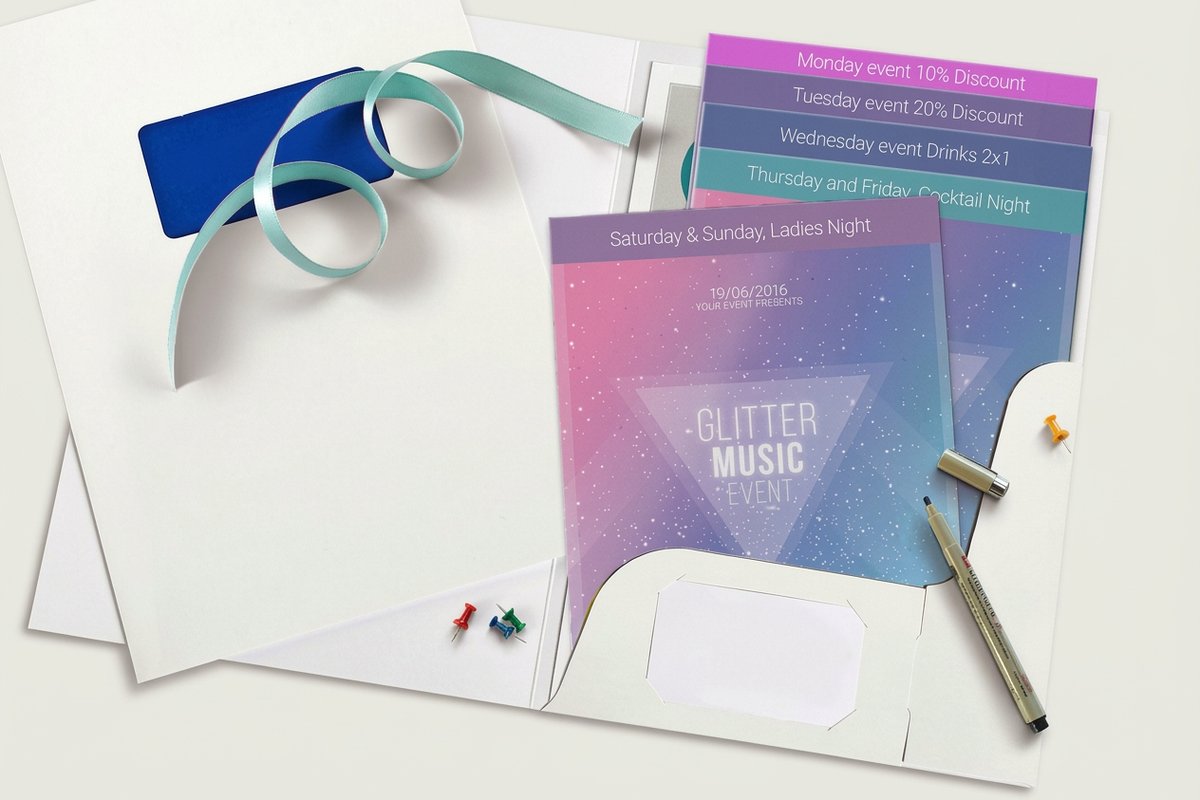 Staggered Cut Flyers |  Grand Opening Flyers | 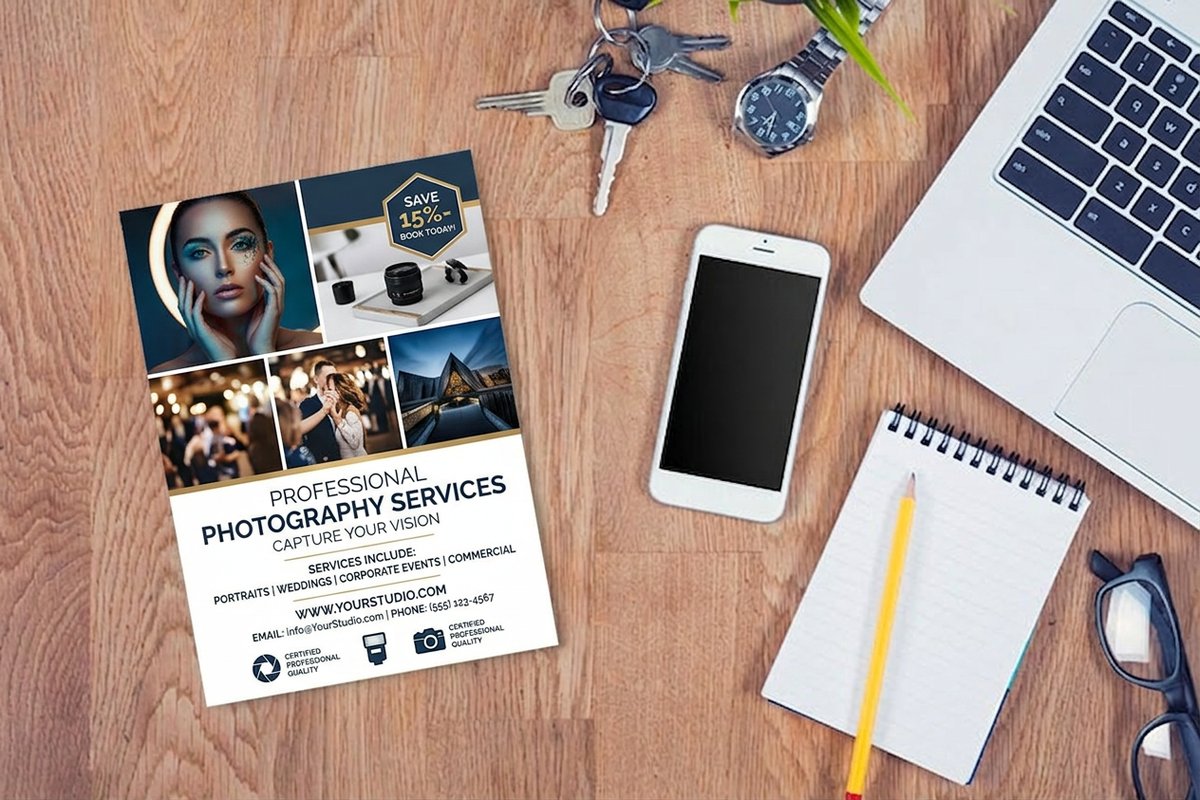 Photography Flyers | |
|---|---|---|---|---|
| Min price | $39.54 | $218.59 | $39.54 | $39.54 |
| Paper / stock | 100# Gloss Text | 100# Gloss Text | 100# Gloss Text | 100# Gloss Text |
| Finish | Standard Finish | Standard Finish | Standard Finish | Standard Finish |
| Size | 4.25" x 5.5" | 8.5" x 11" | 4.25" x 5.5" | 4.25" x 5.5" |
| Default qty | 50 | 50 | 50 | 50 |
| Turnaround | 3 business days | 5 business days | 3 business days | 3 business days |
| Rating | ||||
| View & customize | View & customize | View & customize | View & customize |
Uncoated paper, budget-friendly and versatile
Uncoated paper is the most affordable option for flyer printing, and there is nothing wrong with that. Not every flyer needs a premium finish. Community event announcements, church bulletins, internal memos, and garage sale flyers all work perfectly on uncoated stock. The natural, slightly rough texture gives flyers a warm, approachable feel, the kind you associate with a local bookshop or a farmers market.
Uncoated paper is also the easiest to write on. If your flyer includes fill-in-the-blank sections, tear-off tabs, or space for handwritten notes, uncoated accepts all types of ink without smearing or beading. Colors read more muted and earthy than on coated stocks, which can be an advantage if your brand leans organic, handmade, or community focused.
Uncoated paper weights for flyers
Standard uncoated flyer paper runs 80 to 120 GSM, roughly 20lb to 32lb bond. For single-sided flyers, 80 GSM is fine. For double-sided printing, go at least 100 GSM to prevent show-through, where ink from one side ghosts through to the other. Nobody wants to read your event details through a faint backward image of your logo.
Recycled paper, sustainability that speaks
Recycled paper for flyers is not just an environmental choice. It is a branding statement. If your business values sustainability, printing on recycled stock puts that commitment into your customers' hands. The slightly textured, natural look communicates authenticity in a way that no amount of we are green copy can match.
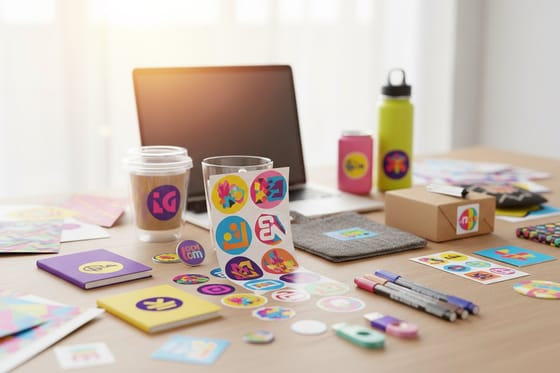
Modern recycled papers have come a long way from the speckled, rough stocks of the past. Today's recycled flyer papers offer smooth printing surfaces, consistent color, and weights comparable to virgin fiber. You will not sacrifice quality for sustainability. Recycled stock works especially well for nonprofits, eco-conscious brands, organic food companies, and educational institutions. For promotional ideas that fit a sustainable brand, browse logo sticker design ideas to see how eco-friendly materials carry across formats.
Start fast
Templates and print-ready blanks
Flyer design templates and exact-size blanks so your artwork lands inside the cut and bleed lines.
Synthetic paper, for extreme conditions
Synthetic paper is the outlier on this list, and most people do not need it. But if you do, nothing else comes close. Made from polypropylene and similar plastics, synthetic paper is waterproof, tear-resistant, and practically indestructible. It is the stock you reach for when flyers will face rain, snow, grease, chemicals, or heavy outdoor exposure.
Think pool companies handing out flyers at outdoor events, restaurants posting waterproof patio menus, or construction crews leaving spec sheets on job sites. In those settings regular paper fails within hours while synthetic lasts months. The cost runs a lot higher, often 3 to 5 times standard coated paper, and the feel is smoother and more plastic-like. For the right job it pays for itself by eliminating constant reprints.
Is synthetic paper right for your flyers?
Ask one question. Will my flyers get wet or torn? If yes, synthetic is worth the investment. If your flyers live indoors and get handled gently, save your money and go with a coated or uncoated stock instead.
How to match paper type to your flyer purpose
Choosing the best paper for flyer printing comes down to three factors: visual impact, durability, and budget. Here is a simple framework that works every time.
- Visual impact first. If your flyer is 70 percent or more images, go glossy or silk. If it is mostly text, go matte or uncoated. Mixed layouts land nicely on silk or satin.
- Durability second. Indoor, short-term flyers work on lighter stocks. Outdoor flyers and long-term displays need heavier cardstock or synthetic paper. Think about where the flyer ends up after someone picks it up.
- Budget third. Uncoated text weight is cheapest and glossy cardstock is priciest, with everything else in between. Larger quantities bring the per-unit cost down fast.
Paper weight matters more than you think
Paper weight directly shapes how people perceive your brand. A flimsy 80 GSM flyer says we printed these as cheap as possible. A sturdy 250 GSM cardstock flyer says we take this seriously. You do not always need the heaviest option, but you should never go lighter than the situation demands. Hand flyers directly to customers and go heavier. Leave stacks on a counter and medium weight works. Insert into mailings and lighter weight keeps postage down.
Finish options and what they do
Beyond the base stock, finishes add another layer. UV coating puts a high-shine protective layer over specific areas like a logo or product photo. Soft-touch lamination gives matte paper a velvety texture people cannot stop touching. Aqueous coating adds basic scuff and fingerprint protection without changing the look much. A matte flyer with spot UV on the logo looks expensive without the expensive price tag. For creative paper and finish combinations, see 3D postcards and black postcards.
Getting started with your flyer paper selection
Ready to pick your paper? 4OVER4.COM keeps it straightforward. Choose your flyer size and quantity, then select from the available paper stocks and finishes. Every order includes a free digital proof, so you see exactly how your design looks on your chosen paper before printing begins.
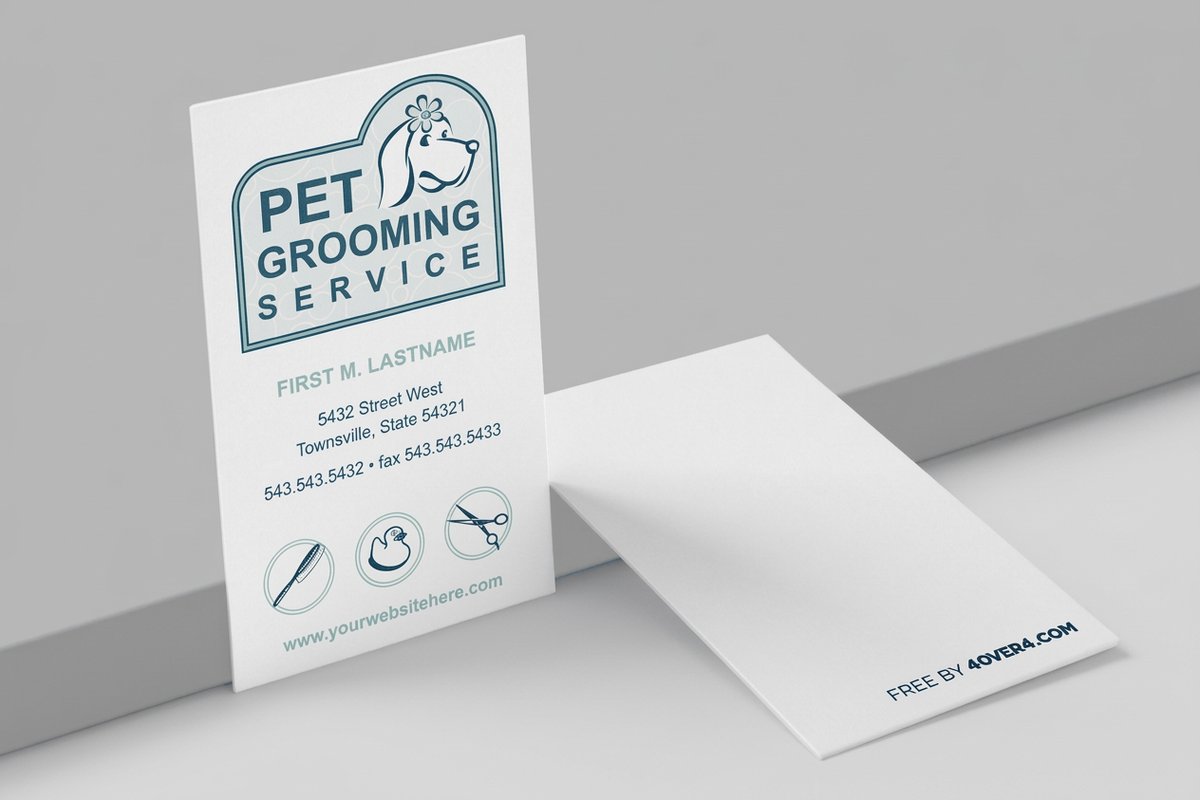
If you are new to print ordering, order free business cards first to feel the paper quality and see how your colors translate from screen to print. Need a head start on artwork? Grab print-ready blanks like circle flyer templates or carbonless form templates sized to exact 4OVER4.COM specs. For more printing knowledge across product types, browse the full library of printing articles.
Wally matches your flyer to the right paper
Glossy for photos, matte for text, cardstock to last
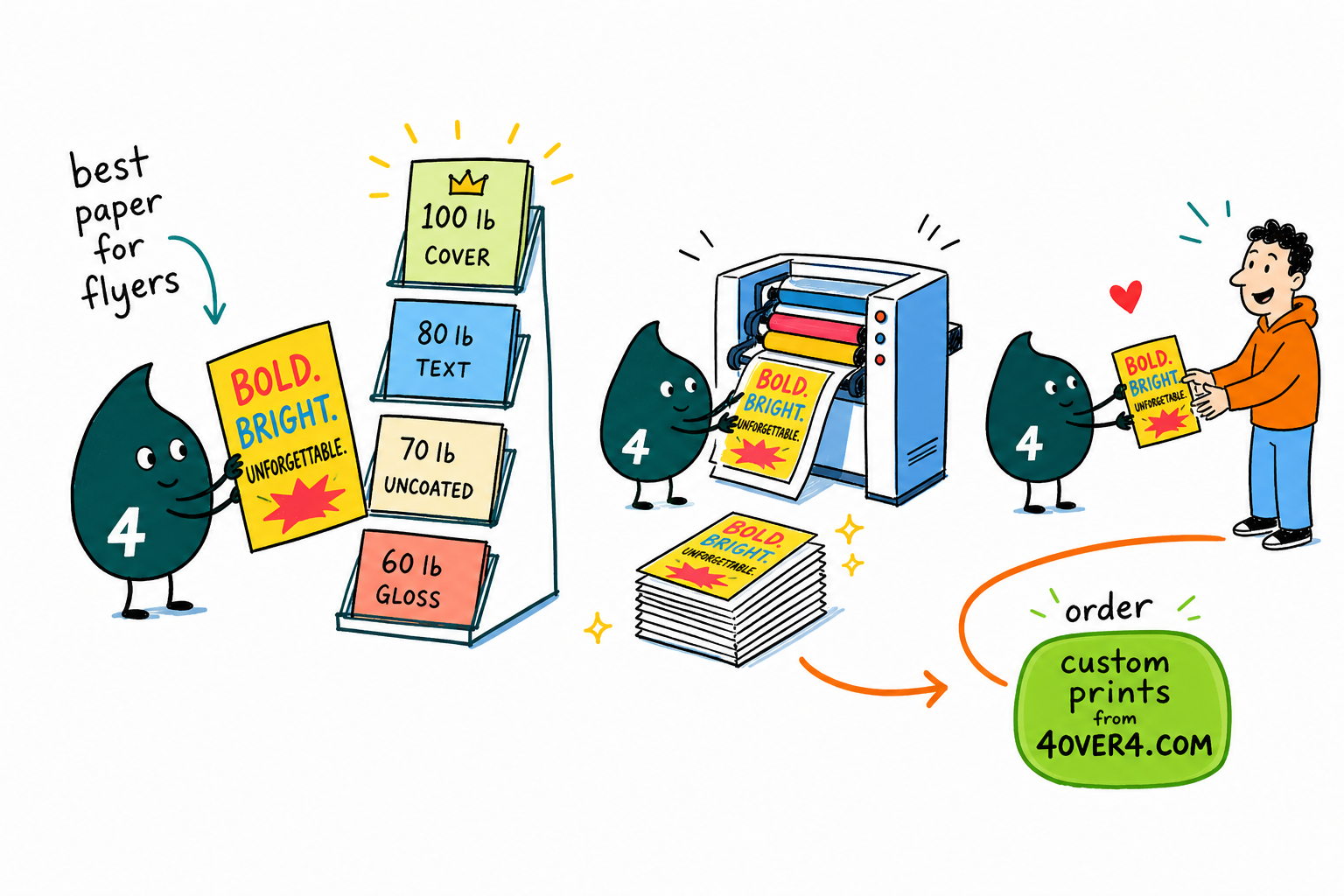
The best flyer paper is the one that fits how your flyer gets used. Go glossy or silk when photos lead, matte or uncoated when text leads, and step up to cardstock or synthetic when it has to survive handling or the weather. Pick your size, choose a stock, and 4OVER4.COM prints it sharp with a free proof on every order.
Configure your flyers →What to remember about flyer paper
Flyer paper at a glance
- Glossy. Vivid color and sharp photos for image-first flyers.
- Matte. No glare or fingerprints for text and QR codes.
- Silk and satin. A soft sheen that reads premium and stays legible.
- Cardstock. Rigid 14pt to 16pt stock that stands up and lasts.
- Uncoated. Warm, writable, and the most budget-friendly.
- Recycled. Sustainable stock that signals your brand values.
- Synthetic. Waterproof and tear-resistant for the outdoors.
Explore more
More ways to print and promote with 4OVER4.COM
Related products and resources, one card each, so you can keep planning your flyer campaign.
Product Business Flyers Preset sizes and 60+ paper stocks. Product Club Flyers High-volume flyers with gloss or silk cover.  Product Circle Flyers Die-cut circle flyers that stand out.
  Product Custom Brochures Folded companions to your flyer run.
  Product Postcards Mailable cards on the same great stocks.
  Product Custom Booklets Multi-page pieces for bigger stories.
  Article Logo Sticker Ideas Ten promo ideas for custom stickers. Guides Printing Guides Step-by-step how-tos across products. FAQ Printing FAQs Answers on paper, finishes, and files.
  Samples Free Samples Feel the paper before you commit.
 Ready to print flyers on the right paper?
Pick your size, choose a stock from 60+ options, and 4OVER4.COM prints it sharp with a free proof on every order.
Common questions about flyer paper
What are the best practices for choosing flyer paper?
Start by identifying your flyer purpose, whether that is visual impact, information, or durability. Match glossy stocks to photo-heavy designs and matte stocks to text-heavy layouts. Always request a proof before printing the full run. Order custom brochures on the same paper stock to keep your brand materials consistent across formats.
How do I choose the right paper for flyer printing?
Consider three things: where the flyer will be distributed indoor or outdoor, how image-heavy the design is, and your budget. Glossy works for visual promotions, matte for informational pieces, and cardstock for long-term displays. The best paper for flyer printing always matches the real-world use case, not just what looks good on screen.
What makes certain flyer paper effective for marketing?
Paper weight and finish shape how people perceive your brand. Heavier stocks at 14pt and up signal professionalism and make recipients less likely to toss your flyer. Coated finishes protect colors during handling. 4OVER4.COM prints on 60+ paper types so you can match quality to your goals. Pair flyers with custom buckslips for a complete direct mail package.
How much should I budget for quality flyer paper?
Uncoated text-weight paper is the most affordable option for high-volume handouts. Glossy or silk cardstock costs more per unit but delivers stronger visual impact for targeted campaigns. Ordering larger quantities lowers your per-flyer cost a lot, with business flyers dropping from about $1.14 each at 50 to $0.04 each at 25,000.
