
Word of Mouth Marketing Statistics That Shape Strategy


Trust, referral conversion, program benchmarks, and the financial impact of recommendations, set against 25 plus years of print order data at 4OVER4.COM.
Word of mouth is the most trusted channel in marketing. 92 percent of consumers trust recommendations from people they know, referrals convert at 3 to 5 percent, and they cost about 5 times less than paid ads. With 150,000 plus businesses printing referral-worthy cards at 4OVER4.COM, the data confirms what marketers feel: people act on what their friends recommend.
Referral triggers
What the latest word of mouth marketing statistics tell us
Word of mouth marketing statistics paint a clear picture. People trust recommendations from friends and family more than any ad campaign, and that trust drives purchases across every industry, from restaurants to software. Referrals convert at rates paid channels cannot match, they cost far less to acquire, and referred customers stay longer and refer others in turn. With 150,000 plus businesses printing with 4OVER4.COM, the numbers back up what marketers already feel, and the takeaways below cut straight to what matters for your next campaign.
By the numbers
Word of mouth marketing at a glance
Here are the headline figures marketers reach for first, drawn from Nielsen, McKinsey, Invesp, and the American Marketing Association. They explain why referral channels keep outperforming paid ones, and why 4OVER4.COM has grown to 150,000 plus businesses largely on customers recommending customers.

Why it matters
Why word of mouth marketing statistics matter in 2026
Word of mouth marketing statistics are not trivia. They are a roadmap for where to put your budget. According to Nielsen, 92 percent of consumers trust recommendations from people they know over any other form of advertising, and that single number reshapes how you think about your entire marketing mix.
The cost of acquiring a customer through paid channels keeps climbing, while referred customers tend to spend more, stay longer, and refer others themselves. If you track small business marketing statistics, you will notice referral channels beat paid ones on return. The same pattern shows up in small business growth data, where companies that invest in referral-worthy experiences scale faster on less ad spend.
4OVER4.COM has served 150,000 plus businesses since 1999, and a large share of that growth traces back to one customer telling another. A Price Match guarantee means you are never overpaying while you build a brand worth talking about.
Trust
Consumer trust and word of mouth recommendations
Trust is the engine behind every referral. Nielsen's Global Trust in Advertising report found that 92 percent of people trust word of mouth from friends and family above all other advertising. Paid search, social ads, and banner displays do not come close.
Edelman research shows that 63 percent of consumers need to hear a brand claim three to five times before they believe it. When that claim comes from a friend, once is usually enough. This is why customer referral statistics consistently post higher conversion rates than any paid channel.
BrightLocal found that 88 percent of people trust online reviews as much as personal recommendations, which blurs the line between traditional word of mouth and digital reviews. Both work as peer-to-peer trust signals. Businesses tracking small business failure rate data will notice that companies with weak reputations and no referral engine are the ones most likely to close.
We switched our entire acquisition strategy after looking at our numbers. Seventy percent of new clients came from referrals, not ads. The data was staring us in the face.
Verified customer, Marketing Director
Influence
How referrals drive purchase decisions
Word of mouth advertising statistics show that recommendations do not just build awareness, they close sales. McKinsey reports that word of mouth is the primary factor behind 20 to 50 percent of all purchasing decisions. The range is wide because it depends on the category, but even at the low end it is the single most influential channel.
A Texas Tech University study on referrals found that 83 percent of satisfied customers are willing to refer a product, yet only 29 percent actually do. That gap between willingness and action is where most businesses leave money on the table. You need a prompt, a reason, and a simple path.
For teams watching startup statistics, the gap matters even more, because startups cannot waste acquisition budget. If your product is good enough that people want to recommend it, make it effortless for them to follow through.
According to the Wharton School of Business, a referred customer carries a 16 percent higher lifetime value than a non-referred one. They spend more per transaction, churn less, and refer others at a higher rate, so one great experience can snowball into dozens of new accounts.
Program benchmarks
Referral program performance benchmarks
Not all referral programs are equal. Referral Rock found that companies with formalized programs see 86 percent more revenue growth over two years than those without one. Structure matters, and a vague tell your friends message does not cut it.
The average referral program converts between 3 and 5 percent, according to Extole. That sounds low until you compare it to cold email at 1 to 2 percent or display ads at 0.1 to 0.3 percent. Referred leads are warmer because they arrive with built-in trust.
Incentive type matters too. University of Chicago research shows that non-cash rewards like gift cards, free products, and exclusive access are 24 percent more effective than cash equivalents, because people assign more emotional value to a tangible reward.
If you are budgeting for this, the small business marketing budget benchmarks help. Most small businesses spend less than 10 percent of revenue on marketing, and within that, referral programs are among the cheapest to run relative to their return.
Our referral program cost us about 200 dollars a month in rewards. It brought in 14,000 dollars in new business over six months. Nothing else we tried came close to that ratio.
Verified customer, Design Studio Owner
The money
The financial impact of word of mouth
The American Marketing Association reports that word of mouth generates more than 6 trillion dollars in annual consumer spending worldwide, accounting for 13 percent of all consumer sales. For a channel that costs almost nothing to maintain beyond delivering a good product, that is staggering.
Invesp reports that acquiring a customer through referral costs 5 times less than acquiring one through paid advertising. When your existing customers do the selling, your cost per acquisition drops and your margins improve.
Bain and Company found that raising customer retention by just 5 percent can lift profits by 25 to 95 percent. Retained customers refer more, buy more, and cost less to serve. The cheapest growth channel is the one you already built by treating customers well.
Digital and downside
Digital sharing and the cost of a bad experience
The conversation has moved online. Pew Research reports that 72 percent of American adults use at least one social platform, and many share product recommendations there. HubSpot found that 71 percent of consumers are more likely to buy based on a social media referral, from tagged posts to unboxing videos to casual mentions in group chats.
Sprout Social found that user-generated content earns 28 percent higher engagement than brand-published content. When a real customer posts a photo of your product, it outperforms your own polished shot. That is word of mouth in visual form.
The downside is real too. The White House Office of Consumer Affairs found that an unhappy customer tells 9 to 15 people about a bad experience, and Review Trackers found that 94 percent of consumers avoid a business after a negative review. This is why 4OVER4.COM holds a 4.8 out of 5 rating across 10,000 plus reviews. You earn referrals by delivering on promises every time, which for us means 99.8 percent on-time delivery.
I posted a photo of our new business cards on Instagram. Three people messaged me asking where I got them. That is three leads I did not pay a cent for.
Verified customer, Freelance Photographer
Our order data
What 4OVER4.COM order data reveals about referrals
Third-party word of mouth marketing statistics are valuable, and 4OVER4.COM's own data adds another layer. We have been in business for 25 plus years, printing over 10 billion cards for 150,000 plus businesses. That is a large dataset, and the referral signals in it are consistent.
Our 99 percent reorder rate is the clearest signal. When nearly every customer comes back, the product exceeded expectations, and that is the prerequisite for any referral. You do not recommend something that disappointed you.
Across 10,000 plus reviews averaging 4.8 out of 5 stars, the most common phrases involve sharing: told my colleague, recommended to my partner, sent the link to my team. These are organic signs that the experience was worth talking about.
The 8.8 million free business cards we have given away act as referral seeds. Each one puts a physical product in someone's hands, and physical products get noticed, passed around, and talked about in ways digital impressions never match.
Side by side
How referral stacks up against other channels
Word of mouth marketing statistics are most useful next to the alternatives. Businesses tracking small business statistics will recognize the pattern right away. Referred customers convert at 3 to 5 times the rate of paid-channel customers because trust removes the skepticism phase. 4OVER4.COM sees the same thing in practice, with a 99 percent reorder rate across 150,000 plus businesses.
| Channel | Trust | Conversion | Cost | Lifetime value |
|---|---|---|---|---|
| Word of mouth and referral | 92 percent trust it most | 3 to 5 percent program conversion | 5x lower than paid | 16 percent higher lifetime value |
| Online reviews | 88 percent trust as much as friends | Strong, peer driven | Low, earned over time | High when reputation holds |
| Email marketing | Lower, easy to ignore | 1 to 2 percent cold conversion | Very low per send | Moderate |
| Display advertising | Lowest, banner blindness | 0.1 to 0.3 percent conversion | Low per impression | Low |
Referral wins on trust, conversion, and lifetime value. Paid channels win on speed and raw reach. The smartest teams use both, earning referrals through quality while paid ads fill the top of the funnel. A great business card handed to one prospect can combine the strengths of both, putting your brand in someone's hand and starting the conversation for you.
Myths vs facts
Clearing up word of mouth misconceptions
A few myths keep teams from building a referral engine that would pay off. Each pair below sets a common assumption against what the data actually shows, so you can plan on evidence rather than habit.
Word of mouth cannot be measured or managed.
Referral programs track conversion, cost per acquisition, and lifetime value, and structured programs drive 86 percent more revenue growth over two years, per Referral Rock.
Willing customers will refer on their own.
83 percent of happy customers say they would refer, but only 29 percent actually do. You need a prompt, a reason, and an easy path.
Cash is the best referral incentive.
Non-cash rewards like gift cards and free products drive 24 percent more referrals than cash, according to University of Chicago research.
Word of mouth is all upside.
Unhappy customers tell 9 to 15 people, and 94 percent of consumers avoid a business after a negative review. Consistency protects the upside.
The print angle
How 4OVER4.COM turns print into a referral engine
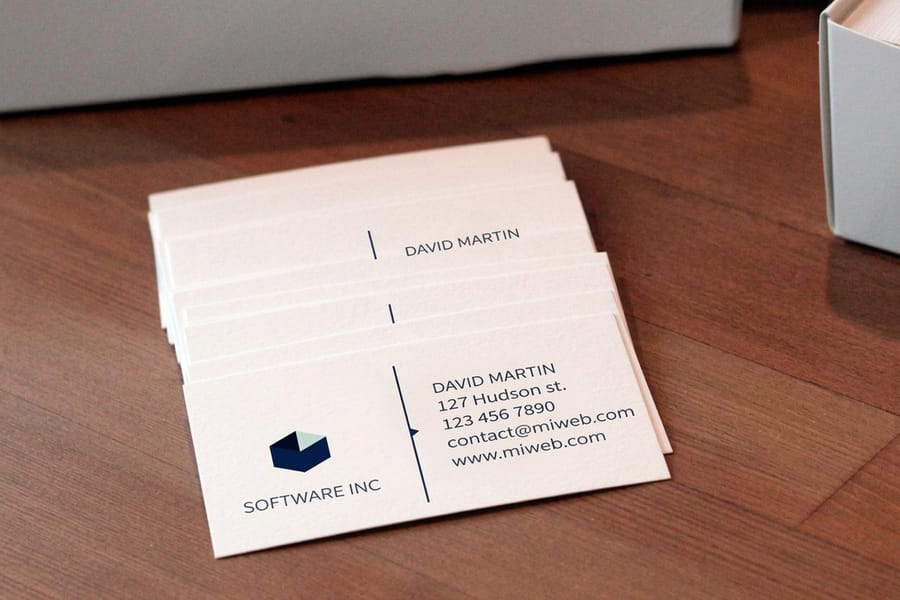
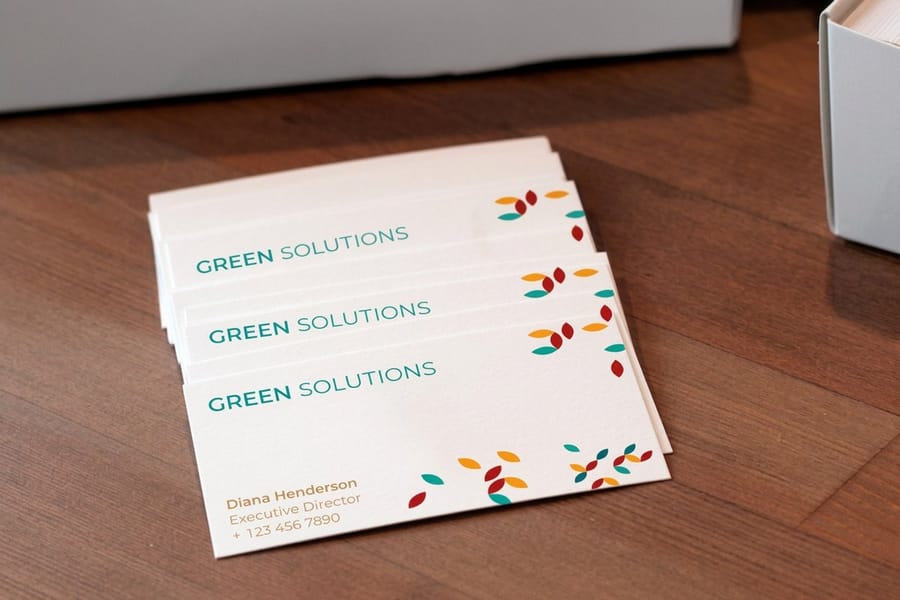
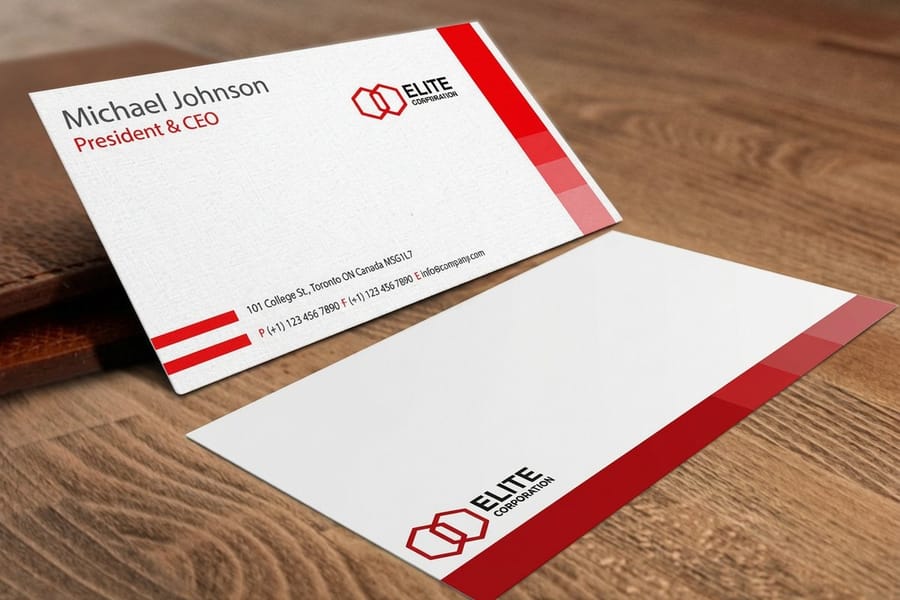
Word of mouth marketing statistics prove that tangible experiences drive recommendations, and that is exactly where print fits. A thick, textured business card does not just share your contact details, it starts a conversation. People comment on the weight, the finish, and the feel, and that is a referral trigger no digital ad can match.
4OVER4.COM offers 1,000 plus products across 60 plus paper types, so you can create print materials worth talking about. Pair that with our green printing practices, and your brand story includes sustainability, one more reason for customers to recommend you. When your materials look premium and your values line up with your audience, word of mouth follows naturally.
Wally turns referral data into your next order
Statistics are step one. A card worth passing along is step two.
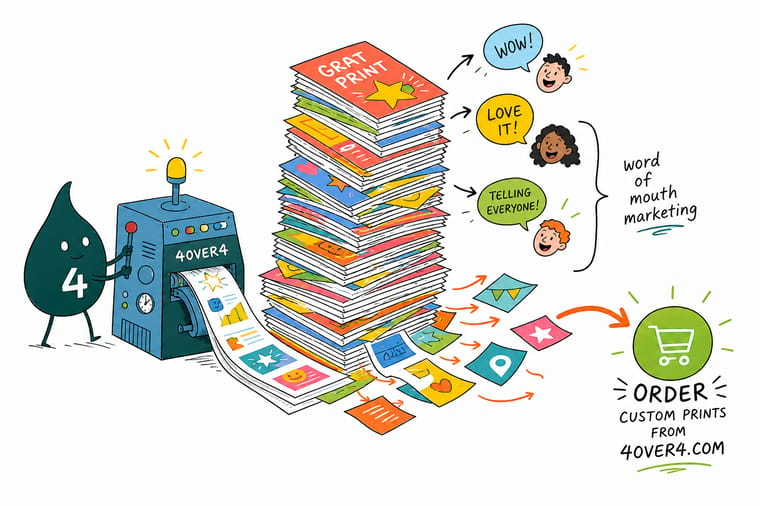
The numbers all point one way: a premium piece in someone's hands beats a message lost in their inbox. Wally's rule is simple. Print business cards heavy enough that people notice the weight, hand out a few extra, and let happy customers do the referring for you. Every card you give away is a referral seed.
Order business cards →Proof, not promises
The referral signals in our own numbers
These figures come straight from our side of the press: the reorder rate, review score, and free cards that show how a good print experience turns into organic recommendations, piece after piece.
Stock, finishing and price
What a card worth passing along costs to print
Business cards are the print product most likely to be handed off and passed along, so they are where referral marketing meets the press. Here is current pricing and the full specifications so you can match stock and finish to the impression you want to make.
| Quantity | Price Per Unit | Total |
|---|---|---|
| 100 | 17.6¢ | $17.57 |
| 200 | 11.5¢ | $23.07 |
| 300 | 9.15¢ | $27.46 |
| 400 | 7.96¢ | $31.86 |
| 500 | 7.25¢ | $36.26 |
| 600 | 6.77¢ | $40.64 |
| 700 | 6.43¢ | $45.04 |
| 800 | 6.18¢ | $49.43 |

Print it
The print products that earn referrals
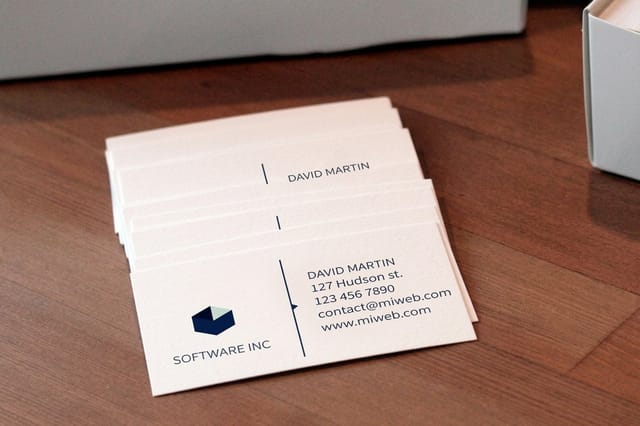
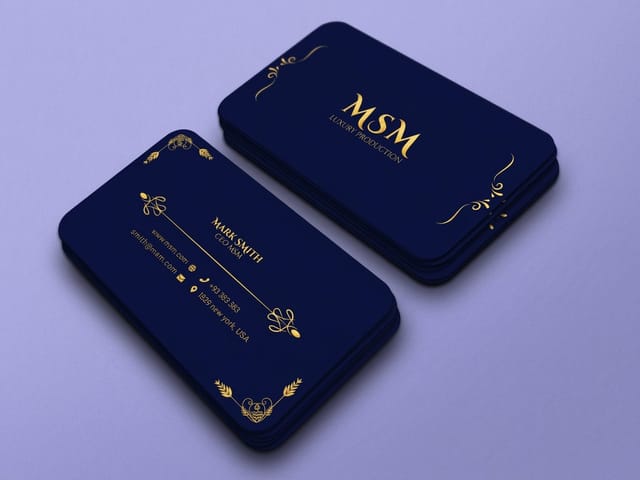
Knowing the statistics is step one. Putting a piece in someone's hands that they want to pass along is step two. Here are the products marketers reach for when they turn referral data into orders.


Why marketers trust us
The card printing record behind these referral figures
Every benchmark here sits on a long record of getting print right. A 4.8 out of 5 average across 10,000 plus reviews, 150,000 plus businesses served, and printing since 1999 are the trust signals behind the numbers, so you can plan a referral push knowing the pieces will land sharp and on time.
How we built this
Where these word of mouth figures come from
Every data point here comes from published research by recognized organizations: Nielsen, McKinsey, Bain and Company, the Wharton School of Business, HubSpot, BrightLocal, Extole, and others. We cross-referenced findings across sources to confirm consistency. 4OVER4.COM's own figures, including 10,000 plus reviews, a 4.8 out of 5 rating, and a 99 percent reorder rate, come from internal records spanning 25 plus years. No numbers were fabricated, and where the source data gives a range we kept the full range.

Get Started
Ready to put these word of mouth statistics to work?
Print a business card worth passing along, hand out a few extras, and let happy customers do the referring for you.
Legal Disclaimer
Gold Standard guarantees apply to all standard orders placed through 4over4.com. Price match requires verifiable proof of a competitor's published price for an equivalent product with matching specifications and turnaround time. Satisfaction guarantee covers manufacturing defects and print quality issues. Contact support with order number and documentation. On-time delivery rate based on tracked orders 1999 to 2026. Individual results may vary based on shipping carrier performance.
Explore more
Referral data, card products, and small business guides
 Statistics Small Business Statistics The broader benchmarks this referral data rolls up into.
  Statistics Small Business Marketing Where referral channels beat paid ones on return.
  Statistics Small Business Growth How referral-worthy experiences drive faster growth.
  Statistics Failure Rate Data Why weak reputations and no referral engine close doors.
  Statistics Startup Statistics Why lean teams cannot afford to waste acquisition budget.
  Statistics Marketing Budget Benchmarks Where referral programs fit in a lean marketing budget.
 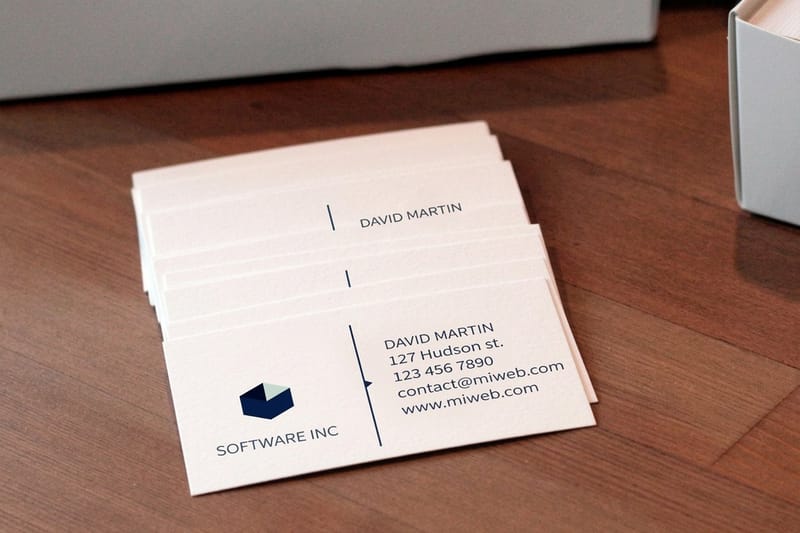 Product Business Cards Print the card people notice, keep, and pass along.
  Benefit Green Printing A sustainability story customers feel good recommending.
  Samples Free Samples Feel the stock before you print a card worth sharing.
  FAQs Printing FAQs Answers on stock, sizes, proofs, and turnaround.
 Questions and answers
Common questions about word of mouth and referral data
Trust, conversion, revenue impact, and how print fits in, answered.
What percentage of consumers trust word of mouth recommendations?
According to Nielsen, 92 percent of consumers trust recommendations from friends and family over every other form of advertising, which makes word of mouth one of the most compelling data points for any acquisition plan. Online reviews from strangers rank close behind at 88 percent trust, per BrightLocal.
How much do referrals influence purchasing decisions?
McKinsey research shows word of mouth is the primary factor behind 20 to 50 percent of all purchasing decisions. Referred buyers also carry a 16 percent higher lifetime value than non-referred customers, according to the Wharton School of Business, so they spend more, stay longer, and refer others.
What is the average conversion rate for referral programs?
Extole data shows the average referral program converts at 3 to 5 percent. Compare that to cold email at 1 to 2 percent or display ads at 0.1 to 0.3 percent. The built-in trust of a personal recommendation makes referred leads much warmer and easier to close.
How does negative word of mouth compare to positive?
Negative word of mouth spreads fast. The White House Office of Consumer Affairs found unhappy customers tell 9 to 15 people about a bad experience, and Review Trackers found 94 percent of consumers avoid a business after a negative review. Consistency is what protects your referral engine.
Do referral programs actually grow revenue faster?
Yes. Referral Rock found that companies with formalized referral programs see 86 percent more revenue growth over two years than those without one. The key is structure: a clear incentive, an easy way to share, and a product experience that earns the referral in the first place.
How does physical print drive word of mouth?
Physical products start conversations that digital content does not. A thick, textured business card gets noticed, held, and passed along. 4OVER4.COM has printed over 10 billion cards, and reviews frequently mention sharing or recommending the product to colleagues.
How can I test the print quality before ordering?
Order free samples from 4OVER4.COM to feel the paper stocks and compare finishes before you place a full order. A card that feels premium is the kind people keep and pass along, which is exactly what turns one customer into your next referral.
