
Startup Statistics Every Founder Should Know in 2026


Failure rates, funding sources, founder demographics, and survival odds, set against the order data behind 25 plus years of printing launch materials at 4OVER4.
Startup statistics tell a clear story: most new businesses run lean, few raise venture capital, and the ones that build credibility early tend to last longer. With 150,000 plus businesses printing with 4OVER4.COM and 10 billion plus cards produced, the founders who invest in tangible brand materials from day one give themselves an edge the data keeps confirming.
The short version
What the latest startup statistics tell us
Startup statistics are not just for economists and venture capitalists. They are for the founder at a kitchen table deciding whether to leap, for the entrepreneur who just closed a first round and needs every dollar to count, and for the owner two years in wondering whether lean is normal. The numbers say most companies launch on savings, few raise venture capital, and the ones that build credibility early tend to last longer. 4OVER4.COM has printed over 10 billion cards since 1999, a huge share of them for startups getting their name out for the first time, so the patterns below match what we watch play out across our customer base.
Why it matters
Why startup statistics matter for new founders

Startup statistics turn a leap of faith into a plan you can defend. Physical materials a young company puts into the world, business cards, pitch folders, branded packaging, shape how seriously people take it, and the founders who invest early tend to build trust faster.
If you are building the case for your first orders, start with the hard data. Our breakdown of small business growth shows where new companies expand, and the wider small business statistics hub pulls the full picture together. Grab a set of blank templates to design your brand materials while you plan the next move.
The sections below break down every angle, from failure and funding to demographics, survival, and marketing spend, drawing on the most cited sources in the space so you can plan on evidence rather than gut feel.

By the numbers
Startup performance at a glance
Here are the headline figures founders reach for first, drawn from federal data and peer reviewed research. Most startups run lean, few raise venture capital, and new business formation still sits near record highs. Set those benchmarks against 25 plus years of printing launch materials at 4OVER4.COM and the pattern is consistent: the companies that look established get taken seriously sooner.
Failure, funding and founders
Startup statistics across funding, failure, and founders
Startup statistics cover a lot of ground, from failure rates and funding sources to who is starting companies and which industries survive. Here is the full breakdown so you can benchmark your own progress against realistic targets rather than Silicon Valley outliers.
Startup failure rate statistics and what drives them
The startup failure rate is the number every founder asks about first. Roughly 20 percent of new businesses close within their first year, about half are gone by year five, and only around 35 percent are still trading at the ten year mark, according to U.S. Bureau of Labor Statistics data.
Those odds have held steady for two decades, but the causes have shifted. Cash flow trouble remains the top killer, while market misfit and poor timing have climbed the list. Startups that burn through funding before they find product market fit tend to collapse fast.
Failure rates also swing hard by industry. To see how small companies close their doors by sector and stage, our data on small business failure rate breaks it down, and the wider small business statistics hub sets the full context.
Startup funding statistics: where the money comes from
Startup funding statistics look nothing like the headlines. Fewer than 1 percent of startups raise venture capital, so the vast majority bootstrap, borrow from family, or spend personal savings to get going.
The median cost to launch a U.S. startup sits near 30,000 dollars, per the Small Business Administration. Service businesses can open for under 5,000 dollars, while product companies carrying inventory can pass six figures before their first sale. Angel investors back roughly 60,000 to 70,000 startups a year, with deals near 350,000 to 400,000 dollars.
For the few who raise institutional money, the average Series A ran close to 18 million dollars in 2024, per PitchBook. Getting there takes traction, a strong team, and usually a warm introduction rather than cold outreach.
New business statistics: who is starting companies

New business statistics show entrepreneurship running hot. Americans filed about 5.5 million new business applications in 2024, keeping formation near the record levels first set in 2021.
The founder profile is shifting too. MIT research puts the average age of a successful startup founder at 45, which runs against the young prodigy stereotype. Women owned businesses grew about 21 percent over five years, outpacing overall growth, though Black founders still receive less than 2 percent of venture funding.
Geography is opening up as well. San Francisco and New York still lead on total dollars, but Austin, Miami, Denver, and Nashville have posted explosive growth. For the wider view, our small business growth data tracks where new companies are heading.
Startup survival rates by industry
Not every startup faces the same odds. Healthcare and social assistance businesses post some of the highest five year survival rates, around 60 percent, and finance and insurance companies also tend to outlast the average.
Restaurants sit at the other end. Roughly 60 percent close within the first year and nearly 80 percent do not reach five, squeezed by thin margins, high labor costs, and fierce competition. Construction and retail land in the middle, cyclical but durable once past the early years.
Technology startups blur the line. Many that fail in the traditional sense pivot or get acqui-hired, so the definition of failure is fuzzier than in brick and mortar trades.
Marketing spend and brand building for startups
How founders spend early marketing dollars says a lot about what works. The Small Business Administration suggests companies under 5 million dollars in revenue put 7 to 8 percent of revenue toward marketing, while growth stage startups often push to 15 or 20 percent to build awareness fast.
Digital dominates most budgets, but physical materials remain a critical touchpoint. Business cards, folders, brochures, and branded packaging create tangible brand moments that ads cannot copy. Across 150,000 plus businesses, we see the startups that invest in professional print early build credibility faster.
For a deeper breakdown of how small companies split their spend, our small business marketing data and the marketing budget benchmarks give you concrete numbers to plan around.
Compare the numbers
How startup metrics compare across sources and stages
Startup statistics read very differently depending on where a company sits and how it is funded. The tables below line up where launch money comes from and which industries survive, so you can weigh your own stage against the benchmarks that actually apply to it.
| Source | What the data shows |
|---|---|
| Personal savings and bootstrapping | The default for the vast majority of new founders. |
| Friends and family | Common early capital before any outside round. |
| Angel investors | Roughly 60,000 to 70,000 startups a year, deals near 350K to 400K dollars. |
| Venture capital | Fewer than 1 percent of startups, average Series A near 18 million in 2024. |
| Crowdfunding | Kickstarter and Indiegogo have raised billions since launch. |
| Industry | Survival pattern |
|---|---|
| Healthcare and social assistance | Among the highest five year survival, around 60 percent. |
| Finance and insurance | Above average staying power past the fragile early years. |
| Construction and retail | Middle of the pack, cyclical demand and tight margins. |
| Restaurants and food service | Roughly 60 percent close in year one, near 80 percent by year five. |
| Technology | Fuzzy failure lines, many pivot or get acqui-hired rather than close. |
| Founder metric | What the research says |
|---|---|
| Average founder age | 45 for successful founders, per MIT research. |
| Women owned businesses | Grew about 21 percent over five years, outpacing overall growth. |
| Education | About 44 percent hold a bachelor degree, roughly 30 percent a graduate degree. |
| Geography | Austin, Miami, Denver, and Nashville joined the coasts as startup hubs. |
Your stage sets your benchmark. A pre-revenue startup faces different challenges than a company with a million dollars in recurring revenue, and a fintech path to profitability looks nothing like a local bakery timeline. Knowing your industry baseline keeps expectations grounded.
Jobs and the economy
Startups, jobs, and economic impact
Startups punch above their weight on jobs. Companies less than a year old create close to 3 million new jobs a year in the United States, per the Kauffman Foundation, which is roughly all net new job creation once older firms are netted out. Small businesses, many of which began as startups, employ about 61 million people, nearly half the private workforce.
The ripple effects run wider than payroll. New companies raise competition, push incumbents to improve, and lift wages in regions with dense startup activity. For the broader picture on how these companies grow, our small business statistics hub tracks the full pipeline.
Real quotes
What founders say about building a brand with print
We launched with nothing but a logo and 500 business cards from 4OVER4.COM. Those cards opened more doors in our first three months than our entire social media presence. People kept them. They remembered us.
Verified customer, Founder, SaaS Startup
I did not realize how much credibility a well designed business card could add until I started handing them out at investor meetings. The 32pt stock from 4OVER4.COM felt like money. People noticed.
Verified customer, Co-founder, Health Tech Startup
Wally turns startup data into a launch plan
Credibility gets built, not assumed.
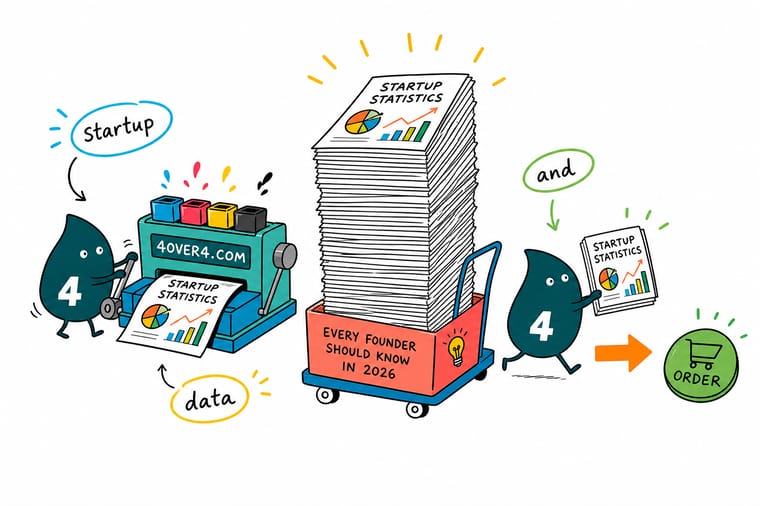
Startups live and die on first impressions. The data says founders who invest early in tangible brand materials build trust faster and stick around longer. Wally's rule is simple. Print a business card that feels like the company you want to become, hand it to the people who matter, and back it with materials that match. Standard business cards are the fastest, cheapest way to put this data to work on day one.
Print your business cards →The human side
Entrepreneur statistics beyond the balance sheet
Entrepreneur statistics also cover the human cost. A UC Berkeley study found 72 percent of founders report mental health concerns, with anxiety and burnout leading the list. The isolation of building a company, paired with financial pressure and uncertainty, takes a real toll.
Even so, entrepreneurs report higher life satisfaction than the general population. The autonomy, sense of purpose, and potential upside keep people coming back, and about 60 percent who close one company go on to start another. Education varies widely too, with roughly 44 percent holding a bachelor degree and about 30 percent a graduate degree, which proves formal credentials are not a prerequisite for building something real.
Funding conditions have swung hard since 2022. After global venture investment topped 643 billion dollars in 2021, the market corrected to roughly 285 billion dollars in 2023 before stabilizing, with AI startups absorbing an outsized share. For bootstrapped founders, thinner competition for capital has actually opened room to grow on revenue.
Proof, not promises
Startup printing by the numbers at 4OVER4
Here are the figures from our side of the press, the delivery, quality, and range signals that round out the picture for founders planning a launch in 2026 and beyond. A 99.8 percent on-time delivery rate keeps your launch schedule intact, and a 4.8 out of 5 average across 10,000 plus reviews shows the print quality holds up order after order.
Myths vs facts
Clearing up startup misconceptions
A few myths steer founders wrong before they even start. The pairs below set each common assumption against what the startup statistics actually show, so you can plan your launch on evidence rather than folklore.
Most startups fail because the idea was bad.
Cash flow problems top the list of causes, with market misfit and poor timing close behind, so runway and demand matter more than the pitch.
You need venture capital to build a real company.
Fewer than 1 percent of startups raise VC, and the median launch runs near 30,000 dollars, so most founders grow on revenue and savings.
Successful founders are all in their twenties.
MIT research puts the average age of a successful founder at 45, where industry experience and networks pay off.
Branding is a luxury a startup can skip early.
Startups that invest in professional materials build credibility faster, and our order data shows early reorders track with longer survival.
Stock, finishing and price
Business card pricing and specifications
For founders ready to act on these numbers, here is current pricing for Standard Business Cards, the first brand asset most startups print, alongside the full specifications so you can match the right stock and finish to your launch.
| Quantity | Price Per Unit | Total |
|---|---|---|
| 100 | 17.6¢ | $17.57 |
| 200 | 11.5¢ | $23.07 |
| 300 | 9.15¢ | $27.46 |
| 400 | 7.96¢ | $31.86 |
| 500 | 7.25¢ | $36.26 |
| 600 | 6.77¢ | $40.64 |
| 700 | 6.43¢ | $45.04 |
| 800 | 6.18¢ | $49.43 |

Print it
The materials founders reach for at launch
Knowing the startup statistics is step one. Building the brand that earns trust is step two, and it starts with the right pieces. Here are the products founders reach for most when they put these numbers to work.
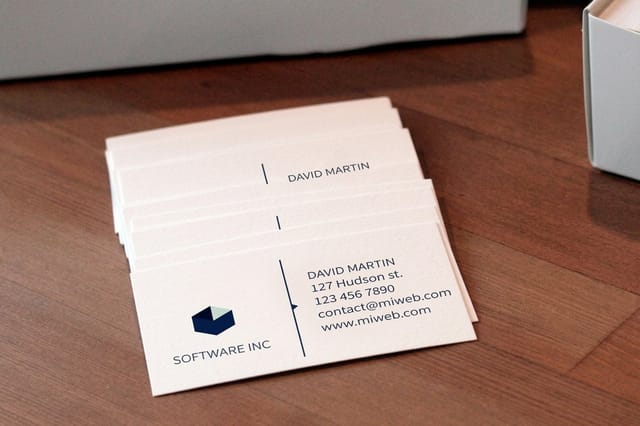
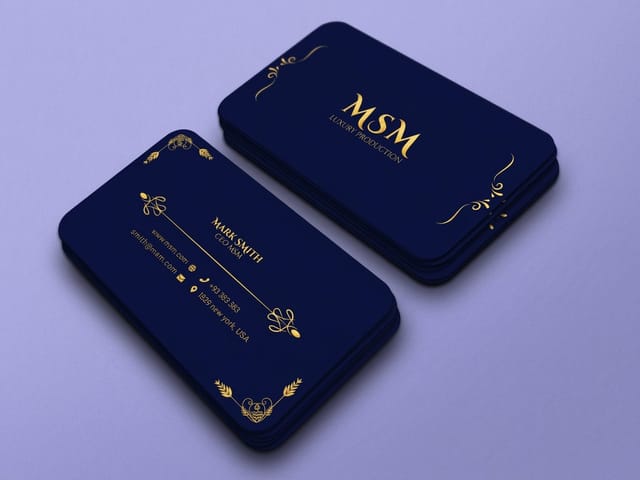


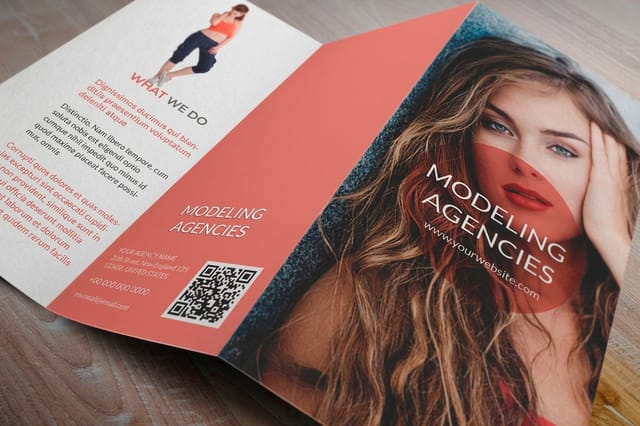
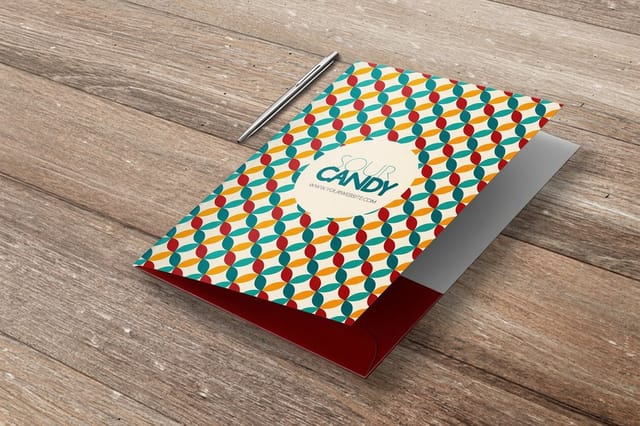
What our print data reveals
How 4OVER4 supports startups from day one
4OVER4.COM was built for businesses that need professional print without corporate budgets, which describes most startups. With 1,000 plus products and 60 plus paper types, founders can start with a single box of cards and scale as revenue grows. Grab blank templates to get your artwork print ready with bleed and safe margins already built in.
Our order data backs the pattern in the research. Startups that reorder within 90 days of a first purchase show higher survival in our system than one time buyers, and a 99 percent reorder rate across all customers suggests founders keep coming back once they see the quality. Some of the most creative launches even start in our kids printing collection before scaling into full commercial runs, and bigger brand ideas move into custom printing as they grow.
Your card stock, finish, and print quality directly affect whether a prospect files you under serious or forgettable. A card on 32pt Ultra Thick stock with a soft touch finish does not just get read, it gets kept, and that is the difference between blending in and standing out at a launch event or investor meeting.
As a bootstrapped founder, every dollar counts. 4OVER4.COM gave us agency quality business cards and postcards at prices that did not wreck our budget. We have reordered four times now.
Verified customer, Founder, E-commerce Startup
Why founders trust us
Backed by 25 plus years of printing
Every benchmark on this page sits on a long record of getting print right. A 4.8 out of 5 average across 10,000 plus reviews, 150,000 plus businesses served, and print since 1999 are the trust signals behind the numbers, so you can launch knowing the pieces will land sharp and on time.
How we built this
How we compiled this startup data
The startup statistics on this page draw from publicly available data published by the U.S. Bureau of Labor Statistics, U.S. Census Bureau, U.S. Small Business Administration, Kauffman Foundation, PitchBook, and peer reviewed research from institutions like MIT and UC Berkeley. Our internal figures reflect patterns across 150,000 plus businesses served since 1999. We refresh the page as new data lands so the numbers stay useful for founders making real decisions.

Get Started
Ready to put these startup statistics to work?
Pick a format, drop in your design or a free template, and we will print it sharp on premium stock and ship it on time.
Legal Disclaimer
Gold Standard guarantees apply to all standard orders placed through 4over4.com. Price match requires verifiable proof of a competitor's published price for an equivalent product with matching specifications and turnaround time. Satisfaction guarantee covers manufacturing defects and print quality issues. Contact support with order number and documentation. On-time delivery rate based on tracked orders 1999 to 2026. Individual results may vary based on shipping carrier performance.
Explore more
Keep going across the startup and small business silo
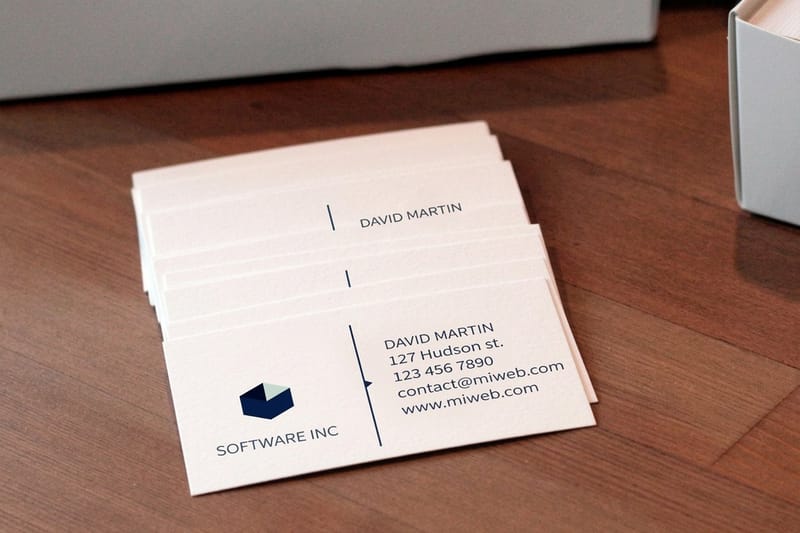 Product Standard Business Cards The first brand asset most founders print, ready in minutes.
  Guide How to Make Business Cards Design, set up, and print a startup card step by step.
  Statistics Small Business Failure Rate Why companies close, broken down by sector and stage.
  Statistics Small Business Growth Where new companies are expanding and how fast.
  Statistics Small Business Marketing How lean teams split budget across channels that convert.
  Showcase Business Card Showcase Real card designs across stocks, shapes, and finishes.
  Reviews Business Card Reviews What 150,000 plus businesses say about our cards.
  Case study Brand-Building Case Study How a team built its brand with printed materials.
  Location Cards in Austin Local business card printing for a fast growing startup hub.
  Benefit Bulk Discounts Per-piece price drops fast as your print quantity climbs.
 Questions and answers
Common questions about startup statistics and new business data
Failure rates, funding, founder age, survival, branding, and samples, answered.
What percentage of startups fail within the first five years?
According to U.S. Bureau of Labor Statistics data, about 50 percent of startups fail within five years. The rate varies by industry, with restaurants closing faster than healthcare businesses. Cash flow problems and lack of market demand are the two reasons founders cite most when they shut down.
How much funding does the average startup need to launch?
The median launch cost is around 30,000 dollars, per the SBA. Service businesses can start for under 5,000 dollars, while product companies carrying inventory may need six figures. Fewer than 1 percent of startups raise venture capital, so most founders use personal savings, family loans, or bootstrap entirely.
What is the average age of a successful startup founder?
MIT research found the average age of a successful startup founder is 45. The data challenges the myth of the young tech genius, since older founders bring industry knowledge, professional networks, and financial stability that correlate with higher success rates.
How many new businesses are started each year in the U.S.?
U.S. Census Bureau figures show about 5.5 million business applications were filed in 2024. That number has stayed elevated since the record surge in 2021, driven partly by remote work flexibility and changing career priorities.
Do startups that invest in branding survive longer?
The data consistently shows that startups investing in professional branding build credibility faster. Our internal figures show startups that reorder print within 90 days keep higher retention in our system. Tangible touchpoints like business cards and folders create impressions digital-only marketing cannot match, and you can bridge print to digital with QR code business cards.
What industries have the highest startup survival rates?
Healthcare and social assistance businesses lead with roughly 60 percent five year survival, and finance and insurance also beat the average. Restaurants and food service post the lowest rates, with about 60 percent closing in the first year on thin margins and high costs.
How much should a startup spend on marketing, and can I test the print first?
The SBA recommends businesses under 5 million dollars in revenue put 7 to 8 percent of revenue toward marketing, while growth stage startups often spend 15 to 20 percent. Balance digital with physical pieces, and order free samples first so you can feel the stock before you commit to a full run.
