
Fundraising Statistics Every Nonprofit Should Know


Where donor dollars come from, how appeals perform, and which printed pieces convert, set against 25 plus years of nonprofit printing at 4OVER4.
Fundraising still runs on print. Direct mail appeals pull 5 to 9 percent response against under 2 percent for email, printed thank-you cards push first-time retention above 60 percent, and events lean on programs, signage, and invitations. With 150,000 plus businesses printing at 4OVER4.COM and 10 billion plus cards produced, the data backs what fundraisers feel: a piece you can hold gets a gift.
The short version
What the fundraising statistics tell us
Fundraising statistics reveal where donor dollars come from, how campaigns perform, and which outreach methods actually work. For nonprofits and schools running capital campaigns, galas, or peer-to-peer drives, these numbers guide smarter decisions about print materials, direct mail appeals, and event collateral. 4OVER4.COM has printed for 150,000 plus businesses, including nonprofits, schools, and community groups that rely on printed fundraising assets to hit their goals, and our Help Center is ready whenever you need printing support.
Read the room
Why fundraising data matters for your next campaign
Fundraising statistics are more than numbers on a page, they are a roadmap. When you know that direct mail still drives a big share of charitable giving, or that peer-to-peer campaigns outperform traditional asks with certain audiences, you can allocate budget with confidence instead of guessing.
The nonprofit sector has changed fast, with social channels growing year over year while in-person events and printed materials keep their pull. For context on how other industries plan their marketing spend, see wedding industry statistics and industry marketing statistics from the 4OVER4.COM research library.

By the numbers
Four fundraising figures worth budgeting against
Here are the headline figures fundraisers reach for first when they plan a campaign, drawn from published research and our own production data. Charitable giving is measured in the hundreds of billions, direct mail appeals hold a response-rate edge over email, and the pieces donors can hold get acted on. Set those benchmarks against 25 plus years of nonprofit printing at 4OVER4.COM and the picture stays consistent.
The big picture
The state of charitable giving and donor behavior
Charitable giving in the United States reached roughly $557 billion in 2023, according to Giving USA. That is a large pool of donor dollars, and organizations compete hard for their share. Individual donors account for about 67 percent of all giving, which keeps personal outreach and relationship building at the core of successful fundraising.
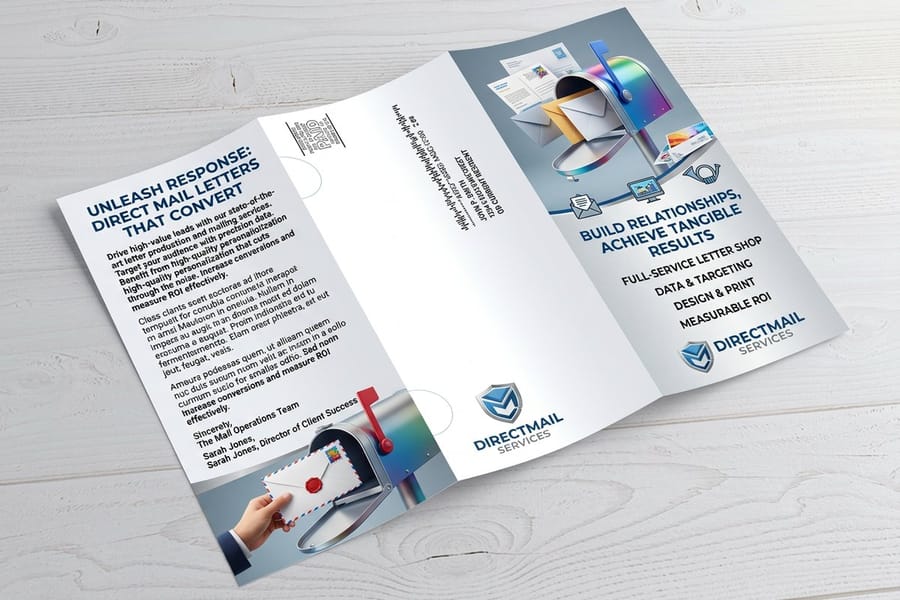
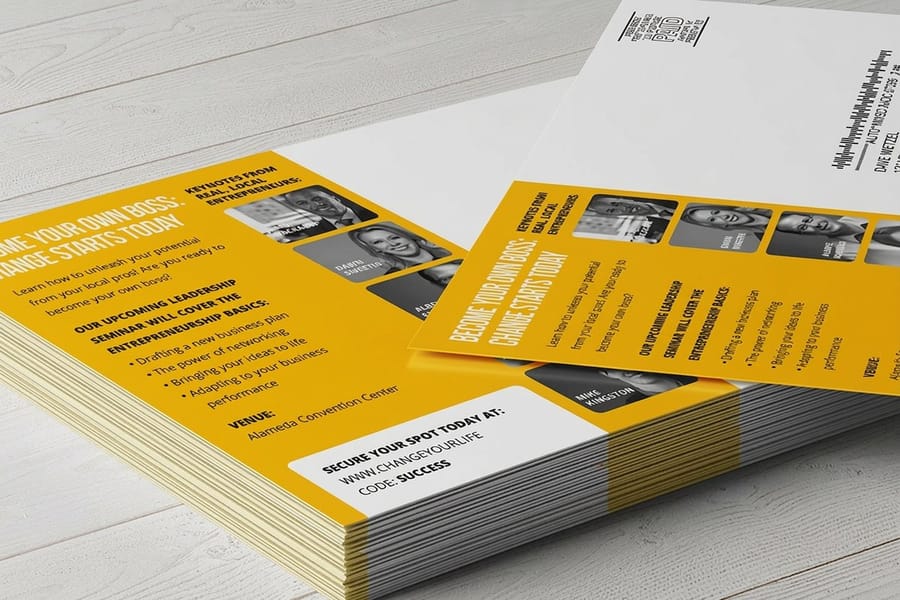
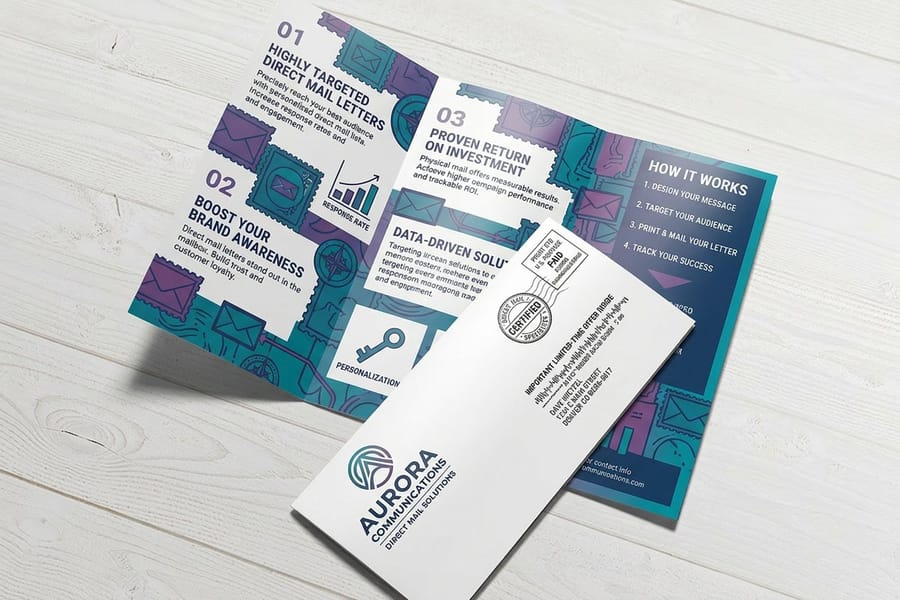
Direct mail stays one of the most reliable channels for nonprofit fundraising. The Association of Fundraising Professionals puts nonprofit direct mail response rates between 5 and 9 percent, far ahead of email response rates that sit near 0.5 to 2 percent. That gap explains why printed appeals, postcards, and event invitations still hold a big share of nonprofit marketing budgets.
For a look at how budget choices shape survival across other sectors, the restaurant failure rate data shows how allocation decisions play out industry by industry.
Networks that give
Peer-to-peer fundraising statistics and growth trends
Peer-to-peer fundraising is one of the fastest growing segments in the nonprofit world. According to the Peer-to-Peer Professional Forum, the top 30 peer-to-peer programs raised over $1.5 billion together in recent years. These campaigns work because they tap into personal networks, with friends asking friends.
The average peer-to-peer fundraiser brings in between $300 and $600 per campaign. That can sound modest, but multiply it across hundreds of participants and the totals add up fast. Walkathons, bike rides, and fun runs drive the bulk of peer-to-peer revenue.
Print materials play a direct role in peer-to-peer success. Participant kits with branded flyers, donation cards, and event signage give fundraisers real tools to share with their networks. A well designed fundraising packet makes volunteers feel supported and donors feel confident their money goes to an organized cause.
Classroom campaigns
School fundraising statistics and what works
School fundraising generates an estimated $1.5 billion a year in the United States, according to the Association of Fund-Raising Distributors and Suppliers. The average school fundraiser brings in between $5,000 and $50,000 depending on the size of the school and the type of campaign.
Product sales such as cookie dough, wrapping paper, and candy still account for the largest share of school fundraising revenue. Event based fundraisers like carnivals, auctions, and fun runs are growing because they build community while they raise money.
Printed materials are non negotiable for school campaigns. Order forms, event flyers sent home in backpacks, banners for the gym, and thank-you cards for donors all need quality print. Schools that invest in professional looking materials tend to raise more, because parents and community members take the campaign seriously. For a comparison with how professional services spend, law firm marketing statistics offer a useful benchmark.
Digital reach
Social media fundraising statistics and digital giving
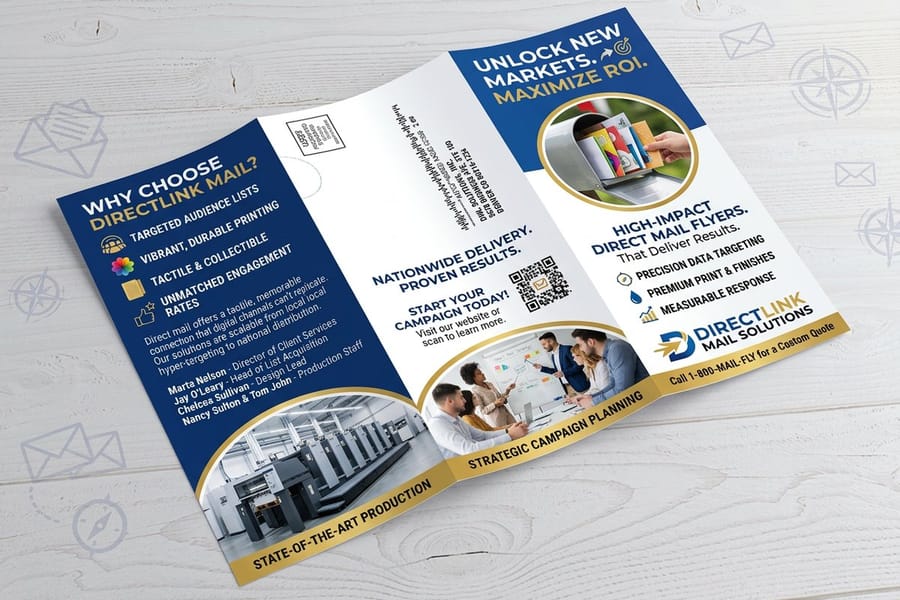
Social media fundraising shows fast growth. Facebook alone has helped raise over $7 billion in charitable donations since launching its fundraising tools, and Instagram, TikTok, and GoFundMe have widened the digital giving landscape further.
According to the Nonprofit Source, 55 percent of people who engage with nonprofits on social media go on to take some action, whether that is donating, volunteering, or sharing the campaign. That engagement rate makes social platforms a strong top of funnel tool for awareness.
Here is the catch. Social media is great at awareness, not always at conversion. The average online donation through social media is smaller than a gift made through direct mail or an in-person event. The nonprofits that raise the most pair digital reach with physical touchpoints, so a donor who sees the campaign on Instagram, gets a printed brochure in the mail, then receives a handwritten thank-you card is far more likely to give again.
Print that converts
Direct mail and print in fundraising campaigns
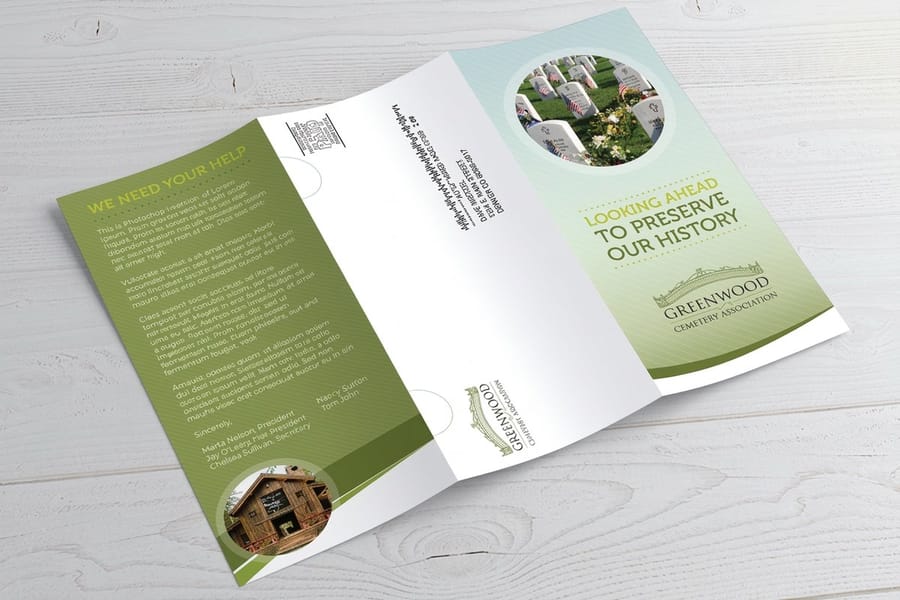
Direct mail fundraising generated roughly $44 billion in charitable contributions in recent years, according to the Data and Marketing Association. That makes it one of the single largest fundraising channels in existence.
Response rates for nonprofit direct mail typically range from 5 to 9 percent, compared with digital channels that often see rates below 1 percent. The tactile nature of a printed appeal, the weight of the paper, the quality of the envelope, and the personal feel of a well designed letter builds an emotional connection that a screen cannot match.
4OVER4.COM has printed 10 billion plus cards across every industry, including thousands of nonprofit direct mail campaigns, event programs, and donor recognition pieces. From thick textured postcards for gala invitations to sturdy banners for charity runs, the right print quality signals professionalism and builds donor trust. For a related take on relationship-driven print, explore real estate marketing statistics.
Keeping donors
Donor retention and printed thank-you materials
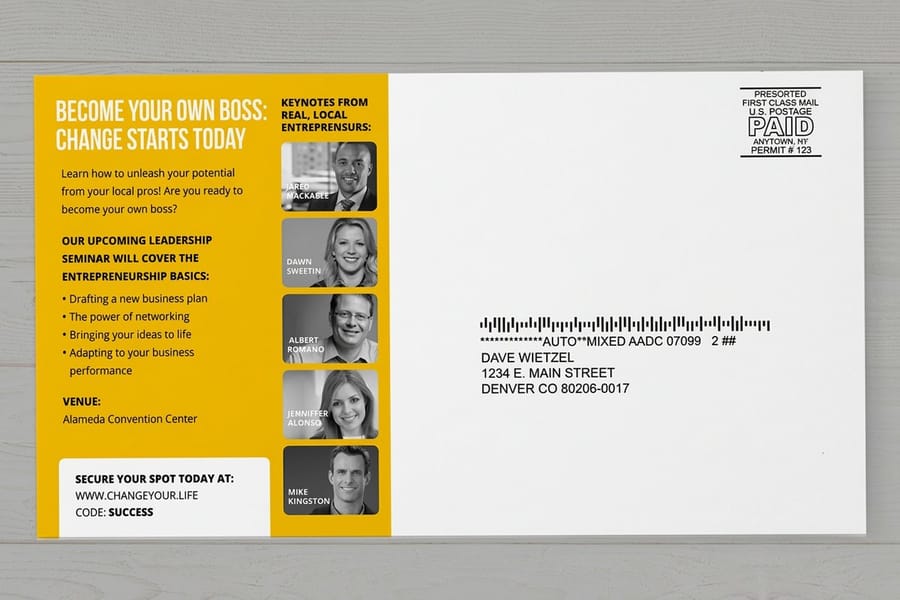
Donor retention rates hover around 45 percent for first time donors, according to the Fundraising Effectiveness Project. That means more than half of new donors never give again. The organizations that beat this average share one habit, which is a real investment in donor stewardship.
Printed thank-you cards, impact reports, and personalized letters are among the most effective retention tools. A study by the Nonprofit Research Collaborative found that organizations sending printed acknowledgments within 48 hours of a gift saw retention climb above 60 percent.
Quality matters too. A generic email gets deleted, while a thick well designed card with a handwritten note ends up on a desk or a refrigerator. It becomes a physical reminder of the donor's generosity and a quiet prompt to give again.
Event night
Event fundraising and printed collateral
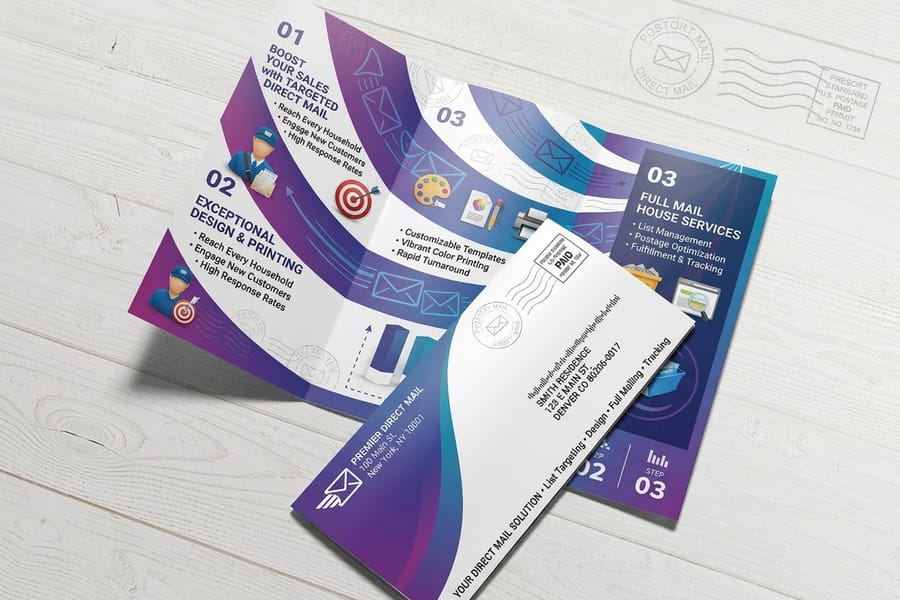
Fundraising events such as galas, auctions, golf tournaments, and charity dinners generate billions in revenue each year. According to the National Philanthropic Trust, event based giving accounts for a large portion of mid level and major gifts.
The printed materials at these events do heavy lifting. Programs, auction catalogs, table cards, signage, and sponsorship recognition displays all add to the professional atmosphere that encourages larger donations. When an event looks polished, attendees feel confident their contributions go to a well run organization.
4OVER4.COM offers 1,000 plus products suited to event fundraising, from rigid foam board signs to premium folded programs on 60 plus paper types. Whether you print 50 VIP invitations on thick cotton stock or 5,000 raffle tickets, the print quality reflects directly on your credibility.
Format and campaign
How fundraising formats and campaigns compare
Not every format or campaign type performs the same, and the right choice depends on your audience, budget, and calendar. The trend is consistent across the board: put a physical piece in a donor's hands and they pay attention. Match the format to the ask and the numbers follow.
| Format | Where it wins |
|---|---|
| Direct mail appeals | Highest response per dollar for year-end and acquisition asks. |
| Event programs and invitations | Set the tone at galas and drive larger in-room gifts. |
| Donor thank-you cards | Push first-time retention above 60 percent when mailed fast. |
| Banners and signage | Anchor charity runs, carnivals, and auction rooms. |
| Plastic fundraising cards | Discount cards that turn local businesses into recurring revenue. |
| Campaign | What the data shows |
|---|---|
| Peer-to-peer | $300 to $600 per participant, powered by personal networks. |
| School fundraisers | $5,000 to $50,000 per campaign, print heavy with parents. |
| Galas and auctions | High average gifts, program and signage intensive. |
| Year-end appeals | Direct mail dominates the November and December giving surge. |
| Social campaigns | Great for awareness, converted through mailed follow-up. |
Your format choice should match your goal. A year-end acquisition push calls for direct mail postcards. A major-donor ask calls for a letter package. A gala calls for programs, signage, and premium invitations. Each campaign type has its own benchmarks, but the common thread is a printed piece that feels credible.
Make it relevant
Pairing print with your digital push
Personalized fundraising outreach outperforms generic asks by a wide margin. Variable data printing lets you customize each piece, including the name, giving history, suggested amount, and even the image, based on donor records. The more relevant the appeal, the higher the response, and print gives you the tactile trust that a screen cannot.
Digital giving has made printed appeals obsolete.
Direct mail still drives about $44 billion in charitable gifts a year, with nonprofit response rates of 5 to 9 percent versus under 2 percent for email.
Social media is the best channel for raising money.
Social is strong for awareness, but the average online gift runs smaller than a mailed appeal, so top nonprofits use it to drive traffic, then convert through print.
A thank-you email is enough to keep a donor.
First-time donor retention sits near 45 percent, and groups that mail a printed thank-you within 48 hours push retention above 60 percent.
Professional print is out of reach for small nonprofits.
The 4OVER4.COM Non-Profit Program gives qualifying groups free business cards and free shipping, so a tight budget still gets premium materials.
Side by side
How fundraising channels stack up
Fundraising statistics become most useful when you compare channels side by side. Every dollar competes for the best return, and the comparison below puts direct mail, email, social, and peer-to-peer events in context so you can decide where to focus your budget.
| Channel | Response | Trust and recall | Cost | Trackable |
|---|---|---|---|---|
| Direct mail appeals | 5 to 9 percent response | High, kept and re-read | Higher per piece | Yes, with codes and QR |
| Email appeals | 0.5 to 2 percent response | Low, easy to delete | Very low per send | Yes |
| Social media | 55 percent take some action | Awareness first, not conversion | Low per impression | Yes |
| Peer-to-peer events | $300 to $600 per fundraiser | Personal, network driven | Kit and print costs | Yes |
Direct mail wins on trust, response, and memorability. Digital wins on speed and cost per impression. The smartest fundraising teams do not pick one, they use both. A social post that drives someone to a landing page, followed by a mailed appeal, combines the strengths of each channel.
Older donors tend to respond more strongly to direct mail, while younger donors often engage first through social before converting through other channels. For a look at how healthcare organizations manage similar multi-channel decisions, see healthcare marketing statistics.
Wally turns the data into your next appeal
Statistics are step one. The mailed piece is step two.
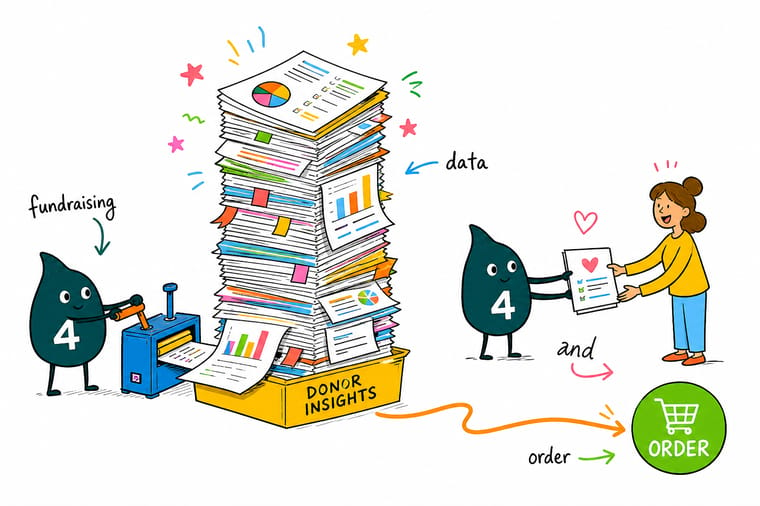
The numbers point one way. A premium piece in a donor's hands beats a message lost in an inbox. Wally's rule is simple. Lead with a printed appeal, thank every donor on a card within 48 hours, and let the response rate compound. Postcards carry the highest response per dollar, so they are the fastest way to put this fundraising data to work.
Order postcards →Proof, not promises
What our nonprofit mail runs show on stock and timing
Here are the figures from our side of the press, the volume, delivery, and quality signals that round out the picture for fundraising teams planning campaigns in 2026 and beyond. A 99.8 percent on-time delivery rate keeps your appeal on schedule, and 60 plus paper types let you match the stock to the ask.
Stock, finishing and price
Postcards at 50 for $16.48, mailed 500 for $89.68
For teams ready to act on these numbers, here is current pricing for Postcards, the direct mail format with the highest response per dollar, alongside the full specifications so you can match the right stock and finish to your appeal.
| Quantity | Price Per Unit | Total |
|---|---|---|
| 50 | 33.0¢ | $16.48 |
| 100 | 24.2¢ | $24.16 |
| 200 | 15.9¢ | $31.86 |
| 300 | 12.8¢ | $38.45 |
| 400 | 11.3¢ | $45.04 |
| 500 | 10.3¢ | $51.62 |
| 600 | 9.89¢ | $59.31 |
| 700 | 9.57¢ | $67.00 |

Start from a blank
Appeal templates with the trim and mailing panel set
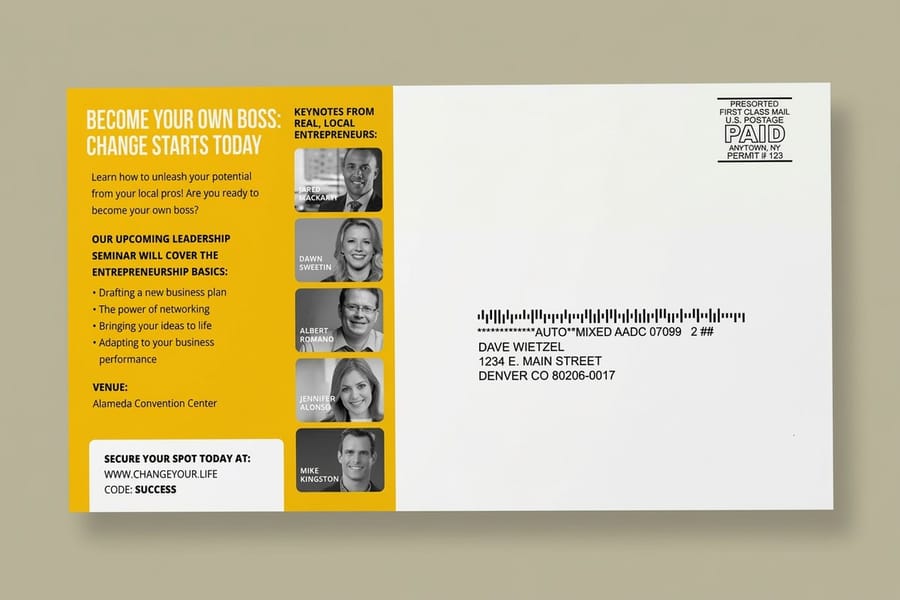
Need a head start on design? This blank template makes it easy to get your fundraising artwork print-ready, with bleed and safe margins already built in.
Print it
The fundraising products teams reach for most
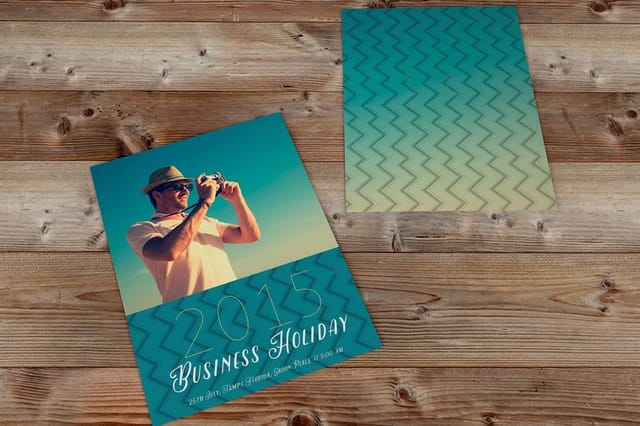
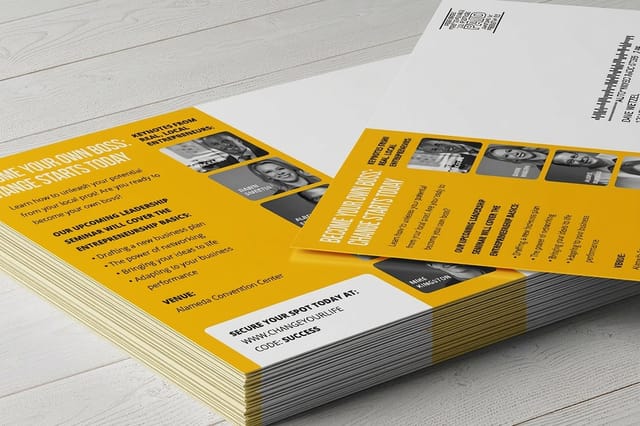
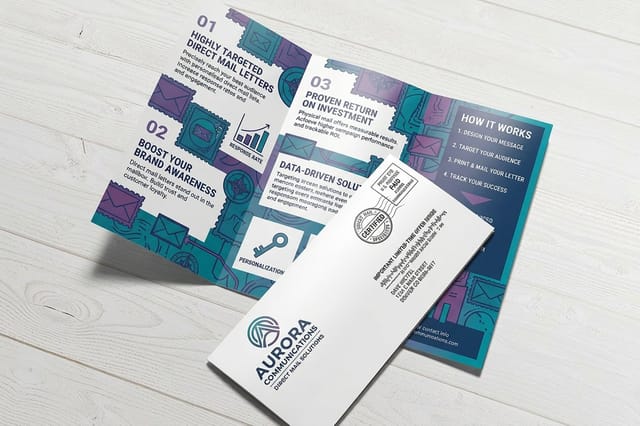
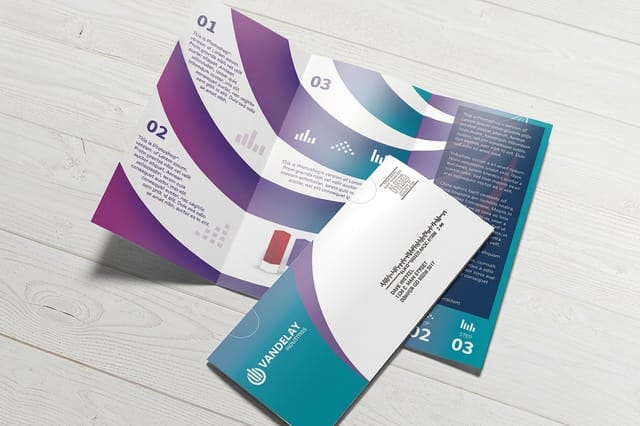
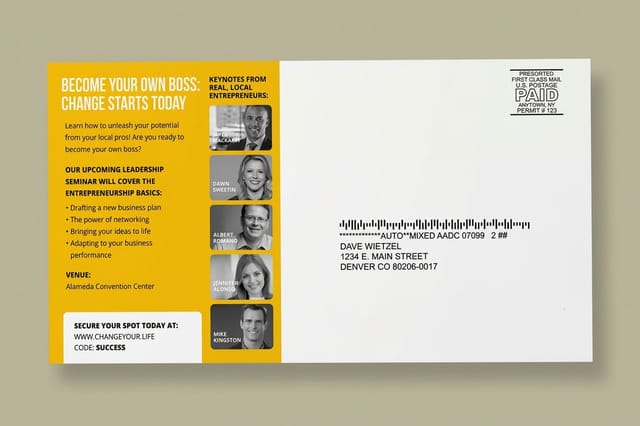
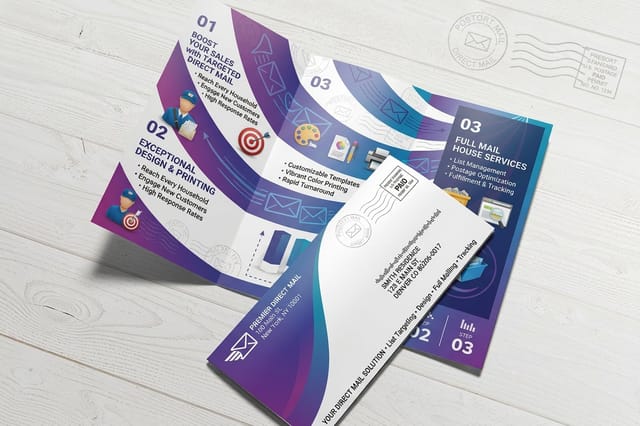
Knowing the fundraising statistics is step one. Running a campaign that actually hits those benchmarks is step two, and it starts with the right piece. Here are the products fundraising teams reach for most when they put these numbers to work.
What our print data reveals
What our nonprofit clients tell us about print
After printing for 150,000 plus businesses, many of them nonprofits, schools, and community organizations, 4OVER4.COM sees clear patterns in how fundraising teams use print. Nonprofit clients order three categories more than any other, which are direct mail appeals, event collateral, and donor thank-you cards. Seasonal spikes land in November and December for year-end giving, April and May for spring galas and school events, and September for back-to-school campaigns.
Organizations that reorder printed fundraising materials tend to raise their quantities over time. That pattern suggests the campaigns are working and that print delivers measurable return. With 99.8 percent on-time delivery, 4OVER4.COM helps fundraising teams hit tight deadlines without the stress.
We have reordered our annual appeal letters from 4OVER4.COM three years running. The paper quality makes our organization look established and trustworthy, which matters when you are asking people for money.
Verified customer, Executive Director, Youth Mentorship Alliance
Why fundraisers trust us
The press behind these donor response figures
Every benchmark on this page sits on a long record of getting fundraising print right. A 4.8 out of 5 average across 10,000 plus reviews, 150,000 plus businesses served, and print delivered since 1999 are the trust signals behind the numbers, so you can plan an appeal knowing the pieces will land sharp and on time.
How we built this
Which studies and sector reports these figures use
The fundraising statistics on this page come from publicly available reports by Giving USA, the Association of Fundraising Professionals, the Peer-to-Peer Professional Forum, the Data and Marketing Association, the Fundraising Effectiveness Project, and the National Philanthropic Trust. Internal figures reflect patterns observed across 4OVER4.COM's 150,000 plus business clients over 25 plus years of printing. All numbers represent the most recently available data at the time of publication.

Get Started
Start the appeal: 50 postcards at $16.48, 500 mailed at $89.68
Pick a format, drop in your design or a free template, and we will print it sharp on premium stock and ship it on time for your campaign.
Legal Disclaimer
Gold Standard guarantees apply to all standard orders placed through 4over4.com. Price match requires verifiable proof of a competitor's published price for an equivalent product with matching specifications and turnaround time. Satisfaction guarantee covers manufacturing defects and print quality issues. Contact support with order number and documentation. On-time delivery rate based on tracked orders 1999 to 2026. Individual results may vary based on shipping carrier performance.
Explore more
More across the fundraising and statistics silo
Statistics Industry Marketing Statistics The parent hub of benchmarks across every sector we track.  Statistics Wedding Industry Statistics How the wedding market plans and spends on print.
  Statistics Restaurant Failure Rate How budget choices shape survival across an industry.
  Statistics Law Firm Marketing What professional services spend to win new clients.
  Statistics Real Estate Marketing Relationship-driven print that keeps agents top of mind.
  Statistics Healthcare Marketing Multi-channel benchmarks from the healthcare sector.
 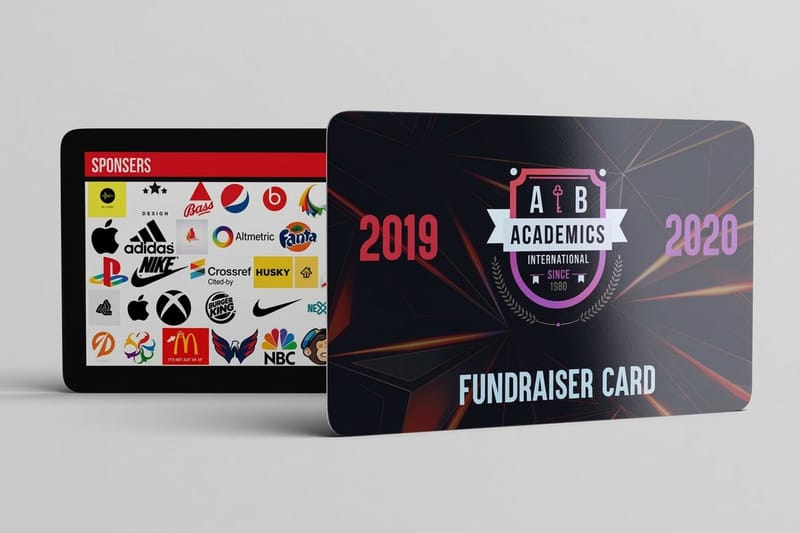 Template Plastic Fundraising Cards Print-ready template for discount fundraising cards.
  Product Postcards The direct mail format with the highest response per dollar.
  Samples Free Print Samples Feel the stocks and finishes before your campaign order. FAQs Printing FAQs Answers on stock, sizes, proofs, and mailing turnaround.
 Questions and answers
Common questions about fundraising data and print
Direct mail, peer-to-peer, schools, social, retention, and ROI, answered.
What do fundraising statistics say about the effectiveness of direct mail?
Fundraising statistics consistently show direct mail outperforming digital channels for donor response. Nonprofit direct mail averages 5 to 9 percent response, while email typically sees 0.5 to 2 percent. The physical nature of a printed appeal builds a stronger emotional connection, which lifts conversion and average gift size. Visit our Help Center for guidance on printing your next direct mail campaign.
How much do peer-to-peer fundraising campaigns typically raise?
Peer-to-peer fundraising statistics show the average individual fundraiser raises between $300 and $600 per campaign, and the top 30 peer-to-peer programs raise over $1.5 billion together. Success depends on giving participants the right tools, including printed fundraising kits, branded flyers, and donation cards they can share with their networks.
What printed materials work best for school fundraising?
School fundraising statistics point to physical materials as the most effective way to reach parents. Order forms, event flyers sent home in backpacks, banners, and printed thank-you notes consistently beat digital-only outreach. Schools that use professional quality print tend to raise more because the campaign looks organized and credible. Browse the Showcase for design inspiration.
Does social media fundraising replace the need for printed materials?
Social media fundraising statistics show strong growth, and Facebook alone has driven over $7 billion in donations. Social works best for awareness rather than final conversion. The highest performing nonprofits use social to spark engagement, then follow up with printed appeals and event invitations that turn interest into gifts. Combining both channels raises more than either alone.
How can nonprofits improve donor retention rates?
First-time donor retention sits around 45 percent, so most new donors do not give again. Organizations that mail a printed thank-you card within 48 hours see retention climb above 60 percent. Quality counts, and a thick well designed card on premium paper leaves an impression email cannot match. Use our QR Code Generator to add a scannable link on your thank-you cards that points donors to your impact report.
What is the average return on printed fundraising appeals?
Direct mail fundraising generates roughly $44 billion in charitable contributions a year. Return varies by organization, but nonprofits that invest in higher quality print, meaning thicker stocks, professional design, and personalized messaging, consistently report stronger response and higher average gifts than budget alternatives. Order Free Samples to test stocks before your full run.
