
Real Estate Marketing Statistics for 2026


Digital ads, open houses, direct mail ROI, video, and yard signs, set against the print order data behind 25 plus years at 4OVER4.
Buyers search online, but referrals and printed touchpoints close deals. 97 percent of buyers use the internet, yet only 13 percent find their agent there, while direct mail pulls a 4.4 percent response and 48 percent of buyers still use yard signs. 4OVER4.COM has printed for 150,000 plus businesses, many of them in real estate.

Where listings come from
Where buyers actually come from, and what print still does
Real estate marketing statistics reveal how agents and brokerages spend their budgets, where they see the best returns, and which channels actually drive leads. The data matters because it separates guesswork from strategy. Buyers overwhelmingly search online, yet the deals still close on referrals, printed touchpoints, and the local visibility of a yard sign. 4OVER4.COM has printed materials for 150,000 plus businesses, many of them in real estate, so the numbers below sit on top of decades of real order data rather than theory.
Why it matters
Why these numbers matter for agents and brokerages
Real estate marketing statistics are not trivia, they are the foundation for smarter budget allocation. For a solo practice or a 50-agent brokerage, knowing where buyers actually come from changes how you spend. NAR reports that 73 percent of homeowners would use the same agent again, which makes retention marketing as important as lead generation.
This page compiles data on digital advertising, open houses, direct mail, and social media performance specific to real estate. 4OVER4.COM works with real estate professionals daily, printing postcards, business cards, and signage that tie directly to these trends, and the online designer lets you build that collateral around the numbers below.

By the numbers
Lead source, email open rate, and yard sign reach
Here are the headline figures agents reach for first when they plan a marketing budget, drawn from NAR research, industry benchmarks, and our own production data. Buyers search online in overwhelming numbers, but the channels that convert are the ones people can hold, walk past, or keep on the fridge. Set those benchmarks against 25 plus years of printing for real estate at 4OVER4.COM and the pattern is consistent.
The full breakdown
Real estate marketing statistics by channel
Real estate marketing statistics cover a lot of ground, from digital search behavior and social reach to open houses, direct mail, email, video, and yard signs. Here is the full breakdown so you can decide where every dollar goes. 4OVER4.COM has worked with 150,000 plus businesses, and the patterns in the data hold year after year.
Real estate digital marketing statistics: where agents spend
Real estate digital marketing statistics show a clear shift toward online channels, but the picture has more detail than go digital. According to the National Association of Realtors, 97 percent of buyers used the internet at some point during their home search, and that number has held steady for years. The catch is that internet searches do not always turn into internet-sourced leads.
NAR data also shows that 40 percent of buyers found their agent through a referral from a friend, neighbor, or relative, while only 13 percent found their agent through an internet search. Digital presence builds credibility, but relationships close deals. Agents who invest in both online visibility and personal touchpoints like printed thank-you cards and branded mailers tend to outperform those who go all in on one approach. For marketing data in a different vertical, compare our wedding industry statistics, or browse the full library of industry marketing statistics.
Social media adoption among real estate professionals
According to NAR, 90 percent of Realtors use Facebook for business, making it the most popular social platform in the industry. Instagram comes in second, followed by LinkedIn. Video content, particularly property walkthroughs and neighborhood tours, keeps gaining traction with buyers who want a feel for a home before they visit.
Organic reach tells a harder story. Facebook average organic reach for business pages sits near 5.2 percent of total followers, so a page with 1,000 followers reaches roughly 52 people per post without paid promotion. For agents, that math makes paid social advertising close to mandatory for consistent visibility, and it makes the free reach of a physical mailbox look even more valuable.
Real estate advertising statistics: the budget breakdown
Real estate advertising statistics describe an industry that spends heavily but does not always track returns well. NAR reports that the median marketing spend for a Realtor is about 1,850 dollars a year, while top producers often spend 10,000 dollars or more annually on marketing alone. Digital advertising usually takes the largest share, print marketing like postcards and business cards comes second, and signage plus event marketing round out the budget.
The interesting part is the return gap. The Data and Marketing Association puts direct mail at a 4.4 percent response rate against 0.12 percent for email. In real estate, where geographic targeting matters enormously, a well-designed postcard to a specific neighborhood can outperform a broader digital campaign. Similar patterns show up across sectors, as our restaurant failure rate data makes clear when it ties marketing spend to survival.
Open house statistics: do they still work?

Open house statistics spark a real debate. NAR data shows that 53 percent of buyers attended an open house during their search, yet only 4 percent say an open house was the first step. Most attendees already work with an agent and already search online, so the listed property is rarely the real prize.
The value is lead generation for the listing agent. Industry surveys find that 20 to 30 percent of open house attendees are not yet working with an agent, which is a large prospecting opportunity. Sign-in sheets, branded flyers, property fact sheets, and business cards turn a visitor into a future client, and professional printed materials leave a stronger impression than photocopied sheets. The same first-impression rule drives client acquisition in our law firm marketing statistics.
I used to print my open house flyers at home. Switching to professional printing on thick card stock changed how people perceived my listings, and buyers actually kept the flyers instead of tossing them.
Jennifer L., Realtor, Denver CO
Direct mail and print marketing in real estate
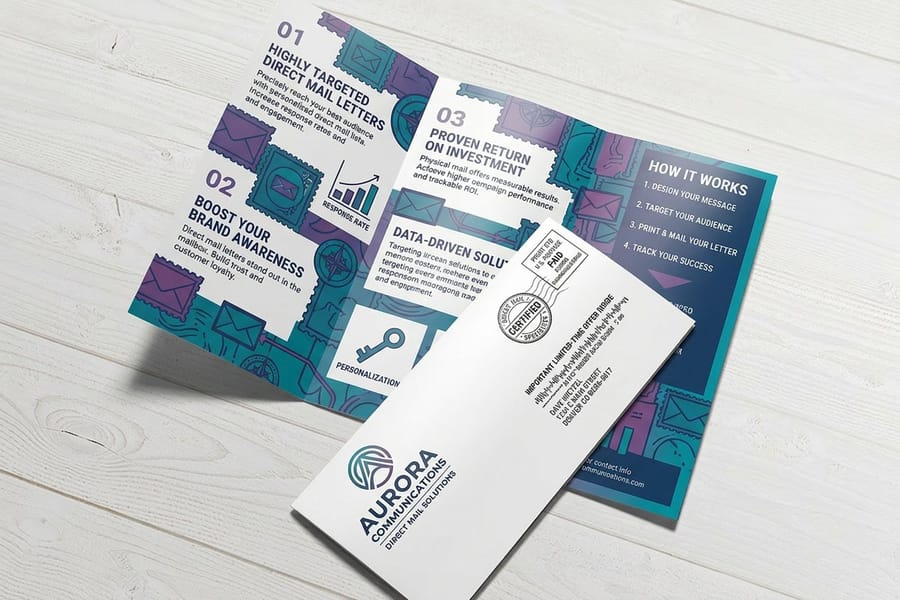
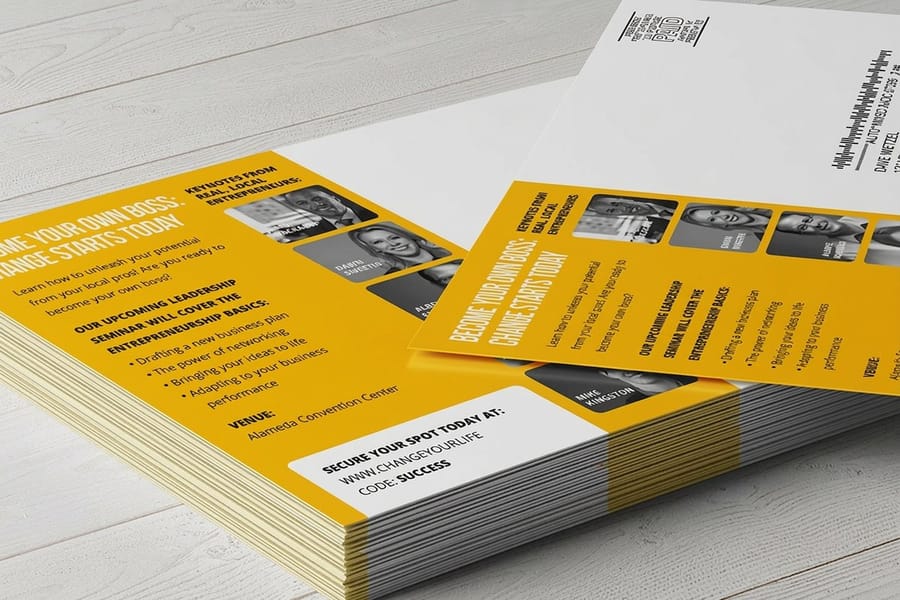
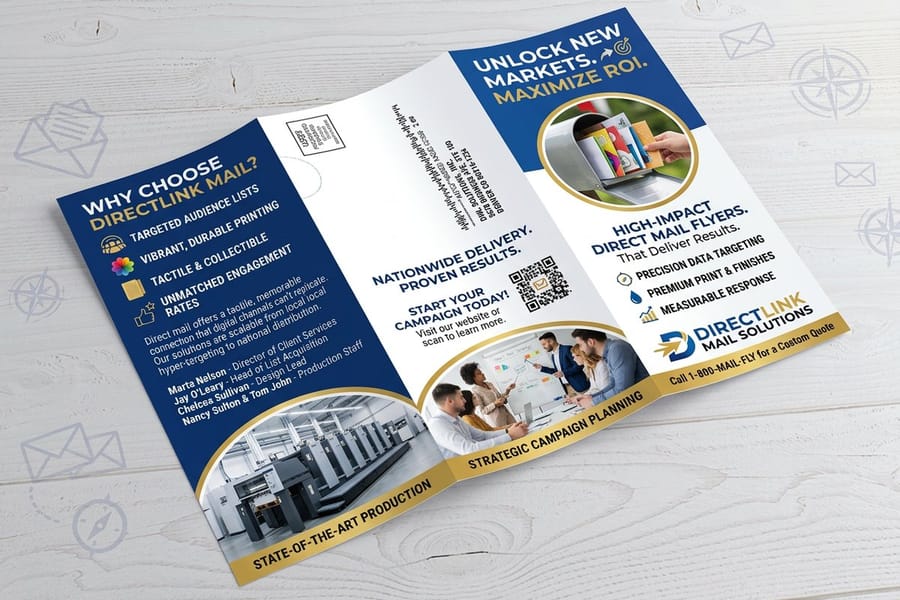
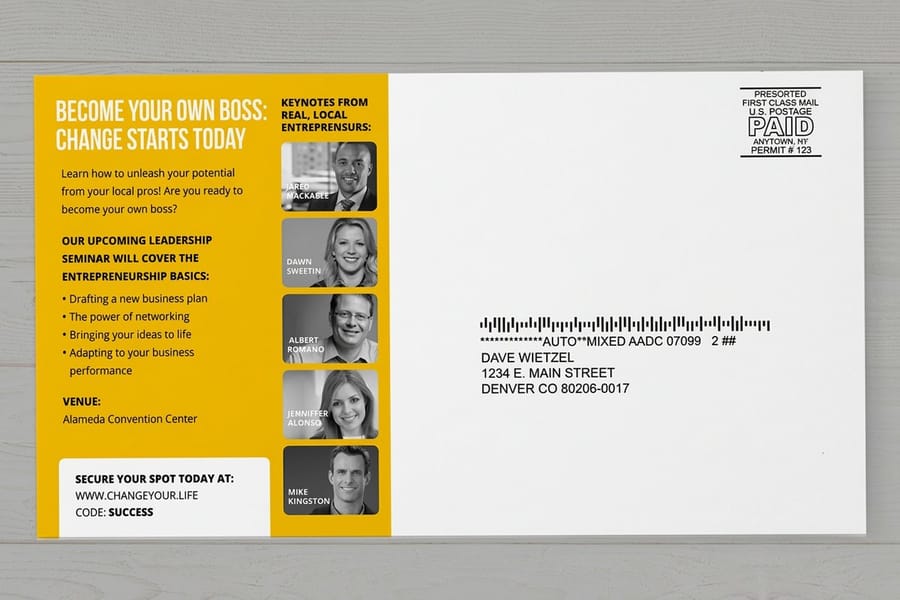
Print is not dead in real estate, it is thriving in specific applications. The USPS reports that 98 percent of consumers bring in their mail the day it is delivered and 77 percent sort through it immediately. For an agent farming a neighborhood, that is an attention rate digital marketers can only dream about.
Just sold and just listed postcards remain among the most effective print tools for agents. Industry data from Wise Pelican shows that agents who mail consistently to a farm area for 12 or more months see a real uptick in listing appointments, and the key word is consistently. One mailer does not move the needle, it takes repetition to build name recognition. 4OVER4.COM has printed 10 billion plus cards across all industries, and real estate professionals make up a large share of that volume, from thick postcards to UV-coated door hangers.
Email marketing performance for real estate
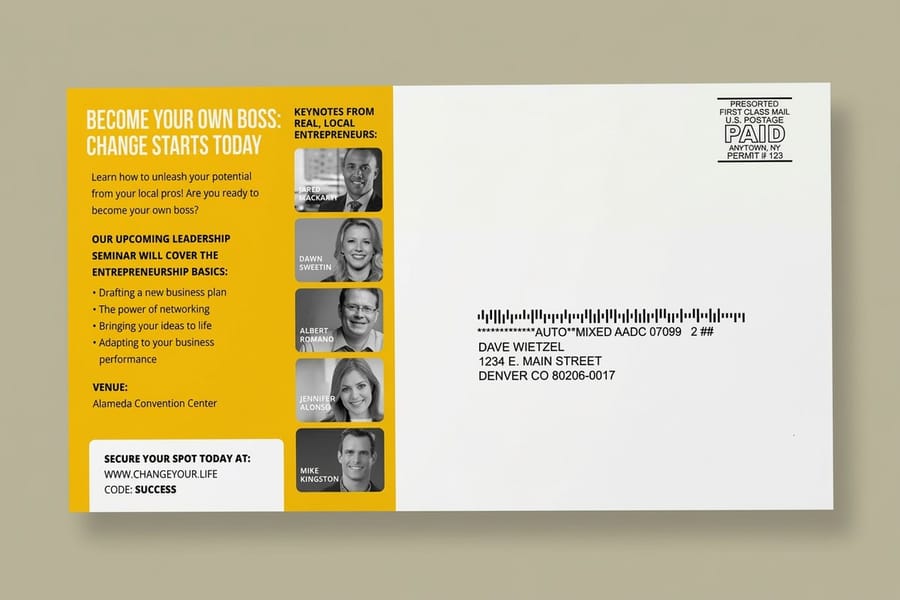
Email remains a steady channel for real estate, especially for nurturing leads over long sales cycles. Campaign Monitor puts the average open rate for real estate emails at 19.7 percent with a click-through rate near 1.77 percent, both slightly below the all-industry average, which tells you real estate emails need stronger subject lines and more personal content.
Drip campaigns, market updates, and new listing alerts perform best. Agents who segment their lists by buyer stage, from browsing to actively touring to under contract, see higher engagement. That pattern mirrors our healthcare marketing statistics, where segmented communication consistently beats blast messaging.
Video and virtual tour adoption

Video has exploded in real estate marketing. According to NAR, listings with video receive 403 percent more inquiries than listings without, and virtual tours that gained mass adoption in 2020 have stayed popular even as in-person showings returned. Zillow reports that listings with 3D home tours get 50 percent more saves.
Video alone does not close deals though. It drives the initial interest, which then needs strong follow-up, professional printed materials at showings, and consistent branding across every touchpoint. The brokerages that win pair a digital tour online with a printed brochure in hand, so the print piece reinforces everything the buyer saw on screen.
Our brokerage combines video tours online with high-quality printed brochures at every showing. The print piece reinforces everything the buyer saw digitally, and it works like a one-two punch.
David R., Managing Broker, Chicago IL
Yard signs and local visibility
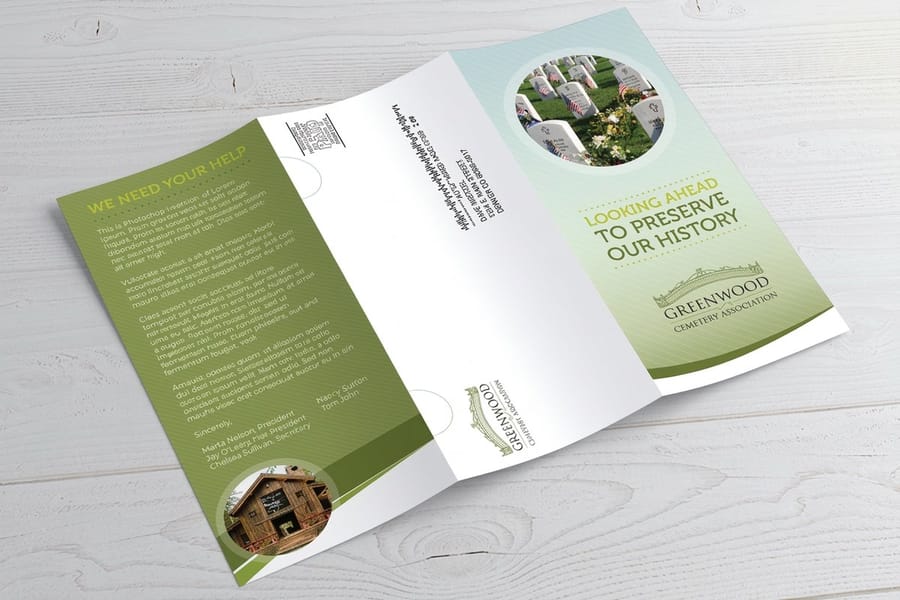
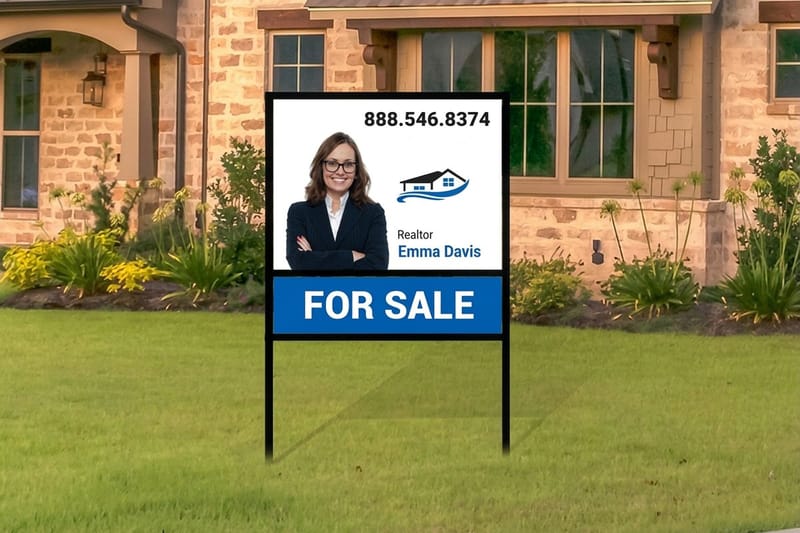
Do not underestimate the yard sign. NAR data shows that 48 percent of buyers use yard signs as an information source during their search, and in neighborhoods with heavy foot and vehicle traffic a well-designed sign generates passive leads around the clock.
Quality decides the outcome. Cheap corrugated signs fade and bend, while rigid, weather-resistant signage with professional design stands out on the street. It is one of the lowest-cost, highest-visibility marketing tools available to any agent, and it pairs naturally with the real estate printing collection agents use to stay consistent across every piece.
Side by side
Postcards, email, video, and yard signs side by side
Real estate marketing statistics become most useful when you compare channels directly. Each has strengths depending on your goal, whether that is brand awareness, lead generation, or client retention. The comparison below puts response, cost, and trackability side by side so you can plan a budget that diversifies across three or more sources rather than betting everything on one.
| Channel | Reach | Response and recall | Cost | Trackable |
|---|---|---|---|---|
| Direct mail | High, held and kept | 4.4 percent response, strong recall | Higher per piece | Yes, codes and QR |
| Lower, easy to ignore | 19.7 percent open, 1.77 percent clicks | Very low per send | Yes | |
| Social media | Declining organically, 5.2 percent reach | Low intent, short attention | Low, paid needed to scale | Yes |
| Yard signs | Local, 48 percent of buyers use them | Passive, around the clock | Low one-time cost | Harder to attribute |
| Video and 3D tours | High online interest | 403 percent more inquiries, 50 percent more saves | Varies by production | Yes |
Format and goal
Which piece fits each goal
Not every format performs equally, and the right piece depends on your goal. Match the format to the outcome and the numbers follow, from winning a listing to farming a neighborhood to working an open house.
| Format | Where it wins |
|---|---|
| Just listed postcards | Announce new inventory and win the neighborhood conversation. |
| Just sold postcards | Prove results and prompt homeowners thinking of selling. |
| Business cards | The everyday first impression at showings and events. |
| Door hangers | Door-to-door farming without a mailing list. |
| Presentation folders | Package listing pitches and buyer packets professionally. |
| Goal | Best piece |
|---|---|
| Win a listing | Presentation folders and just sold postcards that prove results. |
| Farm a neighborhood | Consistent just listed and just sold postcards for 12 plus months. |
| Convert open house traffic | Branded sign-in sheets, fact sheets, and flyers. |
| Stay top of mind | Business cards and market-update mailers to your database. |
| Boost curb appeal | Rigid, weather-resistant yard signs with clean design. |
Your format choice should match your goal. Winning a listing calls for a presentation folder and just sold postcards. Farming a neighborhood calls for consistent postcards over 12 plus months. Boosting curb appeal calls for a rigid yard sign. Each goal has its own best piece, but the common thread is local and personal relevance.
Myths vs facts
What agents get wrong about farming and print spend
A few myths keep agents from running the marketing that would pay off. The pairs below set each common assumption against what the real estate marketing statistics actually show, so you can plan your next campaign on evidence rather than habit.
Everything in real estate has gone digital.
97 percent of buyers search online, but only 13 percent find their agent there. Referrals and printed touchpoints still close most deals.
Open houses no longer generate leads.
53 percent of buyers attend one, and 20 to 30 percent of attendees are not yet working with an agent, which makes them prime prospects.
Direct mail is too slow and expensive for agents.
Direct mail pulls a 4.4 percent response against 0.12 percent for email, and consistent neighborhood farming drives listing appointments.
Yard signs are outdated.
48 percent of buyers use yard signs as an information source, so a rigid, well-designed sign generates passive leads around the clock.
Wally turns the data into your next listing campaign
Buyers search online, but the piece in their hands wins the listing.
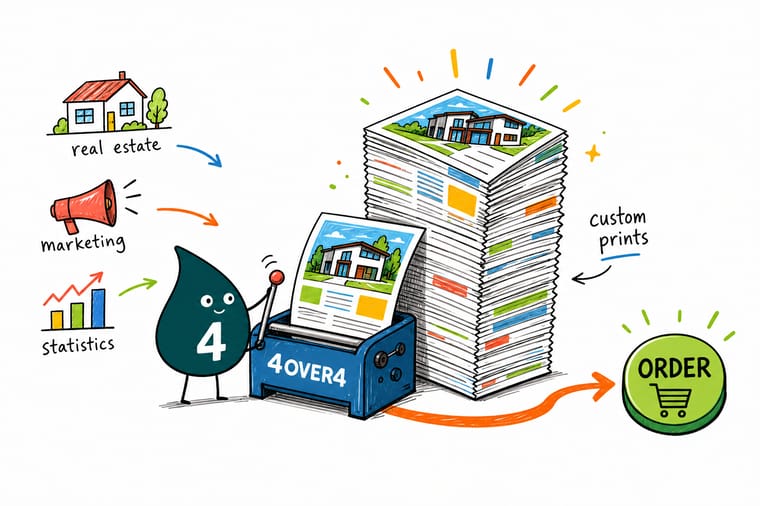
The numbers all point the same way. A premium postcard in a neighbor's mailbox and a sharp yard sign on the lawn beat a message lost in a crowded inbox. Wally's rule is simple. Farm your area with consistent just listed and just sold postcards, back every showing with a printed brochure, and let the response rate do the rest.
Print your postcards →Stock, finishing and price
What a farming postcard costs at 50 and up
For agents ready to act on these numbers, here is current pricing for postcards, the format with the highest response for neighborhood farming, alongside the full specifications so you can match the right stock and finish to your campaign.
| Quantity | Price Per Unit | Total |
|---|---|---|
| 50 | 33.0¢ | $16.48 |
| 100 | 24.2¢ | $24.16 |
| 200 | 15.9¢ | $31.86 |
| 300 | 12.8¢ | $38.45 |
| 400 | 11.3¢ | $45.04 |
| 500 | 10.3¢ | $51.62 |
| 600 | 9.89¢ | $59.31 |
| 700 | 9.57¢ | $67.00 |

Print it
The real estate products agents reach for most
Knowing the statistics is step one. Executing a campaign that actually hits those benchmarks is step two, and it starts with the right piece. Here are the products real estate professionals reach for most when they put these numbers to work.





Start from a blank
Just listed and just sold templates set to trim
Need a head start on design? These blank templates for real estate signage make it easy to get your artwork print-ready, with bleed and safe margins already built in.
Proof, not promises
What agent orders show on stock, speed, and ratings
Here are the figures from our side of the press, the volume, quality, and delivery signals that round out the picture for agents planning campaigns in 2026 and beyond. A 99.8 percent on-time delivery rate keeps your listing timeline on track, and a 4.8 out of 5 average across 10,000 plus reviews shows the print quality holds up piece after piece.
What our print data reveals
What agents actually reorder, season after season
Third-party real estate marketing statistics are valuable. But 4OVER4.COM own data, drawn from 150,000 plus businesses ordering print over 25 plus years, adds another layer of insight. Postcards and business cards are the two most frequently ordered products by real estate agents, followed by door hangers and presentation folders.
Seasonal trends are clear. Order volume for real estate marketing materials spikes in spring, from March through May, and again in early fall, from September through October, aligning with peak home-buying seasons. Agents who plan ahead and order during off-peak months often benefit from faster turnaround.
Thick card stocks, particularly 16pt and 32pt options, are heavily favored by real estate professionals. The preference for premium materials reflects a broader truth: in a business built on trust and first impressions, the quality of your printed materials signals the quality of your service. Agents who care about sustainability can send that message further with green printing on recycled stocks and eco-friendly inks.
With 60 plus paper types, 1,000 plus products, and a 99.8 percent on-time delivery rate, 4OVER4.COM makes it easy to act on these insights. A postcard on 32pt Ultra Thick stock with a Soft Touch finish does not just get read, it gets kept, and that is the difference between hitting industry-average response rates and beating them.
The quality of the postcards made our farming campaign feel like a premium brand. Response rates were the best we have seen in three years of mailing the same neighborhood.
Verified customer, Real Estate Team Lead
Why agents trust us
The press behind these agent marketing figures
Every benchmark on this page sits on a long record of getting real estate print right. A 4.8 out of 5 average across 10,000 plus reviews, 150,000 plus businesses served, and printing since 1999 are the trust signals behind the numbers, so you can plan a campaign knowing the pieces will land sharp and on time.
How we built this
The sources behind these real estate benchmarks
The data on this page comes from publicly available reports by the National Association of Realtors, the Data and Marketing Association, Campaign Monitor, Hootsuite, Zillow, and the USPS. Internal data reflects 4OVER4.COM order patterns across 150,000 plus business accounts over 25 plus years. All external statistics reference 2023 to 2025 publications, and we update this page as new industry reports become available.

Get Started
Order 50 farming postcards for $16.48, printed in 3 business days
Standard Postcards run from 14pt Gloss Cover to 24pt Ultra Thick. Gloss Presentation Folders start at 250 for $844.54 for listing packets.
Legal Disclaimer
Gold Standard guarantees apply to all standard orders placed through 4over4.com. Price match requires verifiable proof of a competitor's published price for an equivalent product with matching specifications and turnaround time. Satisfaction guarantee covers manufacturing defects and print quality issues. Contact support with order number and documentation. On-time delivery rate based on tracked orders 1999 to 2026. Individual results may vary based on shipping carrier performance.
Explore more
Keep going across real estate marketing
 Product Postcards Print the format with the highest response for neighborhood farming.
  Product Business Cards The everyday first impression at showings and networking.
 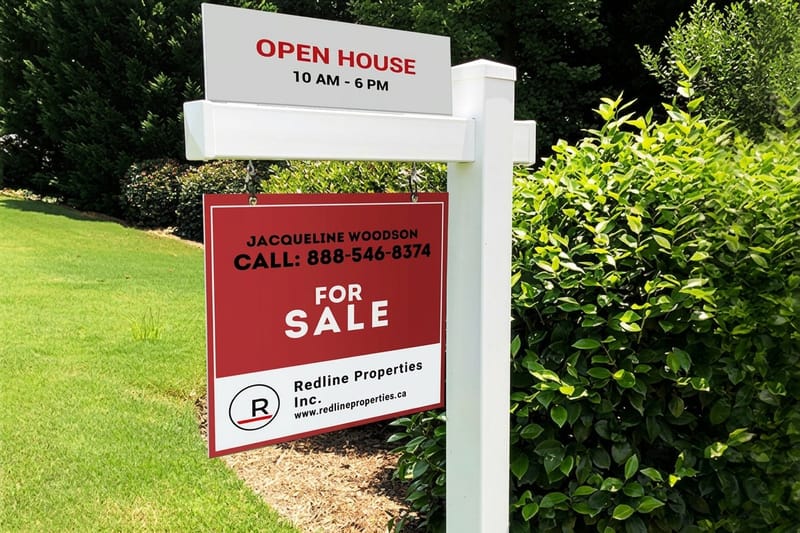 Collection Real Estate Printing Postcards, signs, folders, and cards built for agents.
  Statistics Industry Statistics Benchmarks across dozens of sectors in one library.
  Statistics Law Firm Marketing How first impressions drive client acquisition.
  Statistics Healthcare Marketing Why segmented communication beats blast messaging.
  Statistics Wedding Industry Marketing data and trends from another local vertical.
  Statistics Restaurant Failure Rate How marketing spend ties to business survival.
 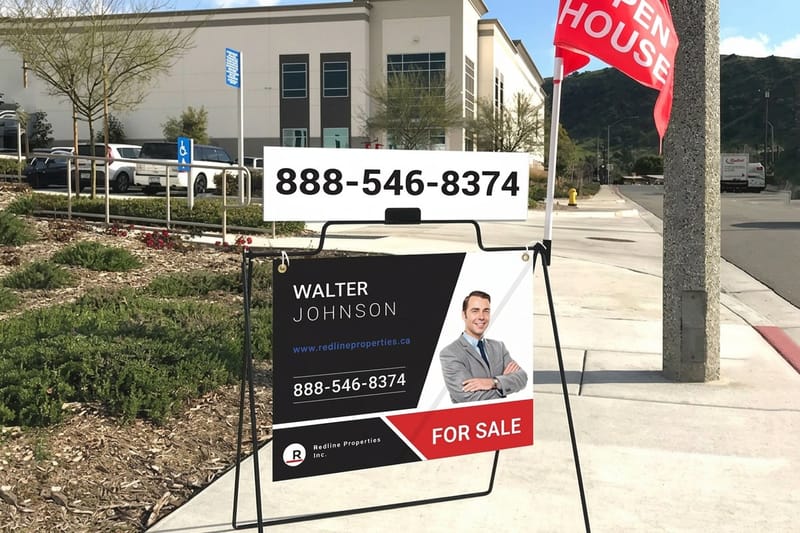 Templates Real Estate Templates Print-ready blanks with bleed and safe margins built in.
  FAQs Printing FAQs Answers on stock, sizes, proofs, and mailing turnaround.
 Questions and answers
Common questions about real estate marketing data
Digital, open houses, direct mail, video, email, and yard signs, answered.
What percentage of home buyers start their search online?
According to NAR, 97 percent of home buyers use the internet at some point during their search, but only 13 percent find their agent that way. Most buyers still rely on referrals, which is why the strongest results come from combining a digital presence with personal touchpoints like printed thank-you cards and mailers.
Is direct mail still effective for real estate agents?
Yes. The Data and Marketing Association reports a 4.4 percent response rate for direct mail against 0.12 percent for email. Just sold and just listed postcards remain among the highest-performing formats for farming neighborhoods and booking listing appointments. Order free samples to feel the stock before you commit.
How much do real estate agents spend on marketing each year?
NAR data puts the median marketing spend for a Realtor at about 1,850 dollars a year, while top producers often spend 10,000 dollars or more. Budgets usually split across digital advertising, print materials, signage, and event marketing like open houses.
Do open houses actually generate leads?
Open house statistics show that 53 percent of buyers attend at least one open house. Only 4 percent start their search there, but agents report that 20 to 30 percent of attendees do not yet have an agent, which makes open houses a strong prospecting tool when you back them with professional sign-in materials and printed collateral.
How does video impact real estate listings?
According to NAR, listings with video receive 403 percent more inquiries than those without, and Zillow reports that 3D virtual tours earn 50 percent more saves. Video is one of the fastest-growing channels for agents, though it works best paired with strong follow-up and printed materials at showings.
What is the average email open rate for real estate marketing?
Campaign Monitor reports an average open rate of 19.7 percent for real estate emails with a click-through rate near 1.77 percent. Segmented campaigns that tailor content to buyer stage consistently outperform generic blasts, a pattern that holds across most industries.
Are yard signs still worth the investment?
Absolutely. NAR data shows that 48 percent of buyers use yard signs as an information source. In high-traffic neighborhoods a professionally designed yard sign generates passive leads around the clock, and rigid, weather-resistant signs outperform cheap corrugated alternatives in both durability and perception.
