
What Is Spot Color Printing and Why It Matters


Spot color prints one pre-mixed Pantone ink per color instead of building shades from CMYK dots. That is how your brand color stays exact on every card, box, and banner you order.
Spot color printing is a method that puts one pre-mixed ink on press for each color instead of building that color from tiny dots of cyan, magenta, yellow, and black, which is what keeps a brand color exact from one run to the next. Each color gets its own ink well on press, delivering rich, consistent hues that process printing cannot match. It is the go-to method for brand logos, metallic finishes, and any project where color accuracy matters. 4OVER4.COM offers spot color options across 1,000 products, backed by 25 years of printing experience.
At a glance
Spot color printing at a glance
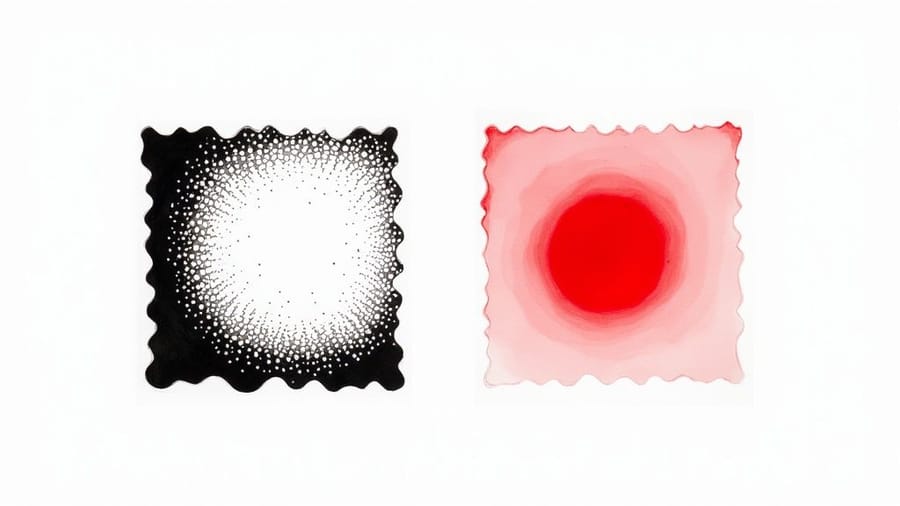
Spot color printing uses pre-mixed, solid inks instead of layering tiny dots of cyan, magenta, yellow, and black. Each color gets its own ink well on press, delivering rich, consistent hues that process printing cannot match. It is the go-to method for brand logos, metallic finishes, and any project where color accuracy matters. 4OVER4.COM offers spot color options across 1,000 products, backed by 25 years of printing experience.
Watch it printed
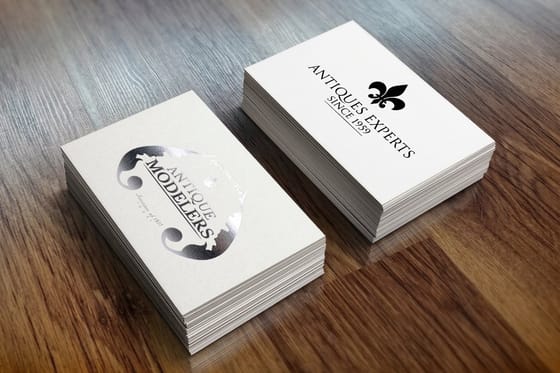
See metallic foil business cards on the press, in 135 seconds
Why spot color printing matters for your brand
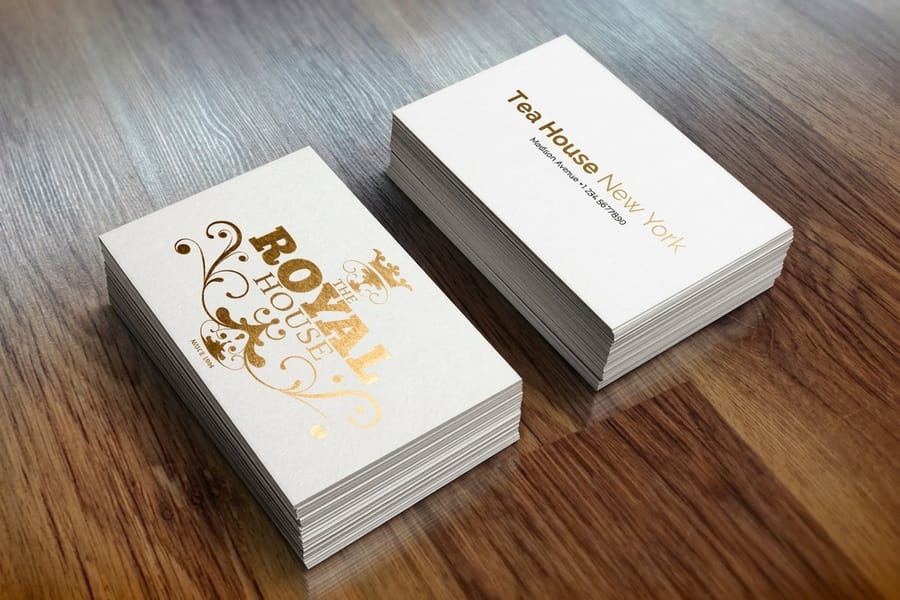
So what is spot color printing, really? It is the difference between close enough and dead-on accurate. When your brand's signature color needs to look identical on business cards, packaging, brochures, and banners, spot color is the only reliable path. Process printing (CMYK) approximates colors by mixing four inks. Spot color skips the guesswork entirely, one pre-mixed ink, one perfect result.
4OVER4.COM has printed 10 billion cards and counting, and color consistency is something our clients take seriously. Whether you are testing paper and ink combinations, browsing design templates for your next project, or reading up on how to clean rubber stamps for a DIY stamping setup, understanding spot color gives you a real edge in print quality.
How spot color printing actually works
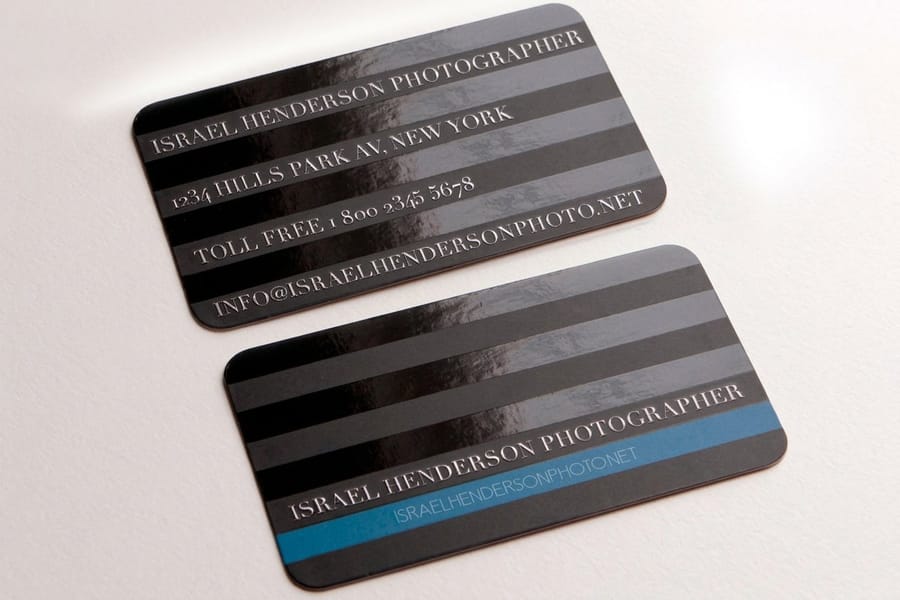
Picture this. You walk into a paint store and ask for a specific shade of navy blue. The clerk does not hand you four cans of primary colors and say good luck. They mix one can to your exact specification. That is spot color printing in a nutshell. A single, pre-mixed ink formulation goes onto the press for each color in your design. No blending on paper. No optical illusions. Just pure, solid color.
The press operator loads each spot color into its own ink station. If your design uses two spot colors, say a navy blue and a gold, the press runs two stations. Each pass lays down a thick, even coat of that specific ink. The result is a density and vibrancy that CMYK process printing simply cannot replicate.
The Pantone Matching System, your color DNA
Spot color printing relies on the Pantone Matching System (PMS) as its universal language. Every shade in the Pantone library has a unique code, like PMS 286 C for a classic royal blue. That code is a precise ink formula. Any printer, anywhere in the world, can look up PMS 286 C and mix the exact same shade.
This removes all subjectivity. It is not that blue looks about right. It is this is PMS 286 C, period. Designers specify Pantone numbers in their files, and printers follow the recipe with no interpretation and no drift. If you are working on projects like brochures, our guide on how to fold a brochure covers the design side, but getting the color right starts with choosing the correct Pantone reference.
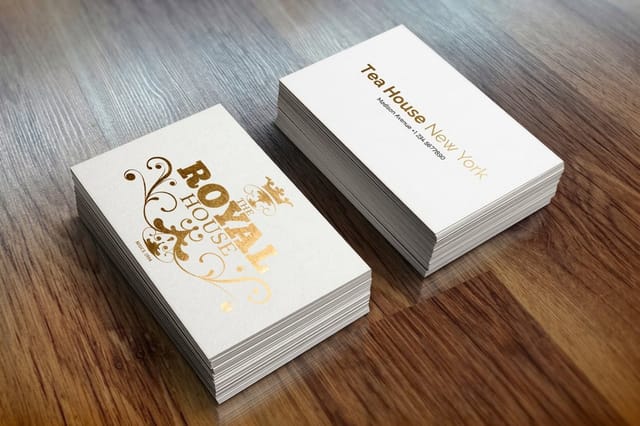
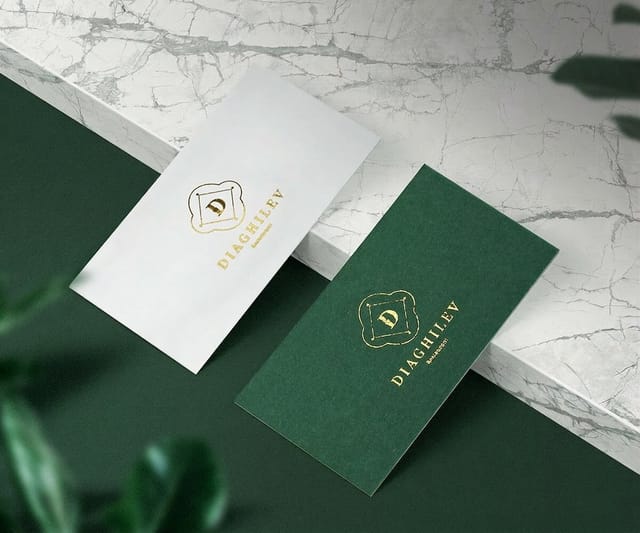
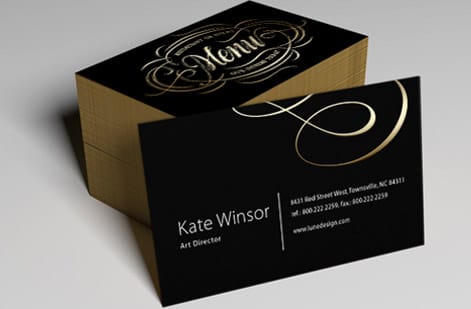
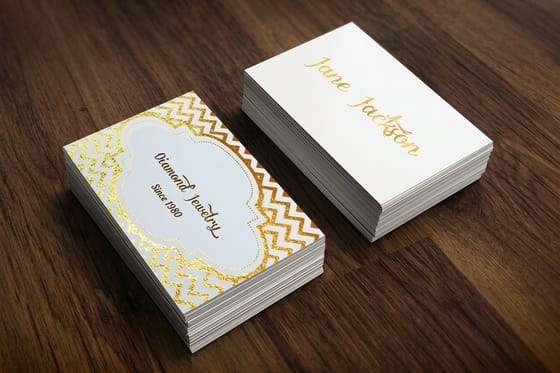
The Pantone system includes thousands of colors, plus specialty inks like metallics, fluorescents, and pastels that fall completely outside the CMYK gamut. That shimmery gold foil on a luxury business card is a spot color. The neon orange on a concert poster is a spot color again.
Spot color vs process color, the real difference
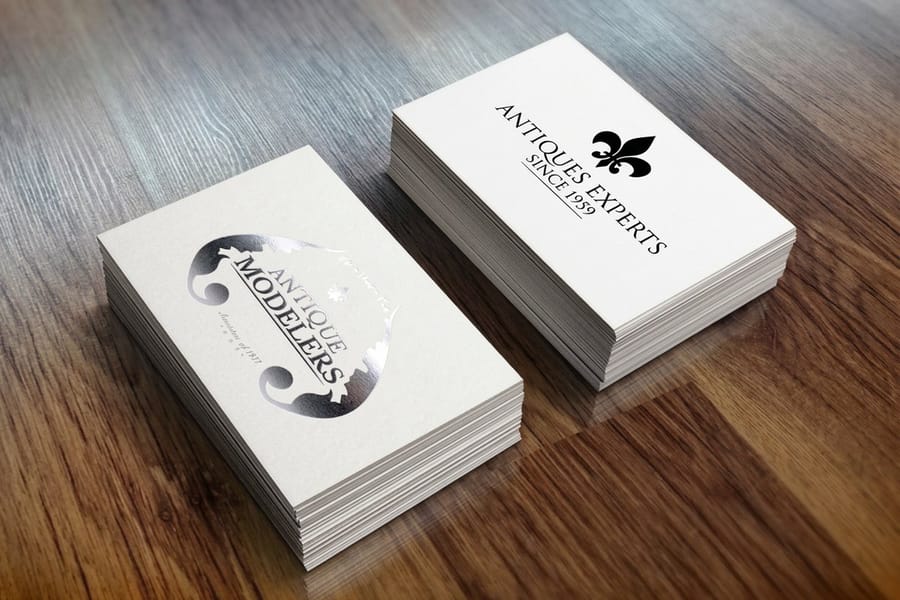
Process color (CMYK) creates the illusion of color by printing tiny dots of cyan, magenta, yellow, and black at varying densities. Your eye blends those dots together. It works well for photographs and complex, multi-color designs, but it has limits. CMYK cannot produce every color the human eye can see, and metallic or fluorescent inks are impossible with process printing.
Spot color eliminates those variables. The ink is pre-mixed to the exact shade before it touches the press. There are no dots to misalign and no color drift between batches. For brand-critical work, this consistency is worth its weight in gold, sometimes literally, if you are using a metallic Pantone ink. If you are still deciding how to build your files, read CMYK vs RGB for print and our breakdown of the best color profile for printing.
| Attribute | Spot color printing | CMYK process printing |
|---|---|---|
| Method | Pre-mixed, solid inks applied one at a time. | Tiny dots of cyan, magenta, yellow, and black simulate colors. |
| Color accuracy | Extremely high and consistent, perfect for brand colors. | Can vary slightly between print runs and different printers. |
| Vibrancy | Cleaner, brighter, and more opaque. | Can look less saturated because color is built from dot patterns. |
| Color range | Reaches colors outside CMYK, like metallics and neons. | Limited to what C, M, Y, and K inks can mix. |
| Best for | Logos, brand identity, one to three exact colors, special effects. | Full-color photographs, complex images, many-color designs. |
| Cost | Efficient for simple jobs, pricier for many colors. | Efficient for full-color work, regardless of color count. |
When to reach for spot color printing
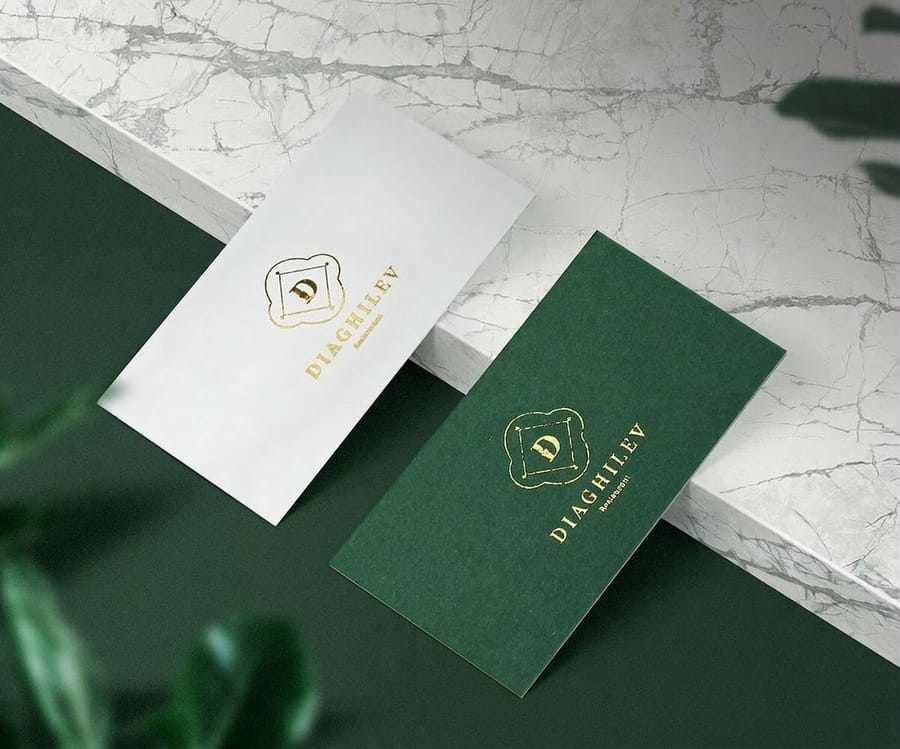
Spot color printing shines in specific situations. It is the smart choice any time an exact, repeatable color carries more weight than photographic detail. Here is when it makes the most sense.
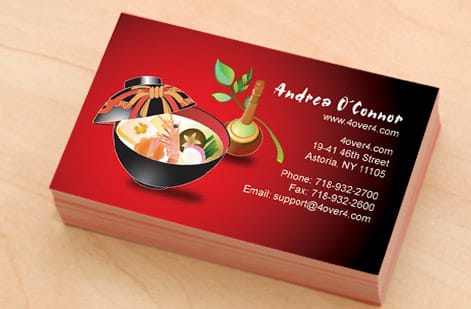
- Brand identity materials. Business cards, letterheads, and envelopes where your logo color must be exact. See how to make envelopes for envelope design tips.
- Packaging and labels. Product boxes, bags, and tags that consumers see side by side on shelves.
- Specialty inks. Metallics, fluorescents, and opaque whites that CMYK cannot produce.
- Large print runs. Spot color can be more cost-effective than CMYK for simple one-color or two-color jobs at high volumes.
- Legal and compliance printing. Documents where a specific color carries regulatory meaning.
If you are designing flyers for an event, our guide on how to make flyers walks you through the process. Printing Christmas door hangers with a bold, branded look? Spot color gives you that crisp edge. And for promotional items like fridge magnets, our custom magnets FAQ covers how to get those colors just right.
Setting up spot color in your design file
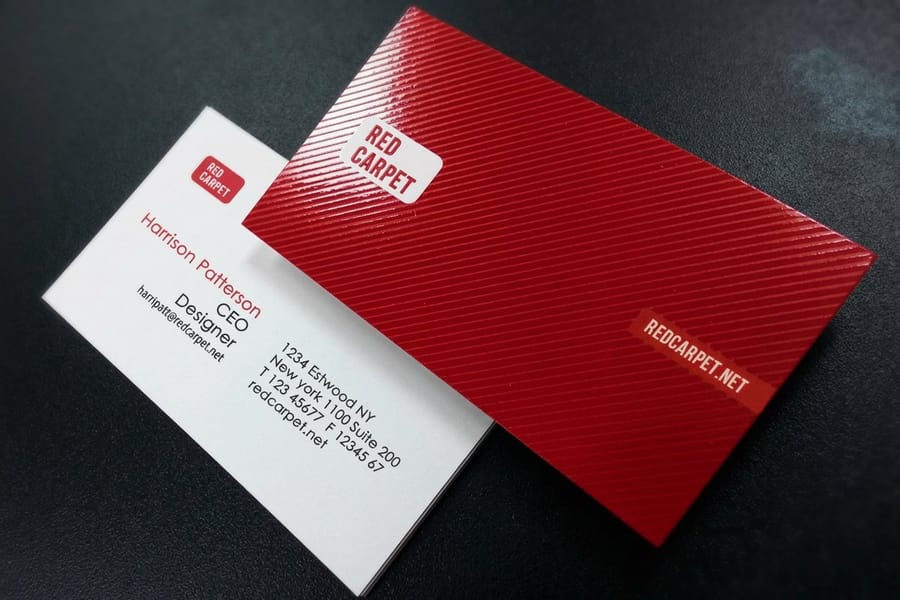
Getting spot color right starts in your design software. In Adobe Illustrator, InDesign, or Photoshop, you need to define your colors as spot rather than process. This tells the printer to use a dedicated ink station instead of converting your color to CMYK dots. Here is the basic workflow.
- Choose your Pantone color using a physical Pantone swatch book, because screens lie about color.
- Define the swatch in your design software as a Pantone spot color, not a process color.
- Name it correctly using the exact Pantone code, such as PANTONE 485 C, so the printer's RIP software recognizes it.
- Check your separations before exporting. Each spot color should appear on its own separation plate.
- Export as PDF/X-1a or PDF/X-4 with spot colors preserved, not converted.
A common mistake is picking a Pantone color on screen and assuming it will look the same in print. Monitors display color using light (RGB). Ink on paper reflects light. Always reference a physical Pantone swatch book printed on the paper stock you plan to use, coated (C) or uncoated (U), because the same Pantone number looks different on each surface. A print-ready logo makes this far easier, so our logo design best practices are worth a read before you export.
What spot color printing costs
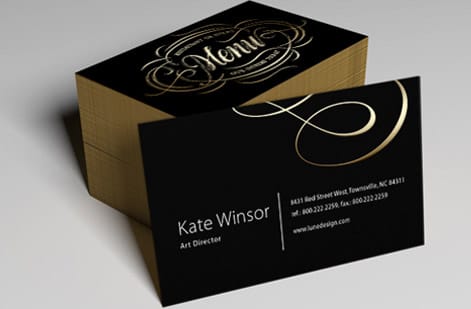
Spot color pricing depends on how many colors you are using and your print quantity. For a simple one-color or two-color job, spot color can actually cost less than full CMYK because you are running fewer ink stations.
Add a third or fourth spot color, and costs climb. Each additional color means another plate, another ink station, and another pass through the press. Once you hit four or more colors, CMYK process printing usually becomes the more economical choice, unless those specific colors cannot be achieved any other way.
The real value calculation is not just about ink costs. It is about what color inconsistency costs your brand. A logo that shifts from royal blue to purplish-blue across different print runs erodes trust. For brand-critical work, the precision of spot color pays for itself. Visit our FAQ hub for more printing guidance.
Combining spot and process color
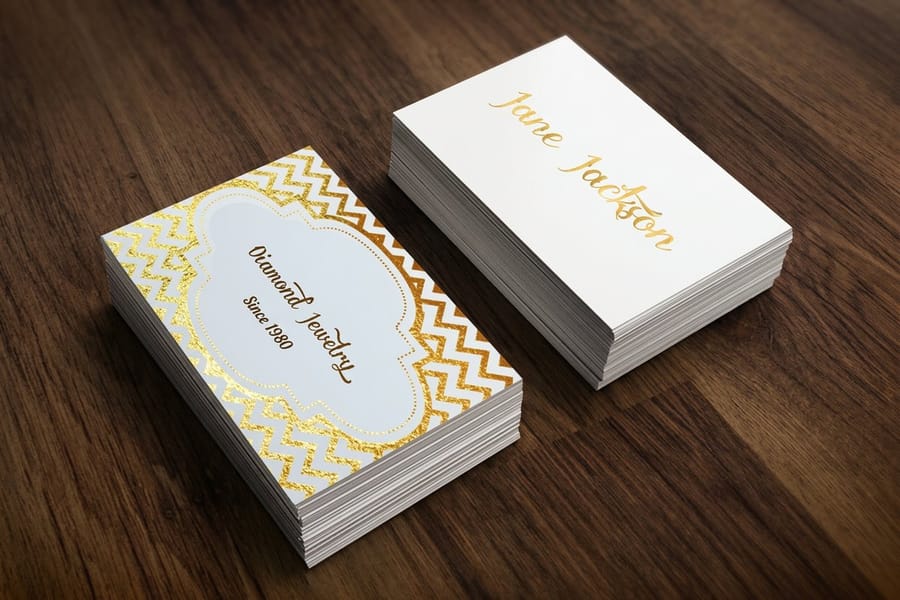
You do not have to choose one or the other. Many professional print jobs combine CMYK process color with one or two spot colors. A brochure might use CMYK for photographs and a Pantone spot color for the company logo. This hybrid approach gives you the best of both worlds, photographic reproduction plus brand-accurate color.
When combining methods, your file will have the four CMYK separations plus additional separations for each spot color. A CMYK-plus-one-spot job runs five ink stations. It costs more than straight CMYK, but less than converting everything to spot colors. Request free samples to see how different ink methods look on various paper stocks, and browse our premium business cards to feel the difference in person.
Specialty inks only spot color can print
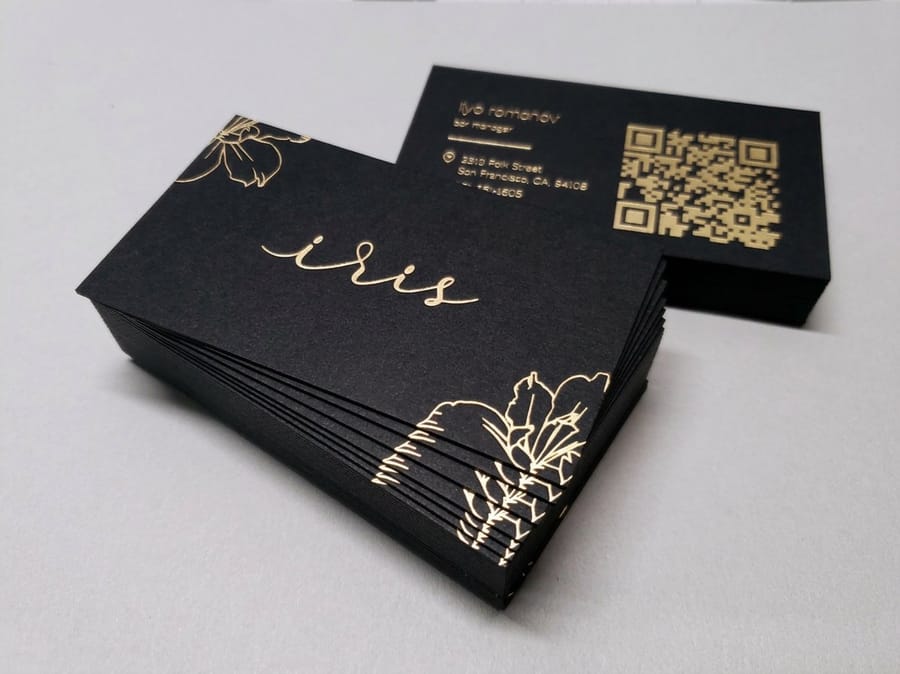
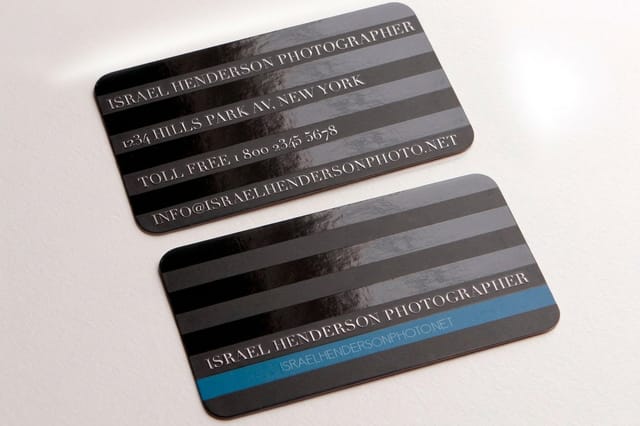
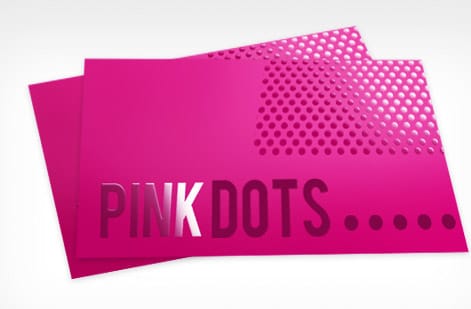
Spot color opens the door to inks that CMYK simply cannot mix. Metallic inks in gold, silver, and bronze contain real metal particles, creating a genuine shimmer and a premium feel. Fluorescent neon inks absorb and reflect more light, so the color practically glows and demands attention. Pastel inks land soft, creamy shades with an opacity that CMYK often washes out. A clear spot varnish can even be laid over specific areas for a glossy or matte contrast that adds subtle texture.
The world's most recognizable brands lean on exactly this precision. Tiffany & Co. trademarked PANTONE 1837 Blue, a nod to its founding year, and reproduces it on every box. T-Mobile owns an electric PANTONE Rhodamine Red that is impossible to miss. UPS has protected its Pullman Brown, PANTONE 072 C, for more than a century as a symbol of reliability. Explore the full specialty printing collection and our overview of specialty printing techniques to see how these inks make a design pop.
Free spot UV templates to start from
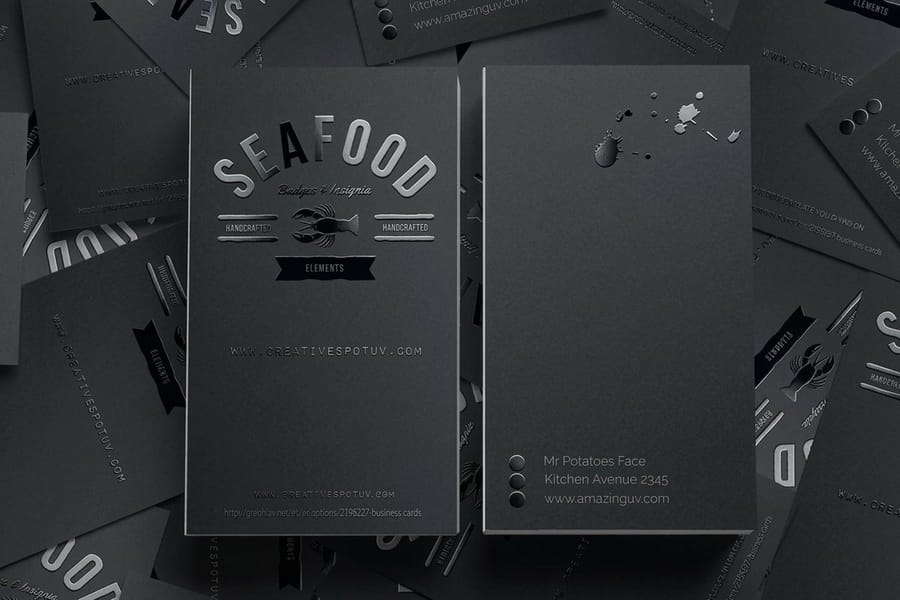
You do not have to build a spot color layout from scratch. Correctly named spot and coating layers are the fussy part, and a ready-made file handles that for you so the press reads your finish exactly where you want it.
Start from a proven layout, then drop in your own artwork. Our glitter spot UV business cards and raised spot UV business cards come with print-ready setups, and you can browse the full library of free blank templates for every product we offer.
Pitfalls that ruin spot color print jobs
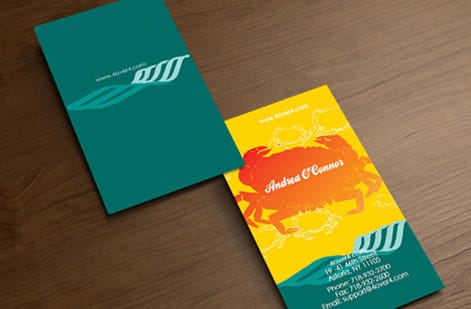
Even experienced designers trip up with spot color printing. Avoid these mistakes and your color lands right the first time.
Defining spot colors as process in your file. If your Pantone swatch is set to process instead of spot, the printer converts it to CMYK and you get an approximation, not the real thing. Always double-check your color mode before exporting.
Using screen colors as your reference. Your monitor cannot display Pantone colors accurately. Use a physical swatch book, because the difference between screen and paper can be dramatic.
Forgetting coated vs uncoated designations. PMS 186 C and PMS 186 U look noticeably different. Specify the correct suffix for your paper stock.
Overcomplicating the design. Spot color works best with clean, bold graphics. Trying to build photographic gradients with spot inks leads to banding, so keep it simple and keep it sharp.
Skipping the press proof. For high-stakes jobs, a digital proof is not enough. Ask for a physical proof on the actual paper stock to confirm your spot color looks right.
Wally explains spot color
One pre-mixed ink, one exact brand color, every single run
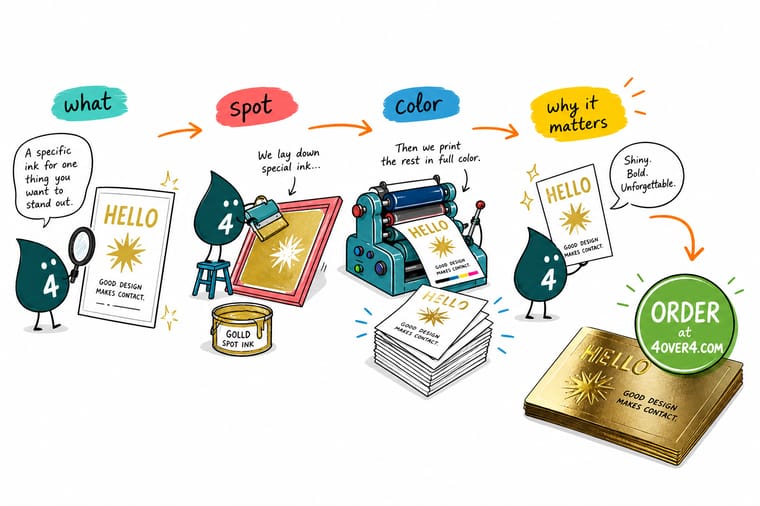
Wally thinks of spot color like ordering a paint mixed to one recipe instead of guessing with four cans. CMYK builds a shade from tiny dots that can drift, while a Pantone spot ink is mixed to an exact formula before it ever touches paper. That is why logos, packaging, and metallic finishes look identical from the first card to the ten-thousandth. Pick the Pantone number, and 4OVER4 matches it every time.
Order specialty cards →Specs and pricing
Metallic foil business card specs and pricing
Metallic foil is a genuine spot ink, so it is a natural place to see spot color in action. Here are the live specs and price-per-unit straight from the 4OVER4.COM configurator.

| Quantity | Price Per Unit | Total |
|---|---|---|
| 500 | 44.4¢ | $222.13 |
| 1,000 | 26.9¢ | $269.14 |
| 2,500 | 20.2¢ | $504.19 |
| 5,000 | 19.7¢ | $986.04 |
| 10,000 | 16.4¢ | $1,644.19 |
| 15,000 | 14.4¢ | $2,161.30 |
| 20,000 | 13.5¢ | $2,701.94 |
| 25,000 | 13.0¢ | $3,242.54 |
Print it
Cards built for exact brand color
See it in use
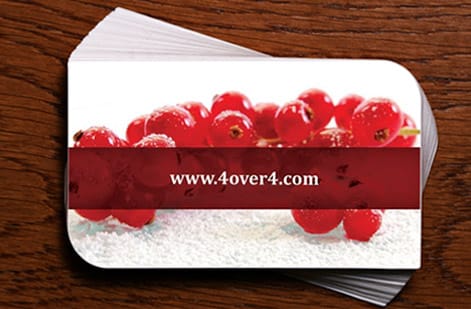
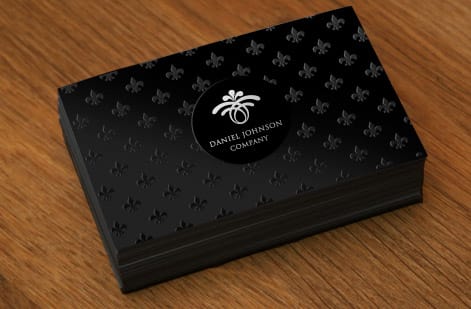
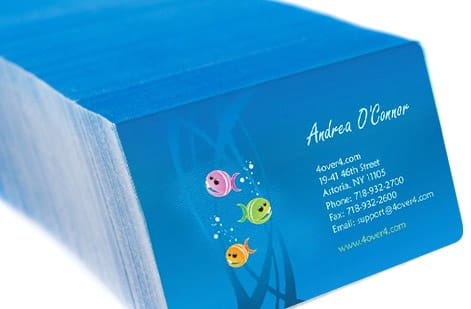
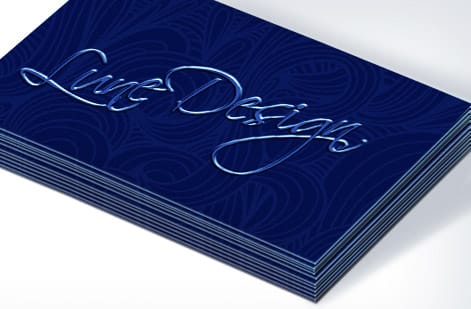
Brand color matches our customers approved

Explore more
Where to go next


By the numbers
What 25 years of color matching sits behind
Common Questions
Your spot color printing questions, answered
Is a spot color the same thing as a Pantone color?
Not quite. Spot color is the method, one pre mixed ink per color on its own station. Pantone is the most widely used library of those inks, and its codes are how a printer knows which recipe to mix. A spot color can come from another system, and some brands have an ink mixed to a private formula, but in practice most spot work is specified as a Pantone number because every printer can look it up.
What does the C or U at the end of a Pantone code mean?
It names the paper the color was measured on. C is coated and U is uncoated, and the same formula looks different on each, because an uncoated sheet absorbs more ink and reads duller. PMS 186 C and PMS 186 U are one recipe and two results, so specify the suffix that matches your stock rather than leaving it off and letting the press decide.
What is spot color printing and how does it differ from CMYK?
Spot color printing uses a single pre-mixed ink for each color, applied directly to paper. CMYK process printing layers tiny dots of four inks to simulate colors. Spot color delivers exact, consistent hues, especially for brand logos and specialty inks like metallics that CMYK cannot reproduce.
Is spot color printing more expensive than process printing?
Not always. One-color or two-color spot jobs can cost less than full CMYK because fewer ink stations run on press. Costs increase with each additional spot color. At four or more colors, CMYK usually becomes cheaper unless you need inks outside the CMYK gamut.
Can I combine spot colors with CMYK in one print job?
Yes. Many projects use CMYK for photographs and add one or two Pantone spot colors for logos or brand elements. This hybrid approach balances photographic quality with brand-accurate color. Your file will need separate plates for each method.
What is the Pantone Matching System?
The Pantone Matching System (PMS) is a standardized color library used worldwide. Each color has a unique code and ink formula. Any printer can look up the code and mix the identical shade, removing guesswork from color reproduction across different print runs and locations. Pantone publishes the official PMS color libraries and their coated and uncoated references at pantone.com.
Do I need a physical Pantone swatch book?
Yes. Computer monitors display color using light (RGB), which does not match how ink looks on paper. A physical swatch book, printed on coated and uncoated paper, is the most reliable way to choose and approve your spot color before printing.
When should I choose spot color over process color?
Choose spot color when your project has one to three specific colors that must be exact, such as brand logos, corporate stationery, and packaging. Also choose spot color when you need metallic, fluorescent, or opaque white inks. For full-color photographs or designs with many colors, CMYK process is the better fit.
Get Started
Ready to lock in your exact brand color?
Choose your Pantone reference, upload your logo, and we print a spot color that lands the same on every run.
Legal Disclaimer
Gold Standard guarantees apply to all standard orders placed through 4over4.com. Price match requires verifiable proof of a competitor's published price for an equivalent product with matching specifications and turnaround time. Satisfaction guarantee covers manufacturing defects and print quality issues. Contact support with order number and documentation. On-time delivery rate based on tracked orders 1999 to 2026. Individual results may vary based on shipping carrier performance.
