
Aqueous Coating Explained


A clear, water-based coat applied right on the press. It shields brochures, postcards, and catalogs from smudges and scuffs, comes in gloss, matte, or satin, and dries in seconds without breaking the budget.
Aqueous coating is a clear, water-based finish applied inline on the printing press. It protects printed pieces from smudging, scuffing, and fingerprints while adding a polished look, and it comes in gloss, matte, and satin. It dries almost instantly, keeps costs low on high-volume runs, and stays recyclable and low in VOCs, which makes it one of the most popular finishes at 4OVER4.COM.
Quick answer
A water-based coat that dries on the press
Aqueous coating is a clear, water-based finish applied right on the printing press. It shields printed pieces from smudges, scuffs, and fingerprints while adding a polished look, and it comes in gloss, matte, and satin. It dries in seconds, keeps costs low on high-volume runs, and stays recyclable and low in VOCs. For most brochures, postcards, and catalogs at 4OVER4.COM, it is the easiest way to make prints look better and last longer.
Why aqueous coating matters for your print projects
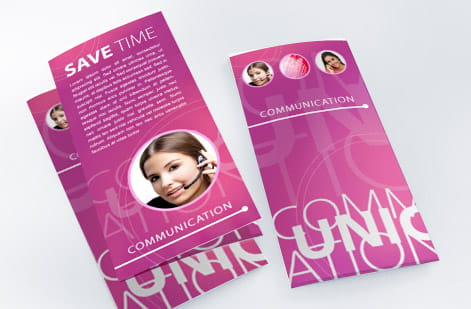
Aqueous coating is a clear, water-based protective layer applied to paper during the printing process. That is the whole idea. The coating seals your ink, stops it from smearing, and leaves a clean, professional finish that makes people want to keep your printed piece instead of tossing it.
Brochures, postcards, catalogs and packaging all come off the press with the same protection against shipping and handling. It dries fast, it is recyclable, and it costs less than UV or lamination for the same day-to-day protection.
Coating choices shape your design the same way layout choices do. Just as knowing how to fold a brochure guides your panel layout, knowing your coating options guides durability and appearance. You can test looks in the browser with the online designer before you commit, and for more hands-on print care, see our walkthrough on how to clean rubber stamps. 4OVER4.COM has been printing for over 25 years, and aqueous coating is still one of the most requested finishes across the catalog.
How aqueous coating works on the press
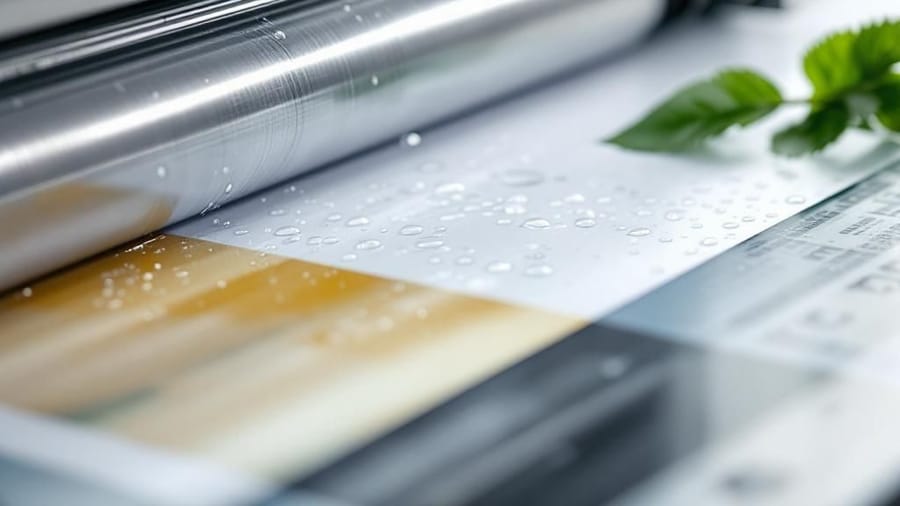
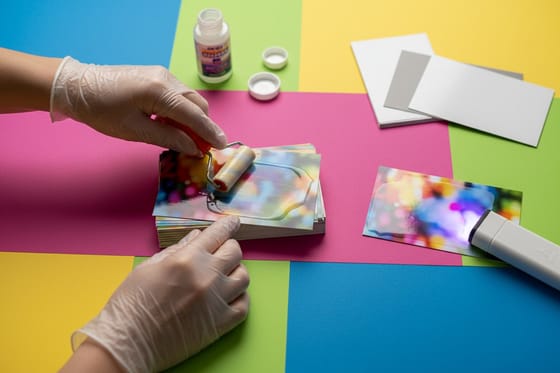
The process is refreshingly simple. Aqueous coating is applied inline, which means it happens right on the printing press the moment the ink hits the paper. A coating unit lays down a thin, even film of water-based polymer across the entire printed sheet.
Then heat and forced air do the rest. The water evaporates almost instantly and leaves behind a clear, tough layer bonded to the ink and paper. The whole thing takes seconds, with no separate machine and no extra pass through the press. Because the coating goes on while the ink is still damp, it actually helps the ink set faster, which shortens turnaround on big runs of brochures or catalogs.
Most aqueous coating is applied as a flood coat that covers the sheet edge to edge for uniform protection. Spot coating, where only certain areas are coated, is possible but uncommon, and for dramatic spot effects a UV finish is usually the better tool. If any of these terms are new, the printing FAQ breaks down every finish without the jargon.
Gloss, matte, and satin: picking the right finish
Aqueous coating comes in three main finishes, and each one changes how your piece looks and feels in someone's hands.
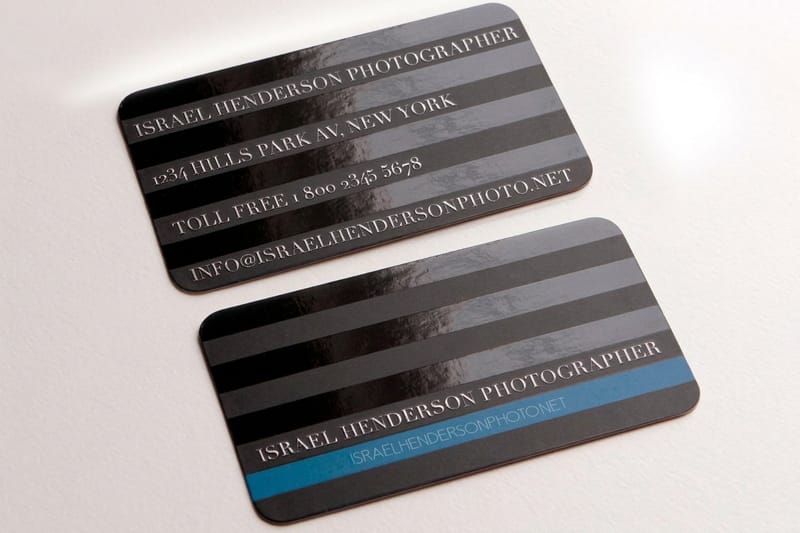
Gloss gives prints a bright, reflective surface. Colors pop, photos look vivid, and images seem deeper and richer than they would on uncoated paper. It is the go-to for product catalogs and photo-heavy brochures. The one caveat is glare, so gloss is less ideal for pages packed with body text.
Matte does the opposite. It cuts glare, reads as understated and sophisticated, and makes text easier to follow. It also hides fingerprints, which is a real advantage for presentation folders and sell sheets that get passed around. Satin sits in the middle with a soft sheen, rich color, and less glare than gloss, so when you cannot decide it is the safe pick. For a fuller comparison of textures, browse the printing finishes hub or feel a plush option in our soft touch business cards guide. Stock matters too, so the roundup of the best paper for printing pairs nicely with any coating choice.
| Finish | Sheen | Best for | Trade-off |
|---|---|---|---|
| Gloss | High, reflective | Product catalogs, photo-led brochures, anything where color has to carry the page | Glare on body copy, and fingerprints show on dark solids |
| Matte | Flat, no shine | Text-heavy sell sheets, presentation folders, pieces that get handled a lot | Colors read a touch softer and contrast drops slightly |
| Satin | Soft sheen, between the two | Mixed pages of photos and text, and any job you cannot decide on | Neither the punch of gloss nor the quiet of matte |
Aqueous coating vs other print finishes
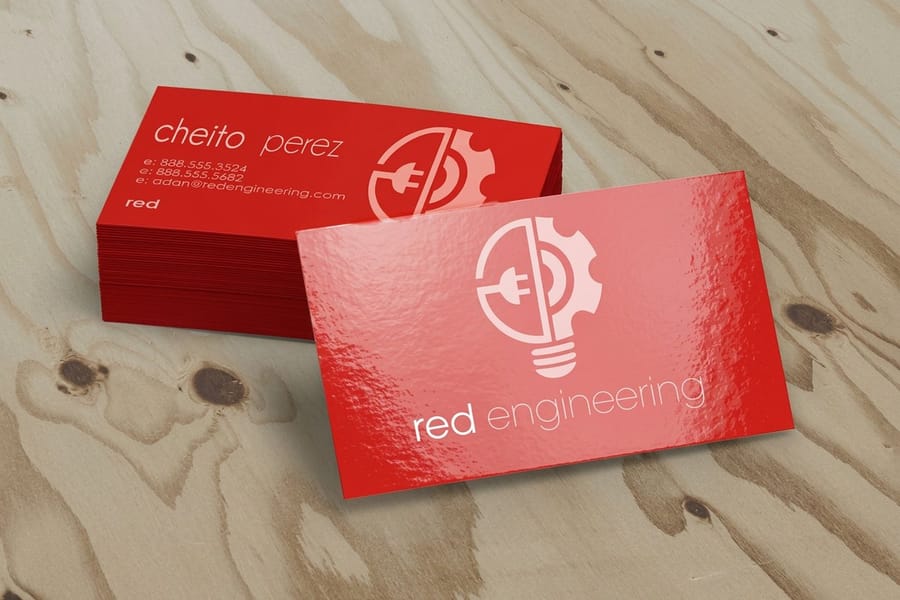
Aqueous is not the only finish on the menu. These are the alternatives and where each one wins.
Versus UV coating. UV cures under ultraviolet light instead of heat and air, so it lands thicker, shinier, and harder against scratches. The trade-off is cost, since UV needs a separate pass or specialized gear, and UV-coated paper is harder to recycle. For most jobs aqueous is the greener, more economical pick. If you want the full breakdown, read UV coating on business cards and our take on UV coating pros and cons.
Versus varnish. Traditional varnish is oil-based and applied on press like aqueous, but it dries slower, can yellow over time, and releases more VOCs. Aqueous dries faster, stays clear, and is kinder to the environment. Versus lamination. Laminate bonds a plastic film to the paper for the toughest, most water-resistant protection of any finish, at the highest cost and with the hardest recycling. Aqueous will not make a piece waterproof, but for everyday scuffs, smudges, and fingerprints it does the job for a fraction of the price. To see finishes in action, browse the guides hub or the printed product showcase.
| Finish | How it is applied | Look | Scuff resistance | Can you write on it | Recyclable | Relative cost |
|---|---|---|---|---|---|---|
| Aqueous | Water-based, rolled on inline during printing, dried with heat and air | Gloss, satin or matte, stays clear over time | Good against everyday scuffs and fingerprints | Not easily, ballpoint and gel inks skid | Yes, the coating breaks down with the paper | Lowest of the four |
| UV | Cured under ultraviolet light, usually a separate pass or a dedicated press unit | Thicker and shinier than aqueous, high gloss or spot | Best of the coatings, hard surface | No | Harder, the cured layer resists repulping | Higher than aqueous |
| Varnish | Oil-based, applied on press like an ink | Gloss, satin or dull, can yellow with age | Light, closer to uncoated than to UV | Sometimes, on a dull varnish | Yes | Similar to aqueous, slightly more with a spot pass |
| Lamination | A plastic film bonded to the sheet after printing | Gloss, matte or soft touch, the most uniform surface | Highest, and the only one that resists water | No, unless it is a writable laminate | Hardest, the film has to be separated | Highest of the four |
What aqueous coating costs compared with UV and lamination
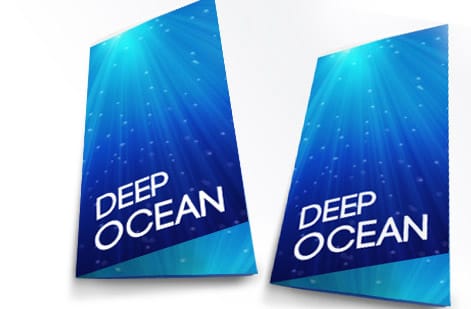
Coating cost is really a question of how many passes the sheet takes and what materials get added. Aqueous sits at the bottom of that ladder for a simple reason: it never leaves the press.
- Aqueous, lowest tier. It runs inline through the coater on the same pass as the ink. No second setup, no extra handling, no added material beyond the water-based coating itself. On most jobs it is folded into the price of the product rather than billed as a finishing line.
- UV, middle tier. UV needs either a separate pass through a curing unit or a press with dedicated UV capability. That is setup time and machine time on top of the print run, which is why it carries a real premium. Spot UV costs more again, because it needs its own mask and registration.
- Lamination, highest tier. Lamination adds film, which is a physical material with a cost per square foot, plus a bonding step through a laminator after printing. You are paying for a consumable and a second machine, so it is the most expensive of the three on nearly every job.
Exact dollars depend on the product, the quantity and the stock, and they move. Rather than quote a number here that goes stale, set your quantity on the product you are printing and the configurator shows the live per-unit price with each finish selected. On standard business cards the finish choice sits in the same option list as the paper, so you can flip between them and watch the price change before you commit.
Best applications for aqueous coating
Not every job needs aqueous coating, but plenty of them benefit. These are the pieces where it earns its keep.
Brochures and catalogs are the sweet spot, because the inline application keeps costs low on large runs while protecting pieces through mailing and display. The same logic applies when you are making flyers for distribution. Postcards and direct mail ride through postal sorting machines that scuff unprotected ink, and a coat of aqueous acts like armor so colors arrive the way you designed them. Book and magazine covers shrug off the wear of being picked up, stacked, and shelved, and gloss makes cover photography pop on a newsstand.
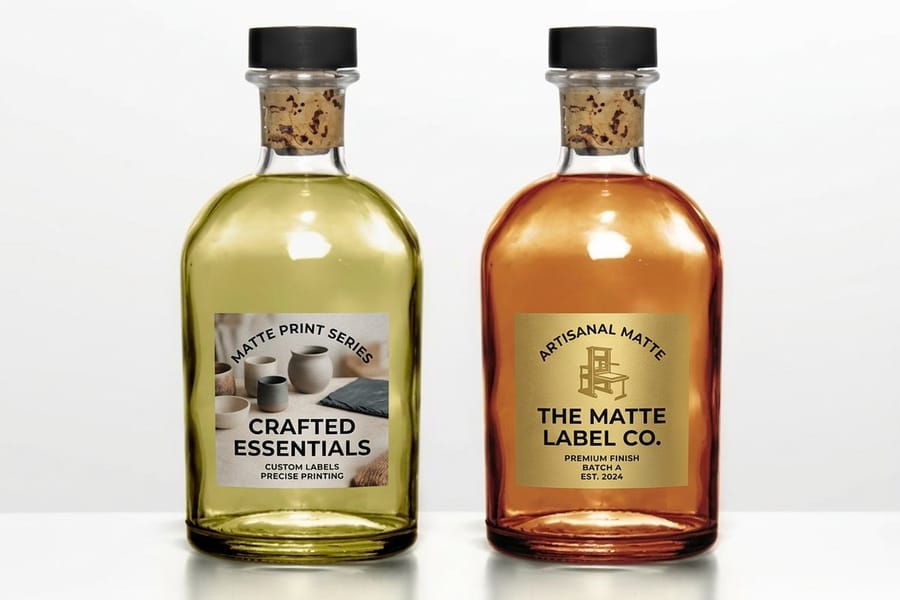
Packaging and labels need to look good after shipping and shelf time, and aqueous guards against moisture, handling marks, and light scuffing. Whether you are producing any shape wine labels or browsing the custom packaging hub, a coating keeps everything sharp on the bottle or box. Even envelopes and stationery benefit, since the film stops ink from rubbing off in transit. If you are making envelopes or exploring custom magnets, keep coating in mind for a polished result.
The environmental case for aqueous coating
Aqueous coating is one of the most responsible finishes you can choose. Because it is water-based, it carries extremely low levels of volatile organic compounds, which means far less air pollution during production than solvent-based varnishes or UV coatings.
Paper with an aqueous finish still moves through standard paper recycling, since the thin polymer layer breaks down during repulping. That matters if your brand cares about sustainability, and in 2026 most do. The fast-drying process is efficient on energy too, with no UV lamps and no long drying times tying up press capacity. Clean protection with a lighter footprint.
Limitations worth knowing
Aqueous coating is not the right answer for every situation, so it helps to know where it falls short before you spec a job.
It is not waterproof. Aqueous resists light moisture, but it will not hold up to spills or prolonged water exposure, so reach for lamination when you truly need a water barrier. Writing on it is tricky. Ballpoint and gel ink do not adhere well to a coated surface, so leave RSVP lines, order forms, or any fill-in area uncoated. It is subtler than UV. If you want an ultra-high-gloss, almost plastic shine, UV delivers a more intense effect, while aqueous gloss stays noticeable but gentler.
Mistakes to avoid when choosing aqueous coating
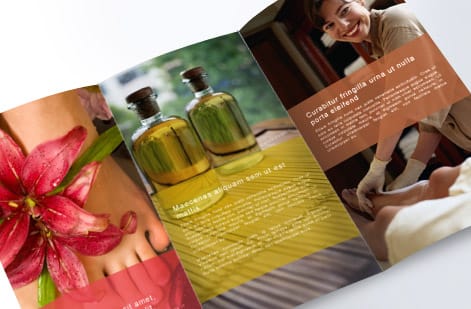
Even people who know coatings well slip up on these. Avoid them and your finished piece looks exactly the way you pictured it.
Using gloss on text-heavy pieces. Glare makes dense body copy harder to read, so switch to matte or satin when text leads. Expecting waterproof protection. Aqueous handles humidity and light moisture, not rain or outdoor signage. Forgetting writable areas. Plan your coating layout around any space where someone needs to write. Choosing aqueous when you need spot effects. Aqueous shines as a full flood coat, while dramatic spot gloss belongs to UV.
Skipping coating to save a little money. The cost difference is usually small, but the protection difference is large, so most pieces last longer and look better with a coat. 4OVER4.COM offers aqueous options across more than 1,000 products, and for finish inspiration you can browse the fantastic finishes collection before you order.
Wally explains aqueous coating
A thin water-based coat that keeps every print looking new
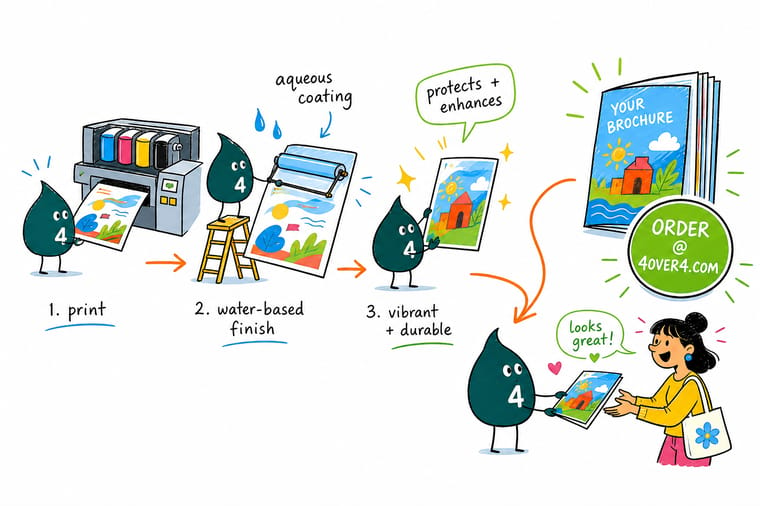
Wally thinks of aqueous coating as a clear raincoat for your print: it goes on right at the press, dries in seconds, and shields the ink from smudges, scuffs, and fingerprints. Pick gloss to make colors pop, matte to cut glare and read clean, or satin for the best of both. It is the fast, low-cost, eco-friendly way to make brochures, postcards, and catalogs look sharp and last longer.
Order coated brochures →Specs and pricing
Coated brochure specs and live pricing
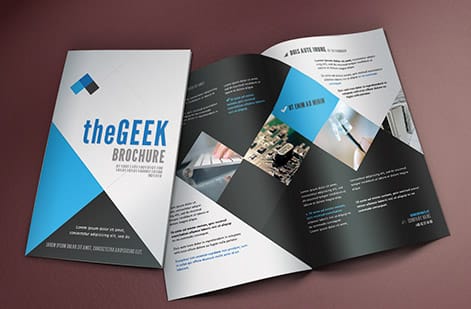
Brochures are a classic candidate for a protective coat. Here are the live specs and price-per-unit for standard brochures at 4OVER4.COM, where you choose your finish as you configure the order.

| Quantity | Price Per Unit | Total |
|---|---|---|
| 50 | $1.14 | $57.11 |
| 100 | 82.4¢ | $82.38 |
| 200 | 53.3¢ | $106.55 |
| 300 | 41.0¢ | $123.02 |
| 400 | 34.9¢ | $139.49 |
| 500 | 31.2¢ | $155.97 |
| 600 | 26.7¢ | $160.36 |
| 700 | 23.5¢ | $164.75 |
Print it
Print projects that benefit from aqueous coating
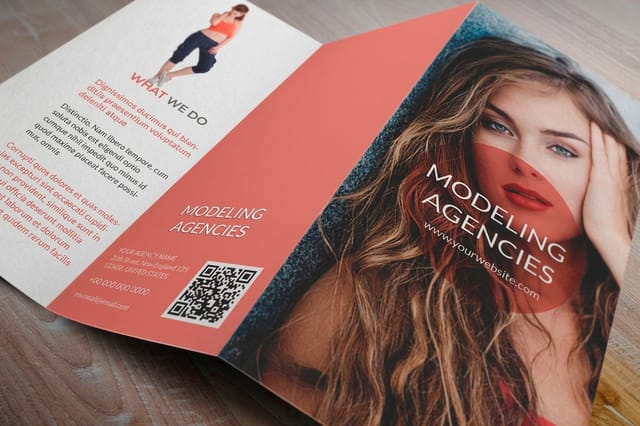
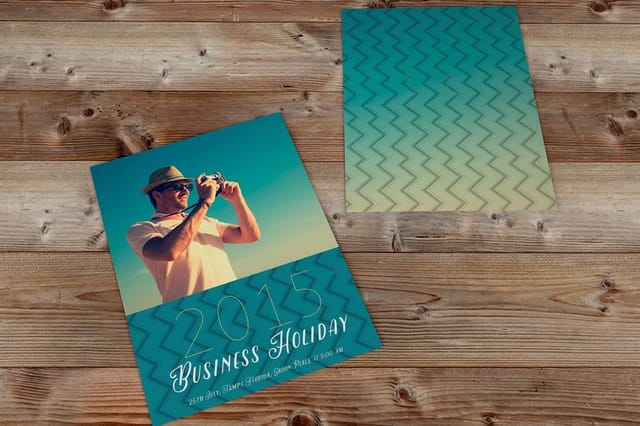
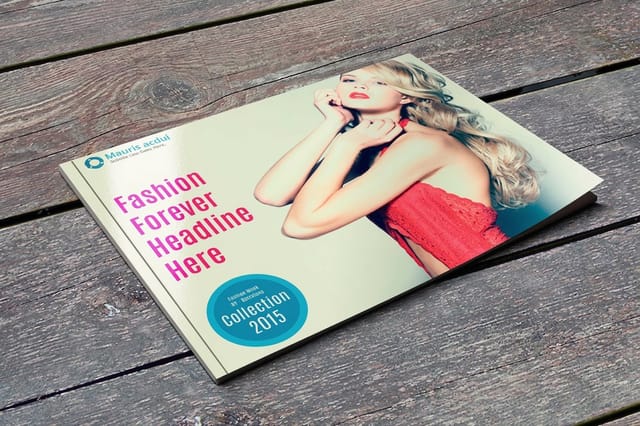
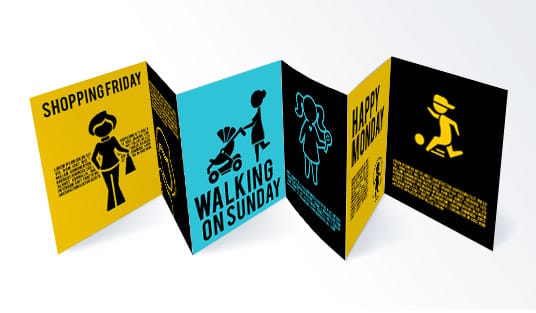
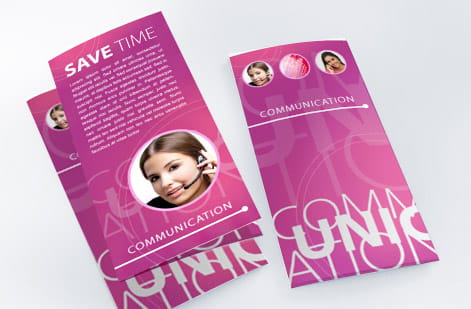
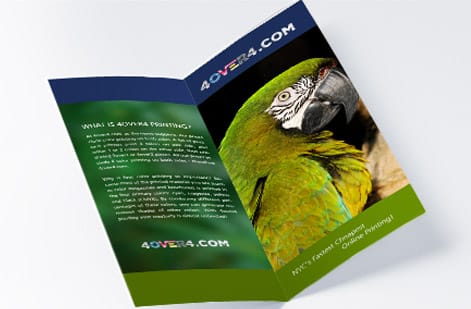
Want to feel the finish before a big run? Order a set of free business cards to compare coatings in hand, or browse custom invitations printing to see coated card stock up close. When you are ready, these are the pieces that gain the most from an aqueous coat.
See it in use
Coated brochures off our own coater


Explore more
Where to go next


By the numbers
The press that lays the coat down
Common Questions
Common questions about aqueous coating
What is aqueous coating, and how is it different from UV coating?
Aqueous coating is a water-based, clear protective finish applied on the printing press and dried with heat and air. UV coating uses ultraviolet light to cure a thicker, harder plastic layer. Aqueous is more affordable, more eco-friendly, and easier to recycle, while UV delivers a more intense gloss at a higher cost and with tougher recycling.
Can you write on paper that has aqueous coating?
Not easily. Ballpoint and gel inks do not adhere well to an aqueous-coated surface. If your piece includes fill-in areas like response cards or order forms, leave those sections uncoated. 4OVER4.COM can help you plan coating placement for designs that need writable space.
Is aqueous coating food-safe for packaging?
Standard aqueous coatings are generally considered safe for indirect food contact, such as the outside of a box. For direct food contact you need a coating specifically certified as food-safe, so always confirm with your printer and check current FDA guidance for your exact use.
Does aqueous coating change the color of my prints?
Slightly. Gloss makes colors look more saturated and vivid, while matte can soften them and lower contrast. Satin lands in between. These shifts are subtle, but worth planning for when color accuracy is critical to your brand.
How much does aqueous coating add to the cost of a print job?
Very little. Because it is applied inline during printing, aqueous is one of the most budget-friendly finishes available. The exact cost depends on job size and specs, and larger runs see the smallest per-unit increase.
Is aqueous coating cheaper than UV coating?
Yes. Aqueous runs inline on the same pass as the ink, so it adds no setup and no second machine, which is why it usually sits inside the base price of the product. UV cures under ultraviolet light and needs either a separate pass or a dedicated press unit, so it carries a real premium, and spot UV costs more again because it needs its own mask and registration. For live figures, set your quantity on the product page and switch the finish option to see the per-unit price move.
Will aqueous coating protect my prints during mailing?
Yes. It provides solid protection against the scuffing and friction of postal sorting and delivery, so postcards and direct mail arrive cleaner than uncoated pieces. It will not guard against water damage from rain, though.
Get Started
Add aqueous coating to a 50-brochure run from $57.11
Pick your size, upload your art, and choose a gloss, matte, or satin finish that keeps every piece crisp from the press to the mailbox.
Legal Disclaimer
Gold Standard guarantees apply to all standard orders placed through 4over4.com. Price match requires verifiable proof of a competitor's published price for an equivalent product with matching specifications and turnaround time. Satisfaction guarantee covers manufacturing defects and print quality issues. Contact support with order number and documentation. On-time delivery rate based on tracked orders 1999 to 2026. Individual results may vary based on shipping carrier performance.
