
Postcard Printing Guide for Design, Paper and Mailing Tips


Pick the right stock and size, build a print-ready file in CMYK, follow the USPS mailing rules, and order in volume to drop the cost per card. Here is the full postcard playbook, start to mailbox.
For the best postcard printing, match the stock and size to the job: a 14pt or 16pt gloss card on a 4.25 by 6 inch layout hits the lowest USPS rate and prints color-rich. Build the file in CMYK at 300 DPI with a 0.125 inch bleed, keep the address block clear for the post office, and order in volume so the price per card drops on the mailing.
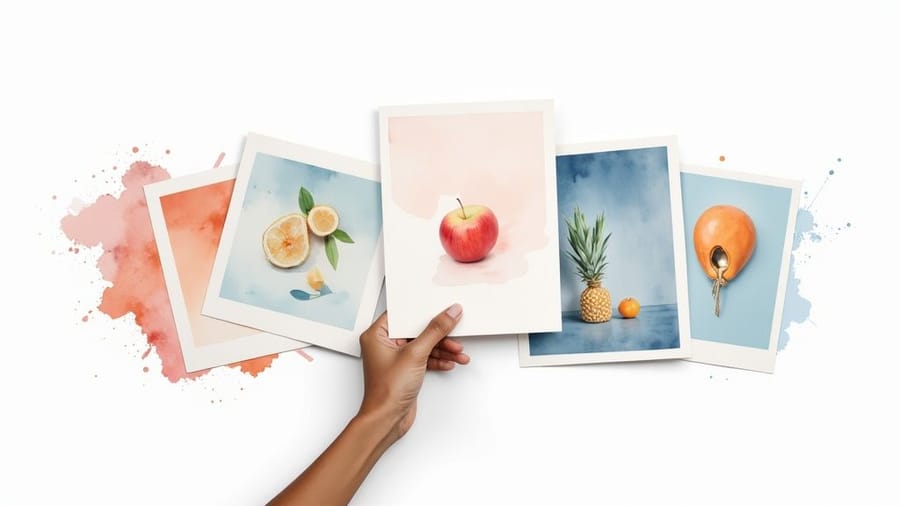
Quick tips
Quick tips for printing better postcards
Choose the stock and size before you design. A 14pt or 16pt gloss card at 4.25 by 6 inches prints color-rich and mails at the lowest USPS postcard rate. Build the file in CMYK at 300 DPI with a 0.125 inch bleed, and keep the lower-right of the back clear for the address and barcode. Order in volume and the price per card falls fast. 4OVER4.COM customers who plan the stock, size, and quantity up front get sharper cards for less.
Watch it printed
See standard postcards on the press, in 154 seconds
Why postcard printing still wins for direct response
A postcard lands in the hand, not in a spam folder. There is no envelope to open and no inbox to ignore, so the offer is read the moment the mail is sorted. That is why a well-printed postcard still pulls response rates that most digital channels cannot match, especially for local businesses, real estate, and repeat-purchase offers.
The catch is that the card has to look and feel the part. A thin, dull print signals a discount, while a thick, sharp card on the right stock signals a brand worth trusting. This guide walks through the choices that make that difference: paper, size, design setup, USPS mailing rules, and the cost math that keeps a campaign profitable.
If you are running other print projects alongside your mail, our Online Designer handles color and bleed for you, and you can even learn how to fold a brochure for a matching leave-behind. Our full guide hub covers the rest of the print stack.
Choosing the right postcard paper and finish
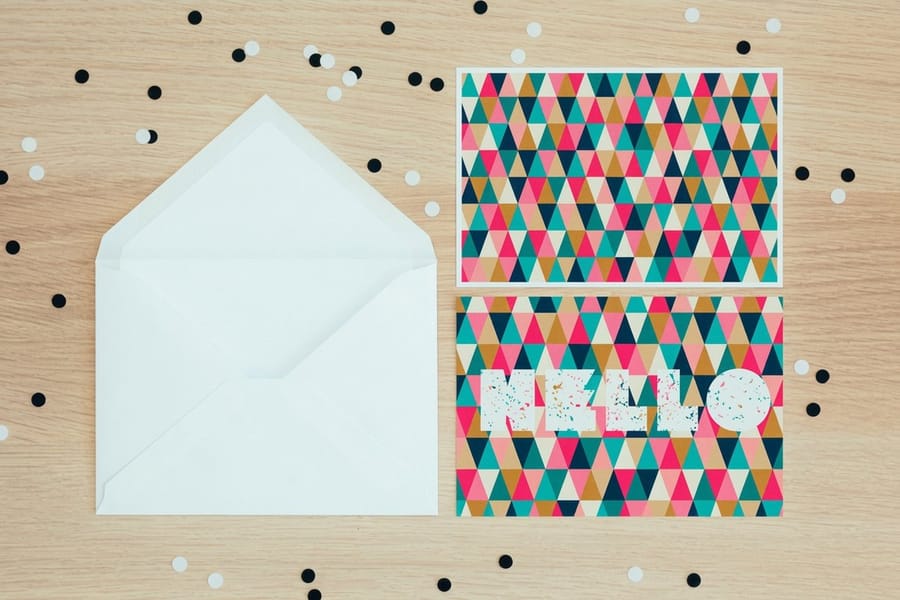
Stock is the first decision because it sets both the feel and the cost. For most marketing postcards, a 14pt or 16pt gloss cover is the workhorse. It is rigid enough to survive the mail stream and glossy enough to make photos and color pop. Step up to an 18pt or thicker luxe stock when you want the card to feel premium the instant it is picked up.
Finish changes the whole personality of the card. A high-gloss UV coating deepens color and adds shine, a matte or soft touch finish reads as calm and upscale, and an uncoated stock is the one to pick when someone needs to write on the card. Specialty finishes like silk, kraft, and metallic give a brand a tactile signature that a screen can never reproduce.
If you are printing postcards alongside other 4OVER4.COM marketing materials printing, matching the stock and finish across the set keeps your brand consistent from the mailbox to the counter.
Postcard sizes and what each one is for
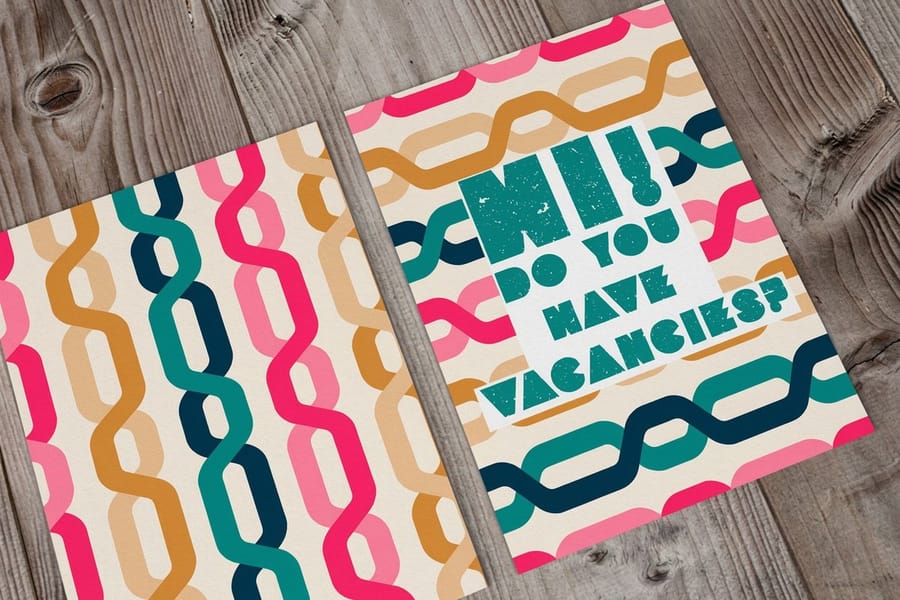
Size is where mailing cost and shelf appeal meet. The most common choices break down cleanly by job.
- 4.25 x 6 in qualifies for the lowest First-Class postcard rate and fits a clear headline, one image, and a single offer.
- 5 x 7 in gives the design more room to breathe and still mails affordably for invitations and announcements.
- 6 x 9 in and 6 x 11 in dominate the mailbox and are the go-to sizes for Every Door Direct Mail routes.
The larger the card, the more it costs to print and mail, so match the size to the job rather than defaulting to the biggest option. For a full breakdown, our postcard sizes and dimensions guide lists every standard size and its best use, and the EDDM postcard sizes guide covers what the route program allows.
Setting up a print-ready postcard file
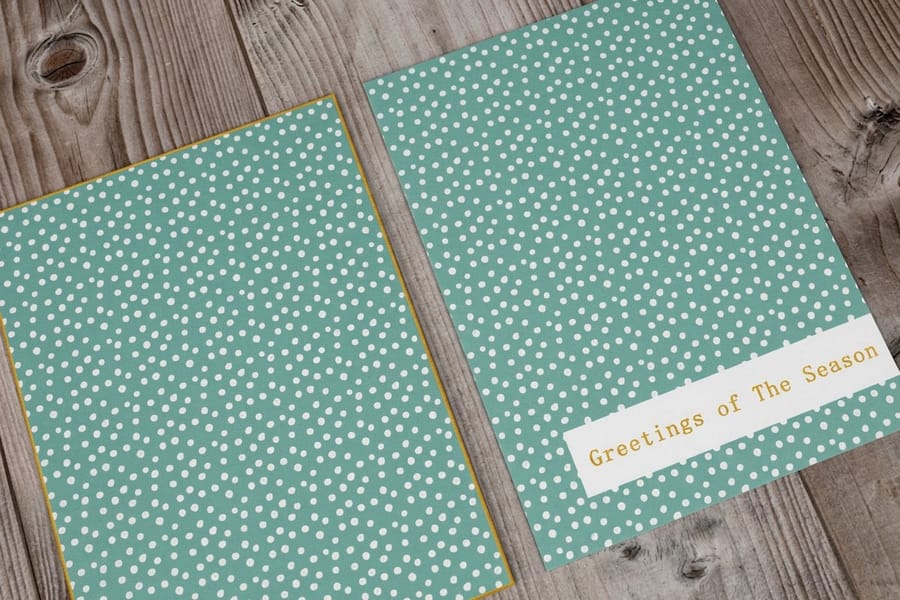
A great postcard starts with a file the press can trust. Get these four things right and the print matches the screen.
- Work in CMYK color. Screens use RGB light, presses use CMYK ink, so convert to CMYK before you export or the vivid blues and greens shift.
- Design at 300 DPI. Anything lower prints soft and pixelated, no matter how good the art looks on a monitor.
- Add a 0.125 in bleed. Extend background color and imagery past every edge so the trim never leaves a white sliver.
- Respect the safe zone. Keep text and logos at least 0.125 in inside the trim line so nothing important gets cut.
If file setup is not your thing, 4OVER4.COM's Online Designer handles bleed, resolution, and color conversion automatically, and every order is checked by a real prepress team before it prints. Building a matching set? Our guides on how to make flyers, how to make envelopes, custom magnets, and how to clean rubber stamps use the same file rules.
USPS mailing specs that keep postage low
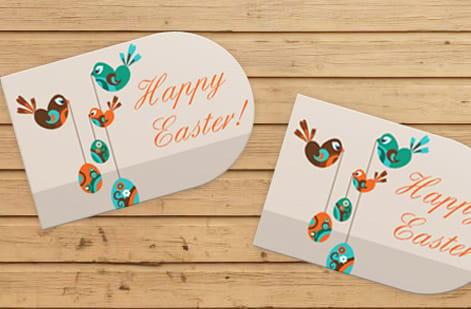
The post office reads a postcard by its layout, so a few rules decide whether you pay the standard rate or a surcharge. Get them right once and every card in the run mails clean.
Leave the address block clear. USPS needs the lower-right of the address side open for the delivery address and the barcode. Graphics that creep into that zone can slow delivery or trigger a nonmachinable fee.
Stay inside the postcard dimensions. To mail at the First-Class postcard rate, a card must fall within the USPS size limits. Go bigger and it mails as a letter or a flat at a higher rate. Our postcard mailing dimensions guide lists the exact minimums and maximums.
Place the stamp and indicia correctly. The upper-right corner is reserved for postage. For the full walkthrough on addressing and postage, see how to address a postcard and how to mail postcards.
Every Door Direct Mail without a mailing list
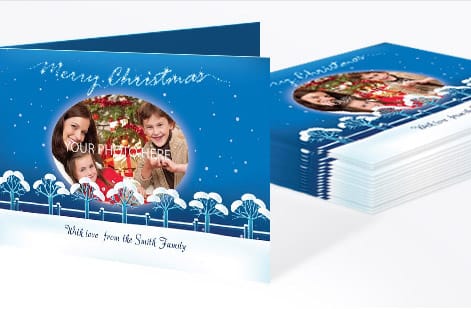
Every Door Direct Mail, or EDDM, is the shortcut to a full neighborhood. Instead of buying or renting a list, you pick postal routes on the USPS map and send a card to every address on them. It is built for local reach, so it is a favorite of restaurants, home services, and grand openings.
The trade is that EDDM requires an approved card size, typically a larger format like 6 x 9 or 6 x 11 inches, and the postage is charged per piece at a reduced rate. Because there is no list to manage, the setup is simpler and the cost per household is low, which makes it the most economical way to blanket an area.
Print your EDDM cards to spec with direct mail postcards from 4OVER4.COM, and use our EDDM postcard sizes guide to confirm the dimensions before you order.
Specialty postcards that get noticed
When a standard card is not enough, a specialty finish turns the mailbox into a moment. These are the formats that stop people mid-sort.
3D lenticular postcards shift and animate as the card tilts, so a single mailer holds motion in the hand. They are unforgettable for product launches and event invites. Start from a ready-made layout with the 3D lenticular postcard template or order the finished product as 3D lenticular postcards.
Black postcards print white and metallic inks on a deep black stock for a bold, high-contrast look. Grab the black postcard template to see how the layers stack. Browse the full range of ready designs in our blank templates library, and if you are in a hurry, same day printing can turn a rush campaign around fast.
What custom postcard printing actually costs
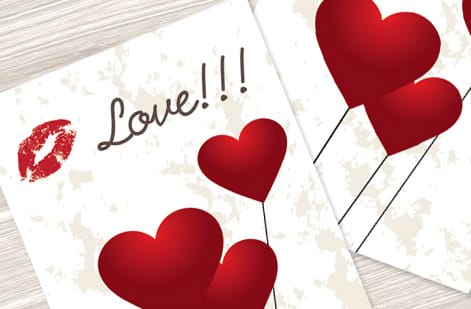
Postcard pricing comes down to four levers: quantity, size, stock, and finish. Quantity is the biggest one. The per-card cost falls sharply as the run grows, so a larger order is the simplest way to lower the price on a mail campaign.
Standard postcards at 4OVER4.COM start at $16.48, and a plain 14pt gloss card at a common mailing size is the most economical build. Upgrades like thicker stock, UV coating, silk, or metallic add cost per card but raise the perceived value, so weigh the finish against the audience and the offer.
The live price table further down this page shows real per-unit costs at each quantity straight from the postcard configurator, so you can see exactly where the bulk savings kick in before you order.
What to compare when you shop postcard printing services
These are the five things that actually differ between printers. Take this list to any quote and the comparison gets short.
| What to compare | 4OVER4.COM | What to ask any other printer |
|---|---|---|
| Turnaround | Same day printing available on qualifying orders, with 99.8% on-time delivery | Is the quoted turnaround production time or delivery time, and what happens if they miss it |
| Paper and finish options | 60+ paper types, with gloss, matte, UV, silk and metallic finishes | How many stocks are actually available at your size, not across the whole catalog |
| Mailing and EDDM service | Direct mail and EDDM postcards printed to USPS layout requirements | Do they mail it, or do they hand you a box and leave the mailing to you |
| Price at 500 copies | Shown live in the price table on this page, straight from the postcard configurator | Is the quote per card or per order, and does it include file setup and trimming |
| Proofing | Free digital proof before production | Free proof or paid, and can you get a physical sample before a large run |
Home postcard printers vs professional printing services
A desktop photo printer is the right answer for a handful of cards. It is the wrong answer for anything in the hundreds, and it is always the wrong answer if the cards are going in the mail. Here is where each one actually lands.
Cost per card. A home printer looks free because you already own it. At twenty cards it more or less is. By 250 you have bought cartridges and a pack of cardstock and the arithmetic has flipped, because a press spreads its setup across the whole run and a desktop printer spends the same on ink for every single sheet.
Stock thickness. Most home printers stop somewhere around 80 lb cover before the feed rollers start complaining. A 14pt or 16pt postcard, the weight people expect a postcard to have, will not go through at all. Thickness is the difference a recipient feels before they read a word.
Color consistency. A desktop printer drifts. Card one and card two hundred will not match, and neither will match what you saw on screen, because the file is RGB and the printer is guessing. A press runs a calibrated CMYK profile and holds it across the run, which is why you get a proof to approve first.
Mailing. This is the real dividing line. Printing at home leaves you addressing, stamping and sorting by hand, and USPS layout rules on the address side are unforgiving. A print service that handles direct mail and EDDM lays the card out to those rules and drops it into the mail stream for you.
So: a handful of cards, no mailing, print at home. Any run in the hundreds, or anything mailed, use a print service. Configure a run on postcards and compare it against what a cartridge and a pack of cardstock cost you.
How an online postcard printing service takes your job from file to mailbox
Every online printer runs the same six stops, and knowing them tells you what to check at each one.
- Size, stock and quantity. Set them in the configurator for standard postcards or direct mail postcards. The price per card updates on screen as the run grows.
- Artwork. Upload a CMYK PDF at 300 DPI with a 0.125 inch bleed, or build the card in the Online Designer, which sets bleed, resolution and color for you.
- Prepress check. A real prepress team reviews the file for resolution, bleed and the USPS address zone before anything prints.
- Proof. A free digital proof shows the trimmed card. Read every line, then approve it.
- Production. Same day printing is available on qualifying orders, and delivery runs at 99.8% on time.
- Ship or mail. The cards ship to you, or the direct mail and EDDM services address them and drop them into the mail stream to USPS layout rules.
Run any other printer's quote past the same six stops and the differences show up fast.
Mistakes that ruin a postcard mailing
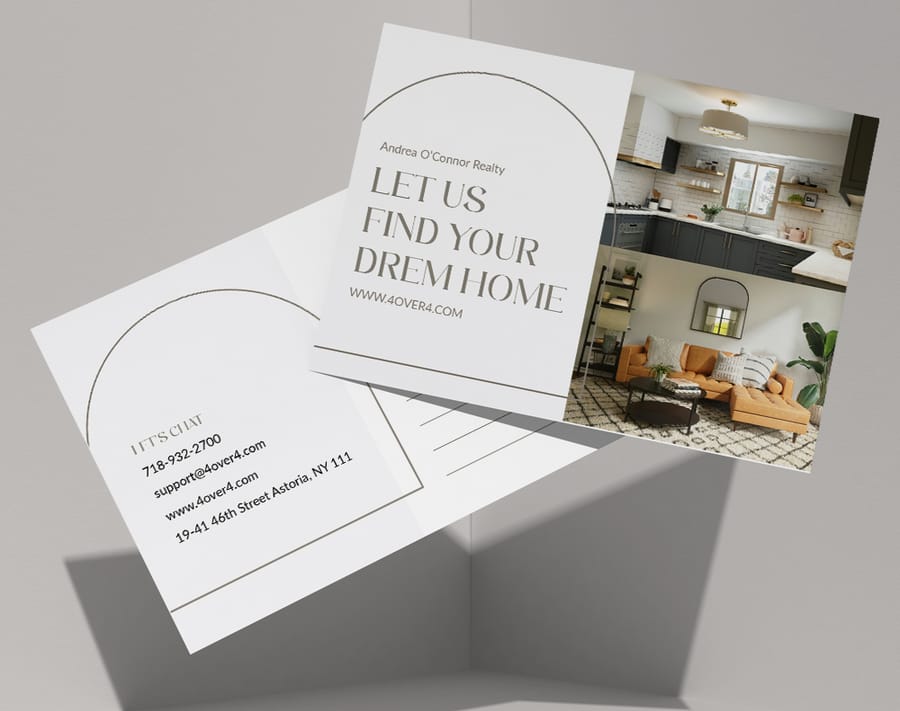
Even a strong offer falls flat when the print or the mail setup is off. Avoid these and the campaign does its job.
Designing in RGB. Colors that glow on screen print dull once the press converts them. Build and export in CMYK so the card matches your proof.
Skipping the bleed. Art that stops at the edge risks a white sliver after trimming. Always extend background color 0.125 inch past every side.
Crowding the address zone. Graphics or text in the USPS clear area slow delivery and can add a surcharge. Keep the lower-right of the back open.
Choosing size last. Picking a size after the design can push the card into a higher postage bracket. Decide the mailing size first, then design to it.
Ordering too few. Small runs carry a high per-card cost. Because postcard pricing drops with volume, a slightly larger order often costs little more and reaches far more people. 4OVER4.COM prints across 60+ paper types so you can scale up without losing the look.
Wally explains postcard printing
The card in the hand beats the ad in the feed
Wally treats a postcard like a tiny billboard that gets hand-delivered: pick the right stock and size, keep the color true in CMYK, and leave the post office its clear zone, and the offer lands read and ready. Then order in volume, because the price per card falls the bigger the run, and a full mailbox is where postcards do their best work. Build yours to your exact art at 4OVER4.
Order postcards →Specs and pricing
Custom postcard specs and pricing
Here is what a fresh, made-to-order postcard gives you at 4OVER4.COM, with live specs and price-per-unit straight from the configurator so you can see the bulk savings.
| Quantity | Price Per Unit | Total |
|---|---|---|
| 50 | 33.0¢ | $16.48 |
| 100 | 24.2¢ | $24.16 |
| 200 | 15.9¢ | $31.86 |
| 300 | 12.8¢ | $38.45 |
| 400 | 11.3¢ | $45.04 |
| 500 | 10.3¢ | $51.62 |
| 600 | 9.89¢ | $59.31 |
| 700 | 9.57¢ | $67.00 |
Print it
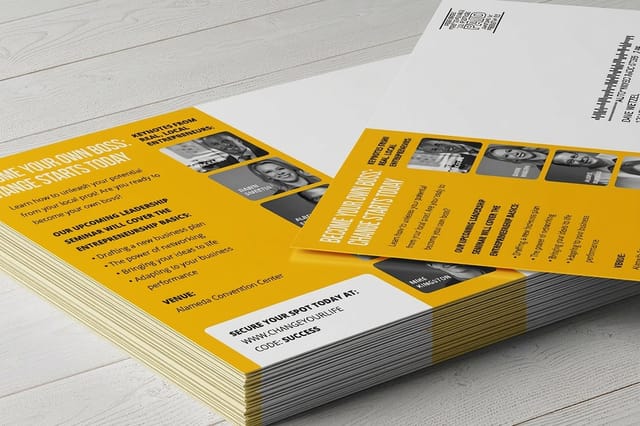
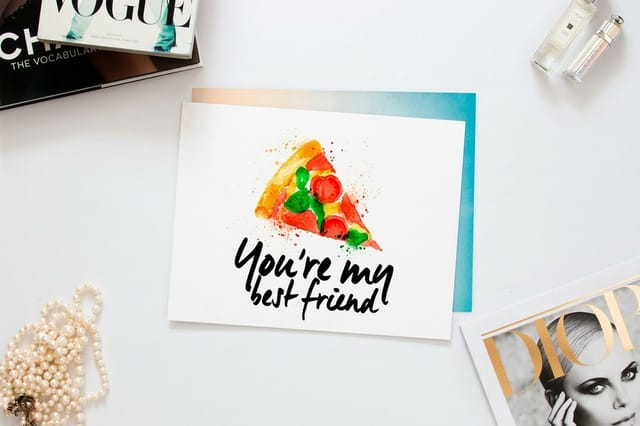
Order postcards for your next mailing at 4OVER4
See it in use
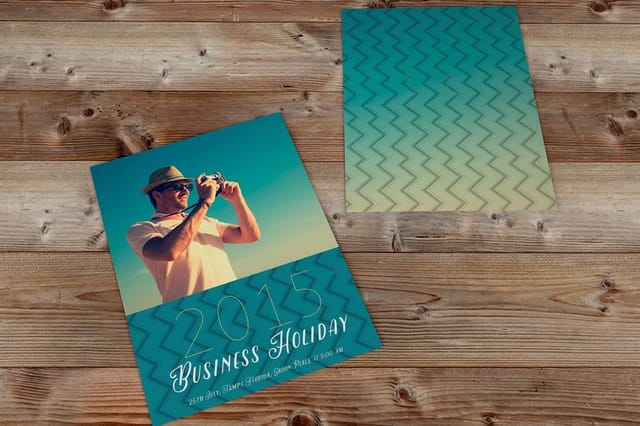
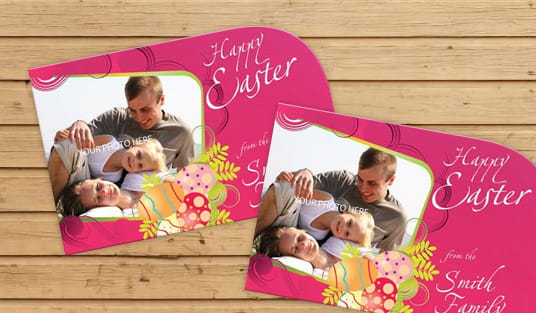
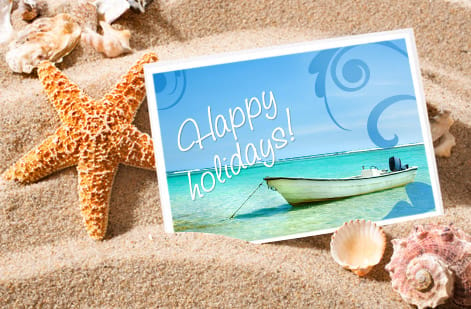
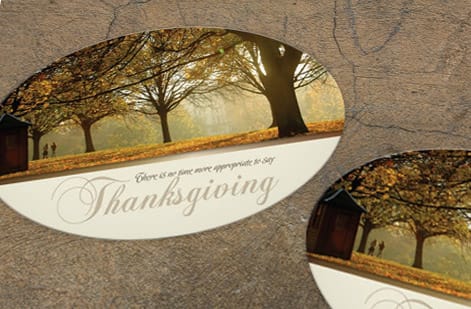
Postcards printed and shipped from customer orders
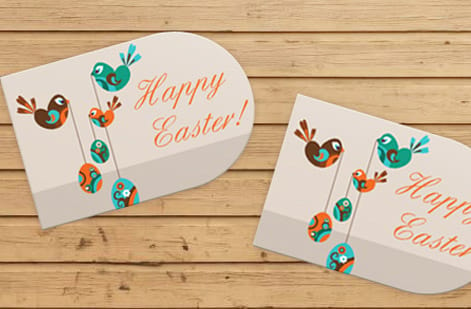
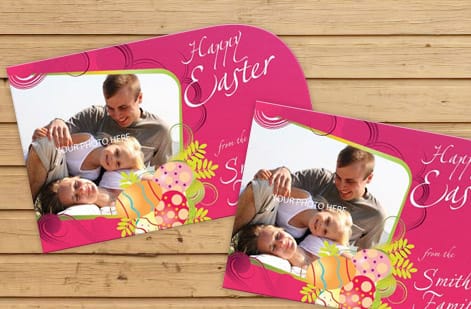
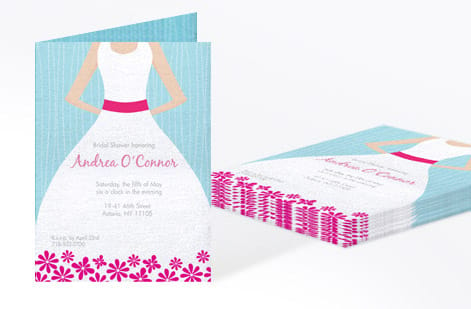
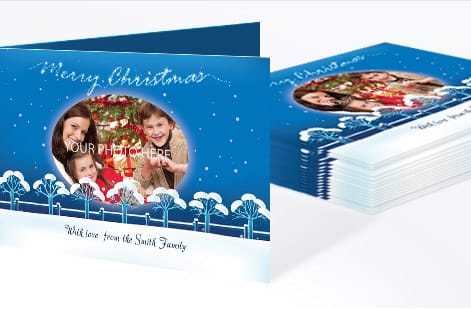

Explore more
Where to go next
By the numbers
What a postcard order includes, in numbers
Common Questions
Common questions about postcard printing
Do postcard printing services mail the cards for you?
Some do and some hand you a box. 4OVER4.COM prints direct mail and EDDM postcards to USPS layout requirements and can address them and drop the run into the mail stream, so you never sort, stamp or address a card by hand. When you compare services, ask whether the quote covers mailing or only printing.
Is a 4x6 postcard a standard mailing size?
Yes. A 4 by 6 inch card sits inside the USPS postcard window, which runs from 3.5 by 5 inches up to 4.25 by 6 inches, so it mails at the First-Class postcard rate. The 4.25 by 6 inch card is the largest size that still qualifies, which is why most marketing postcards land there. Anything bigger mails as a letter.
What should a postcard printing quote include?
Five things: the turnaround and whether it is production or delivery time, the paper stocks and finishes available at your size, whether mailing and EDDM are part of the service, the price at your real quantity rather than a headline price, and whether the proof is free. A quote that is silent on any of them is not comparable to one that answers all five.
What is the best postcard printing service?
The best one is the one that wins on the five things that actually differ: turnaround and whether it is guaranteed, how many paper stocks are available at your size, whether they mail the cards or just ship you a box, the real price at your quantity rather than a headline price, and whether the proof is free. 4OVER4.COM prints postcards across 60+ paper types with a free digital proof, same day printing on qualifying orders and 99.8% on-time delivery. Compare that list against any quote you get and the decision usually makes itself.
What size postcard is best for mailing?
A 4.25 by 6 inch card is the sweet spot for most campaigns because it qualifies for the lower USPS First-Class postcard rate while still leaving room for a headline, offer, and image. If you want more space, a 6 by 9 or 6 by 11 inch card stands out in the mailbox and works well for Every Door Direct Mail routes. Check our postcard mailing dimensions guide before you finalize the layout.
What paper stock should I use for postcards?
For most marketing postcards, a 14pt or 16pt gloss cover gives you rich color, sharp photos, and a sturdy card that survives the mail stream. Choose an uncoated matte or a kraft stock when recipients need to write on the card, such as appointment reminders or handwritten notes. Premium options like silk, soft touch, and metallic add a tactile finish that signals a higher-end brand.
How do I set up a print-ready postcard file?
Build the file in CMYK color at 300 DPI, add a 0.125 inch bleed on every side, and keep important text and logos at least 0.125 inch inside the trim line. Export a flattened PDF with the profile embedded. If you would rather skip the setup, the Online Designer handles bleed, resolution, and color conversion for you, and every order is checked by a real prepress team.
Do I need to leave space for the address on a postcard?
Yes. USPS needs the lower-right portion of the address side left clear for the delivery address and the barcode. Crowding that zone with graphics can slow delivery or trigger a nonmachinable surcharge. Our postcard addressing guide shows the exact clear zone and placement rules so your mailing goes out at the standard rate.
How much do custom postcards cost?
Postcard pricing scales with quantity, size, stock, and finish. Standard postcards at 4OVER4.COM start at $16.48, and the price per card drops sharply as the run gets larger, which is why bulk orders are the cheapest way to reach a big list. Use the live price table on this page to see real per-unit costs at each quantity before you order.
What is EDDM and how does it lower mailing cost?
Every Door Direct Mail lets you send postcards to every address on a chosen postal route without buying or renting a mailing list. You pick the routes on the USPS map, print the cards to an approved EDDM size, and pay a reduced per-piece postage rate. It is the most cost-effective way to blanket a neighborhood, and our EDDM sizes guide covers the exact dimensions the program allows.
Get Started
Ready to print your next postcard campaign?
Pick your size and stock, drop in your art, and we print sharp, mail-ready postcards that land your offer in the hand.
Legal Disclaimer
Gold Standard guarantees apply to all standard orders placed through 4over4.com. Price match requires verifiable proof of a competitor's published price for an equivalent product with matching specifications and turnaround time. Satisfaction guarantee covers manufacturing defects and print quality issues. Contact support with order number and documentation. On-time delivery rate based on tracked orders 1999 to 2026. Individual results may vary based on shipping carrier performance.
