
Content Hub
Stories, Ideas and Advice — Page 68
 story
story What Is the Difference Between 14pt and 16pt Business Cards?
Your business card's weight and thickness depend on factors such as your budget, design requirements, and preference. While weightier cards look and feel more substantial, lighter ones cost less and are easier to carry around. This blog post compares two popular business card widths (14pt and 16pt). So what is the difference between 14pt and 16pt business cards? What Thickness Is Best for Business Cards? Point (pt) is a unit of measurement that indicates paper thickness in the printing industry. A 14pt card is 0.014 inches thick, while a 16pt card is 0.016 inches thick. Thus, a 16pt card is slightly thicker and heavier than a 14pt card. Consequently, a 16pt card feels sturdier and more substantial than a 14pt alternative. In addition, heavier stocks resist creasing and have a higher-quality look and feel. However, 14pt cards are thinner and durable enough for printing. These properties make them affordable and easier to carry in bulk. Also, they are more flexible than the 16pt cardstock. 14pt vs 16pt business card stocks are popular options with peculiar advantages. We'd now consider their unique use cases and benefits to help you decide when shopping for a business card . What Is the Difference between 14pt and 16pt Business Cards? When comparing 14 pt cardstock vs 16pt cardstock, printing experts recommend lighter card stock for some design requirements while favoring weightier stocks for others. So, how does a 14pt vs. 16pt cardstock compare? We’ll see. 14pt Cards A 14pt card stock thickness in inches is 0.014 inches. It offers these advantages: Cost-effective: They are generally more affordable than thicker stock. So, these cards are a cost-effective choice. Flexible and portable: 14pt stock is thinner and flexible, making it the ideal paper for Foldover business cards . In addition, these cards don't weigh much, so they are easy to carry around in bulk and won't impact the weight of your client's wallet. A 14pt card will do the job, but note that these cards are less durable than the 16pt option. Also, some recipients are biased towards lightweight cards and may associate thicker stocks with higher quality. So a 14pt card may fail to leave a strong impression. Another major drawback to using a 14pt card is that some finishes, such as embossing, debossing, or foil stamping, may be unavailable for thinner cards. However, 14pt cards make the perfect Mini, Standard, or Foldover business card. 16pt Cards A 16pt paper thickness has these advantages: Premium feel and more durable: A weightier business card conveys quality and professionalism. Also, these cards are more durable and less prone to damage. More options for special finishes: A 16pt cardstock can handle additional printing techniques, such as spot UV coating, embossing, debossing, and foil stamping, thus enhancing the visual appeal and overall card quality. However, some potential drawbacks are the higher cost, less portability, and recipients occasionally interpreting your card presentation as too formal or excessive. Enhancing Brand Impact with Premium Cardstock Selecting the right cardstock for your business cards can significantly enhance your brand's perception. When it comes to deciding between 14pt and 16pt thicknesses, your choice conveys not only a sense of quality but also your brand's emphasis on detail and professionalism. A 16pt cardstock offers a more premium and robust feel, reflecting an image of solidity and longevity which can be particularly impactful for luxury brands or services that prioritize high quality above all else. Moreover, the tactile experience of thicker cardstock, such as 16pt, often translates to a more memorable interaction with potential clients or partners. When that card sits alongside others in a wallet or a desk drawer, its substantial nature keeps your brand palpable and top of mind. Conversely, if minimalism and cost-effectiveness are integral to your brand values, a 14pt option provides a sleek, lightweight alternative that aligns with such an ethos, without sacrificing the tactile experience entirely. Conclusion: Is 14pt or 16pt Better? So what is the difference between 14pt and 16pt business cards? These cards have different weights, widths, and separate use cases. Depending on your preferences and needs, one might be better for you than the other. However, they are both popular choices for promoting your business. Ordering a business card online from a reliable service like 4OVER4 will ensure your card meets your desired standard and impresses your audience. Call on +1 718-932-2700 or mail us at support@4over4.com to get started. FAQs Q: What are 14pt and 16pt cardstock, and how do they compare? A: 14pt and 16pt cardstock are paper types commonly used in printing business cards, flyers, postcards, and more. The difference between the two lies in their thickness; 16pt cardstock is thicker and more durable than the 14pt option. Q: When should I choose 14pt cardstock over 16pt for my marketing materials? A: 14pt cardstock is a better option if you want a more economical choice that is still visually appealing. It is commonly used for promotional materials like flyers and brochures. Q: In what situations would 16pt cardstock be the best choice? A: 16pt cardstock is recommended when durability is a priority. It is thicker and more resistant to wear and tear, making it a great option for business cards or materials that will be handled frequently, such as tags or trade show handouts. Q: How does the finish of the paper, such as matte or glossy, affect the choice between 14pt and 16pt cardstock? A: The finish of the paper can impact the final look and feel of your materials. Matte finishes offer a softer look, while glossy finishes provide a more vibrant appearance. The choice between 14pt and 16pt should be based on both the finish and the durability required for the specific project. Q: How does the thickness of 14pt and 16pt cardstock affect printing quality and durability? A: Thicker paper options like 16pt cardstock are less likely to bend or tear during handling compared to 14pt cardstock. This added durability ensures that your printed materials will maintain their quality even with frequent use. Q: Is there a significant difference in cost between 14pt and 16pt cardstock? A: The cost difference between 14pt and 16pt cardstock varies based on factors like quantity and special finishes like laminate or adhesive. Generally, 16pt cardstock may be slightly more expensive due to its added thickness and durability.
 Apr 14, 2023
  story
story What Is The Size Of A Business Card?
Your business card presentation is the first impression of your business for many. Hence, you should choose properties that are congruent with your ideals, like color, paper type, and business card shape. But your card’s size is just as important. So what is the size of a business card , and what are your options? What Is The Average Business Card Size? Understanding the Importance of Business Card Size Your business card size has several significance. We will look at how many inches is a business card as well as what's the standard size of a business card Portability: The standard size (3.5 inches by 2 inches) will fit in most wallets or holders and are thus easy and convenient to carry around. Design: A business card's size impacts its design. So, while some designs look good on a standard card, others are better on square-shaped (2 inches by 2 inches) or Foldover business cards. Cost: Standard-sized cards are a cost-effective option than larger or custom-sized cards. Consider your budget when deciding on size. Professionalism or uniqueness: A standard-sized business card may signal professionalism. However, a custom-shaped card helps convey remarkability and creativity. So what is the size of a business card, and what are your options? What Is The Size Of A Business Card? Some of the popular business card sizes include the following (in inches): 3.5 x 2 (Standard size) 3.5 x 1.5 3.375 x 2.125 (European standard size) 2 x 2 (Square cards) Custom size The standard size in the United States and Canada is 3.5" by 2" (or 89 mm by 51 mm). However, checking with your printer or designer is vital since this standard varies for different locations. For example, the standard size in Europe is 3.375" x 2.125" (or 85.725 by 53.975). Standard Business Card Sizes: What You Need to Know Standard size business cards are professional-looking and will adequately represent your brand. But here are other noteworthy points on standard card sizes: Size variations : 3.5” by 2” is the standard size, but there are variations in size and dimensions depending on the location and specific printer requirements. For example, they can be slightly larger or smaller than the standard size in Europe and other parts of the world. Bleed area: The bleed area is the extra space around the edge of your design that is trimmed off during printing. Leave at least 0.125 inches (3 mm) of bleed area as useful padding to enhance readability and avoid information getting chopped off. Font size: We advise using a font size of at least 8 pt to ensure your information is easy to read. Orientation : Landscape is the general layout, but there's also the portrait orientation. Remember, you can choose a layout to match your preference and design requirements. Unconventional Business Card Sizes: Are They Effective? Standard business card sizes may be safe and reliable, but unconventional sizes can help your card stand out and make a lasting impression on potential customers. You should consider these few points when deciding on an unconventional business card template size: Purpose : A larger business card can help to showcase your products, services, or offers. Printing: Unconventional sizes cost more to print than standard sizes. However, the cost difference is minimal for this type of investment. Functionality: Oversized cards may be too large to fit in a wallet or cardholder. So we advise moderate-sized cards instead. Design : An unconventional business card size looks novel and will help your brand stand out. Still, you want to avoid cluttering your card design since this will detract from its overall effectiveness. Factors to Consider When Choosing the Right Business Card Size A few factors should play out when considering a business card size. Usually, these should include your: Purpose, Industry, Budget, Design, and Practicality. So what is the size of a business card going to be? Whatever you decide, consider using an online printing service like 4OVER4. We offer high-quality, customizable business card products at great prices and fast turnaround times. The Art of Choosing Your Business Card Size When it comes to selecting the size of your business card, it's not just about aesthetics—it's about function and brand alignment too. Your business card should complement your branding by fitting in with the overall design scheme, and not be an afterthought. If you're aiming for a minimalist look, a clean and classic standard-sized card (3.5" x 2") might be your best option. Alternatively, if you want your brand to be perceived as bold and innovative, you may explore more unique sizes or even custom shapes. Bear in mind that your business card size also impacts how the card is handled. A card that doesn't fit into a standard wallet or cardholder may become a nuisance, while one that is too small can easily become lost or overlooked. Balance innovation with practicality for the best outcome. Understanding that the size of your business card is an extension of your professional presentation, you must choose wisely. Whether you're networking in a corporate environment or a creative space, your business card size should complement and enhance all other aspects of your brand without compromising the card's functionality. Remember, a business card is not just handed out—it's handed on, representing your brand in your absence and potentially opening the door to new opportunities. FAQs Q: What is the standard size for a business card? A: The standard size for a business card is 3.5 x 2 inches. Q: How can I design a business card using a template? A: To design a business card using a template, you can use design software like Adobe Illustrator or Photoshop, which offers pre-made business card templates. Q: What are square business cards, and how are they different from standard-size business cards? A: Square business cards have equal dimensions on all sides, which distinguishes them from the traditional rectangular shape of standard-size business cards. Q: What is the recommended pixel resolution for designing a business card? A: The recommended pixel resolution for designing a business card is 300 DPI (dots per inch) to ensure high-quality printing. Q: What are the most popular business card sizes besides the standard size? A: Some popular business card sizes include square business cards, mini business cards, and two-sided business cards that offer unique design options. Q: How can I ensure that the final size of my business card matches the design dimensions? A: To ensure that the final size of your business card matches the design dimensions, work closely with your printing service provider and select the appropriate paper stock for printing. Q: Should I consider rounded corners for my business card design? A: Rounded corners can add a unique touch to your business card design, but before making a decision, consider whether it aligns with your brand image. Q: What are some best practices for printing business cards? A: Some best practices for printing business cards include using high-quality design elements, selecting the right paper stock, and ensuring the correct dimensions for printing.
Apr 28, 2023 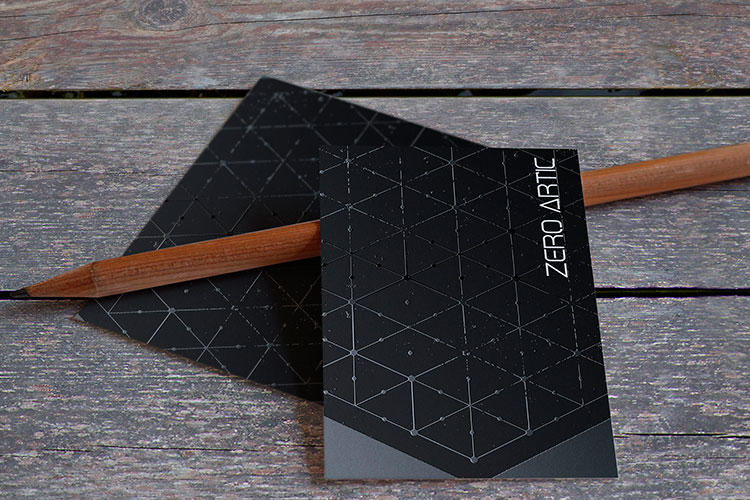 story
story What is UV Coating on Business Cards?
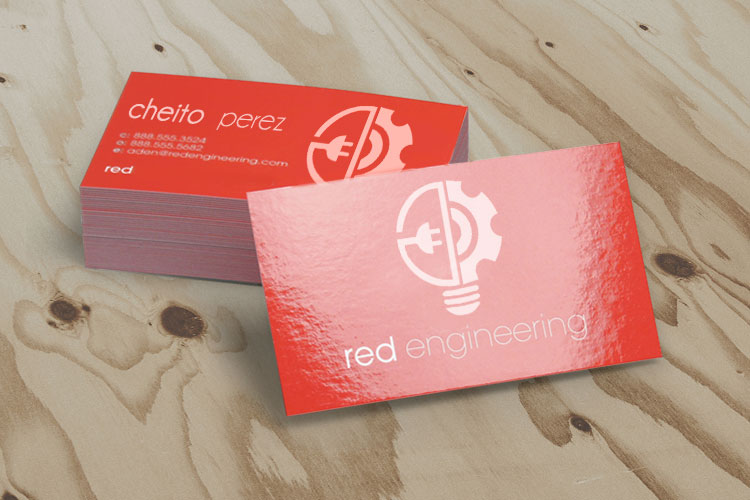
UV coating is a glossy, protective layer applied to business cards to give them a polished and professional appearance. But what is UV coating on business cards, and why should you consider it for your next set of cards? Let's dive in to understand the process and its benefits. How UV Coating Enhances Your Business Card Design Spot-UV is achieved by applying ultraviolet-cured coatings on top of ink on paper, creating a glossy shine and smooth finish. This coating not only adds an attractive visual element but also helps protect the card from wear and tear. By enhancing the colors and contrast of your design, this finish is striking and appealing. The glossy finish of this coating can make a significant difference. It adds depth to the colors, making them pop and giving them an almost three-dimensional quality. This effect can be particularly impactful for cards with vibrant designs or striking images. What is Spot UV Coating on Business Cards? Spot UV coating is a variation of the standard UV coating process. Instead of applying the glossy finish to the entire card, we selectively applied it to specific areas, such as logos or text. This technique emphasizes certain elements of your design, making them truly eye-catching. So, what is spot UV coating on business cards? It's a way to make specific portions of your cards even more memorable and unique. Spot UV can be used to highlight important information or create interesting visual effects. For example, you can use spot UV on your company logo to draw attention to it or apply it to a pattern or background image to add a subtle yet captivating texture. The Benefits of UV Coating for Business Cards There are several benefits of UV coating: Enhanced appearance : The glossy finish adds a professional and polished look to your cards, setting them apart from standard cards and helping you create a memorable first impression. Durability: The coating forms a protective layer that shields your cards from scratches, smudges, and other signs of wear, ensuring they look great for longer. Color vibrancy: The high-shine finish can make colors appear more vivid and brighter, resulting in a visually striking design that captures attention. Tactile experience: Spot UV adds an interesting tactile element to your business cards. The difference in texture between the coated and uncoated areas creates a pleasing sensation when touched, making your card even more memorable to recipients. Tips for Designing Business Cards with UV Coating When designing with UV coating, keep the following tips in mind to maximize the impact of this finishing touch: Choose the right elements: Apply it to logos, important text, or eye-catching designs for maximum impact. Consider which aspects of your design you want to emphasize and ensure the spot UV application enhances the overall look and feel of your card. Consider contrasting finishes: Combine spot UV with matte or silk finishes to create an interesting texture contrast. This can add a unique touch to your card design and create a more sophisticated appearance. Keep it simple: Overusing UV coating can detract from your card's design and make it appear cluttered or overwhelming. Use it sparingly and strategically to accentuate key elements without overpowering the card's overall aesthetic. Conclusion Understanding what is UV coating on business cards and what is spot UV coating on business cards can help you create impressive, memorable, and professional cards. They offer numerous benefits for enhancing the appearance, durability, and uniqueness of your business cards. Don’t hesitate its possibilities with us. For over 20 years, we at 4OVER4 have helped our customers grow their businesses with quality print marketing materials. So you can trust us with all your printing needs. Talk to us today.
Apr 14, 2023  story
story What Kind Of Paper Is Used For Business Cards?
The type of material you select can affect the look and feel of your card. So you have to know what kind of paper Is used for business cards . We will explore the importance of choosing the right paper and how to select the best one for your needs. The Importance of Choosing the Right Paper for Business Cards Choosing the right cardstock is so critical because it communicates the branding, value, and ambition of your company. Here are some quick reasons why what kind of paper is used for business cards is important. Firstly, your card is often times your best opportunity to make a lasting first impression. Messing up your first impression with poor-quality material could result in lasting damage to your business. Secondly, they reflect your branding and its message. Brandishing the right card at a business function can say a lot about your positioning and ambition. Also, Choosing the right stock guarantees durability. On the other hand, it enhances the longevity of your card. This will ensure that your contact information is available to clients and prospects for a longer period. So if you truly want a business card that makes an impact, choosing the right paper is inevitable. What kind of paper is used for business cards? The material options for business cards are inexhaustible. But the common ones include: Uncoated Paper : If you prefer a more natural textured look and feel to your business, then go for uncoated paper. They come in different thicknesses. Coated paper: Many business owners prefer coated paper because it provides a smooth and glossy finish. They come in either glossy or matte. Glossy coated stock gives a shiny, polished appearance, while matte coated provides a smoother, more muted finish. Textured paper : This is a great choice for people who want to convey a sense of elegance and luxury. They include silk laminated, cotton paper, and linen paper. Specialty Paper : Aside from the more traditional paper options, you can go for specialty print material like recyclable kraft paper, metallic, or even wooden business cards to produce a one-of-a-kind and memorable card. How to Choose the Best Paper for Your Business Cards Choosing the best paper for you depends on various factors, including your budget, branding, and of course, the level of durability you desire. Here are some tips that can guide you toward making the right decision. Branding : As a business, your brand positioning must be reflected in all your engagement channels, especially your business cards. You don't want a stock that is at variance with your branding. Budget: The cost of the paper can vary greatly depending on the quality. So you need to consider how much you are willing to spend before making the decision. If you are just starting, you may want to settle for the more standard type, which is more affordable yet quality. Durability: The longer your card survives, the higher your chances of conversion. So you may want to choose a paper that is not easily damaged, like the coated paper. The Role of Paper Quality in Making a Good Impression with Business Cards Your business cards are often the first point of contact between you and potential clients or partners. A high-quality card can help make a good impression. And what kind of paper is used for business cards can say a lot about you or your business. For instance, a thick, sturdy card stock with a smooth finish can give the impression that your company cares about details and takes pride in its work. Also, a professionally designed card with high-quality paper can communicate a sense of professionalism and credibility. And if you pride yourself as a premium brand, using high-quality business cards is the way to attract attention from your target market. Working with a good print service provider like 4OVER4 can help you make the right choice and give you the desired outcome in your business card print. Get printing today.
Apr 21, 2023 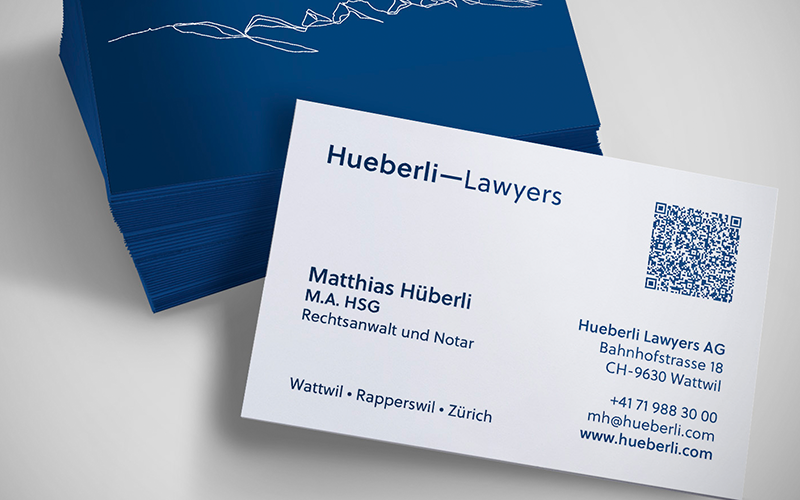 story
story What Should A Business Card Include
It can be difficult for people to remember all the professionals they meet at business functions. That is where well-designed business cards come in. They not only remind people of you but show them how to find you. But how do you know when a business card is designed correctly? Or better still, what should a business card include? What Should a Business Card Include: Essential Elements As soon as you decide to print a card, you naturally want to know what should a business card include. Remember that you have limited space to play with. So stick with essential elements like Logo, company name, and tagline. Others are your name and title, contact address, social media, and QR code. Essential Contact Information Imagine having a gorgeous business card but without contact information. It's unthinkable, right? That is how important contact information is. They help prospects locate you after your first meeting. So, what are the key contact details to include? Phone number : Include a direct line where people can reach you. Email address : preferably your professional email address. Website: This allows for easy access to updated information about your businesses. LinkedIn profile: In today's business world, not having a LinkedIn profile can be viewed as unprofessional. Physical address: If your business depends on foot traffic, the physical address is a must. Depending on your business type, you may include other social media handles like Facebook, Instagram, Twitter, and Snapchat. Professional Design and Branding Element Having decided on what should a business card include, the next logical step is design and branding elements. Here are the key design elements. Logo : This is arguably the most important aspect of your card. You may consider dedicating one side of your card exclusively to the logo. Giving your logo a prominent place will ensure that it catches the eyes of prospects. Size and shapes : If you want to stand out, consider using unconventional shapes or sizes. Have you thought about using square shapes or rounded corners? At 4OVER4, we have a rich array of custom shaped cards that will fit your branding preferences. Organize your information: Each piece of information in your card should be clearly distinguishable but flow nicely with one another. A good visual flow is in the order of Logo, name, then other secondary information can follow. Typeface : All your text should be no less than 8 pts, except for your name and brand name. They can be printed in larger sizes (larger than 12pts) and a different typeface. Captivating Tagline or Slogan A tagline or slogan is a short and catchy phrase that summarizes your value proposition and sets you apart from the competition. If you don't have a tagline or slogan yet, you need one ASAP. They are a good way to leave an enduring first impression on prospects. Some of the well-known Taglines include "Just Do" it by Nike and "Think Differently" by Apple. QR Codes and Digital Links for connectivity Including a QR code in your card design is a cool way to communicate that you are a modern business that understands technology. QR codes can allow easy and quick access to your LinkedIn profile or a website showcasing your work. This can particularly be useful for professionals in marketing, IT or creative art. Are you wondering how to get it? 4over4 allows you to generate customized QR code for free. Industry-Specific Details and Specializations Adding industry-specific details and specializations can elevate your card from an information holder to a powerful marketing tool. Here are things to take note of. Consider the industry you belong to and your type of audience. This will help you produce designs that resonate with your market. Be sure to highlight your specialization. You can do this with a concise tagline or slogan. Make good use of images or icons that communicate your industry or specialization. They can be cleverly used as background patterns. If you need some inspiration in this area, take a look at the portfolios of business card design templates on 4OVER4 to get a feel of what top-quality work looks like. Conclusion With these simple narratives, what should a business card include should no longer be an issue. Go ahead and make your card the ultimate marketing machine for your personal and business brand.
Sep 14, 2023 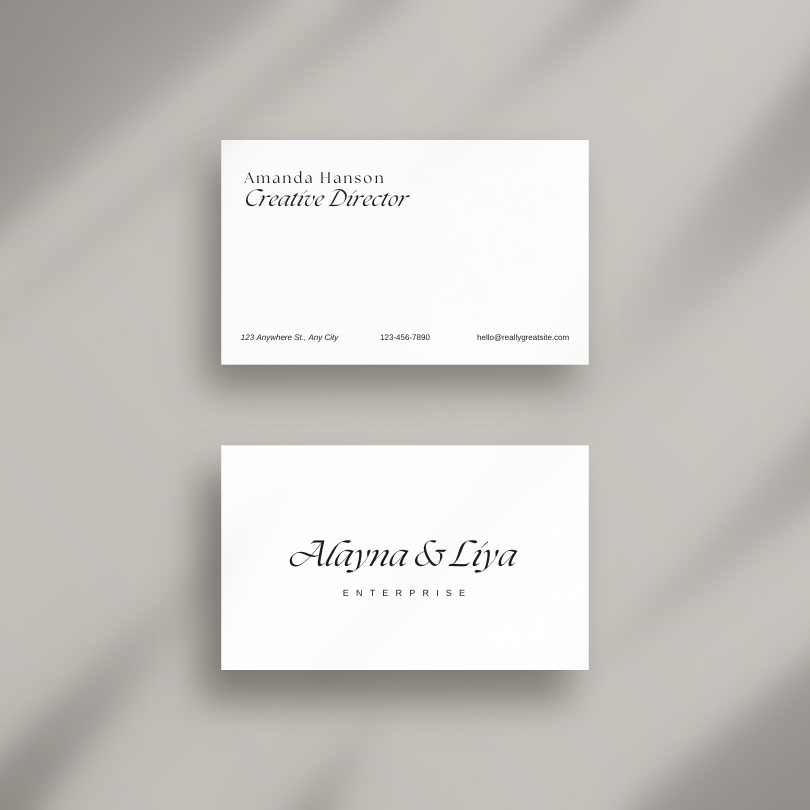 story
story What Should You Not Put on a Business Card?
Business cards remain the go-to marketing tool for promoting one's brand. However, these cards can only hold limited information. So, an effective design excludes unnecessary details. In addition, some information will be inappropriate and may cast a shadow on your brand. So, what should you not put on a business card? We'll see. What Information Should You Not Put on a Business Card? Typical Mistakes Business cards are ideal for networking and promoting your brand. But what should you not put on a business card? You should leave out the following information: Personal information: Exclude personal information, such as your home address, social security number, or personal phone number. Use your business contact information instead. Confidential information: Leave out confidential information, such as trade secrets, financial information, or client details. Unprofessional email addresses: Use a professional email address appropriate for a business context. Inappropriate email addresses are overly casual and shouldn't be included. Examples of unprofessional email addresses are: gamer4life@email.com partygirl@email.com beerlover@email.com Use a variation of your name or company name for your email address. Outdated information: A design with an outdated or inaccurate phone number, email address, or job title looks unprofessional. Designing the Perfect Business Card: What Information to Include You should include the following essential information when designing a card: Your name and job title Your company name and logo Contact information A tagline or value proposition In addition to the above essential details, you can also include: Your photo: A personal photograph will make your brand easy to recognize. But you must know of these some potential drawbacks when using your snapshot. QR codes: A QR code will allow people to access your website or other online resources easily. Professional affiliations and certifications: Medical, legal, finance, engineering, or educational professionals can include their affiliations and certifications to help establish their credibility and expertise. Special offers or promotions: Is there an offer you're promoting? Including it on your card will encourage people to take action. Appointment scheduling information: Service-based businesses can include information on how people can schedule an appointment. Social media: Including social media accounts will make it easier for people to find, follow, and engage with you on those platforms. Is It Recommended to Include Information on the Back of My Business Card? Including information on the back of your business card is optional, but we recommend that you utilize the free space. For example, you can have the following information on the back A brief overview or mission statement A list of your products or services Your social media handles and website URL A customer testimonial or quote A call-to-action to visit your website or schedule a consultation Leaving the back of your business card blank may cheapen your brand and offer. Conversely, you gain these benefits by printing on both sides of your card: More space for information: The back of your business card is additional space for including more information, such as the ones listed above. Increased engagement: You can include a call-to-action: a visit to your website, social media handles, or other online resources to increase engagement. Improved credibility: Establish your credibility or industry expertise by including customer testimonials, professional affiliations, or industry awards on the back of your business card. Remember, an effective business card design is clutter-free and easy to read. So it's helpful to utilize the vacant space on the back of your card. Avoiding Common Business Card Mistakes with Professional Templates Templates are a great starting point, but they are not a one-size-fits-all solution. You must tailor them to suit your specific needs. It’s essential to scrutinize every detail in the design process, from making sure your business name stands out to verifying that the contact information is correct and easily readable. Avoid dense blocks of text or images that make your card look unbalanced, and resist the urge to fill every inch with content. Remember, a business card that’s too busy or complicated can be as detrimental as one that’s too sparse. Your template should serve as a guide to create a card that is not just visually appealing but also functional and representative of your personal brand ethos. Conclusion Business cards remain an essential marketing tool for professionals, but it's crucial to include relevant and accurate information. You can now answer the question, “what should you not put on a business card?” You should know what to include and what to leave out as it relates to information on your business card. Remember to browse our catalog of business card products for custom cards that will impress any client, like our Custom-Shaped! FAQs Q: What information should I put on my business card? A: You should include essential details such as your company name, contact details (phone number, email address), and any relevant social media handles. Q: Is it okay to use photos on my business card? A: While it's not a strict rule, using a photo on a business card can make it more memorable. Just make sure the photo is of high quality and professional. Q: Should I include a QR code on my business card? A: Adding a QR code can be a great way to provide easy access to more information about your business. Just ensure it's relevant and adds value. Q: What are some common mistakes to avoid when designing a business card? A: Some common mistakes to avoid include cluttering the card with too much information, using a difficult-to-read font, or neglecting to proofread for errors. Q: How can I make sure my business card stands out? A: To ensure your card makes a lasting impression, use a unique design and quality cardstock, and consider adding a special finish like embossing or foil stamping. Q: Is keeping my business card design consistent with my company branding necessary? A: Yes, maintaining consistency with your brand's colors, fonts, and overall aesthetic can reinforce brand recognition and professionalism. Q: Should I include my physical business address on my business card? A: Including a physical address is optional, but it can help establish credibility and make it easier for potential clients to find you.
Mar 17, 2023 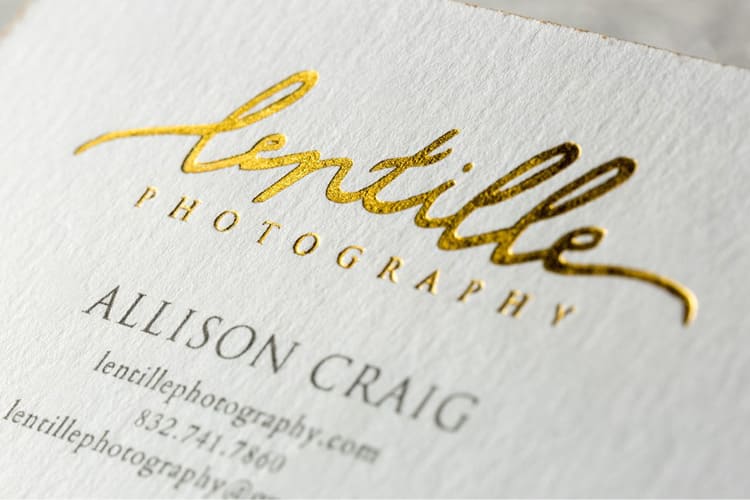 story
story What Size Font on a Business Card?
Your business card will speak for you. But tiny fonts are impossible to read, and larger fonts won’t let you say much. Besides, it’s common to contrast font sizes on a design to highlight essential information. So what font size for business cards is ideal? We’ve answered that question in this post. The Importance of Font Size on Your Business Card It's important to consider best font size for business cards since this will impact your design. For example, the ideal size is legible at a glance but not too big to ruin your design. The perfect font size will communicate your professionalism and attention to detail. Conversely, prospects tend to distrust brands that miss this design detail. What Size Font on a Business Card? So what font size on business card is ideal? Some experts recommend that you go at least 8 points for details that may not be noteworthy (a point is a unit for font size in most design programs). However, important details like your brand's name should be anything from 12 - 16 points. While this is a general guide, certain factors, such as your business card's dimension and design, will affect the size you choose. however, do not go for the smallest font size for business cards. Your business card text size must be readable and functional You should consider these factors when determining the appropriate font size to use on a business card: Amount of text: A smaller size will fit more information, but be careful to favor readability over volumes of text. Typeface : Typefaces look larger or smaller than others at the same point size, so remember this when deciding. Design : A minimalist design includes white spaces, so you may want to use a larger font size to make the text more prominent. Conversely, a smaller font size may be more appropriate when you have a lot of graphics. In addition, unique card designs such as the Raised Foil require you to use a font size of 10 points or large. Choosing the Right Font Size for Your Business Card There are no fast rules for the business card size to use. But note that it's helpful to have a consistent brand image that's visually appealing and can be read even by individuals with visual impairments. Also, a popular font size choice ranges from 8 - 12 points. Best Practices for Business Card Design Here are some best practices for choosing your business card's typeface and font size: Choose a font that is easy to read: Legible typefaces are easier to read, even at a small size. However, script or decorative fonts are difficult to read and should be used sparingly. Instead, stick to clear fonts like Arial, Helvetica, or Times New Roman. See our typeface guide for more information. Use a maximum of two fonts: Too many will make your card look cluttered and unprofessional. Instead, stick to a maximum of two fonts for the heading and body text. Ensure the font is consistent with your branding and personality: Your font choice should be consistent with other branding materials, such as your website and flyers. Using the same fonts and styles will help to create a brand identity that individuals recognize and trust. Also, a law firm should use a more traditional font, while a tech startup might choose something modern. Consider font pairing: Ensure the font pair you choose is complimentary. Pairing similar or incompatible fonts will make your card look unprofessional. Instead, you can use a font pairing tool, follow a guide, or seek the advice of a design professional. Test the font: Print a sample of your business card and test the font size. Show the sample to a friend or colleague to get their feedback on the readability and appeal. You now know popular best practices and what size font on a business card is perfect. Conclusion Best font for business card will impact your design’s readability and appeal. But you can go around making a choice when you use templates. We offer thousands of professional-looking templates for various industries. In addition, our templates can serve as a business card font size guide as they are easy to modify, and you can order printed cards online upon conclusion. In the meantime, browse our business card products to find the perfect design for your brand. FAQs Q: What are some tips for choosing the best font size for your business card design? A: When choosing the best font size for your business card design, consider factors such as legibility, the amount of text you need to include, and the overall design aesthetic you want to achieve. Q: How important is the business card font when designing a business card? A: The business card font is crucial as it can convey your brand's identity, professionalism, and message. It is essential to choose a font that reflects your business's personality and values. Q: What are some common types of fonts used for business card designs? A: Common types of fonts used for business card designs include serif fonts, sans-serif fonts, and script fonts. Each font type has its own characteristics and can evoke different emotions. Q: Is there a recommended font size for important information on a business card? A: It is recommended to use a font size of at least 8pt for important information on a business card to ensure readability and visibility. Q: How can I ensure that the font on my business card is legible? A: To ensure that the font on your business card is legible, choose a font that is clear and easy to read, avoid using fonts with intricate designs, and ensure there is enough contrast between the font color and background. Q: What role does typography play in designing business cards? A: Typography plays a crucial role in designing business cards as it includes choosing the right font, font size, and text arrangement to create a visually appealing and effective design. Q: Are there any specific font styles that are recommended for business cards? A: Commonly recommended font styles for business cards include clean and modern sans-serif fonts for a professional look, and elegant script fonts for a more sophisticated feel. Q: What is the importance of choosing the right font size for a business card design? A: The font size on a business card plays a crucial role in ensuring that the information is legible and well-presented, making a good first impression on potential clients or contacts. Q: How do I determine the best font size for my business card? A: Consider factors such as the amount of text, the typeface chosen, and the overall design of your business card. Generally, font sizes between 8pt to 12pt are recommended for most business cards. Q: What are some commonly used fonts for business cards? A: Popular font choices for business cards include serif fonts, sans-serif fonts, and script fonts. These fonts offer different styles and can help convey the right tone for your business card design. Q: How can I ensure that the text on my business card is legible? A: To ensure legibility, opt for fonts with various weights and stick to standard business card font sizes. Avoid using fonts smaller than 6pt or overcrowding the card with text. Q: Are there any specific font sizes that work best for company names on business cards? A: Company names on business cards often look best when using larger font sizes, typically between 10pt to 12pt, depending on the typeface and design of the card. Q: How can I choose a font that complements the overall design of my business card? A: Consider the style and theme of your business card design when choosing a font. Make sure the font style aligns with your brand image and conveys the right message to recipients. Q: Should I use multiple font sizes on my business card design? A: Using multiple font sizes can add visual interest to your business card design. However, ensure that the different sizes are used purposefully and do not detract from the overall coherence of the card.
Apr 28, 2023  story
story What Styles of Business Cards are Best for Creatives
Are you a graphic designer, an artist, or a photographer? Whatever creative profession you may be in, your business cards must be simple enough to show your skills and talent. It must reflect your creativity and out-of-the-box thinking ability. Whether online or offline assets, make your cards as creative as possible. By working rightly on your product branding, you can highlight your experience and let the prospects know why they should hire you. Business cards are one of the best ways to describe your business as well as yourself. You need not spend hours to make it unique or get the nuances right. 4OVER4 is one of the leading business card printing service that can help you to create unique cards in simple ways. Here are some of the best inexpensive business card styles or ways that you can work on to make the card for creatives stand out. Play with Business Cards Shapes Did someone ever say that your business card needs to be a rectangle? No, it need not be because you can give any shape to your cards. It can be small business cards, oversized cards, heart-shaped, or leaf-shaped mini cards . It can be anything other than rectangle if you want. But, one thing that you must remember is to keep the card shape simple. Never make it complicated as the intricately designed card can fold or wrinkle and give a messy appearance when you hand it over. The die-cut quality business card style is one of the best ways to enhance the cards for creative professionals. Right Blend and Dash of Color Pop of color on boring black and white cards You must be aware that the artists never go crazy on every visual asset they work. Simple and minimal designs and styles with a pop of color is the best option for business cards of creative professionals. When you add a dash of color, plain and boring. You may use two to three contrasting colors to offer a fresh and upbeat look and design to your cards. The full-color custom design creative business cards style is another way to make the cards for creatives, unique. Contrasting pastel colors make the best business card examples for creatives. Clean Yet Unusual Typography on Your Card Wooden texture black color visiting card Creative professionals can even show their creativity using unique fonts. Rare or uncommon typography can create a vast difference in making your business cards design exclusive. When you add your contact information and other detail without over-boarding, it creates a unique style in itself. The use of any two rare fonts can make your printed material appear crisp and perfect. Gothic is one ideal typography for creative professionals that you may use to make your visiting cards noteworthy. By choosing the right typography, you can even make your cheap business card attractive. Custom business cards free or business cards cheap, you can find several business cards near you, but choose the right color, font, texture, and shapes to stand out. Use Images on Business Card to Divulge Your Style Writer's visiting card with a nib shaped logo When you are an expert at what you do, for example, a writer weaving words, you can give a pictorial representation of your style. You may come up with a fun illustration or a logo that best describes your profession or style. An author creating fictions related to history can use a picture like a knight with a spear or similar. If you are a writer, such abstract images are something very prevalent in your mind. It shouldn’t be difficult for you. Choose minimalistic designs with artistic and bold logo to highlight your creativity to its best. On One Side of the Business Card Print Your Best Work Photographer's visiting card with the best work printed on it Printing your best work on one side of your card style can be opted by creative professionals like illustrator, photographer, or graphic designers. Showcase the best work you have done to date and establish your skill in front of your prospective clients. Visiting cards can never be your complete portfolio, but when you print your best work with 4OVER4, the receiver of the card get a brief idea of your unique skills and talent. Order business cards as per your choice and our customer service team is always willing to lend a helping hand to make your journey with us pleasurable. When Unable to Get the Right Design, Work on Textures White color unique rare texture visiting card When you are confused about the right design to showcase your creativity, any unique and rare material can make your card stand out. A simple plastic business card or minimal design card when combined with the right texture, it becomes attractive and different. Add a foil stamped or spot UV lamination to give your card a high-quality premium feel. 4OVER4, fortunately, have the right products and services to offer you comprehensive and best always. You may also use biodegradable recycled paper from 4OVER4 for your designer business cards. Conclusion Business card designing is not so easy if you are not sure about the style that best suits your profession. Luckily, 4OVER4.COM has come up with several marketing materials, textures, finishes, and card stocks to make your journey smooth and productive. Check out our range of premium card stocks and, an array of lamination finishes to make the best cards for all the Creative Professionals.
Feb 7, 2020  Story
Story What Successful Logos Have in Common
What do kick-ass successful logos have in common? They are simple, memorable and accurately represent the brand’s philosophy. Successful logos stand out in a sea of competitors and make an indelible imprint in people’s minds. Creating a powerful logo can be an incredibly difficult task, but it is worth the time and effort to grab some talented designers and give them the task of transforming an ingenious idea into a symbol. Like most business , you want to build strong brand identity from your business cards , letterheads and envelopes , to packaging and window displays ! We’ve gathered 7 iconic logo designs for inspiration. Hopefully, the stories behind some of these outstanding logos will unleash your imagination and help you come up with a one-of-a-kind idea. Learning how popular brands have succeeded in conveying a clear message and turning customers into brand ambassadors can turn out to be essential to creating a dynamic logo of your own. Without further ado, here’s a collection of seven successful logos from successful business giants: #1. Nike Graphic designer Caroline Davidson created the classic Nike Swoosh in 1971. The sheer simplicity of it makes it memorable and distinctive. The rule of thumb “keep it simple” is tried and true, as complex concepts can turn into a simple, but powerful icon that engages the audience. This logo not only matches Nike’s corporate identity, but also makes it easy for people to identify it. In fact, according to a recent survey 97% of people recognize the Swoosh as the brand logo of Nike. That sounds like it should be obvious, considering how much we are exposed to the brand, but try asking your friends if they can correctly identify a brand by the car's logo. A lot of people get them wrong, while thinking they're spot on - the reason is that repetition is not enough, an identity and cohesive image has to be there for the logo to make it. The Nike Swoosh was created to represent the wing of the famous statue of the Greek Goddess of Victory ( Nike), but it also speaks for speed and motion. Unlike logos that require an updated appearance over the years, the Swoosh has never gone out of fashion. #2. Twitter The logo evolution of Twitter has creating the simplest version of its blue bird to date. Text is no longer needed; twitter’s bird has become instantly recognizable. Simplicity is one of the key elements that make this monochromatic logo exceptionally impressive and eye-catching. In 2012, Twitter updated its bird logo to refresh the brand by changing the color of the bird to a darker blue, and making it larger by using a simple geometric formula. The geometry behind twitter’s logo results in a well-balanced piece of artwork. Twitter’s description of its most recent logo is the following: “the bird in flight is the ultimate representation of freedom, hope and limitless possibility”. What can you take from it? One flat symbolic image can be more powerful than a mix of several. #3. Amazon Amazon.com was named after the world’s longest river. The largest online retailer started out selling books, but rapidly added thousands of other products to its portfolio. The black color in the Amazon logo invokes supremacy and elegance, while orange represents happiness. The message behind the Amazon logo is that it sells everything from A to Z, and the arrow that connects the two letters isn’t purely decorative, it draws the smile of satisfied Amazon shoppers. What makes it a successful logo and a brilliant one at that too? Beyond the minimalist approach (copy only, 2 colors only) the friendliness of the "smile" helps users and clients associate the brand with pleasant experiences -even if they have nightmarish ones! They're not the only ones too, LG has a sneaky smiley face in there too. Can you add a smile to your logo? Would it make sense? #4. FedEx Why is the FedEx logo legendary? The FedEx logo hasn’t won over 40 design awards solely for its vibrant colors and bold lettering, it is best-known in the world of "hidden image" logos. For those who haven't seen it yet, there is a right-pointing arrow between the E and x. This arrow symbolizes efficiency and forward motion. The logo's designer, Lindon Leader, said, "The arrow could connote forward direction, speed and precision, and if it remained hidden, there might be an element of surprise, that aha moment." At first glance, the concept of the FedEx logo is pretty straightforward; however, it is not as simple as it looks because it contains a hidden message. The takeaway? Use negative space to add that "smile" or extra emblem that will help you position your brand, along with its values, in the consumer's mind -without going all Mardi Gras. #5. NBC The National Broadcasting Company’s (NBC) first logo was unveiled in 1942 when the television network began operations. Since then, the NBC logo was changed several times before the introduction of the famous peacock logo in 1956. The peacock’s feathers are meant to represent NBC’s six divisions. The stylized peacock logo is attractive, energetic and memorable. Again the use of effective negative space simplifies an elaborate idea and the flat colors make a logo from the '40s look fresh and new. #6. IBM The IBM logo was not always as successful as today. Before the current IBM logo, the old version consisted of a globe. Due to the low impact on its audience, the logo was modified several times until it achieved an appealing and engaging appearance. The simplicity of the IBM logo was instantly successful, and accurately defines the brand name and quality of products. Eight stripes make up the letters of IBM; aimed at suggesting excellence, prestige and dynamism. The clear takeaway, globes are overused in business , sometimes the best way to go is the other direction. #7. Target Target’s Bulls-eye is striking and exceptionally easy to understand. In fact, a 2003 Target study found that 96 percent of American shoppers recognize the target logo. Its red color represents leadership, vitality and the business responsibility of the company. Target’s latest logo uses red block letters in Helvetica font and the current bulls-eye is bigger than the previous version. These updates are intended to in increase brand awareness. Besides it obviously exemplifying the meaning of the word "target" the logo excels on proportions, text positioning and again simplicity. The saying, “a picture is worth a thousand words” is absolutely true when it comes to logo designs . A mind-blowing logo requires more than nice artwork and proper colors; a good dose of creativity combined with simplicity is the key to creating a brilliant logo. We hope these remarkable logos can serve as inspiration for your own logo design. What is your favorite logo? Leave a comment below and let us know your thoughts.
Jan 8, 2016 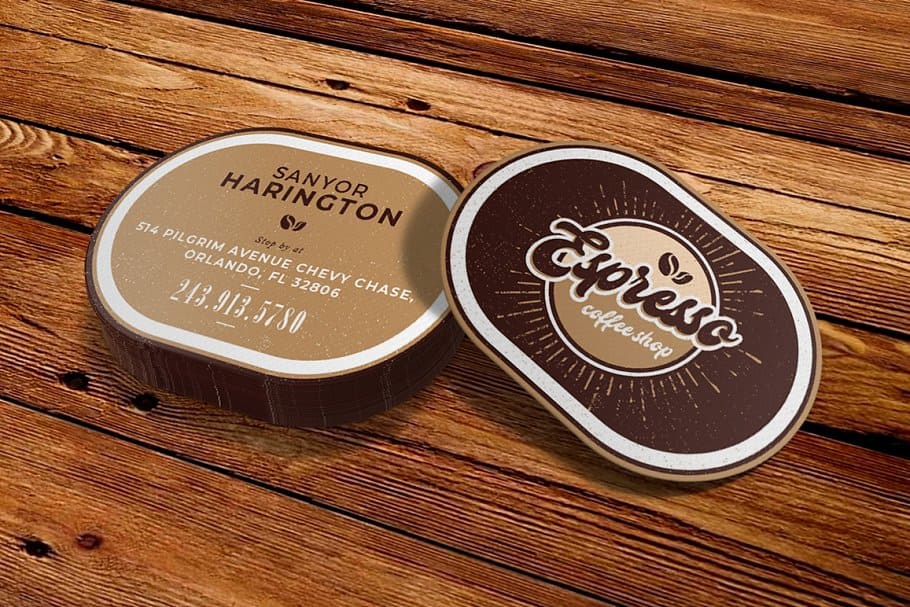 story
story What The Size of Your Business Cards Says About Your Brand
A business card can help represent you professionally. These cards contain your contact info, job title, and company details. As a result, they make it easy to connect and swap information in more formal situations. The size of your business card is a big part of your brand’s identity. Whether you settle for a mini card size or the standard business card dimensions, your preference will impact how others embrace your brand. Standard Business Card Size In the United States of America, the standard dimension for business cards is 2" × 3.5" or (89 mm x 51 mm). This size will fit into most purses or wallets. Using this dimension adds a traditional tone to any business. It is a dependable way to present your business to clients and signal its stability. Slim and Mini Business Cards There are two other dimensions known as slim (1.75" × 3.5") and mini (1.5" x 3.5"). Due to the sleekness and size, these dimensions are increasingly becoming popular in our modern age. These sizes are smaller than the standard size. This miniature size is attention-grabbing and can help to simplify your message. Square and Rounded Corner Cards Non-traditional designs like square and rounded corner cards are innovative designs. Their unique appearance is attention-grabbing and creates a sense of modernity. Some features like full-color printing, different thickness options, and other factors make this design feel different. You can explore different square and rounded corner cards at 4OVER4.COM . We design based on your branding and vision. Having a custom-shaped business card will show the creative twist of your business. You can choose from our Custom-Shaped or Die-cut cards for unique card sizes and shapes. Credit Card-Sized Business Cards This is a credit card-sized business card. With a dimension of (2.125" × 3.375"), the cards will fit into a standard cardholder. Using this dimension showcases your efficiency and professionalism. Also, credit card sizes emphasize your willingness to integrate into the daily lives of the business prospects. Custom-Sized Business Card You can create a custom-sized business card at your discretion. Since these cards digress from standard sizes, they can help you make a bold statement. However, you should consider their creativity and functionality when deciding. The Psychological Impact of Different Sizes The size of your business card isn't just a number; it plays mind games, subtly influencing your brand’s perceptions. Standard sizes say you're dependable and traditional, while slim and mini scream modernity. The custom size whispers boldness, while square or rounded corners help to showcase your innovation. Industry Applications An industry can dictate the business card sizes that you should adopt. For example, a tech startup will likely settle for a standard-sized card. This card illustrates the reliability that is a norm for such an industry. In contrast, a graphic design professional may opt for square and rounded corner cards. These designs are unique and custom-made. Also, they match the innovation and creativity that graphic design requires. Design and Content Strategy for Different Sizes No matter the size, the essential information like the company name, logo, and contact information must be present and clear enough. Avoid including unnecessary information on the card. The fonts must be appealing and easy to read. Also, you can blend your brand's color with your business card. This harmony can help to create and cement your brand identity. The card size is just one design element to consider when designing creative business cards. The card’s design is also critical. Edge painting , spot UV , and velvet lamination are printing techniques for standing out. Conclusion When it comes to business cards , size is like your brand's personal megaphone. Whether you stick to the standard or custom size, it will help amplify your brand’s values. Hence, you should carefully consider your card’s size. You can order high-quality custom card sizes and shapes on 4OVER4 today.
Dec 28, 2023  story
story What To Do With Old Business Cards?
Having a few extra business cards around is likely to happen if you have ever ordered or traded with others. A stack of unused business cards can seem intimidating if you no longer use them. What to do with old business cards? A quick and effective way of discarding business cards is by recycling them. As you read further, however, you'll discover foolproof ways of discarding your business cards using creative ways and helping your environment. Sustainable Solutions: Repurposing Your Old Business Cards There are many ways you can reuse your old business cards . Bookmarks: They can be a great substitute for bookmarks. Rather than folding over where you left off, inserting a business card secures it. This can be achieved by cutting a triangular flap into the middle of each business card. Therefore, you avoid giving your book the usual creases associated with folding. Mini notepads: You can also use them to take notes and paint over them for some wall art. It can serve as post-its or an alternative for leaving notes in the house. Luggage tags: Your old business cards can be used to tag luggage and other materials. This is a great way to repurpose old business cards and ensure your luggage stands out at the airport or on the conveyor belt. Simply punch a hole in the corner of the business card and attach it to your luggage using a piece of string or a zip tie. Not only is this a practical use for your old business cards, but it also helps to prevent them from ending up in the landfill. Plus, it's a unique and personalized way to show off your brand while traveling. The possibilities for creating sustainable solutions from them are endless. Should you keep old business cards? Should you keep old business cards? Whether they’re outdated or you switched to digital contact information, you likely don’t need those old cards in your wallet. Instead of tossing them in the trash, consider repurposing them. You can recycle your old business cards by turning them into cue cards or using them to create new business cards. Alternatively, hole punch the extras lying around and make them into a free lunch voucher or recycling ideas. Don't Throw Them Away: What To Do With Old Business Cards Donate to schools or art programs: Many schools and art programs appreciate donations of art supplies, including old business cards. Contact your local schools or community centers to see if they can use your old cards for art projects or other creative activities. Additionally, you can reach out to nonprofit organizations that focus on arts education or community outreach programs to see if they could benefit from your donation. Your old business cards could help provide valuable materials for children and students to use in their artistic endeavors. Donating your old business cards to schools or art programs is a great way to support creativity and education in your community. Your unused cards can be repurposed into something meaningful and useful, helping to inspire and nurture the next generation of artists and creative minds. Consider reaching out to organizations in need and offering your donation to make a positive impact on those who can benefit from it. Networking practice: If you're new to networking or want to improve your skills, use your old business cards for practice. Use them to role-play handing out cards or to refine your elevator pitch in front of the mirror. Use as a conversation starter: When meeting new people, you can share the story behind your old business cards, explaining how your business has evolved. this is another way to reuse old business cards. Going Green: Eco-Friendly Ways to Dispose of Your Business Cards Recycle them: If your business cards are made from recyclable materials, you can put them in your recycle bin and recycle them. recycling old business cards helps manage waste and protects the environment. Compostable cards: If you don’t know what to do with old business cards and your business cards are made from biodegradable materials like seed paper , you can simply plant them in your garden or a pot with soil. The cards will decompose, and the embedded seeds will sprout into flowers, herbs, or vegetables. Shred and repurposed: Shred your old business cards and use them as packaging filler, pet bedding, or in your compost bin. This is a sustainable and useful way to dispose of your cards while minimizing waste. Give Them New Life: Upcycling Ideas For Old Business Cards. Create art: Unleash your creativity by using old business cards for collages, mosaics, or mixed media artwork. They can serve as interesting and unique material for a variety of artistic projects. DIY gift tags: Cut your old business cards into different shapes, punch a hole, and thread a ribbon or string to create personalized gift tags. You can embellish them with stamps, stickers, or hand-drawn designs to add a special touch to your presents. Organize your cables: Wrap your charging cables or earphones around a business card to keep them organized and tangle-free. This is a simple yet effective way to repurpose your cards and declutter your workspace or bag. There are numerous creative and eco-friendly ways to repurpose and dispose of old business cards. By exploring these ideas, you'll not only reduce waste but also give new life and function to your unused cards. So, the next time you wonder what to do with old business cards, consider these innovative and sustainable solutions. Remember, you can print on eco-friendly cards like the Kraft Business cards with 4OVER4. FAQs Q: What are some clever ways to recycle old business cards? A: You can shred your old business cards and use them as packing material or compost them for your garden. Q: How can I reuse my old business cards? A: You can turn them into digital business cards by scanning them and creating a digital version to share electronically. Q: What are some creative repurposed ideas for old business cards? A: You can use them for origami projects, create cue cards for presentations, or even make bookmarks out of them. Q: Where can I recycle my old business cards? A: You can take them to a local recycling center that accepts paper products for recycling. Q: What should I do with business cards that have outdated information? A: You can shred them or repurpose them into something new instead of throwing them away. Q: How can I make use of business cards I no longer need? A: You can repurpose them into new business cards, create art projects, or even use them as labels for organizing items. Q: Is exchanging business cards still relevant in today's digital age? A: While digital business cards are gaining popularity, exchanging physical business cards can still be a meaningful networking gesture.
Apr 14, 2023 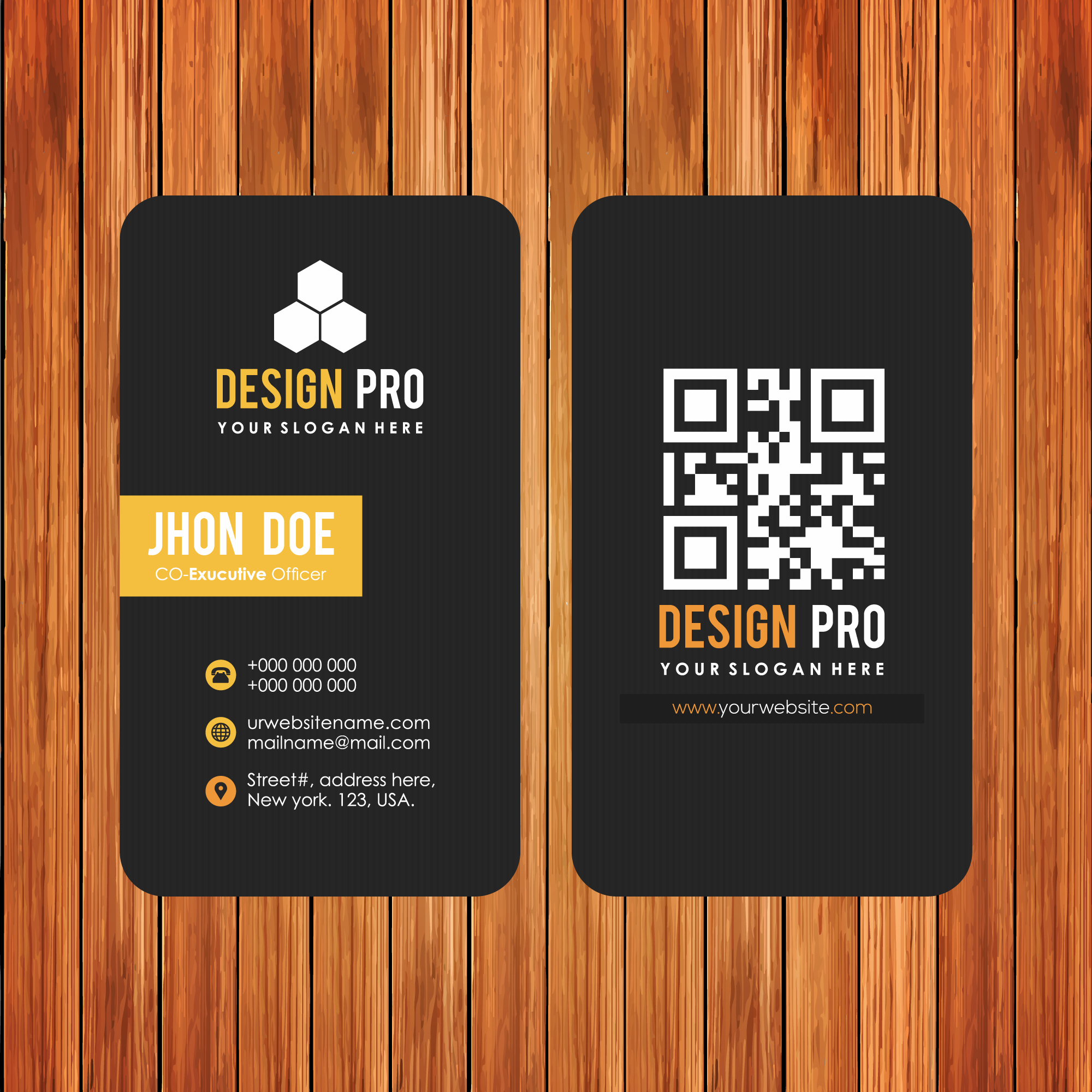 story
story What To Put on a Business Card?
A business card can only hold limited information. Still, a great design is clutter-free and easy to read. So, what essential information should be on your business card , and which should you leave out? This blog post answers what to put on your business card. Key Information To Include on Your Business Card You should include key information about your brand and contact details for a prospect to contact you. The information to put include : Your name: It's essential to write out your full name and make it prominent and readable. Job title: Your job title or professional designation will help potential clients or partners understand what you do and your experience level. Company name: Including your company name on your card is great for branding, as individuals can identify your business. Contact information: It's helpful to include multiple alternatives for contacting you, such as your phone number, email address, and website URL. Having options like this will mean your clients can contact you with their preferred means of communication. Physical address : If you run a local business, such as a restaurant or hotel, you should include your business address on your card. Some prospects tend to trust verifiable physical businesses of this sort more. Logo : Including your company logo helps to reinforce your professional image since customers trust brands with a known and trustworthy brand image. Social media handles: If you are active on social media, including your handles will make it easy for people to connect with you on those platforms. Tagline: A tagline is a summary of your offer in a few words. In today's crowded marketplace, a tagline helps to highlight your unique advantage or selling point. While we advise that you include the above design elements, you should avoid adding these on a business card: Excessive contact information Personal hobbies or interests Outdated information By only including the necessary information, you can create a good business card that is professional, concise, and effective at promoting your brand. Design Tips: What Makes a Business Card Stand Out? Knowing what to put on a business card is critical, but the following tips will help you design even more effective business cards: Keep it simple : Avoid a rowdy business card design since it's unappealing and will detract from your message. Instead, keep the design uncomplicated by using white spaces effectively. Use high-quality images: High-quality images will impact your business card's overall appeal and appearance. Conversely, low-resolution image assets tend to look blurry and unprofessional. Consider unique shapes or materials: Unique business card shapes and materials will help you stand out effortlessly. Die-cut, Metal, and Wood business cards have growing adoption for this reason. You can browse our business card product page for more options. Add a call-to-action: Including a call-to-action, such as "visit our website" or "call us for a free consultation," will effectively prompt people to take action. Use a reliable printing service: Ordering prints online has its hassles, so it's important to use an online printing service with a record of excellence like 4OVER4.COM. We have over two decades of online printing experience, and our state-of-the-art printing equipment helps to produce exceptional, high-quality print products. The Best Options for Business Card Templates If you are unsure what to include in your business card, a well-designed template can provide a foundation for small businesses, allowing them to showcase essential information stylishly and professionally. For those who are not design-savvy, using a pre-designed template can be a lifesaver. Templates often come in a range of styles, from corporate and clean to creative and colorful, enabling you to choose one that aligns with your business personality. Additionally, templates are typically crafted to match industry standards, ensuring that your card will look impeccable when printed. To further personalize your interaction with potential clients, consider templates with integrated features like QR codes or space for augmented reality elements, which can direct users to your online content, giving them a digital window into what you offer. Ensure that the template you select is fully customizable, allowing you to incorporate your branding elements such as logos, company colors, and typefaces. When choosing a template, always be mindful of the end goal: to create a memorable and effective calling card for your business that resonates with your target audience and sets you apart. By using 4OVER4.COM's extensive selection of templates and customization options, you can create a business card that not only contains all the vital contact information but also leaves a lasting impression. Avoid These Common Mistakes When Choosing What to Include on a Business Card Be careful to avoid these common mistakes when deciding what to put on a business card: Including too much information: Too much information on your card will make it look cluttered and overwhelming. Instead, you should stick to the essentials, such as your name, job title, company name, and contact information. Inconsistent branding: Your card's design should reflect your brand's identity and values. Getting buyers to trust you is easier when you are consistent with colors, fonts, and imagery across the various marketing channels. Forgetting to proofread: To err is human, but people are reluctant to forgive typos and grammatical errors on a business card. So ensure to proofread your card before sending it to the printer. In addition, you can select the online proof option when ordering prints on 4OVER4. We'd send you a free proof for your review and approval. That’s all our tips for today. We know you’re on your way to creating an epic business card design! Q: What information should I include on my business card? A: Your business card should include essential information such as your name, job title, business name, contact information (phone number, email address, and physical address), and any relevant social media handles. Q: Is it important to have a tagline on my business card? A: Having a tagline on your business card can help communicate your brand message or value proposition in a succinct manner. It can make your card more memorable and impactful to the recipient. Q: How can I design a great business card? A: To design a great business card, consider factors such as effectively using white space, including a call to action, incorporating a unique design that reflects your brand, and ensuring all necessary information is clear and readable. Q: Should I include a QR code on my business card? A: Including a QR code on your business card can provide recipients with easy access to additional information, such as your website, portfolio, or contact details. It can enhance the interactive experience and engagement with your card. Q: Where can I find templates to create my business card? A: On 4OVER4.COM, you can find online customizable business card templates for designing your card. These templates can help you create a professional-looking card easily. Q: What are some creative ideas to make my business card stand out? A: Some creative ideas to make your business card stand out include using unconventional shapes, incorporating unique materials, showcasing your creativity or expertise, and opting for eye-catching colors or finishes. Q: Why is it important to design a business card that stands out? A: In a competitive business environment, a unique and memorable business card can leave a lasting impression on potential clients or contacts. It helps distinguish your brand and makes you more memorable in networking situations.
Apr 28, 2023