
Print vs Digital Marketing Statistics for 2026


Response rates, brand recall, trust, and cost data set side by side, weighed against the order data behind 25 plus years of printing at 4OVER4.
Print vs digital marketing is not an either-or question anymore. Print drives stronger recall, higher trust, and better response rates in specific contexts, while digital excels at scale and real-time targeting. Direct mail runs near 9 percent response against email\'s 1 percent, 82 percent of consumers trust print ads, and multichannel campaigns convert 28 percent higher than digital alone. The smartest marketers combine both.
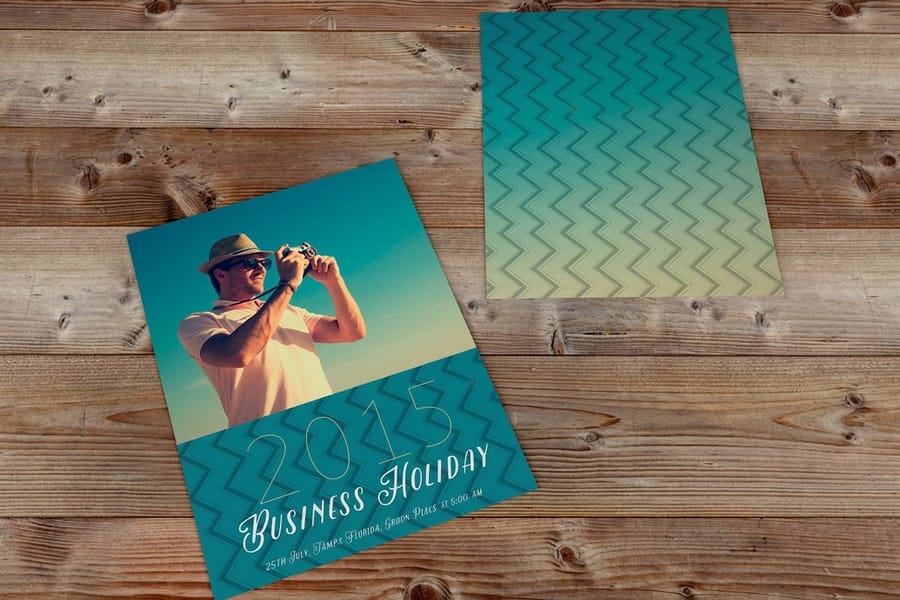
Print against digital
What the print vs digital marketing data tells us
Print vs digital marketing is one of the most debated topics in advertising, and marketers want hard numbers, not opinions. The data tells a clear story: print materials drive stronger recall, higher trust, and better response rates in specific contexts, while digital excels at scale and real-time targeting. 4OVER4.COM has printed 10 billion plus cards for 150,000 plus businesses, and the brands seeing the best results are the ones pairing physical print with digital campaigns. Neither channel is universally better, so your budget, audience, and goals decide the right mix.
Why it matters
Why print and digital advertising data deserves your attention
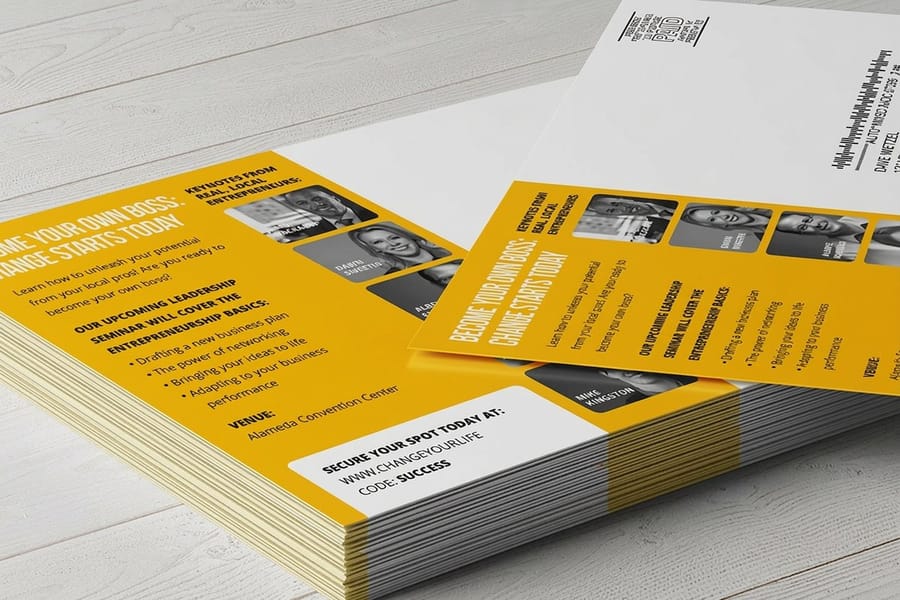
Print vs digital marketing is one of the most debated questions in advertising, and marketers want hard numbers, not opinions. This page pulls online advertising vs print advertising statistics from industry research, government data, and 4OVER4.COM's own experience serving 150,000 plus businesses over 25 plus years.
The print industry is not shrinking the way headlines suggest. Our full Printing Industry Statistics breakdown covers the broader market, and the Business Card Statistics page shows why physical cards still outperform the digital business card vs paper alternative in networking. For the parent view, start with our print industry hub.

By the numbers
Print vs digital performance at a glance
Here are the headline figures marketers reach for first when they weigh print against digital, drawn from industry benchmarks and our own production data. Print wins on response, recall, and trust, while digital wins on reach and cost per impression. Set those benchmarks against 25 plus years of printing at 4OVER4.COM and the picture is consistent: the pieces people can hold get acted on.
Response rates
Response rates: direct mail vs email and digital ads
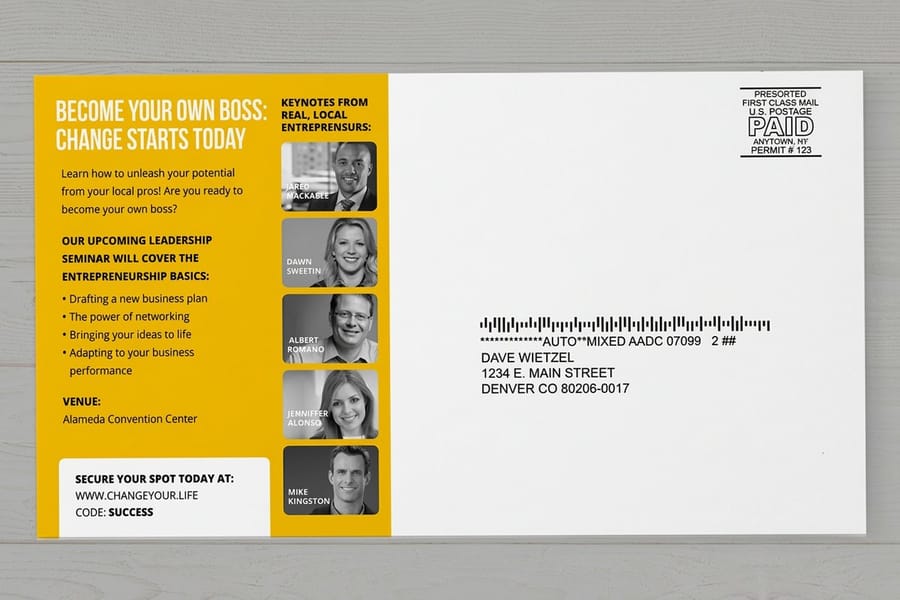
Direct mail consistently outperforms email on response. According to the Association of National Advertisers, direct mail response rates for house lists average around 9 percent, compared with email at roughly 1 percent, a gap that has not closed in over a decade.
Physical mail gets opened. It sits on a kitchen counter and does not compete with 47 browser tabs. Digital ads face ad blockers, banner blindness, and shrinking attention, with average display click-through rates below 0.1 percent by Google benchmarks. This does not mean email is dead, it means print fills a gap digital cannot: tactile, uncluttered attention. For deeper numbers, see our Print Advertising Statistics page.
We switched from email-only campaigns to a mix of postcards and email. Our response rate jumped from 1.2 percent to 4.8 percent in the first quarter, and the postcard got people to actually visit our site.
Marcus L., Marketing Director
Brand recall
Brand recall: paper vs digital experiences
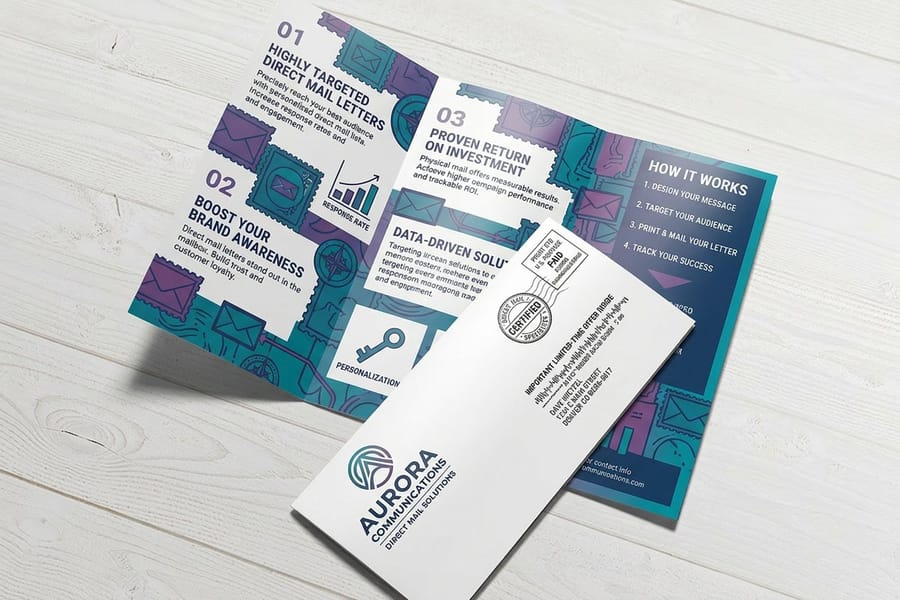
Paper vs digital is not just about delivery, it is about memory. A widely cited Canada Post and True Impact Marketing study found that direct mail requires 21 percent less cognitive effort to process than digital media, and participants showed up to 70 percent higher brand recall after print exposure versus digital-only.
Temple University neuromarketing research backed this up. Physical ads activated the ventral striatum, the brain's reward center, more than digital ads, and participants remembered them better a week later. The same logic applies to the digital business card vs paper question: a physical card creates a tactile memory anchor you feel in the weight and finish, while a digital card is a notification that gets swiped away.
Trust
Trust and credibility: print still wins
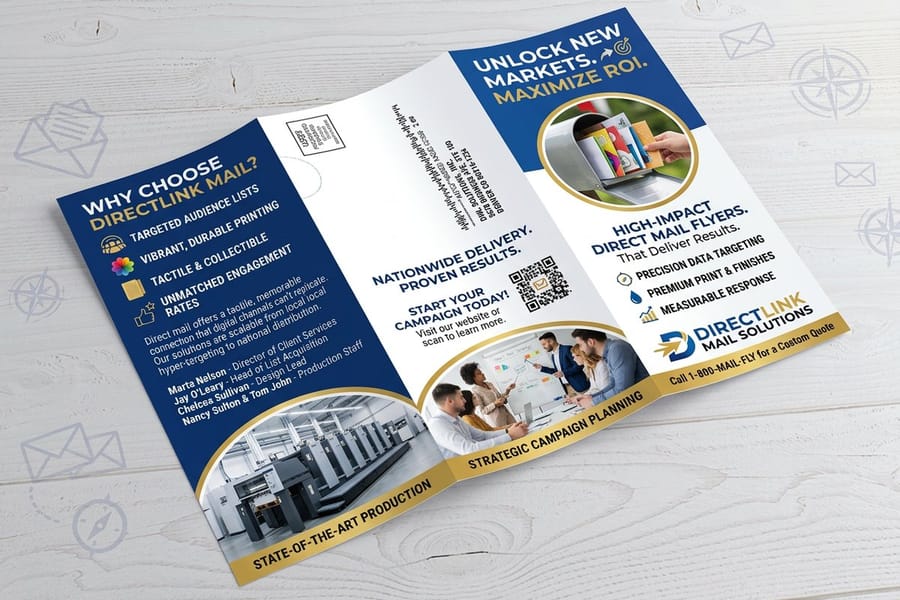
Trust is where print separates itself most clearly. According to MarketingSherpa survey data, 82 percent of consumers trust print ads in newspapers and magazines when making purchase decisions, while only 25 percent trust online pop-up ads.
The reasoning is straightforward. Print feels permanent and costs money to produce, so consumers associate that investment with legitimacy. Digital ads fight an uphill battle against scam ads, clickbait, and privacy concerns. Across 10,000 plus reviews averaging 4.8 out of 5 stars, 4OVER4.COM sees the same pattern: businesses that invest in premium printed materials report that customers take them more seriously.
Audience
Audience demographics: who responds to what
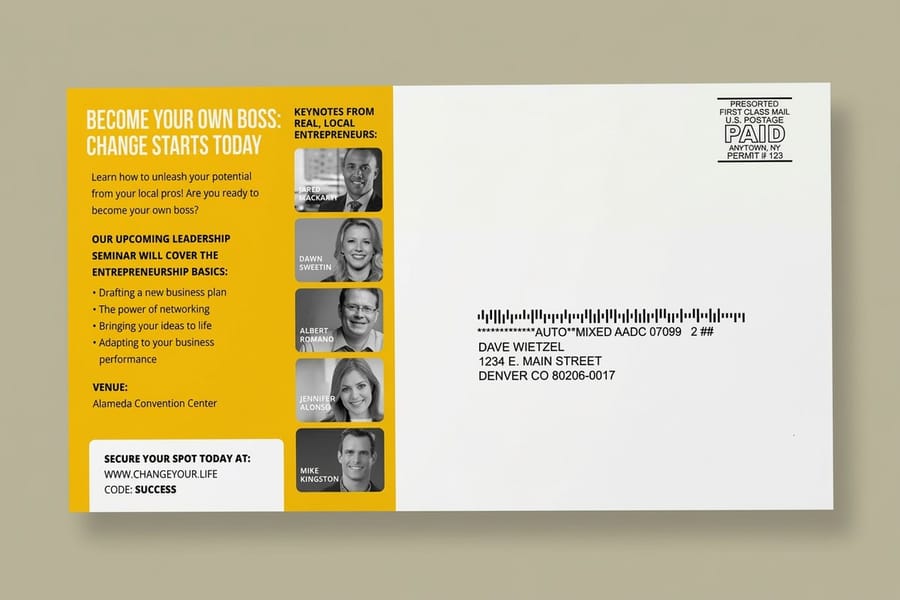
Age matters in the print vs digital marketing debate, but not the way most assume. Younger audiences spend more time on digital, yet millennials and Gen Z also respond strongly to physical mail precisely because they receive so little of it.
The USPS reports that millennials spend an average of 8 minutes sorting physical mail, and 36 percent of people under 30 look forward to checking the mailbox. Older demographics still prefer print catalogs and direct mail for purchase decisions. The assumption that young people ignore print is flat wrong, they simply respond differently, often with higher engagement because the channel surprises them.
Side by side
Print advertising vs digital advertising performance
Seeing print vs digital marketing data in a comparison format makes the differences impossible to ignore. These metrics reflect aggregated benchmarks from the ANA, DMA, MarketingSherpa, and USPS research. Keep your own goals in mind, because a brand awareness campaign has different needs than a direct response push.
| Channel | Trust | Response and recall | Cost | Trackable |
|---|---|---|---|---|
| Direct mail | High, people hold and keep it | Around 9% response, strong recall | Higher per piece | Yes, with QR and codes |
| Lower, easy to ignore | Around 1% response, low recall | Very low per send | Yes | |
| Paid social | Lower, scrolled past | Low intent, short attention | Low cost per impression | Yes |
| Display ads | Lowest, banner blindness | Under 0.1% click-through | Low cost per impression | Yes |
| Metric | Winner | Why |
|---|---|---|
| Response rate | Print wins | Direct mail ~9% vs email ~1% |
| Brand recall | Print wins | 70% higher, 21% less cognitive effort |
| Consumer trust | Print wins | 82% trust print vs 25% pop-ups |
| Cost per impression | Digital wins | Google CPC ~$2 to $4, social under $10 a day |
| Speed and targeting | Digital wins | Real-time delivery and granular targeting |
| Multichannel lift | Both win | 28% higher conversion combined |
| Format | Where it wins |
|---|---|
| Business cards | Highest-ROI print product for networking and first impressions. |
| Postcards | Dominate direct mail response rates with no envelope to open. |
| Brochures and catalogs | Longest engagement, readers spend around 25 minutes with a catalog. |
| Banners and signage | Drive event traffic that feeds your digital funnel afterward. |
| Packaging | A print touchpoint that drives repeat purchases and brand loyalty. |
The key takeaway from all print vs digital statistics is that neither channel is universally better. Response rates favor print, scale favors digital, trust favors print, speed favors digital. The smartest marketers do not choose, they combine, using print to drive digital actions and digital to extend print reach.
Cost and reach
Cost per acquisition: where digital has the edge
Digital marketing\'s biggest advantage is cost efficiency at scale. Google Ads average cost-per-click sits around 2 to 4 dollars for most industries, and social ads can reach thousands of people for under 10 dollars a day. Print cannot match that reach-per-dollar ratio, so for pure awareness at volume, digital is the efficient choice.
But cost per impression is not the same as cost per acquisition. A postcard with a 5 percent response rate can beat social ads at a 1 percent click-through when you follow the numbers all the way to a sale. That is why the honest answer to the cost question depends on your industry, audience, and conversion goals rather than the channel alone.
The real winner
Multichannel campaigns: where print and digital combine
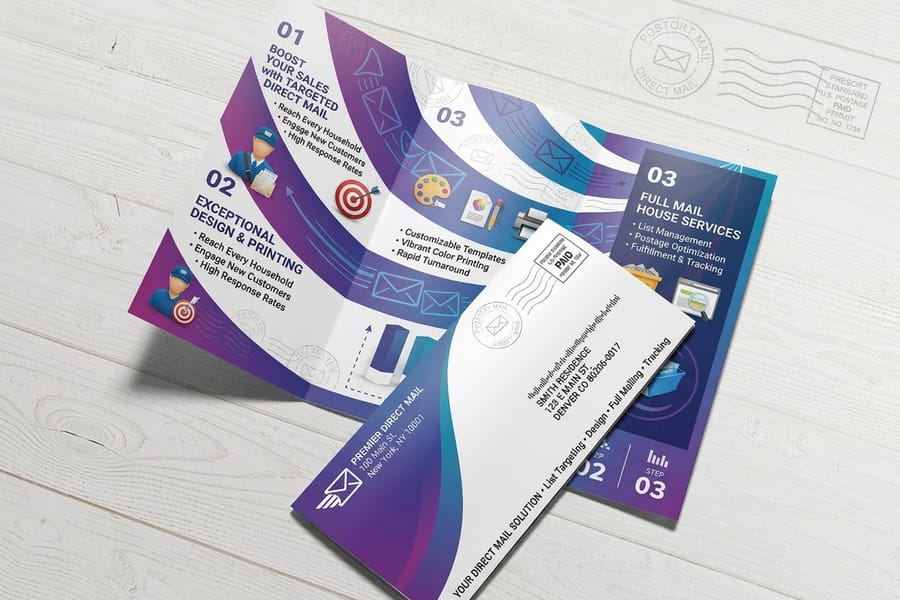
The most compelling print vs digital statistics do not pit the two against each other, they show what happens when you combine them. According to the Direct Marketing Association, multichannel campaigns that include print alongside digital see a 28 percent higher conversion rate than digital-only campaigns.
A QR code on a postcard, a branded URL on a flyer, a promo code on a business card: these bridges between physical and digital create multiple touchpoints, and research consistently shows customers need six to eight touchpoints before converting. Our Greeting Card Statistics and Packaging Industry Statistics pages show how even traditional print formats now integrate digital elements. Build print assets that carry a clear digital next step with the Online Designer.
Print and digital are not competitors, they are collaborators. The brands getting the best ROI are the ones using print to drive digital actions and digital to boost print reach.
Industry analysis, Printing Industries of America
Myths vs facts
Clearing up print vs digital misconceptions
A few myths keep marketers from running print that would pay off, and the go-paperless narrative oversimplifies the environmental comparison too. Paper is renewable, recyclable, and biodegradable, while data centers and device manufacturing carry an environmental cost that is easy to overlook. The pairs below set each common assumption against what the print vs digital statistics actually show.
Digital has made print marketing obsolete.
Print still beats digital on response rate, recall, and trust. The two work best together, with multichannel campaigns converting 28 percent higher than digital alone.
Young people ignore printed mail.
Millennials spend around 8 minutes sorting physical mail, and 36 percent of people under 30 look forward to checking the mailbox. Print feels novel to digital natives.
A digital business card works just as well as paper.
Neuroscience shows physical materials activate the brain reward center more than digital. A paper card creates a tactile memory anchor a notification cannot match.
Going paperless is automatically better for the planet.
Paper is renewable and recyclable, while data centers consumed roughly 1 to 1.5 percent of global electricity. Neither channel is green by default, execution decides.
Wally turns the data into your channel mix
Print and digital are collaborators, not competitors.
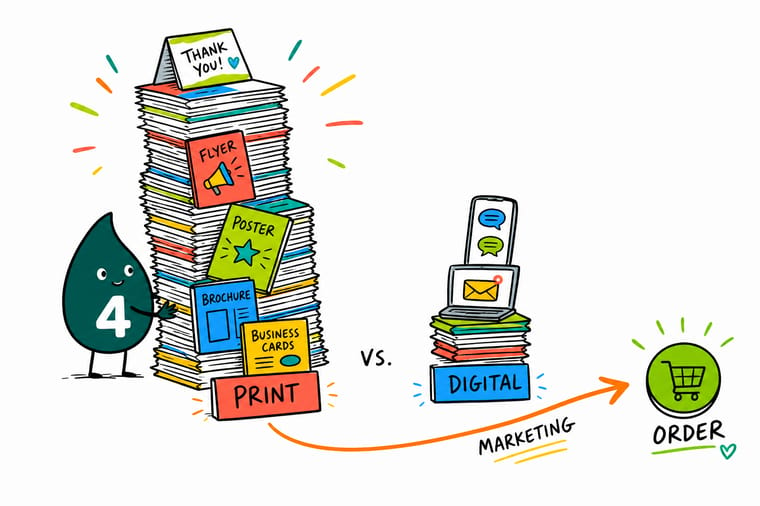
The split is consistent: print wins on trust, recall, and response, digital wins on scale and speed. Wally's rule is simple. Lead with a premium print piece, add a QR code or personalized URL so it drives a digital action, then let both channels feed each other. Standard Business Cards start at 100 for $17.57 and print in 3 business days.
Order business cards →Proof, not promises
Print vs digital by the numbers at 4OVER4
Here are the quality and reliability signals from our side of the press, the figures that round out the picture for marketers planning their 2026 channel mix. A 99.8 percent on-time delivery rate keeps your print in sync with a digital launch, and a 4.8 out of 5 average across 10,000 plus reviews shows the print quality holds up piece after piece.
Stock, finishing and price
Card prices to weigh against a digital ad budget
For marketers ready to act on these numbers, here is current pricing for Business Cards, the highest-ROI print product for networking, alongside the full specifications so you can match the right stock and finish to your goals.
Print it
The print products marketers reach for most
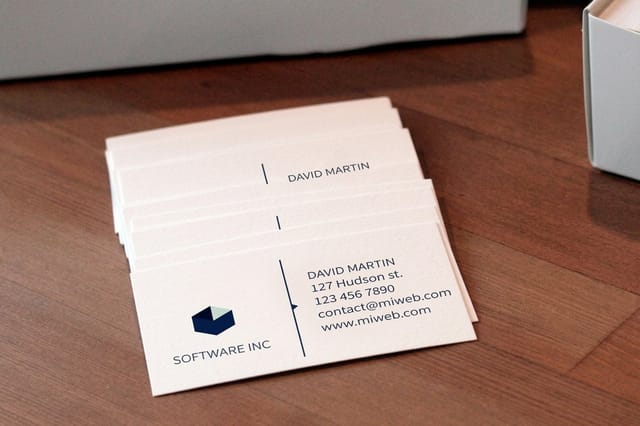
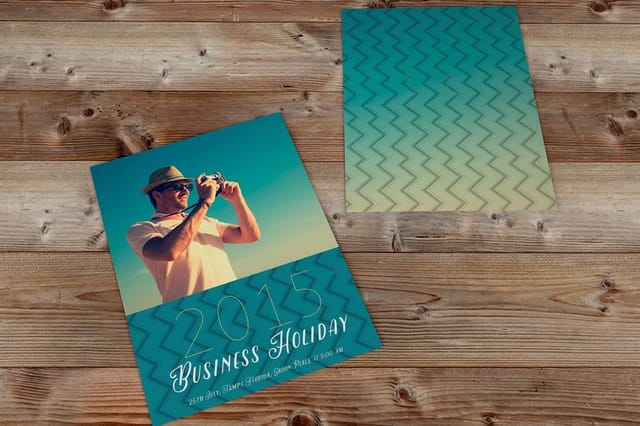
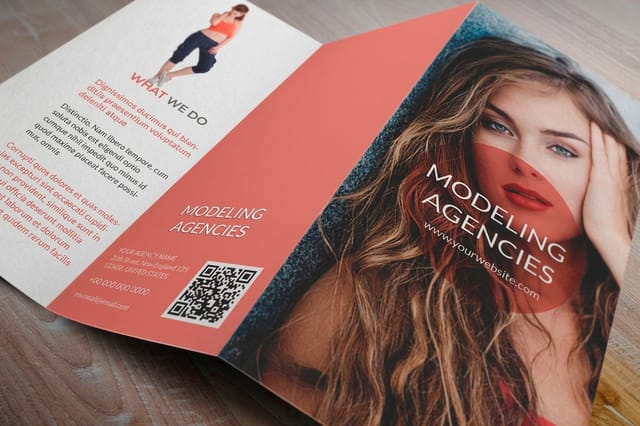
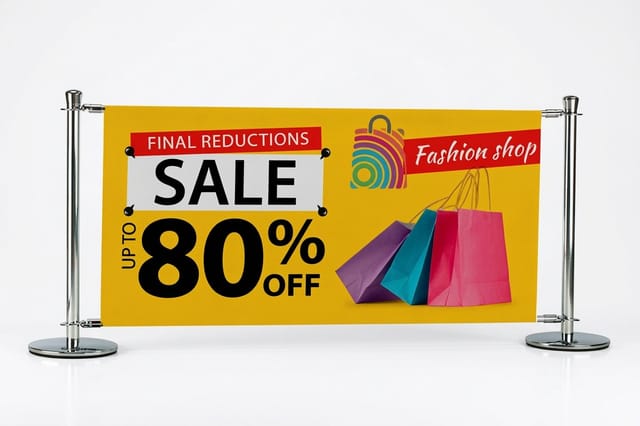
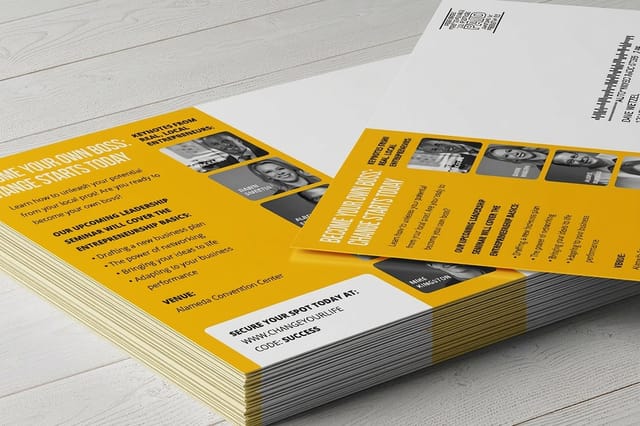
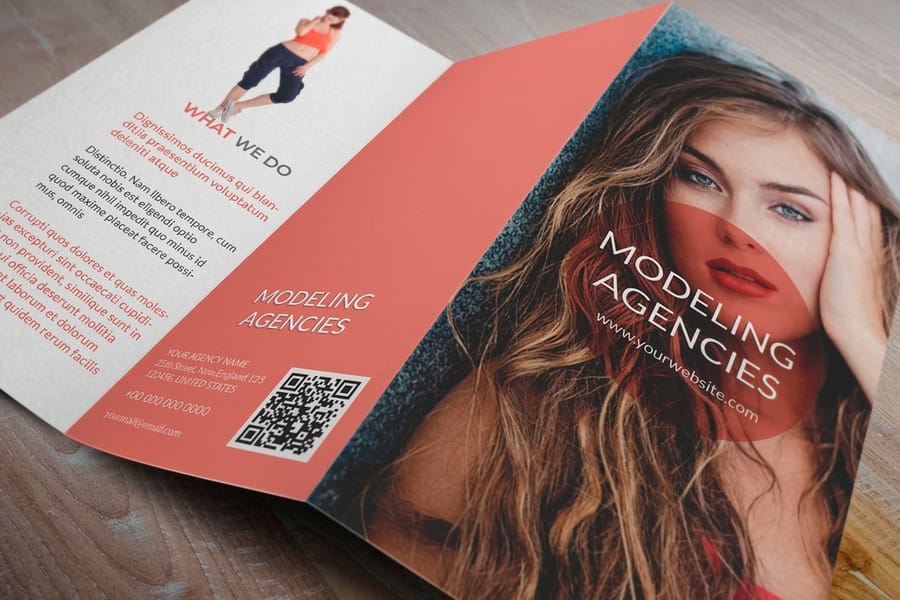
Knowing the print vs digital statistics is step one. Executing a campaign that hits those benchmarks is step two, and it starts with the right piece. Here are the products marketers reach for most when they put these numbers to work.

Start from a blank
Blank templates for print marketing pieces
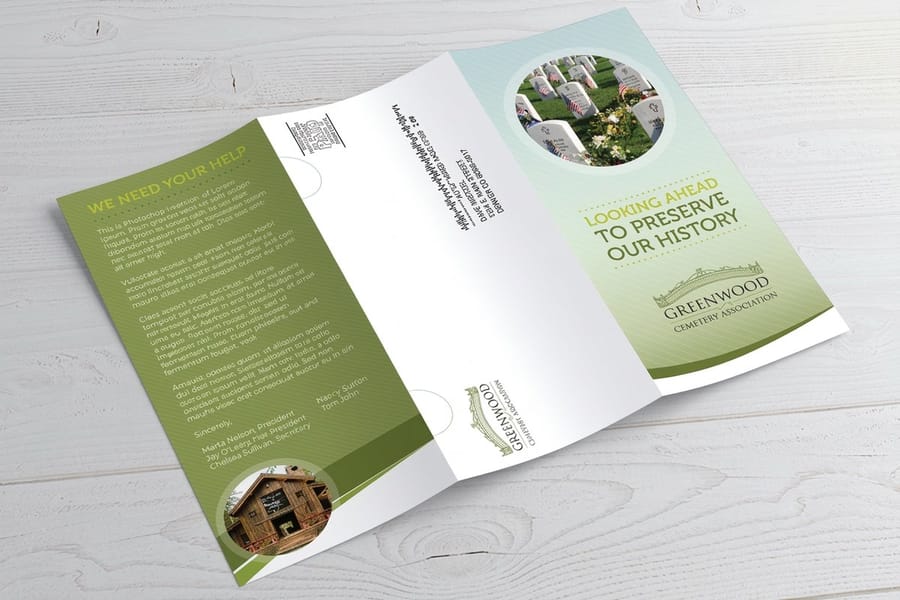
Need a head start on design? These blank templates make it easy to get artwork print-ready, with bleed and safe margins already built in.


What our data reveals
What 4OVER4 order data reveals about print and digital
Third-party statistics are valuable, but 4OVER4.COM's own order data, drawn from 150,000 plus businesses, adds another layer. Our most active accounts rarely choose print or digital exclusively, they run integrated campaigns: postcards timed to email drip sequences, business cards with QR codes linking to digital portfolios, and banners at events that feed retargeting online afterward.
With 10 billion plus cards printed and a 99 percent reorder rate, the pattern is clear: businesses that invest in quality print keep coming back. That is not nostalgia, that is ROI. Browse the Showcase to see how brands design print that gets kept.
Why marketers trust us
Who prints the physical half of this comparison
Every benchmark on this page sits on a long record of getting print right. A 4.8 out of 5 average across 10,000 plus reviews, 150,000 plus businesses served, and print produced since 1999 are the trust signals behind the numbers, so you can plan a campaign knowing the pieces will land sharp and on time next to your digital push.
How we built this
How we compiled this print vs digital data
The print vs digital marketing statistics on this page come from published research by the Association of National Advertisers, Direct Marketing Association, USPS, MarketingSherpa, Canada Post, Temple University, and the International Energy Agency. We cross-referenced these with 4OVER4.COM\'s internal order data spanning 25 plus years and 150,000 plus business accounts. All figures reflect the most recent available data as of publication and are updated as new research becomes available.

Get Started
Ready to put these print vs digital statistics to work?
Pick a format, drop in your design or a free template, and we will print it sharp on premium stock so it lands in sync with your digital campaign.
Legal Disclaimer
Gold Standard guarantees apply to all standard orders placed through 4over4.com. Price match requires verifiable proof of a competitor's published price for an equivalent product with matching specifications and turnaround time. Satisfaction guarantee covers manufacturing defects and print quality issues. Contact support with order number and documentation. On-time delivery rate based on tracked orders 1999 to 2026. Individual results may vary based on shipping carrier performance.
Explore more
Print versus digital research, market data, and card products
 Statistics Printing Industry Statistics The parent hub with the full market picture behind these numbers.
  Statistics Printing Industry Data Market size, growth, and segment trends across commercial print.
  Statistics Business Card Statistics Why physical cards still beat digital in networking scenarios.
  Statistics Print Advertising Effectiveness How print ads perform across industries and formats.
  Statistics Packaging Industry Statistics How packaging drives repeat purchases and brand loyalty.
  Statistics Greeting Card Statistics How a traditional print format blends with digital touches.
 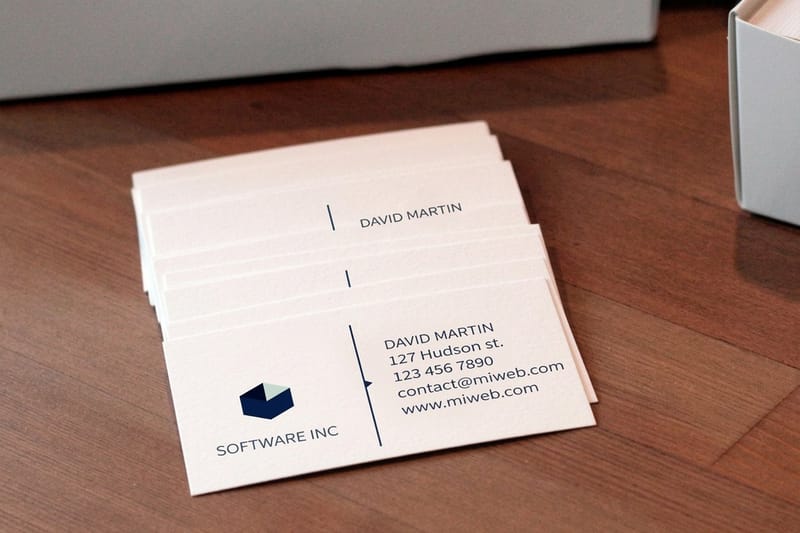 Product Business Cards Print the format that anchors every in-person impression.
  Benefit Online Designer Build print assets that complement your digital campaigns.
  Showcase Print Showcase See how businesses design print that leaves a lasting impression. FAQs Printing FAQs Answers on stock, sizes, proofs, and turnaround.
 Questions and answers
Common questions about print and digital marketing
Effectiveness, budget split, digital business cards, formats, and samples, answered.
Is print marketing still effective compared to digital marketing?
Yes. Print vs digital marketing data consistently shows print outperforming digital in response rates, brand recall, and consumer trust. Direct mail averages around 9 percent response versus email's 1 percent, and the two channels work best together, with multichannel campaigns converting 28 percent higher than digital alone. Browse the Showcase for examples of print that pairs well with a digital push.
What are the main advantages of print advertising over digital advertising?
Print earns more attention because it is tactile and does not compete with dozens of browser tabs. Surveys show 82 percent of consumers trust print ads versus 25 percent for pop-ups, print drives up to 70 percent higher brand recall, and it requires 21 percent less cognitive effort to process. Digital still wins on scale, speed, and cost per impression, which is why the strongest strategies use both.
Does a digital business card work as well as a paper business card?
Not for recall and trust. Neuroscience research shows physical materials activate the brain's reward center more than digital content. A paper business card creates a tactile impression through weight, texture, and finish that sticks in memory, so the digital business card vs paper comparison favors physical cards for networking situations where first impressions matter most. See Business Cards for stock and finish options.
How do I decide between print and digital for my marketing budget?
Start with your goal. Digital scales faster and costs less per impression, while print drives higher response rates and trust. Most businesses get the best results splitting the budget, using digital for awareness and retargeting and print for direct response and relationship building. Print vs digital statistics suggest a 60/40 or 70/30 digital-to-print split works well for most small businesses.
What print products work best alongside digital campaigns?
Postcards with QR codes, business cards with personalized URLs, and event banners with social handles create natural bridges between print and digital. Catalogs drive online purchases when they include promo codes. The key is giving each recipient a clear digital next step. Visit the Help Center for guidance on setting up integrated print and digital campaigns.
Is print marketing more expensive than digital marketing?
Per impression, yes. But cost per acquisition often tells a different story. A postcard with a 5 percent response rate can deliver a lower CPA than social ads at a 1 percent click-through rate. Print vs digital advertising cost comparisons depend heavily on your industry, audience, and conversion goals, and for local service businesses print frequently delivers better ROI per dollar spent.
How can I get free print samples before ordering?
Order Free Samples from 4OVER4.COM to feel the paper stocks, see the print quality, and compare finishes before committing to a full run. Touching the actual product helps you pick the right stock for the campaign, and that choice directly affects the response and recall these print statistics promise.
