
Packaging Industry Statistics for 2026


Market size, ecommerce growth, sustainable materials, and food delivery demand, set against 25 plus years of printing labels, stickers, and packaging at 4OVER4.
Packaging is one of the fastest-growing sectors in global manufacturing. The global market topped 1.05 trillion dollars in 2024, ecommerce packaging is growing above 14 percent a year, and 60 to 70 percent of consumers will pay more for sustainable materials. With 150,000 plus businesses printing with 4OVER4.COM, the data backs what brand owners already feel: custom packaging sells.
Key market figures
What the market data says about labels and unboxing
Packaging industry statistics paint a clear picture. The market keeps expanding as ecommerce, food delivery, and direct-to-consumer brands drive demand for custom solutions. Sustainable materials are gaining share, labels and stickers are booming, and branded packaging measurably lifts perceived value. With 150,000 plus businesses trusting 4OVER4.COM for custom print, the patterns in the data show up in real orders every day.
Why it matters
Why packaging market data matters for your business
Packaging industry statistics are not just numbers on a page. They are signals. They tell you where consumer preferences are heading, which materials are gaining ground, and how your competitors spend their budgets. If you make packaging decisions without the data, you are guessing.
The global packaging market keeps expanding as ecommerce, food delivery, and direct-to-consumer brands drive demand for custom solutions. Understanding these trends helps you pick the right materials, finishes, and formats before you commit to a print run. Use the 4OVER4.COM Online Designer to start building packaging that matches where the market is going.
For a broader view of the print landscape, see our Printing Industry Statistics. 4OVER4.COM has printed more than 10 billion cards and products since 1999, which gives us a front-row seat to how packaging trends play out in real orders.
Market size
Global packaging market size and growth projections

The global packaging market is massive and still growing. According to Smithers, the total market was valued at roughly 1.05 trillion dollars in 2024, with projections pushing it past 1.2 trillion by 2028. That growth is fueled by ecommerce expansion, rising expectations for the unboxing experience, and the shift toward sustainable materials.
North America accounts for a large share of that total. The region's packaging market has grown steadily on the back of food and beverage, pharmaceuticals, and direct-to-consumer retail. For small and mid-sized businesses, the bar keeps rising. Your packaging is not just a container anymore. It is a brand touchpoint.
According to the Flexible Packaging Association, flexible packaging alone represents over 38 billion dollars in annual US shipments. Rigid packaging, corrugated boxes, and specialty formats like custom labels each occupy their own growing segment. No matter what type of packaging you produce, the market is expanding around you.
Online retail
Ecommerce packaging statistics and online retail growth
Ecommerce packaging statistics reveal one of the strongest growth drivers in the industry. According to Mordor Intelligence, the ecommerce packaging market is expected to grow at a CAGR above 14 percent through 2028. That is not a gentle climb. It is a sprint.
Online orders need packaging that does double duty. It has to protect the product in transit and create a branded experience when the customer opens it. A plain brown box does not cut it anymore. According to Dotcom Distribution, 72 percent of consumers say packaging design influences their purchasing decisions.
Custom mailer boxes, branded tissue paper, printed tape, and product labels all play a role. If you sell online, your packaging is often the first physical interaction a customer has with your brand, so make it count. For related data on how print drives first impressions, explore our Business Card Statistics.
We switched to custom printed mailers and our repeat purchase rate jumped within the first quarter. The packaging paid for itself.
Rachel T., DTC skincare brand owner

By the numbers
Market size, growth, and custom share in four numbers
Here are the headline figures brand owners reach for first when they plan packaging, drawn from industry research and our own production data. From a trillion-dollar global market to a label segment past 50 billion dollars, the numbers all point toward custom, branded, and sustainable.
Brand differentiation
Custom packaging statistics and brand differentiation
Custom packaging statistics paint a clear picture. Personalization wins. According to a Packaging Digest survey, 68 percent of consumers believe branded packaging makes a product feel more premium, and that perception translates directly into willingness to pay more.
The custom segment has grown faster than generic packaging in every major market. Brands invest in custom shapes, specialty finishes, and unique materials, from embossed logos and soft-touch coatings to metallic foils and die-cut windows. These are no longer luxury extras. They are becoming standard expectations for mid-market brands.
Custom does not have to mean expensive. Short-run digital printing makes it affordable to produce 100 to 500 custom boxes or labels without the setup costs of traditional offset. Get started quickly with our Blank Templates and build packaging that matches your brand without starting from scratch. If your competitor ships in a custom box and you ship in a generic one, the customer remembers their brand, not yours.
Sustainability demand
Sustainable packaging statistics and consumer demand
Sustainable packaging statistics show a market that moved well past the nice-to-have stage. According to McKinsey, 60 to 70 percent of consumers say they are willing to pay more for sustainable packaging, and that number has climbed steadily year over year.
The sustainable packaging market itself is projected to reach over 440 billion dollars globally by 2027, according to MarketsandMarkets. Recyclable, compostable, and biodegradable materials are gaining share across food service, retail, and ecommerce. Paper-based packaging is a major beneficiary, so choosing the right paper stock matters more than ever.
Regulations are accelerating the trend. The EU Packaging and Packaging Waste Regulation and similar initiatives in North America are pushing brands to rethink materials. If you have not started exploring sustainable options, the data says you are already behind. See our Greeting Card Industry Statistics for another example of paper-based products adapting to sustainability demands.
Our customers started commenting on our eco-friendly labels almost immediately. It became part of our brand story without us even trying.
Marcus D., artisan food company founder
Food delivery
Food delivery packaging demand statistics
Food delivery packaging demand statistics reflect one of the most dramatic shifts in the industry. The global food delivery market surpassed 150 billion dollars in 2023, and every single order needs packaging. That is a staggering volume of boxes, bags, containers, labels, and stickers moving through the supply chain every day.
According to Grand View Research, the food packaging market alone is expected to reach 478 billion dollars by 2030. Within that, delivery-specific packaging like insulated bags, tamper-evident seals, and branded containers is the fastest-growing sub-segment.
For restaurants, ghost kitchens, and meal kit companies, packaging has become a marketing channel. A branded sticker on a delivery bag costs pennies but builds recognition, and custom labels signal quality. Businesses that treat delivery packaging as an afterthought leave money and brand equity on the table.
Our order data
What 4OVER4 order data reveals about packaging trends
4OVER4.COM has processed orders for 150,000 plus businesses since 1999, and our internal data reflects the same packaging trends we see in market research. Label and sticker orders have grown consistently year over year, with product labels and custom-shape labels leading the way.
We have seen a notable increase in specialty label formats, especially for food, beverage, and cosmetics brands. Products like Any Shape Wine Labels have become popular as brands look for die-cut options that match their bottle shapes and identity.
Food delivery packaging demand aligns with what we see in our order queue. Restaurants, meal prep services, and subscription box companies order branded stickers and labels in higher volumes and more often. The shift from generic to custom is happening in real time across our platform.
I ordered custom wine labels for my small vineyard, just 200 pieces. The quality was outstanding and they arrived ahead of schedule.
Elena K., boutique winery owner
Labels and production
Label, sticker, and production data across the industry
Labels and stickers are one of the most versatile segments in packaging. According to the Label Manufacturers Association, the global label market exceeded 50 billion dollars in 2024. Product labels, shipping labels, promotional stickers, and QR code labels all contribute to that total, and rising SKU counts across retail and ecommerce keep pushing it higher.
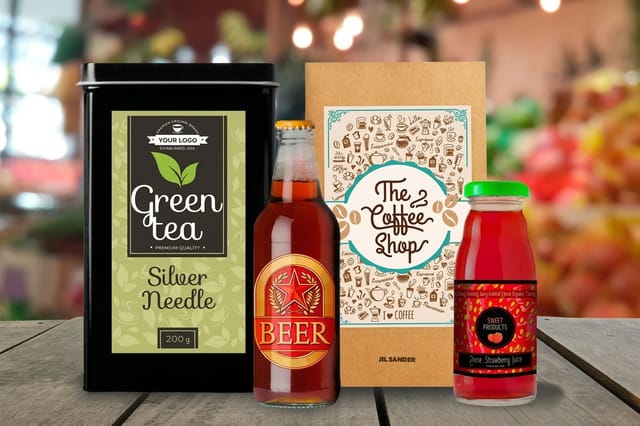
Labels are also getting smarter. Variable data printing lets brands produce unique labels for different regions, promotions, or limited editions without retooling a production line. For small businesses, a well-designed label on a kraft mailer or glass jar is often the most cost-effective way to make a generic product look premium. For data on how print advertising drives results across formats, see our Print Advertising Statistics.
The production side is just as large. The US packaging sector supports over 500,000 direct jobs according to the Bureau of Labor Statistics, and corrugated box production reached more than 400 billion square feet in 2023 per the Fibre Box Association. Digital printing keeps lowering minimums, so businesses of every size can now access custom packaging. 4OVER4.COM has been part of that evolution for 25 plus years.
Side by side
How packaging segments stack up against each other
Packaging industry statistics become more useful when you compare segments side by side. Different packaging types serve different purposes, grow at different rates, and appeal to different buyers. The tables below put the major segments in context so you can see where the momentum is heading. For the broader picture, our Print Industry hub breaks down the full print landscape.
| Segment | Growth signal |
|---|---|
| Ecommerce packaging | Above 14 percent CAGR through 2028, the strongest growth driver. |
| Food delivery packaging | Fastest-growing sub-segment, tied to a 150 billion dollar market. |
| Sustainable packaging | Projected above 440 billion dollars by 2027. |
| Labels and stickers | Global label market topped 50 billion dollars in 2024. |
| Flexible packaging | More than 38 billion dollars in annual US shipments. |
| Measure | Figure |
|---|---|
| Global packaging market | About 1.05 trillion dollars in 2024, past 1.2 trillion by 2028. |
| Food packaging market | On track to reach 478 billion dollars by 2030. |
| US corrugated production | Over 400 billion square feet produced in 2023. |
| US packaging employment | More than 500,000 direct jobs, plus supply chain roles. |
What stands out is how interconnected these segments are. A food delivery brand needs sustainable materials, custom labels, and ecommerce-ready formats all at once. The businesses winning in packaging are not choosing one trend. They are combining several.
Format comparison
How packaging formats compare
Not every packaging format serves the same goal. The comparison below lines up the most common formats by where they win, what they cost, how sustainable they can be, and how much branding they carry, so you can match the right format to your product and budget.
| Format | Best for | Cost | Sustainable options | Branding |
|---|---|---|---|---|
| Custom mailer boxes | Ecommerce unboxing and shipping | Higher per unit | Recyclable kraft and corrugated | Full-surface print |
| Product labels | Any jar, bottle, or container | Lowest entry cost | Recycled paper stocks | Easy to update per SKU |
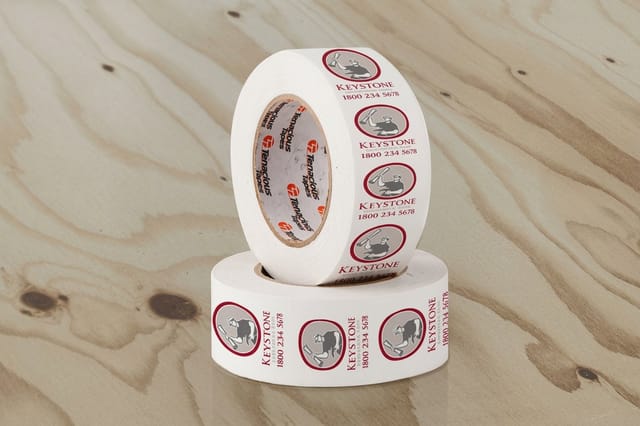
| Packaging tape | Sealing and branding boxes | Very low per unit | Paper tape available | Repeat logo coverage |
| Flexible pouches | Food, coffee, and retail | Moderate | Improving mono-material | Full-color, high impact |
| Die-cut labels | Wine, cosmetics, specialty | Low to moderate | Recyclable facestocks | Custom shapes and finishes |
Make it relevant
Personalization and variable data in packaging
Personalized packaging outperforms generic packaging by a wide margin. Variable data printing lets you customize each label or box, including the name, offer, image, and even the shape, based on product or recipient data. The more relevant the piece, the stronger the response and the higher the perceived value.
This is not just a printed name anymore. Modern variable data runs match imagery by product line, adjust designs by region, and produce limited editions without retooling a whole line. 4OVER4.COM supports variable data across labels, stickers, and other packaging formats, so if you have the data, we have the printing technology to put it to work.
Wally turns packaging data into your next order
Statistics are step one. The package is step two.
The numbers all point one way. A branded package in a customer's hands beats a plain box every time. Wally's rule is simple. Pick the format that fits your product, print it on a stock that signals quality, and let the unboxing do the rest. Custom labels are the fastest, most affordable way to put this data to work.
Order packaging labels →Myths vs facts
What brands get wrong about custom packaging cost
A few myths keep brands from packaging that would pay off. The pairs below set each common assumption against what the packaging industry statistics actually show, so you can plan your next order on evidence rather than habit.
Custom packaging is only for big brands with big budgets.
Short-run digital printing makes 100 to 500 custom boxes or labels affordable, so small businesses can brand every package without offset setup costs.
A plain brown box is good enough for online orders.
72 percent of consumers say packaging design influences their buying decisions, so unbranded shipping leaves brand recall and repeat sales on the table.
Sustainable packaging costs more and buyers do not care.
60 to 70 percent of consumers will pay more for sustainable packaging, and paper-based recyclable materials gain share every year.
Labels are a minor detail, not real packaging.
The global label market topped 50 billion dollars in 2024, and a well-designed label is the most affordable way to make any product look premium.
Stock, finishing and price
Packaging label pricing and specifications
For businesses ready to act on these numbers, here is current pricing for Premium Packaging Labels, one of the most flexible ways to brand any product, alongside the full specifications so you can match the right material and finish to your goals.
| Quantity | Price Per Unit | Total |
|---|---|---|
| 1 | $29.16 | $29.16 |

Start from a blank
Label and sticker templates cut to the die line
Need a head start on design? These blank templates for packaging make it easy to get your artwork print-ready, with bleed and safe margins already built in.
Print it
The packaging products brands reach for most
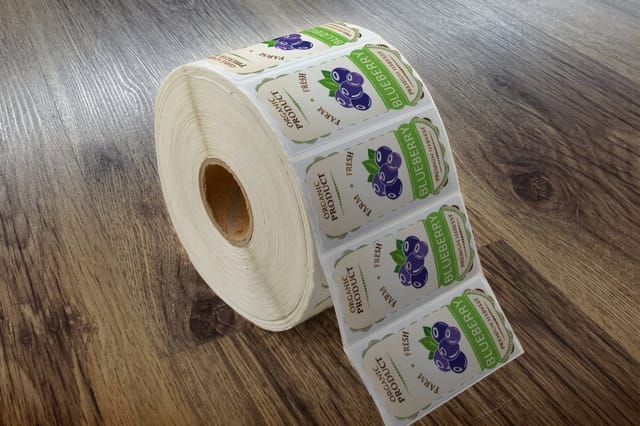
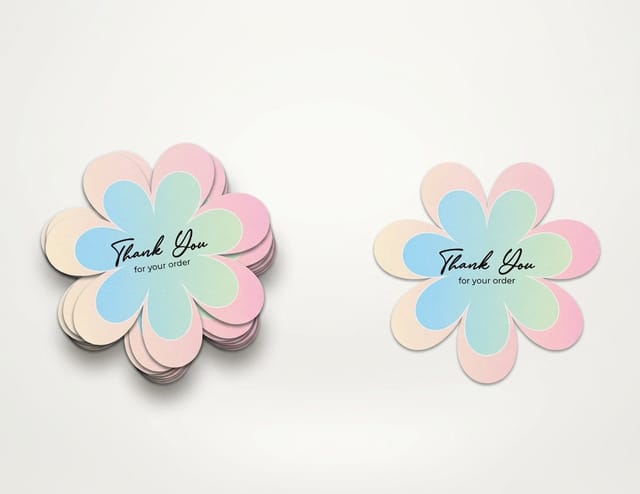
Standard Product Labels start at 25 for $23.88 and print in 3 business days on uncoated, semi gloss, hi gloss, or white vinyl. Die-Cut Stickers start at 25 for $93.37. These are the pieces brands order when they act on the numbers above.

Proof, not promises
What our label runs show on stock and turnaround
Here are the figures from our side of the press, the volume, quality, and reliability signals that round out the picture for brands planning packaging in 2026 and beyond. A 99.8 percent on-time delivery rate keeps your launch on schedule, and a 4.8 out of 5 average across 10,000 plus reviews shows the print quality holds up run after run.
Why brands trust us
The label and sticker record behind this market data
Every benchmark on this page sits on a long record of getting packaging printed right. A 4.8 out of 5 average across 10,000 plus reviews, 150,000 plus businesses served, and custom print since 1999 are the trust signals behind the numbers, so you can plan packaging knowing the pieces will land sharp and on time.
How we built this
Which market reports these packaging figures come from
The packaging industry statistics on this page come from publicly available market research, industry associations, and government data. We reference organizations including Smithers, McKinsey, Grand View Research, MarketsandMarkets, the Flexible Packaging Association, the Fibre Box Association, and the Bureau of Labor Statistics.
4OVER4.COM internal data reflects trends observed across our platform serving 150,000 plus businesses. All figures are cited with their original source where available, and we update this page as new data becomes available to keep it current and actionable.

Get Started
Print 25 product labels for $23.88 in 3 business days
Standard Product Labels run on uncoated, semi gloss, hi gloss, or white vinyl. Die-Cut Stickers start at 25 for $93.37 and print in 5 business days.
Legal Disclaimer
Gold Standard guarantees apply to all standard orders placed through 4over4.com. Price match requires verifiable proof of a competitor's published price for an equivalent product with matching specifications and turnaround time. Satisfaction guarantee covers manufacturing defects and print quality issues. Contact support with order number and documentation. On-time delivery rate based on tracked orders 1999 to 2026. Individual results may vary based on shipping carrier performance.
Explore more
Label products, packaging research, and sticker pages
Statistics Print Industry Hub The full print and packaging landscape in one place. Statistics Printing Industry Statistics Market size and trends across the printing sector. Statistics Business Card Statistics How first impressions drive print results. Statistics Greeting Card Statistics Paper-based products adapting to sustainability. Statistics Print Advertising Statistics What the data says about print ad performance. Product Premium Packaging Labels Brand any product with durable custom labels. Product Packaging Tape Seal and brand every box with custom tape. Product Any Shape Wine Labels Die-cut labels that match your bottle and brand. Templates Blank Templates Print-ready files with bleed and safe margins built in. FAQs Printing FAQs Answers on stock, sizes, proofs, and turnaround. Questions and answers
Common questions about packaging market data
Market size, ecommerce growth, sustainability, food delivery, and labels, answered.
How big is the global packaging market?
The global packaging market was valued at roughly 1.05 trillion dollars in 2024, according to Smithers. Projections place it above 1.2 trillion by 2028, driven by ecommerce growth, food delivery expansion, and rising demand for sustainable materials. The market continues to grow across every major region and product category.
What is driving ecommerce packaging growth?
Ecommerce packaging is growing at more than 14 percent a year through 2028. The reason is simple, since every online order needs packaging. As direct-to-consumer brands multiply and shoppers expect branded unboxing, demand for custom mailers, printed boxes, and branded labels keeps climbing. Order Free Samples to feel the stocks before you commit.
Do consumers really care about custom packaging?
Yes. Packaging Digest data shows that 68 percent of consumers believe branded packaging makes a product feel more premium, which lifts willingness to pay and improves recall. Even a branded label or printed sticker on a plain box makes a measurable difference. Start from a Blank Template to get print-ready fast.
How fast is the sustainable packaging market growing?
Sustainable packaging is projected to reach over 440 billion dollars globally by 2027, and McKinsey research shows 60 to 70 percent of consumers will pay more for it. Paper-based and recyclable materials are gaining the most ground as brands respond to both consumer demand and tightening regulations.
What do food delivery packaging demand statistics show?
Food delivery packaging demand reflects explosive growth tied to a food delivery market that passed 150 billion dollars. Every order needs packaging, from containers and bags to branded stickers and tamper-evident seals. The food packaging market overall is projected to reach 478 billion dollars by 2030, with delivery-specific formats growing fastest.
How can small businesses use packaging industry statistics?
Small businesses can use these statistics to make smarter buying decisions. The data shows that custom packaging improves brand perception, sustainable materials attract more buyers, and even small touches like branded labels boost retention. You do not need a large budget, since short-run digital printing from providers like 4OVER4.COM makes custom packaging labels affordable at any volume.
Are labels and stickers a growing packaging segment?
The global label market exceeded 50 billion dollars in 2024, according to the Label Manufacturers Association. Growth is driven by rising SKU counts, variable data printing, and the fact that labels are the most affordable way to add branding to any package. Product labels, shipping labels, and promotional stickers all contribute to the expansion.
