
Greeting Card Industry Statistics and Market Trends
Updated


Market size, revenue, occasions, and buyer behavior, set against the order data behind 25 plus years of printing cards at 4OVER4.
Physical greeting cards are not going anywhere. Americans still buy about 6.5 billion cards a year, women purchase roughly 80 percent of them, and the US market holds steady at 7 to 8 billion dollars in retail revenue. Unit sales have eased since the early 2000s, but revenue per card is rising as buyers trade up to personalized, premium designs on better stock.
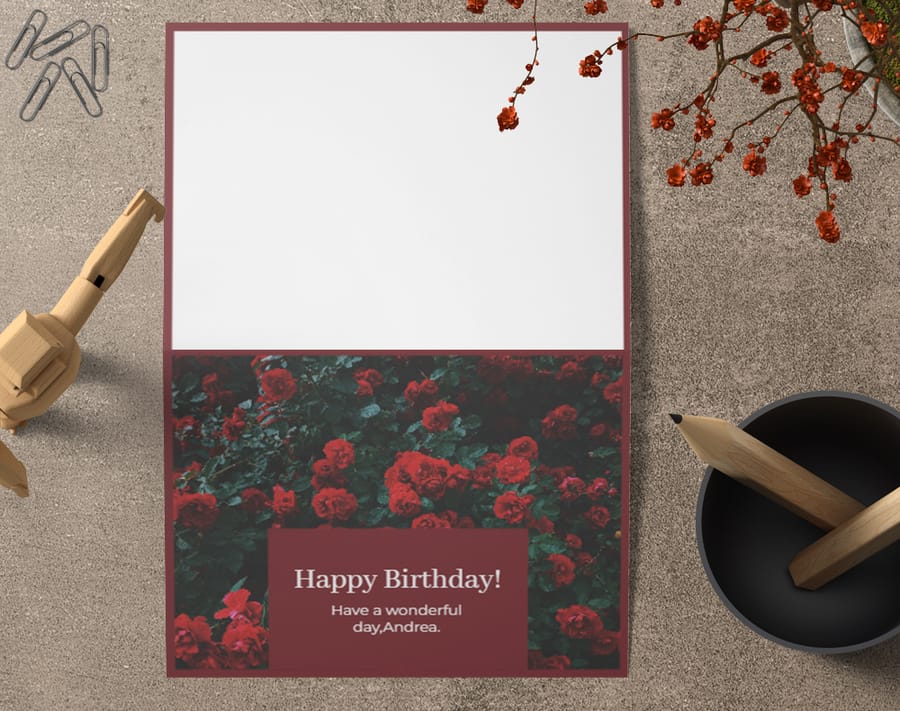
The short version
What the greeting card statistics tell us
Greeting card industry statistics paint a picture of a market in transition. Physical cards still move in huge volume, roughly 6.5 billion are bought in the US each year, yet e-cards, print-on-demand, and changing habits are reshaping how people send sentiments. 4OVER4.COM tracks these shifts closely because they shape what printers, designers, and small businesses need next.
By the numbers
Greeting card performance at a glance
Here are the headline figures marketers and makers reach for first, drawn from industry benchmarks and our own production data. Volume is high, revenue is steady, and the buyer skews toward women shopping for birthdays, holidays, and milestones.
| Measure | Latest figure | Source |
|---|---|---|
| Global market value | Roughly 18 to 20 billion dollars, as valued in 2023, led by North America. | Grand View Research and Allied Market Research greeting cards market reports, 2023 valuation |
| US retail revenue | 7 to 8 billion dollars per year, the largest single market. | Greeting Card Association industry estimates, cross-checked against IBISWorld Greeting Card Publishing in the US |
| US unit volume | About 6.5 billion cards purchased annually. | Greeting Card Association industry estimates |
| Average card price | 4 to 5 dollars for standard, 7 to 12 dollars for premium. | Greeting Card Association retail price ranges, checked against current US retail listings |
| Cards per household | Around 30 cards bought each year by the average US home. | Greeting Card Association household purchase estimates |

Why the data matters
Why greeting card market data matters for print businesses

Greeting card industry statistics are more than numbers on a page. They are a roadmap for anyone selling, designing, or printing cards. The US greeting card market generates an estimated 7 to 8 billion dollars in annual retail revenue, and that figure has held remarkably steady even as digital communication exploded.
Reading these greeting card statistics helps you spot the openings. Are shoppers spending more per card? Is personalization driving premium pricing? Which occasions move the most volume? Those questions matter whether you run a stationery brand, a print shop, or a freelance design studio building a product line.
For broader context on how print markets are performing, our business card statistics and printing industry statistics track the same forces. Ready to design your own? The online designer makes it simple to build a card that fits where the market is heading.
Market size
Greeting card market size and revenue breakdown
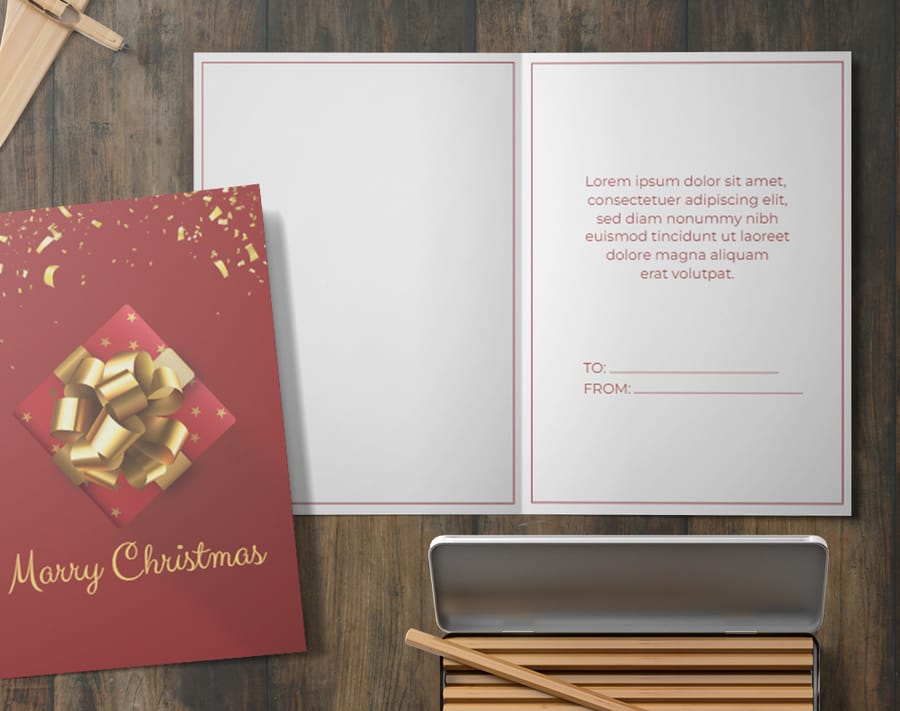
The global greeting card market was valued at roughly 18 to 20 billion dollars in 2023 (source: Grand View Research and Allied Market Research greeting cards market reports, 2023 valuation). That is a 2023 number, not a 2026 one, so treat it as the last full global valuation rather than a current reading. North America holds the largest share, driven by strong cultural traditions around holidays, birthdays, and life milestones.
The United States remains the single largest market. Americans buy about 6.5 billion cards a year, and women purchase roughly 80 percent of them (source: Greeting Card Association industry estimates). The average household picks up around 30 cards annually (source: Greeting Card Association household purchase estimates). That is a lot of paper, ink, and postage moving through the mail.
US retail sales hover between 7 and 8 billion dollars per year (source: Greeting Card Association industry estimates, cross-checked against IBISWorld Greeting Card Publishing in the US). The average price of a standard card has climbed steadily, from 2 to 3 dollars a decade ago to 4 to 5 dollars today, while premium and handmade cards regularly sell for 7 to 12 dollars (source: Greeting Card Association retail price ranges). Higher prices per card offset much of the decline in unit volume.
Decline or shift
Is the greeting card industry in decline?
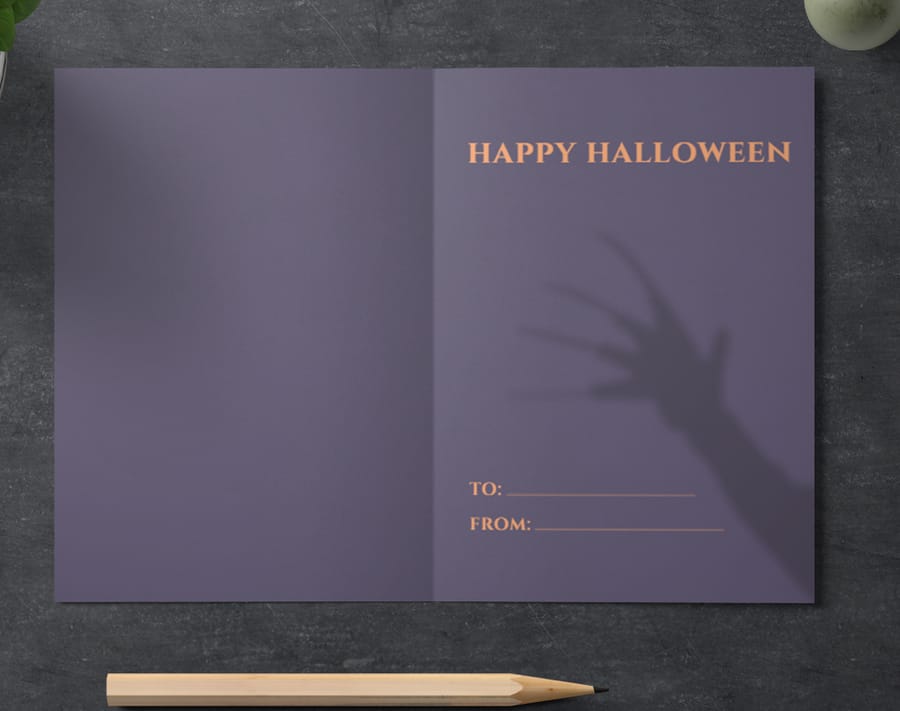
No, the greeting card industry is not in decline, it is consolidating around higher-value cards. Unit volume has eased from about 7 billion to roughly 6.5 billion cards a year in the US while revenue per card has climbed as buyers move to premium and personalized options.
The decline narrative is more complicated than the headlines suggest. Yes, unit sales have slipped from their peak. In the early 2000s, Americans bought closer to 7 billion cards a year. That number has eased to around 6.5 billion, and some analysts expect standard card purchases to soften further.
But decline does not tell the whole story. Revenue per card is up. The premium segment is growing. Personalized and custom cards are booming. According to IBISWorld, US greeting card production has seen modest revenue swings rather than a dramatic collapse.
What is actually happening is a market split. Mass-market drugstore cards are losing ground while independent makers on platforms like Etsy, custom print-on-demand services, and premium stationery brands are thriving. The market is fragmenting and moving upmarket. Our print industry hub tracks the same quality-over-quantity shift across formats.
Consumers have not stopped sending cards. They have stopped settling for generic ones. Demand for personalized, high-quality greeting cards has never been stronger in our 25 plus years of printing.
4OVER4.COM Product Team
Trends
Greeting card industry trends for 2026
Several trends are worth tracking if you sit anywhere in the print or stationery business. Consumers want cards that feel unique, made with materials they can feel good about, finished in ways a drugstore rack cannot match.
- Personalization is king. Custom photo cards, variable data printing, and made-to-order designs claim a growing share of sales.
- Eco-friendly materials matter. Recycled paper, soy-based inks, and plastic-free packaging are becoming purchase drivers, especially for younger buyers.
- Premium finishes command higher prices. Foil stamping, letterpress, embossing, and specialty stocks let makers charge 8 to 12 dollars per card.
- Direct-to-consumer is growing. Small brands sell through their own sites and social channels, bypassing traditional retail entirely.
- Hybrid digital-physical experiences. QR codes, augmented reality, and NFC-enabled cards are emerging as differentiators.
These shifts line up with the broader print picture. Our print advertising statistics show why physical materials keep outperforming digital on engagement and recall.
You can read the trend off the job tickets. Card orders that used to come in on a basic stock now come in with a heavier caliper and a finish attached, and the runs are shorter because people are printing a design for one occasion instead of a year of them. Nobody is asking us to make cards cheaper. They are asking us to make fewer cards feel like more.
Tobias Reed, Production Knowledge Lead, 4OVER4.COM
Who buys
Who buys greeting cards, and how they shop
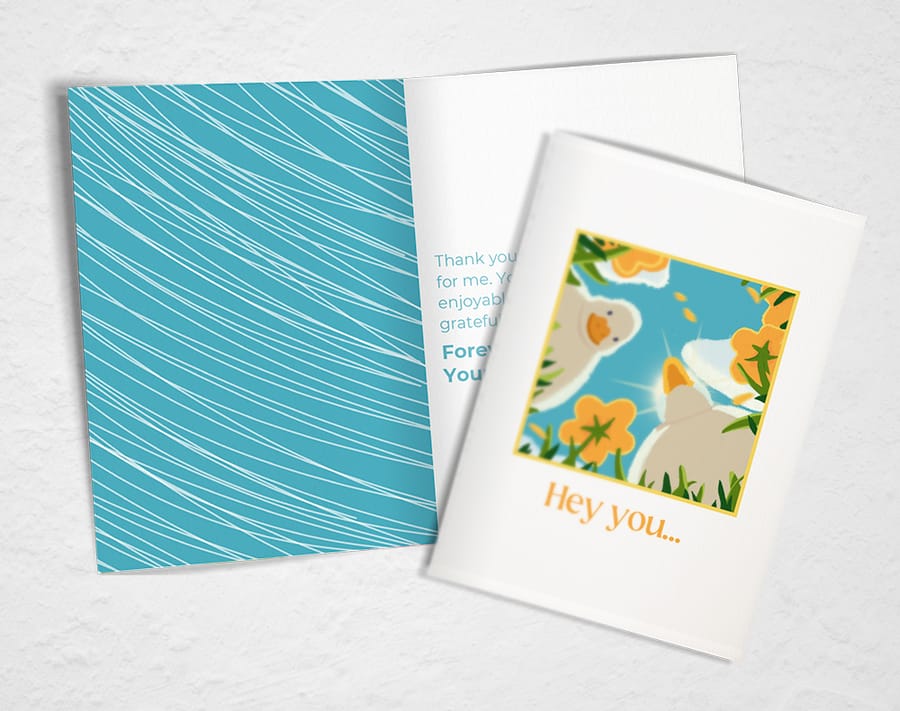
The classic card buyer skews female, older, and suburban, but that picture is changing. Industry surveys put women at roughly 80 percent of greeting card purchases, and buyers aged 45 to 65 represent the highest-spending group.
Millennials and Gen Z, though, are driving the custom and premium segments. They are less likely to grab a 3 dollar card from a pharmacy rack and more likely to spend 8 dollars on an indie-designed card or order a custom photo card online.
Birthday cards remain the top-selling occasion, accounting for roughly 50 to 55 percent of all non-holiday card sales. Sympathy, thank you, and wedding cards round out the leaders, while just because cards sent for no reason at all are a small but growing segment.
Digital vs physical
Greeting card stats: digital versus physical
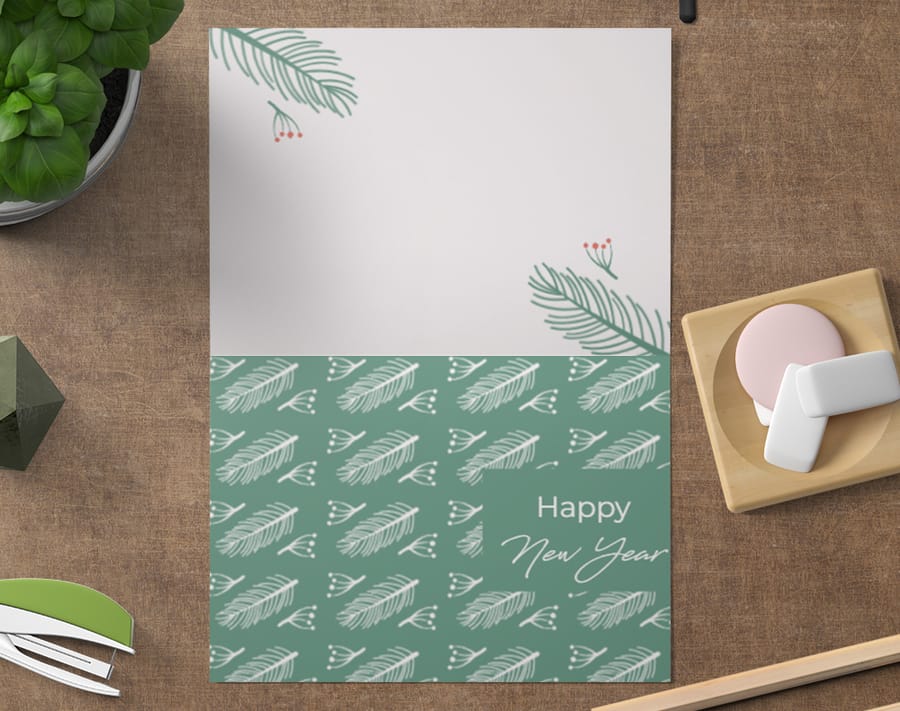
E-cards and digital greetings have not replaced physical cards the way many predicted. The e-card market is growing, but it still represents a fraction of total greeting card spending. Physical cards carry an emotional weight that digital alternatives struggle to match.
Research consistently shows recipients value physical cards more highly than digital ones. A tangible card sits on a mantel or gets pinned to the fridge. An e-card gets opened once and forgotten. That emotional stickiness is why physical card statistics stay strong despite decades of digital competition.
The lines are blurring, though. Services that let you design a card online and have it printed and mailed straight to the recipient are growing fast. This hybrid model pairs digital convenience with physical impact, a space where print companies like 4OVER4.COM hold a natural advantage. Our packaging industry statistics show the same pattern of physical formats holding strong.
Key players
Key players and market concentration

The greeting card market has long been dominated by a handful of major players. Hallmark Cards holds an estimated 40 to 45 percent of the US market, and American Greetings follows with roughly 25 to 30 percent. Together the two control the majority of retail shelf space.
But that concentration is loosening. Independent card makers, print-on-demand services, and direct-to-consumer brands keep chipping away at the lead. Etsy hosts thousands of independent sellers, and Amazon has become a major distribution channel for smaller brands.
For print businesses, this fragmentation is opportunity. Small brands need partners who can handle short runs, offer premium finishes, and turn orders around quickly. That is exactly the sweet spot where custom printers operate.
Production
Greeting card production and supply chain
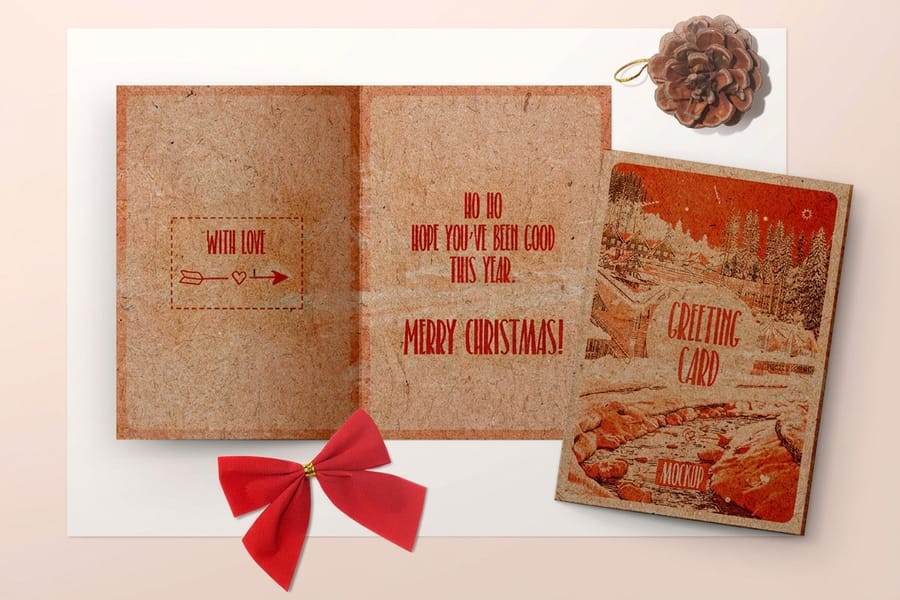
The production side reveals its own patterns. Card manufacturing runs through paper sourcing, printing, finishing such as embossing, foiling, and die-cutting, and distribution. The supply chain has felt paper price swings and higher shipping costs since 2020.
Paper costs represent roughly 30 to 40 percent of a card production cost. When paper prices spike, makers either absorb the hit or raise retail prices. Most have chosen to raise prices, which helps explain the steady climb in average card prices over the past five years.
Print-on-demand and short-run digital printing have rewritten the economics for smaller producers. Instead of ordering 10,000 units of one design, a small brand can print 100 to 500 cards, test designs, and reorder the winners. That lowers inventory risk and lets creative businesses move faster.
Our print data
What 4OVER4 print data reveals about card orders
4OVER4.COM has printed for 150,000 plus businesses over 25 plus years. That history gives us a clear window into greeting card demand from the production side of the press.
Our internal data shows custom card orders spike in three predictable waves. October through December for holiday cards, late January through mid-February for Valentine season, and April through May for Mother Day and graduation season. Those patterns mirror the seasonal figures industry associations report.
We also see a steady shift toward thicker stocks and specialty finishes. Customers choose premium options at higher rates than they did five years ago. The cheap and cheerful order is fading. People want cards that feel solid, cards worth keeping.
Where we fit
How 4OVER4 fits into the greeting card market
The data points one clear direction. Personalization and premium quality win, and that is where 4OVER4.COM operates. With 60 plus paper types, specialty finishes, and 1,000 plus products in the catalog, we hand card makers the tools to create products that stand out in a mailbox.
Whether you run a stationery brand launching a new line or a photography studio selling holiday photo cards, we handle the printing so you can focus on design. Our green printing options meet the rising demand for environmentally responsible cards, a trend the stats show accelerating year over year.
Short-run quantities, fast turnaround, and a 99.8 percent on-time delivery rate mean you can test new designs without a massive inventory commitment. Start in the online designer and build a card that matches what today buyers expect.
Break it down
How the greeting card numbers break down
These are the figures analysts and print buyers reach for first, pulled from Greeting Card Association data, market research firms, and National Retail Federation reporting.
| Occasion | Share of demand | Source |
|---|---|---|
| Birthday cards | 50 to 55 percent of non-holiday sales, the top occasion. | Greeting Card Association occasion breakdown |
| Christmas | Roughly 1.6 billion cards, the largest seasonal volume. | Greeting Card Association seasonal volume estimates |
| Valentine's Day | About 145 million card exchanges each year. | Greeting Card Association, alongside National Retail Federation Valentine's Day spending surveys |
| Sympathy, thank you, wedding | The steady next tier of occasion-driven demand. | Greeting Card Association occasion breakdown |
| Just because | A small but growing no-occasion segment. | Greeting Card Association occasion breakdown |
The headline market measures live in the table near the top of this page, so you can read the occasion split against them without scrolling back and forth.
Side by side
How greeting card channels compare
Greeting card statistics look different depending on the sales channel. Mass retail, online direct-to-consumer, and custom print-on-demand each serve a different buyer at a different price point. The comparison below puts them side by side.
| Channel | Price per card | Where it wins | Who it serves |
|---|---|---|---|
| Mass retail | 3 to 5 dollars | Convenience and impulse buys | Everyday shoppers |
| Custom print-on-demand | 6 to 12 dollars | Personalization and premium finishes | Small brands and creators |
| Independent and Etsy | 5 to 10 dollars | Unique indie designs | Millennials and Gen Z |
| E-cards | Little to none | Speed and zero postage | Last-minute senders |
Custom printers compete on quality and uniqueness rather than price. Specialty formats like 3D lenticular cards are exactly the kind of piece mass-market producers cannot easily replicate, and a thick, textured card with a specialty finish communicates care in a way a thin one cannot.
The price gap keeps widening. Mass-market cards average 3 to 5 dollars at retail, while custom and premium cards regularly sell for 6 to 12 dollars. That margin is what makes the premium greeting card segment so attractive for entrepreneurs and small stationery brands.
Myths vs facts
Clearing up greeting card misconceptions
A few myths keep makers from investing in cards that would pay off. The pairs below set each common assumption against what the greeting card statistics actually show, so you can plan your next line on evidence rather than habit.
The greeting card industry is dying.
Unit sales dipped, but revenue per card is up and the premium segment is growing. The market is fragmenting and moving upmarket, not collapsing.
E-cards have replaced physical cards.
E-cards remain a fraction of total spending. Recipients keep physical cards on mantels and fridges, giving them emotional weight digital greetings struggle to match.
Only older people still buy cards.
Women aged 45 to 65 spend the most, but millennials and Gen Z drive the custom and premium segments, favoring indie designs over drugstore racks.
Two big brands own the whole market.
Hallmark and American Greetings still lead, but independent makers, print-on-demand services, and direct-to-consumer brands keep chipping away at that share.
Proof, not promises
Greeting cards by the numbers at 4OVER4
Here are the signals from our side of the press, the volume, quality, and reliability numbers that round out the market picture for anyone planning a card program in 2026 and beyond. A 99.8 percent on-time delivery rate keeps your card drop on schedule, and 60 plus paper types cover everything from everyday stock to premium.
Wally turns the card data into your next print run
Statistics are step one. The card in someone's hands is step two.
The numbers all lean the same way. A premium, personalized card beats a generic one lost on a drugstore rack. Wally's rule is simple. Pick the occasion, print it on a stock that feels substantial, add a finish worth keeping, and let the sentiment do the rest. Unit sales slipped to 6.5 billion while revenue held at 7 to 8 billion dollars, so the buyer paying 7 to 12 dollars for a premium card is the one your stock and finish choices are talking to.
Design greeting cards →Stock, finishing and price
Greeting card pricing and specifications
For businesses ready to act on these numbers, here is current pricing for greeting cards alongside the full specifications, so you can match the right stock and finish to the occasion.
Start from a blank
Blank templates for greeting cards
Need a head start on design? These blank greeting card templates come with bleed and safe margins already built in, so your artwork lands print-ready.
Free to customize
Free greeting card templates
Prefer to start from a finished design? Customize any of these free greeting card templates in the online designer, then print them on the stock and finish you want.
Print it
The card products makers reach for most
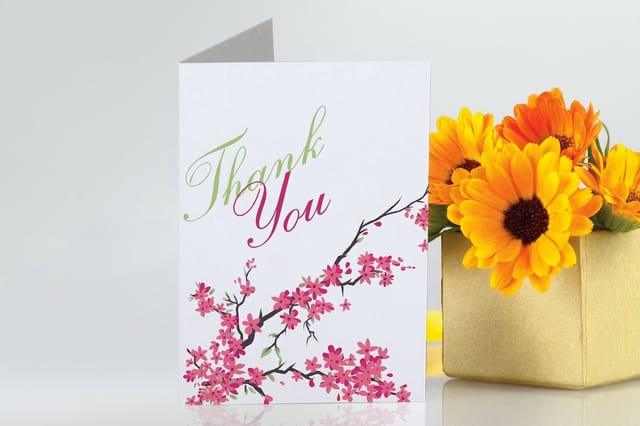
Knowing the greeting card statistics is step one. Printing a card that people keep is step two, and it starts with the right piece. Here are the products makers reach for most when they put these numbers to work.
Why makers trust us
Backed by 25 plus years of printing
Every figure on this page sits on a long record of getting cards printed right. A 4.8 out of 5 average across 10,000 plus reviews, 150,000 plus businesses served, and custom printing since 1999 are the trust signals behind the data, so you can plan a card run knowing the pieces will land sharp and on time.
How we built this
How we compile and verify these statistics
The greeting card statistics on this page draw from publicly available reports by the Greeting Card Association, IBISWorld, Grand View Research, Allied Market Research, and the National Retail Federation. 4OVER4.COM cross-references those external sources with our own order data spanning 25 plus years and 150,000 plus business clients. All figures reflect the most recent available data, and we refresh this page as new industry reports are published.

Get Started
Ready to put these greeting card statistics to work?
Pick an occasion, drop in your design or a free template, and we will print it sharp on premium stock and ship it on time.
Legal Disclaimer
Gold Standard guarantees apply to all standard orders placed through 4over4.com. Price match requires verifiable proof of a competitor's published price for an equivalent product with matching specifications and turnaround time. Satisfaction guarantee covers manufacturing defects and print quality issues. Contact support with order number and documentation. On-time delivery rate based on tracked orders 1999 to 2026. Individual results may vary based on shipping carrier performance.
Explore more
Keep going across the cards and print silo
 Product Greeting Cards Print custom greeting cards on 60 plus premium paper types.
 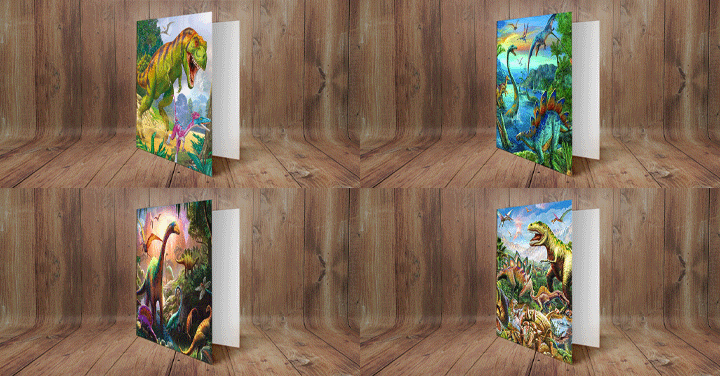 Product 3D Lenticular Cards Add a moving visual effect mass-market cards cannot match.
  Statistics Business Card Statistics Market size and design trends across the business card space.
  Statistics Printing Industry Statistics The wider print market data behind the card numbers.
  Statistics Print Advertising Statistics Why physical print keeps beating digital on recall.
  Statistics Packaging Industry Statistics How physical formats hold strong across categories. Hub Print Industry Hub Every print statistics page in one place.
  Benefit Online Designer Build a print-ready card design right in your browser.
  Benefit Green Printing Recycled stocks and eco inks for responsible cards.
  Templates Greeting Card Templates Print-ready blank templates with bleed and safe margins.
  Samples Free Samples Feel the stocks and finishes before you order. FAQs Printing FAQs Answers on stock, sizes, proofs, and turnaround.
 Questions and answers
Common questions about greeting card data and performance
Market size, decline, trends, occasions, and samples, answered.
How big is the greeting card market in the United States?
The US greeting card market generates an estimated 7 to 8 billion dollars in annual retail revenue. Americans buy roughly 6.5 billion cards a year, which makes the United States the largest single market for greeting cards in the world. Market size has stayed relatively stable despite decades of digital competition.
Is the greeting card industry declining?
Unit volume has eased, from about 7 billion cards to 6.5 billion annually over the past two decades. Revenue per card, though, is climbing as shoppers move toward premium and personalized options. The market is fragmenting and moving upmarket rather than collapsing.
What are the top greeting card industry trends for 2026?
The leading trends are personalization, eco-friendly materials, premium finishes like foil and letterpress, direct-to-consumer sales channels, and hybrid cards that add digital elements such as QR codes. Short-run custom printing keeps making it easier for small brands to compete.
Who buys the most greeting cards?
Women purchase roughly 80 percent of all greeting cards, and the 45 to 65 age group spends the most. Millennials and Gen Z are driving growth in the custom and premium segments, favoring unique indie-designed cards over mass-market racks.
What occasion generates the most greeting card sales?
Birthday cards account for roughly 50 to 55 percent of all non-holiday greeting card sales, making birthdays the single largest occasion. Christmas generates the highest seasonal volume at an estimated 1.6 billion cards, and Valentine's Day drives about 145 million card exchanges each year.
Can I order custom greeting cards from 4OVER4.COM?
Yes. 4OVER4.COM prints custom greeting cards on 60 plus paper types with specialty finishes including foil, embossing, and soft-touch coatings. Order free samples to feel the paper quality before you commit to a full run. Short-run and bulk quantities are both available.
How do physical greeting cards compare to e-cards in consumer preference?
Physical cards consistently outperform e-cards on perceived value and emotional impact. Recipients keep printed cards on display, on mantels, fridges, and desks, while e-cards are usually opened once and forgotten. That tangible quality is why physical card statistics stay strong despite decades of digital alternatives.
