
Before you pick a product, it helps to know how printing actually works, offset versus digital, what a print shop needs from you, and where the quality comes from. These guides cover the fundamentals so you can order with confidence instead of guesswork.
Printing Basics Guides
Latest Printing Basics Guides

How to Choose a Print Shop
How to choose a print shop, step by step. Compare local vs online print shops on proofs, pricing, stocks, turnaround and guarantees to pick the best fit.
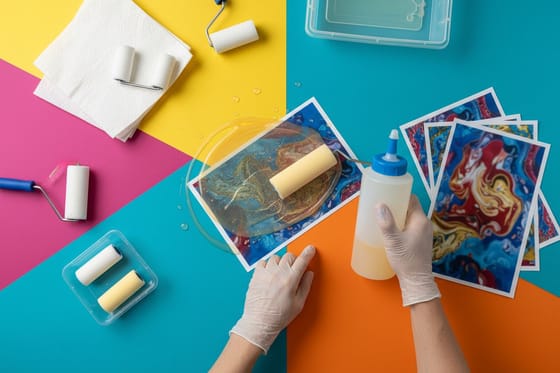
Liquid Laminate for Paper & Digital Prints, Explained
Liquid laminate is a coating applied over printed sheets, then cured to a gloss, matte, or satin film. How it works and when to use it, from 4OVER4.COM.
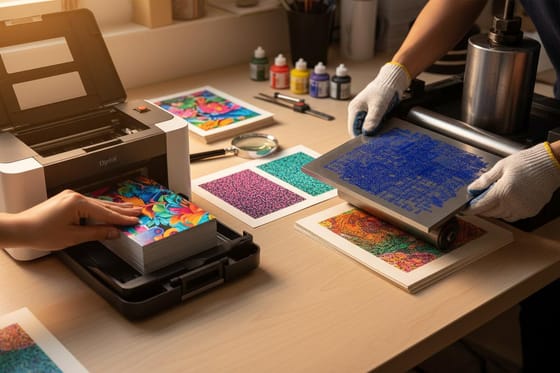
Digital Printing vs Offset Printing
Digital printing vs offset printing explained. See how each method handles volume, cost, and color, plus when to choose which. 4OVER4 prints both.
CD Cover and Sleeve Sizes That Fit a Standard Case Every Time
A CD cover trims to 4.75 inches square, the tray card to 5.9 by 4.6 inches with two quarter inch spines, and the disc prints from 46 to 118 mm.

Hand Sanitizer Labels Have to Survive Alcohol and Carry Drug Facts
Label materials that resist alcohol and repeated handling, bottle size to label size mapping, and the Drug Facts panel a sanitizer label has to carry.

Everything a Festival Has to Print, in the Order It Gets Installed
A festival print checklist covering entry banners, wayfinding, wristbands, passes and vendor signage, with the material each one needs to survive weather.
All Printing Basics Guides
Reading Transit Time by Zone Instead of Guessing at a Delivery Date
How shipping zones and service levels combine into a delivery date, why production time is separate from transit, and when to pay for an expedited service.
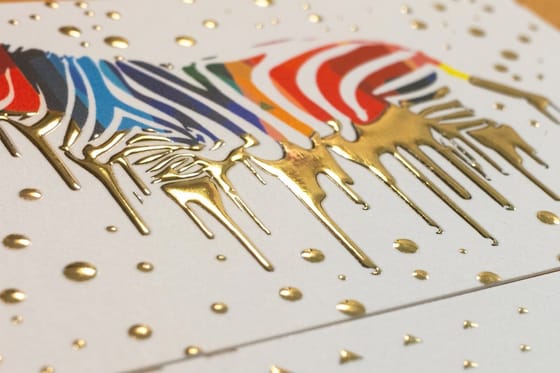
How Thermography Raises Ink With Powder and Heat
Thermography printing dusts resin powder on wet ink then melts it, so the line rises and turns glossy while the back of the sheet stays flat.

What Is Commercial Printing and Which Method Fits Your Job
Commercial printing explained: what it covers, how offset, digital, and large format differ, and which method suits your run size. Read it before you order.
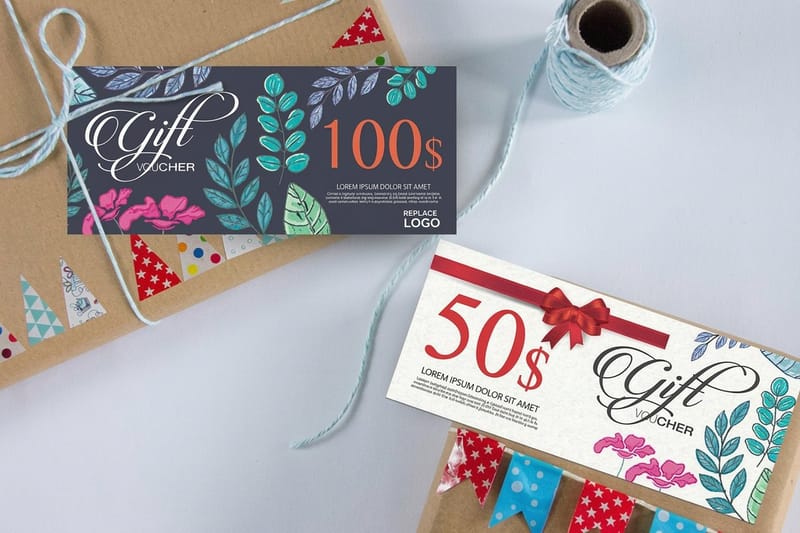
Getting a Printing Order Placed Tax Exempt Without a Refund Request
What a resale or exemption certificate has to show, when to submit it relative to your order, and why applying it before checkout beats claiming it afterward.

How to Estimate Printing Costs Before You Order
How to estimate printing costs before you order: see which factors move the price, how quantity breaks work, and how to build a quick quote worksheet yourself.
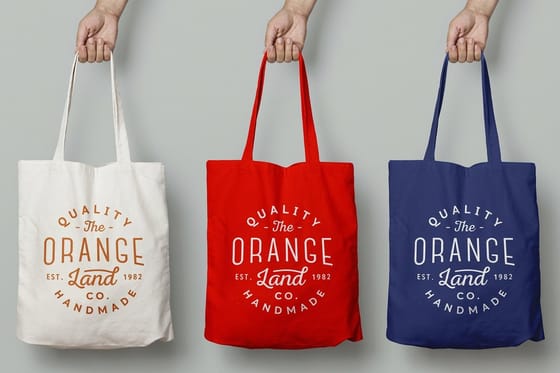
Tote Bag Materials and Minimums Before You Commit to a Run
The best material for custom tote bags is 8 to 10 ounce cotton canvas: it gets reused and prints sharp. Weights, duck vs plain canvas, blends and minimums.
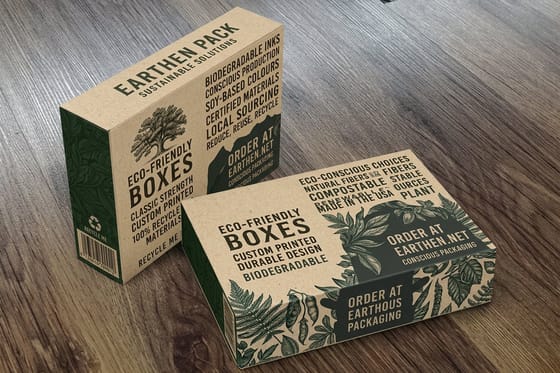
How to Choose an Eco Friendly Printing Service You Can Verify
Search the FSC public register for chain of custody holders, check the product scope on each record, then get the code in writing on your quote.
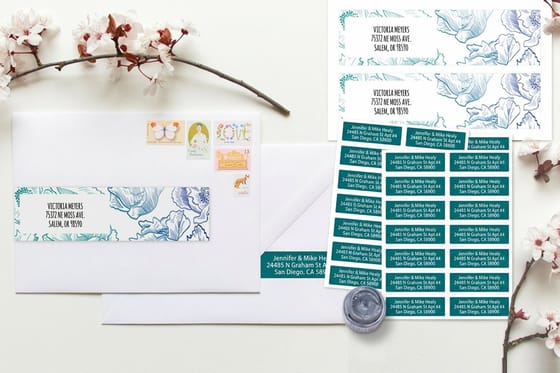
Printing Address Labels From a Spreadsheet Without Reformatting Every Row
How to print address labels: split the list into columns, size the label from the envelope and the longest address, proof one sheet at 100 percent.

Badge Sizes, Holders and Variable Names for a Room Full of Attendees
Conference badge printing done right is a 3 by 4 inch insert on 16pt matte stock, both sides, names merged from one spreadsheet. Sizes, holders, lead time.
300 GSM to LB Paper Conversion, Grade by Grade
300 gsm converts to 111 lb cover, 166 lb index or 80 lb bond, because each grade has its own basis size. The math, the caliper, and what the stock feels like.
What 75% Cotton 25% Linen Paper Is and How It Prints
75% cotton and 25% linen is the fiber recipe behind US banknote paper. What the blend is, how rag stock prints, and how it differs from linen finish card.

How to Set Up a Business Card Outline With Bleed, Trim and Safe Zone
The three lines a business card file needs: bleed at 3.75 by 2.25 inches, trim at 3.5 by 2, and a safe zone an eighth inside, plus die lines for shaped cards.