
An invitation or greeting card carries an occasion, so the fold, the size, and the paper set the tone before anyone reads the message. These guides walk through flat versus folded, standard sizes, and modern touches like adding a QR code for RSVPs.
Invitation & Card Guides
Latest Invitation Card Guides
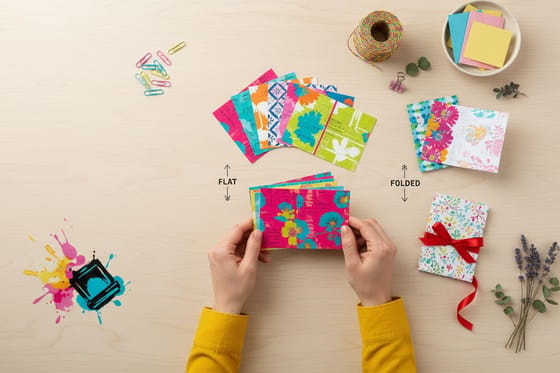
Types of Greeting Cards, Flat vs Folded, and When to Use Each
Flat or folded greeting cards? Compare both types, plus sizes, stocks, and finishes, and learn when to use each for weddings, holidays, and business.
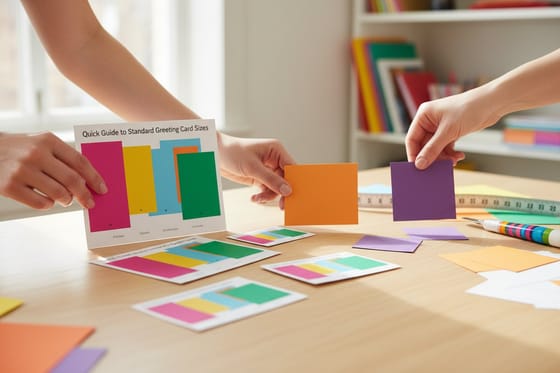
Quick Guide to Standard Greeting Card Sizes
The standard greeting card size in inches is 5 x 7 folded, with 4.25 x 5.5 as the compact standard. Every size in mm and pixels, plus its envelope.
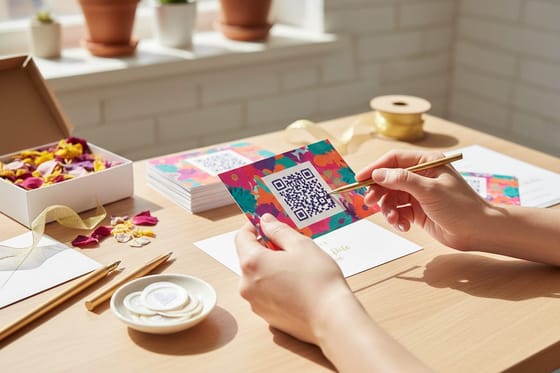
How to Save the Date With a Wedding QR Code
How to save the date with a QR code. Link it to your website or RSVP, size it to scan, and print clean save the dates from $19.77 at 4OVER4.COM.
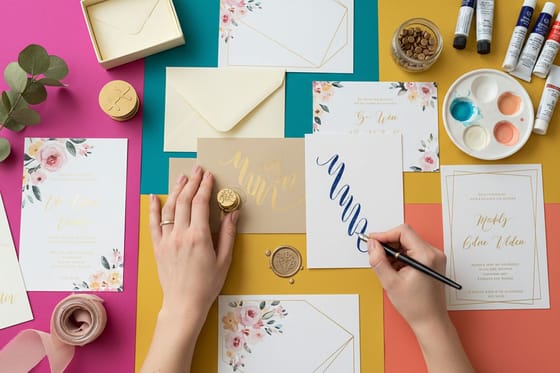
How to Design Wedding Invitations
How to design wedding invitations: wording, style, the matching suite, and print methods. Print foil or letterpress at 4OVER4.COM.
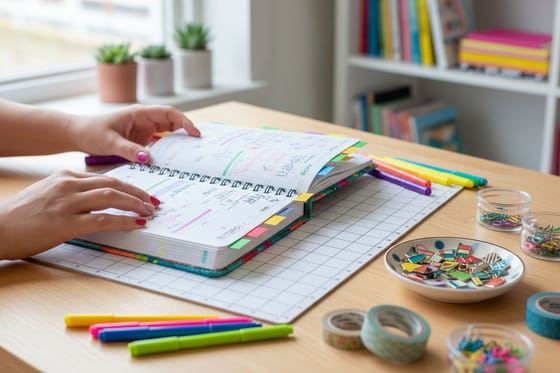
How To Organize A Work Notebook Or Journal
To organize a notebook for work, number every page, index the first three, write one dated entry a day, keep reference at the back and review on Fridays.
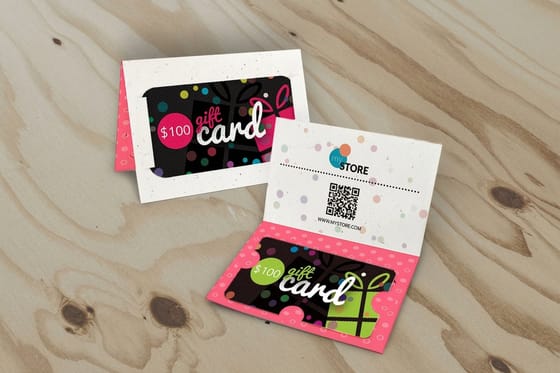
Adding Magnetic Stripes and Barcodes to a Gift Card Order
Gift card stock, magnetic stripe options and barcode or QR encoding, plus the variable data a POS system needs before a card run goes to press.
All Invitation Card Guides
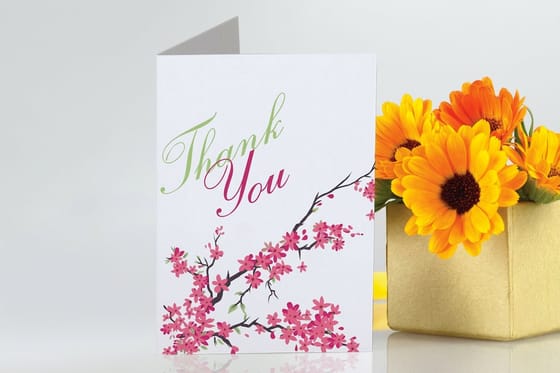
How to Make a Greeting Card Template in Microsoft Word
A greeting card template in Word starts as the flat sheet, 10 by 7 for a 5 by 7 card, zero margins and a two cell table for the fold, saved as a .dotx.
Affordable Invitation Printing and Where Cutting Cost Actually Shows
Real prices for affordable invitation printing, from $19.77 flat invites up to foil, plus the envelope cost most budgets miss and where cheap actually shows.
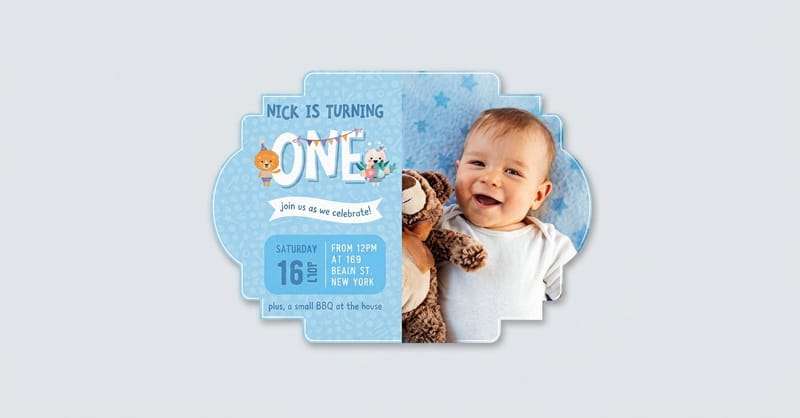
Boarding Pass Invitation Design, From Field Map to Tear-Off Stub
The field-by-field layout of a boarding pass invitation, the 9 x 4 size that fits a #10 envelope, real perforation vs a printed tear line, and what each route costs.
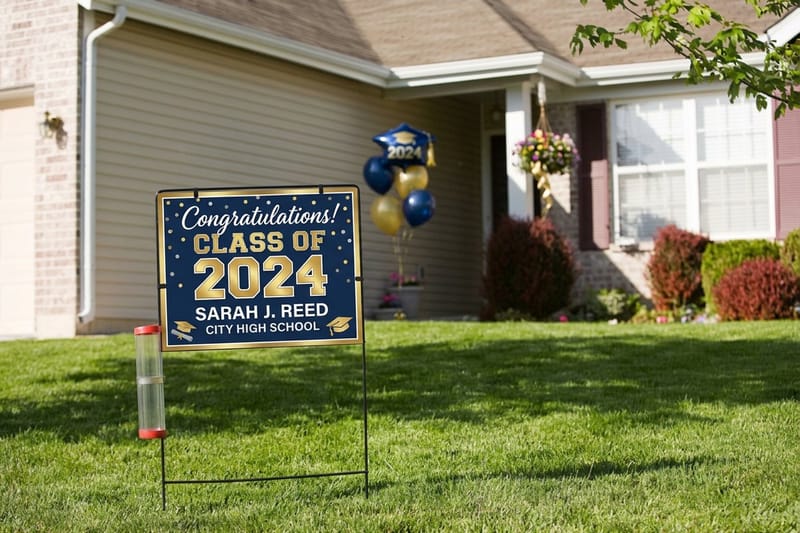
The Graduation Season Printing Timeline That Keeps Nothing Late
Order graduation announcements, invitations, photo cards, banners and yard signs on a timeline counted back from the ceremony date, with real starting prices.

Greeting Card Printing Sizes, Stocks and How to Order a Run
Greeting card printing sizes, the 17 stocks, the envelope that fits each fold, real 4OVER4 prices and turnarounds, and the six steps to order a run.
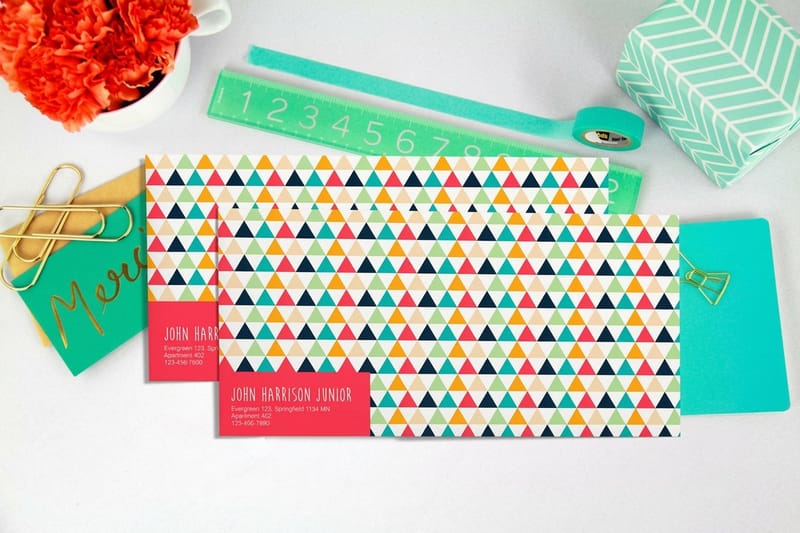
How to Choose an Invitation Printer That Gets Stock, Foil and Envelopes Right
What to check before handing an invitation job to a printer: stock caliper, real foil versus digital, matched envelope sizes, proofs, and honest turnaround.
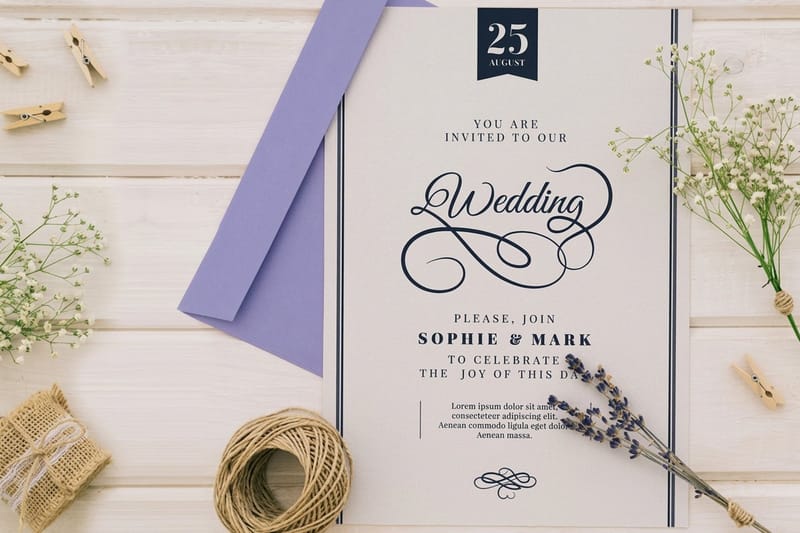
How to Collect Wedding Guest Addresses and Print Invitations That Mail Correctly
How to collect wedding guest addresses with a shared form, clean them into one row per household, and print invitations and envelopes that mail correctly.
How to Design Custom Thank You Notes That Still Feel Handwritten
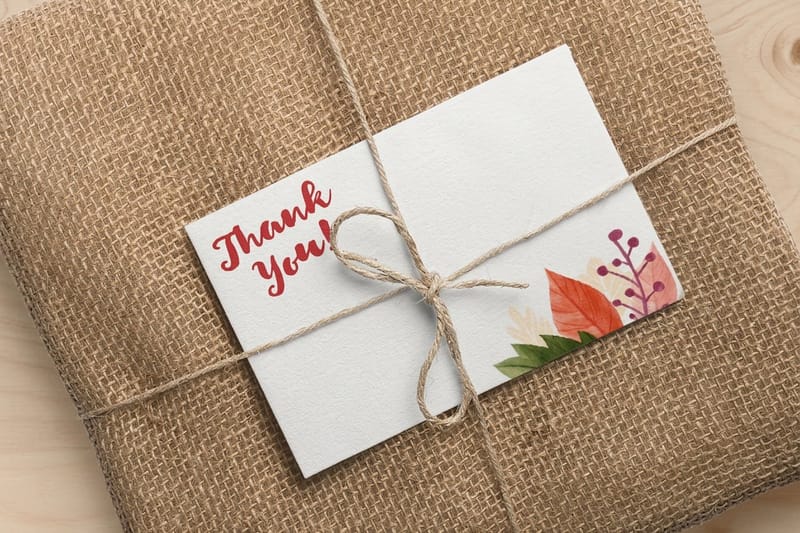
Design a customized thank you note that still reads as personal. The panel map, A2 envelope sizing, the stock a pen will not skid on, and when to print the message.
How to Design Professional Holiday Cards That Clients Actually Keep
Design professional holiday cards step by step: sizing, folded versus flat, printed signatures, foil finishes, matching envelopes and the mid November art deadline.
How to Get Birthday Cards Printed, From Single Boxes to Bulk Client Runs
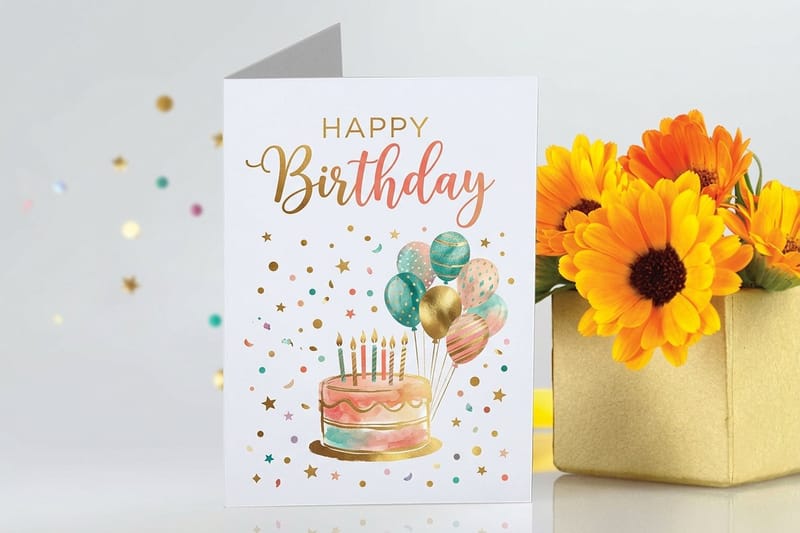
Which size and fold to print birthday cards at, the stock that still takes a pen, envelope and postage rules, and how bulk price breaks work on a client list.
How To Get Envelopes Printed For Invitations That Fit and Mail Cleanly
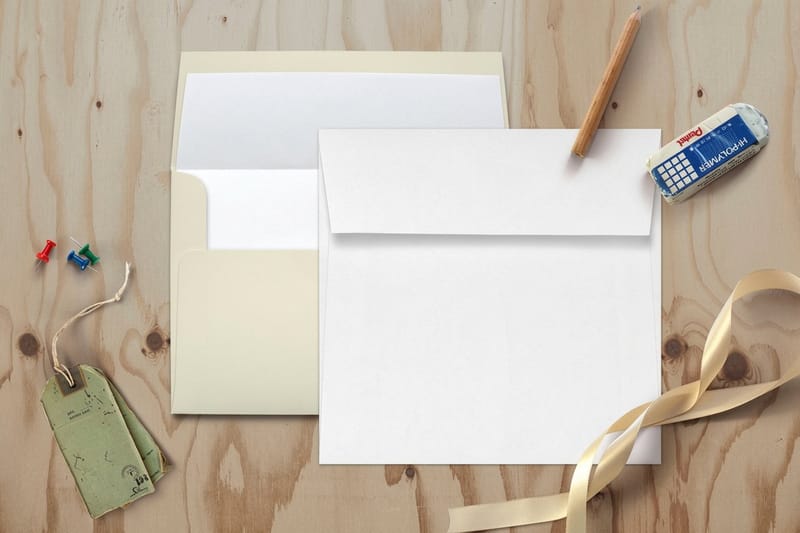
Envelope sizes that fit your invitation, where the return address goes, why square envelopes cost extra postage, and how many spares to order.
How to Print Cheap Invites That Still Look Expensive
Print cheap invites without the cheap look: real starting prices from $16.48, the envelope line that breaks budgets, and free design moves that read premium.