
How to Choose the Perfect Advertising Platform for Your Business


Three filters decide which platform is right for you, and none of them is a ranking of Google against Meta. The decision comes down to a comparison, and each channel has a real cost to try.
There is no universally perfect advertising platform. The right one for you is where your buyer already pays attention, priced below what one customer is worth to you, and measurable enough that you can prove it worked. Run those three filters and the shortlist usually holds two channels, one that captures demand people already have and one that creates demand they do not. Everything else on this page is how to pick the pair and how to test it without wasting the budget.
Quick answer
Two questions place any platform on the map
Ask what the buyer was doing when your ad appeared, and how precisely you could name who saw it. Those two answers put every channel into one of four groups, and the groups behave differently enough that comparing a search ad to a mailed postcard on cost per click is meaningless. Capture channels collect demand that already exists and are priced accordingly. Creation channels build demand and cost less per impression because you are doing the harder work. Pick the group your margin can afford at real frequency, then pick a platform inside it.
What Makes a Platform the Right One for Your Business

Three filters decide it, and only the third one involves an ad account.
First, where your buyer already pays attention, and in what state of mind. A person typing "emergency locksmith" into a search bar has already decided. A person scrolling a feed has decided nothing. Both are reachable. They are not reachable with the same message, and a platform that is wrong for your message will look like a platform that is wrong for your business.
Second, what one customer is worth. Take the gross profit you make on an average customer over the time they stay with you. That number is the ceiling on what you can pay to acquire one. If a channel's realistic cost per customer sits above that ceiling, the channel is not a fit, and better creative moves the number by a little rather than by a lot. Businesses with thin margins and no repeat purchase have far fewer viable platforms than they think, which is uncomfortable and worth knowing on day one.
Third, whether you can tell it worked. A platform you cannot measure is a platform you will keep funding out of hope. Measurement does not have to be sophisticated. A dedicated phone number, a coded offer, or a landing page used by nothing else is enough to separate one channel from another.
Nobody puts that trade-off in the pitch deck. High intent inventory is the easiest to justify and therefore the most contested, because every competitor ran the same arithmetic and bid accordingly. The attention that is still cheap is the attention where intent is low, which means you have to create the demand rather than collect it. Most businesses that complain their advertising stopped working have simply been priced out of the intent they used to buy cheaply. The small business marketing data is a useful reality check on where budgets actually go.
The Main Advertising Platforms and What Each One Is Good At

Every platform sells the same commodity in a different wrapper: someone's attention for a moment. What changes is who that someone is, what they were doing when the ad appeared, and what it costs to appear again.
| Platform | What you are actually buying | Where it wins | The catch |
|---|---|---|---|
| Search ads | A keyword the buyer typed, at the moment they typed it. | Urgent, defined needs where the buyer already knows what to ask for. | The price is set by whoever wants that keyword most. Nothing you do lowers it. |
| Social feed ads | Interest and behavior signals about people who were not shopping. | Products that can be explained in one image and one sentence. | You are interrupting. Weak creative gets scrolled past and still costs you. |
| Short video | Watch time on a platform that decides who sees you. | Anything demonstrable, where showing beats describing. | Production load. The format needs new material constantly or it fatigues. |
| Business-network ads | Job title, company size and industry, declared by the person. | B2B offers with a customer value high enough to survive the price. | The most expensive impressions of the major networks, by a wide margin. |
| Direct mail | A physical object delivered to an address you chose. | Local trades, services with a territory, and lists you already own. | Slow feedback. You commit to the whole print run before you learn anything. |
| Local print and outdoor | A place, and everyone who passes through it. | Storefronts, events, and any business whose customers share a route. | No targeting beyond geography. Measurement has to be designed in advance. |
| Marketplace listings | Position in front of a shopper who is already comparing. | Physical products with clear specifications and a price to defend. | You compete on the marketplace's terms, and it owns the customer relationship. |
Read the last column first. Every entry in it is a permanent condition of the channel, not a problem to solve. Choosing a platform means choosing which of those catches you are willing to live with for the next year.
The Platforms Most Advertisers Skip, and When They Are the Better Buy
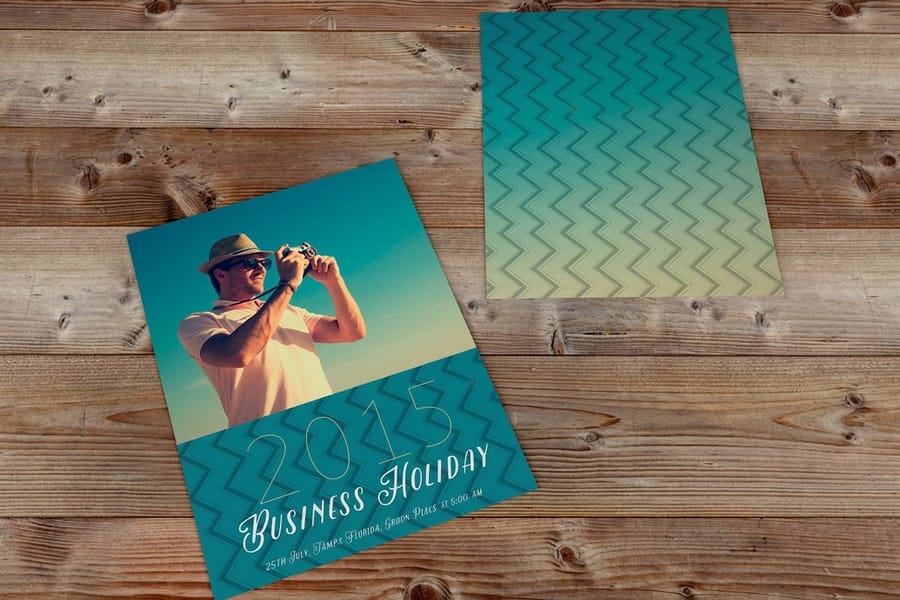
Print is a platform. It is bought differently, it behaves differently, and it is the one place where your cost is fixed before the campaign starts rather than set by an auction you do not control.
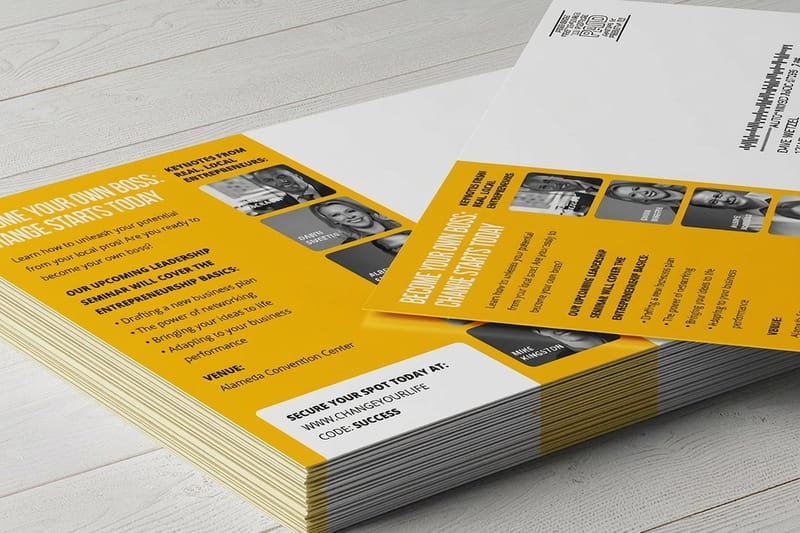
Direct mail is the clearest example. You can buy it two ways, and the difference matters more than the format. A mailing list targets named households or businesses you selected, which costs more per piece and reaches exactly who you meant. Route-based mail buys every address a postal carrier walks, with no list at all, which is dramatically cheaper per household and right for anyone whose customers are defined by geography rather than demographics. Standard postcards start at $16.48, and the EDDM postcard size guide covers the dimensions the postal service requires for the route-based version.
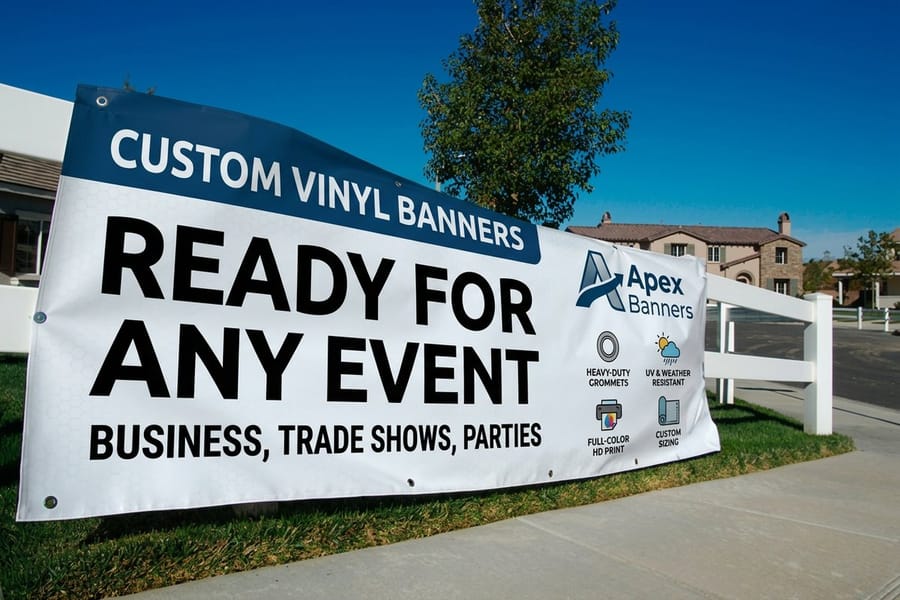
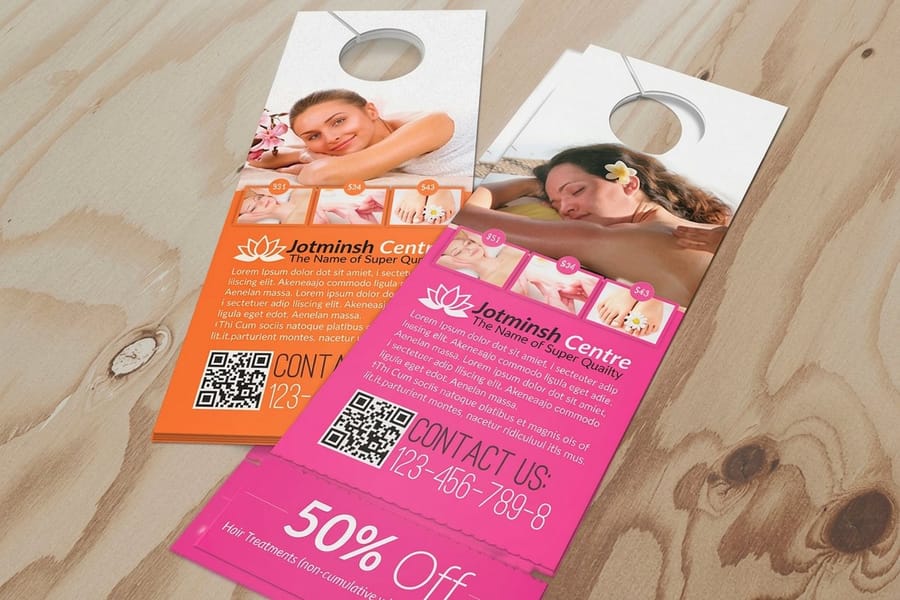
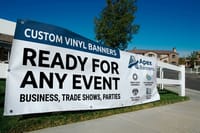
The rest of the offline lineup earns its place in narrower ways. Flyers start at $39.54 and work where your buyer is already standing still, which is why they outperform on counters, in bags and at events rather than under windshield wipers. Door hangers start at $290.41 and buy something no digital channel sells: a piece of your advertising physically attached to the buyer's house, on a street you selected. Vinyl banners start at $79 and keep advertising for months after the one payment. Standard posters start at $108.75 and hold a message at a size a phone screen cannot.
Now the limit, because it is real. None of this reports back on its own. There is no dashboard, no live cost per click, and no way to pause halfway through if the creative is wrong, since the run is already printed. You are trading feedback speed for a fixed price and an object that persists. That trade is worth making when your customers are geographic, when your digital costs have outgrown your margin, or when you need to reach people before they start searching. It is a bad trade when you are still testing what to say. Browse the full lineup in marketing materials or the direct mail services collection, and see how local operators combine the two in local print marketing campaigns.
How to Test a Platform Without Burning the Budget
A test that cannot produce a clear answer is just spending with extra paperwork. Four rules make the answer readable.
- Shrink the audience, never the frequency. The same budget across a tenth of the map buys ten times the repetition. Repetition is what you are testing. One impression per person tests nothing.
- Give the platform its own tracking. A unique offer code, a unique phone number or a unique landing page. Ad platforms report on their own performance and are generous about it, so keep an independent record.
- Run it for one full buying cycle plus a margin. If your customers take three weeks to decide, a two week test measures the wrong thing and usually kills a channel that was working.
- Hold something back. For offline campaigns, mail one set of zip codes and deliberately skip a comparable set, then compare total revenue. It is the only method that survives the fact that people rarely remember what prompted them.
Then judge on the two numbers that matter: what it cost to acquire one customer, and how long that customer takes to pay back the acquisition cost. Click through rate and impressions describe the ad. Cost per acquisition and payback period describe the business.
One honest caveat. A channel that mainly builds recognition rather than driving immediate response cannot be judged this way in a short window, and pretending otherwise leads people to cancel the exact spending that was making the rest of their advertising cheaper. If a channel's job is to make your name familiar, measure it over quarters and by whether your other channels get less expensive.
One Campaign Across Every Platform, With One Message
Multi-platform advertising fails more often on inconsistency than on media buying. The buyer sees the mailer on Tuesday and the ad on Thursday, and if the two do not obviously come from the same company, the second impression starts from zero instead of building on the first.
Keep three things identical everywhere: the offer, the visual signature, and the destination. One offer means you learn which platform delivered it best rather than which offer people liked. The visual signature is usually a color, a logo lockup and a typeface, held steady even when the format changes from a feed square to a 4 by 6 postcard. The destination should be a single page per campaign, reached by channel-specific codes so you can still separate the sources.
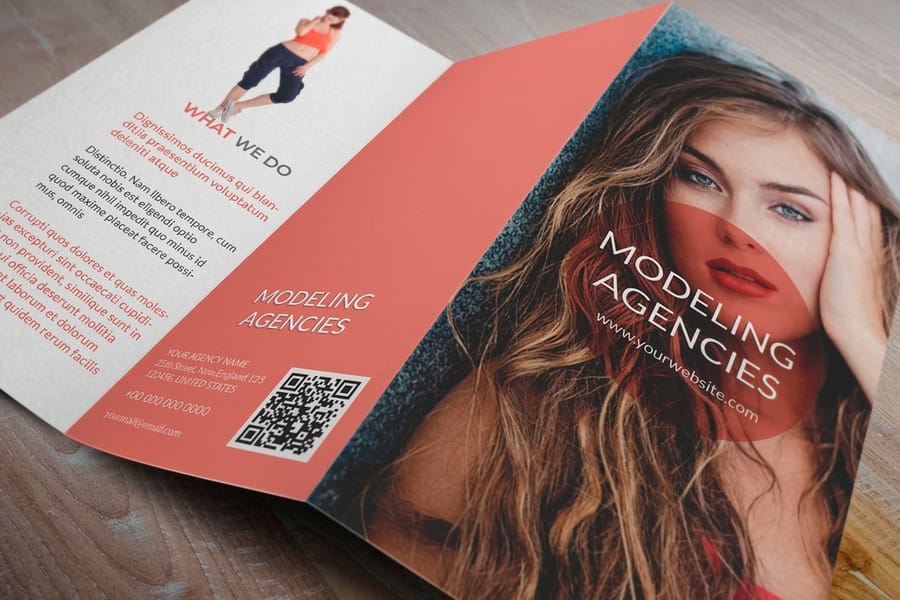
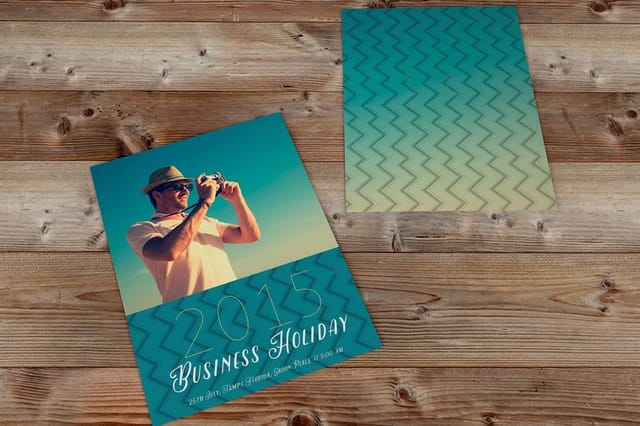
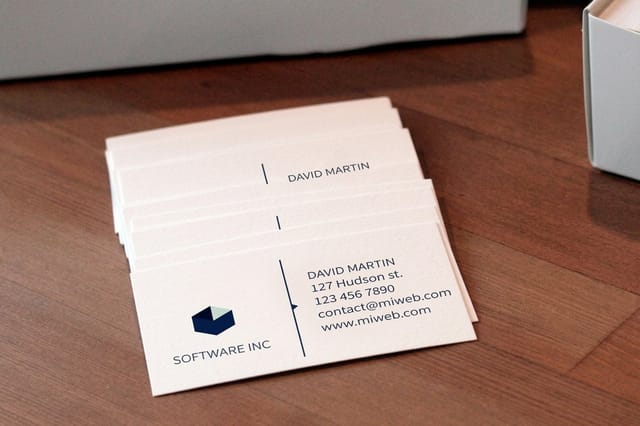
What changes per platform is the length, not the substance. A brochure starting at $57.11 can carry the full argument because the reader chose to open it. A banner gets one line. A business card at $17.57 carries a name and a reason to keep it. Same campaign, different amount of room. If you want the design side handled first, the flyer design guide covers hierarchy and offer placement in a way that transfers to almost every other format, and print versus digital effectiveness is a fair place to argue the split with whoever holds the budget.
Wally picks a platform
Follow the buyer, not the platform's sales pitch
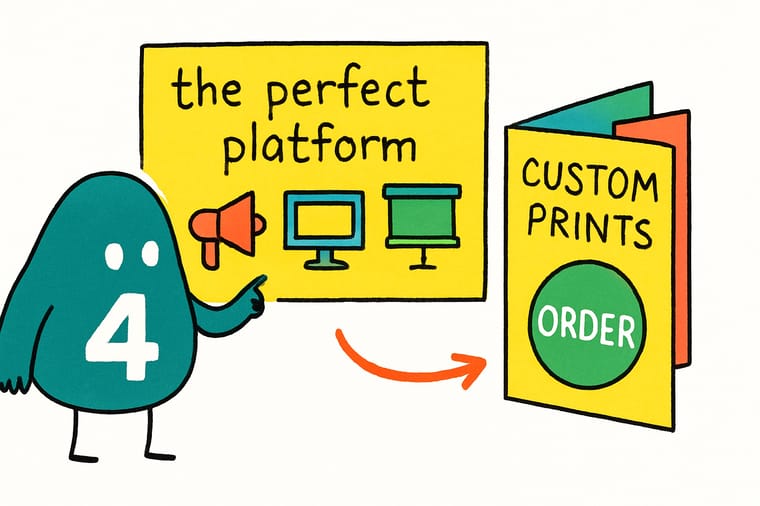
Wally does not ask which platform is best. He asks where his buyer already is, what one customer is worth to him, and whether he could prove the spending worked. That leaves him two channels instead of six. He puts one where people are already searching for what he sells, and one where they are not searching yet but live on the streets he serves. Then he shrinks the map until the same faces see him three times, gives each channel its own offer code, and lets the revenue decide.
Start with a postcard campaign →Specs and pricing
What the offline platforms cost to try
Sizes, stocks and starting prices straight from the 4OVER4.COM configurator, so you can put a real number next to a channel before you commit a budget to it.


Print it
The pieces a multi-channel campaign runs on

Explore more
Where to go next


By the numbers
The print side of your media plan, handled
Common Questions
Your platform questions, answered
What is the best advertising platform for a small local business?
For a business that serves a radius rather than a country, start with the two channels that respect geography: search ads restricted to your service area, and a physical channel that covers the same streets. Search catches the person who already decided they need a plumber, a dentist or a caterer today. The physical piece, a mailed postcard or a door hanger on the same routes, reaches the far larger group who will need you in six months and have no reason to search yet. Running only the first one means you compete for a small pool of ready buyers against everyone else who worked that out. Running both means you are the name they already recognize when the need finally arrives.
How much should I spend to test a new advertising platform?
Enough to buy real frequency in a small audience, and enough time to cover your sales cycle. A useful floor is the amount that lets the same audience see you at least three times, and a useful duration is one full buying cycle plus a couple of weeks. Spreading a small budget across a whole city produces a single impression per person and teaches you nothing, so shrink the map instead of shrinking the frequency. For a print test, that means mailing one or two carrier routes properly rather than a thin sprinkle across twenty.
Is print advertising still worth running next to digital?
It is worth running when you need to reach people who are not searching yet, or when digital costs in your category have climbed past what a customer is worth to you. Print has no auction, so your cost per piece is fixed and known before you commit. It also survives the moment: a postcard sits on a counter and a flyer stays in a bag, while a feed impression is gone in a second. The honest limit is measurement. You will not get a live dashboard, so you plan a coded offer or a dedicated landing page before you print. Our comparison of the two approaches is set out in the print versus digital marketing data.
How many advertising platforms should I run at the same time?
Two, until both are consistently profitable, then add a third. Every extra platform splits budget, splits creative attention, and makes attribution harder, because a customer who saw three of your ads gets credited to whichever one they clicked last. Two channels also give you a natural pairing: one that captures existing demand and one that creates it. Adding a fourth before the first two are stable is the fastest way to end up with four channels that are all slightly underfunded.
How do I know which platform actually caused the sale?
Give each platform something only it can produce. A distinct offer code, a distinct phone number, or a distinct landing page URL tells you where a buyer came from without relying on the platform reporting on itself. For offline campaigns, the cleanest method is a holdout: run the mailing in one set of zip codes and not in a comparable set, then compare total revenue between them. Ad platform dashboards report their own conversions generously, so treat that number as a claim and your own revenue data as the record. The response rate benchmarks page shows what a realistic direct mail result looks like before you set your expectations.
What is the cheapest way to advertise a brand new business?
The cheapest advertising is the kind that rides on something you were doing anyway. Business cards handed over at every meeting start at $17.57 for a box. Flyers left where your buyer already stands start at $39.54. A vinyl banner on your own storefront or at an event you already booked starts at $79 and keeps working for months without another dollar of spend. None of these scale, and that is the point: they buy you the first customers and the first testimonials that make a paid platform affordable later.
Get Started
Door hangers run 250 for $290.41, or $1.16 a household
Pick a size, a stock and a quantity, and see the cost of a mailed postcard, a counter flyer or a storefront banner before you commit a cent of budget.
Legal Disclaimer
Gold Standard guarantees apply to all standard orders placed through 4over4.com. Price match requires verifiable proof of a competitor's published price for an equivalent product with matching specifications and turnaround time. Satisfaction guarantee covers manufacturing defects and print quality issues. Contact support with order number and documentation. On-time delivery rate based on tracked orders 1999 to 2026. Individual results may vary based on shipping carrier performance.
