
Content Marketing for Beginners, From First Post to First Customer


A plain plan for a business with no marketing team: one question, one piece a month, a distribution list that includes the offline moments, and three numbers worth watching.
Content marketing is publishing the answers your buyers already search for, then keeping the audience it brings on a channel you own. As a beginner you need three things and no more: one narrow question customers ask you repeatedly, one solid piece answering it every month, and a way to hear from every reader again. Everything else, including the printed version of that piece, is a way of getting the same answer in front of more of the right people.

Quick answer
One question, answered every month, pointing at one list you own
Content marketing works by repetition on a narrow subject, not by variety. Find the question your customers ask most, answer it properly once a month, cut each answer into smaller pieces for the places your buyers already are, and print the version that has to work without a screen. Put a way to subscribe on every piece, because followers belong to a platform and email addresses belong to you. Then hold the cadence through the stretch where the numbers barely move, which is where almost everyone stops.
What Content Marketing Is, and the Part Nobody Warns You About
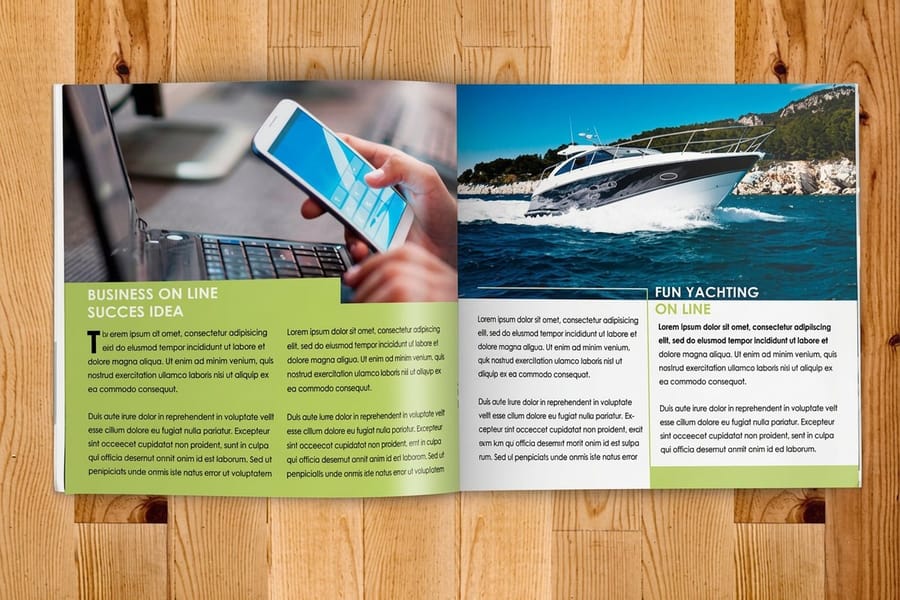
Content marketing means you earn attention by being useful instead of buying attention by interrupting. You publish the answers your buyers are already looking for, and the people those answers attract become an audience you can reach again without paying a platform for the privilege.
The difference from advertising is what happens when you stop. Turn off an ad campaign and the traffic ends that afternoon. A page that genuinely answers a common question keeps working while you sleep, gets linked to, gets quoted, and slowly gathers the kind of history that search engines reward. That is the upside, and it is a real one.
The enthusiastic posts leave that part out. For the first stretch, almost nothing happens. You will publish, check the numbers, and see a handful of visits. The work in month four looks exactly like the work in month one, and the results barely move. That flat stretch is not a sign you are doing it wrong. It is the shape of the thing, and it is where most beginners quit.
So be honest about fit. If you need paying customers inside sixty days, content marketing is the wrong first move: pick up the phone, run ads, go where your buyers already gather. Content marketing suits a business that can afford to plant something now and harvest later, and it works best beside a faster channel rather than instead of one. The rest of the marketing strategy guides cover the faster channels.
Pick One Question Your Buyers Already Ask
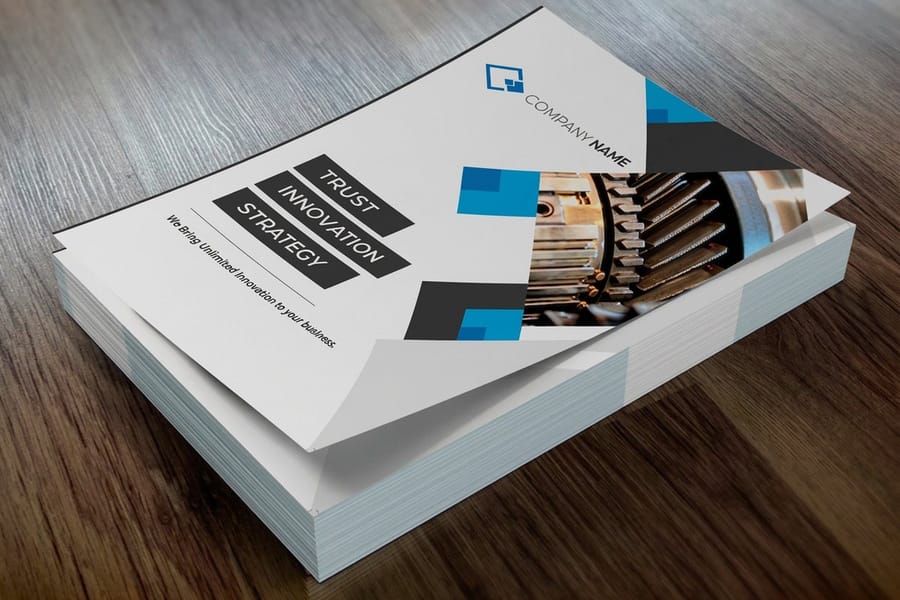
Before you write anything, find the question. Not a topic, a question, phrased the way a customer would say it out loud. Topics produce vague articles nobody finishes. Questions produce pages that answer something, which is what gets found and what gets shared.
Three places to look, in order of usefulness. Your sent mail: read the last twenty replies you wrote to customers and notice which explanation you have typed more than once. Your calls: write down every question asked before someone bought, because a question that blocks a sale is worth answering in public. Then search: type the start of that question into a search box and read the suggestions, which are other people phrasing the same problem.
Now narrow it further than feels comfortable. A bakery that writes about baking is invisible. A bakery that answers how far in advance a wedding cake should be ordered, what it costs at different guest counts, and how to store it overnight has three pages that a specific person needs on a specific week. Narrow wins because narrow gets found.
Stay on that question for months. Answer it in a long piece, then in a short one, then from the angle of a different type of buyer. A body of work on one subject beats twenty one-off posts, both for the reader who trusts you and for the search engine deciding who covers this properly. If you need starting points, the marketing and promotion articles are full of questions customers actually asked us.
Where Printed Pieces Fit in a Content Plan
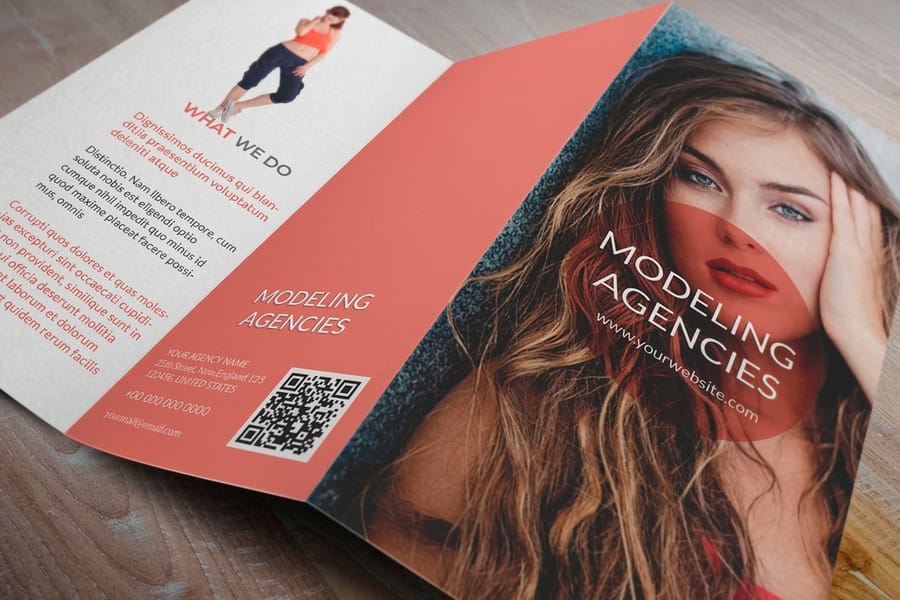
Once you have a strong piece, look for the moments where a link cannot follow. Somebody stands at your counter. You are at a trade show table and their hands are full. A package is going out and there is room in the box. Those are the moments print handles and a screen does not.
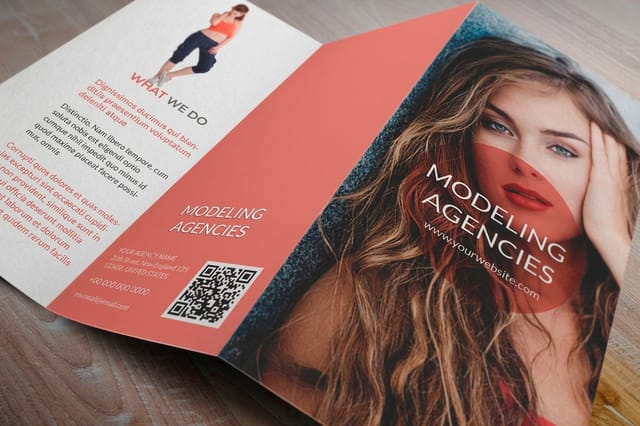
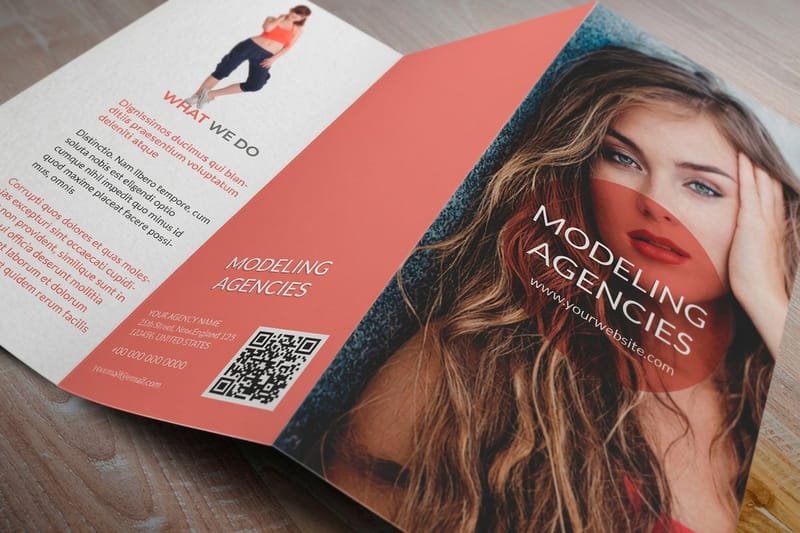
The move is not to invent new material. It is to reprint the piece you already wrote in a form that survives without a battery. The long guide becomes a booklet you hand to serious prospects. The best three sections become a brochure for the table. One striking idea becomes a postcard mailed to past customers. The monthly email becomes a printed newsletter for the customers who never open email.
| Piece | The moment it is for | Starting price |
|---|---|---|
| Standard Booklets | The full guide, handed to someone who has already asked a serious question. | $240.55 |
| Standard Brochures | A table, a counter, a waiting room. Skimmed in a minute, taken home. | $57.11 |
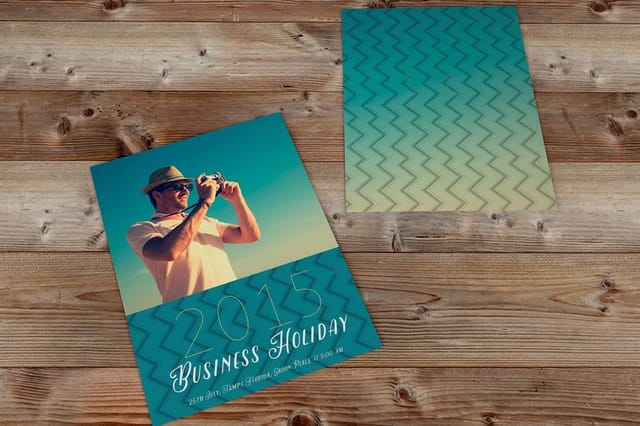
| Standard Postcards | Mailed to people who already bought once, with one idea and one address. | $16.48 |
| Standard Newsletters | A recurring answer to customer questions for a list that does not live in email. | $75.80 |
Two rules keep print honest. First, only print the parts of your message that are stable, because a printed sheet cannot be edited after it ships and a run of brochures with last year's price is money set on fire. Second, give every printed piece its own short URL or code, otherwise you will never know what it brought back and you will kill a channel that was working. If you are choosing a format, our explainer on what a brochure is for covers the folds, and the whole range sits under marketing materials.
Distribution Is the Half Everyone Skips
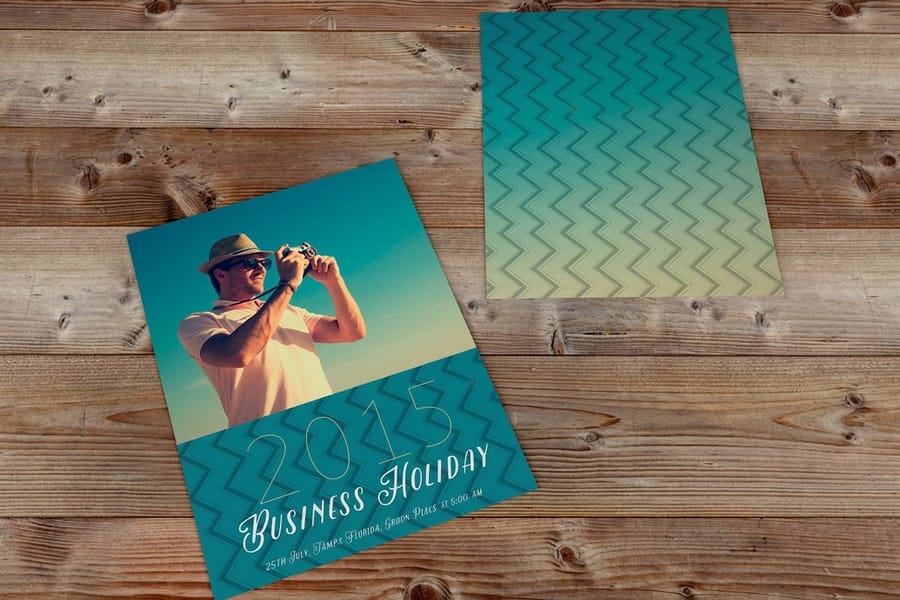
Writing feels like the job, so beginners spend ninety percent of their effort there and post a link once. Then nothing happens, and the conclusion is that the writing was bad. Usually it was fine and nobody saw it.
Plan the distribution before you write. Decide which channels each piece will go out on, who you will send it to personally, and what the printed or offline version looks like. Each channel reaches a different person and fails in a different way.
| Channel | Who it reaches | What it costs | How it fails |
|---|---|---|---|
| Your own site | People searching for the exact problem, months after you publish. | Time, and patience through the flat stretch. | Silent for a long time before it compounds. |
| Email list | People who already raised a hand once. | A tool, plus a reason to write every month. | Goes stale fast if you only mail when selling. |
| Social posts | Whoever the platform decides to show it to today. | Constant feeding, and the reach is not yours. | The rules change and the audience does not move with you. |
| Direct mail | A named person at a real address, with no inbox to compete in. | Print and postage per piece. | Wasted on a list you have not cleaned. |
| In person | Someone standing in front of you who can ask a question back. | Your day, and something to leave behind. | Does not scale, and nothing survives the walk to the car without a handout. |
Mail deserves a note, because beginners either ignore it or aim it at strangers. Sent to a cold list it is expensive guessing. Sent to people who already bought from you, it is one of the few ways to reach someone with no competing tabs open. Get the layout and postage right first with our guide to addressing a postcard for mailing, and borrow a format from the eight direct mail formats that hold up.
A First 90 Days You Can Actually Finish

The plan below is deliberately small. A beginner plan fails from ambition far more often than from laziness, so this one assumes a few hours a week and no team.
| Month | Make | Distribute | Fix |
|---|---|---|---|
| One | One long answer to the single question you hear most. | Send it by name to ten customers and ask what it missed. | Put an email signup on the page. Nothing else matters yet. |
| Two | Cut the long piece into three short ones and one email. | Post the short pieces where your buyers already are. Mail the email. | Rewrite the opening of the long piece using the questions people replied with. |
| Three | Answer the same question for a second type of buyer. | Print the handout version and take it somewhere people gather. | Check the three numbers below, then repeat month one. |
For month three, keep the print cheap and disposable. Standard Flyers start at $39.54 and are the right weight for a piece somebody reads once and either keeps or bins, while Standard Business Cards at $17.57 carry the short URL from every conversation back to the page you wrote. Set up either from a correctly sized layout in the blank template library, or follow our walkthrough on making flyers if this is your first print file.
Then measure three things and ignore everything else for now: how many people joined your list, how many real conversations started because of something you published, and whether you actually published what you promised yourself. Sessions, impressions and follower counts can wait. They move for reasons that have nothing to do with whether the work is landing.
Wally explains content marketing
Answer one question, then hand that answer out everywhere
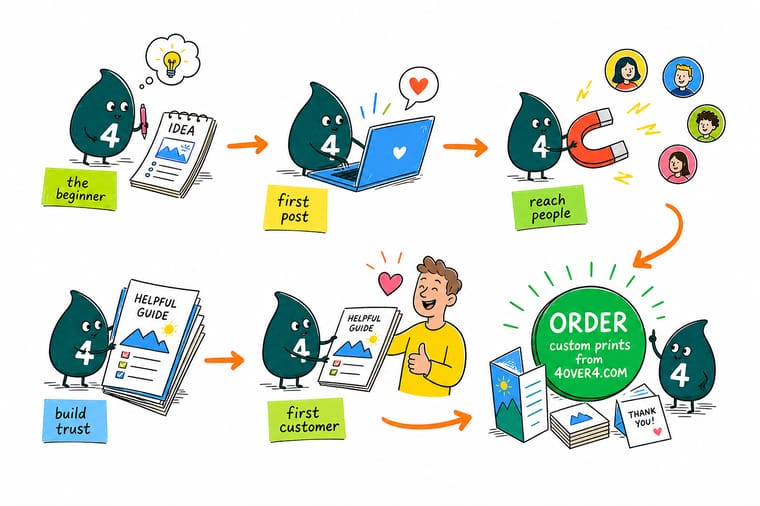
Wally hears the same question at the counter every week, so he writes the best answer he can once. Then he stops writing and starts handing it out: on his own page for the people searching at midnight, in an email to the customers who already trust him, and printed for the ones standing in front of him with no phone in their hand. Every version ends the same way, with a way to hear from him again. He does it again next month with the same question and a different angle, and he does not panic during the months when nothing seems to move.
Print your handout in brochure form →Specs and pricing
The three formats a small content plan actually prints
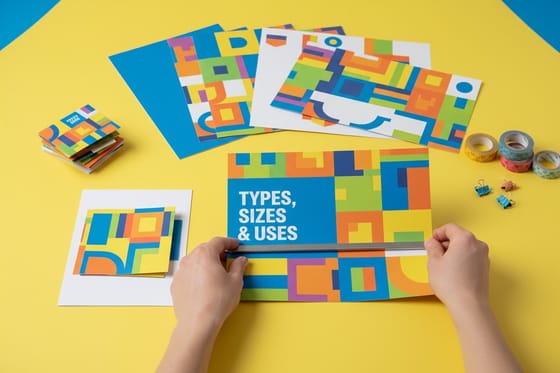
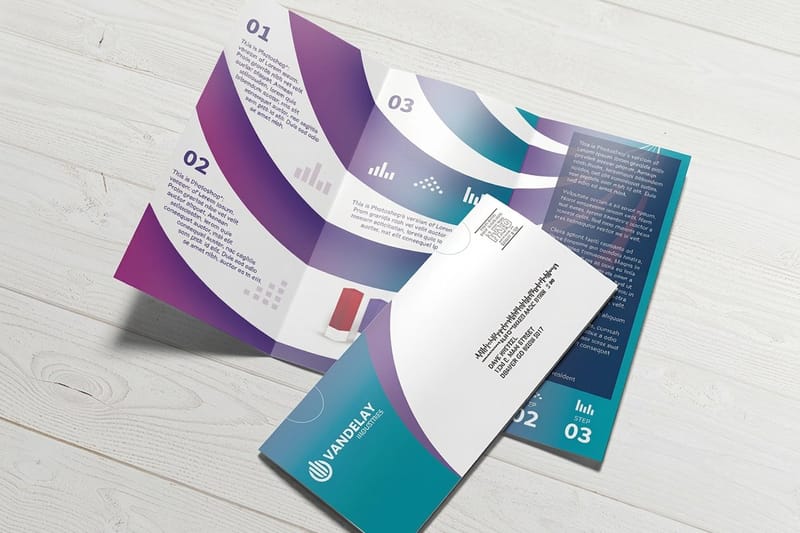
Sizes, stocks and starting prices for the pieces most beginner plans reach for first, straight from the 4OVER4.COM configurator.



Print it
Turn your best piece into something people can carry

Explore more
Where to go next
By the numbers
The print half of your plan, handled by 4OVER4
Common Questions
Beginner content marketing questions, answered
How long does content marketing take to work?
Longer than any beginner wants. The first pieces do almost nothing, because a new page has no history and no links pointing at it, and search engines rank it accordingly. What changes the picture is repetition on one subject: after you have answered the same question several times from several angles, the older pieces start bringing people in on their own and the newer ones start faster. Plan the first stretch as a cost you have already accepted, and keep a faster channel running beside it if you need customers this quarter.
What does it cost to start?
The cash cost can be close to nothing and the time cost is real. A site you already own, a free email tool under a few hundred subscribers, and your own writing gets you moving. Money starts to matter when you buy back time, either a writer or a designer, or when you print. As a reference point for the print side, Standard Postcards start at $16.48 and Standard Brochures at $57.11 at 4OVER4.COM, so a small run to hand out at one event is a modest line item next to a month of ad spend.
How often should I publish?
Pick a cadence you can hold on your worst month, then hold it. One strong piece a month that you actually finish, cut into a handful of smaller posts and one email, beats four pieces in January and silence until June. Consistency matters more than volume, because the value comes from a body of work on one subject rather than from any single post.
Do I still need a blog if I post on social media?
You need something you own. Social accounts are rented ground: the reach you get is set by whoever runs the platform, and it can change without warning. A page on your own site can be found through search, linked from anywhere, printed, and emailed. Use social to move people toward the thing you own, not as the place the work lives.
Does printed material count as content marketing?
It does when it carries the same useful information rather than a sales pitch. A printed guide handed over at a trade show, a mailed newsletter that answers customer questions, or a brochure that explains how something works are all the same content in a form that survives without a screen. The catch is that print cannot be edited after it ships, so send only the parts of your message that are stable, and give each printed piece its own short URL so you can tell what it brought back.
How do I know whether it is working?
Track three things and ignore the rest at the start. First, how many people joined your list this month. Second, how many real conversations started because of something you published, which usually means replies, calls and quote requests. Third, whether you published what you said you would. The first two tell you if the work lands, the third tells you whether you have actually run the experiment yet.
Get Started
Newsletters run 50 for $75.80, or $1.52 each
Pick the format, upload the file you already wrote, and we print the handout, the mailer or the booklet version of your best answer.
Legal Disclaimer
Gold Standard guarantees apply to all standard orders placed through 4over4.com. Price match requires verifiable proof of a competitor's published price for an equivalent product with matching specifications and turnaround time. Satisfaction guarantee covers manufacturing defects and print quality issues. Contact support with order number and documentation. On-time delivery rate based on tracked orders 1999 to 2026. Individual results may vary based on shipping carrier performance.
