
How to Confidently Close Every Sales Call


Closing is a question asked out loud, not a personality trait. The thirty minutes have a shape, the last five have a script, and some objections are worth answering as written.
You close a call by asking one plain question, do you want to go ahead, and then saying nothing until they answer. Everything earlier exists so the question is expected: two minutes to frame the call, about fourteen where the buyer does most of the talking, six to show only the parts that touch their problem, then five for the price and the question. Price and timing are real objections. Let me think about it and send me some information are usually a missing decision maker or value you never established.
Quick answer
Ask the question, then let the silence do the work
Confidence on a call is the output of a shape, not a mood. Frame the call in two minutes and say that a no at the end is fine. Spend the middle asking rather than pitching, because a buyer who has told you what the problem costs has already done most of your arguing for you. Then name the price as a plain number, ask whether they want to go ahead, and stop talking. Whatever comes back, attach a date, a person and an action to it before you hang up.
Closing Is a Request for a Decision, Nothing More
A close is one person asking another to decide. That is the whole mechanism. It feels heavier than it is because most of us learned selling from films where the close is a trick, a takeaway, an alternative choice that traps somebody into yes.
Those tricks are why people brace. A buyer who senses a technique starts defending, and a defending buyer says let me think about it to whatever you say next. Ask plainly instead and the temperature drops, because a plain question can be answered plainly. No is an acceptable answer to a plain question, and a fast no is worth more than a slow maybe: it hands you back the hour you would have spent chasing.
Here is the trade-off nobody mentions. Asking directly will lose you some deals that a softer approach would have kept warm for another three weeks. Some of those would eventually have closed. You are trading a small number of long shot wins for a much larger amount of returned time and a pipeline that reflects reality. For most small teams that trade is obviously correct, and for a one person business it is the difference between a forecast and a wish. The nerve side of this, the part that is about you rather than the buyer, is covered in selling without fear, and the reasoning buyers actually use is in the psychology of selling.
The Shape of a Call That Ends in a Decision
Confidence on a call comes from knowing what happens next in it. A call with a shape has no dead air to panic in, and the buyer can feel the difference within the first minute. Thirty minutes is the useful default, and here is where the minutes go.
| Phase | Minutes | What you do | You know it worked when |
|---|---|---|---|
| Frame | 2 | Say what the call is for, how long it will take, and that a decision either way at the end is fine. | They agree out loud to the agenda. |
| Diagnose | 14 | Ask what they are dealing with, what it costs them, what they already tried. Take notes. Say very little. | They tell you something they did not plan to say. |
| Show fit | 6 | Explain only the parts of what you sell that touch the problem they described, in their words. | They finish one of your sentences. |
| Ask | 5 | Give the price, ask whether they want to go ahead, then stop talking. | You get a yes, a no, or a real reason. |
| Next step | 3 | Attach a date, a person and an action to whatever they said. | Something is in both calendars before you hang up. |
Read the minutes column, because it is the part people get backwards. Diagnose is more than double any other block and it is the quietest one for you. Sellers who reverse it, pitching for fourteen minutes and asking in the last two, end up with a buyer who has heard a lot and revealed nothing, which is the exact condition that produces send me some information.
The frame in the first two minutes does more work than its length suggests. Telling someone that a no at the end is a fine outcome removes the pressure that makes people hide their real objection, and it gives you permission to ask directly later without it feeling like a swerve. What to actually say in the six minute fit block is covered in how to make a business pitch that wins clients, and the arithmetic of how many of these calls you need is in turning sales into predictable growth.
What You Hand Over, and What It Is Actually For
Most calls end with somebody repeating your offer to a person who was not on the call. That is the job printed material does, and it is the only job worth paying for. Nothing here creates interest, all of it protects interest that already exists.
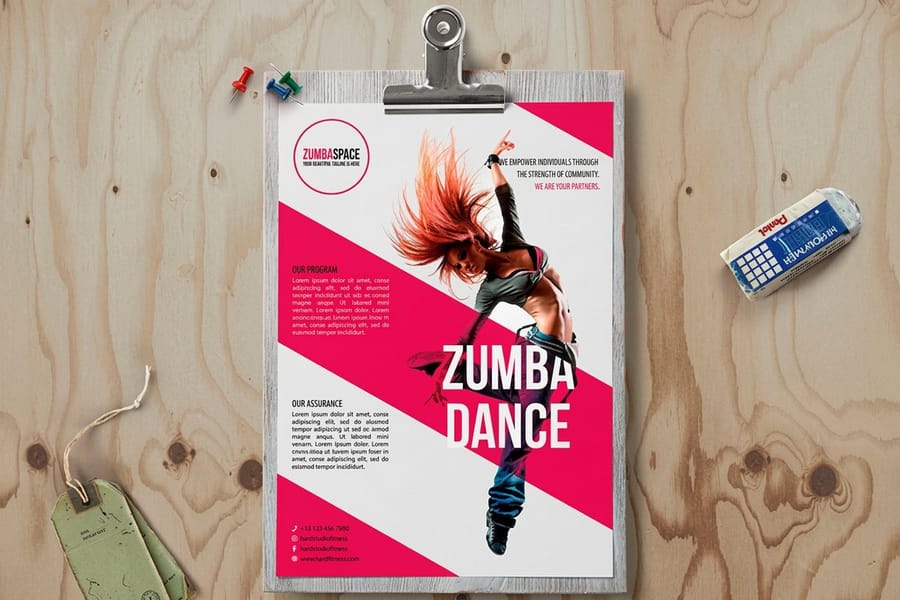
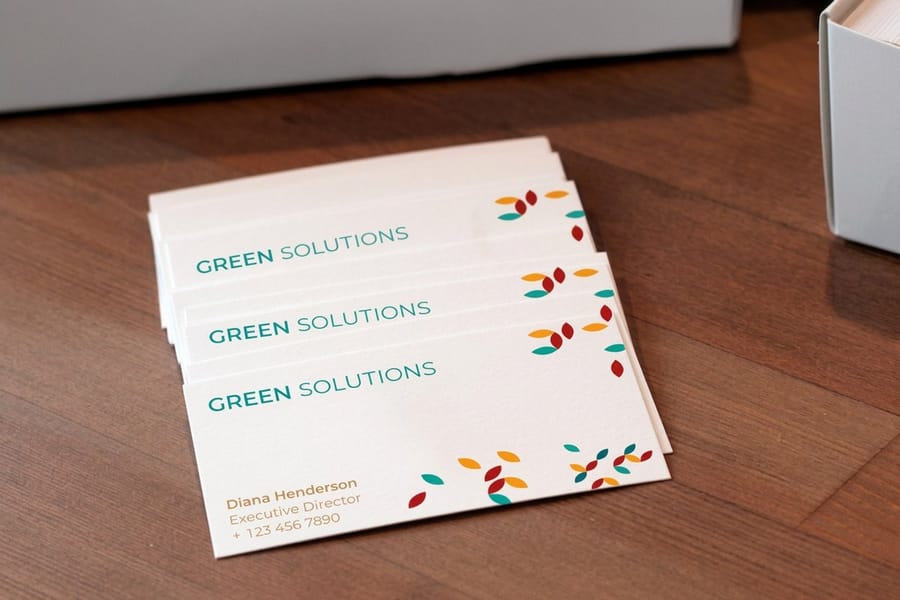
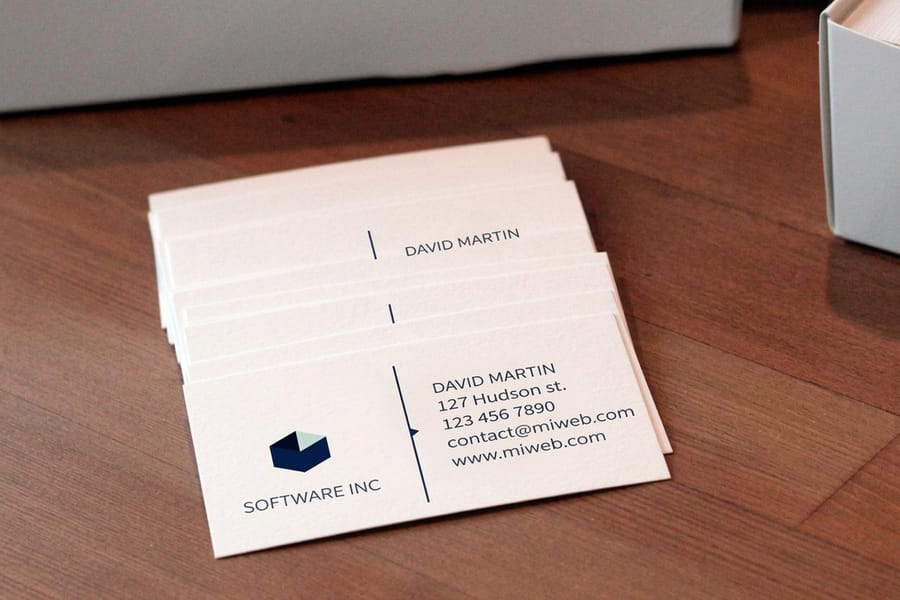
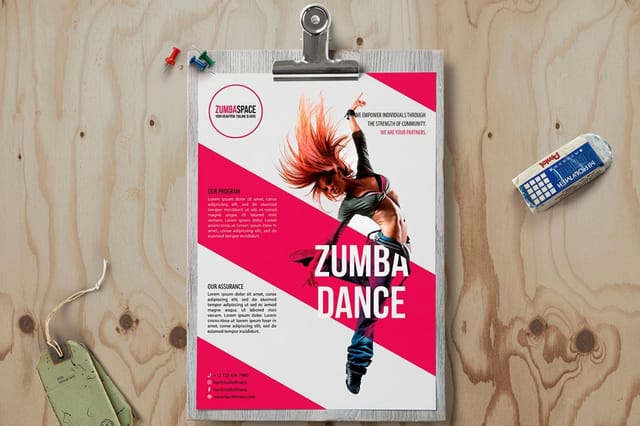
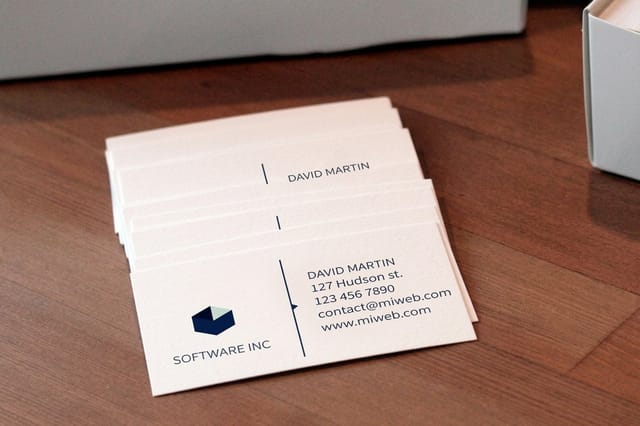
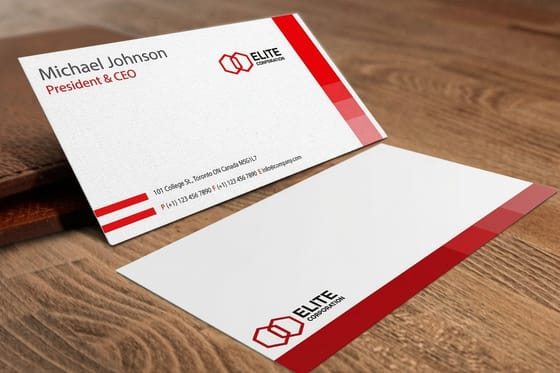
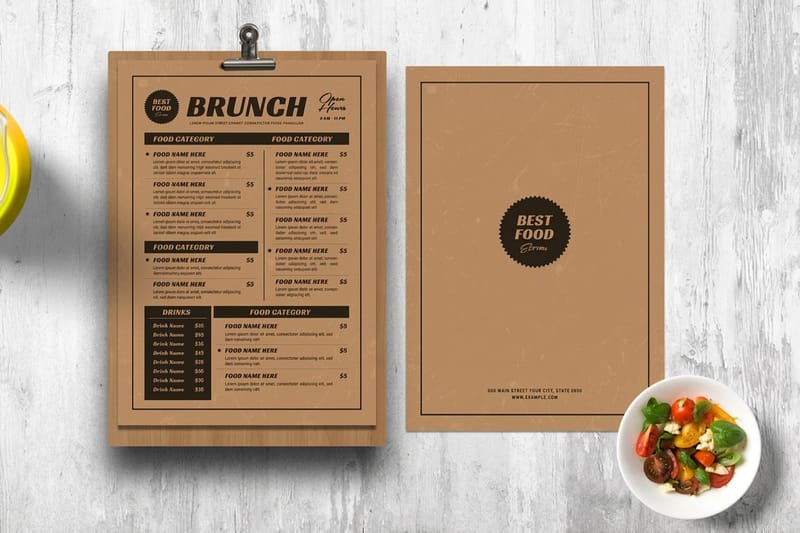
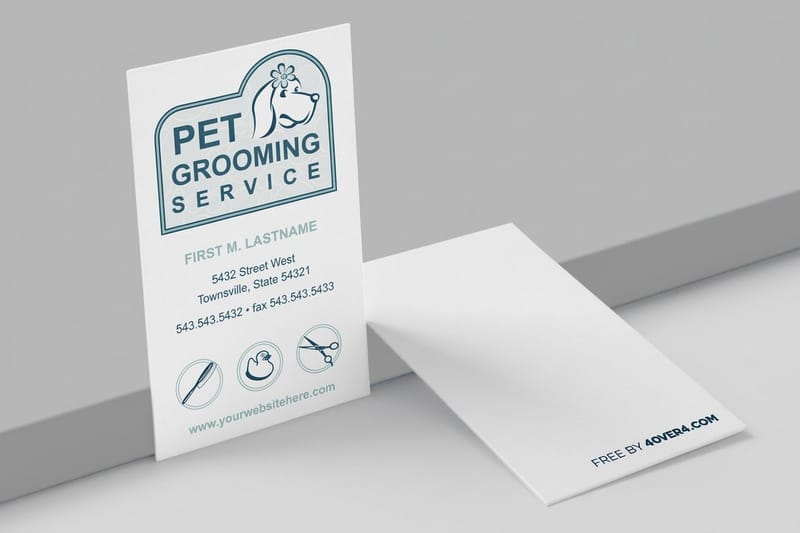
Sales Sheets from $75.80 are the one page you send after a good call. One problem, one solution, the price, the turnaround, your name. A single page gets read at a desk in forty seconds, which is roughly the attention your proposal gets when it is forwarded to a finance manager. Standard Business Cards from $17.57 exist for the in person version of the same call, so your name survives the meeting in a pocket. That is the whole ambition, and it is enough.
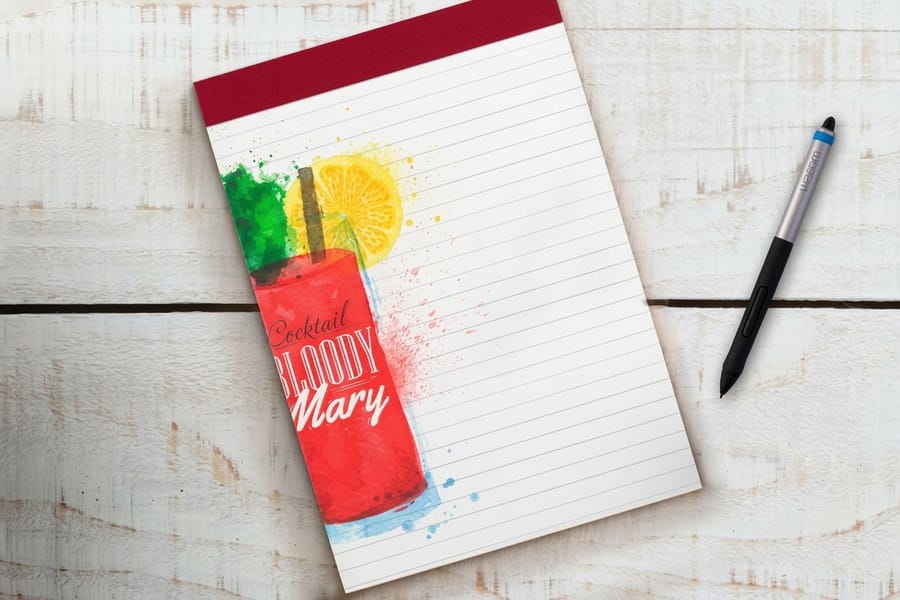
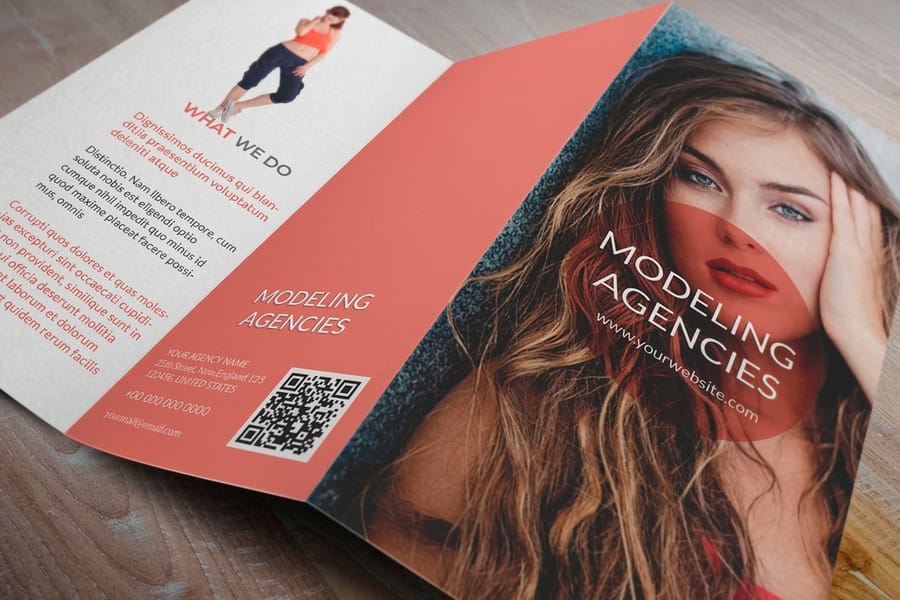
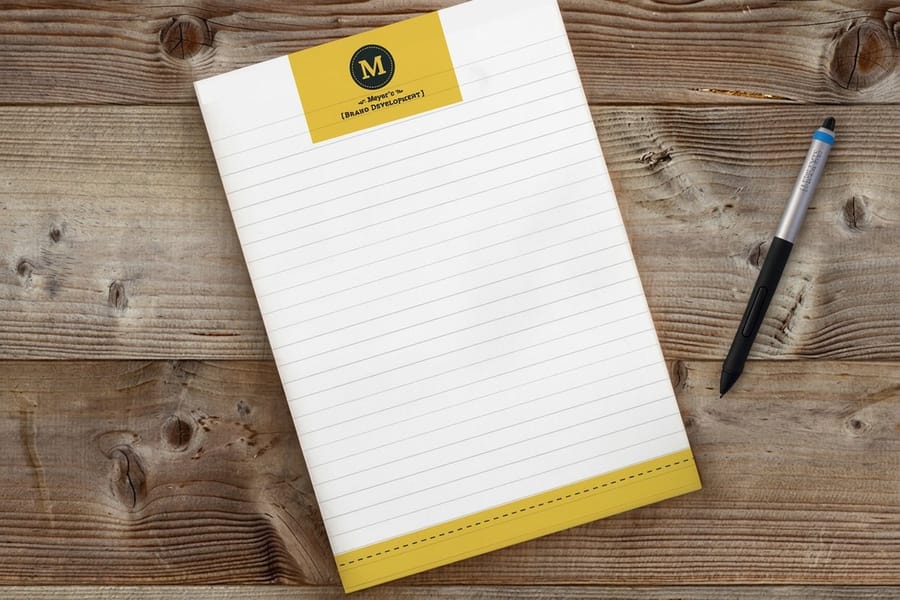
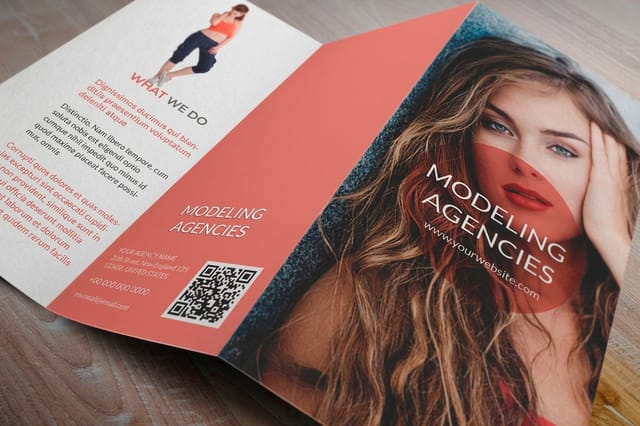
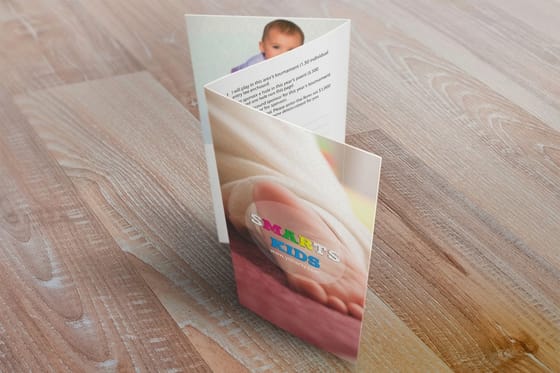
Standard Brochures from $57.11 earn their space only when your range is too wide to explain out loud. A service business with six offerings needs one. A specialist with a single service does not, and printing one anyway produces four panels of padding that dilute the thing you are good at. Standard Notepads from $93.37 are the quietly useful item: branded pads for your own call notes, or left with a client who now writes your name at the top of every page for a month.
The limit is worth stating plainly. Paper handed to somebody who never engaged goes in the lobby bin, and no amount of finish changes that. Interest first, then paper. If you are unsure which format fits the moment, brochures against sales sheets shows where each one stops working, and the sales follow up print set bundles the pieces that come after a call rather than before one.
Four Objections, and the Two That Are Disguises
Objections arrive in four shapes and only two of them mean what they say. Treating all four as literal is how calls die politely.
Price is real. It means the value you established is smaller than the number you named. Do not defend the number, go back to what they told you the problem costs and put the two side by side. If the gap is genuinely too big, say so and offer the smaller version, because a right sized yes beats a stretched one that churns in four months.
Timing is real, sometimes. The test is whether they can name the event that changes. Next quarter is a feeling. After the new system goes live in March is a fact, and a fact you can diary. If they cannot name the event, timing is standing in for something else and it is worth one more question.
Let me think about it is usually a disguise. Nine times out of ten it means an unspoken concern or a decision maker who was not on the call. Answer it with a question rather than agreement: of course, what part is the one you want to think about? The answer is the actual objection, and now you can deal with it while you are still talking.
Send me some information is the other disguise. Same treatment. So I send the right thing, what should it answer? A real request names something specific. A brush off stays vague. When it is real, one page beats twelve, which is why the follow up pack in twelve sales collateral examples leans on short documents. If you do end up trading terms rather than price, the art of negotiation covers what is safe to give away.
The Checklist, Before and After the Call
Run this and the call carries itself. It takes about six minutes before and four minutes after, and it is the difference between a pipeline you can read and a list of names you feel vaguely hopeful about.
Before you dial:
- Write the one question the call has to answer, at the top of the page.
- Confirm who has to say yes, and whether that person is on the call.
- Decide your price and your floor now, in writing, while nobody is pressuring you.
- Have three diagnose questions ready that cannot be answered with yes or no.
- Know the two dates you can offer for the next step, so you never say I will check and get back to you.
In the last five minutes:
- Give the price out loud as a plain number. Do not soften it with a preamble.
- Ask the question. Then stop, and let the pause run.
- If the answer is no, ask what would have had to be different. That sentence is worth the whole call.
- Attach a date, a person and an action to whatever they said, including the maybes.
- Say what you will send and when, then send exactly that.
Within the day: one short email with the problem in their words, what you proposed, and the agreed date. Set the decide by date on any open quote at the same moment, so no file drifts. Where the sequence carries on past a single message, an email nurture strategy that works covers the cadence, and if you are running these calls in the field rather than at a desk, the sales rep field print pack gathers the pieces you carry. For the pocket sized end of it, business card printing starts at $17.57.
Wally explains the close
Ask the plain question, then stop talking
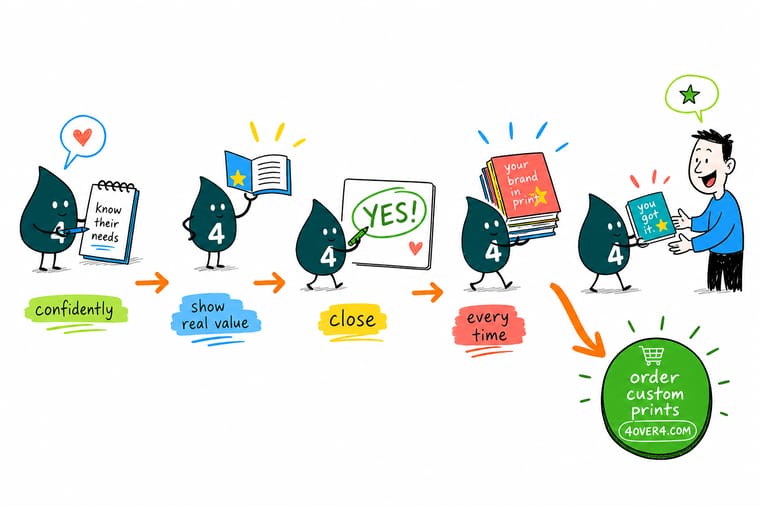
Wally spends the first half of the call asking and writing things down, because the buyer describing the problem out loud is worth more than anything Wally could say about it. Then he gives the price as a plain number, asks whether they want to go ahead, and waits. The pause feels long. It is four seconds. Whatever answer comes back, he pins a date and a name to it before hanging up, then sends one short page the same day so the person who has to repeat it internally gets the numbers right.
Order sales sheets →Specs and pricing
The pieces that follow a call, sizes and starting prices
Configure the leave behinds side by side, with live options and starting prices straight from the 4OVER4.COM configurator.


Print it
Send something worth forwarding
Explore more
Where to go next

By the numbers
Print that backs up the conversation
Common Questions
Your closing questions, answered
What do you actually say to close a call?
Say the plainest version of the question and then stop. Based on everything we covered, do you want to go ahead? Or: shall I send the agreement over today? Both are direct, neither is aggressive, and both leave the other person a clean way to say no. The mistake is dressing the question up. What are your thoughts is not a close, it is an invitation to postpone, because thoughts are free and decisions are not. After you ask, do not fill the pause. The silence belongs to them, and the person who breaks it first usually loses the point they were making.
How long should the pause be after you ask?
As long as it takes. Three or four seconds feels like a minute on a phone call, which is exactly why most sellers talk over it and hand back the discount nobody asked for. Count in your head if you need to. If they are quiet because they are thinking, you get a real answer. If they are quiet because they are uncomfortable, they will tell you why, and that reason is the most useful sentence in the entire call.
Is send me some information an objection or a no?
It is neither. Most of the time it means the value was never clear enough to be worth a decision, or the person on the call cannot make one. Test it before you agree: happy to, and so I send the right thing, what part do you want it to answer? A genuine request comes back with a specific answer such as the pricing tiers or the turnaround. A brush off comes back vague. If it is vague, go back to the problem you were discussing rather than sending a document that ends the conversation politely.
How many follow ups before you stop?
Three over roughly two weeks, and the last one closes the file. Give every open quote a decide by date at the moment you send it, then follow up twice with something useful and once with a message that makes it easy to say no. Open files you keep hoping about cost more nerve than closed ones you lost, and a list of three week old maybes is the single fastest way to lose the appetite for tomorrow calls.
Should you discount to close on the call?
Only in exchange for something, and only once. A discount given to fill silence teaches the buyer that your price moves when they wait, which makes every future renewal a negotiation. If you do move, trade it: a shorter payment term, a larger first order, a case study, a two year commitment. The one situation where a straight discount is fine is a genuine volume break you would give anyone at that quantity, because that is pricing, not concession.
What should you send after a call that went well?
One email the same day with three things: the problem in their words, what you proposed, and the date you agreed. Keep it short enough to forward, because the person you spoke to often has to repeat it to somebody who was not there. If a printed piece helps that internal retelling, a one page sales sheet does it better than a brochure, because the reader is checking numbers rather than browsing. Sales Sheets start at $75.80 at 4OVER4.COM and Standard Business Cards at $17.57.
Get Started
A one-page sales sheet costs $1.52 at 50 copies
Pick your size, upload the one page version of your offer, and we print sales sheets and cards that keep your numbers straight after the call ends.
Legal Disclaimer
Gold Standard guarantees apply to all standard orders placed through 4over4.com. Price match requires verifiable proof of a competitor's published price for an equivalent product with matching specifications and turnaround time. Satisfaction guarantee covers manufacturing defects and print quality issues. Contact support with order number and documentation. On-time delivery rate based on tracked orders 1999 to 2026. Individual results may vary based on shipping carrier performance.
