
Selling Without Fear by Turning Rejection Into a Number You Plan For


A working method for people who hate selling. Count what a sale really costs in attempts, rehearse the one sentence you dread, and hand over something printed so you can stop reciting and start asking.
Fear of selling comes from not knowing how many noes a yes costs, so the third rejection reads as a verdict instead of an ordinary step. Count your own ratio of approaches to sales, then treat each no as one of the steps you already budgeted. Rehearse the price sentence out loud until it is dull, put the details on something printed so the conversation stops being a recital, and give every open quote a close by date so hope does not pile up.
Quick answer
A no is a step you budgeted, not a judgement
The fastest cure for sales fear is arithmetic. Work out how many approaches your business needs for one sale, and the rejections in between stop being evidence about you. Then narrow what you have to be brave about: one rehearsed sentence with a price in it, a printed piece that carries the detail, and a close by date that stops dead leads from following you home.
Why Selling Feels Frightening When Nothing Bad Has Happened

Nothing painful happens when a stranger says no. You keep your money, your health and your business. The fear is real anyway, and it comes from three things that have nothing to do with courage.
The outcome is ambiguous. A no rarely explains itself. In the absence of a reason, most people supply the worst one available, which is usually about them personally rather than about timing, budget or a supplier the buyer already likes.
The cost is unbounded in your head. Before the call, the imagined downside has no ceiling. Afterwards it turns out to be four minutes and a polite decline. The gap between those two numbers is where call reluctance lives.
Nobody told you the ratio. This is the big one. A person who knows a sale takes forty approaches treats the fourth no as ordinary. A person who has never counted treats it as evidence. Same event, opposite meaning.
Which is why advice to be more confident so rarely helps. Confidence is the output of a process that works, not the fuel you put in first. Build the process, count the attempts, and the feeling follows. Our guide to turning sales into predictable growth walks the arithmetic in more detail, and the honest look at door to door selling covers the channel where this fear bites hardest.
Count the Noes Before You Make the First Call

Take last month. Write four numbers: people approached, people who replied, people who asked for a price, people who bought. If you have never tracked it, guess, then track it properly for thirty days and replace the guesses.
Say the numbers land at forty, twelve, four and one. That gives you a working rate of one sale for every forty approaches, and it turns an emotional question into an arithmetic one. Two clients a month is eighty approaches, which is four a day, which is roughly forty minutes. Now the scary thing has a start time and an end time.
The useful part is knowing which number you can actually move. Conversion rates shift slowly, over months, as your positioning and your materials improve. The count of approaches changes the same afternoon you decide to change it. That is why almost every nervous seller should raise volume before touching the script.
Different channels put the fear in different places, and they are worth choosing deliberately rather than by habit.
| Channel | How fast the no arrives | Where the fear sits | Best used for |
|---|---|---|---|
| Direct mail | Days, and often as silence. | Before you send, in the writing. | Building volume without a daily stomach drop. |
| Hours to days, frequently never. | In the follow up, not the first send. | Warm contacts and people who asked once. | |
| Phone | Seconds. | In the ten seconds before dialling. | Fast, honest qualification of a real list. |
| In person or counter | Immediately, with a face attached. | At the moment you name the price. | People who already raised a hand. |
Read the third column, because it tells you what to rehearse. A mailed piece asks you to be brave once, at the desk, while writing it. A counter conversation asks you to be brave at the exact second the number leaves your mouth. Those are different skills and they get better with different practice. If you are building the mailed layer, standard postcards start at $16.48 and flyers at $39.54, which keeps a test cheap enough to run before you know if it works.
Let the Printed Material Carry the Part You Dread
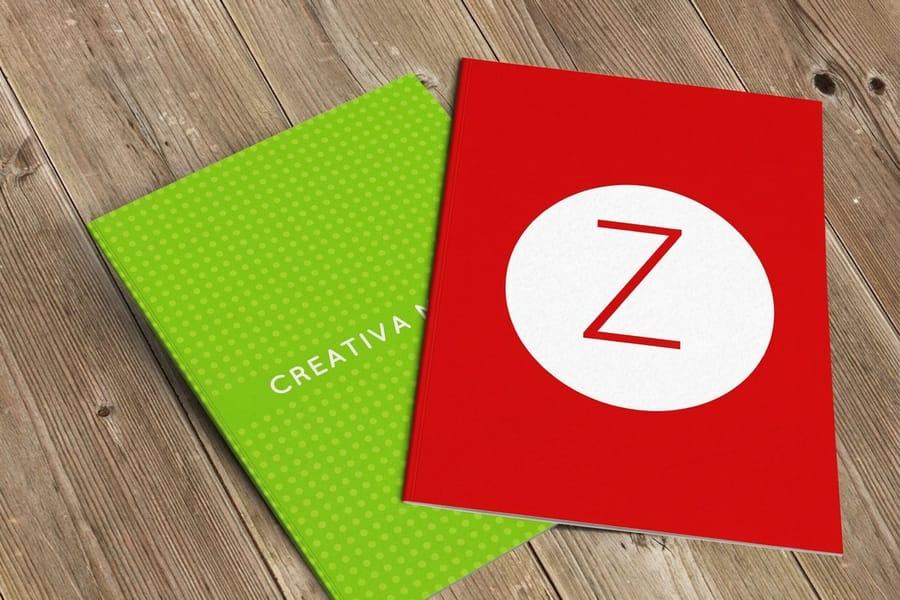
The hardest stretch of a sales conversation is the middle, where you have to recall specifications, options and prices while also reading the room. Nervous people fill that stretch by talking. Something printed removes the need.
Hand over a sheet with the options and the prices on it and the dynamic changes. You are no longer performing a recital that can be judged. You are both looking at a document, which puts you on the same side of the table, and you can ask a question instead of filling silence. That single shift does more for composure than any amount of self talk.
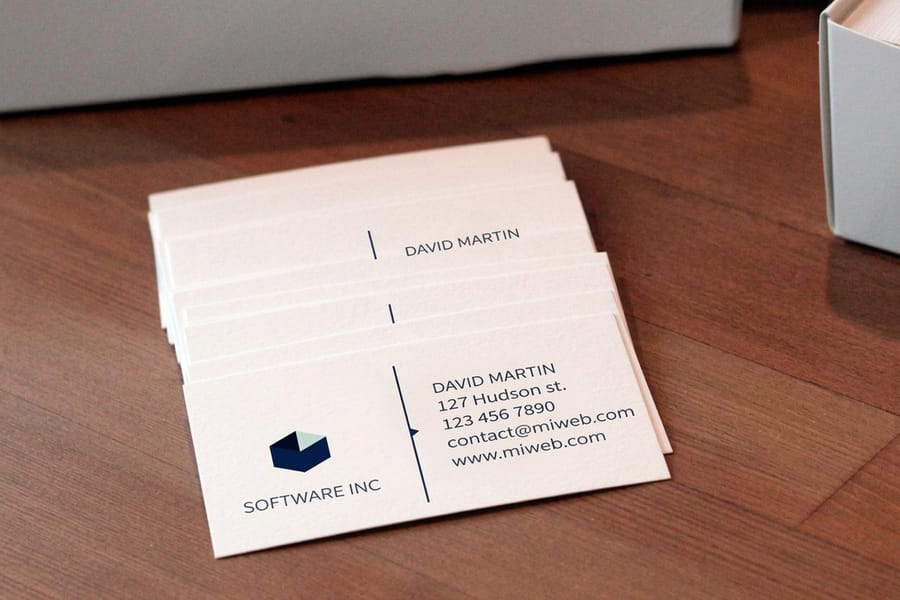
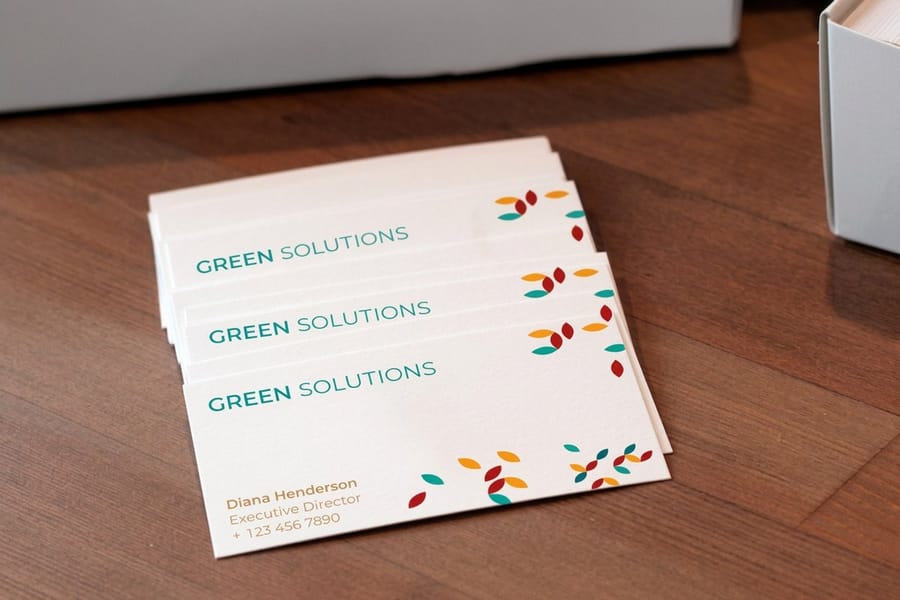
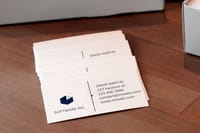
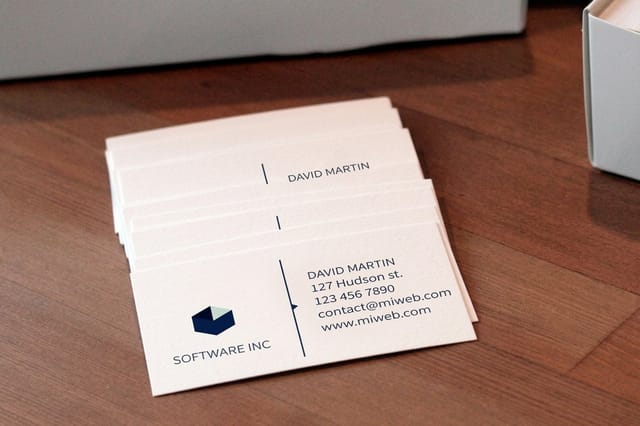
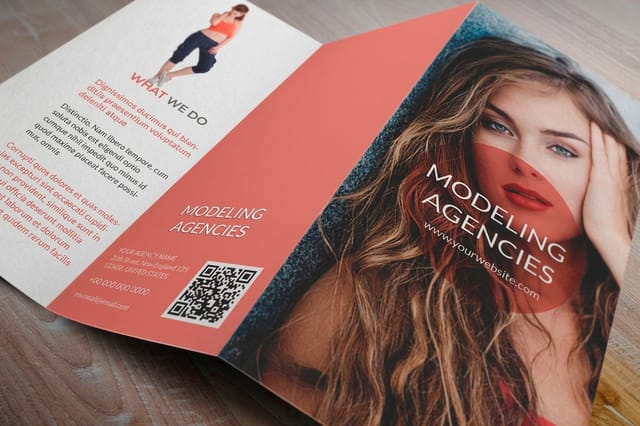
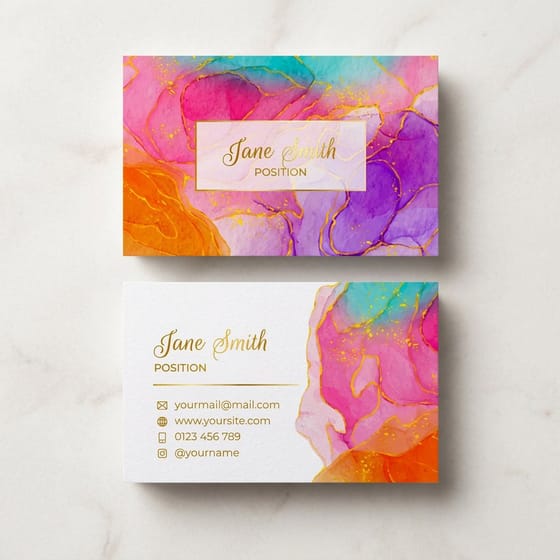
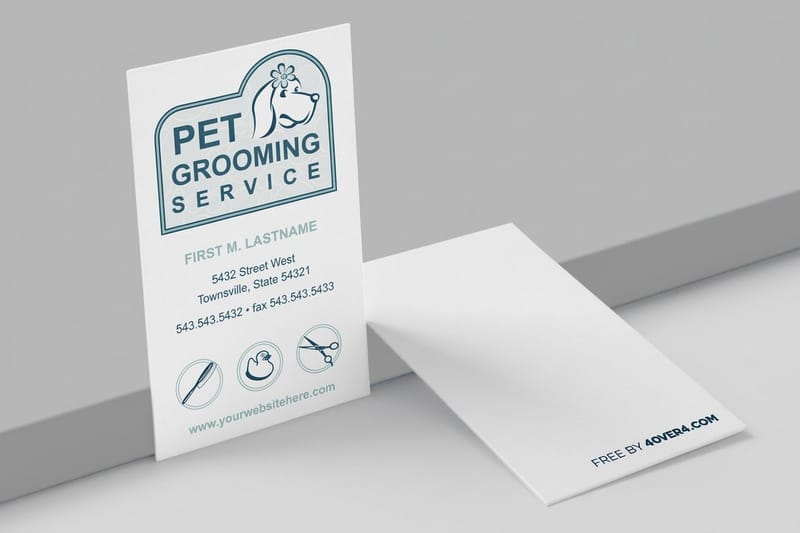
What each piece is genuinely for, in plain terms. Standard business cards from $17.57 exist so your name survives the meeting in a pocket, nothing more ambitious than that. Standard brochures from $57.11 carry a range that is too big to explain out loud, which is why service businesses with six offerings need one and a single service specialist usually does not. Short run presentation folders from $108.75 hold a quote, a sample and a card in one object that looks deliberate when it lands on a desk, and the short run part matters because a folder you order five hundred of will be out of date before you use two hundred.
Now the limit, because it is the part most guides skip. Printed material does not create interest, it holds interest that already exists. A folder pressed on a stranger who never asked goes in the lobby bin. The correct sequence is interest first, then paper, and if you are unsure which format fits the moment, the comparison of brochures against sales sheets lays out where each one stops working. For inspiration on what to put inside, twelve sales collateral examples shows what other businesses hand over.
Rehearse the Ask, Then Set a Date on Every Open Quote
Most people rehearse the part they like. They can describe their work for ten minutes without a stumble, then improvise the twelve words that decide whether they get paid. Reverse it.
Write the ask as one sentence with a number, a timeframe and a next step in it. The job is 850 dollars, it takes about two weeks, and I can start Monday. Say it out loud, standing up, twenty times, until it sounds as flat as reading a bus timetable. Then practice the hardest bit, which is saying nothing afterwards. The pause following a price feels roughly three times longer to the person who spoke than to the person listening, and filling it with an unprompted discount is the most expensive nervous habit there is.
Objections deserve the same treatment. Write your three most common ones, draft one honest reply each, and rehearse those too. When somebody says you are too expensive, the useful reply is a question about what they are comparing you to, because a good share of the time they are comparing a different scope rather than a different price.
Then protect your nerve on the back end. Every quote gets a close by date and a maximum of three follow ups over about two weeks, ending with a message that makes it easy to say no. Open files you keep hoping about are heavier than closed ones you lost. Nothing drains the willingness to make tomorrow calls like a list of maybes from three weeks ago. For the language side of all this, writing content that sells without sounding salesy and how to make a great business pitch cover what to say once somebody is actually listening, and eleven retail sales tactics is the counter equivalent for anyone selling face to face all day.
Wally explains selling without fear
Count the noes, rehearse one sentence, hand over the paper
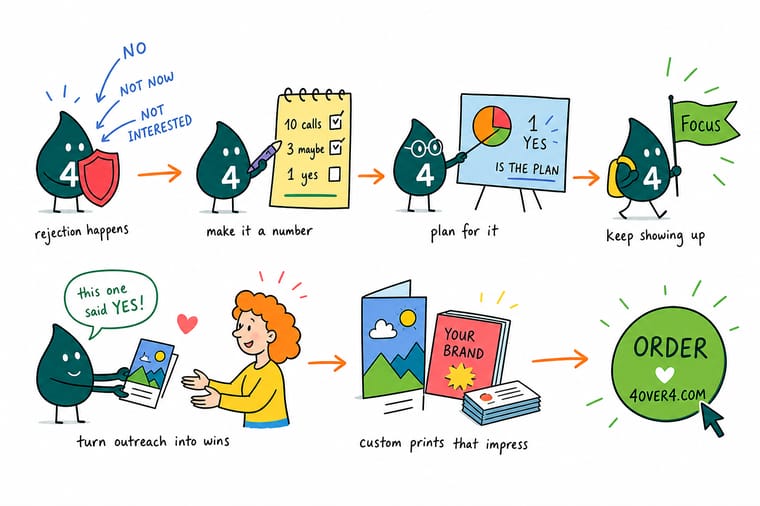
Wally used to dread the ask until he counted it. Forty approaches, twelve conversations, four quotes, one signature. Now the noes are just the receipt for the yes. He rehearses the price sentence until it sounds boring, stops talking the second it lands, and hands over a card so the details leave with the customer instead of living in his head. When somebody says it is too much, he asks what they are comparing it to rather than dropping the number.
Order standard business cards →Specs and pricing
The three pieces a nervous seller actually uses
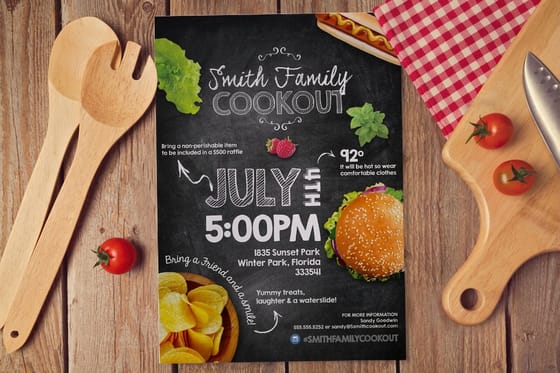
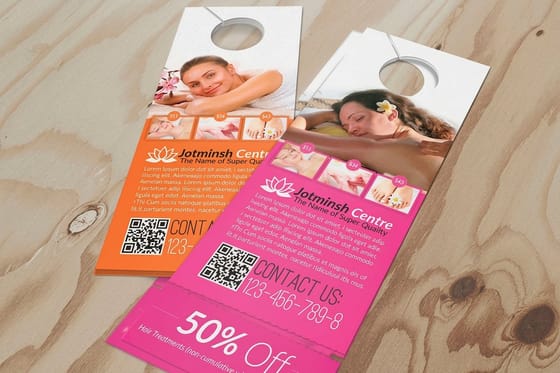
A card for the pocket, a postcard for the first touch, and a folder for the quote you leave behind. Sizes, stocks and starting prices come straight from the 4OVER4.COM configurator.


Print it
Give the conversation something to hold

Explore more
Where to go next

By the numbers
The print partner behind a lot of first meetings
Common Questions
Your questions about selling without fear, answered
What is the fastest way to stop being afraid of selling?
Write down the ratio, then do the arithmetic in front of yourself. Count how many people you approached last month, how many replied, how many asked for a price, and how many bought. If it took forty approaches to sign one client, then thirty nine noes are not failures, they are the price of that one signature. People who quit selling early almost never quit because of the noes. They quit because nobody told them how many to expect, so the third one felt like proof.
How do I ask for the money without my voice shaking?
Separate the price sentence from everything around it and rehearse that sentence alone, out loud, until it is boring. Something like: the job is 850 dollars, it takes about two weeks, and I can start Monday. Then stop talking. The silence after a price feels much longer to the person who said it than to the person hearing it, and filling that silence with a discount is the single most expensive habit in small business selling.
Does printed material really make selling easier, or is it a crutch?
It is a crutch in the useful sense of the word. A leave behind takes the burden of recall off you and off the buyer, which means you can spend the conversation asking about their problem instead of reciting your specification list. It does not do the asking for you. A folder handed to somebody who never showed interest goes in the bin at the lobby door, and no amount of finish changes that.
How many times should I follow up before I let a lead go?
Three contacts over about two weeks, then a close out message that gives them a clean way to say no. The close out is the part people skip and it is the part that protects your nerve. A short note saying you are assuming the timing is wrong and you will stop chasing usually gets either a decision or an honest no within a day, and both of those are better than an open file you think about every evening.
What do I say when someone tells me I am too expensive?
Ask what they are comparing it to, and then stay quiet long enough to hear the answer. Half the time the comparison is a different scope, not a different price, and the conversation becomes a scoping conversation rather than a negotiation. If the comparison is genuinely like for like and you are dearer, name the reason in one sentence and let them choose. Dropping the price the moment it is questioned teaches the buyer that the first number was never real.
Should I sell in person, by phone, or by mail if I am nervous?
Start where the rejection is least immediate and move inward as your ratios get real. Mail and email delay the answer, so they let you build volume without a stomach drop each time. Phone and counter conversations give you a faster read and a faster no. Most owners get furthest by using a mailed piece to earn the conversation and saving the face to face energy for people who already raised a hand. Standard Postcards start at $16.48 at 4OVER4.COM, which makes that first layer cheap to test.
Get Started
Walk in with something to leave behind
Pick a stock, upload your artwork, and we print the card, postcard or folder that carries the detail so you only have to handle the ask.
Legal Disclaimer
Gold Standard guarantees apply to all standard orders placed through 4over4.com. Price match requires verifiable proof of a competitor's published price for an equivalent product with matching specifications and turnaround time. Satisfaction guarantee covers manufacturing defects and print quality issues. Contact support with order number and documentation. On-time delivery rate based on tracked orders 1999 to 2026. Individual results may vary based on shipping carrier performance.
