
6 Print Picks That Keep a Flywheel Model Spinning
A flywheel only turns if every stage hands something concrete to the next one. These six printed pieces are those handoffs, from the card that keeps a new contact reachable to the numbered certificate a customer gives away. Every price on this page is live.
Print for the handoffs, not the impressions. Business cards from $17.57 make a new contact reachable, a banner stand from $139 works the room while you talk to one person, sales sheets from $75.80 keep the pitch alive after you leave, pocket folders from $844.54 make the handover repeatable, booklets from $240.55 give the customer something worth keeping, and numbered gift certificates from $42.84 put an object in their hand to give to the next customer.
The picks
Six picks, from $17.57 cards to $844.54 pocket folders
They are ordered by the turn they serve, not by price. Read down the list and you are walking the loop once: attract, engage, delight, refer. Each item can be laid out in our free online designer or started from a ready made design template, and every price updates in the configurator as you change size, stock and quantity.
Which turn each one serves
The handoff, the format, and what it costs to make
Read this as a map of the loop rather than a shopping list. Each row names the handoff the piece makes, the format and starting price, and the job it does once it is in somebody's hands. Tap a row to jump to the full explanation, including where each one falls short.
| Pick | Handoff in the loop | Format and starting price | What it does |
|---|---|---|---|
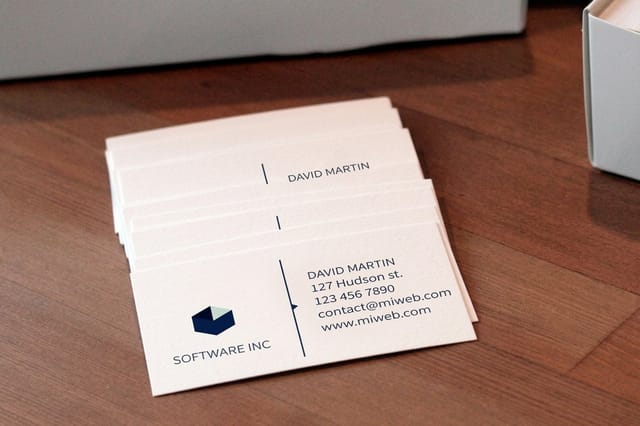
| 1. Standard business cards | Attract hands a name to Engage | 2 in x 3.5 in, 73 paper types, optional rounded corners and variable data. From $17.57 | Makes the conversation reachable next month. Variable data can print a different referral code on each card, which is how you find out who is actually sending you people. |
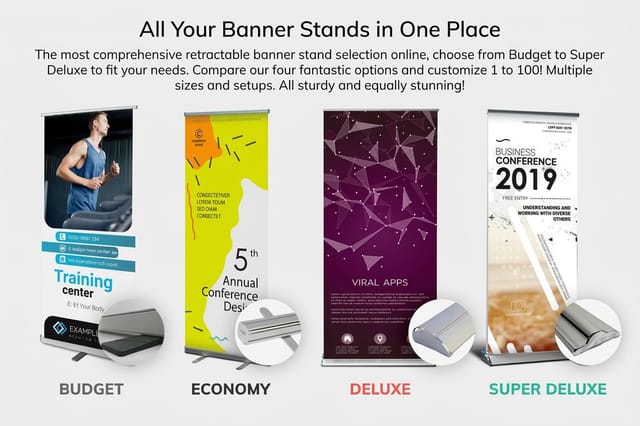
| 2. Retractable banner stands | Attract, at room scale | 24 in x 79 in budget stand, or 2 ft x 4 ft, 3 ft x 6 ft and 4 ft x 8 ft. From $139 | Works the aisle while you talk to one person. The stand is reusable hardware, so cost per event falls every time you take it out of the bag. |
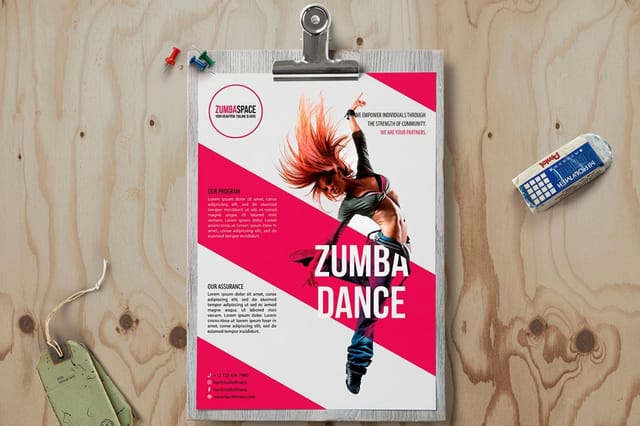
| 3. Sales sheets | Engage keeps arguing after you leave | 8.5 in x 11 in, 9 paper types, high gloss UV, folding, perforation and three-hole punch. From $75.80 | The leave-behind. One page that repeats the offer to the person in the room and to the two colleagues who were not. |
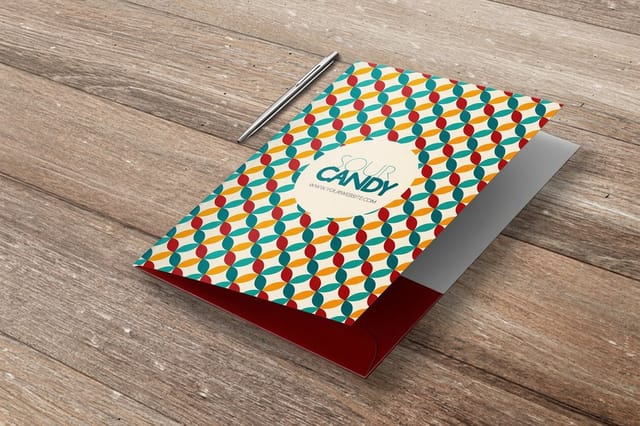
| 4. Pocket folders | Engage hands a whole packet to Delight | 9 in x 12 in or 6 in x 9 in, 4 stocks, business card slits. From $844.54 | Turns the pitch or the onboarding handover into an assembly job anybody at the desk can do the same way twice. |
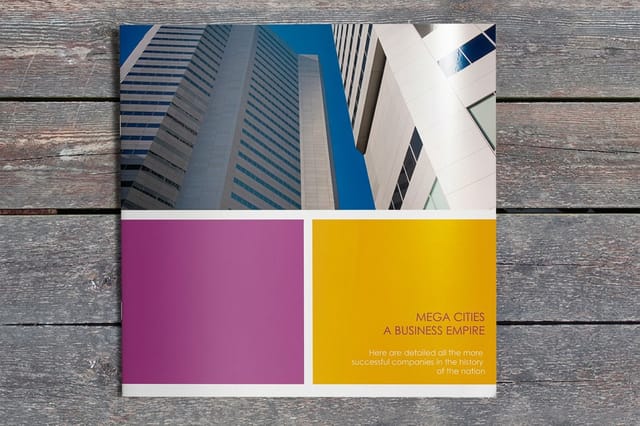
| 5. Standard booklets | Delight, in a form people keep | 5.5 in x 8.5 in, 6 in x 9 in or 8.5 in x 11 in, 14 page-count options, 3 cover stocks. From $240.55 | The workshop handout. It survives the desk drawer because it looks like a book rather than a flyer, and it carries your method with it. |
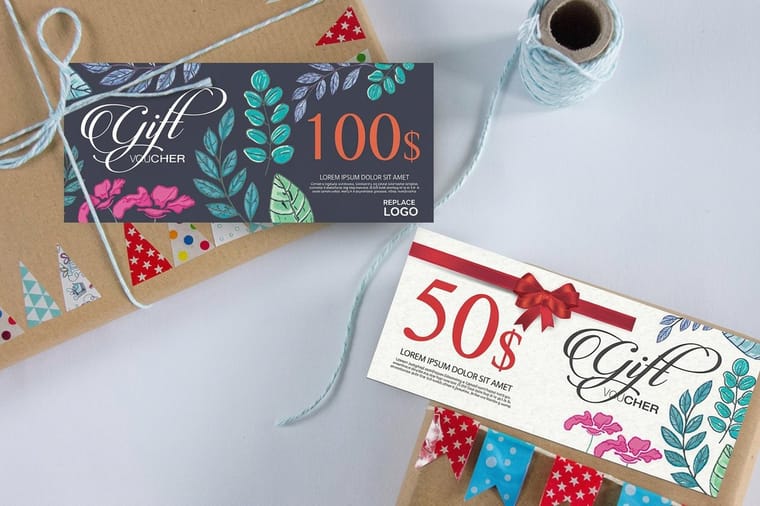
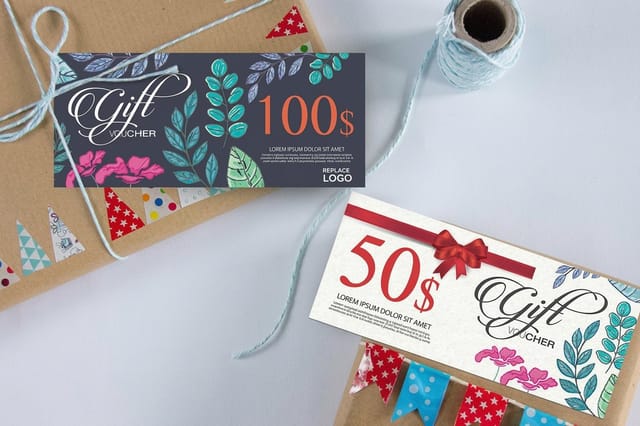
| 6. Gift certificates | Delight hands fuel back to Attract | 3 in x 7 in or 8.5 in x 11 in, 15 paper types, sequential numbering, matching envelopes. From $42.84 | The only piece here designed to be given away by your customer. Numbering tells you which customer produced which new one. |
Start here
Find the turn that is not handing anything forward
Before you buy print, walk your own loop and find the arc that ends in nothing. For most businesses it is delight: the job finishes, the customer is happy, and nothing physical passes from that moment into the next sale. That is the gap this kit is built to close, and it is usually cheaper to close than the attract stage everybody spends on. The model itself, the four turns and the friction that stalls them are set out in the flywheel model guide, and the reason referrals stall when nobody can repeat what you do is covered in the difference between marketing and branding and in brand messaging for small business.
1. Business cards make the first turn reachable
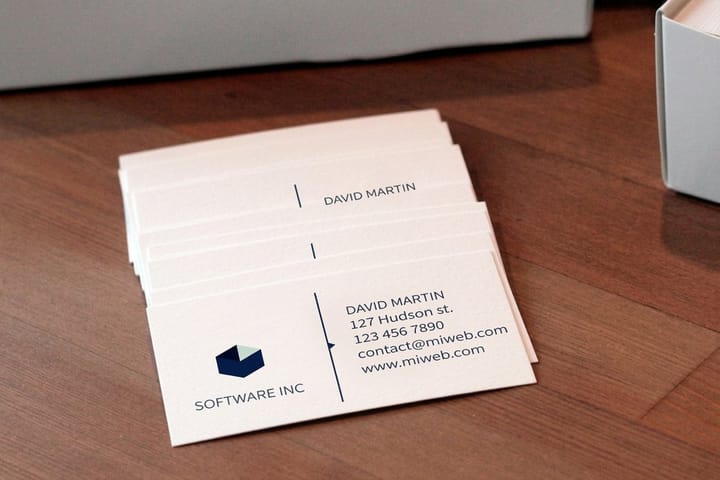
Attract owes the next turn one thing: a name you can contact again. Impressions do not count, because you cannot follow up an impression. Standard business cards start at $17.57, print at 2 in x 3.5 in, and remain the cheapest object that keeps a conversation alive after both people walk away.
There are 73 paper types in the configurator and most of them are a distraction. The choice that changes anything is whether the card survives a wallet, which means weight and finish, not color. Our comparison of 14pt, 16pt and 32pt card stock sets out where the extra rigidity earns its price, and matte, glossy or soft touch covers the one decision people regret, because a glossy card cannot be written on and half the value of a card is the note somebody scribbles on the back.
The option worth knowing about is variable data. It prints a different string on each card, so a hundred cards can carry a hundred referral codes. That is what converts a hunch about word of mouth into a count. The catch is that variable data is set per batch, so a code scheme you invent badly is one you live with until the reprint. Decide what you want to measure before you order, not after.
2. A banner stand works the room while you work one person
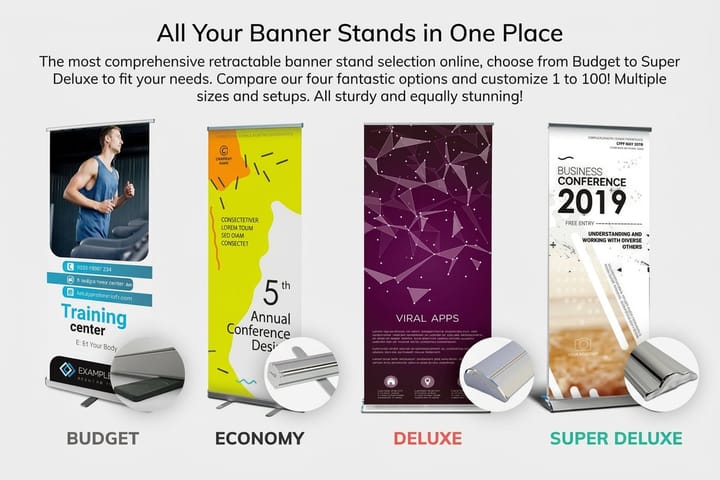
At an event you can only talk to one person at a time, which caps the attract turn at the speed of your own mouth. A retractable banner stand lifts that cap. It starts at $139 for the 24 in x 79 in budget stand, and larger graphics run at 2 ft x 4 ft, 3 ft x 6 ft and 4 ft x 8 ft.
The economics are different from everything else on this page, and better. The stand is hardware. It rolls into a bag, comes back out at the next show, and the per-event cost falls each time you use it. That only holds if the graphic stays valid, which is where most people lose the saving. Print a year, a price or a set of dates on it and you have converted a reusable asset into a disposable one. Print what does not change, and put the dated material on a sheet you hand over instead.
Two practical limits. Height is what gets seen over a crowd, so the tall narrow format beats a wide one in a packed aisle, and our guide to choosing trade show banners works through the sizing. And an indoor retractable stand belongs indoors, because the base is weighted for a carpet rather than for wind. Setup takes about a minute once you have done it once, as setting up a retractable banner stand shows, and how retractable displays work explains the spring mechanism you are trusting with your graphic.
3. Sales sheets keep arguing after you leave the room
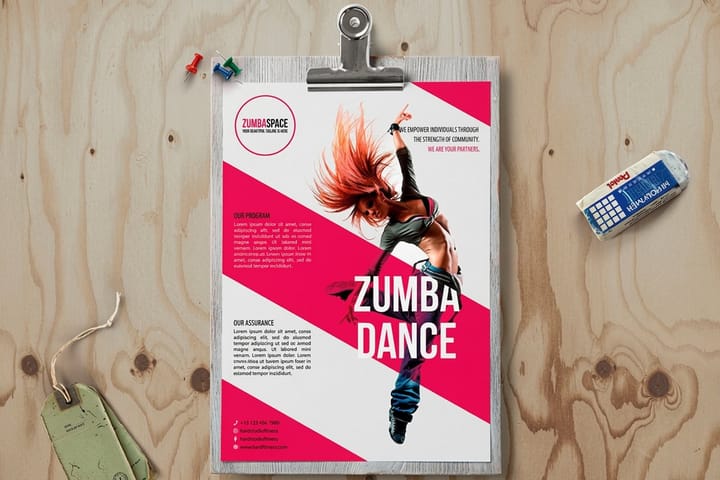
The engage turn usually fails in a specific way. You explain the offer well, the person you explained it to is not the person who signs, and your explanation does not survive the retelling. A sales sheet from $75.80 is the fix: one 8.5 in x 11 in page that says the same thing to the two colleagues who were not in the meeting.
The size is fixed, and that is a feature. You cannot solve a weak offer by going bigger, so the page forces the discipline of one product, one price frame, one next step. Nine paper types are available and high gloss UV coating is there if the sheet needs to survive a job site, though uncoated takes a pen and a coated stock does not.
Two finishing options change what the sheet does. Perforation lets you build a tear-off reply or a voucher at the foot of the page, so the sheet ends in an action rather than a phone number. A three-hole punch matters more than it sounds in industries where quotes get filed in a binder, because a sheet that fits the binder stays and a sheet that does not gets recycled. If you are weighing this against a folded piece, brochures versus sales sheets settles it, and the three way comparison covers where each format belongs. The honest limit: a sales sheet handed to somebody who did not ask for anything is litter. It is a follow-up piece, not a prospecting one.
4. Pocket folders turn the handover into an assembly job
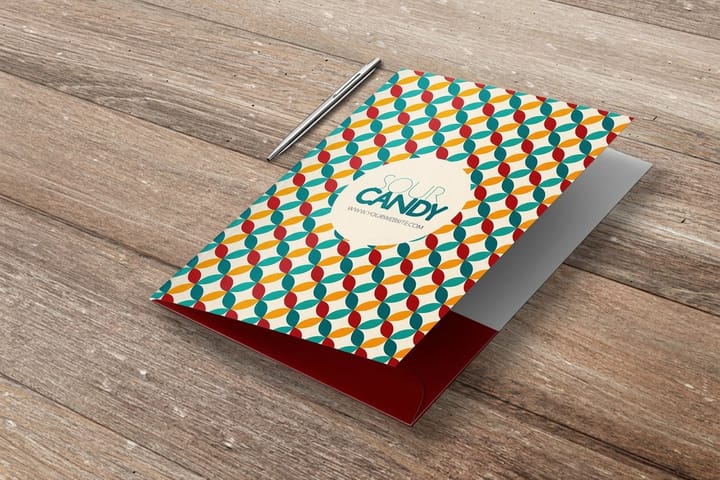
Between engage and delight there is a moment where somebody has to collect six documents and give them to a customer. In most small businesses the owner is the only person who knows which six. A printed pocket folder makes that knowledge physical: proposal on the left, sheet and booklet on the right, card in the slit, and anyone at the desk builds it correctly on their first day.
Then there is the price, and it deserves a straight answer. Pocket folders start at $844.54, which is fifty times a box of business cards. Folders are die-cut, scored and glued, and that setup is paid whether you order a small run or a large one, so the cost sits in starting the run rather than in the paper. If you pitch four times a month, this is not your first purchase. Use a plain stock folder, print the sheet and the cards, and come back to this when the volume makes the per-unit price stop hurting.
When you do order, two decisions carry the piece. Size: 9 in x 12 in holds letter paper without trimming, and 6 in x 9 in is the one to pick if the packet travels in a bag rather than a briefcase. And the business card slit, which is worth taking because it is the difference between a card that stays with the packet and a card that falls out in a drawer. Sizes and setup are in the pocket folder printing guide, the naming confusion is cleared up in presentation folders versus pocket folders, and what to put in each pocket is covered in how to use marketing folders.
5. Booklets are the delight turn people actually keep
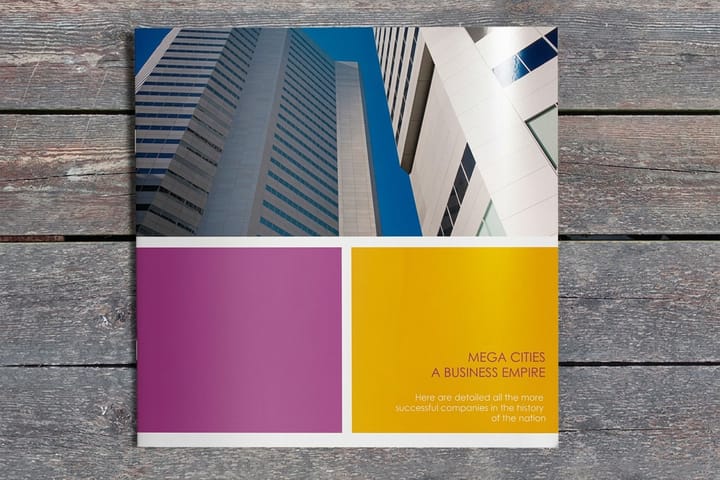
Delight is the turn most plans skip, and it is the only one that converts a buyer into an input. The trick is to hand over something with enough substance that throwing it away feels wasteful. A standard booklet from $240.55 does that, because a bound object reads as a book and a loose sheet reads as advertising, even when the words are identical.
This is the workshop handout, the onboarding manual, the method you teach written down. Sizes run 5.5 in x 8.5 in, 6 in x 9 in and 8.5 in x 11 in, with three cover stocks and fourteen page-count options. Give the cover a heavier stock than the inside pages: it costs little and it is the difference between a booklet that lives on a shelf and one that curls in a bag.
The rule that catches everybody the first time is page count. Booklet pages come in multiples of four, because each folded sheet produces four sides, so a fourteen page plan becomes a sixteen page booklet with two pages you have to fill or leave blank. Plan the content to the count instead of discovering it at upload. Booklet page counts and creep explains both that rule and why inner pages need a slightly wider margin, and booklet binding methods covers what changes as the page count climbs. The limit to respect: at $240.55 a booklet is a considered piece for people who already engaged, not a flyer you hand to strangers.
6. Gift certificates hand the wheel back to the first turn
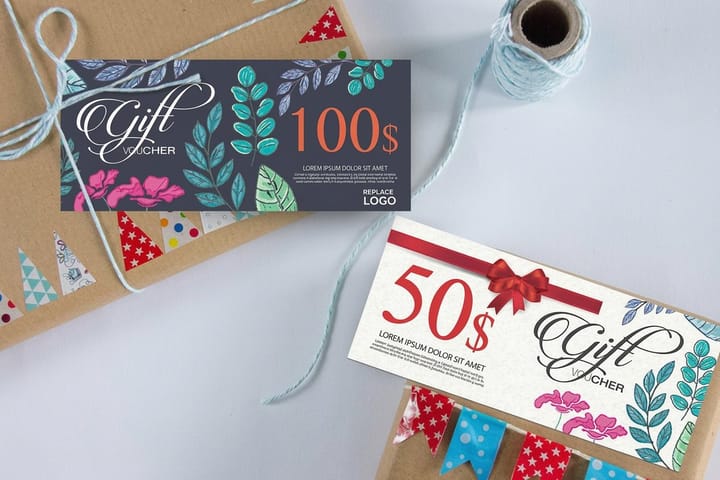
This is the pick that closes the loop, and it is the one to buy if you buy only one. Every other piece here is something you give to a customer. A gift certificate from $42.84 is something your customer gives to somebody else, which is the exact handoff a flywheel needs at the point where delight is supposed to feed attract.
It works because it lowers the ask. Asking a happy customer to recommend you requires them to remember your name at the right moment in someone else's conversation. Handing them a printed 3 in x 7 in certificate requires them to pass on an object, and the object carries your name, your offer and your address without their help. Fifteen paper types are available, and matching blank envelopes are an option worth adding, because a certificate handed over in an envelope reads as a gift and a loose one reads as a coupon.
Sequential numbering is the feature that turns this into measurement rather than hope. Number the run, note which certificate went to which customer, and the redemptions tell you exactly which relationships generate new business. That is the flywheel metric, held in your hand. Before you print, read gift certificate expiration rules, since the terms you print on the face are governed by law rather than by preference, and gift certificate sizes for businesses covers the format choice. The 8.5 in x 11 in size exists too, and it suits a high value service where the certificate is meant to be presented rather than pocketed.
Specs and pricing
The two you will reorder the most
Cards and sales sheets are consumed rather than kept, so they come back around every few months. Here are the live specs and the price ladders for both, straight from the configurator.


| Quantity | Price Per Unit | Total |
|---|---|---|
| 100 | 17.6¢ | $17.57 |
| 200 | 11.5¢ | $23.07 |
| 300 | 9.15¢ | $27.46 |
| 400 | 7.96¢ | $31.86 |
| 500 | 7.25¢ | $36.26 |
| 600 | 6.77¢ | $40.64 |
| 700 | 6.43¢ | $45.04 |
| 800 | 6.18¢ | $49.43 |
| Quantity | Price Per Unit | Total |
|---|---|---|
| 50 | $1.52 | $75.80 |
| 100 | $1.09 | $108.75 |
| 200 | 70.8¢ | $141.70 |
| 300 | 54.6¢ | $163.67 |
| 400 | 46.4¢ | $185.63 |
| 500 | 41.5¢ | $207.60 |
| 600 | 35.7¢ | $214.19 |
| 700 | 31.5¢ | $220.78 |
Wally explains what a flywheel needs from your printer
Every turn has to hand something solid to the next one
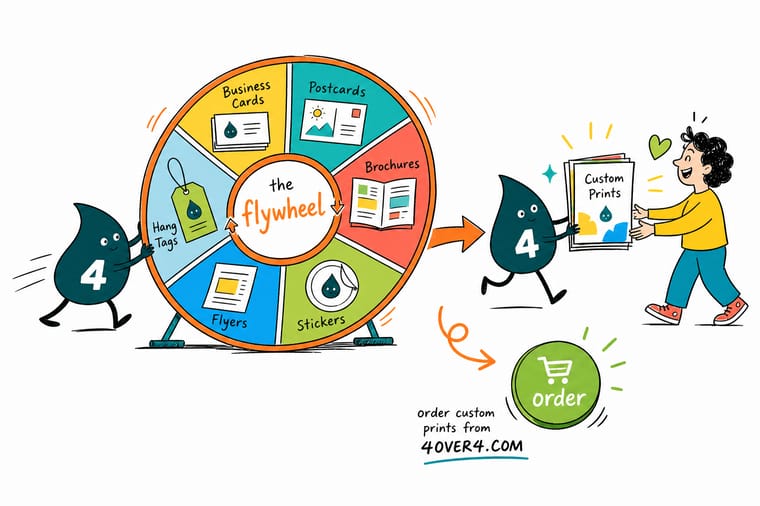
Wally stopped judging print by how many people see it and started judging it by what it passes forward. The card makes a new name reachable. The sales sheet argues for him in a meeting he is not in. The booklet is substantial enough that nobody throws it away. The numbered gift certificate goes from a happy customer straight to a stranger, and the number tells him which customer sent them. Find the turn in your loop that hands nothing forward and print for that one first.
Shop business basics printing →See it in use
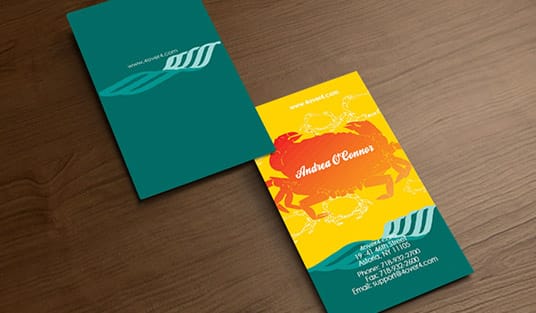
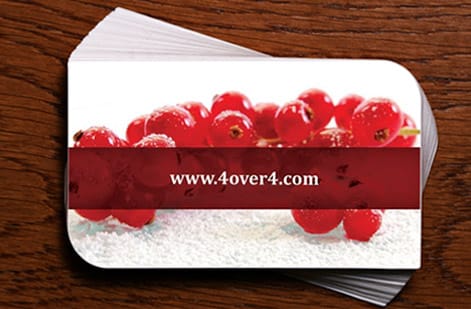
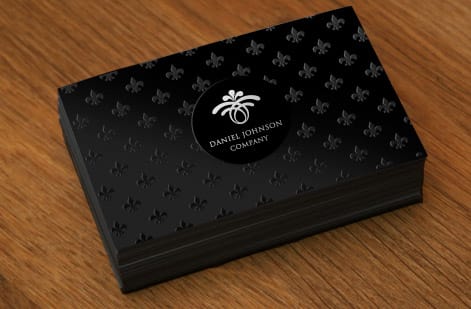
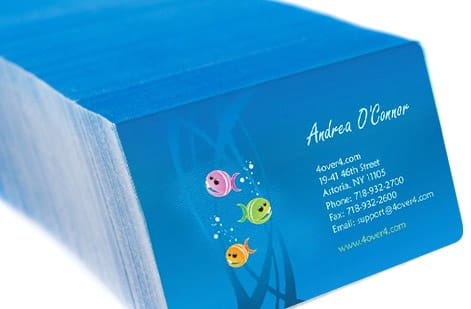
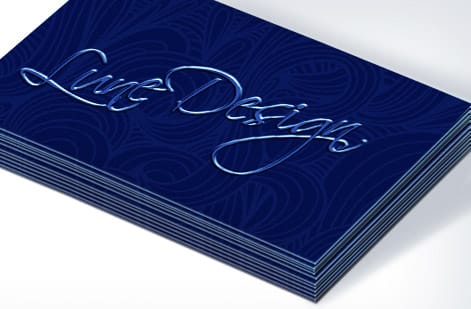
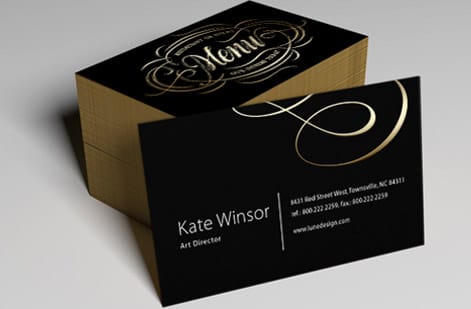
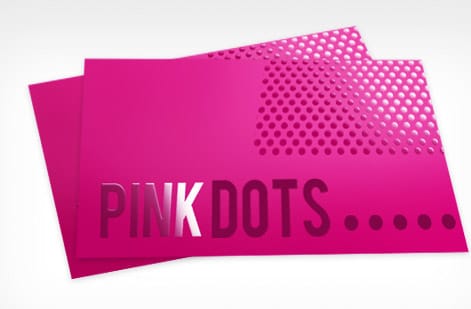
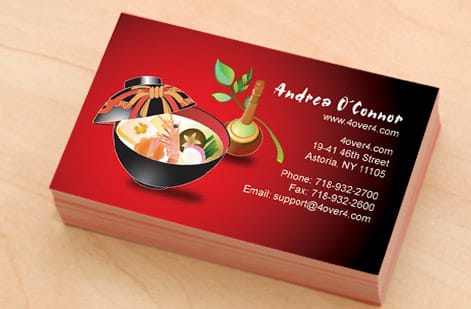
Cards printed on 73 different stocks
Explore more
Where to go next



By the numbers
Seventy three card stocks and twenty five years of presses
Common Questions
Common questions about printing for a flywheel
Which of these six should a small business print first?
Business cards at $17.57 and gift certificates at $42.84. Together they cover the two ends of the loop that touch each other: the card makes a new contact reachable, and the certificate gives an existing customer something to hand to the next one. Everything else on the page improves a turn that is already happening. Those two create the handoff that makes it a loop rather than a line.
How do printed pieces actually measure a flywheel?
Through numbering. Gift certificates can be printed with sequential numbering, so you can record which customer received certificate 041 and see when it is redeemed. Business cards support variable data, so a batch can carry a different code per card. Both give you a count of new business traceable to an existing customer, which is the single number that tells you whether the wheel is feeding itself or whether you are simply buying traffic.
Why do pocket folders cost so much more than the other picks?
Because a folder is die-cut, scored and glued rather than just printed. That setup is paid once per run whether the run is small or large, so the starting price of $844.54 reflects getting the run going, not the paper. A sales sheet that carries similar information starts at $75.80. If your client volume is low, print the sheet and use a plain folder until the numbers change.
What is the difference between a sales sheet and a booklet here?
Job and lifespan. A sales sheet is one 8.5 in x 11 in page from $75.80, designed to be read once and either acted on or filed. A booklet from $240.55 is bound, runs to sixteen pages or more, and is designed to be kept. Use the sheet when you want a decision this week. Use the booklet when you want to be the reference somebody keeps on a shelf, which is a slower payoff and a stronger one.
Can a banner stand be used outdoors?
An indoor retractable stand should stay indoors. The base is weighted for a flat floor and it is not built to hold a large graphic against wind, so a gust either topples it or creases the print. For outdoor work you want a format designed for it. Indoors, the stand is the most reusable item in this kit, and the only thing that forces a reprint is a graphic that names dates, prices or a year.
How many pages can a booklet be?
Any multiple of four, and the configurator offers fourteen page-count options. The reason is mechanical: one folded sheet gives four printed sides, so page counts land in fours. A fourteen page manuscript becomes a sixteen page booklet, and you decide whether those two extra pages are blank, a notes page or an index. Planning the content to the count is easier than rearranging it at upload.
Do I need a designer for any of this?
No. Every item can be laid out in our free online designer, or started from a ready made design template and filled with your logo, your copy and your phone number. For the sales sheet and the certificate the template does more than styling: it puts the bleed and the safe margins in the right place, which is where most first orders go wrong.
Does the flywheel argument apply to a business people only buy from once?
The repeat arm does not, but the referral arm becomes the whole strategy. If somebody buys a roof or a wedding package once in a decade, spend the delight budget on things they can pass on rather than on reasons to reorder. That is exactly the case for gift certificates and a second business card, and it is why the numbering matters even more, since the referral is the only turn you have left to measure.
Get Started
Close the turn that hands nothing forward
Numbered gift certificates start at $42.84 and business cards at $17.57, so the two pieces that make a loop out of a line cost less than one small ad. Build the order at 4OVER4.COM and watch the price update as you set size, stock and quantity.
Legal Disclaimer
Gold Standard guarantees apply to all standard orders placed through 4over4.com. Price match requires verifiable proof of a competitor's published price for an equivalent product with matching specifications and turnaround time. Satisfaction guarantee covers manufacturing defects and print quality issues. Contact support with order number and documentation. On-time delivery rate based on tracked orders 1999 to 2026. Individual results may vary based on shipping carrier performance.
