
6 Print Picks That Carry The Connection Code From Handshake to Referral
Relationships rarely fail at the handshake. They fail in the hour afterwards, when nobody wrote anything down, and again two weeks later when the message that arrives could have been sent to anyone. These six printed pieces sit exactly where that chain breaks.
Six printed pieces carry the Connection Code, one per stage: business cards from $17.57 for the meeting, notepads from $93.37 to capture the detail while it is fresh, folded thank you cards from $38.22 and printed envelopes from $142.99 for the follow up, brochures from $57.11 so somebody can explain you when you are not there, and postcards from $16.48 to stay useful quarter after quarter. Buy the first two and run them for a month before you spend more.
The picks
Six picks, from $16.48 postcards to $93.37 notepads
Read this as a sequence rather than a shopping list. Each pick takes over one stage of the connection sequence, and the stages run in order, so the two cheapest items are also the two that come first. Lay any of them out in the free online designer or start from a design template, and every price below updates in the configurator as you set size, stock, finish and quantity.
Which stage each one carries
The stage, the piece, and what it starts at
Every row names a stage of the sequence, the printed piece that carries it, and the price that piece starts at. Tap a row to jump to the full write up, including where each pick falls short.
| Pick | Format and starting price | The stage it carries |
|---|---|---|
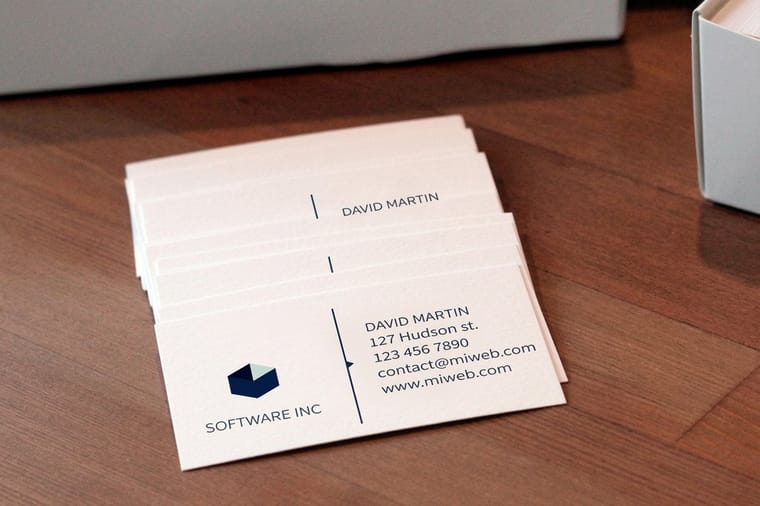
| 1. Standard business cards | 3.5 in x 2 in, 14pt or 16pt stock, coating on the front only. From $17.57 | Meeting. It is the one object in the exchange that both of you can write on, which is why the back matters more than the front. |
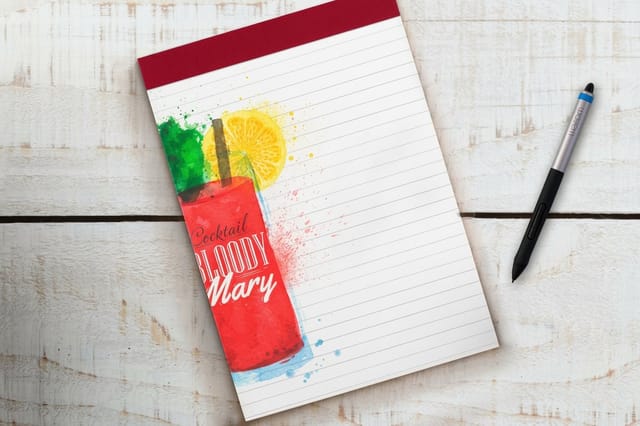
| 2. Standard notepads | 25, 50 or 100 sheets glued at the head, pocket size up to 8.5 in x 11 in. From $93.37 | Capture. A printed prompt on every sheet forces the detail out of your head and onto paper before you meet the next person. |
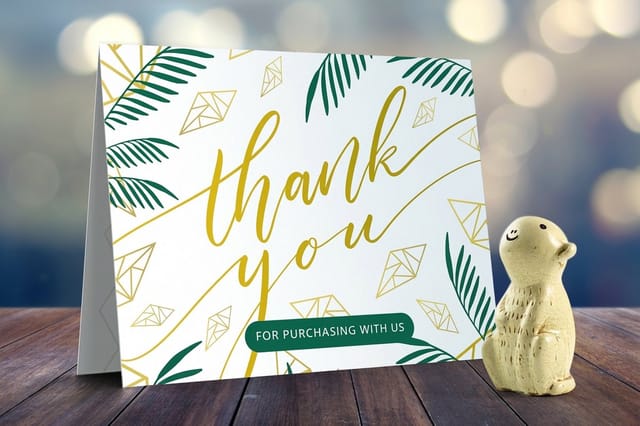
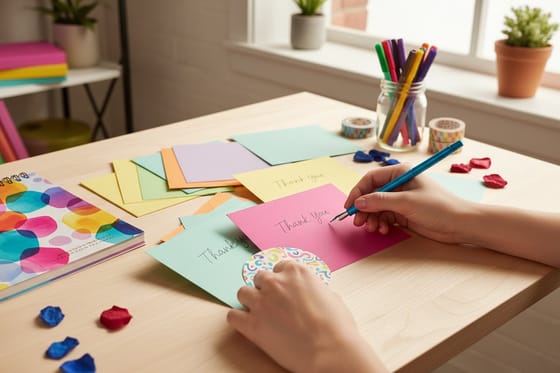
| 3. Folded thank you cards | Folded card, uncoated inside so a pen works. From $38.22 | Follow up. It stands on a desk for a week, which no email does, and it proves you spent minutes rather than seconds. |
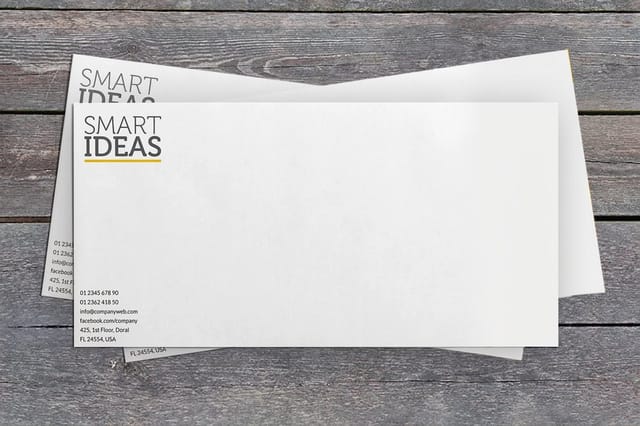
| 4. Printed envelopes | Sized to the folded card, return address printed. From $142.99 | Follow up, delivery half. An envelope with your mark on it and a hand written address gets opened first. |
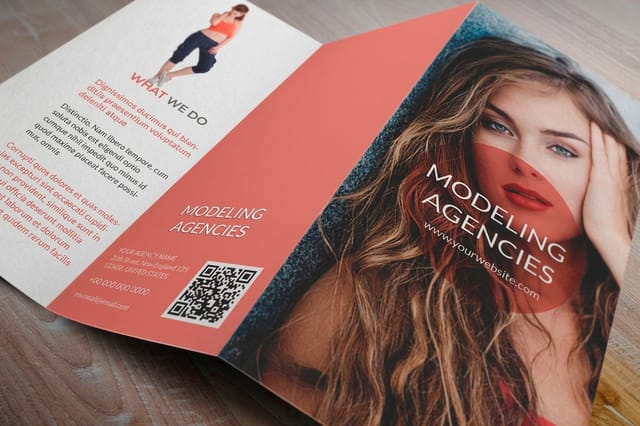
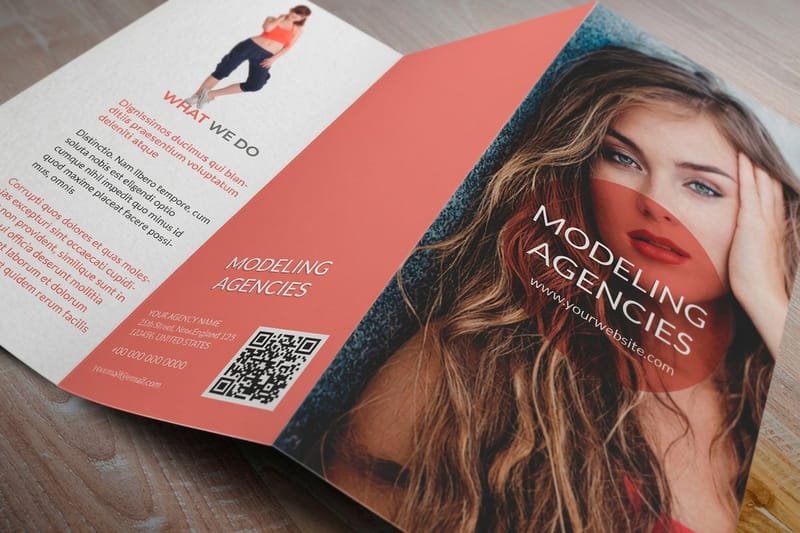
| 5. Standard brochures | Trifold or bifold from an 8.5 in x 11 in flat sheet. From $57.11 | Explaining. The piece you leave so the person can repeat what you do to somebody who was never in the room. |
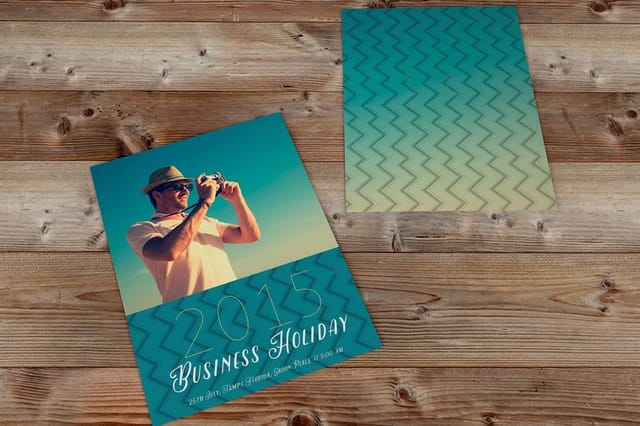
| 6. Standard postcards | Flat card, printed both sides, no envelope needed. From $16.48 | Staying useful. The cheapest way to appear again with a reason, and cheap enough to repeat quarterly. |
Start here
Know which stage you are actually failing
Buying paper for the wrong stage fixes nothing. Look at the last ten people you met and ask where the chain stopped. If you cannot remember what they were dealing with, you failed at capture and a pad solves it. If you remember but never wrote, you failed at follow up and cards and envelopes solve it. If you followed up once and then went quiet, you failed at staying useful and postcards solve it. The five stages, what each one has to hand the next, and the honest failure modes are set out in our Connection Code guide, and the same sequence compressed into three days is covered in the trade show follow up timeline. If the pieces need to sit inside a wider plan, start with how to create a small business marketing plan.
1. Standard business cards, the only object in the exchange you both can write on
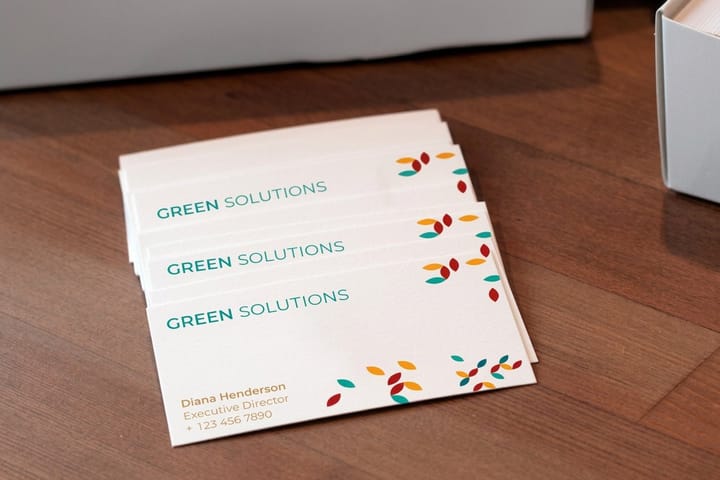
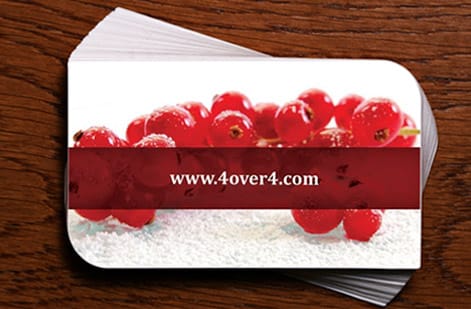
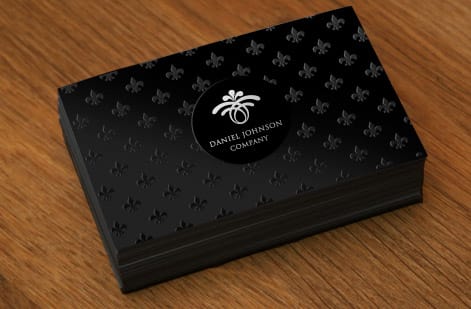
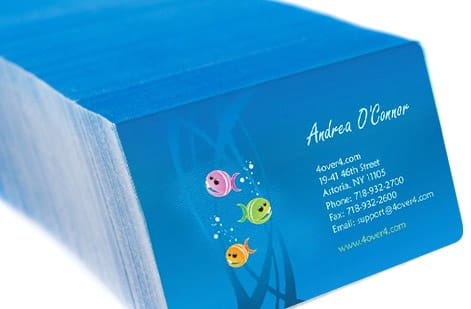
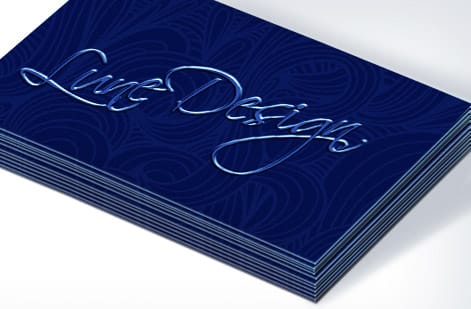
The card is not a brochure and it is not a pitch. It is a capture device that works in a room with bad signal, in a coat pocket, and three weeks later on a desk. Standard business cards start at $17.57, which makes the most useful piece in this kit the cheapest one.
Two build choices decide whether it does its job. Print the front on 16pt if the card will live in a wallet, because 14pt bends at the corners after a month and a bent card reads as a cheap one. Then leave the back clear and, this is the part people get wrong, leave it uncoated. A gloss or UV coating on the back beads ballpoint ink and smears it, so the person who wanted to write "wants pricing on 5,000, October" gives up and your card becomes anonymous. Ask for coating on the front only.
Keep the front to a name readable at arm length, what you do in plain words, one phone number, one email and one web address. Anything more competes with itself. If you want the card to survive as an object people keep for its own sake, coaster business cards take the same idea in a different direction, and business cards against event badges covers what to carry when the room already gave you a name tag.
2. Standard notepads, where the detail stops living in your head
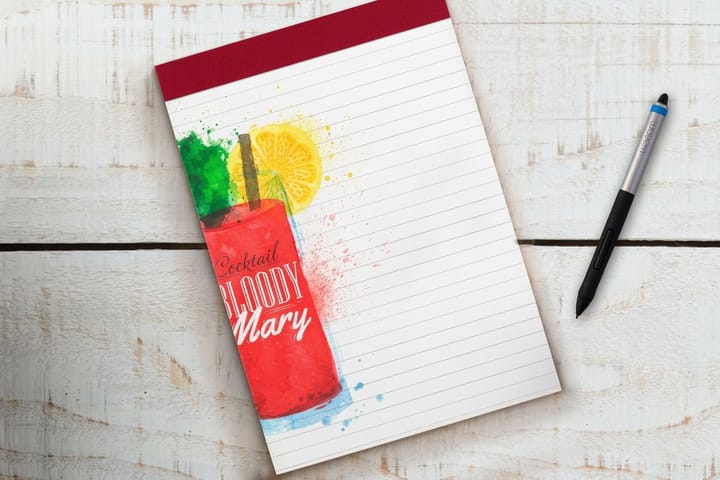
Ask anyone why their follow up sounded like a form letter and the honest answer is that they wrote it from memory four days later. A printed notepad with the prompts already on the sheet is the fix, from $93.37, and it works because the questions are staring at you while the conversation is still warm.
Print five fields and nothing else: name, where you met, the one thing they are dealing with, what you promised, and the date you promised it by. That last field is the one that changes behavior, because a promise with a date attached gets kept and a promise without one becomes an apology.
Order the sheet count for how settled your form is, not for the best unit price. A 100 sheet pad locks you into today's fields for most of a year, and the field order is exactly the thing you will want to change after twenty conversations. Twenty five sheets is the right size for a form still finding its shape. Sizes and binding are set out in standard notepad sizes, the layout side in how to design a custom notepad, and there is a wider case for printed desk stock in branded stationery that works overtime.
3. Folded thank you cards, the follow up that stays on the desk
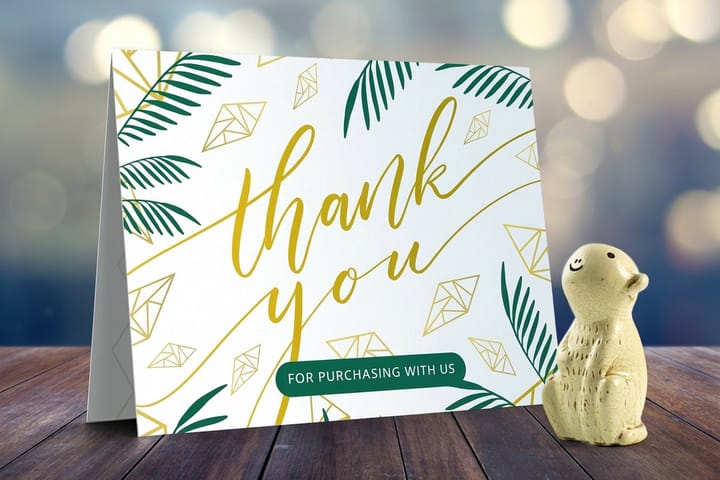
A written card wins on cost, not on charm. It takes minutes, a stamp and a walk to a mailbox, and the person opening it knows all three. That is the entire mechanism. Folded thank you cards start at $38.22, and because they fold they stand up on a desk, where an email cannot go.
Four lines is the whole card. Thank them for the specific thing, name the detail they told you, add the one piece of information you promised, and stop. No logo speech, no service list, no closing line about looking forward to partnering. The card is proof you were listening, and a sales paragraph inside it undoes exactly that.
Order the inside uncoated. A coated stock photographs beautifully and rejects a pen, which is a strange thing to discover with a hundred cards on your desk. The honest limit of this pick is scale: it cannot carry a link, it arrives days late, and nobody writes forty of them. Use it on the handful of relationships that justify the effort and email the rest. Wording is covered in how to write a thank you card that gets remembered, and the format choice in greeting cards against postcards for customer thank yous.
4. Printed envelopes, the reason the card gets opened at all
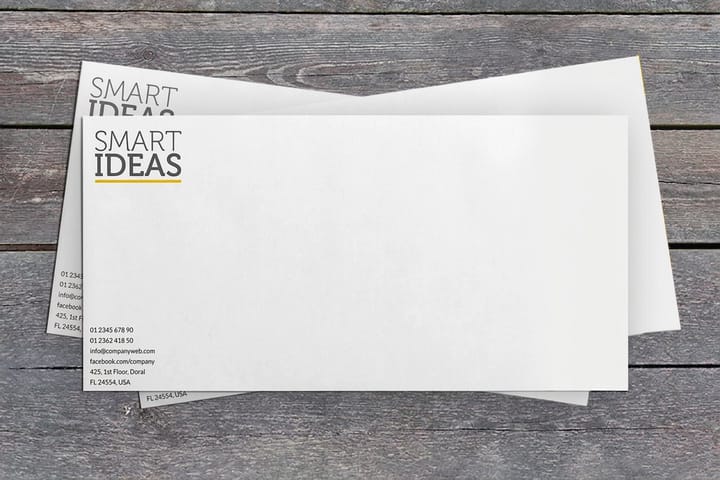
A card only works if the envelope survives the first sort at the recipient's desk, where anything that looks like bulk mail goes in one pile and anything personal goes in the other. Printed envelopes start at $142.99 and put your name in the corner without turning the piece into an advertisement.
Then hand write the address. A printed address block on the front reads as a mailing list even when the letter inside is personal, and the two minutes you save cost you the open. Print the return corner, write the front, use a real stamp rather than a meter mark.
The trade off here is plain. This is the highest starting price in the kit, because envelope converting runs in large minimums, so it ties up more cash than the other five picks combined at their starting quantities. If you send four notes a month, buy plain envelopes and write both sides until the habit is real. When you do order, size the envelope against the folded dimension of the card you actually printed rather than the flat sheet, which is the mistake that produces a box of envelopes nothing fits. Common envelope sizes lists the standards, how to order custom printed envelopes walks the spec, and adding a logo to envelopes covers how small the corner mark should stay.
5. Standard brochures, so somebody can explain you when you are not there
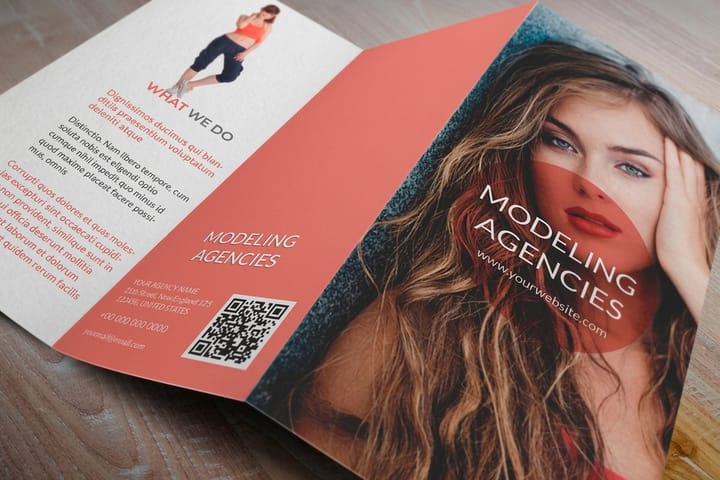
Referrals fail in a specific way. The person wants to recommend you, gets asked what exactly you do, gives a vague answer, and the conversation moves on. A brochure from $57.11 is the fix, because it hands them your words to repeat instead of asking them to remember yours.
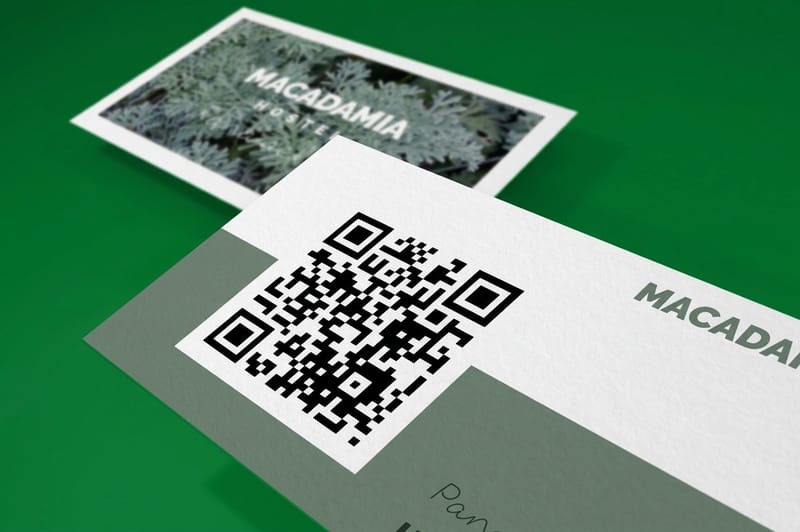
A trifold gives six panels and the order decides everything. Front panel is the promise. The three inside panels answer the questions in the sequence people actually ask them: what is included, how long it takes, what happens if something goes wrong. Back panel is one next step with a phone number and a QR code. Leave a panel breathing rather than filling all six, because a brochure someone can finish standing up is worth more than a folded catalog.
If the message is a single offer rather than a full explanation, print standard flyers from $39.54 instead and save the folding cost, since one loud offer does not need six panels. For writing the panels, see how to create a marketing brochure that drives sales, and how to make a brochure covers the fold and panel mechanics before you set the file up.
6. Standard postcards, the cheapest reason to appear again
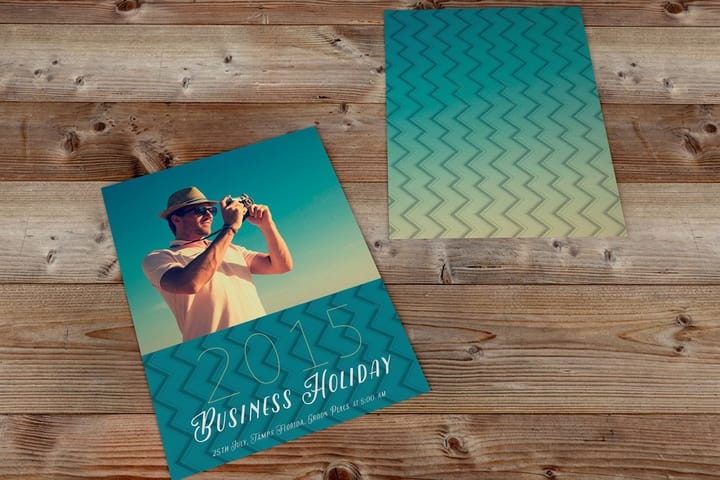
Staying in view is a frequency problem with a budget attached, and a postcard is the least expensive way to solve it. Standard postcards start at $16.48, they need no envelope, and they get read on the walk from the mailbox because there is nothing to open.
That last point cuts both ways. Anything you would not want a neighbor or a receptionist to read cannot go on a postcard, so pricing, account details and anything personal belong in an envelope. Use the card for the things that are fine in the open: a piece of news they can use, an invitation, a date, a short answer to a question they raised months ago.
One rule keeps this pick from backfiring. Never send a card that only says hello. Contact without a reason teaches people to skim you, and a printed reminder of nothing is worse than silence because it costs them a decision. When the list grows past what you can address yourself, direct mail postcards from $89.68 are printed, addressed and handed to the USPS for you, with postage charged on top of the print. The timing and list side is in postcard marketing, and the pairing rules in pairing postcards and envelope sizes.
The habits behind the paper
12 small shifts that make a follow up land
None of these cost anything and all of them change what the printed pieces are carrying. They are the difference between a card that gets filed and a card that gets a phone call.
- Write the detail down before you speak to the next person, not at the end of the night.
- Open the follow up with the thing they said, not with how good it was to meet them.
- Send the three line version on Tuesday instead of the perfect version next month.
- Ask one question, then stay quiet for five seconds. Most people fill that gap with the useful part.
- Put the date you promised something on the card, so the promise has a deadline attached.
- Send one useful link with nothing attached to it. No pitch, no calendar, no attachment.
- React to their news before you have news of your own to share.
- Describe their problem in their words, not in your category name for it.
- Leave the back of your card blank so the other person can write on it in front of you.
- Go back to the person who said no six months later with something they can use anyway.
- Keep the active list to twelve names a quarter and run the whole sequence on those twelve.
- When you finally ask for something, ask for one specific thing in one sentence.
Specs and pricing
The two picks that decide the follow up
The card starts the chain and the thank you card proves you were listening. Here are the live specs and the price ladders for both, straight from the configurator.

| Quantity | Price Per Unit | Total |
|---|---|---|
| 100 | 17.6¢ | $17.57 |
| 200 | 11.5¢ | $23.07 |
| 300 | 9.15¢ | $27.46 |
| 400 | 7.96¢ | $31.86 |
| 500 | 7.25¢ | $36.26 |
| 600 | 6.77¢ | $40.64 |
| 700 | 6.43¢ | $45.04 |
| 800 | 6.18¢ | $49.43 |
| Quantity | Price Per Unit | Total |
|---|---|---|
| 25 | $1.53 | $38.22 |
| 50 | $1.34 | $67.22 |
| 100 | 93.6¢ | $93.58 |
| 200 | 60.0¢ | $119.94 |
| 300 | 48.8¢ | $146.30 |
| 400 | 43.2¢ | $172.67 |
| 500 | 39.8¢ | $199.03 |
| 600 | 38.2¢ | $229.34 |
Wally explains the six picks
One piece of paper per stage, in the order the stages happen
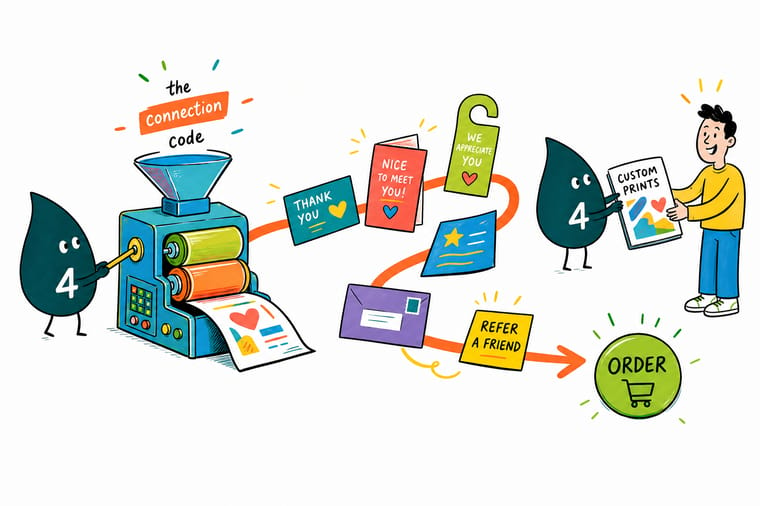
Wally hands over a card with an uncoated back so the other person can write on it too. Before he talks to anybody else he fills the five prompts on his pad: name, where, what they are dealing with, what he promised, the date. Two mornings later a folded thank you card goes out in a printed envelope with the address written by hand. The brochure stays behind so they can explain him to someone else, and a postcard shows up next quarter carrying something useful. Six pieces, six stages, and the first two cost less than a dinner.
Shop business basics printing →See it in use
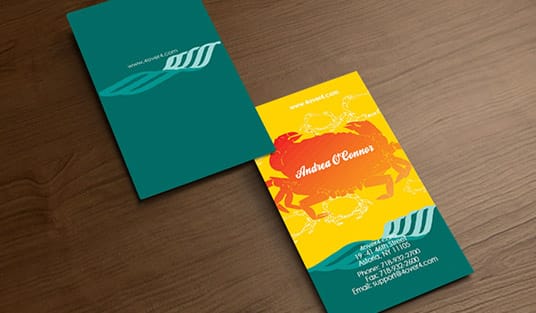
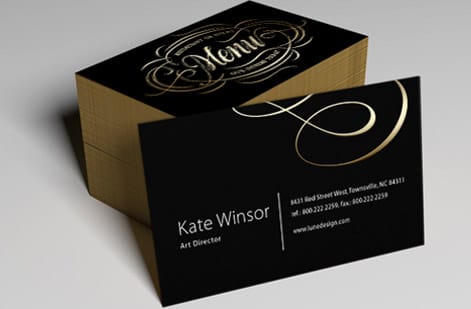
Cards swapped at real introductions
Explore more
Where to go next
By the numbers
What a follow-up can be printed on
Common Questions
Common questions about printing for follow ups
Which two of the six should I print first?
Business cards at $17.57 and notepads at $93.37. Those two carry the meeting and the capture, and capture is the stage that quietly ruins everything after it. Print a card with an uncoated back you can write on, print a pad with five prompt fields, and run both for a month before you spend anything else. If your follow ups still read generic after that, the problem is what you are writing, not what you are printing.
Why does the back of a business card need to be uncoated?
Because ballpoint and gel ink sit on top of a gloss or UV coating instead of soaking in. It beads, it smears when the card goes back in a pocket, and the note is unreadable by the time it matters. Coating the front only gives you the sharp printed side and a writable reverse. It is a free choice in the configurator that most people discover after they have ordered a thousand cards.
Do printed envelopes really change whether a card gets opened?
The envelope decides which pile the piece lands in, and that is most of the battle. A printed return corner says a real business sent it, and a hand written address says a person did. Reverse either one and the card joins the bulk pile. If the volume does not justify $142.99 of printed envelopes yet, plain envelopes with both sides hand written work just as well. What does not work is a fully printed address block on a personal note.
How is this different from just keeping notes on my phone?
The phone is fine for storage and poor for capture. Typing during or straight after a conversation reads as distraction to whoever is standing there, so most people wait, and waiting is where the detail dies. A printed pad with prompts takes fifteen seconds while the memory is intact, and the pad does not offer you a notification while you are writing. Transfer it to the phone later if you want the search.
What quantity of thank you cards makes sense to start with?
Order for a quarter, not for a year. Most people who send written notes send between five and fifteen a month, so a small run covers the season and lets you change the design once you see which ones you actually reach for. Buying a huge run to lower the unit price is how a drawer ends up with nine hundred cards printed with an old phone number.
Can I lay these out myself or do I need a designer?
You can build all six in the free online designer or start from a ready made design template and drop in your logo, your fields and your details. Cards and notepads matter most here, and both are mainly a legibility job rather than a design job: readable type, real contrast, and space left blank on purpose. Order the same stock family across the set so the card, the note and the envelope feel like they came from one business.
How long does printing this kit take?
The flat pieces move fastest through production, so cards, pads, brochures and postcards are the ones to order when a date is tight. Folded cards add a folding pass and envelopes add converting, which puts them a step further out on the schedule. If an event is close, print the cards and the pad now and let the mail pieces follow, since you cannot follow up on a conversation you have not had yet.
Does any of this work if I only have a short list of contacts?
It works better on a short list. The sequence is limited by attention, not by print budget, and nobody keeps forty relationships warm at once. Twelve names a quarter, each getting a written detail, a real follow up and one useful contact after that, will beat five hundred names getting a quarterly card that says hello. Print the smallest run of everything and spend the difference on doing the follow up properly.
Get Started
Print the first two picks this week
A card with a writable back and a pad with five prompts cost less than one lost client and they fix the stage almost everybody fails. Build the order at 4OVER4.COM and watch the price update as you set size, stock and quantity.
Legal Disclaimer
Gold Standard guarantees apply to all standard orders placed through 4over4.com. Price match requires verifiable proof of a competitor's published price for an equivalent product with matching specifications and turnaround time. Satisfaction guarantee covers manufacturing defects and print quality issues. Contact support with order number and documentation. On-time delivery rate based on tracked orders 1999 to 2026. Individual results may vary based on shipping carrier performance.
