
Money Psychology in Business and the 6 Printed Pieces That Set the Price
Money psychology is not a mood. It is the set of small decisions about what a buyer sees, in what order, and in what form. Six printed pieces carry those decisions, and here they are in the order to buy them, each with its live starting price and the point where it stops working.
Money psychology in business has two sides: yours, carrying whatever you learned about money before you ever quoted a job, and the buyer’s, judging your number against whatever figure they saw first. You cannot argue a buyer out of that comparison, but you can change what they compare against, and most of those moves need something printed. Six pieces cover the set, from a dated postcard at $16.48 to a bound book at $375.05.

The picks
The 6 picks, in the order to buy them
Every price below is the lowest catalog rung for that product, and it moves as you change size, stock, and quantity in the configurator. The order is deliberate. The first two cost less than a single billable hour and reach every prospect you already have, while the last two are worth ordering once the first four are earning. Each piece can be laid out in the free online designer or started from a design template.
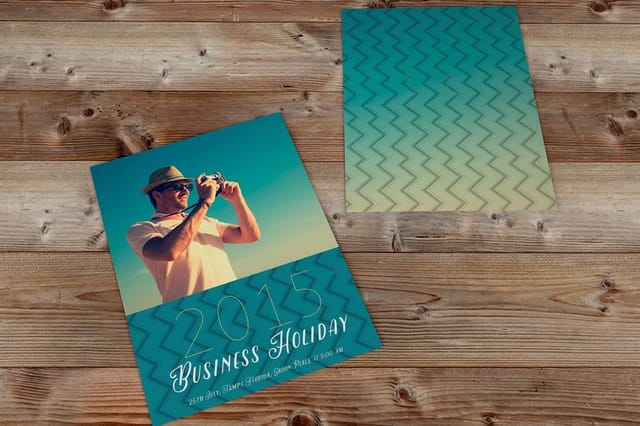
- 1. Standard Postcards from $16.48 A printed date is harder to move than an emailed one. This is the cheapest way to put a real closing window in front of a list.
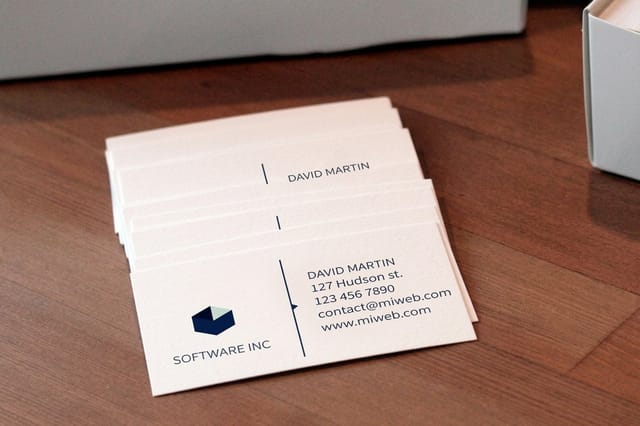
- 2. Standard Business Cards from $17.57 The only spec on this list a buyer judges with their fingers. Thickness costs pennies and gets read before you say a number.
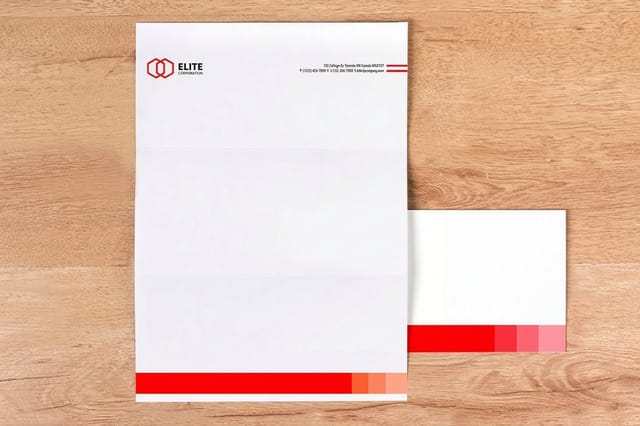
- 3. Standard Letterheads from $99.95 A price increase on letterhead reads as a decision. The same words in an email read as an opening offer.
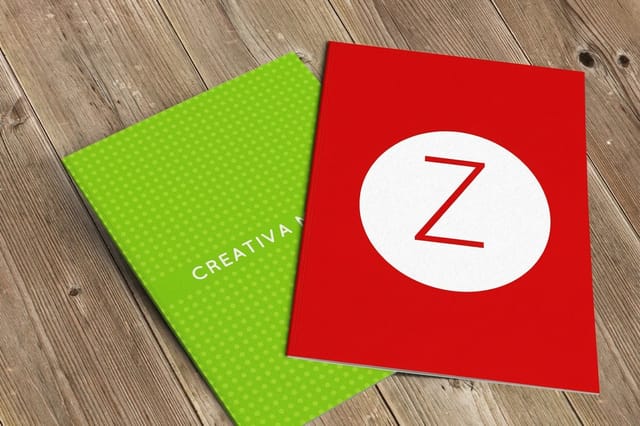
- 4. Short Run Presentation Folders from $108.75 Hands the proposal over as an object, so your number is the first one in the room. The short run version exists because a full folder run starts at $844.54.
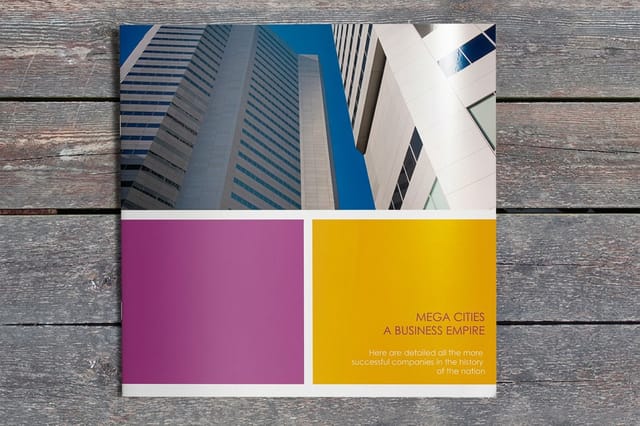
- 5. Standard Booklets from $240.55 Three scopes on facing pages. The top tier is not there to sell, it is there to make the middle one look sensible.
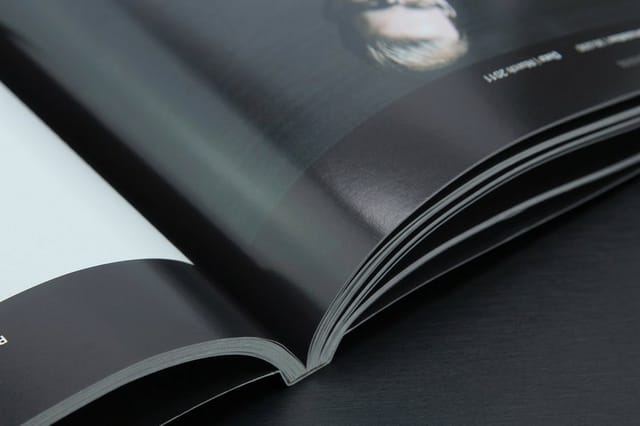
- 6. Perfect Bound Book from $375.05 A spine a client can price in their head. That estimate quietly sets a floor under what they think your work is worth.
What each piece does
Six money moves, and where each one breaks
Every piece here changes the transaction in one specific way, and every one has a failure mode that shows up a few months later. Read the row, tap the piece to jump to its section, then start with the move that matches the problem you actually have.
| Piece | The money move it carries | Where it breaks |
|---|---|---|
| 1. Postcards | Puts a closing date in the hand, so waiting costs the buyer something | Extend a printed deadline once and the list learns to ignore every one after it |
| 2. Business cards | Sets the perceived price band before the conversation opens | A heavy card with a weak offer on it reads as overspending, not as quality |
| 3. Letterheads | Announces a new rate as settled rather than negotiable | Send the letter and then discount anyway and you have taught the client it was a bluff |
| 4. Presentation folders | Makes your figure the first number in the room instead of the answer to a budget question | A folder around a thin proposal makes the thinness more obvious, not less |
| 5. Booklets | Splits one service into three scopes so the middle one gets chosen | Saddle stitch runs in fours, so one extra price page costs four pages |
| 6. Perfect bound book | Carries an obvious production cost, which raises the floor of what the work seems worth | Needs enough pages to hold a spine, and it will not lie flat on a desk |
The thinking behind each row, without the print specs, is in our guide to money psychology in business. What happens in the last ten minutes of a deal is covered in the psychology of closing, and the same moves applied to a store that ships parcels are in pricing strategies for online businesses.
1. Postcards: give the buyer something to lose
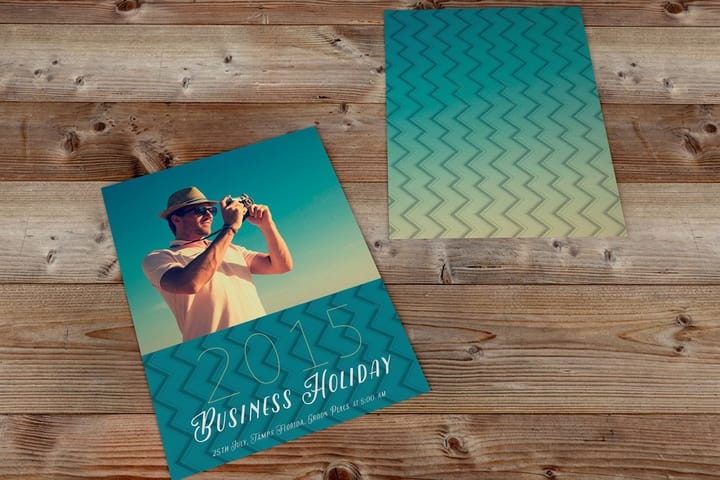
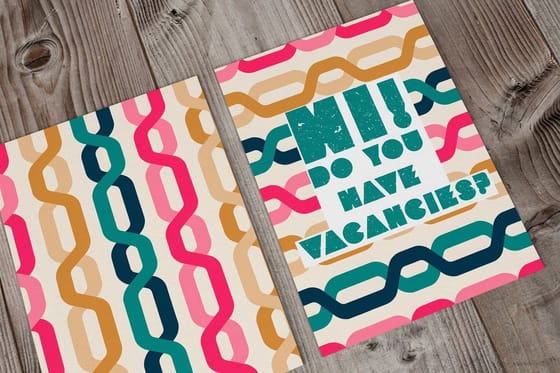
People work harder to avoid losing something than to gain the same thing, which is why "the rate holds until the 30th" outsells "save 10 percent" written on the same card. Standard postcards start at $16.48 at 4OVER4.COM, so a dated offer to your existing list costs less than one hour of the work you are selling.
Print the date, not the discount. A card that says the current rate ends on a named day gives the reader a decision with an edge on it, while a card that says ten percent off gives them a number to compare against every other ten percent in their mail. Put one offer on the front, the date in a size you can read at arm’s length, and nothing else competing with it.
Size decides postage. Keep the piece at 6 in x 4.25 in or smaller and it mails at the postcard rate; go bigger and the post office prices it as a letter, which is fine when the extra room earns it but changes the cost of a few hundred pieces. 4 in x 6 in on 14pt or 16pt stock is the format most small firms end up reordering. The full price ladder by size and quantity sits in our postcard printing pricing guide.
Here is the limit nobody mentions. A deadline you extend once is a deadline you never have again. If you print the 30th and then quietly honor the old rate on the 5th, every future card from you reads as a suggestion. Print a date you are willing to hold, even when the phone is quiet on the 29th.
2. Business cards: the price band gets set before you speak
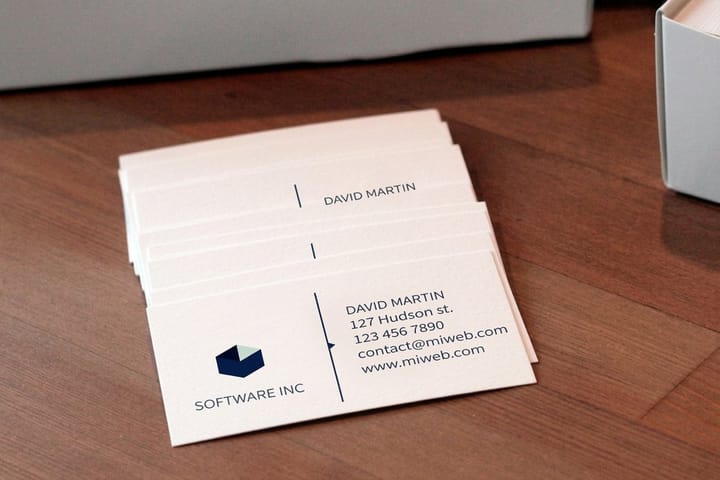
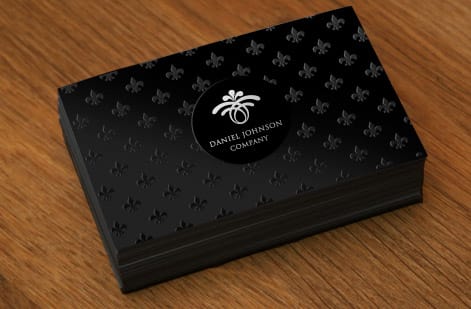
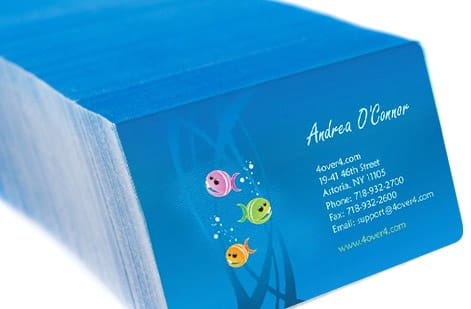
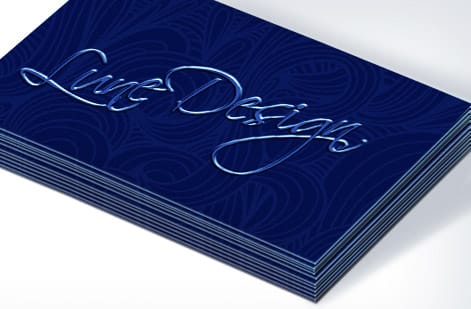
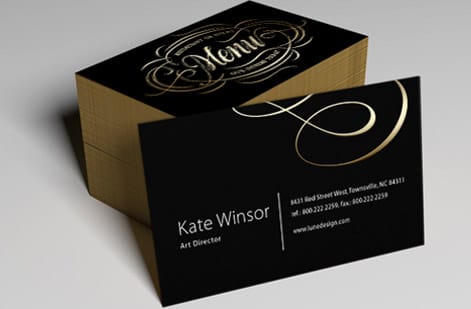
A card is judged by hand before it is read by eye, and the judgment lands in about a second. Standard business cards start at $17.57, which makes this the cheapest place in your whole business to change what a stranger assumes about your rates.
The spec that does the work is thickness. 14pt is the everyday standard and 16pt is noticeably more rigid in the hand, and the step between them costs a few dollars across a full box rather than a meaningful line on an invoice. If you quote premium work, the card should not be the flimsiest thing in the transaction. Our business card thickness chart lays out what each weight actually feels like, and business card stock explained covers the coatings that go with them.
Now the honest part. A thick card with a vague job title and a stock photo logo reads worse than a plain card with a clear one, because the money is visibly in the wrong place. Fix the offer on the card first: what you do, for whom, and one way to start. The stock choice only amplifies whatever is already there. There is a longer look at that effect in the psychology of business cards.
One rule saves reprints: never print a price on the card. A card run outlives most of your rates, and the day you raise them you are either crossing out your own number or throwing the box away.
3. Letterheads: announce the new rate instead of proposing it
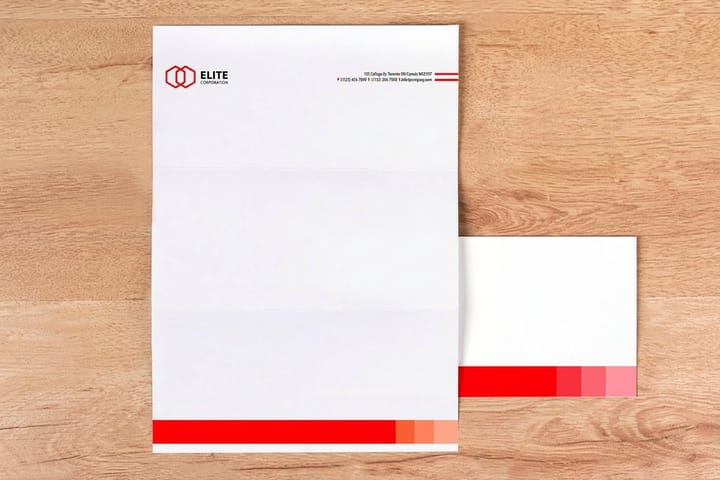
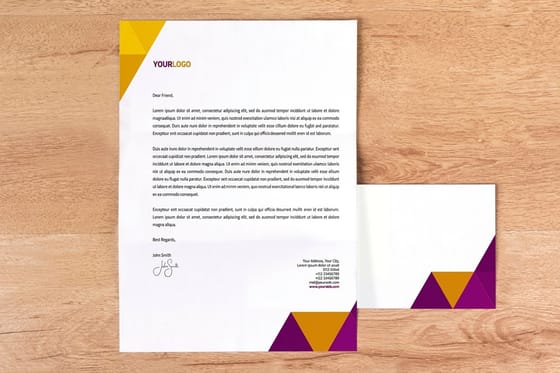
Most owners raise prices badly because they raise them in an email, and an email invites a reply. A price change on letterhead reads as a decision that has already been made. Letterheads start at $99.95, which covers a run big enough to carry a year of client letters, not just the awkward one.
Write it in four lines. The new rate, the date it starts, one sentence of reason that is about your costs and not about their budget, and a window at the old rate for work booked before that date. The window is the part that keeps good clients, because it turns a rise into a choice with a deadline instead of an ultimatum. The layout conventions are in business letter format with letterhead.
Stock matters more than it sounds. Letterhead should be uncoated text weight, in the 70 lb text range, so a pen writes on it and a signature does not sit on top of the paper and smear. Gloss looks expensive on a brochure and behaves badly here, because ink beads on the surface and never fully dries. Leave the top inch and the bottom half inch clear for whatever printer the letter passes through on its way out.
The catch is nerve, not printing. If you post the letter and then discount for the first client who pushes back, you have taught your whole list that the letterhead is theater. Decide the number you will hold before the run leaves the press.
4. Presentation folders: put your number in the room first
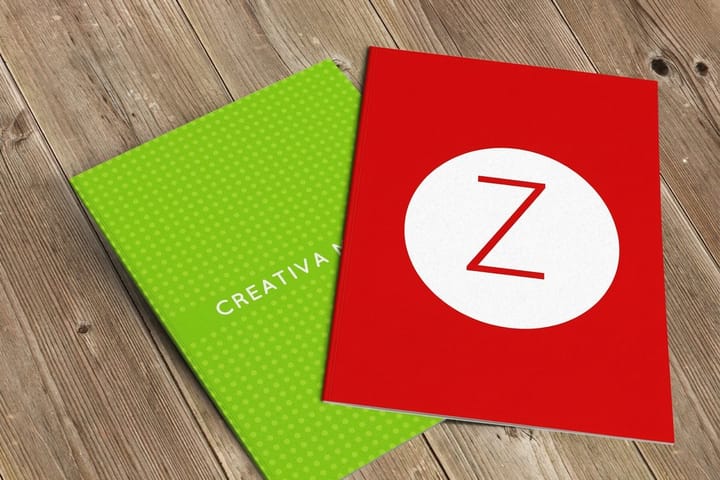
Anchoring is simply this: the first figure mentioned becomes the yardstick for every figure after it. So do not wait to be asked what the budget is. Walk in with the proposal already printed and already inside a short run presentation folder, from $108.75, and your number is the one the meeting starts from.
The reason this particular product exists is worth knowing. Standard pocket folders are die cut and glued, which is a setup cost, so a full run starts at $844.54 and only makes sense at volume. Short run folders are built for the firm that sends twenty five proposals a year, not five thousand, and that is the difference between a folder on every proposal and a folder on none.
Standard size is 9 in x 12 in with pockets that take 8.5 in x 11 in sheets, and the useful trick is to leave the folder itself undated and unpriced. Print the identity on the outside, keep every number on the loose sheets inside, and one folder run covers years of changing rates. Sizes and pocket options are in our presentation folder sizes guide, and designing a customized folder covers what belongs on each panel.
Where it fails: a folder around three thin pages makes the thinness louder. If the proposal is one page of scope and one page of price, hand over the two pages. Buy folders when there is genuinely a set of documents to hold together.
5. Booklets: three scopes, and the middle one is the plan
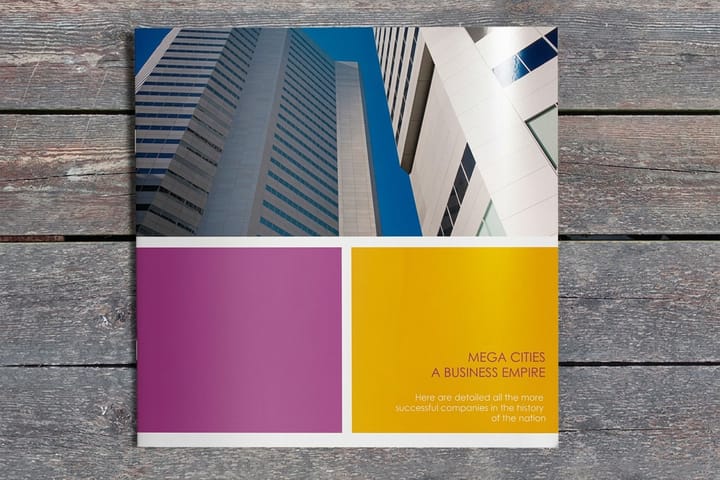
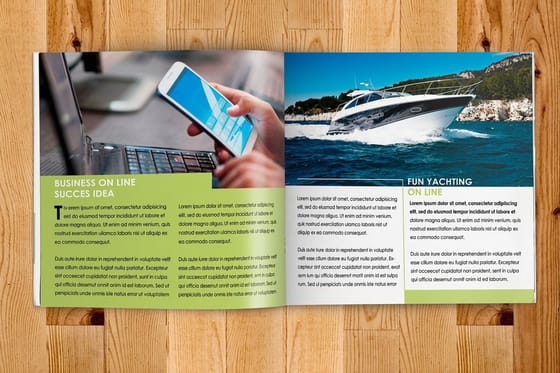
Good, better, best works because a lone price has nothing to be judged against, while three prices judge each other. A standard booklet, from $240.55, gives you the room to lay all three scopes out on facing pages where a client reads them in one pass instead of scrolling through three separate quotes.
Design the top tier honestly and expect most people to skip it. Its job is to make the middle scope look measured rather than expensive, and it only does that job if it is a real thing you would deliver at that price. A joke tier gets spotted, and once it is spotted the middle number loses its reference point too.
Two production facts shape the book. Saddle stitched booklets run in multiples of four pages, so adding one page of pricing actually costs four, which is explained in page counts and creep. And printed prices go stale, so the trade solution is to print the scopes in the book and keep the figures on a loose inserted sheet. Change a rate and you reprint one sheet instead of the whole run.
Binding choice follows page count more than taste, and booklet binding methods explained walks the options. If you are weighing a booklet against a heavier bound version, catalogs against booklets against perfect bound books compares the three side by side.
6. Perfect bound book: a cost the client can guess
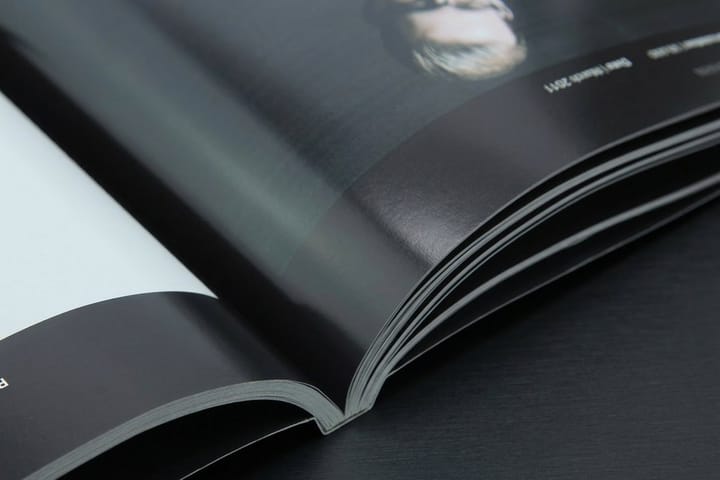
This is the piece that changes what your knowledge appears to be worth. A buyer cannot estimate what a PDF cost to produce, so they value it at roughly nothing. They can estimate what a perfect bound book cost, from $375.05, and that estimate sets a floor under the price of everything else you sell alongside it.
It is also the only piece in the kit with a spine, which means it survives on a shelf instead of in a drawer. A book with your name on the spine stays in a client’s eyeline for years, and it is the natural object to hand over at a talk, a trade table, or the end of a first meeting where you were the one with the fewest credentials in the room.
Perfect binding has a floor of its own. The glue needs a spine thick enough to hold, so a thin document in the low double digits of pages will not bind and belongs in saddle stitch instead. The book also does not lie flat, so anything meant to be worked in, filled out, or propped open beside a keyboard is the wrong candidate for this format.
Order it last. It carries the highest starting price here and the longest artwork job, and it works best once the postcards, cards, and folders are already earning. The reason a bigger run costs so much less per copy is worked through in how print price breaks work, and the thinking behind the whole kit is in our guide to money psychology in business.
Specs and pricing
The two pieces you will reorder most
Cards run out because you hand them away, and booklets get reprinted because scopes change. Those are the two lines that come back every year once the rest of the kit is in place. Here are the live specs and price ladders for both, straight from the configurator.

| Quantity | Price Per Unit | Total |
|---|---|---|
| 100 | 17.6¢ | $17.57 |
| 200 | 11.5¢ | $23.07 |
| 300 | 9.15¢ | $27.46 |
| 400 | 7.96¢ | $31.86 |
| 500 | 7.25¢ | $36.26 |
| 600 | 6.77¢ | $40.64 |
| 700 | 6.43¢ | $45.04 |
| 800 | 6.18¢ | $49.43 |
| Quantity | Price Per Unit | Total |
|---|---|---|
| 25 | $9.62 | $240.55 |
| 50 | $6.04 | $302.06 |
| 100 | $3.61 | $361.37 |
| 200 | $2.22 | $444.85 |
| 300 | $1.65 | $495.38 |
| 400 | $1.29 | $515.14 |
| 500 | $1.06 | $531.61 |
| 600 | 91.5¢ | $549.19 |
Wally never argues about the price
He changes what the price sits beside
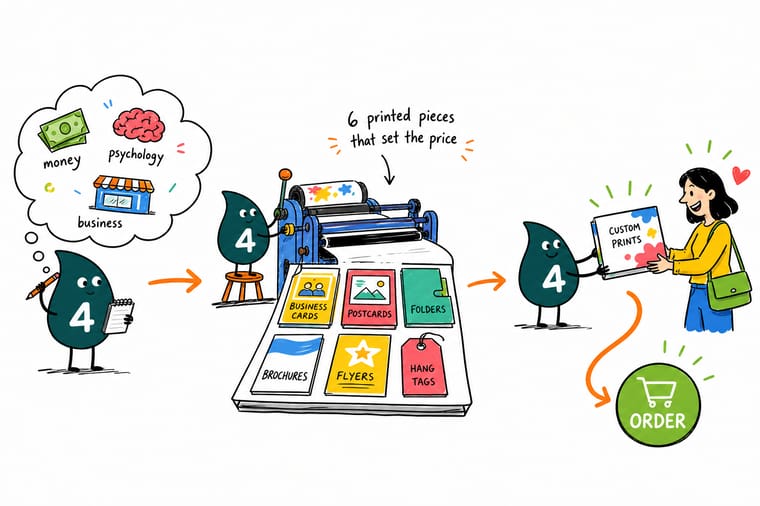
Wally does not talk the client down and he does not talk himself down either. He hands over the proposal in a folder so his number lands first, shows three scopes in a booklet so the middle one looks measured, posts the new rate on letterhead so it reads as settled, and leaves a bound book behind so the work has a cost a client can guess. Six printed pieces, six money moves, and every one of them printed at 4OVER4.COM.
Shop the bookbinding collection →See it in use
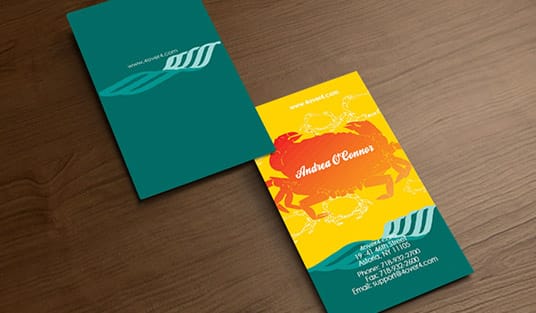
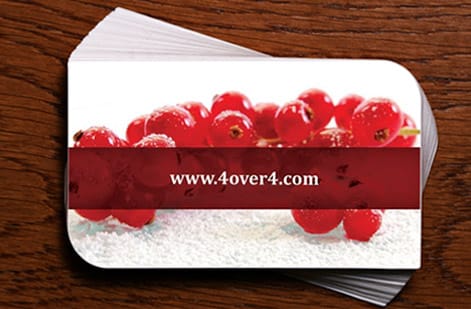
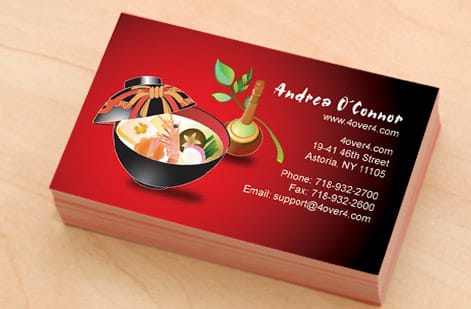
Business cards that carry a price with them
Explore more
Where to go next

By the numbers
What a price can be printed on
Common Questions
Common questions about pricing and money psychology
What does money psychology in business actually mean?
It covers two things at once. The first is your own relationship with money, which decides whether you quote confidently, discount at the first sign of hesitation, or avoid raising a rate you set three years ago. The second is how a buyer judges a number, which is almost never in isolation and almost always against whatever figure they saw first. Both sides of that get shaped by what you put in front of the buyer, which is why the practical part of the subject ends up being physical.
Why would printed material change what someone pays?
Because a printed object has a production cost a buyer can estimate, and a file does not. Anyone can guess roughly what a bound book or a die cut folder cost to make. Nobody can guess what a PDF cost. That estimate becomes a quiet floor under the perceived value of the work sitting next to it, which is the whole reason a printed proposal reads differently from the same words emailed as an attachment.
How much does the six-piece money psychology kit cost?
Starting prices at 4OVER4.COM are standard postcards from $16.48, standard business cards from $17.57, letterheads from $99.95, short run presentation folders from $108.75, standard booklets from $240.55, and a perfect bound book from $375.05, which is $858.35 for all six at their lowest rung. Every one of those moves with size, stock, finish, and quantity, and the per-unit price falls as the run climbs, so the configurator is the number that counts.
Should I raise my prices by letter or by email?
By letter, if the client relationship is worth keeping. An email arrives in a thread and invites a reply, so it reads as an opening position. A letter on letterhead arrives on its own and reads as a decision already taken. Give the new rate, the date it starts, one sentence about your costs, and a window to book work at the old rate. The window is what keeps the good clients, because it turns the rise into a choice rather than an ultimatum.
Is a deadline on a postcard better than a discount?
Usually, yes. A discount gives the reader a number to compare against every other discount in their mail, while a dated offer gives them something to lose by waiting. The catch is that a deadline only works if you hold it. Extend it once and every future card from you reads as a suggestion, so print a date you are prepared to enforce on a quiet afternoon.
How many tiers should a printed proposal show?
Three. One is a number with nothing to be judged against, two reads as cheap or expensive, and four or more turns a decision into research. Make the top tier something you would genuinely deliver at that price, because a tier that is obviously theater takes the credibility of the middle option down with it. On a saddle stitched booklet, remember that page counts run in multiples of four, so plan the layout before you plan the copy.
When is a perfect bound book the wrong choice?
When the page count is too low to hold a spine, or when the document is meant to be used rather than read. Perfect binding needs enough pages for the glue to grip, so a thin piece belongs in saddle stitch, and a bound book will not lie flat, which rules it out for anything a reader fills in or props open beside a keyboard. It is the right format for the authority piece and the wrong one for the workbook.
Why not just cut my prices instead?
Because the arithmetic is worse than it feels. On a 30 percent gross margin, a 10 percent price cut needs 50 percent more units to hold the same gross profit, and a 20 percent cut needs three times the volume. Very few offers move that much. Changing what the price sits beside costs a print run once, while a discount costs margin on every order for as long as the customer remembers it.
Get Started
Print the pieces your pricing needs
Order the six picks at 4OVER4.COM and the postcard, the card, the letterhead, the folder, the booklet, and the bound book all leave the press matching. Pick your sizes, stocks, and finishes, and watch each price update live as you build the order.
Legal Disclaimer
Gold Standard guarantees apply to all standard orders placed through 4over4.com. Price match requires verifiable proof of a competitor's published price for an equivalent product with matching specifications and turnaround time. Satisfaction guarantee covers manufacturing defects and print quality issues. Contact support with order number and documentation. On-time delivery rate based on tracked orders 1999 to 2026. Individual results may vary based on shipping carrier performance.
