
The Psychology of Closing and How Buyers Really Decide to Say Yes


Why buyers who agree with everything still stall, what each kind of stall is really saying, and how to ask for the decision without spending trust you need later.
At the close the buyer stops comparing you with competitors and starts comparing acting with not acting, and not acting always looks cheaper. So the work is not more enthusiasm, it is less risk: find which gate the stall belongs to, make the first step small and dated, ask one clear question, and then be quiet. What the buyer keeps afterwards carries the argument into the room where the decision is actually made.
Quick answer
The buyer is choosing between acting and not acting
Closing is the moment doing nothing stops being free. Until then the buyer weighs you against other options. At the decision they weigh moving against staying put, and staying put needs no signature, no budget and no internal argument. Enthusiasm does not answer that. Smaller first steps, real dates, one clear question and a leave-behind that speaks for you when you are gone all do.
What the Buyer Is Weighing When You Ask
Up to the close, the buyer compares you against alternatives. At the close, the comparison quietly changes: it becomes acting against not acting. That switch is the whole psychology of the moment, and almost every stall you have ever hit comes out of it.
Not acting is the cheapest option on the table. It needs no signature, no budget line, no internal argument, and nobody gets blamed for it if the year goes badly. Acting needs all four. So a buyer can agree with every point you made, like you, believe the numbers, and still not move, because agreeing costs nothing and committing costs something. When you feel a deal go soft at the end without a single objection, this is usually what happened.
Two other things are working against you at the same moment. Losses land harder than equivalent gains, so the money leaving the budget feels larger than the return arriving later. And a buyer who has been in decisions all day has less appetite left for one more, which is why the same proposal gets a decision on Tuesday morning and a delay on Thursday afternoon. You cannot argue either of those away. You can make the first step smaller, put a date on it, and take the ambiguity out of what happens next.
That is why the close is mostly built earlier. A meeting that surfaced the real cost of the current situation gives the buyer something to weigh against the risk of moving. A meeting that only described your product leaves them nothing on that side of the scale. The psychology of selling guide covers that earlier stretch of the deal in detail, and how to make a business pitch that wins clients covers the meeting itself.
The Four Stalls and What Each One Actually Means
Buyers rarely refuse. They postpone, and the shape of the postponement tells you which gate you are parked at. Read the sentence for the gate, not for the words.
| What you hear | The gate | What it means | The move |
|---|---|---|---|
| Send me something in writing | Priority | Real interest, no urgency. It is on a list, near the bottom. | Put the cost of waiting into a number and a date, then agree a next step with both. |
| I need to think about it | Risk | An unspoken worry about what happens if it goes wrong. | Ask what they want to think through. Make the first commitment small and reversible. |
| I have to run it past the team | Authority | The decision happens in a room you are not in. | Give them something that argues on your behalf without you there. |
| Call me next quarter | Timing | Often true. Budget cycles are real and they do not care about your pipeline. | Book the date now, then stay visible in a way that is worth opening. |
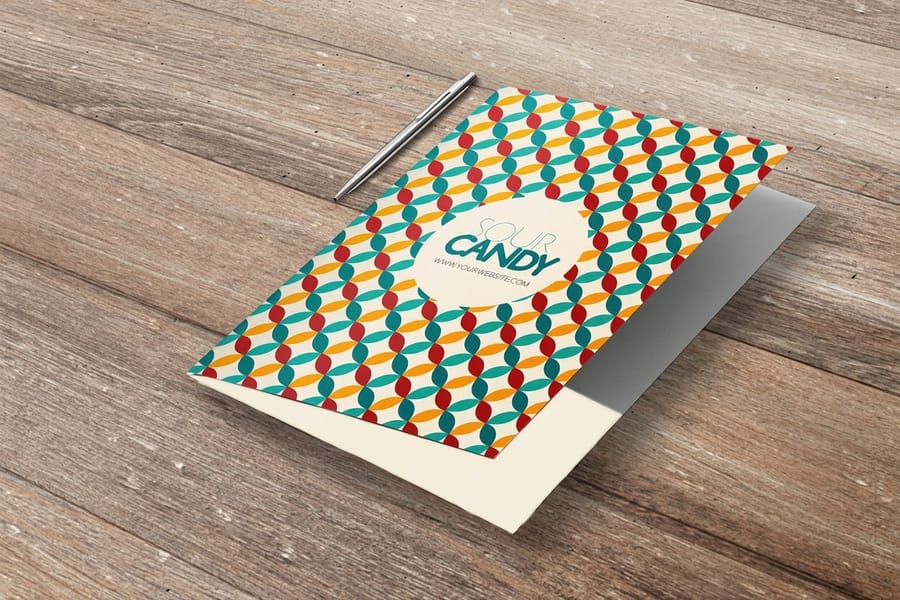
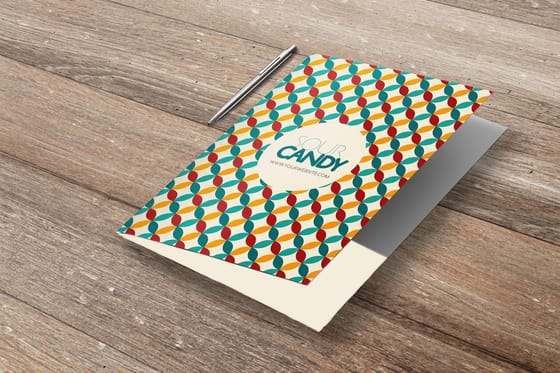
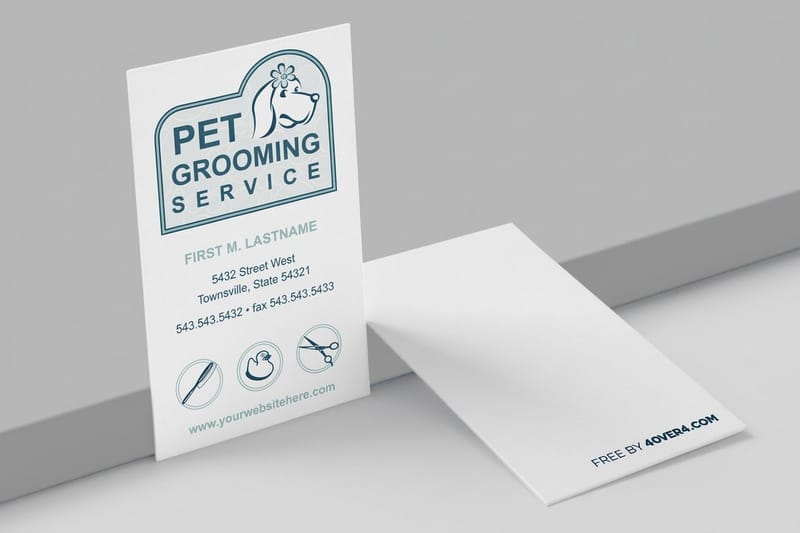
The third row is the one most sellers handle worst. When a buyer goes back to their team, your argument is repeated second hand by someone with less practice at making it, to people who never heard your answers. Whatever you leave with them does the arguing instead. That is a practical reason to hand over something better than a link: a printed proposal in a short run presentation folder from $108.75 survives the walk to the next meeting, and it sits on a desk instead of sinking down an inbox. If your business is smaller, a standard business card from $17.57 does the same job at the smallest possible scale, which is why the card matters far more than its price suggests.
Only the risk row responds to a discount. Cut the price against priority, authority or timing and nothing moves except the buyer's expectations. You have just shown them that waiting is rewarded, so the next stall will be longer.
Asking for the Decision Without Pushing
Most sellers who dislike closing are avoiding pressure, not the question. The question itself is small. Say what you propose happens next, put a date on it, and stop.
Three things make the ask land. Keep it single, so there is one thing to answer rather than three. Keep it concrete, because "does that work for you" invites a shrug while "shall we book the press slot for the fourteenth" invites a decision. And keep it in the buyer's language, using the words they used for the problem, not the words your marketing uses for the solution.
Then the silence. It runs a few seconds and it feels much longer to whoever asked. Sellers break it with one more benefit, and that benefit is a gift to the buyer, because now they can respond to the new information instead of the question. Look down at your notes. Let them answer.
A few habits worth having, and one worth losing:
- Offer a choice between two yeses when both are real. Fourteenth or the twenty-first is a fair question when both dates exist. It is a trick when only one does, and buyers can tell.
- Confirm the summary before you ask. Repeating their problem in their words, and hearing them agree, is a small commitment that makes the larger one easier.
- Name the obstacle yourself. Saying that the setup week is the awkward part, before they raise it, buys more credibility than any list of benefits.
- Drop the manufactured deadline. Invented urgency wins the meeting and loses the account. Real deadlines exist in every business. Use those.
Where the ask gets genuinely harder is a committee, where nobody in the room has the authority to say yes and everyone has the authority to say wait. Assume the decision happens after you leave and equip the person who has to make it there. The art of negotiation guide picks up from the point where the yes exists and only the terms are open.
The Close Is Not Over When They Say Yes
The doubt arrives after the decision, not before it. Once a buyer commits, the options they rejected stop looking as bad as they did an hour earlier, and the money now feels concrete while the benefit is still a promise. This is where deals unravel: the quiet cancellation a week later, the project that never starts, the invoice that gets queried.
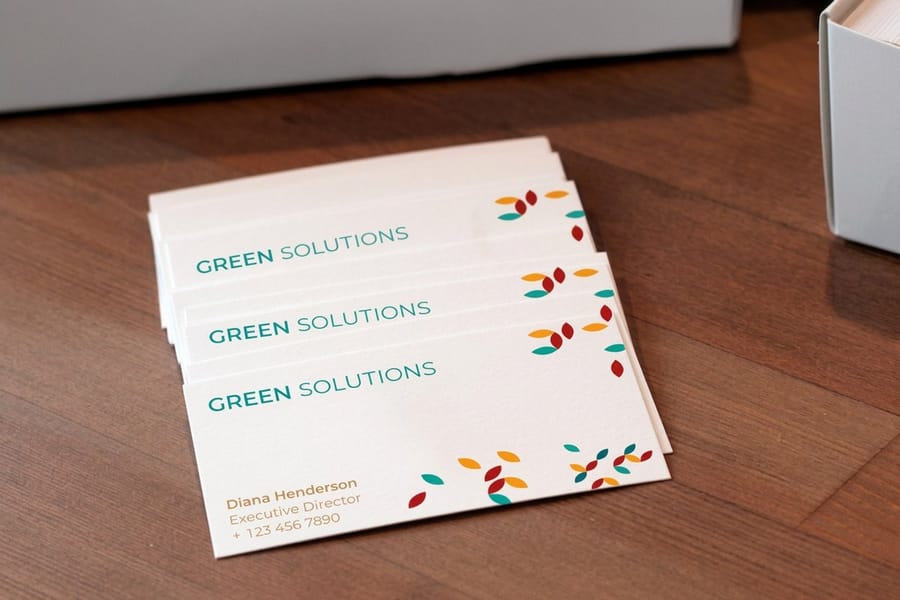
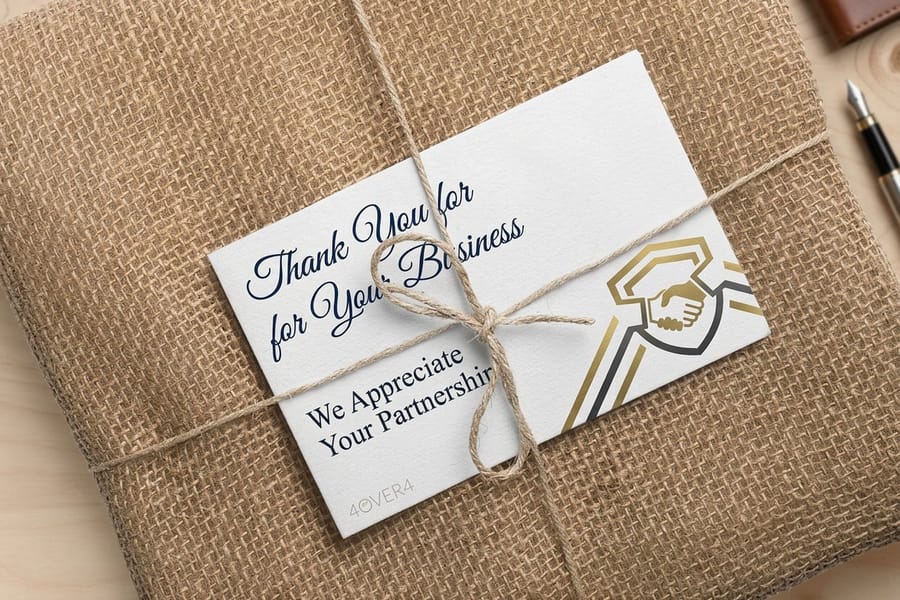
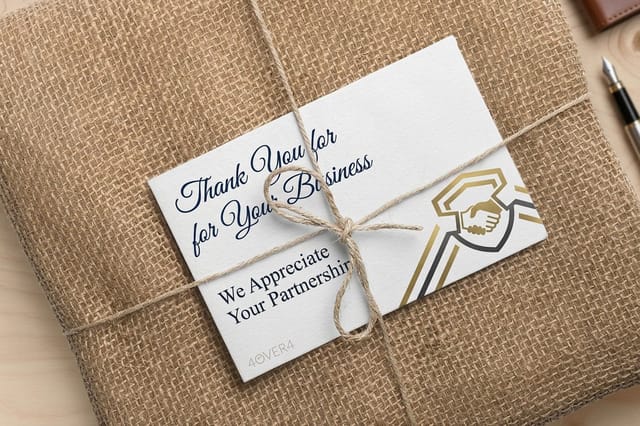
The fix is unglamorous. Reassure quickly, in a form the buyer keeps. A short note that names what they bought and what happens next, sent within a day or two, does more than a discount ever will. Business thank you cards from $19.77 work because a card is a physical object that arrives from a person, and almost nobody sends one, which is exactly why it registers. Handwrite the line about their situation. A printed signature undoes the whole effect.
Then keep the relationship in the room. The buyer who chose you has to defend that choice internally for months, sometimes to the person who preferred the other quote. Anything that helps them look right is worth sending. A mailed piece on a schedule keeps you present without demanding a reply, and standard postcards from $16.48 are the cheapest honest way to do it, provided each one carries something a customer would want to read. If the follow-up only says that you are following up, it teaches people to ignore your envelopes.
Stalled deals deserve the same treatment. A buyer who said next quarter and then heard nothing has effectively been dropped, and the next seller who shows up in March gets the deal you built. For turning that into a system rather than a memory, see turning sales into predictable growth, and for the front-of-house version of the same psychology, eleven tactics for increasing retail sales. If your leave-behind still needs building, what a sell sheet is explains the one-page format that does the arguing.
Wally explains the close
Ask once, then let the quiet do the work
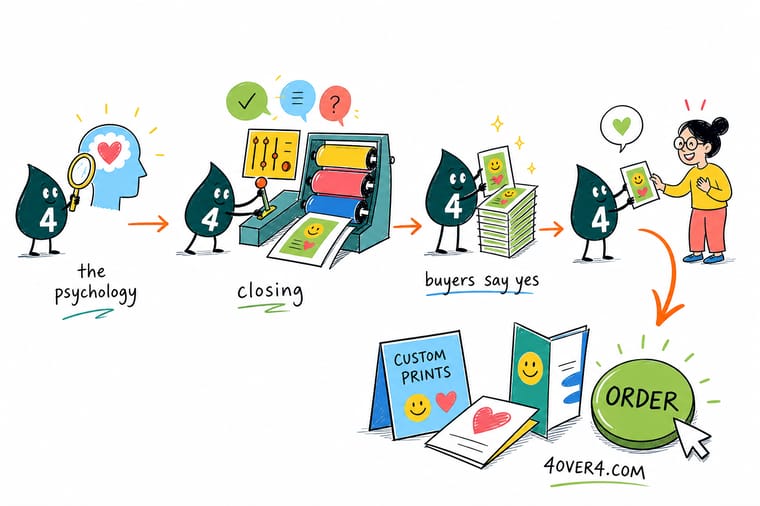
Wally has said his piece, named the date, and asked one question. Now he is counting to four in his head and saying nothing, because the next word belongs to the buyer. On the table sits the folder they will carry into the meeting he is not invited to, and in his pocket is the thank you card he will write the moment they say yes. That is the whole method: lower the risk, ask plainly, stay quiet, then keep showing up in a form people keep.
Print proposal folders →Specs and pricing
What to put in the buyer's hands, and what it costs
The three pieces that carry a deal past the meeting: the folder that holds the proposal, the card that follows the yes, and the card that starts the relationship. Live options and starting prices from the 4OVER4.COM configurator.



Print it
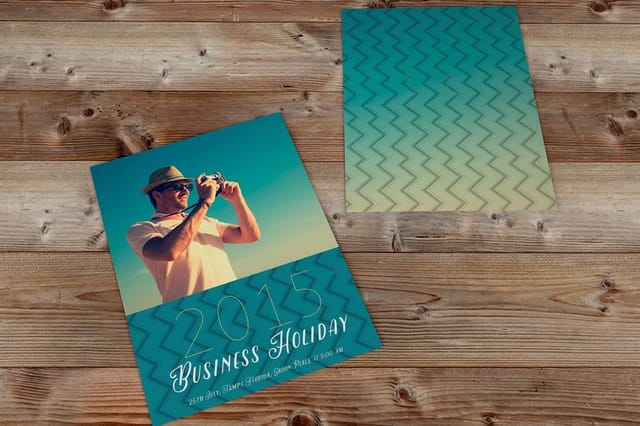
Give the decision something to hold on to
Explore more
Where to go next



By the numbers
The print behind the follow-up at 4OVER4
Common Questions
Your closing questions, answered
What is the psychology of closing a sale?
It is the study of what a buyer weighs in the moment they have to commit, which is rarely the thing they discussed with you. At the close the comparison stops being your offer against a competitor and becomes acting against not acting. Doing nothing has no signature attached, no budget to defend and nobody to blame if it goes wrong, so it always looks safer than it is. Closing well means shrinking the perceived downside of yes and making the very next step small, dated and specific, rather than pushing harder for a decision the buyer is not yet safe enough to make.
Why do closing techniques often backfire?
Because most of them create pressure without removing risk. A manufactured deadline, a takeaway close, an artificial last unit: each one raises compliance in the room and raises cancellation afterwards. People notice when the urgency belongs to the seller rather than to their own situation, and once they notice, they discount everything else you said, including the parts that were true. Real scarcity works. A press schedule that genuinely fills up, a rate that genuinely changes in January, a slot someone else genuinely booked. Invented scarcity spends trust you cannot buy back.
How long should I stay quiet after asking for the decision?
Until the buyer speaks, however long that takes. The pause after a direct question usually runs three to five seconds and feels far longer to the person who asked it. Sellers break it because the silence feels like rejection, and the moment they add one more benefit the buyer is released from answering and picks up the easier option of thinking it over. If you have asked a clear question, the next word is theirs. Look at your notes, not at their face, and let them get there.
What should I do when a buyer says they need to think about it?
Ask what specifically they want to think through, then stop. That sentence is a container, and until you know what is inside it you are guessing. Usually it holds one of three things: an unspoken worry about something going wrong, a person not in the room who has to agree, or a budget that does not free up until a date they have not told you. Each has a different answer. A worry needs the first step made smaller and reversible. A missing person needs something they can read without you. A date needs the date, and a reason to stay in touch until it arrives.
Does discounting ever help close a deal?
It helps when price is the actual obstacle, which is less often than the conversation suggests. Price objections are the easiest ones to say out loud, so they get used as cover for risk, for internal politics, and for a decision that has already gone the other way. Cutting the number when the real gate is authority or timing does two things: it fails to move the deal, and it teaches the buyer that patience is rewarded with a lower price. If you do move on price, take something out in exchange, even something small, so the new number stays connected to a new deal rather than to their waiting.
How many follow-ups are reasonable after a stalled close?
Keep going as long as each contact carries something the buyer would want even if they never buy from you. A rate change, a case that matches their situation, a piece of work you did for someone in their industry. That standard settles the question better than a number does, because it rules out the check-in that only serves you. Rotate the channel too. An email, then something in the mail a few weeks later, then a call, will reach a person who has stopped opening one of the three. The follow-up that fails is not the fifth one, it is the one that says only that you are following up.
Get Started
Thank you cards run 25 for $19.77, folders 10 for $108.75
Print the folder that carries your proposal into the meeting you miss, and the card that lands two days after the handshake.
Legal Disclaimer
Gold Standard guarantees apply to all standard orders placed through 4over4.com. Price match requires verifiable proof of a competitor's published price for an equivalent product with matching specifications and turnaround time. Satisfaction guarantee covers manufacturing defects and print quality issues. Contact support with order number and documentation. On-time delivery rate based on tracked orders 1999 to 2026. Individual results may vary based on shipping carrier performance.
