
6 Print Products That Expose AI Copy Before Your Customers Do
Paper is the cheapest editor you will ever hire. These six formats each catch a different fault in generated writing, from the opening paragraph that says nothing to the promise that needs forty words because it was never sharp to begin with.
Print the draft and the tells stop being invisible. Booklets expose repeated structure, postcards expose an empty opener, letterheads expose copy with no person in it, and a bookmark exposes a promise that was never one sentence. Flyers with a QR code go further and count the difference, so you find out which version people actually respond to.
The picks
Six formats, from $16.48 postcards to a $240.55 booklet run
Start with a bookmark or a postcard if the copy is still vague, and a booklet only once the line has survived both. Every price below comes from the configurator and drops as the quantity climbs. Lay any of them out in the free online designer, or begin from a ready-made design template and drop your edited copy in.
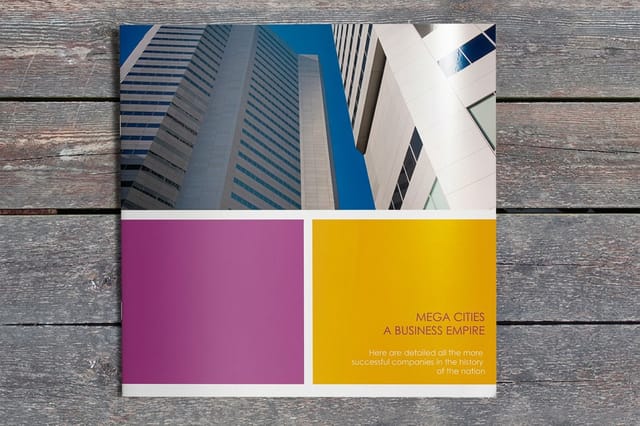
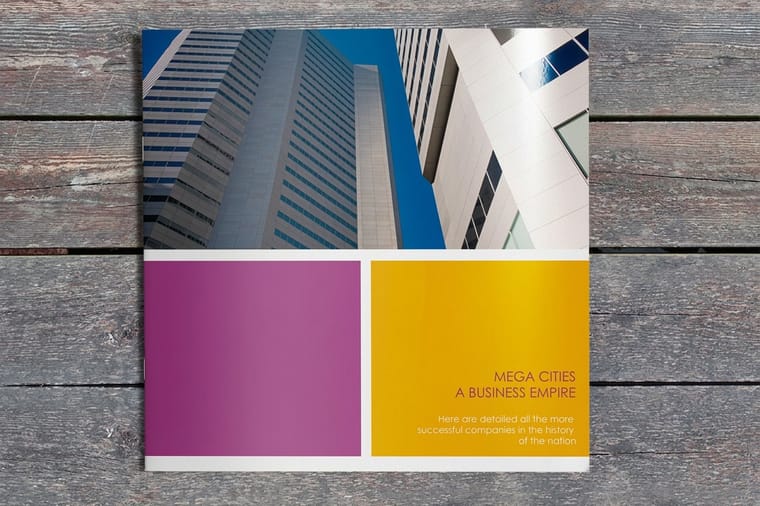
- Standard Booklets, from $240.55. The longest format here, and the one where repetition has nowhere to hide. Two pages face each other, so a reader sees section four and section five open with the same construction without having to remember anything.
- Standard Newsletters, from $75.80. A voice you have to hold across issues. A model can imitate a tone for 400 words; keeping the same jokes, the same shorthand and the same person behind it in March and in June is the part only you can do.
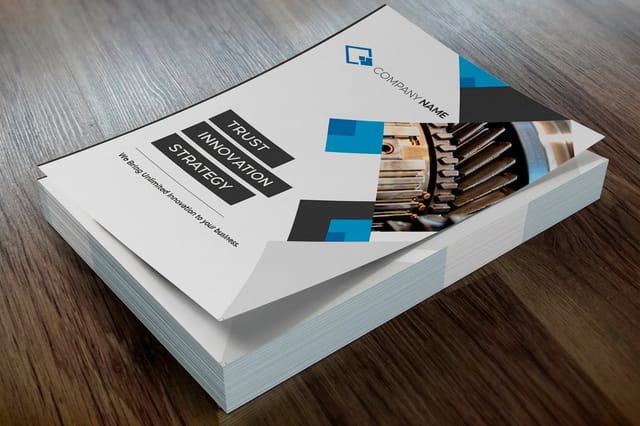
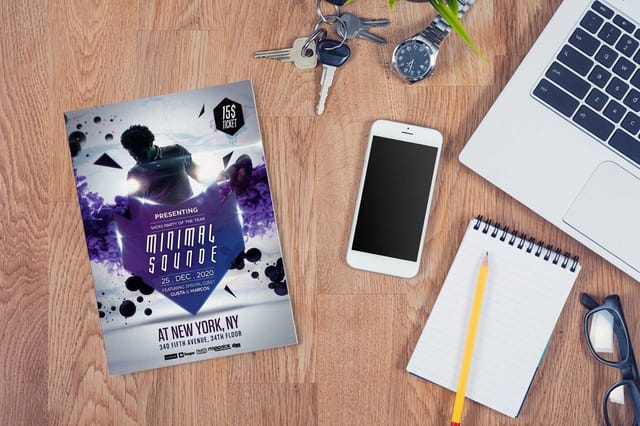
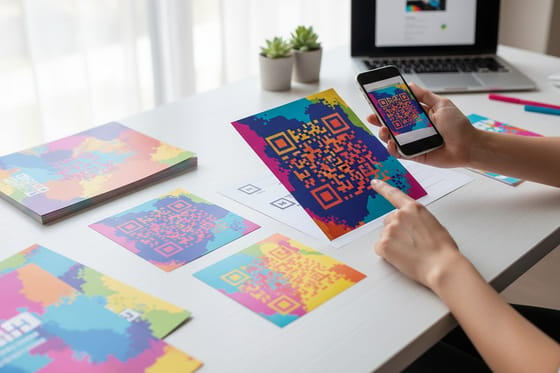
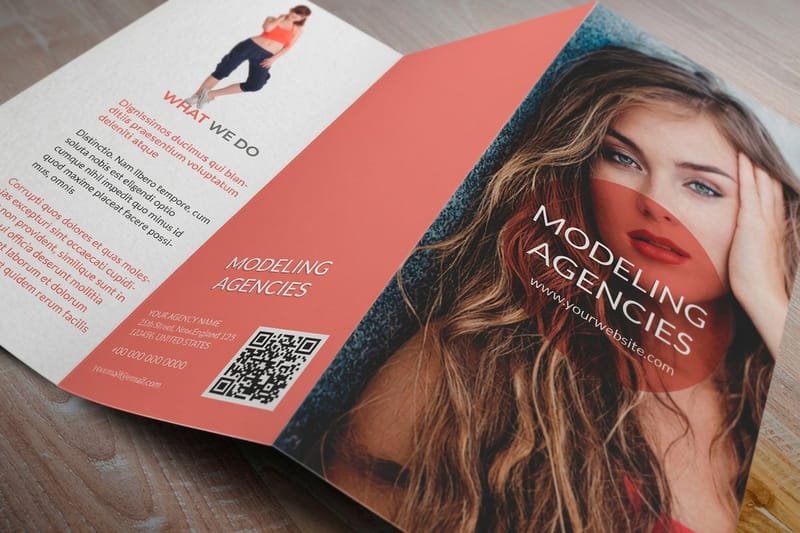
- Standard Flyers, from $39.54. The one-pager you can measure. Put a different QR destination on each version, hand out both, and the scan counts settle the argument about which wording actually works.
- Standard Postcards, from $16.48. The cheapest way to run the generated line against the edited line on real people. Same list, split in half, one variable changed, and you get an answer in a fortnight instead of an opinion.
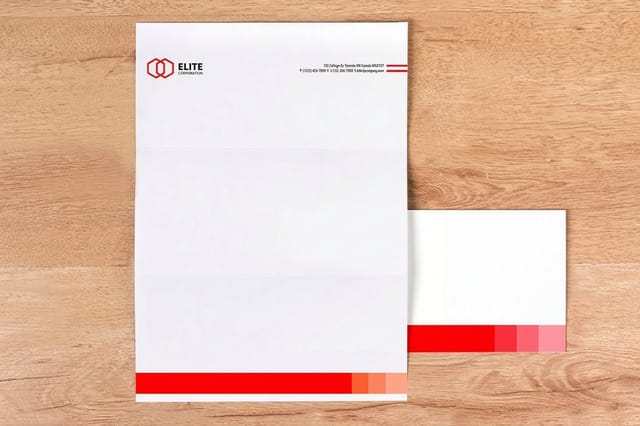
- Standard Letterheads, from $99.95. A letter is signed by a named person, which is exactly where generated copy falls apart. If the page could have been sent by anyone to anyone, the draft is not finished.
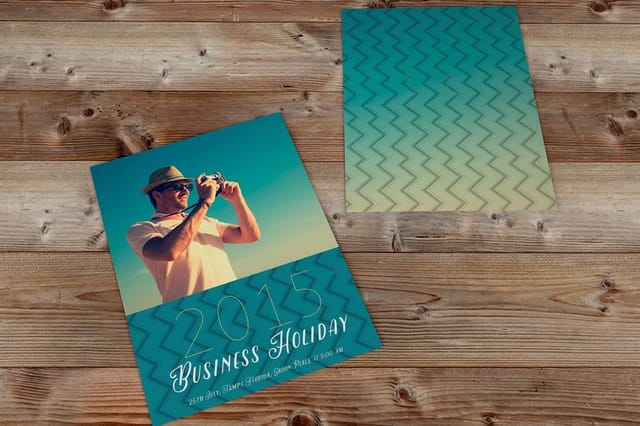
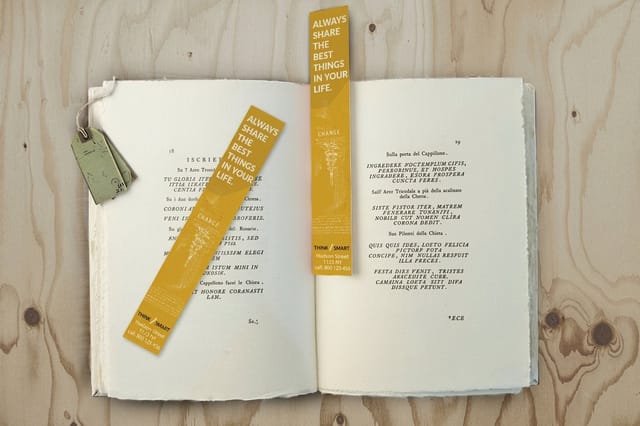
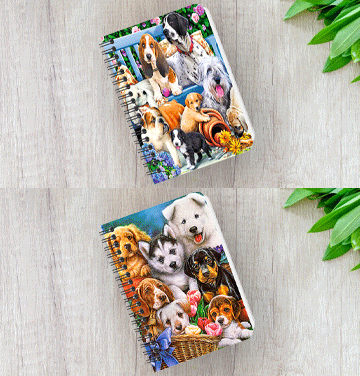
- Standard Bookmarks, from $16.48. A narrow strip with room for one sentence. It is the hardest test in the kit and the cheapest to run: if your promise will not fit on a bookmark, it is not a promise yet.
Tell by tell
What each format catches, and the edit it forces
Generated writing does not have one fault, it has several, and they surface in different places. Find the tell you keep producing in the second column, then print the format in the first. Tap a name to jump to its section.
| Format | The tell it exposes | The edit it forces | Starting price |
|---|---|---|---|
| 1. Booklets | Repeated structure across sections | Read only the first sentence of every section, in order | from $240.55 |
| 2. Newsletters | A voice that drifts between issues | Keep a one-page list of your own phrases and check against it | from $75.80 |
| 3. Flyers | A call to action nobody acts on | Rewrite the line above the QR code as an instruction | from $39.54 |
| 4. Postcards | An opening sentence that says nothing | Delete paragraph one and start at the second idea | from $16.48 |
| 5. Letterheads | Copy with no person in it | Add a name, a date and one thing that happened | from $99.95 |
| 6. Bookmarks | A promise that needs 40 words to land | Cut it to one sentence and see what survives | from $16.48 |
1. Booklets: where repetition stops being invisible
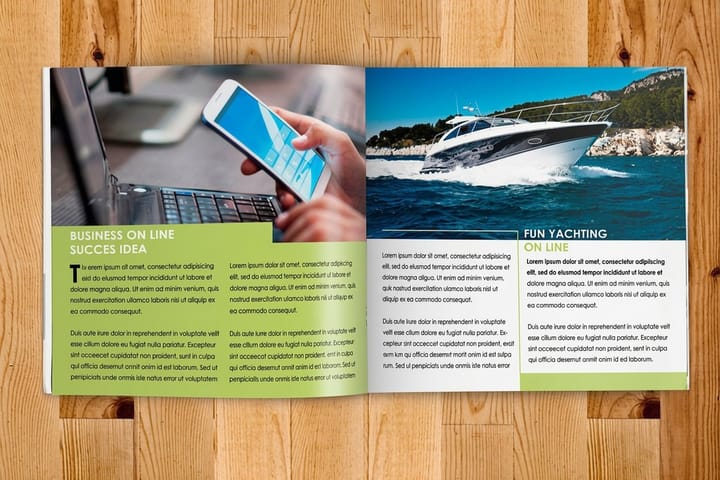
Generated long copy repeats its own shape. Every section opens by restating its heading, runs three paragraphs of roughly the same length, and closes with a sentence beginning "By". On a web page you never see two of those next to each other. In a standard booklet you do, because pages face each other, and the pattern is obvious to a reader who is not looking for it.
So use the format as the check. Print a draft copy, then read nothing but the first sentence of every section, in order. If four of them are built the same way, you have found the tell, and it is a structural fix rather than a vocabulary one: merge two sections, cut one entirely, and start a third in the middle of the argument. Booklets bind in multiples of four pages, which is worth knowing before you edit, because the page count you land on decides how much you are allowed to cut. Our breakdown of page counts and creep covers what happens at the fold, and standard booklet sizes covers the trim.
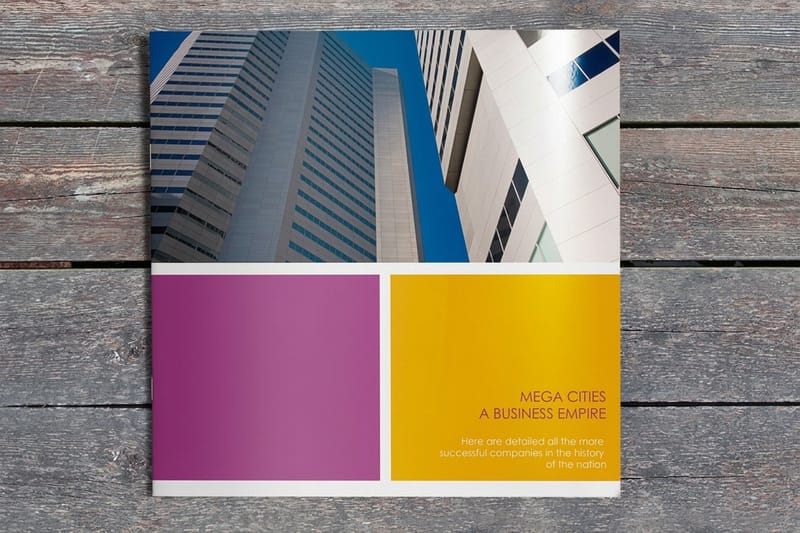
Here is the trade-off. That same multiple-of-four rule is a trap for anyone finishing a draft in a hurry, because a booklet that needs six pages of real material gets padded to eight, and padding is exactly where generated filler comes back in. If the content is genuinely short, print a newsletter instead and keep the booklet for the version that has earned twelve pages. Starting at $240.55, this is the most expensive pick in the kit and the least forgiving of a weak middle. If you are still choosing between the bound and unbound options, booklet versus brochure versus flyer settles it, and saddle stitching explained covers the binding most short guides use.
2. Newsletters: a voice has to survive more than one issue
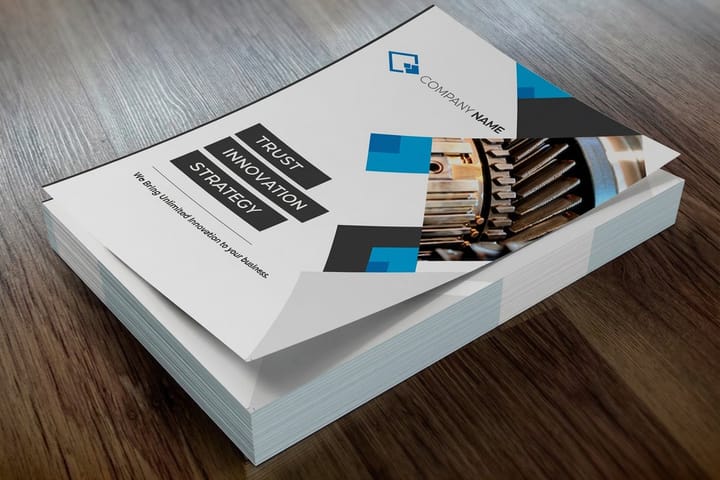
A model can hold a tone for four hundred words. What it cannot do is remember that you always call the delivery van "the van", that you never use the word solutions, and that the last issue promised to follow up on the roof job. Voice is continuity, and continuity is the thing a standard newsletter demands and a one-off flyer never does.
Keep a single page of your own language and edit against it: ten phrases you use, five you refuse, and the two or three running threads customers actually ask about. It takes twenty minutes to write and it removes more generated flatness than any rewrite prompt. Then write the one section a model cannot draft at all, which is the part about what happened since the last issue. That section is why people open the envelope. There are format ideas in our roundup of creative newsletter designs.
Be honest about the commitment. One issue is a flyer with a date on it. A newsletter only builds the recognition it is good at when it turns up on a schedule people can predict, and $75.80 per run compounds across a year. If you cannot commit to four issues, spend the money on postcards instead. When you are ready, our guides to newsletters for direct mail and printed versus digital newsletters cover the mailing side and the honest comparison of response.
3. Flyers: the one-pager that answers back with a number
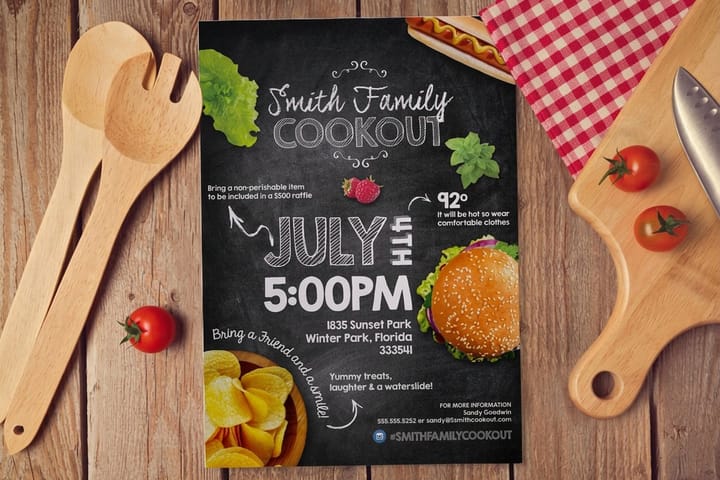
This is the pick that turns a copy argument into evidence. Print two versions of the same standard flyer, change one line, give each version its own QR destination, then compare the scans. You are no longer guessing whether the edited draft reads better than the generated one. You know, and the whole experiment costs $39.54 to start.
The line that decides the scan rate is the one sitting directly above the code, and generated copy almost always writes it as a description rather than an instruction. "Learn more about our services" is a description. "Scan for this week's route and the two slots still open" is an instruction, and it works because it names something specific enough to be worth the effort of taking a phone out. Placement and size matter too, and our guide to QR codes on flyers, brochures and postcards covers the quiet zone a scanner needs.
The limit worth naming: a scan is not a sale, and a flyer that wins on scans can still lose on revenue if the landing page does not carry the same promise. Keep the wording on the page identical to the wording on the paper, or you have tested two things at once and learned neither. For angles that suit the format, creative ways to use QR codes in print has examples worth copying, and our advertising copywriting picks cover the headline itself.
4. Postcards: delete the first paragraph and see if anyone misses it
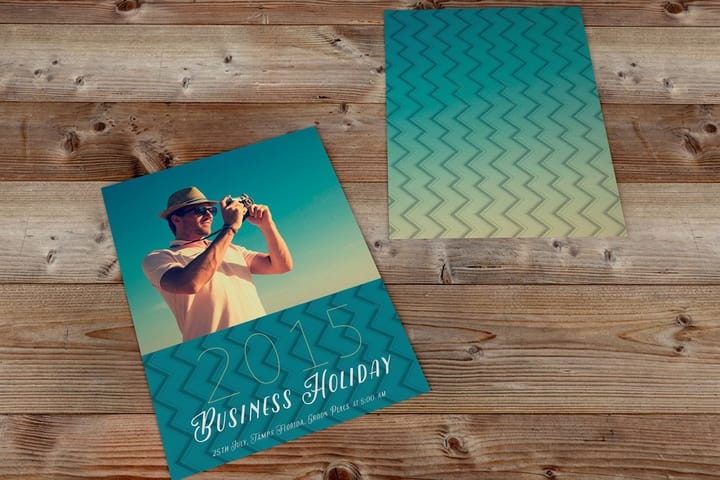
Generated copy warms up. The real opening is usually the second or third sentence, and a standard postcard is the format that proves it, because there is no room for a warm-up in the first place. Take your draft, cut everything before the first concrete claim, and put what is left on a card.
At $16.48 to start, postcards are also the cheapest split test in printing. Mail version A to half of a list and version B to the other half, in the same week, changing exactly one thing. Two headlines, or the generated line against your edited line, and nothing else. Change three things and the result tells you nothing you can act on. Before you set type, check where the address block, the barcode zone and the indicia sit, since a headline printed into a postal dead zone is a wasted run: our guide to laying out a postcard for mailing maps them.
What a postcard cannot do is carry proof. There is no space for three testimonials, a price table and a guarantee, so if the promise only becomes believable with evidence attached, the postcard will underperform and a flyer or a booklet is the right home for it. Where the card wins is repetition and speed. If you want the response to be measurable as well as countable, adding a QR code to your postcards gives each version its own destination.
5. Letterheads: put a person back into the page
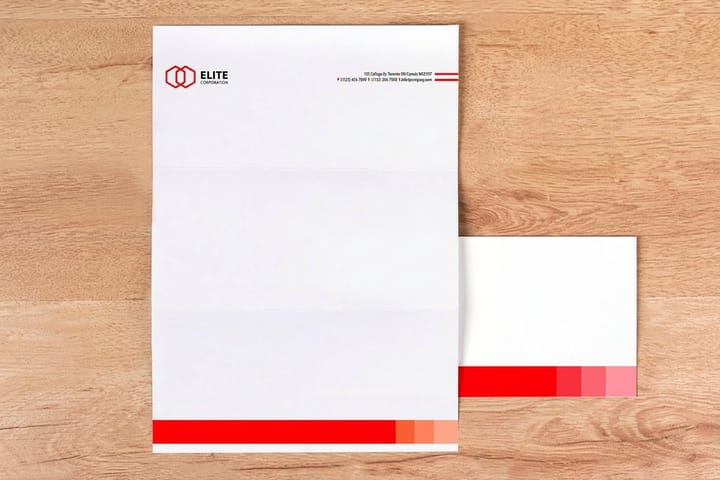
The fastest way to hear how anonymous a draft is: set it on a standard letterhead, print it, and sign the bottom. A letter carries a named sender and a named recipient, and generated copy resists both. It writes to "our valued customers" because it does not know who it is writing to, and the moment your signature is under that sentence the mismatch is loud.
Three edits fix most of it. Name the recipient rather than the segment. Put a date and a specific event in the first two lines, because "following the survey we ran on your roof last Thursday" cannot be generated and immediately dates the letter to a real week. Then end with one clear thing you want, written as a sentence a person would say out loud rather than a call to action. Reading the finished page aloud catches whatever is left, and it takes ninety seconds.
Letterheads start at $99.95 and are ordered by the box rather than the campaign, so the design outlives any single letter and the copy is the only variable. That is an argument for keeping the sheet itself plain and putting the effort into the words. Our guide to what a letterhead is covers the standard header layout, and matching letterheads and business cards keeps the stationery consistent when the same person hands over both.
6. Bookmarks: one sentence, or the promise is not finished
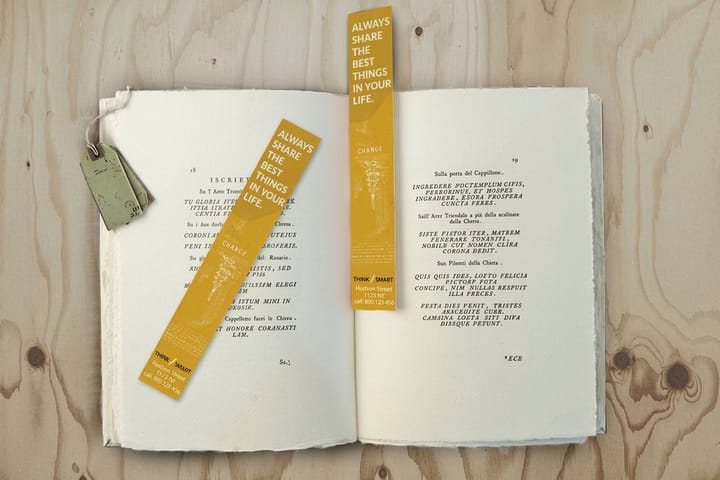
A standard bookmark is a narrow strip of card with room for a name, one line and a way to reply. That is the entire brief, and it is the most useful test in this kit. If you cannot say what you do in one sentence that fits, the problem is not the wording. It is that the promise underneath is still vague, and vagueness is what generated copy is best at hiding behind adjectives.
Write the bookmark version first, before the flyer and before the booklet, then let the longer formats expand it. Working in that order stops the common failure where a booklet argues one thing, a flyer argues something slightly different, and the reader never hears the same claim twice. It also gives you something cheap to hand out: at $16.48 to start, bookmarks slot into a booklet, a bag or an invoice as the piece that carries the line home.
Watch the margins. On a strip this narrow the safe area is much tighter than it looks on screen, and copy set close to the edge gets trimmed. The dimensions and bleed are in standard bookmark sizes, and if you want layouts to start from rather than a blank artboard, designing a bookmark with examples walks through several, or begin with a ready-made design template.
Specs and pricing
The two you will reprint most: postcards and flyers
Postcards run the split test and flyers carry the QR code, so between them they account for most reorders on a copy-testing campaign. Here are the live stock, size and price ladders for both.

| Quantity | Price Per Unit | Total |
|---|---|---|
| 50 | 33.0¢ | $16.48 |
| 100 | 24.2¢ | $24.16 |
| 200 | 15.9¢ | $31.86 |
| 300 | 12.8¢ | $38.45 |
| 400 | 11.3¢ | $45.04 |
| 500 | 10.3¢ | $51.62 |
| 600 | 9.89¢ | $59.31 |
| 700 | 9.57¢ | $67.00 |
| Quantity | Price Per Unit | Total |
|---|---|---|
| 50 | 79.1¢ | $39.54 |
| 100 | 57.1¢ | $57.11 |
| 200 | 37.3¢ | $74.69 |
| 300 | 28.6¢ | $85.68 |
| 400 | 24.4¢ | $97.76 |
| 500 | 21.8¢ | $108.75 |
| 600 | 18.7¢ | $112.03 |
| 700 | 16.5¢ | $115.33 |
Wally prints the draft before he trusts it
Six formats, six different faults caught
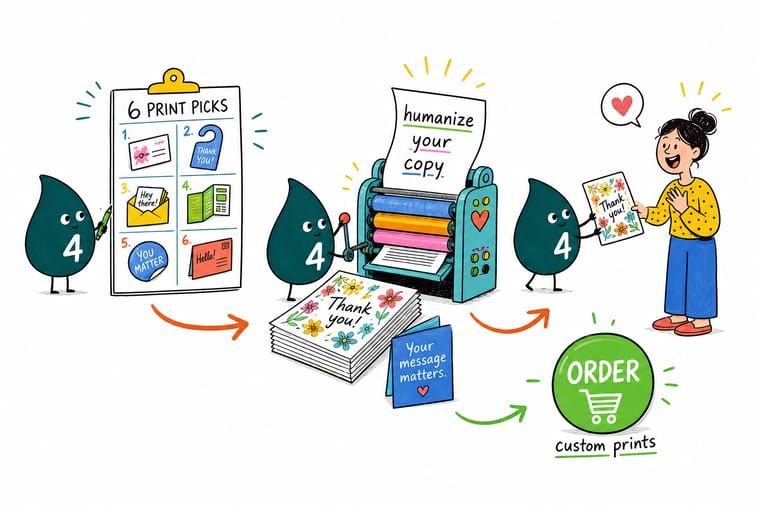
Wally reads the generated draft on screen and nothing looks wrong. Then he prints it. Section four opens exactly like section three, the first paragraph turns out to be a throat clear, and the promise he was proud of needs forty words. He cuts paragraph one, merges two sections, and squeezes what is left onto a bookmark. What fits on the bookmark becomes the headline on everything else.
Shop all marketing materials →See it in use
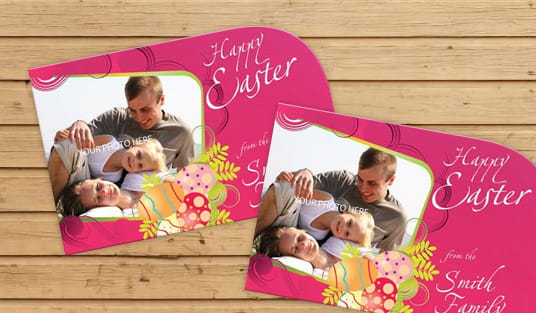
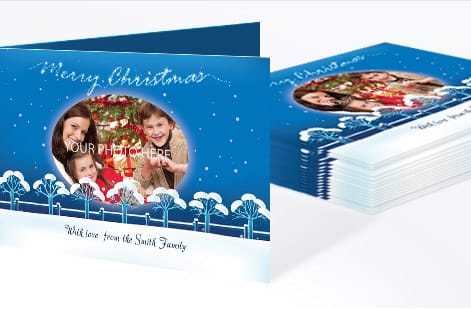
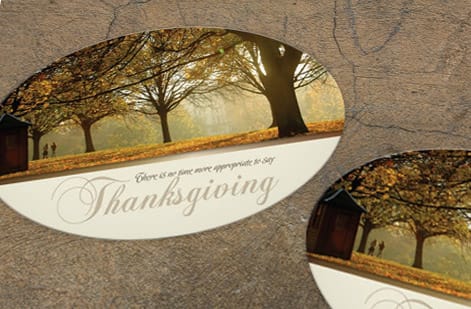
Postcards written by people, printed here

Explore more
Where to go next
By the numbers
Twenty five years of printing behind these six formats
Common Questions
Common questions about printing AI-written copy
Why print AI copy at all instead of editing it on screen?
Because reading changes when the scroll stops. On a screen you take a generated page in fragments and your eye skips the sentences that carry no information, which is precisely the material you are trying to find. On paper the whole piece arrives at once, the pattern of identical sentence lengths becomes visible, and the empty opening paragraph has nowhere to hide. Proofing a draft on a $16.48 postcard run is cheaper than most people expect and catches things three screen reads miss.
Which format should I start with?
Start with whichever one catches the fault you keep making. If your drafts repeat their own structure, print a booklet and read only the first sentence of each section. If they warm up for a paragraph before saying anything, print a postcard, where there is no room to warm up. If the promise itself is fuzzy, print a bookmark and try to fit it on one line. The format is doing diagnostic work, so pick it for the symptom.
Can a QR code really tell me which version of my copy is better?
It tells you which version got more scans, which is a real signal and a limited one. Give each version its own destination, print the same quantity of each, distribute them the same way, and change exactly one line between them. What you get back is a count, not a sale, so track what happens after the scan as well. Two flyers with different headlines and different landing pages have tested two variables and answered neither.
How many postcards do I need for a split test to be worth running?
Enough that the two halves are comparable, which in practice means one list divided cleanly rather than two different lists. The mechanics matter more than the maths for a small business: same week, same offer, same design, one line changed. If you send version A to your customers and version B to a bought list, the difference you measure is the audience, not the copy.
What do I write on a bookmark if one sentence is all I get?
What happens to the person holding it. Not your job title, not your category, and not a list of services. "Same-week roof repairs across Queens, seven days" fits and does work. "Quality roofing solutions for your home" fits too and does nothing, because it would still be true if you swapped in any other roofer. That swap test is the quickest way to check any line before it goes to print.
Does a printed newsletter still work, or is email enough?
They do different jobs. Email is cheap, instant and easy to ignore, and a printed newsletter costs $75.80 per run to start and physically sits on a counter for a fortnight. The honest answer is that print earns its cost when the list is small and valuable and the relationship is worth maintaining, and loses to email when you are talking to thousands of casual subscribers. Our comparison of printed and digital newsletters goes through both sides.
What is the one edit that improves generated copy fastest?
Delete the first paragraph without rereading it. Models warm up, so the real opening is almost always the second or third sentence, and the page loses nothing. After that, put a number in every claim that has none. A price, a lead time, a quantity or a date turns a sentence that could belong to any business into one that belongs to yours, and no prompt can supply those because the model does not know them.
Get Started
Print the draft, then decide
Pick the format that catches your fault, set your stock and quantity, and watch the price update live as you build the order at 4OVER4.COM.
Legal Disclaimer
Gold Standard guarantees apply to all standard orders placed through 4over4.com. Price match requires verifiable proof of a competitor's published price for an equivalent product with matching specifications and turnaround time. Satisfaction guarantee covers manufacturing defects and print quality issues. Contact support with order number and documentation. On-time delivery rate based on tracked orders 1999 to 2026. Individual results may vary based on shipping carrier performance.
