
The AI Prompt Engineering Ebook in Print, 6 Products That Sell It and Keep It Current
A prompt guide is reference material, so the printed pieces that matter are the ones a reader keeps within reach of a keyboard. These six cover the whole path, from a card propped against a monitor to the paperback edition that sells at the back of a room.
Print the method, and keep the prompt strings behind a link you can edit. Six pieces do it: a bookmark that holds one framework beside the keyboard, a saddle stitch workbook people write in, a perfect bound edition for the chapters that stay true, a postcard carrying the QR to the live library, a business card for the handoff after a talk, and a die-cut sticker for the laptop lid. Six starting prices add up to $759.50, or $384.45 without the bound edition.

The picks
The 6 picks, numbered and priced live
Print them in this order, cheapest and most used first. The bookmark and the workbook get read every week; the bound edition is the one to hold back until the manuscript stops changing. Prices come straight from the configurator and drop per piece as the quantity climbs.
Standard bookmarks from $16.48
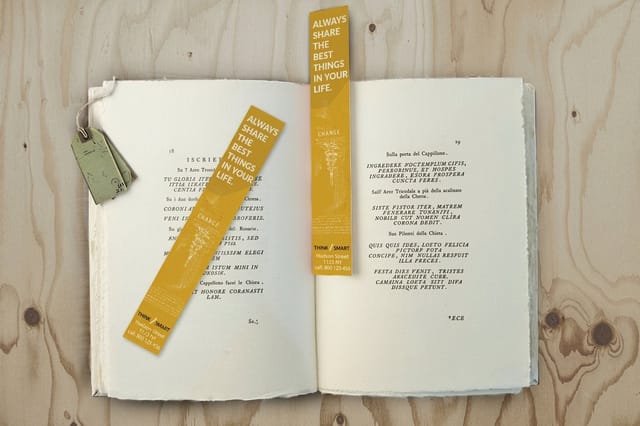
A prompt framework is used at a keyboard, not read in an armchair. A 2 by 8 in card stands against the monitor and holds one structure plus the five checks that catch a bad output.
Saddle stitch booklets from $240.55
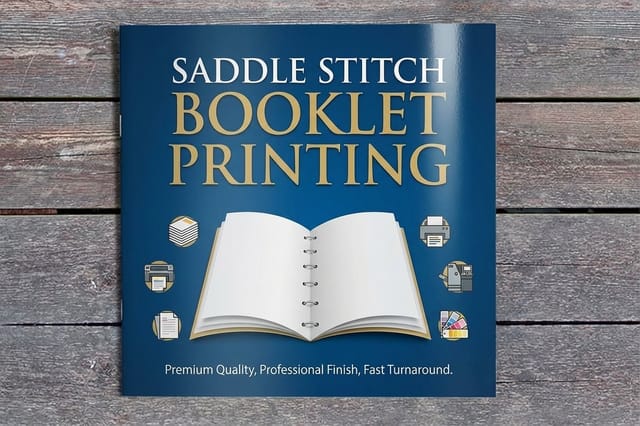
The workbook people write in during a session. Stapled, 8 to 48 pages, and cheap enough to reprint when the tooling moves under you.
Perfect bound book from $375.05
The paperback edition with a printable spine, for the chapters that are method rather than model. It sells at the back of a room where a PDF cannot.
Standard postcards from $16.48
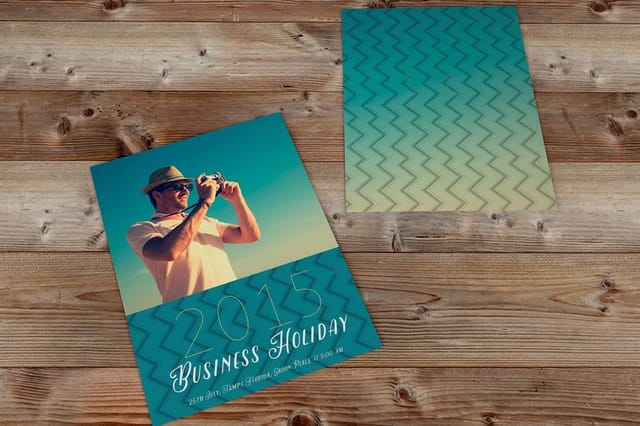
Goes in the box with every printed order carrying a QR to the live prompt library, and doubles as the mailer to buyers whose address you already hold.
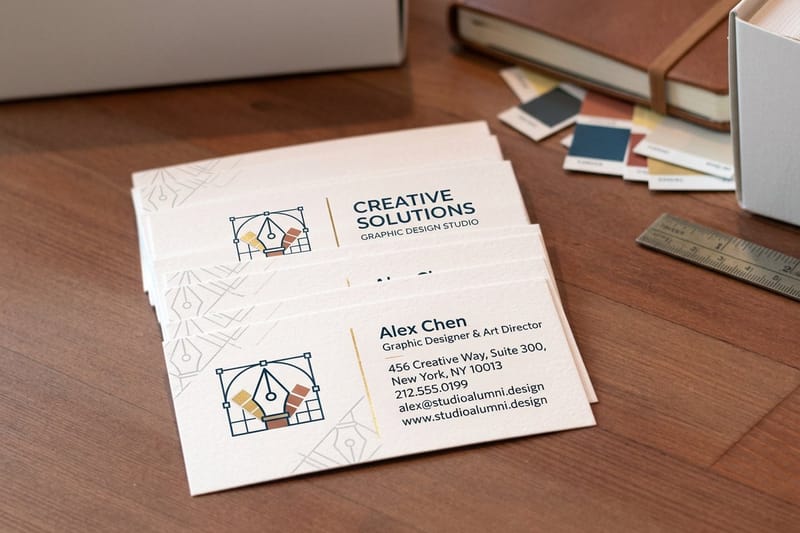
Classic business cards from $17.57
The handoff after a workshop question. A blank back with one code beats spelling a domain name out loud over a room of laptops.
Die-cut stickers from $93.37
Cut to the outline of your mark, for an audience whose laptop lid is the only wall they own. Swag, not teaching, and priced accordingly.
Before you send a file
Split the manuscript before you print any of it
This is the decision that determines whether the printed edition is still useful in a year, and it takes an afternoon.
Go through the manuscript with two highlighters. One color for what will still be true when the tooling has moved twice: the way you decompose a task, the checks that catch a confident wrong answer, the worked examples where the reasoning matters more than the wording. The other color for anything naming a model, quoting an exact string, or showing an interface. The first color goes on paper. The second goes on a page at a short URL you own.
Then print one QR code on every piece in the kit, pointing at that URL. Not at a raw file link, not at a marketplace listing, at a path on your own domain that redirects. A printed run has no edit button, and the day a model name in chapter four stops existing is the day a book with the strings printed in it becomes a support problem. With the redirect in place you change one page and every copy already sold catches up.
Give each surface its own path while you are at it, so the bookmark, the postcard and the sticker redirect through three different addresses to the same destination. The hit counts are the only attribution print gives you, and they answer a question worth money: which room, which box, which mailing actually produced readers. The complete guide to QR codes covers error correction and the minimum size that still scans first try.
What each piece does
The six pieces and what each one holds
Each piece carries a different part of the ebook and lives in a different place. Read the row, tap the piece to jump to its section, and start with whichever part of your material is currently trapped in a PDF.
| Piece | What it holds | Where it lives | Starts at |
|---|---|---|---|
| Bookmarks | One framework and the checks that catch a bad answer | Propped against a monitor, or inside the printed edition as the index card | $16.48 |
| Saddle stitch booklets | The exercises, with room to write the output in | A workshop table, a cohort onboarding pack, a paid course | $240.55 |
| Perfect bound book | The method chapters, the ones still true next year | A shelf, a back-of-room table, a review copy in the mail | $375.05 |
| Standard postcards | A QR to the current prompt library and the update list | Inside every shipped order, and in the mailbox of past buyers | $16.48 |
| Classic business cards | Your name and one scannable link, nothing else | A pocket after a talk, a conference table, a coworking desk | $17.57 |
| Die-cut stickers | Your mark, and nothing that needs reading | A laptop lid, a hard case, a whiteboard frame | $93.37 |
1. Bookmarks: the prompt card that lives beside the keyboard
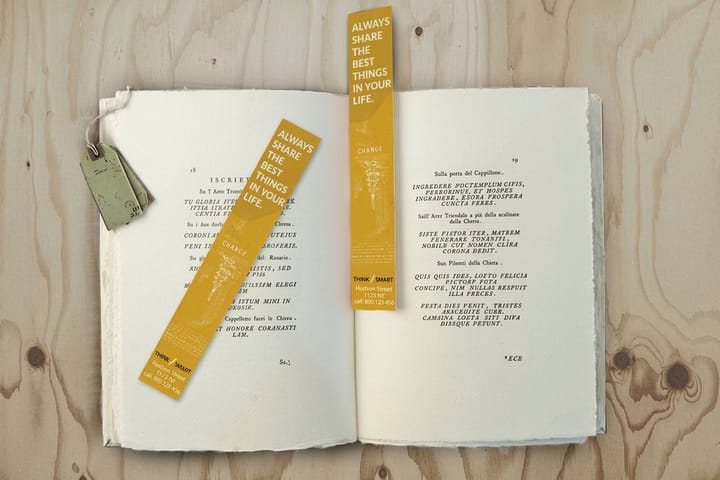
Nobody reads a prompt engineering ebook in a chair. They open it while something is half written, look for the structure, and go back to typing. That habit is why standard bookmarks from $16.48 are the first thing to print and the piece most authors never consider.
Size decides what fits. Bookmarks are normally ordered at 2 by 6 in, 2 by 7 in or 2 by 8 in, and the extra two inches on the tallest size is the difference between one framework with room to breathe and a card nobody can read at desk distance. Put the structure on the front, in a size that survives being propped against a monitor, and use the back for the five checks that catch a bad output before it gets pasted into a document. Resist the urge to squeeze twelve prompts on. A card that has to be picked up and held close has lost to the screen already. Our bookmark sizes guide has the trim, bleed and safe margin figures, and how to design a bookmark covers the layout side.
Here is the finishing trade-off, and it is a real fork. Gloss lamination keeps the edges from furring after a month of being shoved under a laptop, and it makes the card feel like a product rather than a handout. It also kills any chance of writing on it. Ballpoint skates, pencil will not take, and only a permanent marker holds. If the point of the card is that a reader adds their own two prompts to the back, order it uncoated and accept that it will look tired by spring.
Bookmarks also earn their place inside the printed edition. Tuck one into every copy of the book or the workbook, print the QR for the live prompt library on it, and the card becomes both the index and the piece that survives after the book goes on a shelf.
2. Saddle stitch booklets: the workbook that gets written in

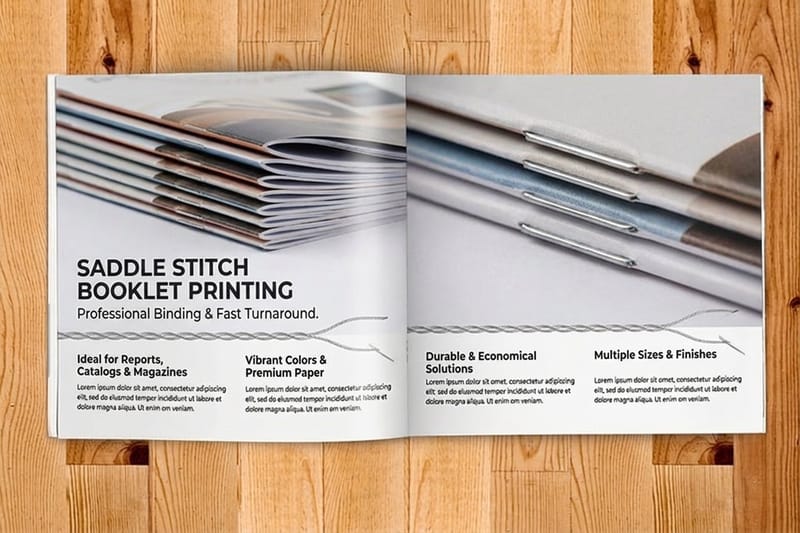
A prompt engineering ebook teaches a skill, and skills are learned by trying, failing and comparing. That needs paper with space on it. A saddle stitch booklet from $240.55 is the exercise book for a workshop, a cohort, or the onboarding pack you send with a paid course.
Two specs govern the format. Saddle stitch folds sheets and staples through the spine, so every sheet carries four pages and the total page count must land on a multiple of four. Plan an 8, 12, 16, 24 or 32 page piece; a 30 page manuscript becomes 32 with two pages of notes, not a special order. The second spec is the ceiling: past roughly 48 pages the staples start to buckle and the fold stops sitting flat. The page counts and creep guide explains why thicker booklets also need the inner pages nudged inward before trimming, and what a saddle stitched booklet is covers the format end to end.
Print this one, not the book, when your material is still moving. Stapled booklets are the cheapest bound format we make, which means a revision after every cohort is an ordinary expense rather than a decision. Anything model specific goes in as a QR code and a short URL, never as a screenshot, because a screenshot of an interface is the fastest way to date a page.
The honest limit: a stapled booklet will not lie flat on a desk while someone types. It springs shut at the page they were on. If the piece is meant to sit open next to a laptop for an hour, a spiral coil book from $423.28 does that and a saddle stitch never will. Choose staples for the run of 200 you hand out, coil for the deluxe copy you sell.
3. Perfect bound book: the edition with a spine on it

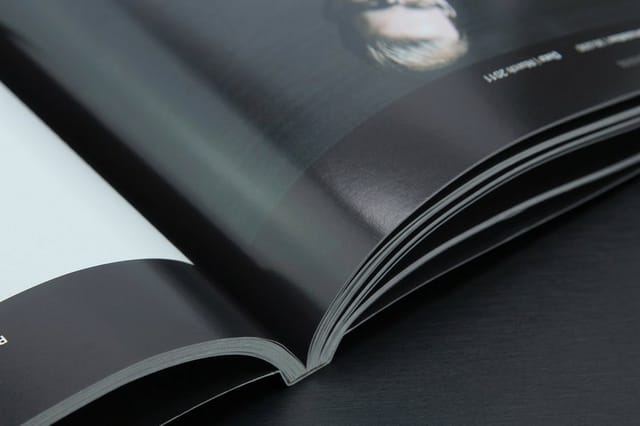
At some point the ebook wants to exist as a paperback, and that means a glued flat spine. Perfect bound book printing from $375.05 trims the page block, glues it to a wrap-around cover, and gives you a spine you can print a title on, which is the whole reason the format matters. A book with a printed spine can sit on a shelf and still be found. A stapled booklet on the same shelf is invisible.
The format has a floor and a ceiling. You need about 28 pages before there is enough paper for the adhesive to hold a square spine, and it runs comfortably up to around 500. Between 28 and 48 pages both bindings are available and the choice is about what the piece is for: staples for something disposable and cheap to revise, glue for something someone paid for. Our guide on what perfect bound printing is walks the process, and the binding types guide compares it against coil and wire-o.
One production detail catches first-time authors. The spine width depends on the page count and the interior stock, so the cover artwork cannot be finished until the interior is locked. Add a chapter after the cover is drawn and the title creeps off the spine and onto the front. Set the interior first, get the spine measurement, then draw the cover. How to print a book online covers the file setup in order.
This is also the piece to hold back the longest. It is the most expensive of the six and the one that dates worst, so it should carry the method chapters, the failure modes and the worked examples, and leave the current prompt library to a URL. Print a version number on the spine. It costs nothing and it means the second edition looks like progress rather than a reprint.
4. Postcards: the update link that ships in the box
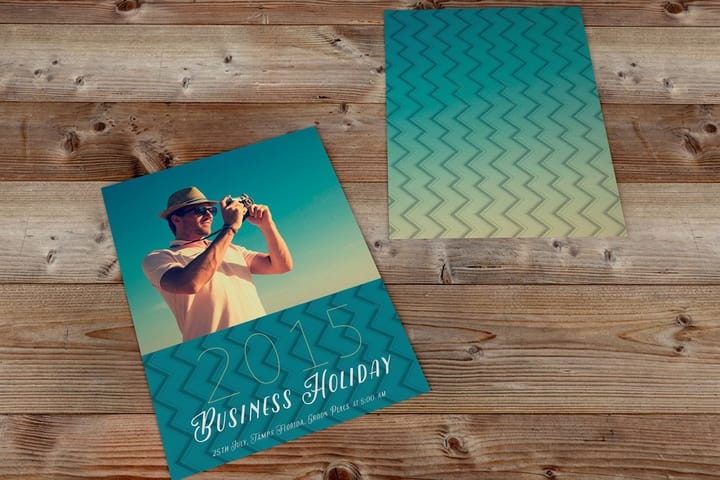
A printed book about a moving subject needs a route back to the current version, and a standard postcard from $16.48 is the cheapest one. Drop a card in with every physical order: a QR to the live prompt library on one side, one sentence explaining that the list gets updated and the book does not.
Standard sizes here start at 4 by 6 in and run up through 5 by 7 in, 6 by 9 in and 6 by 11 in. The bigger sizes are for mailing, where the card has to survive a stack of envelopes on a kitchen counter. If you are mailing rather than packing, keep the code, the offer and the artwork on the design side and leave the address panel and the barcode clear zone alone, or a sorting machine prints straight across your QR. Adding a QR code to postcards shows exactly where the code can sit.
The mailing use is narrower than most launch advice admits. Cold direct mail to a rented list does not pay for a digital product at ebook prices; the postage alone outruns the margin. Where it does work is past buyers whose address you already hold from a physical order, and a second edition, a workshop date or a companion workbook is a real reason to write to them. For a full mailing run rather than a pack-in card, direct mail postcards from $89.68 handle the addressing and the postal requirements as one job.
5. Classic business cards: one code instead of a spelled-out domain

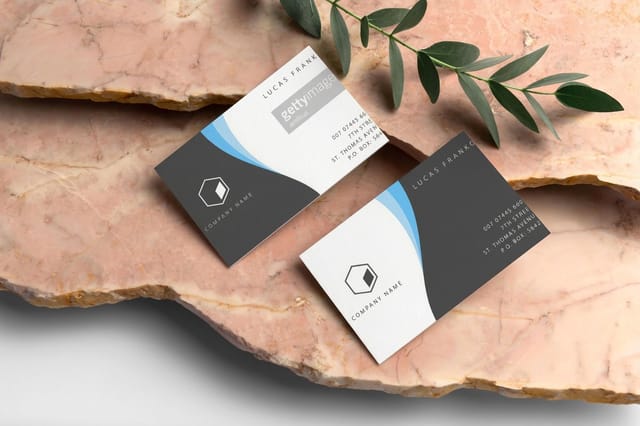
After a talk, three people come up with the same question and none of them will type a domain name correctly from memory. Classic business cards from $17.57 solve exactly that, and nothing else, which is why the design should be almost empty.
Give the whole back to the code. A QR wants about 0.8 in square as a working floor for a first-try scan at arm’s length, a quiet border of roughly four modules on every side, and at least 0.125 in of clearance from the trim so a shift on the cutter never clips a corner. Dark code on a light background, never reversed, and never sitting on a photograph. One short line above it should say what the scan gives them, because a name is not a reason. Our notes on QR code business cards that convert go through the layouts that hold up in print, and the complete guide to QR codes covers error correction and quiet zones.
Point the code at the same short URL that carries the prompt library, but give it its own path. The card, the postcard and the sticker should redirect through three different addresses to the same destination, so the hit counts tell you which room actually produced readers. If you would rather not build the layout from scratch, our design templates already respect the trim and the quiet zone.
6. Die-cut stickers: the only wall this audience owns
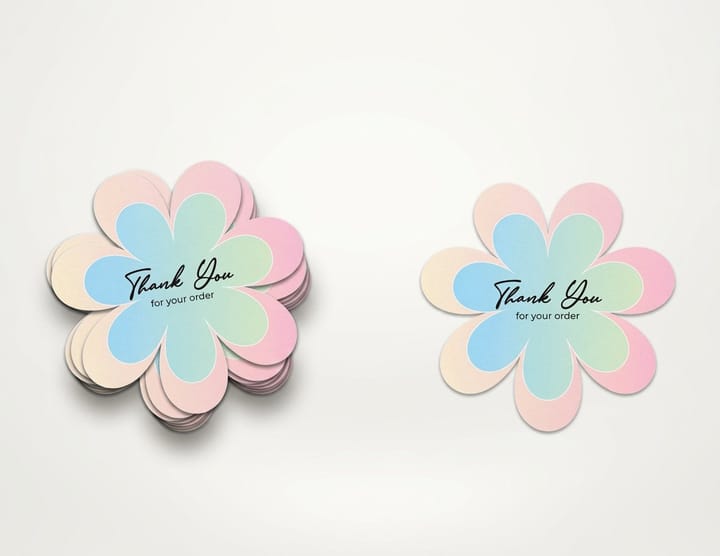
People who buy a prompt engineering ebook work on laptops, and a laptop lid is the one surface they decorate. Die-cut stickers from $93.37 are cut to the outline of your mark instead of a square, which is what makes the difference between merch and a label.
Be clear about what this piece does. It cannot teach and it cannot explain; there is no room for a sentence anyone will read at laptop-lid distance. It works only on people who already know who you are, which makes it a retention piece and a conference giveaway rather than an acquisition tool. If you print a QR on it, keep it large and give it a clean border, and expect most of the value to come from the person carrying your mark into rooms you are not in. How to print QR code stickers covers the contrast and the size floor.
The cheaper option is worth naming. Circle stickers start at $23.88 against $93.37 for die-cut, and the round shape gives a QR code its quiet zone for free. Print circles when the sticker is a free extra in a shipping box and volume is the point. Pay for the die cut when the sticker is the thing people asked for and has to win a spot against stickers they chose themselves.
Specs and pricing
The two bound formats, side by side
The workbook and the bound edition are the two decisions with real money attached, and page count drives both. Here are the live specs and price ladders straight from the configurator.

| Quantity | Price Per Unit | Total |
|---|---|---|
| 25 | $9.62 | $240.55 |
| 50 | $6.04 | $302.06 |
| 100 | $3.61 | $361.37 |
| 200 | $2.22 | $444.85 |
| 300 | $1.65 | $495.38 |
| 400 | $1.29 | $515.14 |
| 500 | $1.06 | $531.61 |
| 600 | 91.5¢ | $549.19 |
| Quantity | Price Per Unit | Total |
|---|---|---|
| 10 | $37.51 | $375.05 |
| 15 | $27.86 | $417.92 |
| 20 | $23.04 | $460.78 |
| 25 | $20.15 | $503.65 |
| 30 | $18.22 | $546.51 |
| 40 | $15.54 | $621.52 |
| 50 | $14.57 | $728.68 |
| 60 | $13.93 | $835.83 |
Wally splits the book in two
Method on paper, prompt strings behind a link
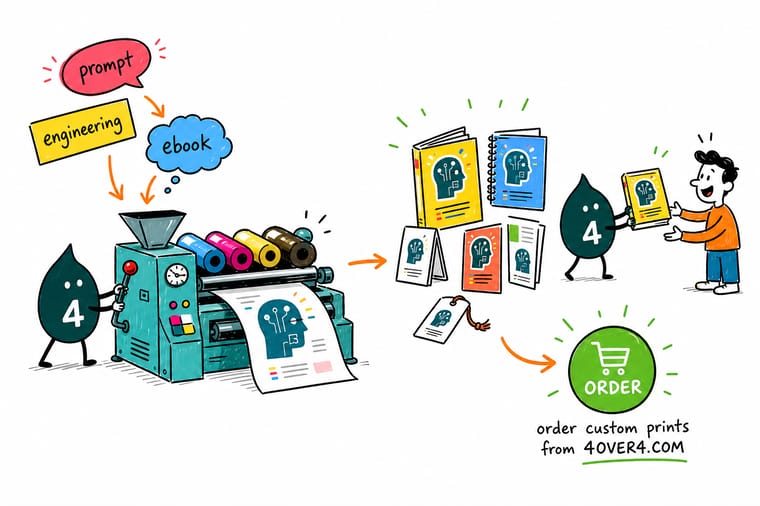
Wally printed 500 copies with the exact prompt strings set in chapter four. Four months later half of them named a model that no longer answered, and there is no edit button on a paper page. Now the frameworks and the checks go on the printed page, the strings live at one short URL he controls, and every piece in the kit carries a QR pointing at it. One edit, and 500 books are current again. Print the half that lasts, link the half that moves.
Shop the creative professionals collection →See it in use
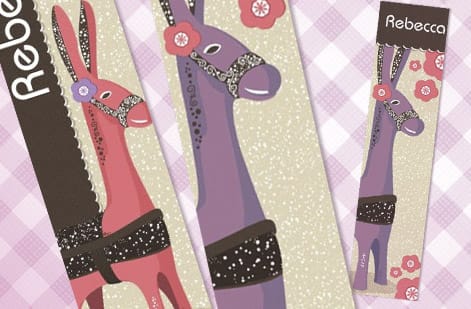
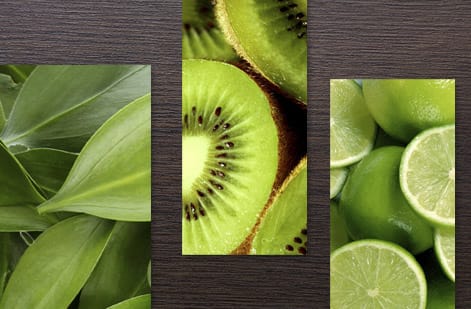
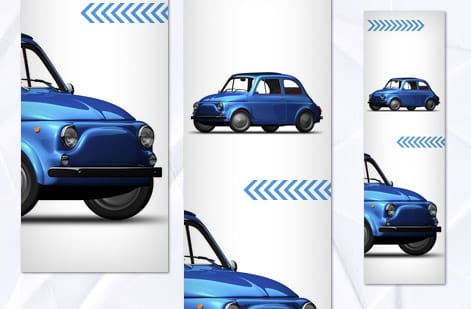
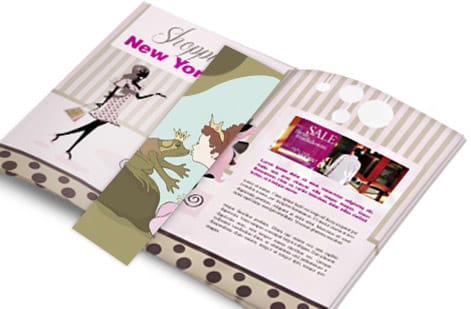
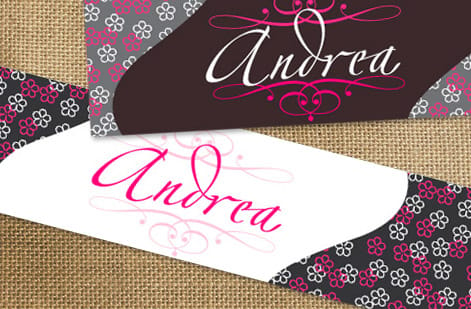
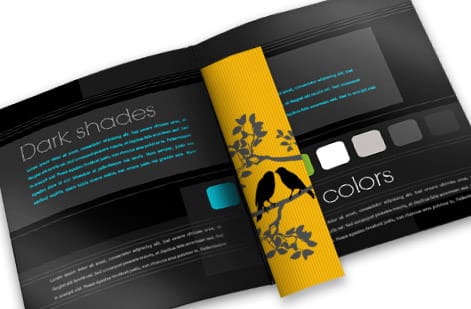
Bookmark designs printed for readers


Explore more
Where to go next

By the numbers
Printing that keeps the ebook and its kit in stock
Common Questions
Common questions about printing a prompt engineering ebook
Should an AI prompt engineering ebook be printed at all?
Parts of it should. The frameworks, the checklists, the failure modes and the worked examples stay true and read better on paper, especially beside a keyboard. The prompt library itself does not: model names change, syntax shifts, and an interface screenshot is out of date the month you print it. Split the manuscript in two, print the durable half, and put the volatile half behind a short URL that a QR code on the printed piece points at. That way one edit fixes every copy already in the wild.
Saddle stitch or perfect bound for a prompt workbook?
Saddle stitch from $240.55 folds and staples sheets, works from 8 to about 48 pages, and is cheap enough to reprint after every cohort. Perfect binding from $375.05 glues a flat spine, needs roughly 28 pages before there is enough paper to hold, and runs up to around 500. Between 28 and 48 pages both are available, so decide by use: staples for the workbook people write in and you revise often, glue for the edition you sell and want on a shelf.
Why does a booklet page count have to be a multiple of four?
Because saddle stitch prints on folded sheets, and one folded sheet carries four pages: two on the front, two on the back. There is no way to add a single leaf without leaving a stub. Plan for 8, 12, 16, 24 or 32 pages and fill any gap with a notes page, a prompt log or a colophon rather than trying to order an odd count. Thicker booklets also need creep compensation, where the inner pages shift outward at the fold and get trimmed narrower.
What size bookmark holds a prompt framework?
Order 2 by 8 in when the card has to carry a structure plus checks. Bookmarks are also standard at 2 by 6 in and 2 by 7 in, and those are fine for a single list, but the extra height is what lets the type stay big enough to read while propped against a monitor. One framework on the front, five checks on the back, nothing else. A card someone has to pick up and hold close has already lost to the screen.
Should the bookmark be laminated?
Only if nobody needs to write on it. Gloss lamination stops the edges furring after a month on a working desk and makes the card feel like part of the product, but ballpoint skates off it and pencil will not mark it at all. If part of the idea is that a reader adds their own two prompts to the back, order it uncoated and accept that it will look worn within a few months. That is a fair trade for a card that gets used.
What does the six-piece ebook print kit cost to start?
The six starting prices add up to $759.50 at 4OVER4.COM: bookmarks from $16.48, saddle stitch booklets from $240.55, a perfect bound book from $375.05, standard postcards from $16.48, classic business cards from $17.57, and die-cut stickers from $93.37. Leave out the perfect bound edition and the other five start at $384.45. Every price falls per piece as the quantity climbs, and the configurator updates live as you change size, stock and finish.
When can I draw the cover for a perfect bound edition?
After the interior is locked, not before. Spine width is a function of the page count and the interior stock, so adding or cutting a chapter changes it and pushes the title off the spine onto the front. Set the interior, get the spine measurement, then build the cover as one flat piece across back, spine and front. Print a version number on the spine while you are there, so a second edition is visibly a second edition.
Is direct mail worth it for a digital ebook?
Not to a cold list. Postage on a rented mailing list outruns the margin on an ebook long before the response comes back. It works in one place, which is people who already bought something physical from you and whose address you therefore hold, and only when you have a real reason to write: a second edition, a workshop date, a companion workbook. For that audience a postcard from $16.48 packed into an order, or direct mail postcards from $89.68 for an addressed run, is the sensible spend.
Get Started
Put the durable half on paper
Print the six-piece kit as one branded set at 4OVER4.COM. Bookmarks start at 50 for $16.48 and the perfect bound book at 10 copies for $375.05. Same-day turnaround is available on the flat pieces when a workshop date moves.
Legal Disclaimer
Gold Standard guarantees apply to all standard orders placed through 4over4.com. Price match requires verifiable proof of a competitor's published price for an equivalent product with matching specifications and turnaround time. Satisfaction guarantee covers manufacturing defects and print quality issues. Contact support with order number and documentation. On-time delivery rate based on tracked orders 1999 to 2026. Individual results may vary based on shipping carrier performance.
