
The Author Book Launch Kit: 3 Print Pieces That Sell Copies
Launching a book is not one print job. It is a run of finished copies, a way to make signed and limited editions worth paying more for, and a shipping table that can move hundreds of orders in a week. These three pieces cover all of it.
The author book launch kit is three print pieces. Perfect bound books are the run readers buy and reviewers receive. Premium product labels turn ordinary copies into signed, numbered or advance editions worth a higher price. Roll product labels address, seal and mark every package you fulfill yourself. Print the book first, because page count and trim size set the spine, the carton and the label sizes that follow.

The picks
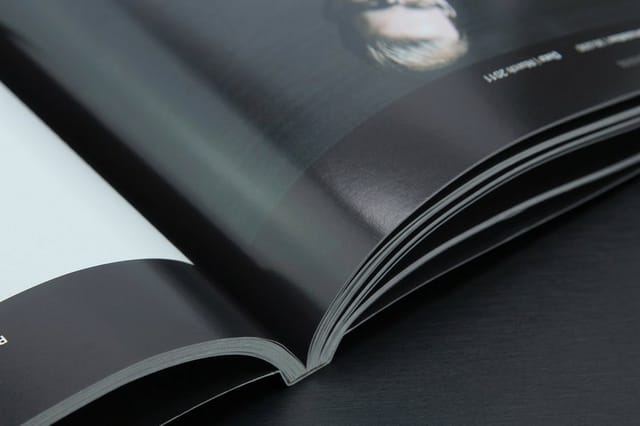
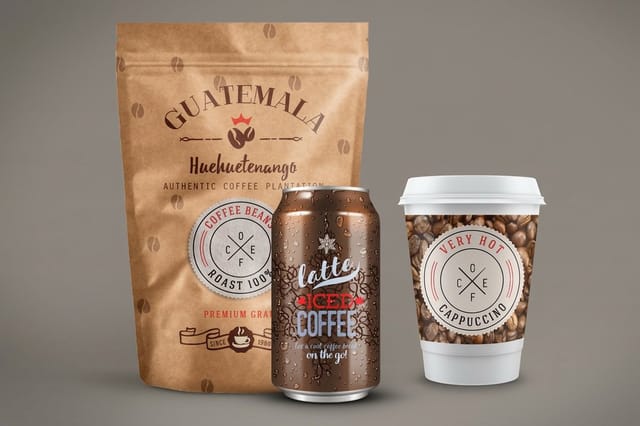
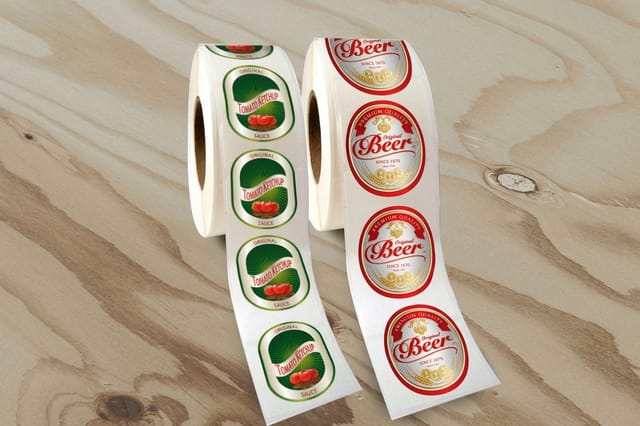
Perfect bound books, premium labels and roll labels, each on its own ladder
Start here. These are the three products the kit is built from, each priced live on its own page. Configure the run you actually need, from a first print of a debut title to a reorder after the reviews land.
Design and print help
Keep the book and both labels on brand
The kit only works if the cover, the signed seal and the mailer label look like they came from the same imprint. These four tools get you there without a design studio.
How they work together
Print in the order the launch happens
Each piece owns a stage of the launch, and each one depends on a decision made in the stage before it. Follow the sequence and nothing gets reprinted.
Lock the interior, proof the cover and print the run early enough to send advance copies to reviewers, booksellers and podcast hosts.
Seal signed copies, number a limited edition and badge review copies so every table appearance leaves the reader with something specific.
Address labels, thank-you seals and edition stickers come off a roll fast, which is the only way direct fulfillment stays sane.
1. Perfect bound books: the copy a reader carries home
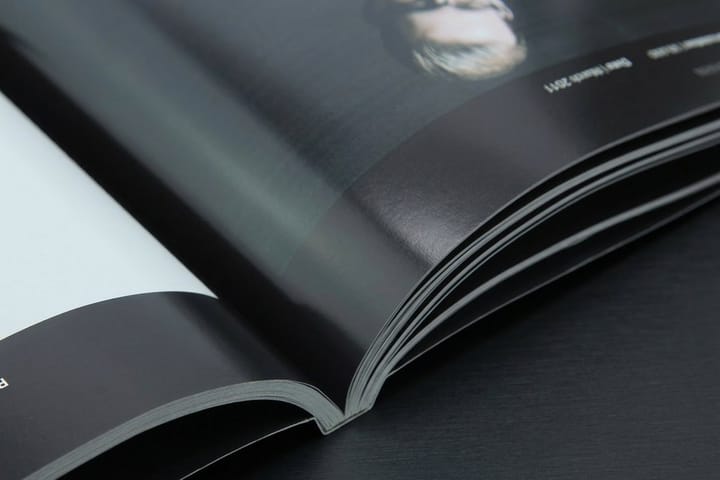
Perfect binding is the format readers recognize as a real book. Pages are gathered, the spine edge is milled and glued, and a wraparound cover is trimmed flush on three sides. That flat spine is the part that matters commercially, because it carries your title and author name on a shelf where nothing else about the book is visible.
Decide three things before you upload: trim size, page count and interior stock. Page count drives spine width, and a spine that is set for the wrong thickness pushes your title off center. Interior stock decides whether photographs sit crisp or sink into the sheet, which is why our 80 lb gloss book paper guide is worth reading before a photo-heavy or illustrated title goes to press.
Print the run early. Reviewers, booksellers and podcast bookers all need physical copies weeks before your launch date, and a run that lands the same week as the event has already missed half its job.
2. Premium product labels: signed editions, bookplates and review seals
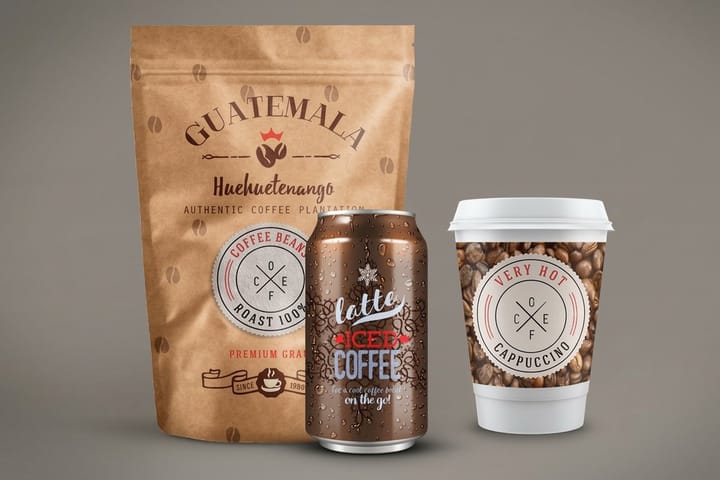
This is the cheapest way to make a copy worth more. A premium label applied to the title page turns a standard paperback into a signed edition, a numbered edition or an advance reader copy, and none of it requires touching the print file. Authors who sell direct lean on this constantly, because the retail edition of the same title cannot offer it.
Use one label design per purpose and keep them visually related. A seal for signed stock, a numbered badge for the limited run, a plain marked seal for review copies. Repeating your cover typeface and one accent color across all three is exactly the kind of small consistency covered in product branding strategies, and it is what makes a self-published title read as a publishing imprint rather than a one-off.
Order more than you think. Labels get misapplied, events run long, and a second short run costs more per piece than printing the extra thousand the first time.
3. Roll product labels: ship every order without losing the evening
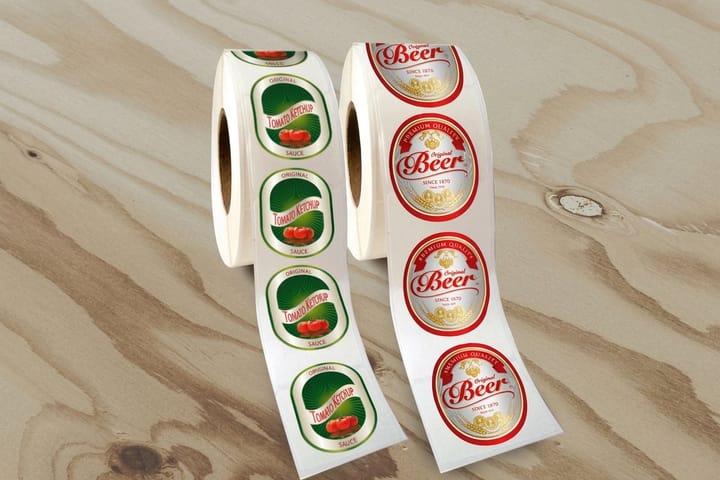
Direct fulfillment is where most launches quietly break down. Two hundred pre-orders means two hundred mailers to address, seal, mark and stack, and doing that by hand costs you the week you should be spending on interviews and events. Roll labels solve the volume problem because they peel in sequence and can feed a dispenser.
Print three roll designs and you have covered the whole shipping table: a return-address label with your author name, a seal that closes the mailer with a short thank-you line, and a carton label for the boxes going to stores or events. Size them against the packaging you have actually chosen, using the box size chart by product type so nothing wraps a corner or covers a scan code.
The unglamorous piece is the one that protects your reputation. A package that arrives fast, sealed properly and clearly from you is the last impression a reader takes from the launch, and it is the one that earns the review.
Specs and pricing
Anchor the kit: perfect bound book specs and live pricing
The book run sets the trim size, page count and stock that everything else in the launch has to match. Check the specs, then price the quantity you plan to print.
| Quantity | Price Per Unit | Total |
|---|---|---|
| 10 | $37.51 | $375.05 |
| 15 | $27.86 | $417.92 |
| 20 | $23.04 | $460.78 |
| 25 | $20.15 | $503.65 |
| 30 | $18.22 | $546.51 |
| 40 | $15.54 | $621.52 |
| 50 | $14.57 | $728.68 |
| 60 | $13.93 | $835.83 |
Wally explains the kit
Three pieces, one imprint, printed to launch on time
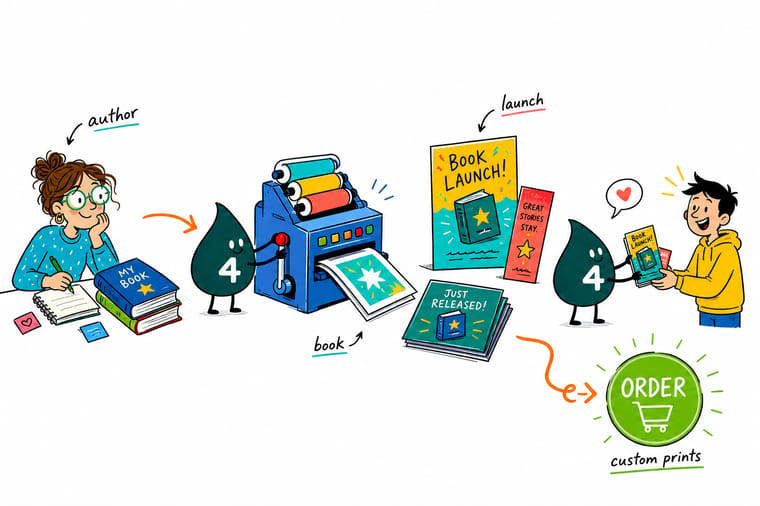
Wally thinks of a book launch as three jobs wearing one cover. The perfect bound run is the product, and its page count decides the spine before anything else gets sized. Premium labels make a copy special enough to sell at a premium. Roll labels get every order out the door the same week. Print all three together and your launch arrives looking deliberate.
Shop the creative collection →See it in use
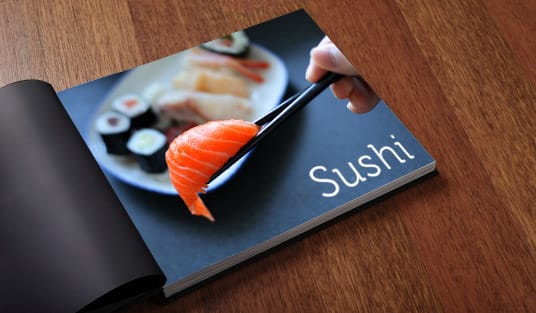
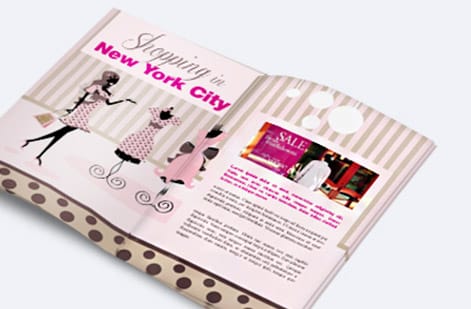
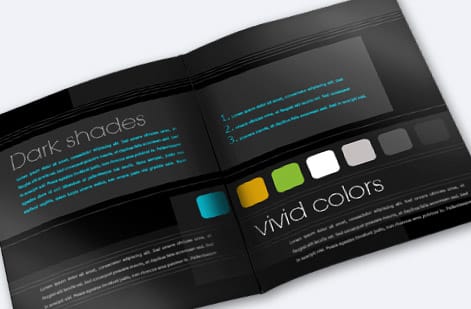
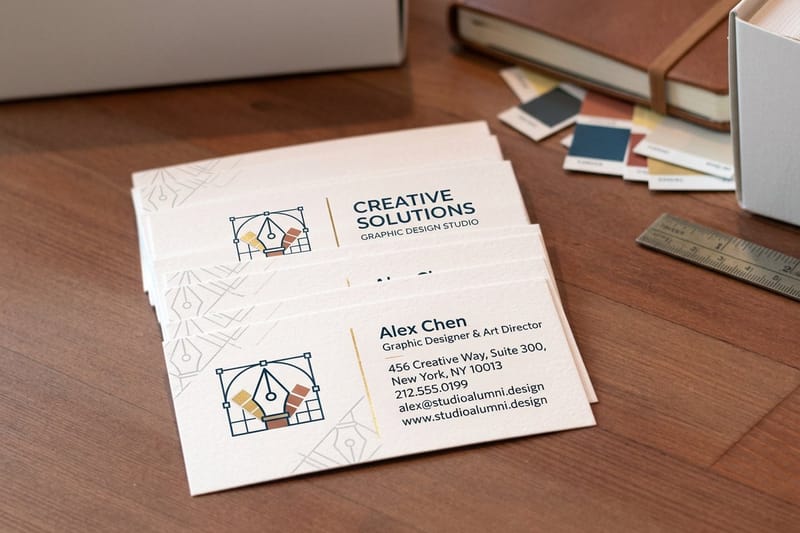
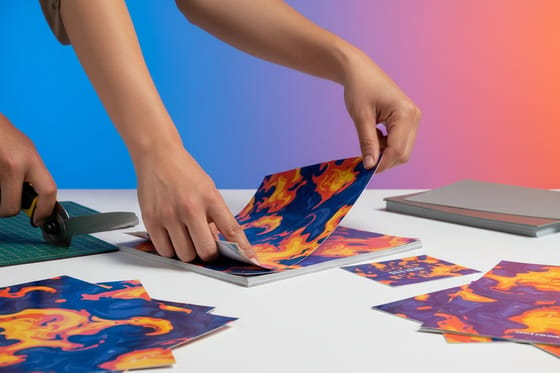
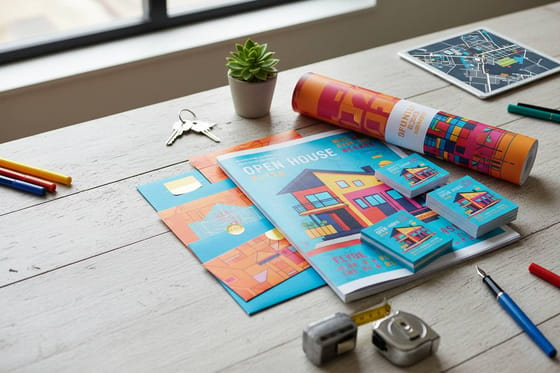
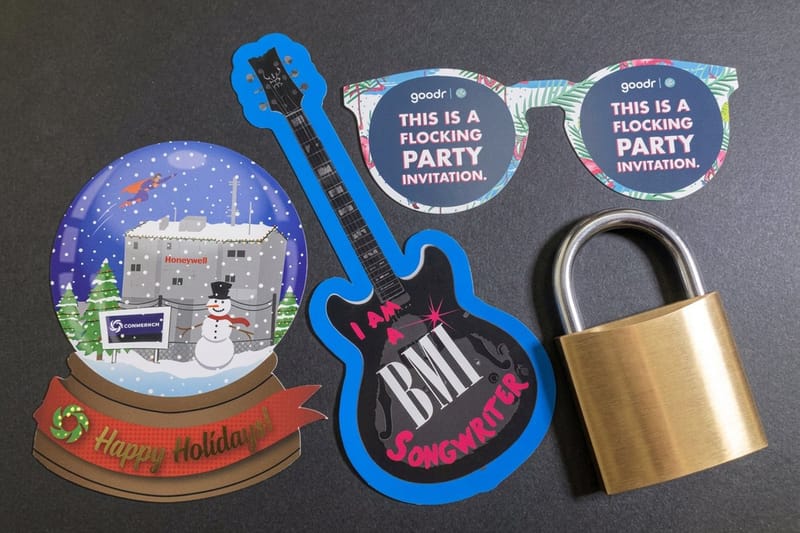
Author launch pieces we printed and bound
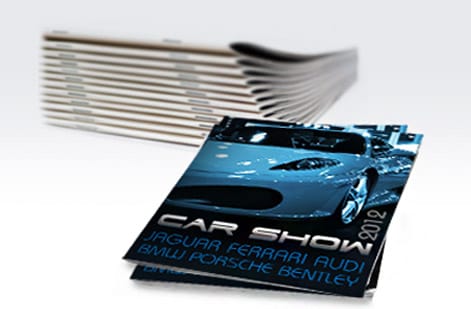
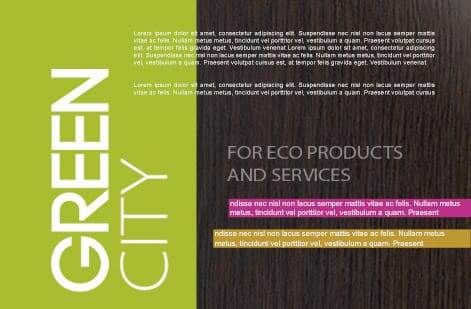

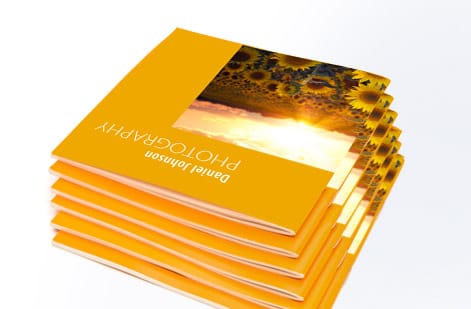
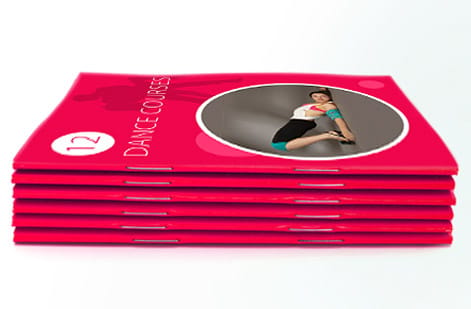

Explore more
Where to go next

By the numbers
One kit, printed to launch on schedule
Common Questions
Common questions about the author book launch kit
What is the author book launch kit?
It is a three-piece print set built around a self-published or independently published title. The perfect bound book is the run itself. Premium product labels handle signed copies, limited edition numbering and review-copy badges. Roll product labels cover shipping, thank-you seals and carton marking. Each piece is priced live on its own product page at 4OVER4.COM, so you order only what your launch actually needs.
In what order should I print these three pieces?
Start with the book. The final page count and trim size set your spine width, your carton count and the weight of every package you mail. Once the run is confirmed, size your premium labels to sit cleanly on the title page or inside cover, then order roll labels sized for the mailer or box you have chosen. Working the other direction usually means reprinting labels.
How many copies should a first print run be?
Count your confirmed pre-orders, add copies for reviewers, booksellers, libraries and podcast hosts, then add the number you can realistically sell at events over six months. Print that. Perfect binding is a run-based product, so the per-copy cost falls as quantity rises, but a garage full of unsold stock is the more expensive mistake for most first-time authors.
Do premium labels really help a book sell?
They change what you are selling. A plain paperback competes on price with every other copy of the same title. A copy carrying a numbered, signed seal is a limited edition, and readers pay more for it at events and through your own store. The label costs cents per copy and gives your launch something the retail edition cannot offer.
What is the difference between premium labels and roll labels?
Premium product labels are sheet-supplied and built for presentation, so they suit title-page seals, spine badges and anything a reader will look at closely. Roll product labels come wound on a roll for fast repeat application and optional dispenser use, which is what you want when you are addressing, sealing and marking hundreds of packages in one sitting.
What does the full author book launch kit cost to print?
Every piece prices live on its own product page, because the number moves with quantity, size and stock. Perfect bound books start at $375.05 for a run, premium product labels start at $29.16 and roll product labels start at $322.98. Configure the quantity you actually need on each page and the total updates before you check out.
Can I add more print pieces as the book takes off?
Yes. The kit is a starting set, not a ceiling. Authors commonly add bookmarks, postcards for signings, posters for store windows and a second cover edition once reviews land. Everything sits in the same collection, so reorders match the first run.
Get Started
Perfect bound books start at 10 copies for $375.05
Order the book run, the signed edition labels and the shipping labels from one press, so the copies, the seals and the packages all arrive before your launch date.
Legal Disclaimer
Gold Standard guarantees apply to all standard orders placed through 4over4.com. Price match requires verifiable proof of a competitor's published price for an equivalent product with matching specifications and turnaround time. Satisfaction guarantee covers manufacturing defects and print quality issues. Contact support with order number and documentation. On-time delivery rate based on tracked orders 1999 to 2026. Individual results may vary based on shipping carrier performance.
