
What Is Foil Stamping? Process, Types & Print Uses


Foil stamping presses real metallic foil onto paper with a heated die, no ink required. Here is how the process works, the foil types you can choose, and where a foil finish makes the biggest difference.
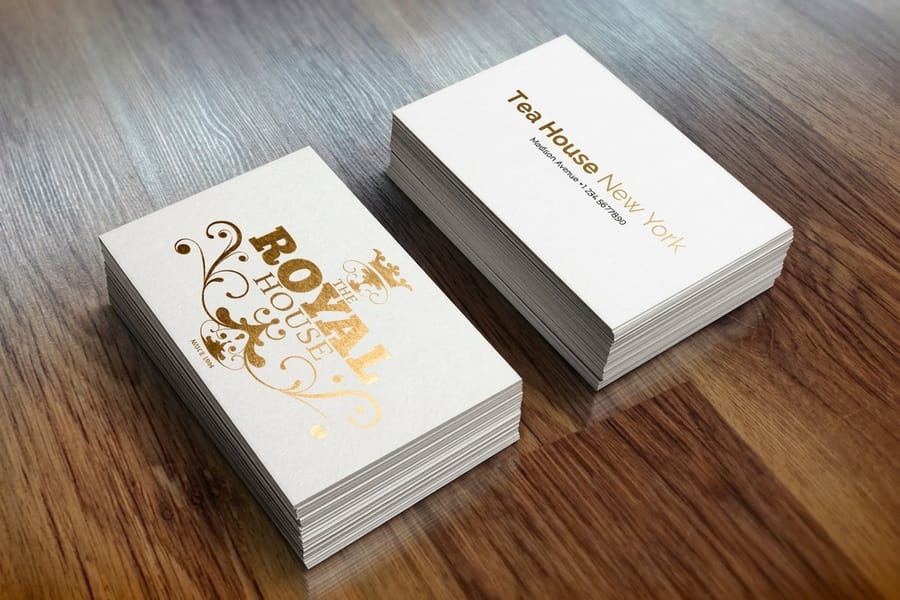
Foil stamping is a dry printing technique that uses heat, pressure, and metallic foil to press a shiny, raised design onto paper or card stock. A heated die activates the adhesive on the foil and bonds it to the sheet in the exact shape of the die, so the shine is actual metal you can feel. It is one of the most popular ways to give business cards, invitations, and packaging a premium finish.
Quick tips
Quick tips for foil stamping
Foil stamping presses real metallic foil onto paper with a heated die, so the shine is actual metal rather than printed color. Choose hot foil for the sharpest detail and cold foil for very large runs. Keep your art bold and in vector, pick a heavier 16pt or 32pt stock, and let the foil accent a logo or name instead of covering the whole piece. 4OVER4.COM customers who follow these basics get a premium, tactile finish on every order.
How foil stamping turns ordinary prints into something people keep
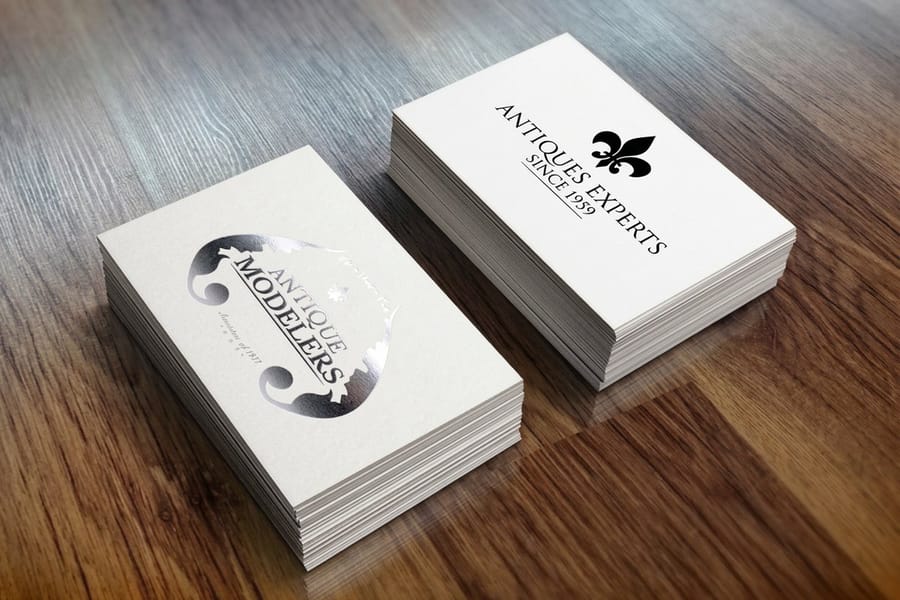
So what is foil stamping exactly? It is a dry finishing method where a heated die presses metallic or pigmented foil onto a surface, with no ink anywhere in the process. The result is a reflective, tactile finish that catches the light and pulls the eye straight to it. Picture a gold logo on a wedding invitation or crisp silver text on a black business card.
Foil stamping works on paper, card stock, leather, and even some plastics, and it does more than decorate. Metallic finishes read as premium, so buyers connect them with brands that care about the details. That is why 4OVER4.COM makes foil easy to add to a print job, with design templates that help you lock in the layout before you commit to a run.
If you are picking up other finishing skills along the way, our guides on how to clean rubber stamps and how to fold a brochure cover techniques that pair well with a foil project.
How the foil stamping process works
Foil stamping relies on three things working together: a custom metal die, a roll of foil, and a stamping press. The die heats up, then presses against the foil and your print surface at the same moment. That heat activates an adhesive layer on the foil and bonds it to the paper in the exact shape of the die. Each impression takes only seconds.
Here is what sets it apart from digital or screen printing. There is no ink and no drying time. The foil transfers as one solid metallic layer, which is why the edges look so clean and the surface stays so reflective.
The die itself can be cut from magnesium, copper, or brass, and the choice tracks your run size. Magnesium dies are affordable and great for short runs under 500 pieces. Copper holds finer detail through medium runs. Brass is the workhorse for large production, staying sharp across thousands of impressions.
Hot foil stamping versus cold foil stamping
Not all foil stamping is the same. The two main methods are hot foil and cold foil, and each one has a job it does best.
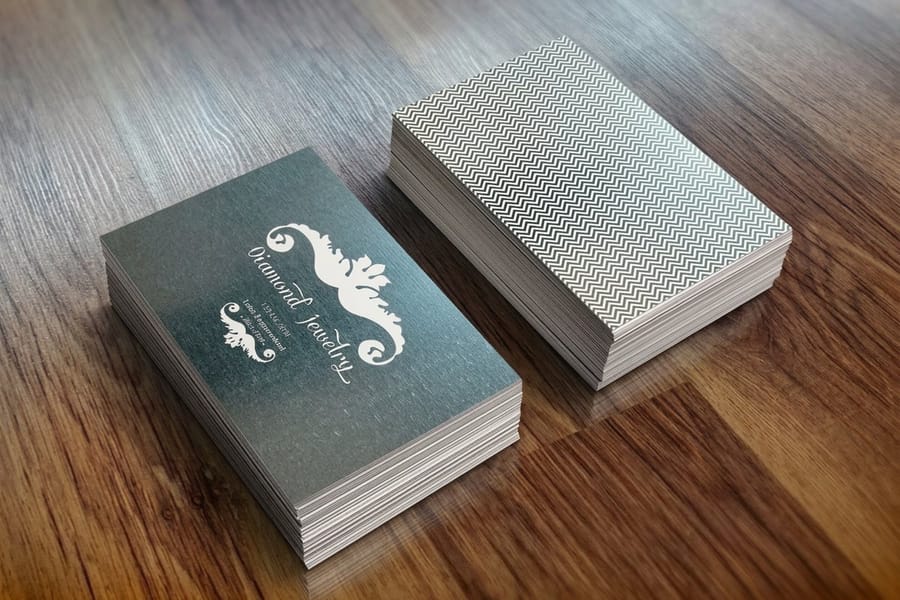
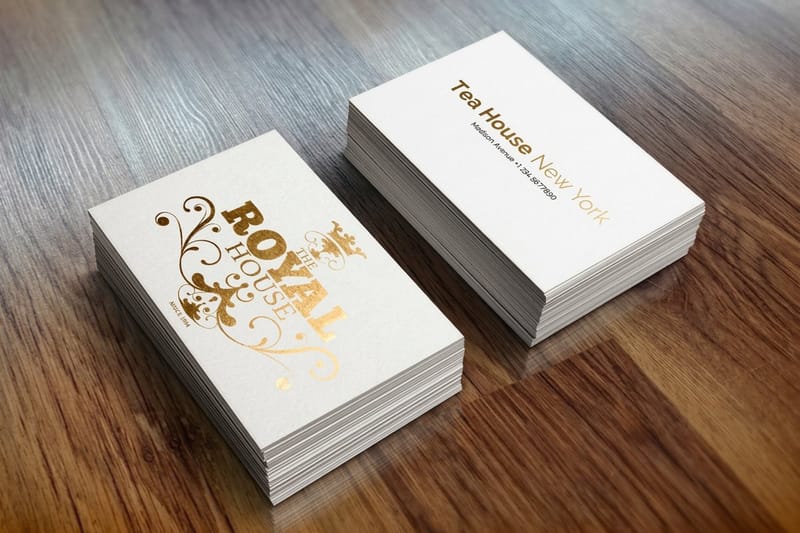
Hot foil stamping is the traditional route. A heated die presses the foil onto the stock, and it produces the sharpest, most vivid metallic effect across a wide range of materials. This is what most people picture: bold gold text on a dark business card, or a silver monogram on a keepsake invitation.
Cold foil stamping skips the heated die. A UV curable adhesive prints onto the stock first, then foil is laid down and set with UV light. Cold foil runs faster on press and costs less at very high volumes, but it gives up some of the fine detail and dimensional depth that hot foil delivers.
For most cards, invitations, and packaging, hot foil is the better pick. Cold foil earns its place on high volume label runs and wide format work where speed matters more than the finest detail. Our printing guides go deeper on techniques like these.
Types of foil available
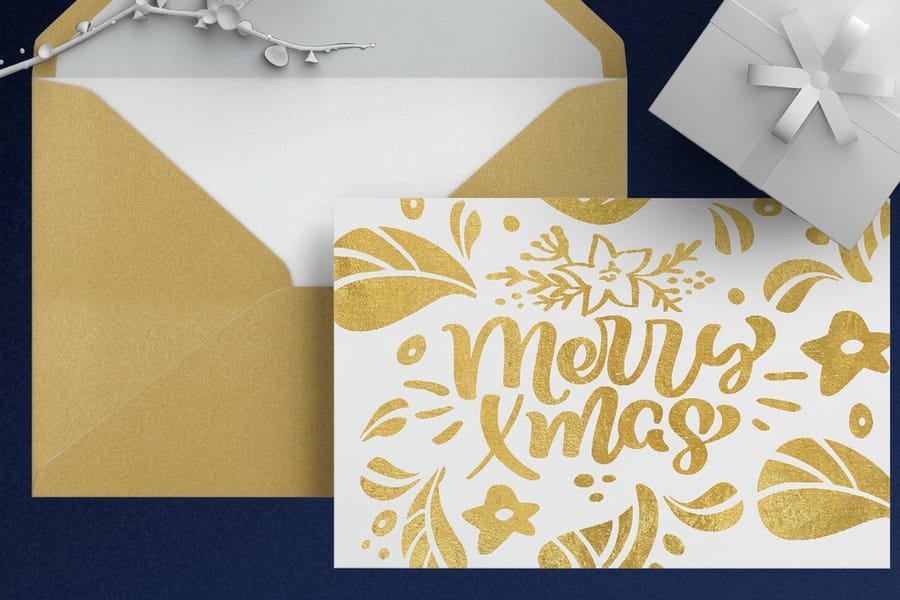
Foil is not limited to gold and silver. The range of options is wider than most people expect.
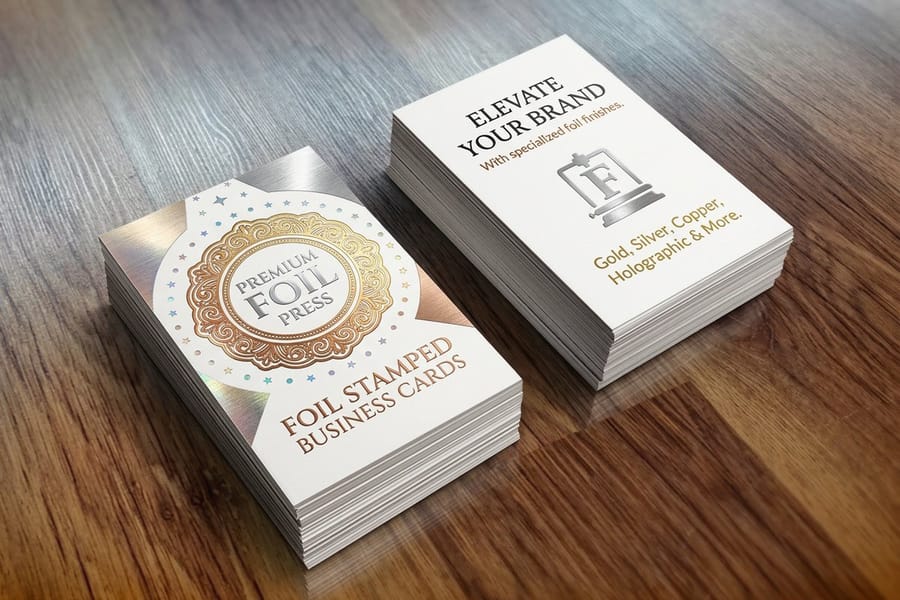
- Metallic foils in gold, silver, copper, rose gold, and bronze. These are the classics that catch light and create that unmistakable luxury feel.
- Matte foils in the same colors but with a soft, non reflective finish. Matte gold on a textured stock looks quietly sophisticated.
- Holographic foils that shift through the rainbow and change color with the viewing angle. Bold and impossible to ignore, and you can browse the range in our holographic foil stamping collection.
- Pigment foils in solid colors with no metallic sheen. Red, blue, green, white, and black give you the raised, pressed look without the shine.
- Pearl foils with a subtle iridescent shimmer. Softer than metallic and more interesting than matte.
Each foil type sets a different mood. A real estate agent with matte gold says something very different from a DJ with holographic foil. Both are foil stamped, both look premium, and both speak to a different audience.
What products work best with foil stamping
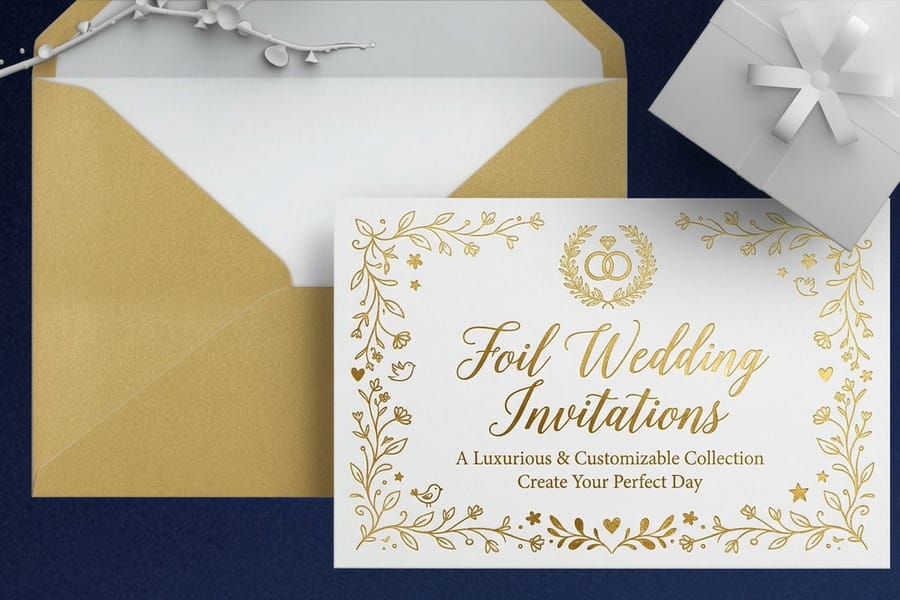
Foil stamping pairs best with heavier paper stock. Thicker substrates take the heat and pressure without warping, so the impression sits clean and the foil grabs hold. A 32pt card takes foil beautifully, while a thin 14pt stock can work but rarely looks as dramatic.
These are the products that gain the most from a foil finish:
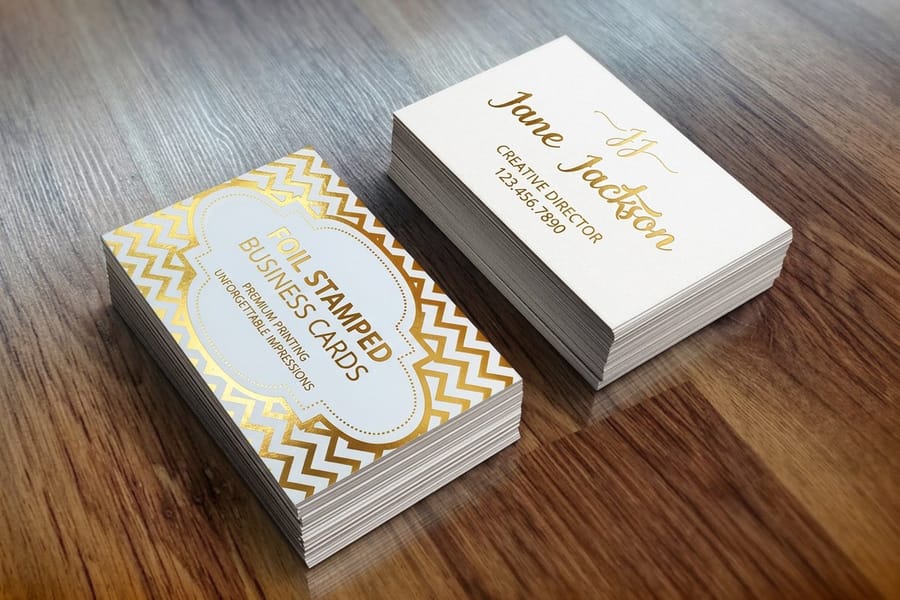
- Business cards are the single most popular foil stamped item. A foil logo or name on a thick card leaves a first impression that sticks.
- Wedding invitations in gold or rose gold on cotton stock are a classic that never dates, and our invitation cards make them easy to order.
- Packaging and boxes from luxury brands use foil to signal quality before the customer even lifts the lid.
- Letterheads and stationery carry a foil monogram or logo that adds authority to every piece of correspondence.
- Hang tags and labels lean on foil to justify premium pricing, because shoppers tie metallic finishes to higher value.
If you are building out marketing materials for a client or your own brand, foil is one of the fastest ways to raise perceived value without redrawing your artwork.
Designing for foil stamping
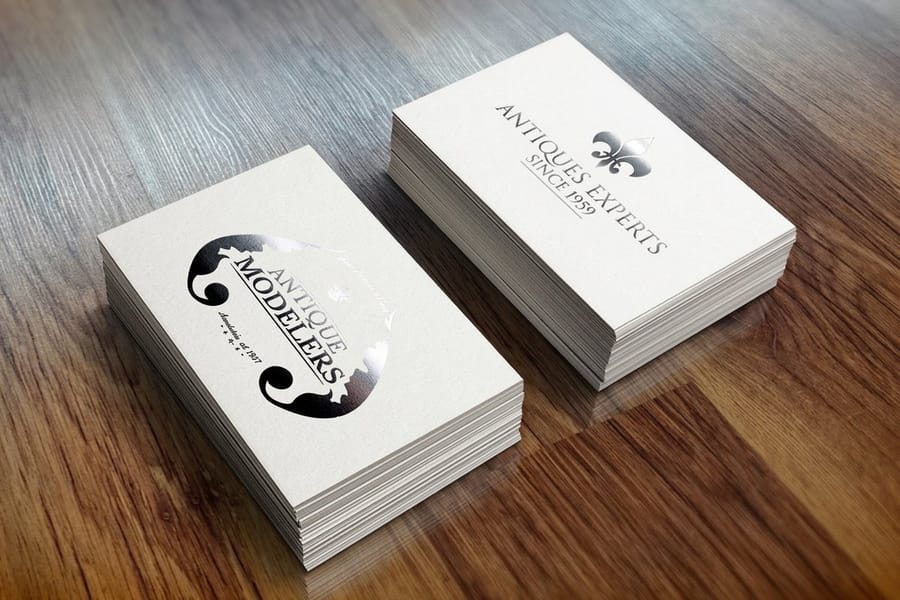
Designing for foil is not the same as designing for standard print. There are rules, and ignoring them is how foil ends up looking wrong.
Keep it simple. Foil rewards clean lines, bold text, and solid shapes. Hairline fonts, tiny type under 6pt, and detailed gradients do not translate, because the die can only hold so much detail and the foil needs a solid area to grab.
Use vector artwork. Submit your foil layer as a vector file in AI, EPS, or PDF with outlined fonts. Raster images like JPG or PNG do not give the die maker enough precision, and 4OVER4.COM reviews your files before production if you are unsure.
Mind the registration. Foil is a separate pass from your CMYK printing, so foil elements need to line up with the printed art. Build in a little overlap or keep foil clear of printed edges to avoid a visible shift.
Choose the right background. Gold foil on white paper feels elegant, while the same gold on black feels dramatic. The stock color changes how the foil reads, with dark backgrounds making metallics pop and light backgrounds keeping things refined.
Want to start from a proven layout? Our design templates and ready made fat foil business card and foil flyer files give you a head start, and the file setup carries over to guides like how to make flyers and how to make envelopes.
Foil stamping versus foil printing
People mix these two up constantly. Foil stamping uses a physical die and heat. Foil printing uses a digital process, where a toner based printer lays down adhesive and foil is then applied and fused. Digital foil printing is cheaper and faster for small runs, but it does not deliver the same tactile, dimensional quality.
With real foil stamping you can feel the impression when you run a finger across the surface. That physical depth is impossible to fake digitally. It is the difference between a sticker that looks metallic and actual metal pressed into the page.
For work where touch matters, like business cards, invitations, and luxury packaging, real foil stamping is worth the investment. For large format posters or pieces nobody handles up close, digital foil printing can be a smart way to save.
Combining foil stamping with other finishes
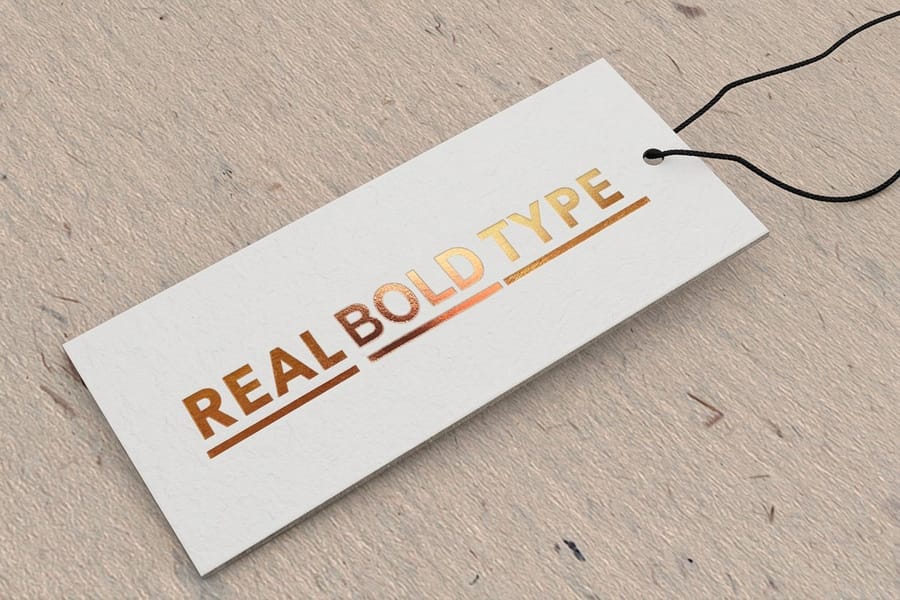
Foil gets even more striking when you pair it with another technique. A few combinations that consistently work:
- Foil and embossing lets the foil catch light while the emboss adds real physical relief. This pairing is the gold standard for luxury cards and high end invitations.
- Foil and spot UV sets glossy coating next to matte foil for contrast in both texture and reflection. Very modern and very sharp.
- Foil and letterpress presses a deep impression, then fills it with metallic color for a dramatic, tactile result.
- Foil and soft touch lamination wraps the whole piece in a velvety matte film with foil breaking through, so people hold onto the card longer.
You can see how other businesses have used these pairings in our showcase, and if you want another eye catching add on for events, our guide on custom magnets covers a popular option.
Foil stamping mistakes that waste your budget
Knowing what foil stamping is does not guarantee a clean result. These are the mistakes 4OVER4.COM sees most often, and how to steer around them.
Fonts that are too thin. Delicate serifs and hairline weights look fine on screen but vanish under foil. Stick to medium or bold weights, and avoid strokes thinner than 1pt.
Artwork too close to the edge. Foil registration is not pixel perfect, so keep foil at least one eighth of an inch from the trim and one sixteenth of an inch from any printed element.
The wrong paper stock. Foil on thin, uncoated paper can show through on the back and adhere poorly. Heavier stocks at 16pt and above give the best result.
Overcomplicating the design. Foil is the accent, not the whole show. When everything is foil, nothing stands out, so save it for logos, names, borders, or a few key elements.
Skipping the proof. Always review a proof before a full run, because foil placement errors are expensive to fix once production starts. When you are ready, the full foil stamping range and our silk aluminum foil card templates are a good place to begin.
Wally explains foil stamping
Real metal pressed into the page is what reads as premium
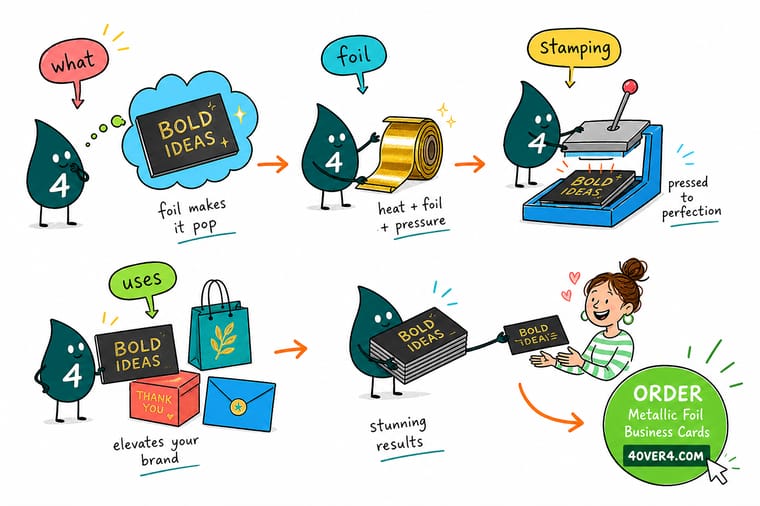
Wally treats foil like the finishing touch that makes a print worth keeping. A heated die presses real metal onto the sheet, so a logo or name catches the light and reads as premium before anyone reads a word. Keep the art bold and in vector, pick a heavier stock, and let the foil be the accent rather than the whole design. When you are ready to feel that shine in your own hands, 4OVER4 stamps it clean on business cards, invitations, and packaging.
Order foil business cards →Specs and pricing
Foil business card specs and pricing
Here is what a made to order foil stamped business card gives you at 4OVER4.COM, with live specs and price per unit pulled straight from the configurator.

| Quantity | Price Per Unit | Total |
|---|---|---|
| 500 | 44.4¢ | $222.13 |
| 1,000 | 26.9¢ | $269.14 |
| 2,500 | 20.2¢ | $504.19 |
| 5,000 | 19.7¢ | $986.04 |
| 10,000 | 16.4¢ | $1,644.19 |
| 15,000 | 14.4¢ | $2,161.30 |
| 20,000 | 13.5¢ | $2,701.94 |
| 25,000 | 13.0¢ | $3,242.54 |
Print it
Order foil stamped print at 4OVER4
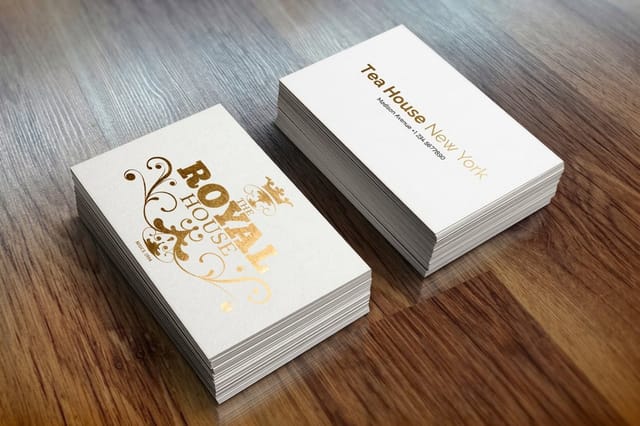
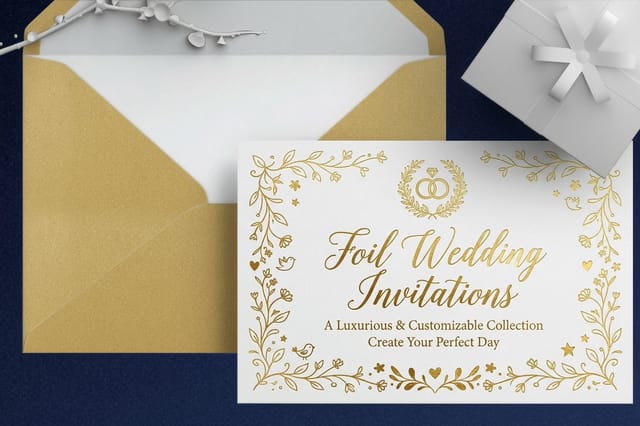

See it in use
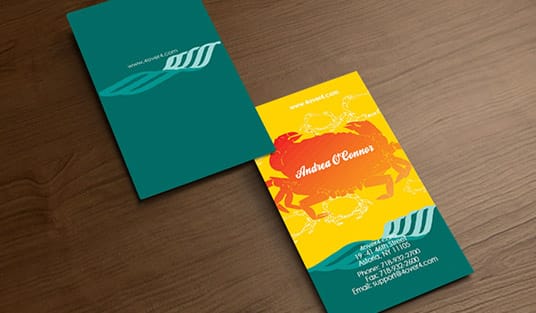
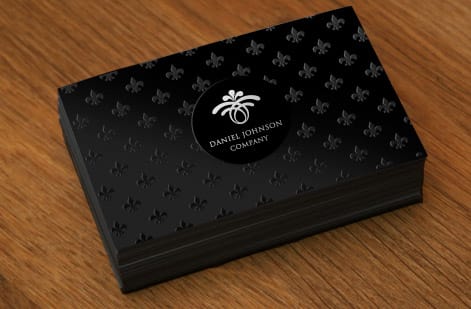
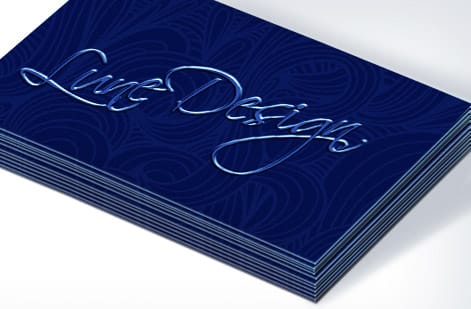
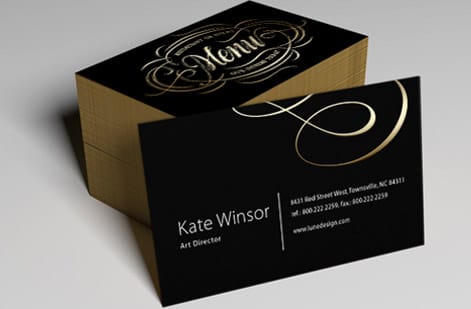
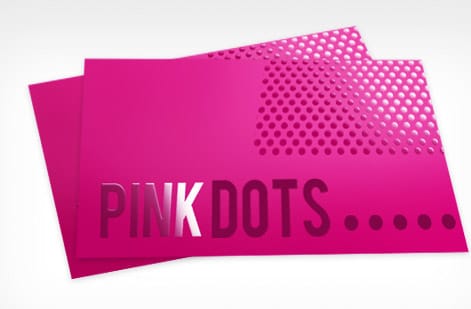
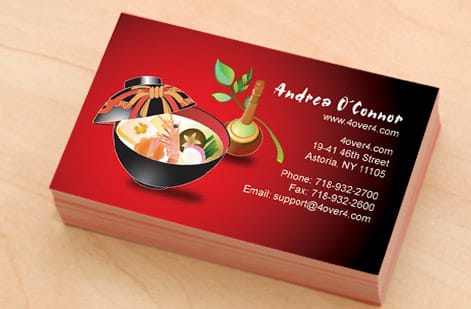
Foil stamped pieces our customers ordered
Explore more
Where to go next
By the numbers
A stamped sheet is one of 1,000+ items in the catalog
Common Questions
Common questions about foil stamping
What is foil stamping and how is it different from regular printing?
Foil stamping presses metallic or pigmented foil onto paper with a heated metal die, so there is no ink involved. Regular printing builds color from CMYK inks. Foil leaves a reflective finish and a slight impression you can feel with a fingertip, something flat ink printing cannot copy.
How much does foil stamping cost compared to standard printing?
Foil stamping costs more than standard CMYK because it needs a custom die and a separate press pass. The die is a one time cost, so the price per piece drops sharply at higher quantities. On business cards, plan for foil to add roughly 30 to 50 percent over the base print price depending on coverage and foil type.
Can you foil stamp on any type of paper?
Foil can bond to most papers, but the results vary a lot. Heavier stocks like 16pt and 32pt give the cleanest, most durable adhesion. Thin or heavily textured papers can make the foil crack, flake, or transfer unevenly. Coated stocks generally take foil better than uncoated ones.
Is foil stamping durable, or will the foil peel off?
Applied correctly to the right stock, foil stamping is very durable. The heat activated adhesive forms a permanent bond, so normal handling like passing out cards or mailing invitations will not damage it. Hard rubbing or bending on thin stock can wear the foil over time, which is one more reason heavier paper performs better.
What is the minimum order for foil stamped products at 4OVER4.COM?
4OVER4.COM keeps minimum order quantities low, so foil stamping stays within reach for small businesses, events, and personal projects. The exact starting quantity depends on the product, since cards, invitations, and postcards each begin at different tiers. Check the specific product page for current minimums and pricing.
Can I combine foil stamping with full color printing on the same piece?
Yes, and it is one of the most popular approaches. Your piece prints in full CMYK first, then the foil goes down as a second pass on top of the design. Just keep the foil elements clear of critical printed details and allow for a little registration shift between the two passes.
Get Started
Ready to add real foil to your next print run?
Pick a heavier stock, drop in your vector logo or name, and we press a clean, reflective foil that people notice the moment they hold it.
Legal Disclaimer
Gold Standard guarantees apply to all standard orders placed through 4over4.com. Price match requires verifiable proof of a competitor's published price for an equivalent product with matching specifications and turnaround time. Satisfaction guarantee covers manufacturing defects and print quality issues. Contact support with order number and documentation. On-time delivery rate based on tracked orders 1999 to 2026. Individual results may vary based on shipping carrier performance.
