
The MVP Playbook for Testing a Business Idea Before You Build It


Scope it, run it, and read the answer honestly. The four MVP types, the number that decides go or stop, and the parts of version one you are allowed to fake.
An MVP is the smallest thing you can put in front of a stranger that returns a yes or a no you are willing to act on. It is not a cheap version one. It is one experiment with one question, one number that decides the answer, and a stop date agreed before the work starts. Most MVPs that waste a quarter were not built badly. They were built without a question, so no result could ever come back wrong.
Quick answer
One question, one number, one stop date
A minimum viable product is an experiment, not a small product. Write the sentence a result could prove wrong, pick the cheapest instrument that can prove it wrong, set the number that decides before you know the answer, and put a date on it. The four instruments are concierge, Wizard of Oz, smoke test and single feature build, and they differ mostly in what each one quietly hides from you.
What an MVP Is, and the One Question It Has to Answer
An MVP is a designed experiment, and every experiment needs a sentence it could prove wrong. Write yours down in this shape before anything gets built: I believe that [a named kind of person] will [do a specific thing] because [a reason], and I will know I am wrong if fewer than [a number] of [a sample] do it. Vague nouns are where this goes wrong. Not "small businesses" but "independent dog groomers who take bookings by phone". Not "will be interested" but "will pay a 20 dollar deposit today".
The question you pick should be the assumption that kills the business fastest if it is false. Founders usually test the assumption they are most confident about, because it feels good to see it confirmed, and leave the dangerous one for later. The order is backwards. If you are unsure whether anyone wants the outcome and also unsure whether you can deliver it profitably, test the wanting first, since a delivery problem on a product nobody wants costs nothing to solve.
Minimum and viable pull against each other, and viable wins. Minimum means the fewest moving parts you can get away with. Viable means the customer receives the actual outcome you promised, on the day you promised it, at the price on the offer. A landing page with no product behind it is not viable and never was; it is a smoke test, which is a different and weaker instrument. Keep the two words separate in your head and most scoping arguments settle themselves.
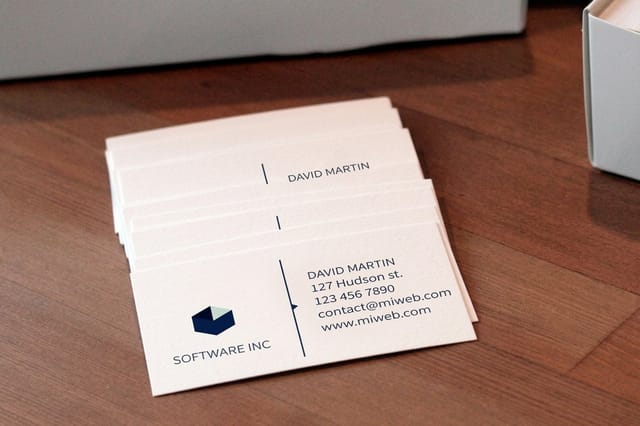
One more discipline before you start. Decide what a yes obliges you to do. If a strong result would not actually change your next two weeks, the test is theater, and the time is better spent on the twenty customer conversations behind a good pitch. Take standard business cards to those conversations, at $17.57 a box, so the follow-up email actually arrives.
The Four MVP Types, and What Each One Hides
There are four instruments in common use. They differ in what you build, and more importantly in the specific way each one lies to you.
| Type | What you actually build | What it proves | Where it misleads you |
|---|---|---|---|
| Concierge | Nothing. You deliver the outcome by hand and the customer knows it is manual. | People want the result and will pay a real price for it. | Says nothing about whether the work can be automated or whether the price survives at volume. |
| Wizard of Oz | A real-looking front end with people doing the work invisibly behind it. | The interface, the workflow and the promise make sense to a stranger. | Exhausting. Twenty active customers is usually the ceiling before the humans behind the curtain break. |
| Smoke test | A priced offer and a way to say yes. A page, a printed card, a market stall. | Whether the promise earns attention from cold people at all. | Measures intent, not payment. A click is nearly free, so a good click rate can sit on top of zero demand. |
| Single feature build | The one job, properly, with nothing around it. | Whether the core job is done well enough that people keep using it. | Costs the most and is the easiest to over-scope, because every cut feels like a compromise once you are coding. |
Read the last column first. The plot above puts these four on cost against evidence, and the useful part is the gap between concierge and single feature build: nearly the same strength of answer, weeks and a budget apart. That gap is the whole argument for doing the manual version first.
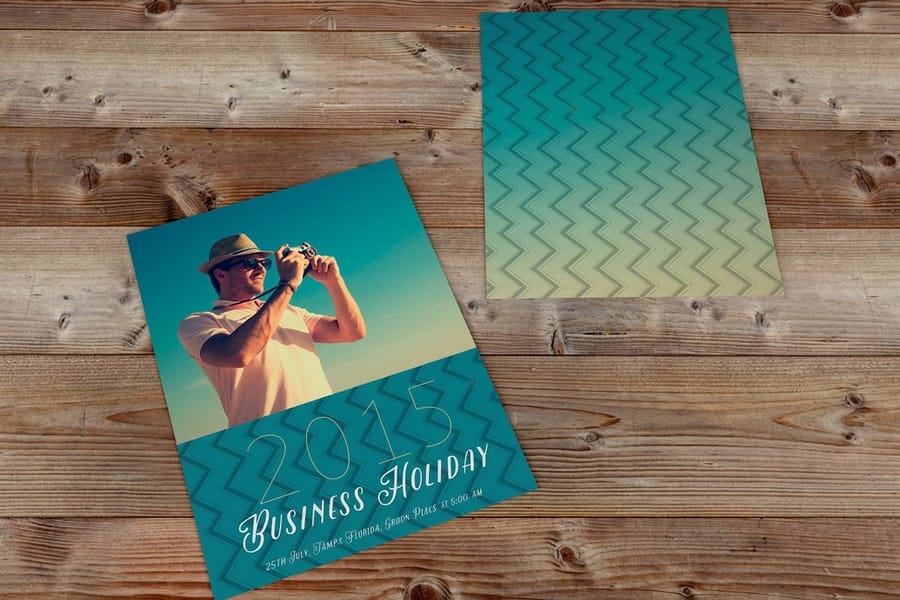
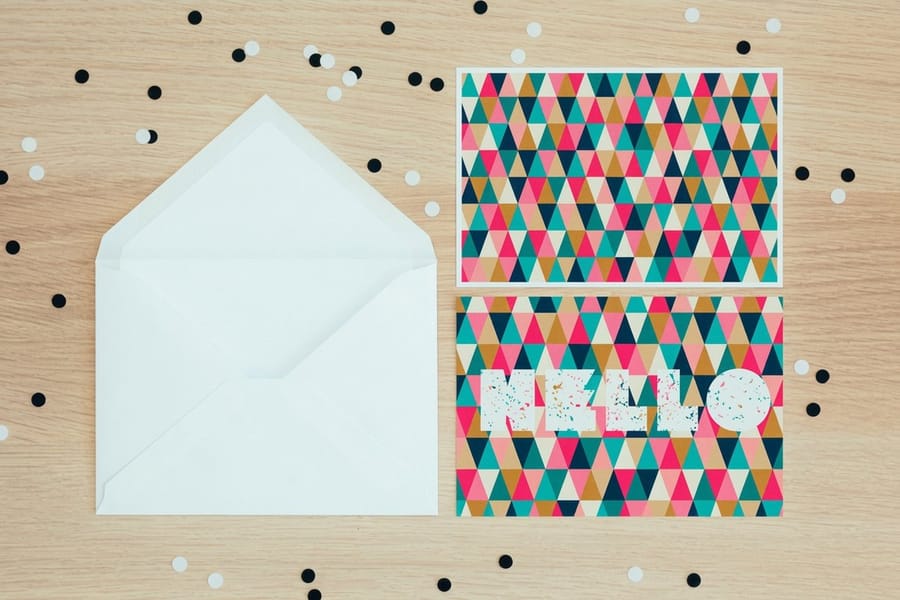
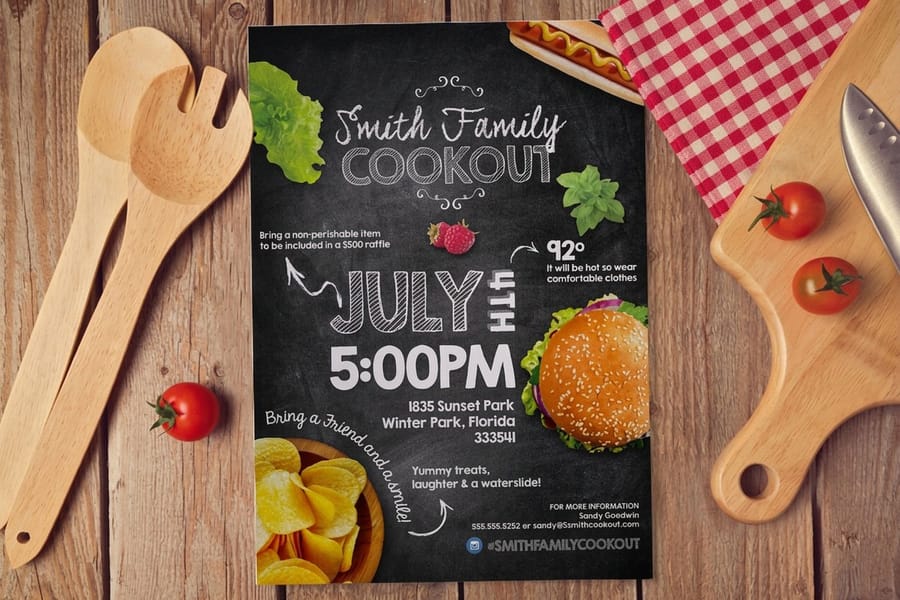
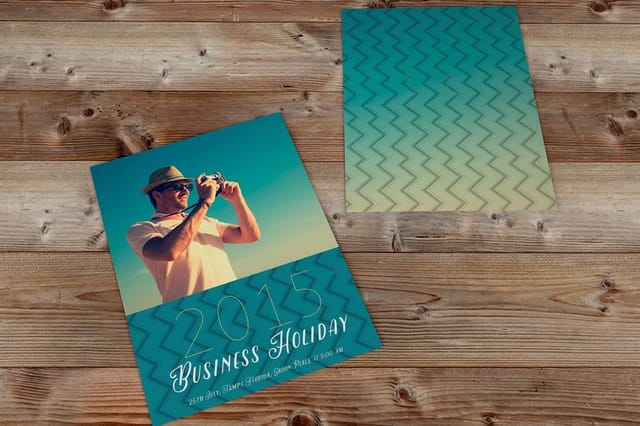
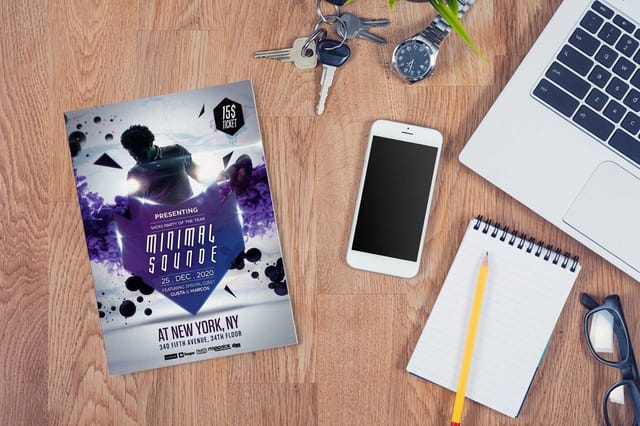
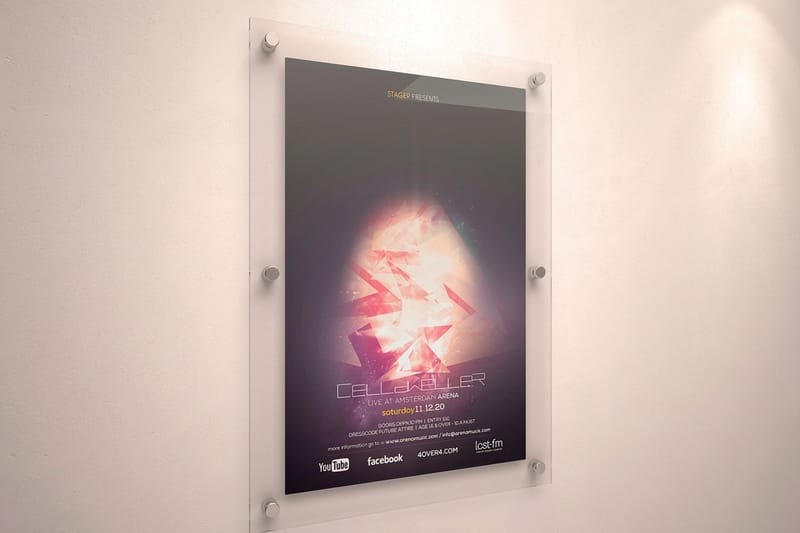
A smoke test does not have to live on the web, and the offline version usually returns a cleaner number because attention is scarcer. Hand a priced offer to a stranger at a market, a trade counter or a neighborhood door and the yes costs them something. Standard Postcards start at $16.48, which puts a run of a few hundred priced offers inside almost any test budget, and Standard Flyers at $39.54 give you the room to explain a service that needs more than one line. Print two versions with different prices and you have tested price sensitivity in the same fortnight. Our guide on distributing flyers effectively covers the mechanics of getting them into the right hands, and landing page persuasion covers the online half if you want to run both and compare.
Mixing types is fine as long as you know which one produced which number. Run the smoke test to find people, then run concierge on the ones who said yes. What you cannot do is average the two together and report a single conversion rate, because one of them counted interest and the other counted money.
Set the Kill Number Before You Run the Test
A number written after the fact is not a threshold, it is a justification. Before the first conversation, write down three things: the numerator, the denominator, and the date. For example, eight paid deposits from thirty cold conversations, decided on the 30th. Now the experiment can fail, which is the only condition under which it can also succeed.
Pick the denominator you can actually reach in the window. Thirty real conversations in two weeks is hard work and honest. Three hundred is a fantasy that quietly becomes ninety, at which point the bar gets adjusted to fit. Small samples are noisy and you should say so out loud: eight of thirty and four of thirty are both consistent with the same underlying demand, so treat a first run as a direction to follow rather than a rate to forecast from. What tightens a small sample is not more people, it is a cleaner ask. Same script, same price, same offer, and none of them people who owe you a favour.
There are exactly three honest endings. Persevere means the number cleared the bar and the next question is whether it holds when you stop doing everything by hand. Pivot means people wanted the outcome but not at that price, in that form, or from you, so you keep the demand and change the offer. Stop means the outcome did not matter enough to pay for. The fourth ending, the one to watch for in yourself, is deciding the test was unfair and building more of the product to try again. That is not a result, it is the sunk cost talking.
Price is part of the instrument, not a detail to settle later. A test priced too low converts easily and teaches you nothing, because at a low enough number people say yes to be agreeable. Price it where a real buyer would flinch slightly, and the yeses start to mean something. The reasoning is worked through in our pricing strategies guide, and the psychology of why the same offer lands differently depending on how it is framed sits in behavioral marketing.
The Two Week MVP Checklist
Two weeks is enough to get a real answer if the days are spent in the right order. This is the shortest version that still produces evidence you would act on.
- Day 1. Write the falsifiable sentence, the kill number and the stop date. One page, on the wall, where you cannot pretend later that you meant something else.
- Day 2. Name fifty real people or companies who fit the description. Names, not a segment. If you cannot fill the list, the segment is too vague to test.
- Days 3 to 4. Write the offer with a price on it and one way to say yes. Order the printed version the same day, because a two week test cannot afford to wait on artwork.
- Days 5 to 9. Make the ask thirty times. Same script, same price, cold contacts. Log every no with the reason in the person's own words, since the reasons are worth more than the count.
- Days 10 to 12. Deliver by hand to everyone who paid. Do the work yourself, badly and slowly if necessary, and write down every question they ask you along the way.
- Day 13. Compare the number to the bar you set on day one. Do not recalculate the bar. Persevere, pivot or stop.
- Day 14. Write one page on what you now know that you did not know on day one. If that page is empty, the fortnight measured nothing and the design was wrong, not the market.
Two things belong on the list that founders skip. The first is a written note of what you are allowed to fake, agreed with yourself in advance: spreadsheets, group chats, manual invoices and printed forms are all fine, while the outcome, the delivery date and the price are not. The second is a plan for the people who said yes. They are your first real customers and you will need them again, so the follow-up matters more than the spreadsheet. Our guide to creating the perfect customer experience is worth reading before day ten, not after.
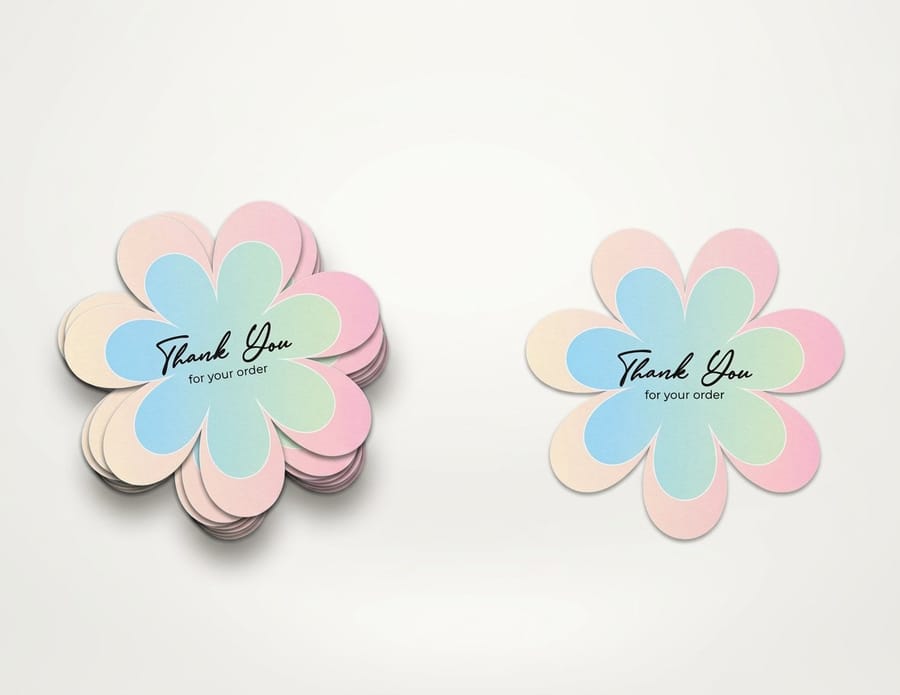
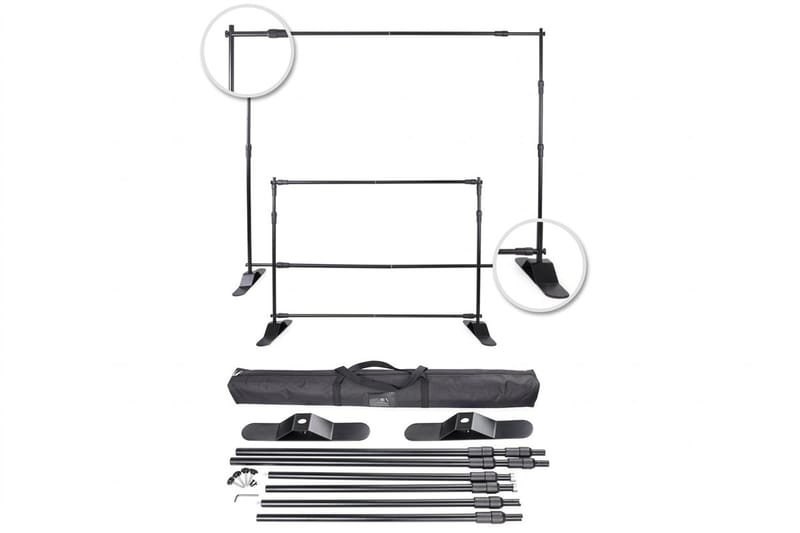
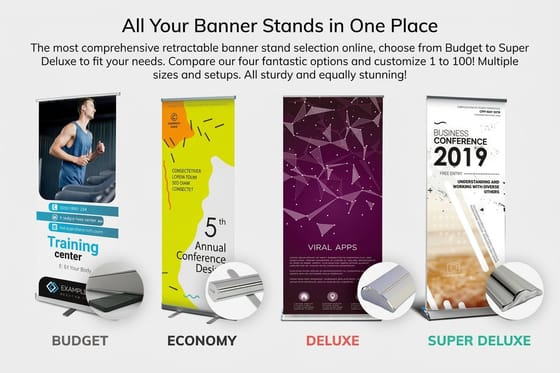
If the MVP is a physical product, the presentation of those first hand-made units does most of the work. Die-Cut Stickers at $93.37 turn a hand-packed box into something that reads as ordered rather than improvised, and if part of your test is a market stall or a demo table, a retractable banner stand at $139 makes strangers approach you instead of the other way around. When the answer comes back yes, the whole first-week kit is priced out in our brand launch essentials, and the identity work that follows is in building a brand for your startup. Everything you need for the test itself sits in the marketing materials collection.
Wally runs the two week test
One question, thirty asks, a number he wrote down first
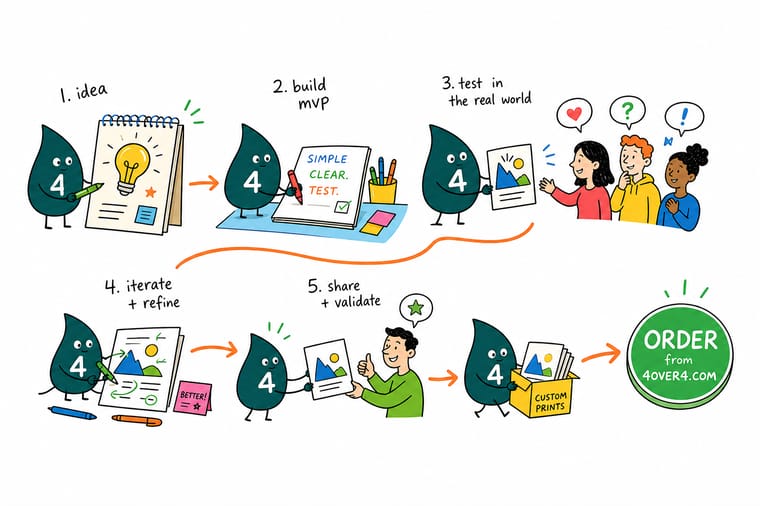
Wally writes the sentence he is trying to break, decides on day one that eight paid deposits from thirty cold asks means go, then spends the fortnight asking. He does the work by hand for everyone who pays, logs every no in the person's own words, and on day thirteen compares the count to the bar without moving it. Persevere, pivot or stop. What he never does is decide the test was unfair and build more of the thing.
Print your test offer on postcards →Specs and pricing
What the test itself costs to print
Sizes, stocks and starting prices for the three pieces most MVP tests actually use, straight from the 4OVER4.COM configurator.


Print it
Put a priced offer in someone's hand this week
Explore more
Where to go next

By the numbers
The print partner behind a lot of first launches
Common Questions
Your MVP questions, answered
How long should an MVP take?
Two to six weeks for the test itself, and the shorter end more often than founders expect. The length is set by the question, not by the product. If you are testing whether people will pay for an outcome, a concierge run of ten customers takes a fortnight. If you are testing whether one specific feature works well enough to keep, that is a build and it takes longer. When a plan stretches past two months, it is almost always because two or three questions got bundled into one experiment. Split them and run the cheapest one first.
What is the difference between an MVP and a prototype?
A prototype is shown, an MVP is used. A prototype answers whether people understand the idea when it is explained, which is a design question, and it can be a clickable mockup or a foam model. An MVP answers whether people will actually change their behavior and hand over money, which is a business question, and it has to put a real outcome in a real customer's hands. Both are useful. Confusing them is how founders end up with a beautiful deck and no evidence.
How many customers do I need before the result means anything?
For a paid test, ten to thirty conversations is enough to act on and not enough to be sure. Ask thirty people and eight say yes; ask the next thirty and it might be four. That spread is real, and it is why a single run should be read as a direction rather than a rate. What sharpens a small sample is quality of the ask: same offer, same price, same script, people who do not know you, and money on the table rather than a promise to buy later.
Should the MVP be free?
Only if the thing you are testing is usage rather than demand. Free removes the one signal you most need, because saying yes to free costs the customer nothing and predicts nothing. If you are worried the price will block the test, charge a small deposit instead of the full amount, or charge full price and offer a refund. A person who pays and later asks for the money back has still told you more than a hundred people who signed up for nothing.
What do I do when the MVP fails?
Read which part failed before you decide anything. There are three honest outcomes. Persevere means the number cleared the bar and the next question is scale. Pivot means people wanted the outcome but not from you, at that price, or in that form, so you keep the customer and change the offer. Stop means the outcome itself did not matter enough to pay for, which is a real result and cheap at two weeks. The failure to avoid is the fourth path, where the number missed and the plan quietly becomes to build more of it and try again.
Does an MVP work for a physical product?
It works better, because physical goods let you test demand before a single unit exists. Take pre-orders against a printed offer, assemble the first ten by hand, and label them so they look ordered rather than improvised. Die-Cut Stickers start at $93.37 at 4OVER4.COM and turn a hand-packed box into something a customer is happy to photograph. The cost that kills physical MVPs is tooling, so delay anything with a mold, a die or a minimum order quantity until the pre-orders are paid.
What can I fake, and what must be real?
Fake the machinery, never the promise. The back end can be you at a laptop, a shared spreadsheet, a group chat and a stack of printed forms, and the customer being told that is fine. What has to be real is the outcome, the delivery date, the price, and anything touching safety, money handling or a legal claim. The moment you fake a result rather than a process, you are not running an experiment, you have simply sold something that does not exist.
Get Started
Flyers run 50 for $39.54, stickers 25 for $93.37
Print a priced postcard, a flyer or a box of cards, hand them to thirty strangers, and let the number decide what you build next.
Legal Disclaimer
Gold Standard guarantees apply to all standard orders placed through 4over4.com. Price match requires verifiable proof of a competitor's published price for an equivalent product with matching specifications and turnaround time. Satisfaction guarantee covers manufacturing defects and print quality issues. Contact support with order number and documentation. On-time delivery rate based on tracked orders 1999 to 2026. Individual results may vary based on shipping carrier performance.
