
Landing Page Persuasion That Turns a Click Into a Lead


Five jobs, in order, with the checklist to run against your own page. Plus where a postcard or a flyer does the part a landing page cannot.
A landing page persuades by doing five things in a fixed order: repeat the exact promise that earned the click, prove it with something a stranger can check, answer the objection the visitor never types, cut the page down to one decision, then ask for that one thing. Pages that convert badly are rarely written badly. They are missing one of the five, and the missing block is usually proof or the objection.
Quick answer
Match, prove, answer, simplify, ask
Persuasion on a landing page is a sequence, not a style. The headline repeats the promise that earned the click, so the visitor knows they are in the right place. Proof follows immediately, and it has to be checkable by a stranger. Then the unspoken objection gets answered in the visitor's own words, right above the form. Everything that competes for attention comes off the page, the form asks only for what the next step needs, and one button asks for one thing.
The Five Jobs a Landing Page Does, in Order
A landing page is not an essay with a button at the bottom. It is five jobs in sequence, and each one has to be done before the next one has any chance of working. Proof cannot rescue a headline that failed to match. A short form cannot rescue an unanswered objection.
| Job | What it looks like on the page | What happens when it is missing |
|---|---|---|
| 1. Match | A headline that repeats the promise from the ad, the postcard or the email, in the same words. | The visitor thinks the link was wrong and leaves in the first second, before reading anything. |
| 2. Proof | A named customer, a dated photo of real work, a license number, a public review link. | The page reads as a set of claims about yourself, which is the same as no information. |
| 3. Objection | The one worry the visitor has not typed, answered plainly, in their own words. | They stall, decide to think about it, and never come back to think about it. |
| 4. Friction | Two or three fields, no menu, no competing links, an obvious next step. | Interest survives, effort does not. The form gets started and abandoned. |
| 5. The ask | One button, one verb, one outcome, repeated once further down the page. | The visitor agrees with you and does nothing, because nothing specific was requested. |
Work down the column of failures when a page underperforms. It is faster than rewriting copy, and it usually finds a missing block rather than a weak sentence. The landing page frameworks guide covers how PAS, AIDA and BAB arrange these same jobs, which is worth reading once the five are all present.
Message Match Starts Before Anyone Reaches the Page
The promise a visitor clicked has to be the first thing they read. Say free roof check in the ad and free roof check on the page. Rewriting it as complimentary residential inspection services is the single most common way a page loses people who were already interested.
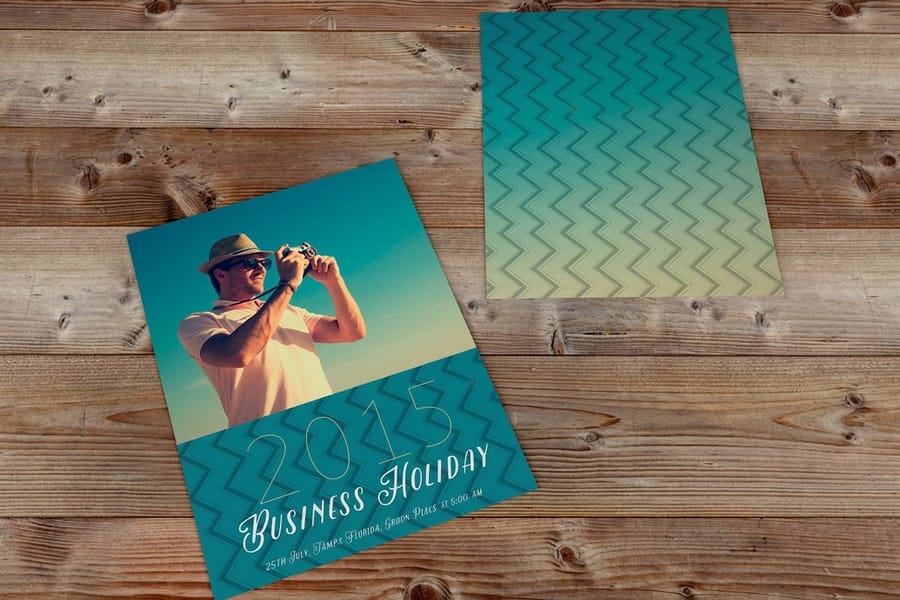
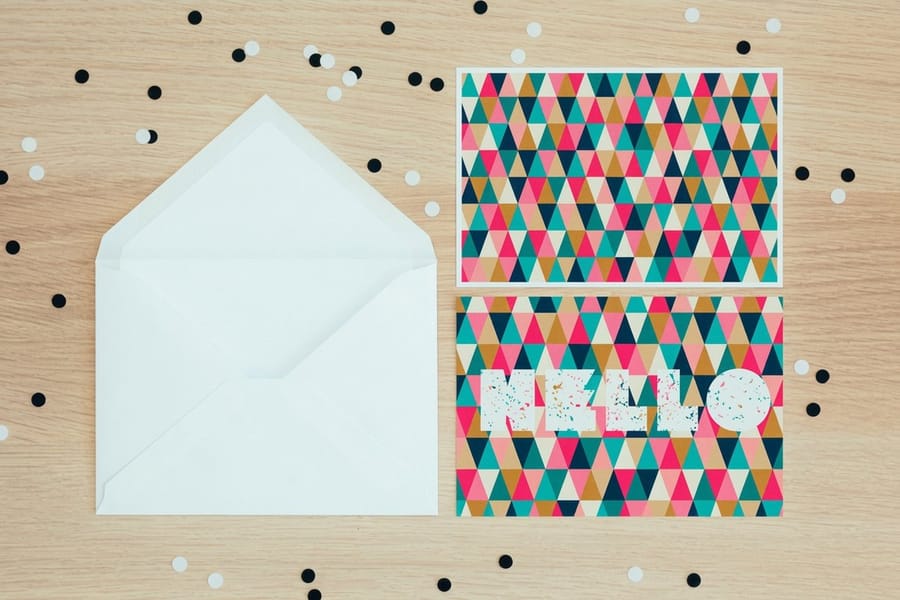
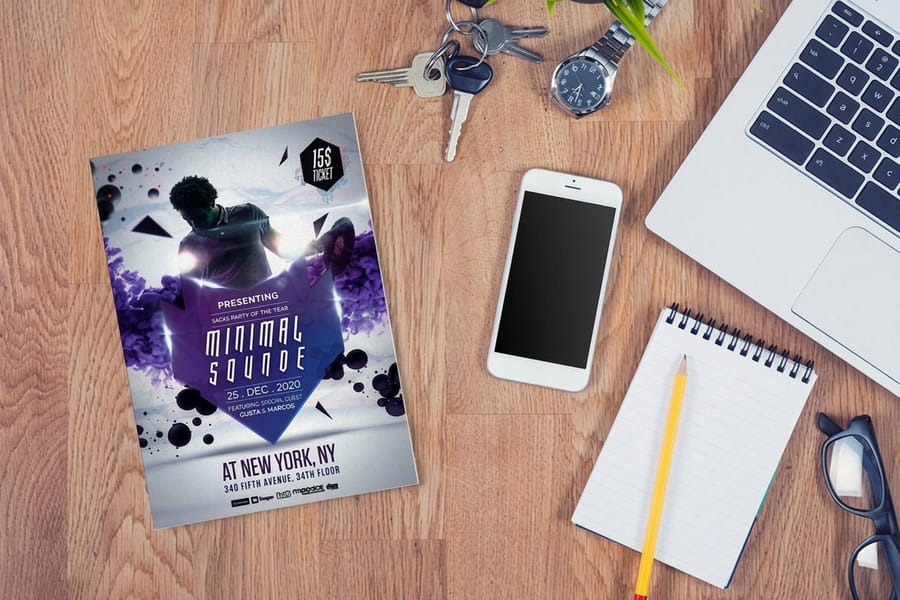
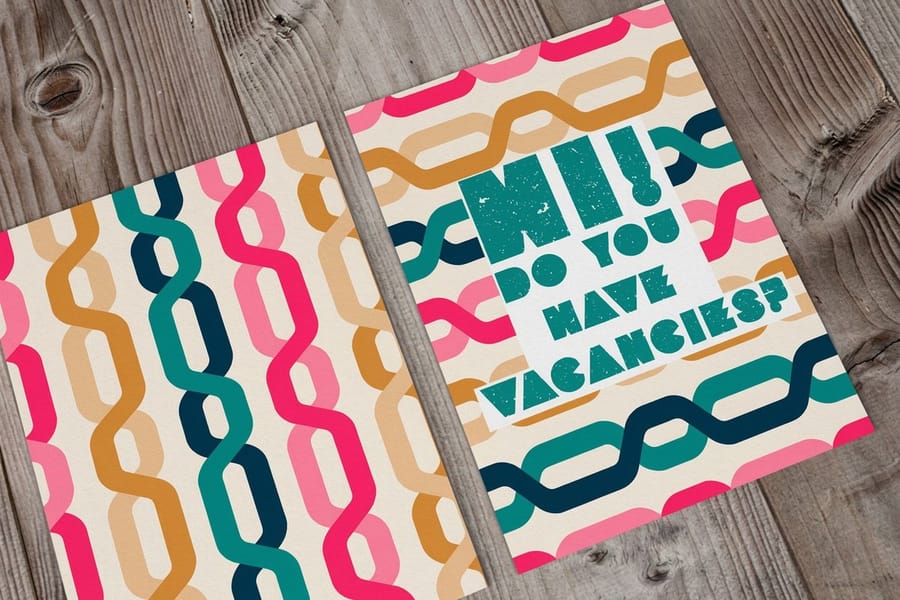
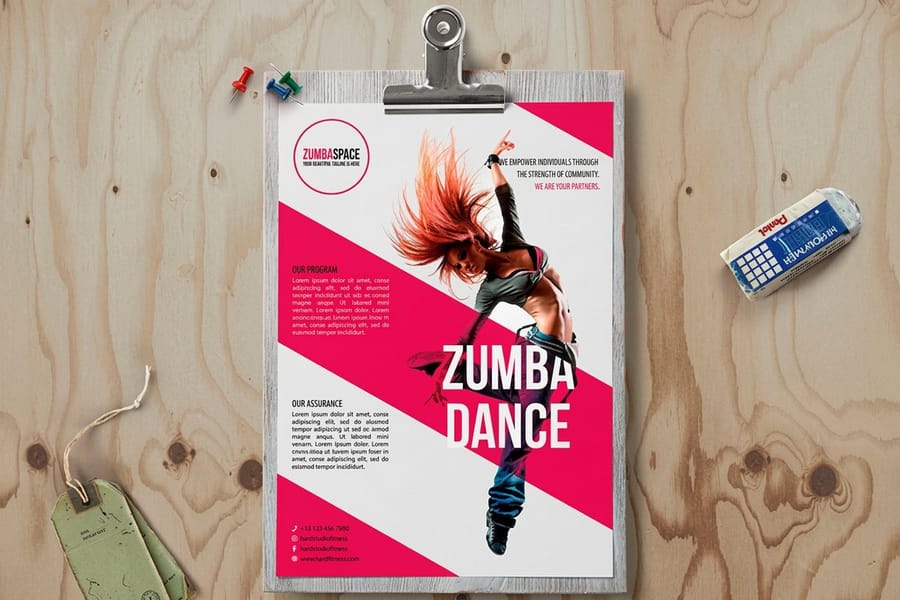
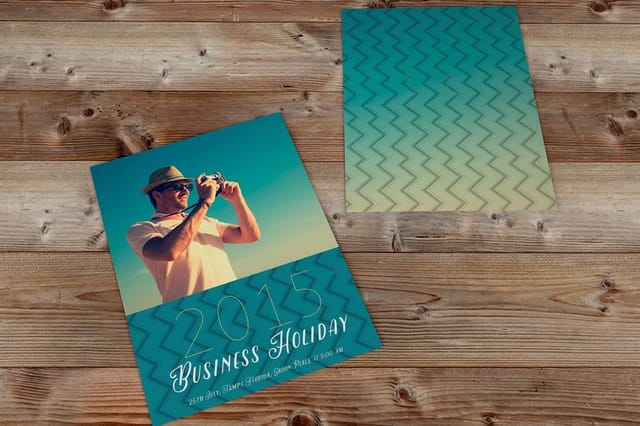
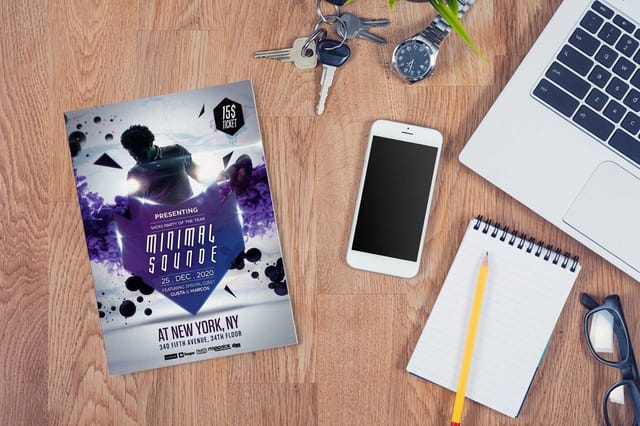
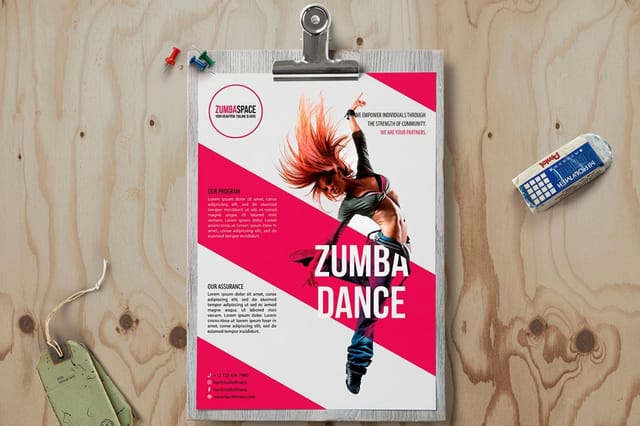
That rule applies just as hard to print, where the gap between the piece and the page is easy to miss. A Standard Postcard starts at $16.48 and carries one offer, one short URL and a QR code. Standard Flyers start at $39.54 and do the same job at a market stall or a trade counter. Print the exact offer wording that sits in the page headline, and give the campaign its own short URL so you can tell which piece produced which form fill. Our guide to adding a QR code to postcards covers the sizing and quiet zone that keep the code readable off a glossy stock.
Print earns its place here because it reaches people paid search cannot. A neighborhood drop, a counter stack, a piece in an invoice envelope: each one puts your offer in a hand rather than in a feed. The sequencing in five quick steps to send direct mail postcards and the coverage rules in flyer distribution best practices matter more than the design, because a beautiful piece delivered to the wrong street still produces nothing. Browse sizes and stocks under postcard printing and flyer printing once the offer is settled.
Proof People Can Check, and the Objection Nobody Types
Proof is anything a stranger can verify without asking you. A named customer and their town. A photo of the job you finished last month, not a stock image. A date. A license number. A link to the review page rather than a screenshot of it. Trusted by hundreds of businesses proves nothing, because you wrote it about yourself.
The objection block is the part most pages skip, and it is where the money is. Every offer has one worry the visitor will not put in writing. For a free inspection it is will this turn into a sales pitch. For a download it is how much email am I signing up for. For a quote it is are you going to be double the price of the other two. Write the worry in the visitor's own language, answer it in one or two sentences, and put it directly above the form. A line as plain as we will send the report whether or not you hire us removes more hesitation than another paragraph of benefits.
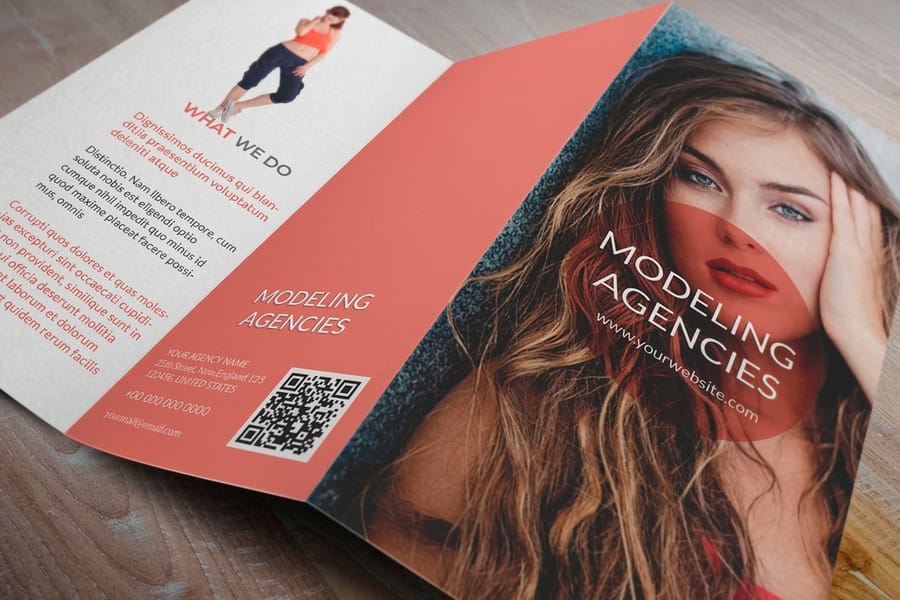
Naming your limits is part of this. If you only work within thirty miles, say so on the page. If the lead time is six weeks in spring, say six weeks. You lose the enquiries you were going to lose anyway, later and more expensively, and the ones that remain arrive already qualified. Where the decision is slower and involves more than one person, a leave-behind carries the proof further than a browser tab: Standard Brochures start at $57.11 and hold the photographs, and a one page Sales Sheet at $75.80 is the piece a champion forwards internally. The examples in 12 sales collateral examples show where each format tends to land.
Cut the Friction, Then Ask For One Thing
Interest and effort are separate budgets. A visitor can be convinced and still leave because the form asked for six things and one of them was budget. Ask for what you need to take the next step, and nothing else. If the next step is a phone call, name and number is the whole form.
Qualifying fields are a deliberate trade, not a mistake. Adding budget and timeline lowers the number of submissions and raises the quality of what arrives, which is right when your calendar is full and wrong when you are chasing work. Decide which situation you are in before adding a field, and remove the field when the situation changes.
Then strip the escape routes. Drop the navigation menu, keep the logo and the phone number, move policy links to the footer. Use one button with a verb the visitor would use themselves: book my free check, send me the guide, get my quote. Repeat that same button once further down, worded identically. Two different calls to action of equal weight do not double your options, they force a decision the visitor did not come to make. What happens after the form is submitted matters as much as the page: an email nurture sequence keeps the people who are not ready yet, and the content funnel guide shows where the landing page sits in the wider path.
The Landing Page Persuasion Checklist
Run this before you spend on traffic. Most underperforming pages fail three or four of these, and fixing them is cheaper than buying more clicks.
- Does the headline repeat the wording of the ad, postcard or email that sent the visitor here?
- Is the offer stated in concrete terms, with what they get and what it costs, including free?
- Is there one proof element above the fold that a stranger could verify?
- Is at least one proof element a name, a date, a photo of real work or a public link?
- Have you written the one objection the visitor will not type, and answered it near the form?
- Are your limits stated plainly, including service area, lead time and who this is not for?
- Does the form ask only for what the next step needs?
- Have you removed the navigation menu and every competing link above the fold?
- Is there exactly one call to action, using a verb the visitor would use themselves?
- Does the page tell them what happens after they submit, and how soon?
- Does it read cleanly on a phone with one thumb, form included?
- Does the printed piece that drives the traffic carry the same offer wording and its own trackable URL?
The last line is where most print campaigns quietly fail. A postcard promising one thing and a page promising another wastes both. If you are building the wider program rather than one page, 13 small business lead generation strategies covers the channels that feed it, and the advertising copywriting guide sharpens the line that earns the click.
Wally explains message match
The words on the card have to be the words on the page

Wally hands out a postcard that says free roof check. Whoever scans the code has to land on a page that says free roof check, in those words, at the top. If the page says premium residential solutions instead, they think the link was wrong and leave in a second. Same offer, same wording, one button, and a URL that tells Wally which stack of postcards produced the call.
Print postcards that match your page →Specs and pricing
The pieces that feed a landing page, sized and priced
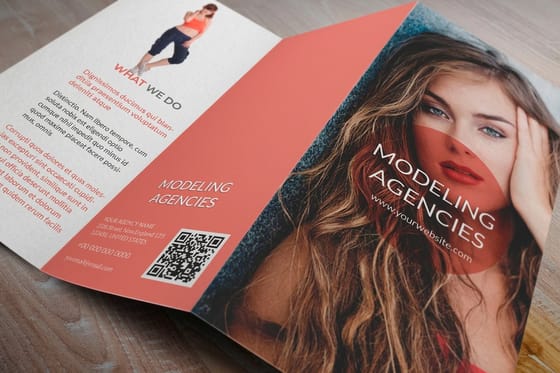
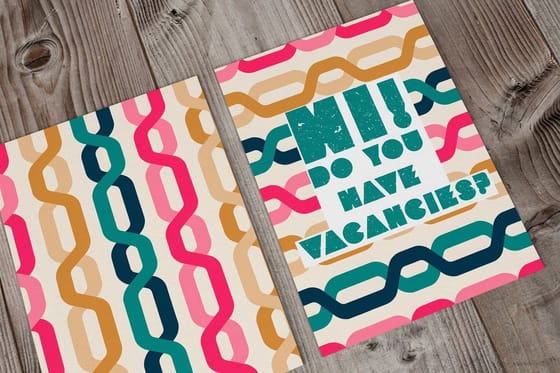
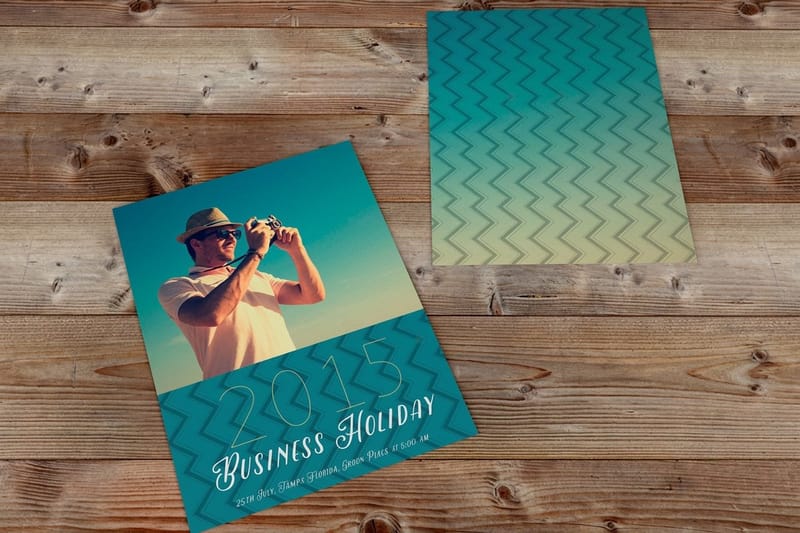
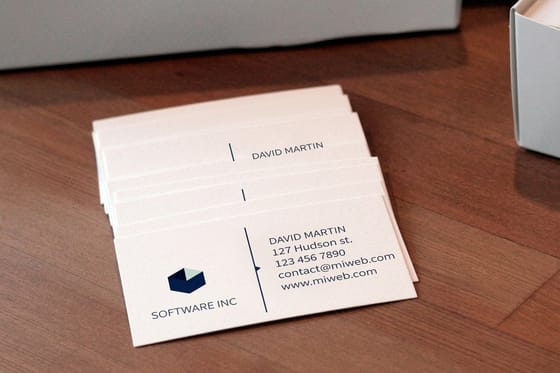
Postcards for the mailbox, flyers for the counter, brochures for the slow decision. Live configuration options and starting prices from the 4OVER4.COM configurator.


Print it
Put the offer in a hand as well as a feed
Explore more
Where to go next
By the numbers
Sales sheets and flyers for the offline half
Common Questions
Your landing page questions, answered
What makes a landing page persuasive?
Order, specificity and proof. The page repeats the promise that earned the click, shows something a stranger can verify, answers the objection the visitor has not said out loud, removes every choice except one, and asks for that one thing. Persuasion failures are usually structural rather than stylistic: a page is missing the proof block, or it is asking for a phone call when the visitor was only ready to download something.
How long should a landing page be?
As long as the decision is expensive. A free download needs a headline, one proof point and two form fields. A service that costs several thousand dollars needs photos of finished work, a named reference, pricing ranges, an answer to the cancellation question and a description of what happens after the form is sent. Length is a symptom of the offer, not a target to hit.
How many form fields should I use?
Ask for the minimum that lets you take the next step, then ask for the rest in the conversation that follows. If a phone call is the next step, name and phone number is enough. Qualifying fields such as budget and timeline reduce the number of submissions and raise the quality of the ones you get, so add them only when you are turning away work rather than chasing it.
Should a landing page have a navigation menu?
Usually not. A menu invites the visitor to browse, and browsing is how a decision gets postponed. Keep the logo, keep the phone number, drop the rest, and put your policy pages in the footer where they satisfy trust without pulling attention off the form. The exception is a page selling something people compare across your catalog, where a route back to the full range prevents a dead end.
What kind of proof works best?
Anything with a name, a number or a date attached. A quote from Marisol at a named bakery beats five stars from a happy customer. A photo of the job you did last month beats a stock image. A license number, a warranty length, a member badge and a public review page all work because the visitor can check them. Proof that cannot be checked is decoration.
Where do printed pieces fit into a landing page strategy?
They create the traffic and they carry the offer. A postcard or a flyer puts a short URL and a QR code in a hand, and the landing page finishes the job the print started. Standard Postcards start at $16.48 at 4OVER4.COM and Standard Flyers start at $39.54, so a local test costs less than a week of paid clicks. Print the same offer wording that appears on the page, or you break message match before the visitor even arrives.
Get Started
Order 50 sales sheets from $75.80
Print the postcard or the flyer that carries the offer, point it at a page that repeats the same words, and give the campaign its own URL so you know what worked.
Legal Disclaimer
Gold Standard guarantees apply to all standard orders placed through 4over4.com. Price match requires verifiable proof of a competitor's published price for an equivalent product with matching specifications and turnaround time. Satisfaction guarantee covers manufacturing defects and print quality issues. Contact support with order number and documentation. On-time delivery rate based on tracked orders 1999 to 2026. Individual results may vary based on shipping carrier performance.
