
What Size Are Posters? Complete Dimensions Guide


Standard posters run 11x17 to 24x36 inches, movie posters hold their own 27x40 one-sheet, and oversized formats start at 36x48. Pick by viewing distance first, then check the file still holds resolution at that size.
Standard poster sizes range from 11x17 to 24x36 inches, with 18x24 and 24x36 the most popular. Movie posters follow their own standard at 27x40 inches, and oversized formats begin at 36x48. Pick the size by viewing distance and wall space, add 0.125 inch of bleed, and 4OVER4.COM prints every standard and custom dimension.

Quick tips
How big are posters, really?
The regular poster size is 24x36 inches, and the other standards are 11x17, 18x24 and the 27x40 inch movie one-sheet. Anything from 36x48 inches up is oversized. If you have ever asked what size are posters, you are not alone. A poster for a bedroom wall is a completely different animal than one for a trade show booth or a retail storefront. Standard dimensions run 11x17, 18x24, and 24x36 inches, movie posters hold 27x40, and oversized formats start at 36x48. In centimeters those are 27.9 x 43.2, 45.7 x 61, 61 x 91.4, 68.6 x 101.6 and 91.4 x 121.9. Whichever one you pick, add 0.125 inch of bleed on all four sides and keep text 0.25 inch inside the trim. This guide walks through every size, explains what fits where, and helps you order with confidence. Jump to the poster sizes chart for the numbers side by side, or browse the marketing materials hub for the full lineup.
Sizes chart
Standard poster sizes chart in inches and centimeters
Every regular poster size in one table, with the metric equivalent and the job each format is built for. One inch is 2.54 cm, and the centimeter column is rounded to the nearest millimeter.
| Size name | Inches | Centimeters | Common use |
|---|---|---|---|
| Small poster | 11 x 17 | 27.9 x 43.2 | Bulletin boards, handouts, small displays, event announcements, mini movie posters |
| Medium poster | 18 x 24 | 45.7 x 61 | Retail signage, art prints, event promotions, classroom posters |
| Half sheet | 22 x 28 | 55.9 x 71.1 | Window and counter signs, in-store price and promo cards |
| Regular poster | 24 x 36 | 61 x 91.4 | Wall decor, gallery prints, large promotional displays, trade shows |
| One sheet | 27 x 40 | 68.6 x 101.6 | Movie posters in the industry-standard one-sheet format |
| Oversized | 36 x 48 | 91.4 x 121.9 | Storefront displays, conference backdrops, large-scale signage |
| A2 | 16.5 x 23.4 | 42 x 59.4 | International standard for art prints and gig posters |
| A1 | 23.4 x 33.1 | 59.4 x 84.1 | International standard for exhibition boards and research posters |
| A0 | 33.1 x 46.8 | 84.1 x 118.9 | International standard for full-height display and event backdrops |
Whichever row you pick, build the file 0.125 inch larger on every side for bleed, so an 18x24 poster is set up as an 18.25 x 24.25 inch file and a 24x36 as 24.25 x 36.25, and keep every piece of text 0.25 inch inside the trim. The A sizes sit close to the US ones without matching them: A2 at 42 x 59.4 cm is narrower and shorter than 18x24 inches, so an A2 frame will not hold an 18x24 print and the file has to be rebuilt rather than scaled.
Small format posters: 11x17 inches
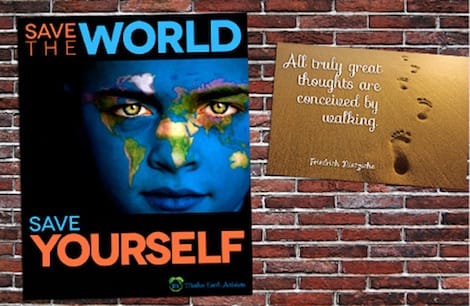
The 11x17 inch poster, also called tabloid size, is the smallest standard option. It is twice the size of a regular letter sheet, and you will spot it pinned to bulletin boards in coffee shops, taped inside store windows, and handed out at events.
This format shines when you need quantity over size. Think restaurant specials, campus event notices, and community announcements. The compact dimensions make them easy to mail flat without extra postage. If you are creating promotional pieces, our guide on how to make flyers covers smaller-format alternatives, and the design templates library has poster layouts already set to the right size.
Medium format posters: 18x24 inches
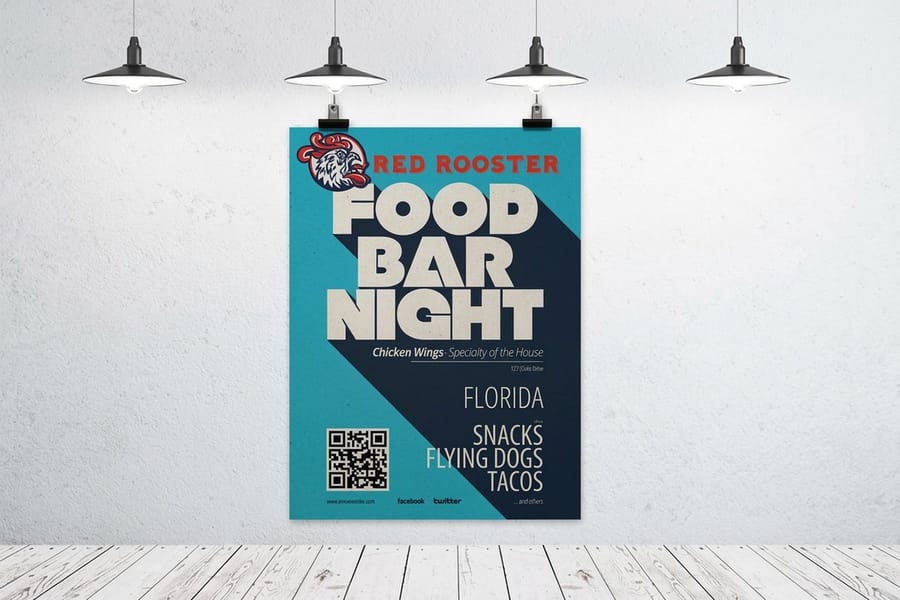
18x24 inches is arguably the most versatile poster size. It is large enough to read from across a room but compact enough to display almost anywhere. This is the go-to for event promotions, art prints, retail signage, and educational displays.
At 18x24 your design has enough breathing room for a bold headline, supporting text, and imagery that actually lands. It is the sweet spot between too small to notice and too big to hang easily. If you are wondering how big are posters in most retail settings, this is your answer.
Real estate agents use this size for open house signs, bands use it for gig posters, and teachers use it for classroom displays. Visit the showcase to see how other customers have put this popular size to work.
Large format posters: 24x36 inches

The 24x36 inch poster is what most people picture when they think poster. It is the standard for dorm decor, gallery prints, and large promotional displays, and it is the size you will find in most poster frames at retail stores.
At two feet by three feet you have serious visual real estate. Headlines read cleanly from 15 to 20 feet away, and photography or illustration holds its detail at this scale. If your poster needs to stop foot traffic or dominate a wall, 24x36 is the baseline.
This size also works for trade show presentations, conference displays, and lobby signage. Standard frame availability makes it a practical choice, since your audience can frame and keep these posters long after the event.
What size are movie posters? 27x40 inches
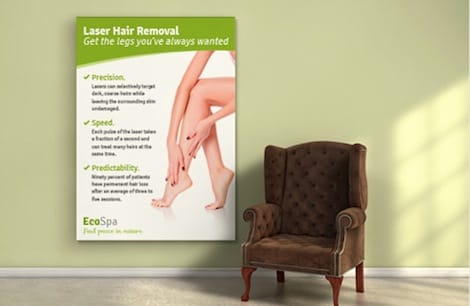
Movie posters follow their own standard of 27x40 inches, also called the one-sheet. This has been the industry standard since the 1980s. Before that, movie posters were 27x41 inches. If you collect posters or are creating movie-themed decor, this is the size you need.
The 27x40 dimension is built for theater lobby display cases. It is tall and narrow compared with standard poster sizes, which gives that distinctive cinematic proportion. When people ask what size are movie posters, the answer is almost always 27x40, with very few exceptions.
Some specialty formats exist too. Mini movie posters run 11x17 inches, and bus shelter movie ads are typically 47x68 inches. But for the classic movie poster you would hang on a wall or add to a collection, 27x40 is the standard.
Oversized posters: 36x48 inches and beyond

When standard sizes are not big enough, oversized posters start at 36x48 inches and go up from there. These are built for impact, from storefront windows to conference backdrops and large-scale art installations.
At this scale resolution matters a lot. You will want image files at 150 to 300 DPI to avoid pixelation, and text large enough to read from at least 10 to 15 feet away. The good news is that 4OVER4.COM offers free file review to catch any resolution issues before your poster goes to press. For more print-ready tips, browse the guide hub, and if you want a running start, grab a ready-made layout like standing poster displays or 3D lenticular posters.
Choosing the right poster size for your space

Three things set the right poster size: viewing distance, display location, and content density.
For viewing distance, use this rule of thumb. If people will be within 3 to 5 feet, like a hallway or small room, 11x17 or 18x24 works great. For 5 to 15 feet, such as a retail floor or classroom, go with 24x36. Beyond 15 feet, like a trade show or storefront, you need 36x48 or larger.
Display location matters because wall space, frame availability, and mounting options vary. A poster that is too large for its wall looks cramped, and one that is too small disappears. Measure your available space before you order. Content density is the third factor. A poster with just a photo and a headline works at any size, but detailed text, charts, or multiple images need more square inches. Do not try to cram a 24x36 design into an 11x17 format, because it will not read well.
Paper stock and finish by poster size

Your choice of paper changes how a poster looks, feels, and lasts. Smaller posters, 11x17 and 18x24, work well on heavier card stock because they are often handled directly. A sturdy, thick stock feels professional and resists bending.
Larger posters, 24x36 and up, are usually printed on lighter-weight paper because they are displayed flat against walls. Glossy finishes make color pop and suit photography-heavy designs, matte finishes reduce glare for a gallery-quality look, and satin sits right in between with vivid color and no shine.
For posters that need to survive outdoor conditions or heavy handling, consider mounted options. Our mounted posters print on rigid substrates that will not curl, bend, or warp. If you enjoy hands-on projects, our guide on how to make custom magnets covers another durable print format worth exploring.
Setting up your poster file correctly
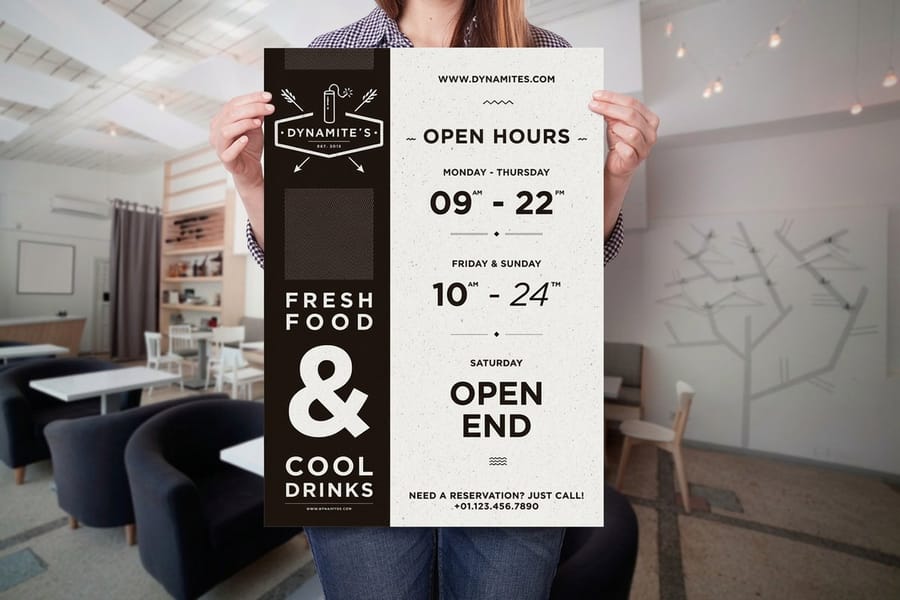
Getting your file dimensions right from the start prevents costly reprints. The numbers below are the ones a press needs.
Always add bleed. Bleed is the extra 0.125 inch of design that extends past the trim line on all four sides, so an 18x24 poster file should actually be set up at 18.25x24.25 inches. This keeps white edges from showing after cutting. Keep important text and logos at least 0.25 inch inside the trim line. That is your safe zone, and anything closer to the edge risks getting clipped during production.
Set your color mode to CMYK, not RGB. RGB is for screens and CMYK is for print, so colors will shift if you submit an RGB file. Resolution should be 300 DPI for posters up to 24x36, and 150 DPI is fine for larger formats viewed from a distance, though below 150 DPI you will see visible pixelation. The same file-setup principles carry across formats, so our guides on how to fold a brochure and how to make envelopes are worth a read, and if you work with print accessories our guide on how to clean rubber stamps keeps them sharp.
Quick reference: common poster sizes

The most common poster dimensions and their typical uses, with the metric size and how easy each format is to frame.
- 11x17 inches: bulletin boards, handouts, small displays, event announcements. That is 27.9 x 43.2 cm, and frame shops stock it as the tabloid or mini one-sheet size, so an off-the-shelf frame is easy to find.
- 18x24 inches: retail signage, art prints, event promotions, classroom posters. That is 45.7 x 61 cm, one of the two sizes every frame aisle carries, so no custom framing is needed.
- 24x36 inches: wall decor, gallery prints, large promotional displays, trade shows. That is 61 x 91.4 cm, the size most poster frames are built for, which is why it is the default pick for anything going on a wall.
- 27x40 inches: movie posters in the industry-standard one-sheet format. That is 68.6 x 101.6 cm, and frames exist for it but they sit in the movie poster aisle rather than the general one, so order the frame before the print.
- 36x48 inches: storefront displays, conference backdrops, large-scale signage. That is 91.4 x 121.9 cm, past the point where stock frames end, so plan on custom framing or on mounting the poster instead.
Each size serves a different purpose, so do not default to the biggest option thinking it will have more impact. A well-designed 18x24 poster in the right location beats a poorly placed 36x48 every time. For a dimensional twist on smaller formats, our 3D lenticular postcards add motion that flat prints cannot. If you want every size lined up against the A series as well, the poster sizes chart higher up the page has all of them in inches and centimeters.
Sizing mistakes that waste your budget

When figuring out what size are posters for your project, these are the errors that trip people up most often.
Ignoring bleed. Forgetting to add 0.125 inch of bleed on each side is the number one file-rejection reason. Your design looks perfect on screen, then arrives with white edges, so always extend backgrounds and images past the trim line.
Choosing size before location. Do not pick a poster size and then figure out where to hang it. Measure your display space first, because a 24x36 poster crammed into a 20 inch frame slot helps nobody.
Low resolution on large formats. Stretching a small image across a 36x48 poster creates a blurry mess. Start with high-resolution source files, and lean on our free file review to catch it before printing.
Forgetting the safe zone. Text too close to the edge gets trimmed. Keep all critical content at least 0.25 inch from the cut line, which matters most when you resize one poster format into another without adjusting margins.
Wally explains poster sizing
The right size is the one that fits the wall and the reader
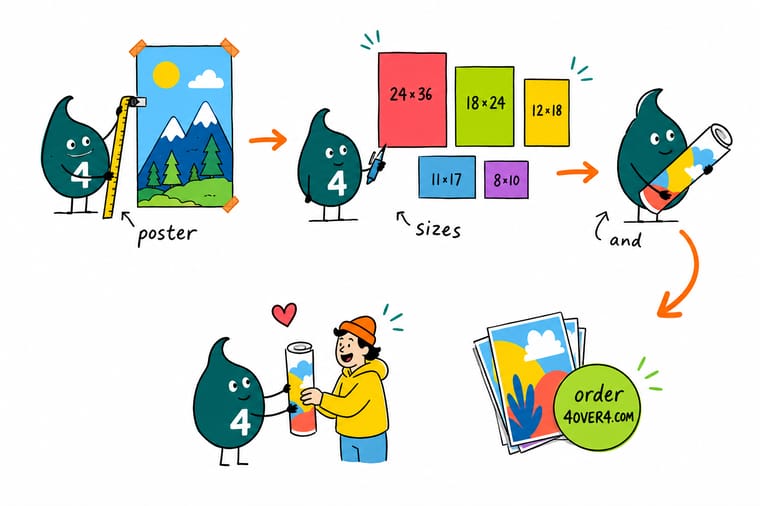
Wally sizes a poster the way you would hang a picture frame: measure the wall first, then match the format to how far away people will stand. Close up, 11x17 or 18x24 does the job, a room away calls for 24x36, and a storefront wants 36x48 or bigger. Add a sliver of bleed on every edge, keep the important text off the trim line, and 4OVER4 prints it at any standard or custom size you need.
Order posters →Specs and pricing
Custom poster specs and pricing
Once you know the size you need, here is what a made-to-order poster gives you at 4OVER4.COM, with live specs and price-per-unit straight from the configurator.

| Quantity | Price Per Unit | Total |
|---|---|---|
| 50 | $2.18 | $108.75 |
| 100 | $1.64 | $163.67 |
| 200 | $1.01 | $202.11 |
| 300 | 80.2¢ | $240.55 |
| 400 | 69.7¢ | $278.99 |
| 500 | 63.5¢ | $317.44 |
| 600 | 55.8¢ | $335.02 |
| 700 | 50.4¢ | $352.59 |
Print it
Poster products worth printing


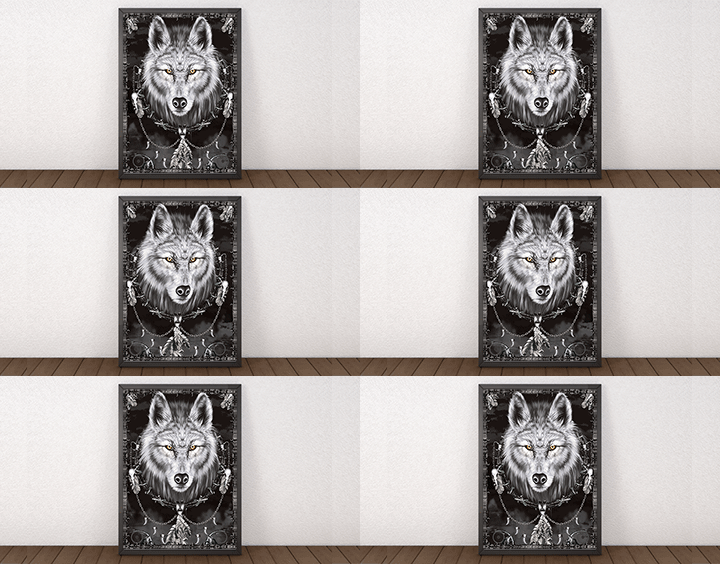
See it in use
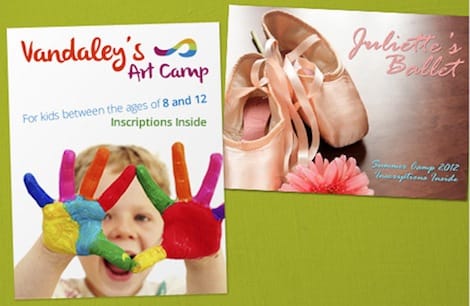
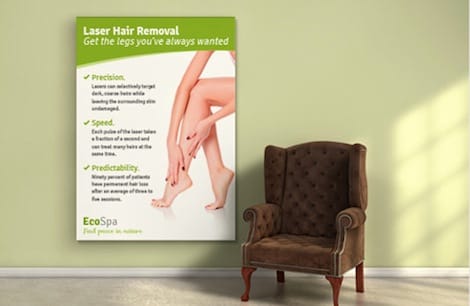
Poster sizes we ran for customer jobs

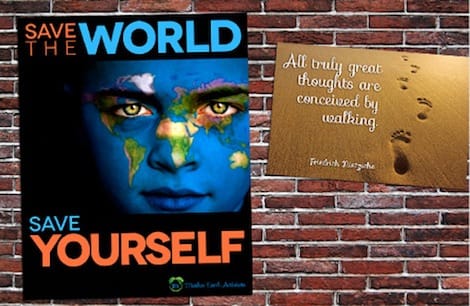
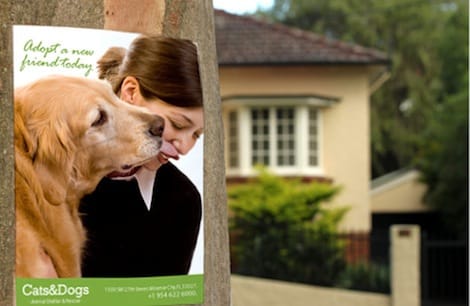



Explore more
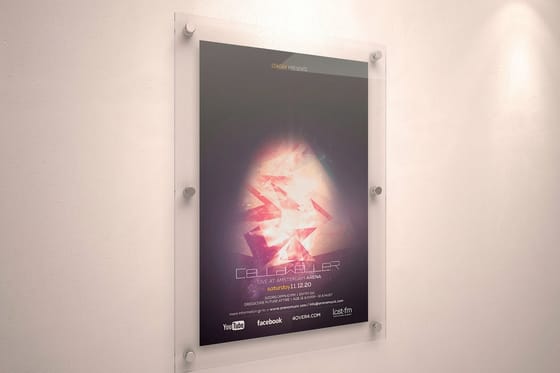
Where to go next

By the numbers
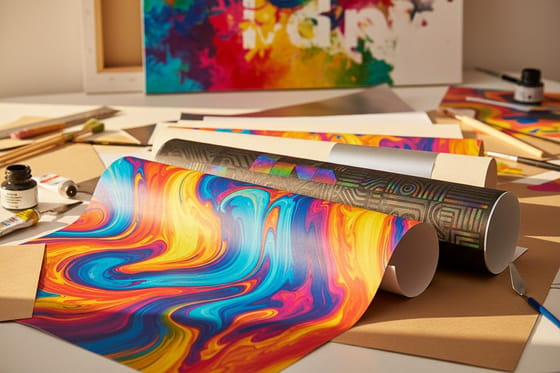
The wide-format presses behind a 24x36
Common Questions
Your poster size questions, answered
What is a regular poster size in inches?
The regular poster size is 24x36 inches, or 61 x 91.4 centimeters. The other standards are 11x17 inches (27.9 x 43.2 cm), 18x24 inches (45.7 x 61 cm) and the 27x40 inch movie one-sheet (68.6 x 101.6 cm), with 36x48 inches (91.4 x 121.9 cm) as the usual oversized step. 18x24 and 24x36 both fit off-the-shelf frames, so they are the safest picks for wall display. Whichever size you order, build the file with 0.125 inch of bleed on all four sides and keep text 0.25 inch inside the trim.
What is 18x24 inches in centimeters?
An 18x24 inch poster is 45.7 x 61 centimeters, since one inch is 2.54 cm. It is close to A2 at 42 x 59.4 cm but not the same, so an 18x24 print will not sit in an A2 frame and has to be rebuilt rather than scaled. For printing, set the file to 18.25 x 24.25 inches to carry 0.125 inch of bleed on every edge, then keep all critical text 0.25 inch inside the 18x24 trim.
What is the most common poster size?
The 24x36 inch poster is the most popular size. It is the standard for wall decor, promotional displays, and gallery prints, and most off-the-shelf poster frames are built for this exact dimension, which makes it the easiest size to display. At 4OVER4.COM you can print 24x36 posters on 60 plus paper types with multiple finish options.
What size are movie posters?
Standard movie posters measure 27x40 inches, known in the industry as a one-sheet. This has been the standard since the 1980s, and mini movie posters run 11x17 inches. If you are printing a custom movie poster, set your file to 27x40 with 0.125 inch bleed on all sides.
How big are posters for trade shows?
Trade show posters typically range from 24x36 to 36x48 inches, depending on booth size and viewing distance. For a standard 10 foot booth a 24x36 poster works well, while larger booths benefit from 36x48 or a custom oversized format. Consider mounted posters for a professional, rigid display that stands up to travel.
What poster size should I use for indoor wall art?
For bedrooms and living rooms, 18x24 or 24x36 inches are the most popular choices. Measure your wall space first. A good rule is that the poster should fill about 60 to 75 percent of the available wall width. Smaller rooms work better with 18x24, and larger walls can handle 24x36 or bigger.
Do I need to add bleed to my poster file?
Yes. Add 0.125 inch of bleed on every side of your poster file, which means an 18x24 poster should be set up at 18.25x24.25 inches. Bleed prevents white edges after trimming. 4OVER4.COM offers free file review with every poster order to catch bleed and resolution issues before printing.
Can I print a custom poster size that isn't standard?
Absolutely. While standard sizes like 18x24, 24x36, and 27x40 are most common, 4OVER4.COM prints custom dimensions to fit your exact needs. Custom sizes are ideal for unusual display spaces, architectural installations, or any time standard frames just will not cut it. Reach out to the team for custom sizing options.
Get Started
Order a 24x36 poster, 50 for $108.75
Pick your size, drop in your artwork, and we print a sharp, color-true poster on the stock and finish that suits your space.
Legal Disclaimer
Gold Standard guarantees apply to all standard orders placed through 4over4.com. Price match requires verifiable proof of a competitor's published price for an equivalent product with matching specifications and turnaround time. Satisfaction guarantee covers manufacturing defects and print quality issues. Contact support with order number and documentation. On-time delivery rate based on tracked orders 1999 to 2026. Individual results may vary based on shipping carrier performance.
