
How to Remove Scratch Off Labels Without Damaging the Code


Last reviewed August 2026
Use a rigid plastic card, not a coin, scrape one way on a flat surface, then lift any leftover coating with tape. Here is how to reveal the code cleanly without ever wrecking the PIN underneath.
To remove a scratch off label without damaging the code, use a rigid plastic card instead of a coin. Lay the card flat on a hard surface, hold your plastic scraper at about 45 degrees, and scrape in one direction with firm, even pressure. For stubborn coatings, press clear tape over the panel and peel it back slowly. Clean any residue with a damp cloth or a dab of rubbing alcohol, and keep coins, keys, and heat well away from the PIN.

Direct answer
The best way to scratch off a gift card code
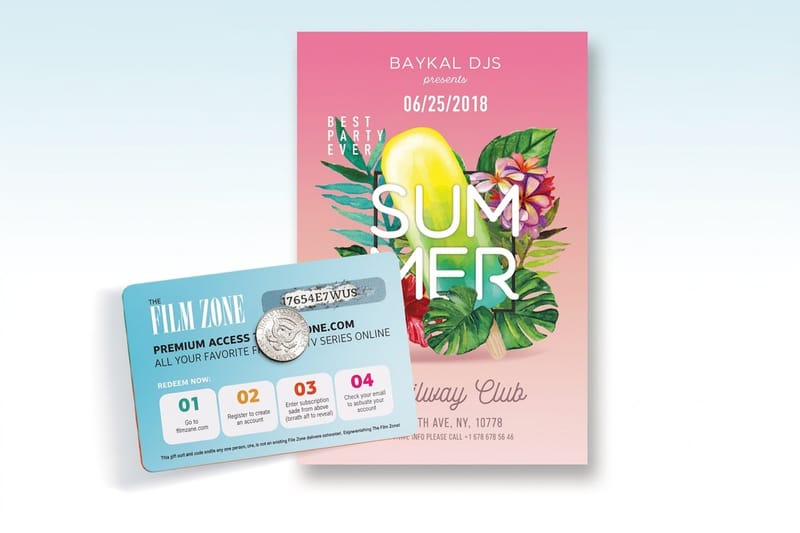
The best way to scratch off a gift card code is to lay the card flat on a hard surface and drag the edge of a second plastic card across the panel at a shallow angle, using light strokes until the numbers show. Never use a coin, a key, or a fingernail, because a metal or hard edge scores the printed code as it lifts the coating. Work in one direction rather than back and forth, take two or three light passes instead of one hard one, and stop the moment every character is readable. If the coating smears instead of flaking away, press clear packing tape over the panel and peel it back slowly to lift the coating in layers.
Quick tips
Quick tips for removing scratch off labels cleanly
Knowing how to remove a scratch off label without damaging the code underneath saves real time and money. Use a rigid plastic card, not a coin, to lift the silver coating away. Never use a coin, a key, or a fingernail, because a metal or hard edge scores the printed code as it lifts the coating. Work on a hard, flat surface, apply even pressure, and peel slowly. If residue stays behind, a damp cloth or a little rubbing alcohol handles it. 4OVER4.COM prints scratch off materials used by 150,000+ businesses, so we know exactly how these coatings behave and how to take them off cleanly.
Watch it printed
See scratch off on the press, in 108 seconds
Why careful scratch off label removal matters more than you think
Scratch off labels hide the parts of a card that actually matter. Gift card PINs, promo codes, contest results, and verification numbers all sit under that thin silver coating. Rush the reveal and you can gouge the digits underneath, which turns a loaded gift card into a worthless piece of cardstock. That is real money or a ruined promotion gone in one careless swipe.
The coating is built to resist accidental scratches while still coming off on purpose, and that tension is exactly why so many people damage the code. This guide walks through the safest ways to remove scratch off labels from gift cards, promotional mailers, and custom printed cards, including which tools to reach for and which ones to put down. 4OVER4.COM has printed billions of cards across more than a thousand products, so we have seen every removal mistake there is. Want to design your own promotion? Start with a custom scratch off card and a scannable backup from our QR code generator.
The safest methods for removing a scratch off label
Removing a scratch off label sounds like a one-step job. Scratch it, read the code, done. The reality is that the coating is engineered to be tough, so the wrong tool or too much force punches straight through to the numbers. The trick is matching the method to the coating and the surface it sits on.
Below are the approaches that consistently work, starting with the most reliable. Each one trades a little speed for a lot of safety, and none of them asks for anything you do not already have in a drawer. If you like this kind of hands-on, low-tech fix, our guide hub is full of them.
The plastic card method, the best overall approach
Grab a spare credit card, loyalty card, or any rigid plastic card you do not mind using as a scraper. Lay the scratch off label face up on a hard, flat surface like a table or countertop. Do not hold the card in the air while you scrape, because that is how you end up applying uneven pressure and smearing the coating.
Hold the plastic card at roughly a 45 degree angle against the coating and apply firm but controlled pressure. Scrape in one direction, away from you, rather than back and forth. The silver or gray coating should peel off in thin strips. Go slow, because there is no prize for speed here.
The whole method, step by step:
- Set the card down. Face up, on a table or countertop. Nothing soft, nothing you are holding in mid air.
- Pick your scraper. A spare credit card, loyalty card, or hotel key card. The stiffer the plastic, the more evenly it spreads the pressure.
- Start at one edge of the panel. Rest the plastic edge on the coating at about 45 degrees, at the top of the silver area, not on the printed border.
- Pull once, away from you. Light pressure, one direction, one pass. The coating should come up in thin strips rather than smear.
- Repeat in light passes. Two or three gentle passes beat one hard one every time, and each pass clears another layer without touching the ink.
- Stop and photograph. The second every character is readable, stop scraping and take a close-up photo of the code before you redeem it, so you have a backup if the card gets lost.
This works because plastic will not gouge the printed numbers the way a coin can. The flat edge spreads pressure evenly across the surface, so the code stays crisp and, on a branded promo card, the design stays intact too. It is the same careful mindset we bring to every scratch off print run.
The tape lift method for stubborn coatings
Some coatings refuse to flake off cleanly and smear instead. This tends to happen with certain UV cured coatings and thicker latex based scratch off inks, where scraping just pushes pigment around.
Reach for clear packing tape instead. Press a strip firmly over the scratch off area and smooth it down with a fingertip so it fully adheres. Then peel the tape away slowly at a low angle, almost parallel to the surface. The coating lifts off with the tape and leaves the code underneath clean and readable.
You may need two or three passes to clear all of it, and that is completely normal. Each pass removes another layer without putting any mechanical stress on the printed code. If you enjoy patient, hands-on techniques like this, our guide on how to clean rubber stamps takes the same gentle approach with a different product.
Using a pencil eraser for precision work
A clean pencil eraser works surprisingly well on smaller scratch off areas. The rubber grips the coating and rolls it away without scratching the surface underneath. Use a fresh, unused eraser, since a dirty one can smear graphite across the card.
Rub gently in small circular motions. This takes longer than the plastic card method, but it hands you far more control over exactly where the coating comes off. It is the method to use when the code area is tiny or boxed in by printed text you cannot afford to damage.
The warm water soak for adhesive-backed labels
Not every scratch off label is printed straight onto a card. Some are adhesive backed stickers laid over codes on packaging, bottles, or documents, and those need a different plan entirely.
Warm water is your best friend here. Soak a cloth in warm, not hot, water and lay it over the label for 30 to 60 seconds. The moisture loosens the adhesive without harming most printed codes underneath. Peel the label slowly from one corner, and if it resists, add more warm water and wait another half minute.
For stubborn adhesive left behind, dab a little rubbing alcohol on a cotton ball and blot rather than rub, so you do not smear any ink. This same trick helps when you want to reuse or resell packaging. If you make your own mailers, our guide on how to make envelopes covers similar material handling tips.
Scratching a wet or damp ticket without wrecking it
A scratch off card that has been rained on or dropped in a drink behaves differently. The coating softens and smears instead of flaking, the paper under it goes soft, and a hard scrape tears straight through to the code. Do not scratch it wet.
Let it dry flat first. Lay the card face up on a paper towel, press a second towel over it for a minute to lift the surface water, then leave it flat and out of the sun for a few hours. Heat from a hair dryer warps the card and can melt the coating into the ink, so let it dry on its own.
Once dry, use the tape lift rather than a scraper. Press clear packing tape over the panel, smooth it down, and peel it back at a low angle. The tape takes the softened coating in a sheet and leaves the code untouched. If the paper has cockled and the tape will not lie flat, take the plastic card in the lightest possible passes and photograph each character as it appears. A lottery or gift card with a serial number on the back can usually be traced by the issuer even when the panel is a mess, so keep the card.
What not to use when removing scratch off labels
These are the tools people grab on instinct, and every one of them tends to make things worse.
Coins. The classic first choice and a bad one. Metal edges are harder than the printed code layer, so you are not just lifting the coating, you are scoring the numbers too. One slip and a 6 becomes an 8, and now you are on hold with customer service.
Fingernails. Inconsistent pressure, uneven coverage, and usually just a smeared mess. Some scratch off inks are not pleasant on skin either.
Keys, knives, or scissors. Far too aggressive, and they will destroy the code underneath. If you are reaching for a blade, stop. For projects that actually call for cutting, see our guide on how to make flyers and use the right tool for the job.
Sandpaper or nail files. A shockingly common suggestion online and a terrible one. The abrasion strips everything, coating, code, and a layer of the card stock with it.
How to spot a tampered scratch off label
Before you remove anything, check the label for signs of tampering. Gift card fraud is a genuine problem. Thieves peel back the coating, copy the code, then reapply a fresh coating or sticker. The buyer activates the card and the thief drains the balance within minutes.
Run through these red flags before you buy or scratch:
- Uneven coating texture. Legitimate coatings are smooth and uniform. Bumps, wrinkles, or visible edges point to a replacement sticker.
- Misaligned coating. If the scratch off area does not line up with the printed border around it, someone may have reapplied it.
- Loose edges. Factory coatings bond tightly. A corner that lifts with zero effort is suspicious.
- Different color or sheen. Compare against other cards on the rack, since tampered ones often look slightly off.
- Damaged packaging. If the outer packaging looks opened and resealed, put it back.
If anything looks wrong, do not buy the card and tell the store manager. For businesses running their own promotions, professional printing with tamper evident coatings makes this kind of fraud much harder. Our guide on custom magnets shows another durable, hard-to-fake promotional product.
Dealing with a damaged or unreadable code
Already scratched too hard and cannot read the code? Do not panic, because you still have options.
Start by photographing the code area with your phone and zooming in. Digits that look wrecked to the naked eye are often still legible in a high resolution photo, especially after you nudge the brightness and contrast.
If that fails, contact the card issuer. Most major gift card companies like Amazon, Visa, Apple, and Google Play have a process for damaged codes, and they usually want the receipt, the card, and a photo of the damage. For a business promotion, contact the company that issued it, since they keep records of which codes map to which prizes. Planning your own cards? Our blank templates help you lay out both the scratch area and a secondary verification code.
Who you contact, and what they ask for, changes by issuer.
- Apple gift cards. Keep the card, the backing packaging, and the receipt together. Apple Support can trace the redemption code from the serial number printed on the back once you show proof of purchase, so the card is worth far more to you intact than in the bin.
- Google Play. Use the Google Play gift card help form and upload a photo of the front and the back of the card along with the receipt. Make sure the serial number and whatever survives of the code are both sharp in the shot, because that is what the review team matches against.
- Prepaid Visa and Mastercard. Call the issuer number printed on the back of the card rather than the store that sold it. They can usually reissue against the packaging and the receipt, and most charge a replacement fee for the new card.
- Retailer store cards. Go back to the store. The register receipt ties the activation to that specific card, so a manager can often pull the record and move the balance onto a fresh card while you wait.
Scratching an Apple gift card without damaging the code
Apple prints the redemption code straight onto the card and covers it with a thin silver panel that sits right on top of the ink, which is why these are the cards people ruin most. Lay it flat, hold a second plastic card at a shallow angle against the panel, closer to flat than upright, and pull in one direction with light pressure. Two or three light passes take the coating off in strips; one hard pass takes a character with it. Work from the edge of the panel inward, stop as soon as every character is readable, and brush the flakes off the card rather than rubbing them across the code.
Removing scratch off residue from surfaces
Sometimes the label lifts fine but leaves a sticky, silvery mess behind. This is especially common with adhesive backed scratch off labels on product packaging.
On paper and cardstock, roll a soft eraser gently over the residue. On plastic, glass, or metal, put a little rubbing alcohol or a product like Goo Gone on a soft cloth and wipe in slow circles. Keep acetone based removers away from anything printed, because they dissolve the ink along with the residue.
On fabric, where scratch off labels sometimes end up, work a bit of cooking oil into the adhesive and then wash as usual. For more material handling tips across print products, browse our guide on how to fold a brochure, or order free paper samples to feel how different stocks behave.
Making a DIY scratch off panel, and when to have it printed
The same coating people struggle to remove is easy to make at home for a handful of cards. Mix two parts acrylic paint with one part dish soap, cover the code area with a strip of clear packing tape so the paint cannot bond to the ink, and brush two thin coats of the mix over the tape. It dries in about an hour and scratches off cleanly with a plastic card or a fingernail.
The limits show up fast. Hand-painted panels are uneven, they flake in a wallet, and the tape edge shows, so a coupon that has to look like a real promotion reads as homemade. Past a few dozen pieces the painting takes longer than the design did.
For a run, a printed scratch off card applies the coating as a uniform silver panel over a printed code, with a tamper-evident surface that a peeled and replaced homemade panel cannot match. Order it when the card carries value, a prize, a discount or a PIN, and keep the paint and soap for a birthday game.
Common mistakes people make with scratch off labels
Even with the right tools, people trip over the same mistakes. Sidestep these and the code comes out clean.
Scraping too fast. Rushing creates uneven pressure, so you gouge one section while barely touching another. Slow, steady strokes win.
Using the wrong surface. Scratching while you hold the card, or resting it on something soft like a cushion, lets the card flex and the coating smear. Always use a hard, flat surface.
Skipping the tamper check. People get excited and skip the inspection. Five minutes of checking can save the entire card value.
Tossing the card too soon. Keep the physical card until you have confirmed the balance or prize landed, because disputes are far easier to resolve with the card in hand.
Applying heat. Some guides suggest a hair dryer. Do not. Heat warps the card and melts the coating into the code. Stick to the mechanical methods above and order fresh scratch off cards if you are testing your own promotion.
Wally explains scratch off labels
A plastic card beats a coin every time
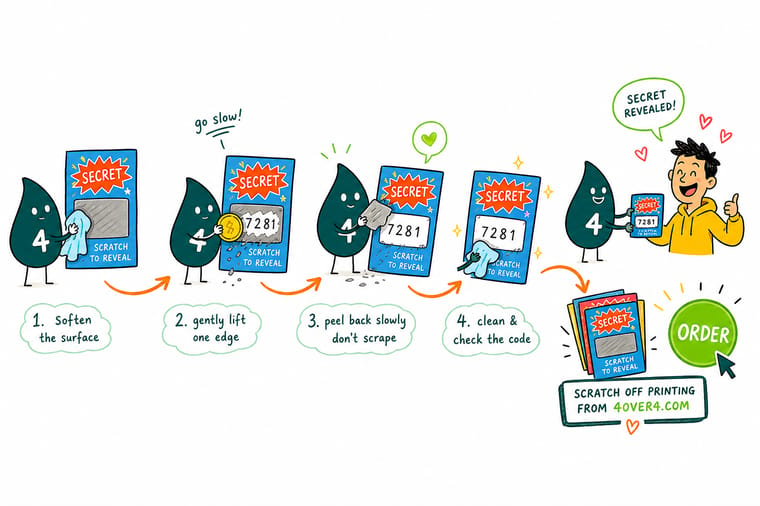
Wally treats the scratch off panel like a tiny lid over your PIN. Drag a rigid plastic card across it and the coating peels away in clean strips, leaving every digit sharp. Reach for a coin or a key and you gouge the very numbers you are trying to read. When you print your own promotion, order a scratch off card with a pro-grade, tamper-evident coating from 4OVER4 so the reveal feels great and the code stays fraud-resistant.
Order scratch off cards →Specs and pricing
Custom scratch off card specs and pricing
Running your own scratch off promotion? Here is what a made-to-order scratch off card gives you at 4OVER4.COM, with live specs and price-per-unit pulled straight from the configurator.
| Quantity | Price Per Unit | Total |
|---|---|---|
| 100 | $2.37 | $237.25 |
| 200 | $1.49 | $297.66 |
| 300 | $1.14 | $340.50 |
| 400 | 95.8¢ | $383.34 |
| 500 | 84.1¢ | $420.68 |
| 600 | 75.4¢ | $452.53 |
| 700 | 69.2¢ | $484.39 |
| 800 | 64.5¢ | $516.24 |
Print it
Order scratch off cards, tickets, and labels at 4OVER4
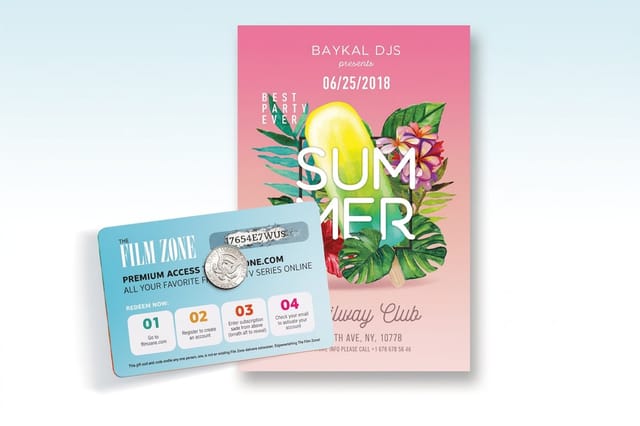
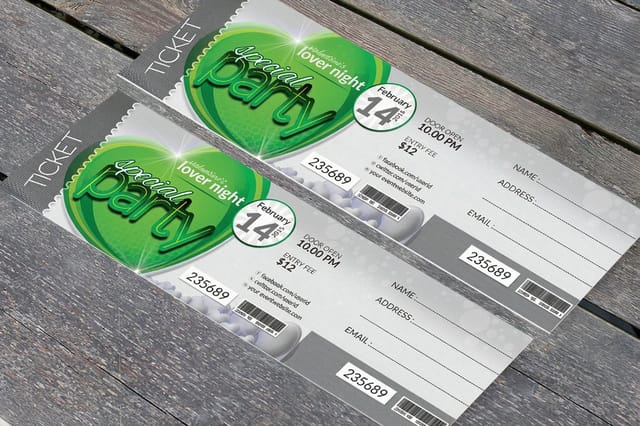
Explore more
Where to go next


By the numbers
Ten billion cards, scratch off among them
Common Questions
Common questions about removing scratch off labels
What to use instead of coins for scratch?
A rigid plastic card is the best substitute, and there are others in most drawers. A spare gift card, a loyalty card or a hotel key card scrapes the coating without scoring the code, a guitar pick does the same on a small panel, and a clean pencil eraser rolls the coating off a tight area with the most control. For a coating that smears, clear packing tape pressed over the panel and peeled back slowly lifts it in a sheet. Keys, knives and coins all cut into the printed numbers.
How to get rid of scratch marks fast?
On the card, the silver streaks left after scratching are loose coating, not marks in the paper. Brush them off with a dry fingertip or a soft cloth, then roll a clean eraser over anything that clings. Do not rub wet, because damp coating smears into the ink. On the table underneath, the flakes wipe up with a damp cloth, and a smear on plastic or glass comes off with a little rubbing alcohol. Keep acetone away from anything printed.
How do I make a DIY scratch off card?
Cover the printed code with clear packing tape, mix two parts acrylic paint with one part dish soap, and brush two thin coats over the tape. It dries in about an hour and scratches off with a plastic card. Silver or gray paint looks closest to the real thing. For more than a few dozen cards, or any card that carries a real prize or PIN, a professionally printed scratch off panel is uniform, tamper-evident and cheaper per card than an afternoon with a brush.
How do you scratch off a gift card without ruining the code?
Lay the card flat on a hard surface, hold the edge of a second plastic card at a shallow angle against the silver panel, and pull in one direction with light pressure. Take two or three light passes instead of one hard one, because the printed code sits directly under the coating. Stop as soon as every character is readable, brush the flakes off instead of rubbing them across the panel, and photograph the code before you redeem it.
What is the safest tool for removing a scratch off label?
A rigid plastic card, like a spare credit card or gift card, is the safest option. Hold it at a 45 degree angle and scrape in one direction with firm, even pressure. Plastic will not gouge the printed code the way a metal coin or key can. Rest the card on a hard, flat surface before you start.
Can I use a coin to scratch off a gift card?
You can, but it is risky. Coins have hard metal edges that can score the printed code itself, not just the coating on top. Press too hard or slip once and you end up with an unreadable PIN. A plastic card is always the safer choice.
How do I remove scratch off label residue from a surface?
For paper or cardstock, roll a soft eraser gently over the residue. For hard surfaces like glass, plastic, or metal, put a little rubbing alcohol on a soft cloth and wipe in circles. Keep acetone based products away from anything printed, since they dissolve ink. Designing your own cards? Add a scannable backup with our QR code generator.
What do you do if the gift card code is damaged?
Take a close-up photo with your phone and zoom in, because damaged digits are often still readable at high resolution once you lift the brightness and contrast. If that does not work, go back to the issuing retailer or the card issuer with three things: the receipt, the card itself, and the serial number printed on the back. That serial number is what ties the card to its balance, so it usually matters more than the ruined digits. Most major companies, Apple and Google Play included, have a process for recovering codes from damaged cards, and prepaid Visa and Mastercard issuers can reissue for a fee.
How can I tell if a scratch off label has been tampered with?
Look for uneven coating texture, a misaligned scratch area, loose edges that lift easily, or a color and sheen that differ from other cards on the shelf. Damaged outer packaging is another warning sign. If anything looks off, do not buy the card and alert the store manager.
Does heat help remove scratch off coatings?
No. Heat from a hair dryer or similar source can warp the card and melt the coating into the printed code, which makes the whole thing unreadable. Stick to mechanical methods like a plastic card, tape, or a pencil eraser for clean, safe removal.
Get Started
Ready to print your own scratch off promotion?
Pick your size, drop in your prizes and codes, and we print crisp, tamper-evident scratch off cards that reveal clean every time.
Legal Disclaimer
Gold Standard guarantees apply to all standard orders placed through 4over4.com. Price match requires verifiable proof of a competitor's published price for an equivalent product with matching specifications and turnaround time. Satisfaction guarantee covers manufacturing defects and print quality issues. Contact support with order number and documentation. On-time delivery rate based on tracked orders 1999 to 2026. Individual results may vary based on shipping carrier performance.
