
How to Design Raffle Tickets That Sell More Entries


Size the ticket, number both halves, pick a stock that takes pen ink, and lead with the prize. This guide runs from the permit you may need to the moment you pull the winning stub.
To make raffle tickets, start with a 2 by 5.5 inch layout and a perforated stub, then add sequential matching numbers to both halves. Print on 14pt to 16pt uncoated or matte stock so buyers can write on the stub, lead with the prize in your brand colors, and confirm your state raffle rules before you order. Add 30 to 50 percent extra to your print run so you never sell out mid-event. If your state requires it, register or license the raffle with the gaming commission first, then draw in public from one sealed container so the result is never in question.

Quick tips
Quick tips for printing raffle tickets
Match the numbers on both halves and your raffle stays fair and easy to track. Print on 14pt to 16pt uncoated or matte cardstock so buyers can fill in the stub, lead with the prize in your brand colors, and check your state raffle laws before you order. Nonprofits and schools that follow this simple checklist sell more tickets and run a smoother drawing every time.
Why custom raffle tickets still work
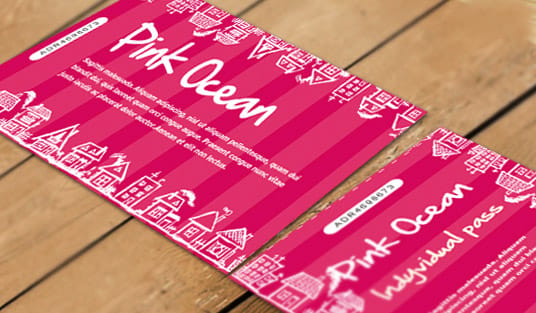
Raffle tickets do something a digital entry never can. They put a physical reminder right in someone's hand, and that little stub builds real anticipation. It feels tangible and official, and that feeling is what drives more participation and bigger donations at events of every size.
Getting the design right matters more than most people expect. Matching numbers, clean tear lines, readable text, and your organization branding are the details that separate a polished fundraiser from a chaotic one. If you are pulling together a full set of event materials, our guides on how to clean rubber stamps and how to fold a brochure help with the broader print projects around your drawing.
4OVER4.COM has been printing for more than 25 years, and raffle tickets are still one of the most requested items from nonprofits, schools, and event planners. Here is everything you need to get yours right, from the first stub to the winning number.
Start with the right size and layout
Most raffle tickets measure 2 by 5.5 inches or 2 by 7 inches with a perforated stub. The stub is the piece your buyer keeps, and the main ticket drops into the drawing bowl. Both halves have to carry matching numbers, which is non-negotiable for a fair, trackable raffle.
Keep the layout clean. Every ticket needs four things: the event name, the ticket number, your organization name or logo, and the date of the drawing. That is it. Do not crowd the design with paragraphs of rules or ten sponsor logos. Save that for your marketing materials printing like flyers and posters.
The stub side should repeat the ticket number and leave a line or two for the buyer name and phone number. Some organizers add an email field too. The goal is simple. If that number gets called, you want to reach the winner fast.
Choosing the right paper stock
Paper weight makes a real difference with raffle tickets. Too thin and they feel cheap, so people hesitate to pay 5 or 10 dollars for something that feels like a grocery receipt. Too thick and they will not tear cleanly at the perforation.
A medium cardstock in the 14pt to 16pt range hits the sweet spot. It is sturdy enough to feel worth the price and thin enough to perforate and tear without ripping. For reference, 14pt is roughly the thickness of a standard playing card.
Uncoated stock works best because buyers need to write their contact details on the stub, and coated or glossy finishes repel pen ink. If you want a finish with more polish, a matte stock still accepts ink well and still looks polished. You can request free samples from 4OVER4.COM to feel the paper before you commit to a full order.
Numbering that is sequential, matched, and accurate

Every raffle ticket needs a unique number, and both the stub and the main ticket have to show the same one. This is called sequential numbering, and it is the backbone of any legitimate raffle.
Most professional printers handle numbering automatically. You set a starting number, usually 0001, and an ending number, say 1000, and the system prints each ticket with its own matching pair. Double-check the proof carefully, because a numbering error means duplicate winners, missing tickets, or even accusations of a rigged drawing.
Some organizers use color-coded numbering for different prize tiers or price levels. Blue-numbered tickets at 2 dollars each might go into the general drawing while gold-numbered tickets at 10 dollars each qualify for the grand prize. That kind of smart upsell can double your fundraising revenue without doubling your audience.
Designing tickets people actually want to buy
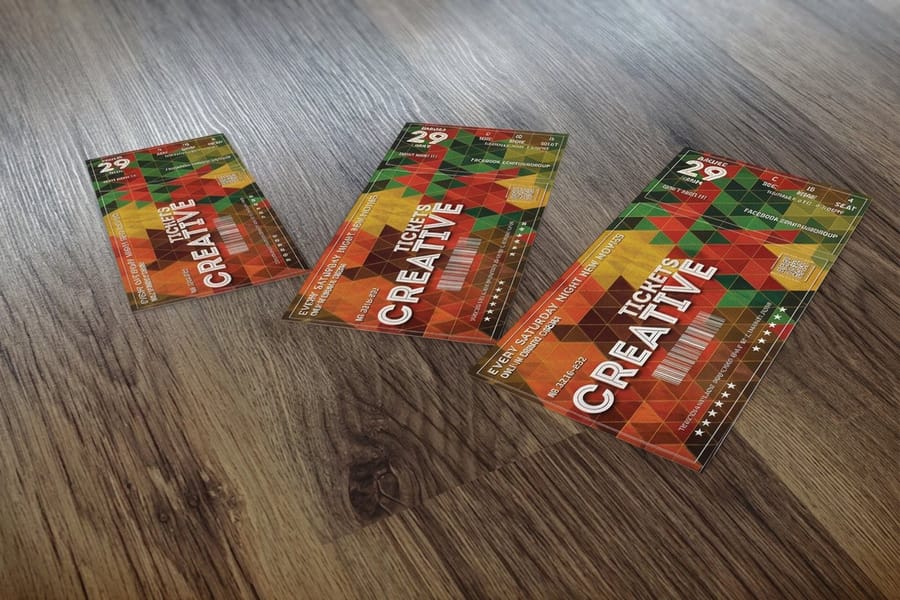
Here is something most guides skip. The design of your raffle tickets has a direct effect on how many you sell. A plain white ticket with black text and a number gets bought once, out of obligation. A ticket with bold colors, your event branding, and a clear description of the prize gets bought five at a time.
Put the prize front and center. "Win a 500 dollar gift card" in large, bold type sells more tickets than "Annual Fundraiser Raffle" in small print. Lead with what the buyer gets, not with what your organization needs.
Use your brand colors. If your school colors are blue and gold, your tickets should be blue and gold. If your nonprofit has a logo, put it on there. This builds recognition and trust, and people are far more likely to hand over cash when the ticket looks official. Our online designer lets you set all of this up right in the browser.
Need more design inspiration? Our guide hub has layout and design tips across every print product, and if you are building supporting materials, our guide on how to make flyers walks you through the promotional basics.
How many raffle tickets should you print?
Order more than you think you will need. Running out of tickets mid-event kills the momentum you worked to build. A good rule is to estimate your expected attendance and then add 30 to 50 percent on top.
If you are expecting 200 people and selling tickets at 5 dollars each, print at least 300. Some people buy multiples, some tickets get damaged or lost, and selling out early is only a good problem once you have already hit your fundraising goal.
For larger events or multi-day raffles, print in batches of 500 or 1,000. Bulk pricing drops your per-ticket cost a lot, and leftover tickets from one event can sometimes roll into the next if your numbering system allows it.
Legal requirements you cannot ignore
Raffles are regulated differently in every state. Some require a gaming license, others restrict raffles to registered nonprofits only, and a few ban them entirely.
Three buckets, roughly, and it is worth knowing which one you are in before you design anything. Permit or license required is the common case: you register the raffle with the state gaming commission or the charitable gaming office at the attorney general, and you do it before tickets go on sale, not after. Nonprofit only covers a large group of states where a raffle is legal for a registered charitable, religious, or educational organization and for nobody else, so a business promotion has to run as a free-entry giveaway instead. No gambling at all is the short list: Utah and Hawaii permit none, and a handful of other states restrict raffles so tightly that most organizers pick a different fundraiser. Your state office is the only source that settles which bucket you are in.
Check your state and local laws before you print a single ticket. Common requirements include registering the raffle with your state gaming commission, printing specific disclaimers like "void where prohibited", disclosing the odds of winning, and keeping financial records of ticket sales and prize payouts.
Your raffle tickets should carry any legally required text, usually in small print at the bottom of the main ticket. Do not skip it. An unlicensed raffle can lead to fines, and your organization reputation takes the hit.
Pairing tickets with other event materials
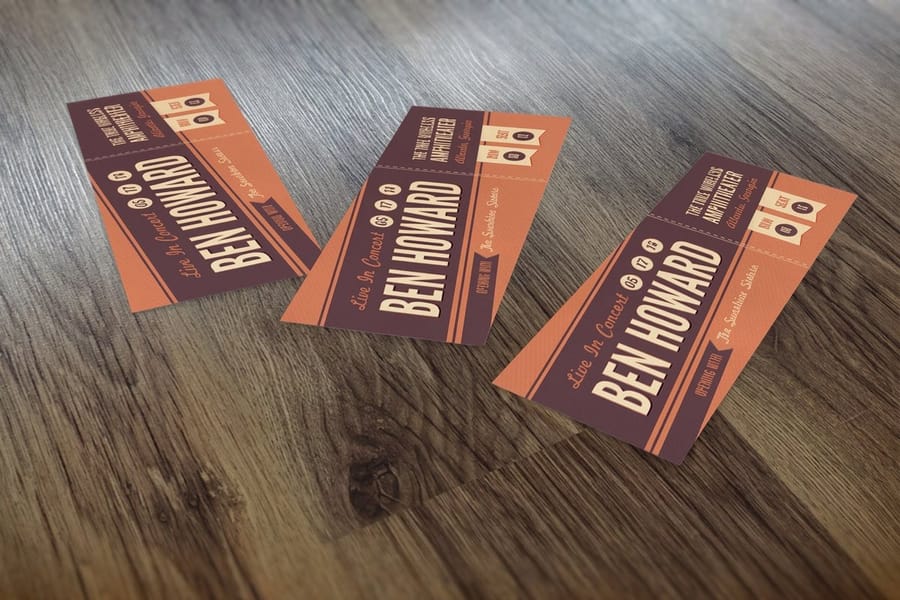
Raffle tickets rarely stand alone. Most events need a full set of printed pieces working together: posters announcing the prizes, flyers promoting the date, and envelopes for collecting cash alongside ticket sales.
If you are making custom event envelopes, our guide on how to make envelopes covers sizing and design. For promotional magnets that keep your drawing on the fridge, our guide on custom magnets shows you how.
Consistency across every piece builds credibility. Use the same colors, fonts, and logo placement on your tickets, posters, and thank-you cards. When everything looks like it belongs together, your event reads as organized and trustworthy.
Selling more tickets with pricing and bundles
The classic pricing model works for a reason: 1 dollar each or 6 for 5 dollars. That bundle discount nudges people past the single-ticket purchase. You can scale it up for higher-value prizes, like 5 dollars each or 3 for 10, or 20 dollars each or 6 for 100.
Print your pricing on promotional materials, not on the ticket itself. That keeps you free to adjust prices later, and the ticket only needs the number, the event info, and the contact fields.
Consider selling tickets in advance through your website or social media. Print a QR code on your flyers that links to an online purchase form, then let buyers pick up their physical tickets at the event. Our free QR code generator makes one in seconds, and this simple move stretches your selling window from one evening into several weeks.
Raffle ticket mistakes that cost you money
Even people who have run plenty of raffles make these errors. Avoid them and your event runs a lot smoother.
Mismatched numbering is the most common and most damaging mistake. If the stub says 0247 and the main ticket says 0274, you have a dispute on your hands. Review your proof twice, and have a second person check it too.
Glossy paper looks great in the design file, but buyers cannot write their name and phone number on a glossy stub. Stick with uncoated or matte finishes.
Printing too few tickets means lost revenue and disappointed attendees the moment you run out. Order at least 30 percent more than your attendance estimate.
Forgetting legal disclaimers gets expensive fast, so check your state raffle laws and print any required text before you order. And never skip the proof review, because one typo in your organization name or a wrong date undermines the whole event.
Wally explains raffle tickets
Match the numbers, lead with the prize, and the stubs sell themselves
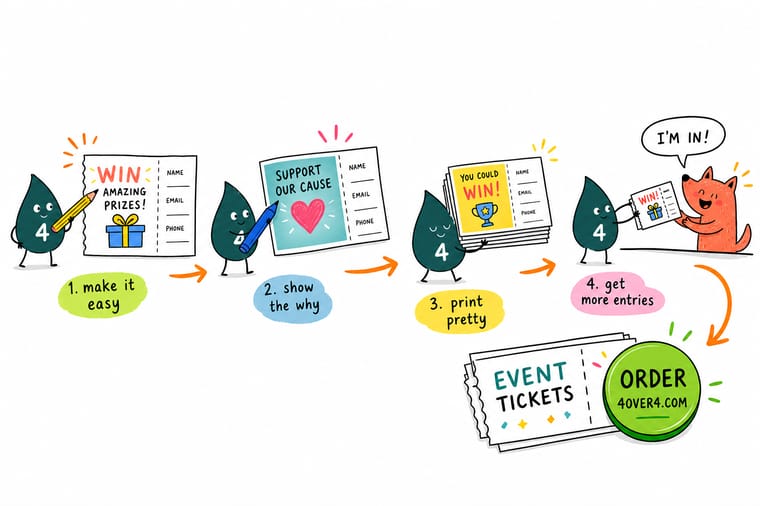
Wally treats a raffle ticket like a tiny contract with your buyer: the stub they pocket and the half in the bowl have to carry the same number, or the whole drawing falls apart. Keep the design clean, put the prize in big bold type, and print on a stock that still takes a pen. When you are ready to run a fair, great-looking raffle, order matching, sequentially numbered tickets built to your event at 4OVER4.
Order raffle tickets →Specs and pricing
Raffle and event ticket specs and pricing
When you are ready to print, here is what a made-to-order run of raffle and event tickets gives you at 4OVER4.COM, with live specs and price-per-unit straight from the configurator.
| Quantity | Price Per Unit | Total |
|---|---|---|
| 50 | 50.5¢ | $25.27 |
| 100 | 42.8¢ | $42.84 |
| 200 | 25.8¢ | $51.62 |
| 300 | 20.1¢ | $60.42 |
| 400 | 17.3¢ | $69.20 |
| 500 | 15.6¢ | $77.99 |
| 600 | 15.4¢ | $92.26 |
| 700 | 15.2¢ | $106.55 |
Print it
Order raffle tickets and event print at 4OVER4
Your raffle tickets are one piece of a bigger event kit. Browse real event and raffle ticket designs for paper and layout ideas, try square event tickets when you want a shape that stands out, and pair the drawing with invitation cards for a formal gala.
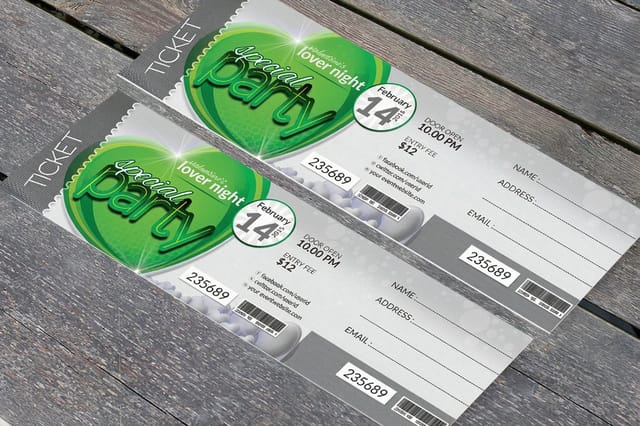
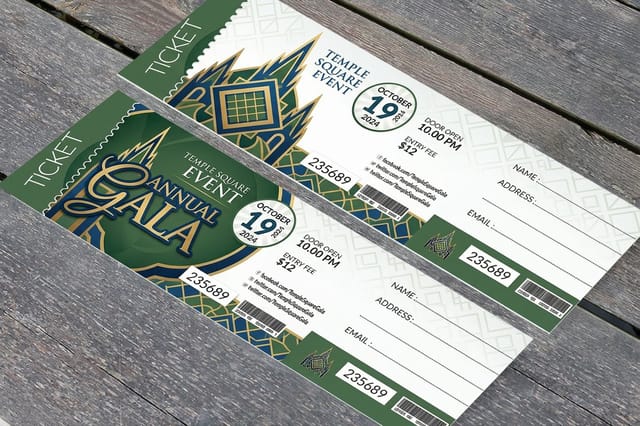
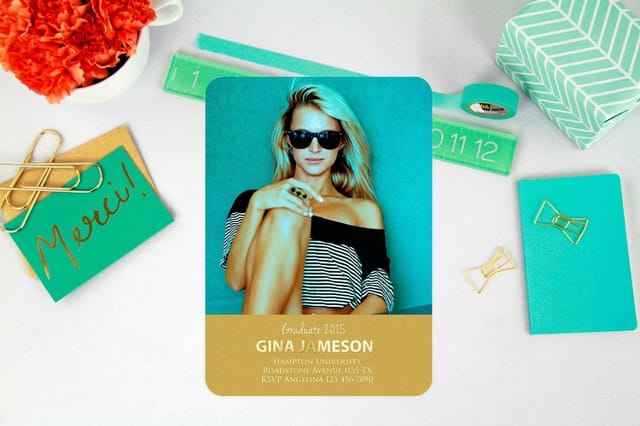
See it in use
Ticket work from the 4OVER4 floor
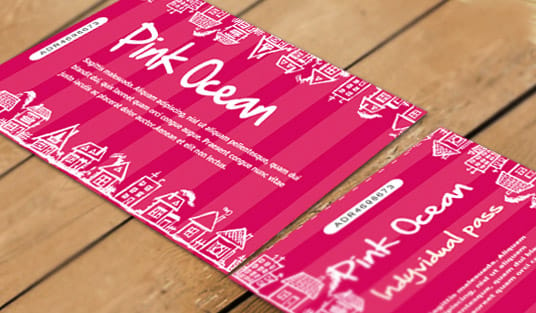

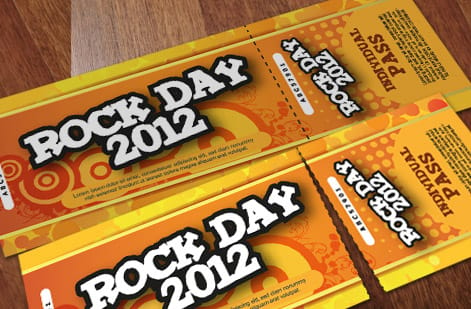
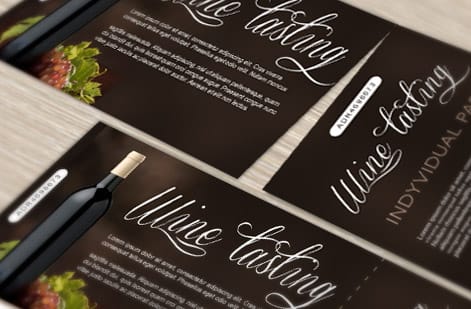

Explore more
Where to go next



By the numbers
The shop behind a numbered ticket run
Common Questions
Common questions about making raffle tickets
What information should I include on my raffle tickets?
Every raffle ticket needs a unique sequential number on both the stub and the main ticket, your organization name and logo, the event name, the drawing date, and a short prize description. Add the ticket price and whether the winner has to be present at the draw, because those two lines answer most of the questions asked at the table. The stub should have blank lines for the buyer name, phone number, and email, plus any legal disclaimers your state requires at the bottom, set a couple of points smaller than the body copy so they stay readable without stealing space from the prize.
What paper stock works best for raffle tickets?
A 14pt to 16pt uncoated or matte cardstock is ideal. It is thick enough to feel worth the purchase price and sturdy enough to handle well, yet thin enough to tear cleanly at the perforation. Avoid glossy finishes because buyers need to write their contact information on the stub with a pen. Uncoated also perforates more cleanly than coated, which matters when a volunteer is tearing hundreds of stubs at a folding table. When you print raffle tickets with us, the stock, the perforation, and the sequential numbering are all set in the same configurator.
How do I make sure my raffle ticket numbers match on both halves?
Professional printers like 4OVER4.COM use automated sequential numbering that prints matching numbers on both the stub and the main ticket. Always review your digital proof before you approve the run, and check at least five random number pairs to confirm they line up correctly.
Are there legal requirements for printing raffle tickets?
Yes, and they vary by state. Some states require a gaming license or restrict raffles to registered nonprofits, and many require specific disclaimers printed on the ticket. Check your state gaming commission website before ordering, because non-compliance can lead to fines and damage to your reputation.
Can I add a QR code to my raffle tickets?
Absolutely. A QR code can link to your event page, prize details, or donation portal. Use the free 4OVER4.COM QR code generator to create one, and place the code on promotional flyers rather than the ticket itself so the ticket design stays clean and easy to read.
How many raffle tickets should I order for my event?
Print at least 30 to 50 percent more than your expected attendance. If you are expecting 200 guests, order 300 tickets minimum. Some attendees buy several, and having extras prevents the momentum-killing moment of running out mid-event. Bulk orders also lower your per-ticket cost.
How do I run a raffle step by step?
Six steps, in this order. One, check your state rules and register or license the raffle if it is required, before anything is printed. Two, line up the prize and get the donation confirmed in writing so it does not disappear the week of the event. Three, set the price and the bundle: 1 dollar each or 6 for 5 dollars is the classic ladder, and higher-value prizes move up to 5 dollars each or 3 for 10. Four, print the tickets with matching sequential numbers on both halves, 30 to 50 percent more than you expect to sell. Five, sell in person with a cash box and a stub container, and online with a QR code pointing at your event page, then print those online entries as stubs so they go into the same container. Six, draw in public, read the number aloud, match it against the buyer half, and post the winning number where every buyer can see it.
Do I need a permit to run a raffle?
In most states yes, and in many of them a raffle is limited to registered nonprofit, religious, or educational organizations, which means a business promotion has to run as a free-entry giveaway instead. Some states want you licensed by the gaming commission before a single ticket is sold, others only require registration once ticket sales pass a set amount, and Utah and Hawaii allow no gambling of any kind. Call your state gaming commission or the charitable gaming office at the attorney general first, then print the exact disclaimer they specify on the ticket. Doing it in the other order is how organizations end up with a box of tickets they are not allowed to sell.
How do I pick a raffle winner fairly?
Put every sold stub into one container, mix it in front of the room, and have someone with nothing to win pull the ticket. Read the number out loud, match it against the buyer half before you say a name, and announce the winner only once the two numbers agree. If you also sold entries online, print those as stubs so every entry sits in the same container rather than on a separate list nobody can see. Post the winning number afterward for anyone who left early, and file the drawn stubs with your sales records in case a buyer or a regulator asks.
Get Started
Order 50 event tickets from $25.27
Pick your size, drop in your event details, and we print sharp, sequentially numbered tickets that tear clean and sell more entries.
Legal Disclaimer
Gold Standard guarantees apply to all standard orders placed through 4over4.com. Price match requires verifiable proof of a competitor's published price for an equivalent product with matching specifications and turnaround time. Satisfaction guarantee covers manufacturing defects and print quality issues. Contact support with order number and documentation. On-time delivery rate based on tracked orders 1999 to 2026. Individual results may vary based on shipping carrier performance.
