
How to Make Lottery Scratch Off Cards at Home


Cardstock, a clear adhesive layer, and a paint-and-soap coating are all it takes. The steps below keep the prize hidden until someone scratches, and mark the point where a batch belongs on a press.
To make a lottery scratch off card at home: print your hidden message on 80 to 110 lb cardstock, seal it under clear contact paper, then brush on two thin coats of metallic acrylic paint mixed 2 to 1 with dish soap. The soap is what lets the panel scratch off cleanly. Let it cure, test a few with a coin, and order a professional scratch-ready run from 4OVER4 when you need more than fifty.
Quick tips
Quick tips for making scratch off cards
Clean design, one clear adhesive layer, and a 2-to-1 paint-and-soap coating are the whole trick. Print on 80 to 110 lb cardstock, seal the hidden message, then brush on two thin metallic coats in crossed directions and let them cure. Test a few with a coin, then let 4OVER4.COM print a scratch-ready batch once you pass 50 cards.
The mixing ratio
The coating is 2 parts metallic acrylic paint to 1 part dish soap. The soap stops the paint bonding to the layer underneath, which is exactly what lets a coin lift it off in one clean scrape.
Gather your materials
Get everything on the table before you start. Nothing kills momentum like stopping mid-project for one more trip to the craft store. Here is the short list.
| Material | What to get | How much |
|---|---|---|
| Cardstock | 80 to 110 lb, close to credit-card thickness so it survives a coin | Enough sheets to hold your card layout, sized to the cards you are cutting |
| Metallic acrylic paint | Silver or gold, the color that reads as a lottery ticket instantly | 2 parts, mixed with the soap below |
| Dish soap | Any standard washing-up liquid | 1 part for every 2 parts paint |
| Clear contact paper or wide packing tape | The barrier layer between your print and the coating | Enough to cover every printed card, edge to edge |
| Brush | One soft brush or foam brush, wide enough to cross a panel in a single stroke | One |
| Scissors or a paper cutter | A cutter gives straighter edges and faster work on a batch | One |
| A printer | Laser or inkjet both work, laser holds up better under the adhesive | One |
Making cards for a wedding weekend? Pair them with flat bridal shower invites so your stationery matches, and skim the ready-made card templates if you want a head start on the layout.
Why DIY scratch off cards work for promotions, parties, and giveaways

Scratch off cards work because they turn a plain message into a small moment of suspense. A hidden prize under a metallic panel pulls people in, which is why they fit marketing campaigns, bridal showers, classroom rewards, and fundraisers so well. Learn how to make lottery scratch off cards once and you have a hands-on tool that grabs attention and keeps people playing.
A small business promotion and a birthday party game gain the same thing from a scratch off card: an interactive beat a plain flyer cannot match. Browse the Showcase for real customer work, and note that the same design thinking carries over to other DIY projects like custom magnets.
4OVER4.COM makes it easy to go from a homemade prototype to a professional run. Use the Online Designer to build clean artwork, then let a commercial press handle the coating so every card scratches the same way.
Design the card layout
Every scratch off card has two zones. The visible zone carries your branding, the instruction line such as "Scratch here to reveal your prize", and any art. The hidden zone holds the prize, message, or discount code.
Start with a size that fits the job.
- Business card size (3.5 by 2 inches) suits pocket-sized giveaways.
- Postcard size (4 by 6 inches) gives event games a bigger scratch panel.
- Custom sizes cut to whatever your project needs.
Lay it out in whatever tool you know, from Canva to Illustrator to plain Word. Mark the scratch zone with a dotted box or a placeholder color so you always know where the coating goes. Keep the hidden message large, bold, and high contrast so it reads the instant the panel comes off. The same rule shows up when you learn how to make flyers, where readability wins every time.
Print your cards
Print the design on your cardstock. If your printer takes heavy stock, feed one sheet at a time to dodge jams. If it does not, print on regular paper and mount it to cardstock afterward.
A few things that matter.
- Laser printers lay down toner that will not smear under adhesive, which makes them the first choice.
- Inkjet printers work fine but need a full day to dry before you seal them, or the message smudges.
- Run a test sheet to check alignment and color before you commit the whole batch.
When you need a hundred cards or more with the same finish every time, 4OVER4.COM handles printing, coating, and cutting in one pass.
Apply the clear adhesive layer
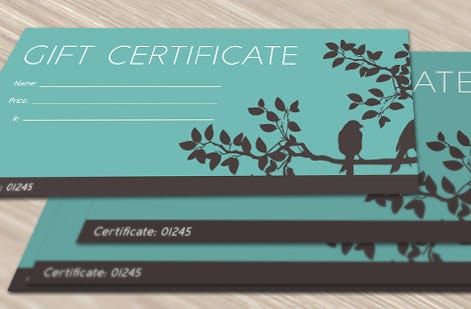
This is the step people skip, and it is the one that makes or breaks the card. The clear layer protects your printed message from the paint. Without it, the coating bonds straight to the ink and never scratches off cleanly.
Cut a piece of clear contact paper or wide packing tape to cover the whole scratch zone. Smooth it down from the center outward and push every bubble to the edge. The film has to sit completely flat against the print.
Take your time on the corners, because that is where lifting starts. Small details decide the finish. If you have read how to clean rubber stamps, you already know that the fussy little steps are what separate homemade from handcrafted.
Mix and apply the scratch-off coating
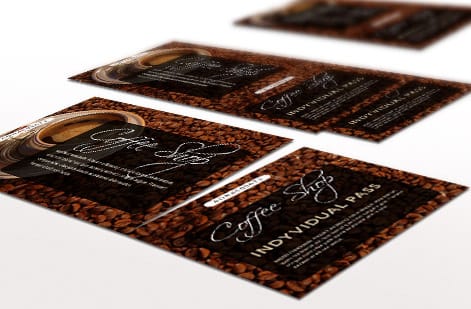
Here is the recipe. Combine 2 parts metallic acrylic paint with 1 part dish soap and stir until it is smooth. The soap keeps the paint from bonding permanently to the film, which is exactly what makes the panel scratchable.
Brush on the first coat in one direction with soft, even strokes, and keep it thin. Let it dry for 30 to 45 minutes depending on humidity, then add a second coat in the opposite direction. That cross-hatch gives you full, opaque cover so the prize stays hidden. Two coats is the sweet spot, and a third usually makes the card too hard to scratch.
Let everything cure for at least two hours before you handle the cards. Overnight is better.
Cut and finish your cards
Once the coating is dry, trim the cards to final size. A paper cutter gives you straighter edges than scissors, and it earns its keep the moment you are making dozens at once.
Round the corners with a punch if you want that store-bought feel. Clean finishing is the same trick that makes folded print look sharp, which is the whole point of how to fold a brochure.
Test before you distribute

Always scratch two or three cards before you commit to the full batch. Check for a few things.
- Clean removal. The coating should flake off, not smear.
- Readable message. The text underneath should come up crisp.
- Full opacity. Hold the card to the light and add a coat if you can read through it.
- Durability. The stock should not bend or tear while you scratch.
If the coating is too stubborn to scratch, add a little more dish soap. If it rubs off in a pocket, cut the soap back a touch.
Creative ideas for your scratch off cards
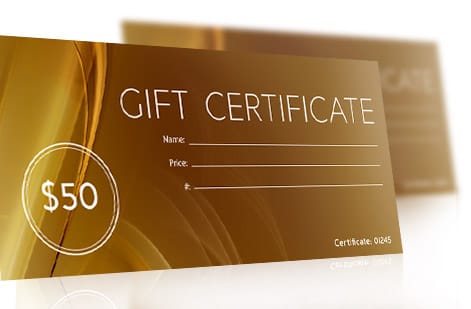
Once the mechanics click, the uses pile up fast. A few that work in the real world:
Restaurant promotions. "Scratch to reveal your discount" with prizes from 10 percent off to a free appetizer, handed out with every check. Customers love the gamble and come back to redeem.
Classroom rewards. Students scratch for bonus points, a homework pass, or extra recess. It turns a routine reward into a moment.
Baby and bridal showers. Guests scratch to reveal trivia answers or prize assignments, and the cards pair nicely with custom invitations.
Fundraiser raffles. Sell cards for a dollar or two with prizes underneath. Instant results beat waiting for a drawing, so people buy more.
Employee recognition. HR teams use scratch cards for quarterly rewards, from gift-card amounts to extra time off. For more project ideas, browse the guide hub or the finished work in the Showcase.
Skip the DIY and order printed scratch-off cards
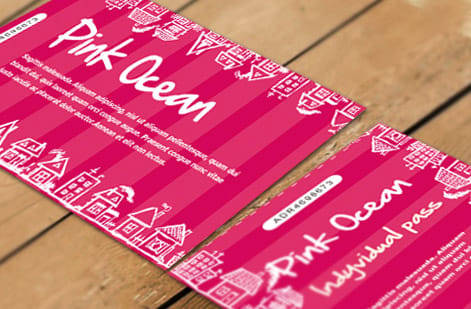
DIY cards are great for a small run, say 10 to 50. Once you need hundreds or thousands with the same result every time, professional printing saves hours and looks better.
A commercial scratch-off coating goes on with precise equipment, so it scratches evenly, hides the message completely, and sits on heavy stock that feels solid in the hand. Here is the honest comparison.
| DIY at the kitchen table | Professionally printed | |
|---|---|---|
| Cost per card | Paint, soap, contact paper and cardstock, bought once and spread across the batch. Cheapest at very small runs, and the per-card saving disappears fast as the count climbs. | A per-unit price that drops as the quantity rises, with nothing left over to store. Check the live figure in the configurator for your exact run. |
| Coating consistency | Every panel is hand-brushed, so some scratch off in one pass and some need three. A thin spot shows the answer through the coating before anyone plays. | Machine-applied at a uniform thickness. Every card hides the message completely and scratches the same way, which matters when the card is the promotion. |
| Hours spent | Design, print, cut, seal, mix, brush two coats, cure, test. A batch of fifty is an evening, and a batch of five hundred is a weekend you will not get back. | Upload the artwork and wait for the box. Your time goes into the offer instead of the brushwork. |
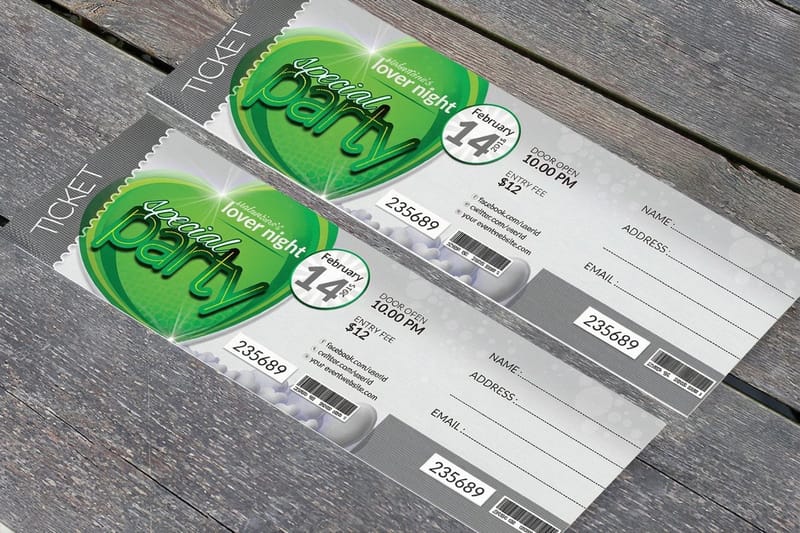
When you are past the prototype stage, order printed scratch-off cards with the coating applied on press, or put the same mechanic on event tickets so the scratch panel doubles as the entry. If you plan to mail them, it helps to know how to make envelopes that fit.
Mistakes that ruin scratch off cards faster than bad luck
Even people who know how to make lottery scratch off cards trip on the same few things. Skip these and your cards come out clean.
Skipping the adhesive layer. This is the number one mistake. With no film between the print and the paint, the coating bonds to the ink and never scratches cleanly. Always lay the barrier first.
Too much dish soap. More soap does not mean easier scratching. It means the panel rubs off in a pocket before anyone plays it. Hold the 2 to 1 ratio.
Thick, uneven coats. Globs dry bumpy and look amateur. Two thin coats beat one heavy coat every time.
Rushing the drying. Impatience wrecks more cards than bad technique. Give each coat its 30 to 45 minutes.
Flimsy paper. Printer paper tears as you scratch. Use 80 lb cardstock at a minimum. 4OVER4.COM prints on heavy stock that takes the scratching without a mark.
Free templates and blank cards to start from

You do not have to design from a blank page. Start from a free layout in the Online Designer and swap in your own prize and colors. These starters open straight in the editor: Ambitious Execution, Time-saving Quality, Reinvented Model, High-performance Execution, Robust Development, and Winning Infrastructure.
Prefer to print on a rigid card that already feels like a real ticket? Two blank stocks make a great base: 30mil clear plastic cards and 30mil frosted plastic cards. New to 4OVER4.COM? Feel the stock first with free business cards, then scale up to a full scratch-ready run.
Wally explains scratch cards
The hidden prize is the whole game
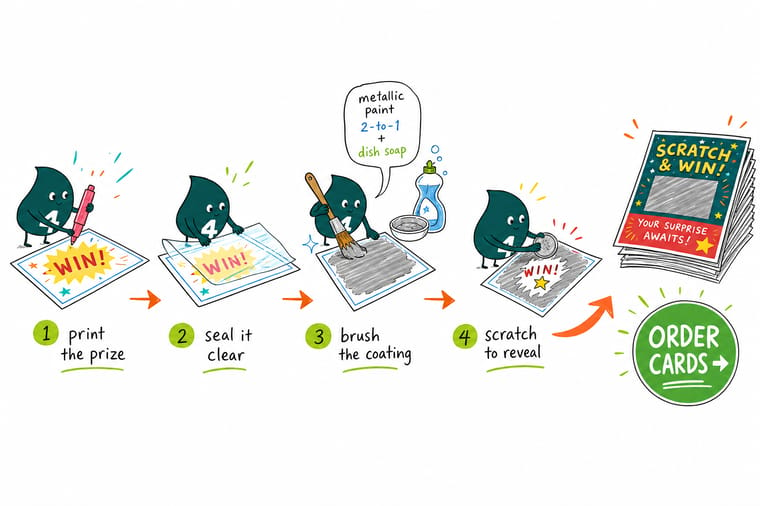
Wally treats a scratch off card like a tiny magic trick: seal the message, coat it with the paint-and-soap mix, and the reveal lands every time. Skip the clear layer and the panel never lifts, so that one step is the secret. When a promotion or raffle outgrows the kitchen table, hand the run to 4OVER4 for clean, even coatings on heavy stock.
Order custom tickets →Specs and pricing
Custom ticket and promo card specs and pricing
When you are ready to scale past the DIY batch, here is what a professional, scratch-ready ticket gives you at 4OVER4.COM, with live specs and price-per-unit straight from the configurator.
| Quantity | Price Per Unit | Total |
|---|---|---|
| 50 | 50.5¢ | $25.27 |
| 100 | 42.8¢ | $42.84 |
| 200 | 25.8¢ | $51.62 |
| 300 | 20.1¢ | $60.42 |
| 400 | 17.3¢ | $69.20 |
| 500 | 15.6¢ | $77.99 |
| 600 | 15.4¢ | $92.26 |
| 700 | 15.2¢ | $106.55 |
Print it
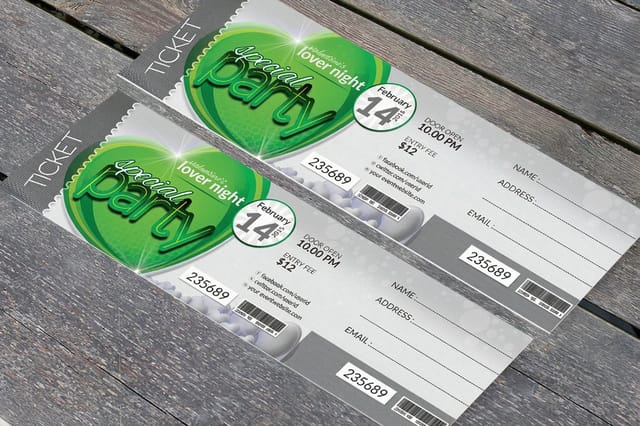
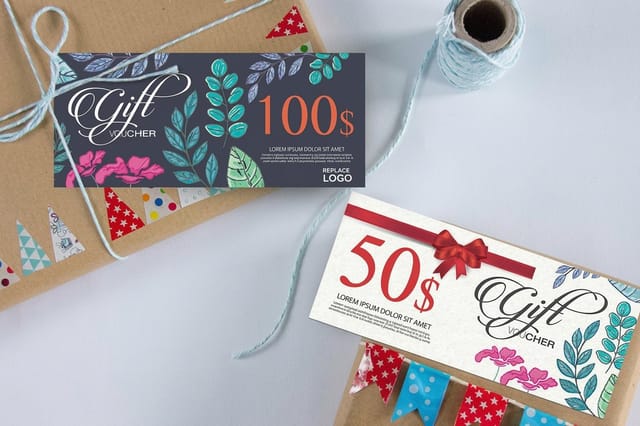
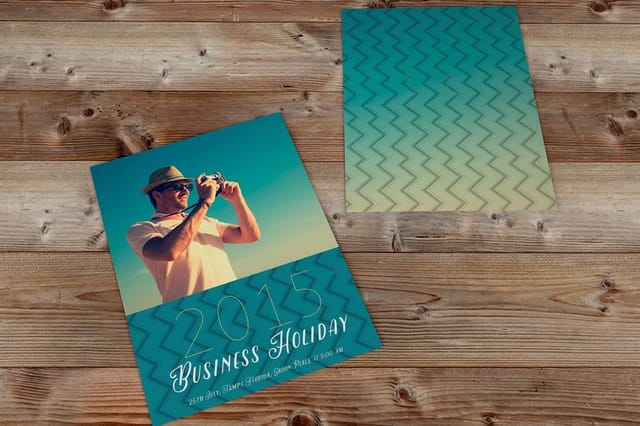
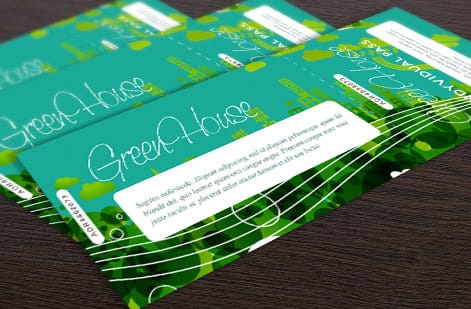
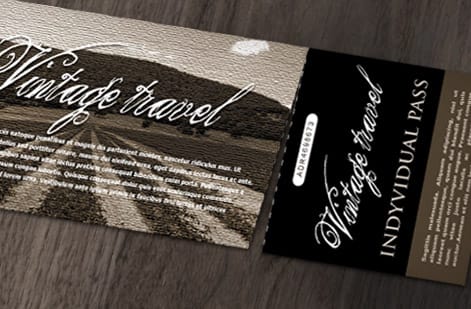
Cards and tickets that make great scratch offs
See it in use
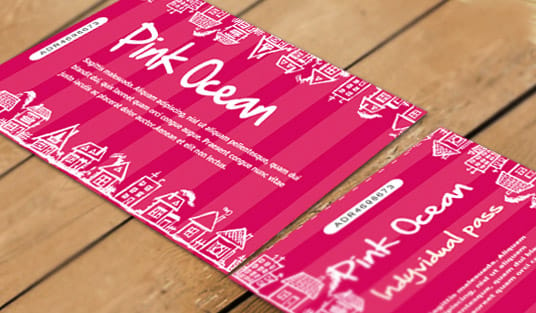
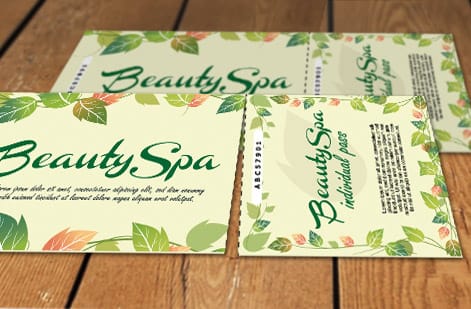
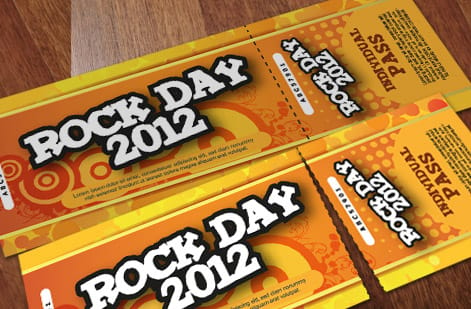
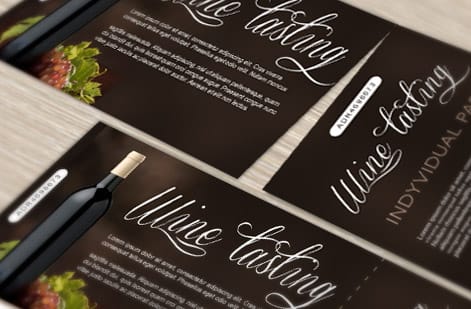
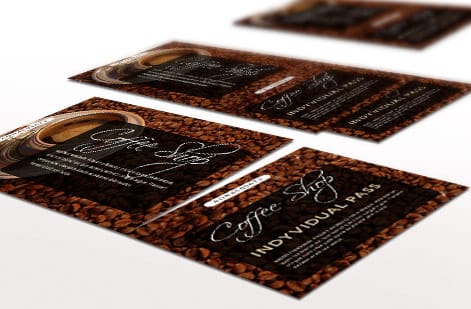
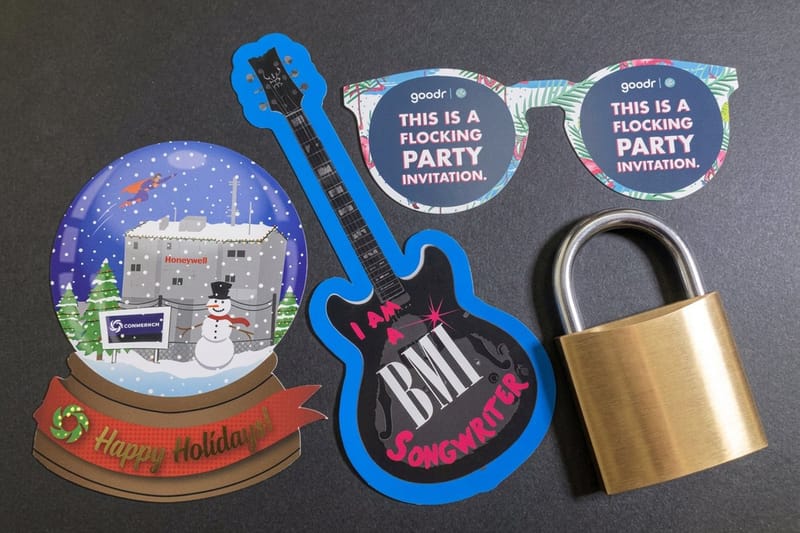
Promo cards and tickets we printed

Explore more
Where to go next
By the numbers
When you hand the coating to a press
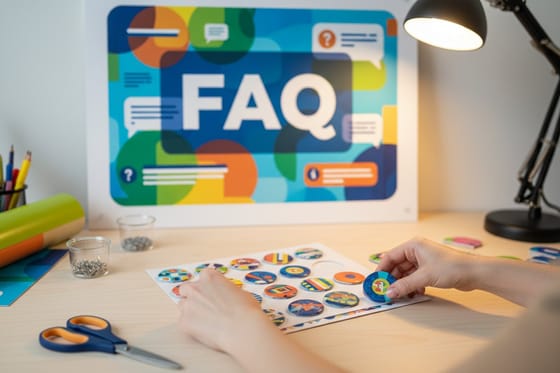
Common Questions
Common questions about making scratch off cards
What is the best paint-to-soap ratio for scratch off coating?
Mix 2 parts metallic acrylic paint to 1 part dish soap. That ratio gives you a panel that scratches off cleanly with a coin but will not rub away on its own inside a pocket or envelope. Test a few cards before the full batch to confirm the mix feels right.
Can I use an inkjet printer for scratch off cards?
Yes, but let inkjet prints dry for a full 24 hours before you apply the clear adhesive layer. Inkjet ink is water based and smears while it is still wet. Laser printers are the safer choice because toner bonds to the paper right away and will not bleed under the film.
How many coats of scratch-off paint do I need?
Two, applied in alternating directions. The first coat goes on horizontally and the second vertically. That cross-hatch fully hides the message underneath. Three or more coats make the card too hard to scratch and can crack or peel.
What cardstock weight works best for lottery scratch off cards?
Use 80 lb to 110 lb cardstock for a DIY run. Anything lighter tears while you scratch. For reference, 110 lb stock feels close to a credit card. Professional scratch off cards from 4OVER4.COM use even heavier commercial stock for extra durability.
Can I make scratch off cards without contact paper?
You can try coating the print directly, but the results are hit or miss. The paint tends to bond with the ink, which makes the panel nearly impossible to scratch without wrecking the message. Clear contact paper or wide packing tape is a tiny cost that makes a big difference.
How long do homemade scratch off cards last?
Kept somewhere cool and dry, DIY cards hold up for about three to six months before the coating starts to break down. Humidity is the enemy because it softens the panel over time. Professional cards with industrial coatings last far longer, which matters for a campaign that runs for weeks.
Get Started
Order 100 scratch-off cards from $237.25
Pick your size, drop in your artwork, and we print custom cards and tickets on heavy stock that hold a clean, even coating every time.
Legal Disclaimer
Gold Standard guarantees apply to all standard orders placed through 4over4.com. Price match requires verifiable proof of a competitor's published price for an equivalent product with matching specifications and turnaround time. Satisfaction guarantee covers manufacturing defects and print quality issues. Contact support with order number and documentation. On-time delivery rate based on tracked orders 1999 to 2026. Individual results may vary based on shipping carrier performance.
