
How to Build a Faceless Creator Business Around One Ebook


The faceless model puts the product in front of the person. Scoping the book comes first, then the file format, then the price it for the storefront you sell on, and add a printed tier that buyers keep.
A faceless creator business lets the product carry the authority instead of the person, and a narrow ebook is the cleanest first product to build it on. You write one document whose promise a stranger can check in a sentence, publish it under a brand name rather than your own, and use short content to move readers to a landing page that trades a sample chapter for an email address. The face never appears, so the sample, the contents list and the refund policy have to do the work it would have done.

Quick answer
One narrow book, one landing page, one email list
Faceless works when the promise is specific enough to stand on its own. Pick a topic a stranger can judge in one sentence, write thirty to sixty pages, and decide between fixed PDF and reflowing EPUB before you lay out a single spread. Sell it from your own storefront first so you keep the buyer email, list on a marketplace later for the search traffic, and add a limited printed edition once the text has stopped changing. Everything a face would have earned you has to appear on the page instead: a real sample, a full contents list, and a refund line nobody has to squint at.
What Going Faceless Actually Changes
It changes nothing about the writing and everything about where trust comes from.
A creator who appears on camera gets a decision made about them in roughly two seconds, and if it goes well the reader carries that goodwill onto the sales page. You do not get that. What you get instead is a page that has to prove itself in the open: a sample of real interior pages rather than a rendered mockup, a contents list with every chapter named, a promise narrow enough that it could be wrong, and a refund line short enough to read in one breath. Supply those and nobody notices the missing face. Skip them and the page reads like a scam even when the book is excellent.
Three things get harder without a face. Podcast appearances and interviews, which are the cheapest audience swap available, largely close off. Partnerships take longer because the other side is agreeing to work with an entity rather than a person. And any content format built on reaction shots is out.
Three things get easier, and they are the reason people choose this model anyway. You can publish every day without being recognised at the supermarket. You can hand the content production to someone else later without the audience feeling betrayed. And the brand can be sold, because it is not welded to your personal identity. That last one is the quiet argument for going faceless from the start, and it is why the brand voice work matters more here than it would for a personal account: the voice is the only consistent thing a reader has to hold on to.
One clarification worth making early. Faceless is not anonymous. Payment processors want a legal name, tax paperwork carries it, and an invoice carries an address. Decide now which name is the brand and which name is administrative, and never claim to be a person who does not exist.
Pick One Topic, Then Scope the Book to Fit It
The test for a topic is whether a stranger can read your promise and know immediately whether it applies to them. Categories fail that test. Promises pass it.
"Email marketing" is a category. "Twelve cold pitch templates for freelance designers, with the reply that actually landed the job" is a promise, and it also tells you exactly what the book contains and exactly who should not buy it. Narrowing costs you audience size and buys you conversion rate, which is the correct trade at the start because you have almost no audience to lose.
Thirty to sixty pages is the working range for a first product. Below fifteen pages people ask for refunds on principle regardless of how dense the material is. Above a hundred it turns into homework, readers stall in chapter three, and you never get the review you needed. Cut anything sitting there to lift the page count.
The format decision has to happen before you design a single spread, because reversing it means rebuilding the book.
| Format | Typical length | What it is good at | The catch |
|---|---|---|---|
| PDF cheat sheet | 4 to 10 pages | Free sample or list magnet. Reads in one sitting, shares in one tap. | Too thin to charge for, and it sets an expectation of brevity for everything after it. |
| PDF ebook | 30 to 60 pages | Layout, tables, screenshots and checklists that must stay where you put them. | Fixed pages mean pinch and zoom on a phone, which is where most people will open it. |
| EPUB ebook | 30 to 60 pages | Reflows to any screen size and sells through the marketplaces that take royalties. | Your layout is a suggestion. Complex tables and full bleed pages come apart. |
| Printed edition | 16 to 48 pages | A physical object at a higher price, and something you can photograph. | The text is frozen at print time and every copy has to be packed and shipped. |
Most faceless creators end up shipping the PDF and the EPUB together and letting the buyer choose. That is a reasonable answer as long as you design the PDF first and strip it down for the EPUB, rather than the reverse. If your book leans on a website or a tool you built alongside it, our website build guide covers the landing page side of the same launch.
Price the Book, Then Build a Stack Around It
Price to the outcome, not to the page count. A forty page document that saves a working professional half a day is worth more than a hundred page general read, and a buyer spending company money will not notice the gap between $19 and $39.
Where you sell decides how much of that price you keep. Amazon pays a 70 percent royalty only in the $2.99 to $9.99 band and drops to 35 percent above or below it, which quietly pushes every self published ebook toward the same shelf. Your own storefront takes a flat cut and gives you the one asset the marketplace will never hand over, which is the buyer email address. Early on that address is worth more than the extra margin, because the second sale is where a small audience becomes an income. The micro audience guide runs the arithmetic on that in detail.
A single price point only sells to the people who happen to sit at that price, so build a short ladder. The free sample chapter collects emails. The core ebook is the product. A workbook or template pack sits above it for people who want the doing rather than the reading. And at the top, a printed edition.
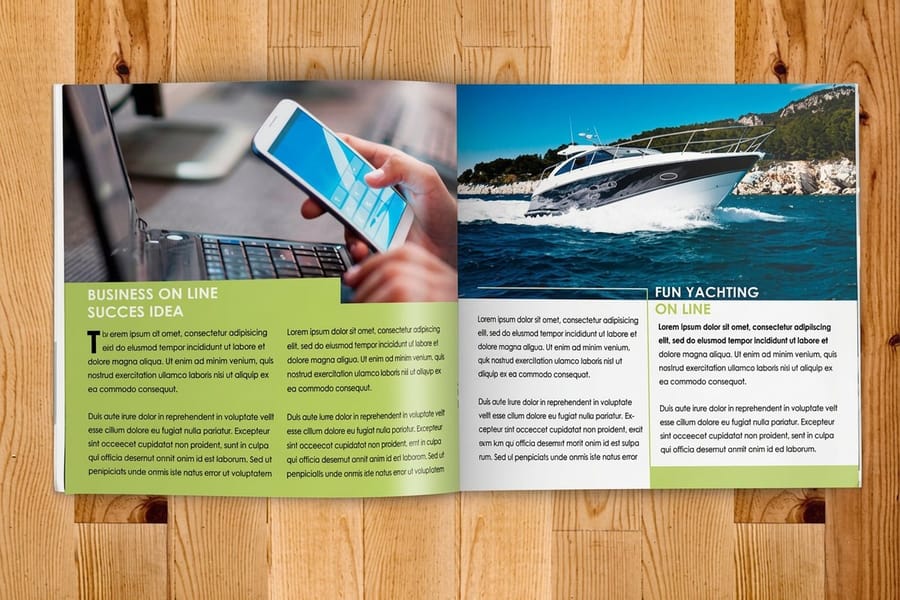
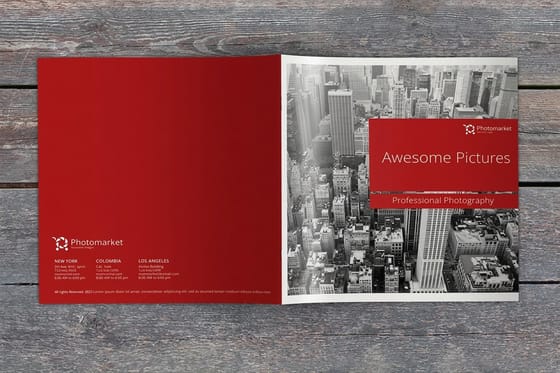
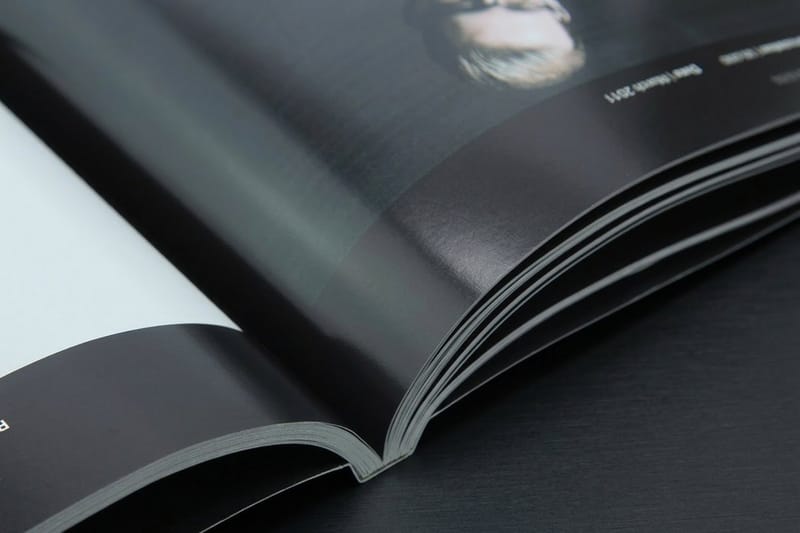
That top tier is where print earns its place in a business made of files. Standard Booklets start at $240.55 for a run, which sounds heavy against a PDF until you notice that it is one tier priced high enough to cover itself. Saddle stitched booklets have to land on a page count that is a multiple of four, and thicker books push the inner pages outward as they fold, so trim the file with both facts in mind. Our notes on page counts and creep and on binding methods explain how to choose between saddle stitch and perfect binding once you know your final length.
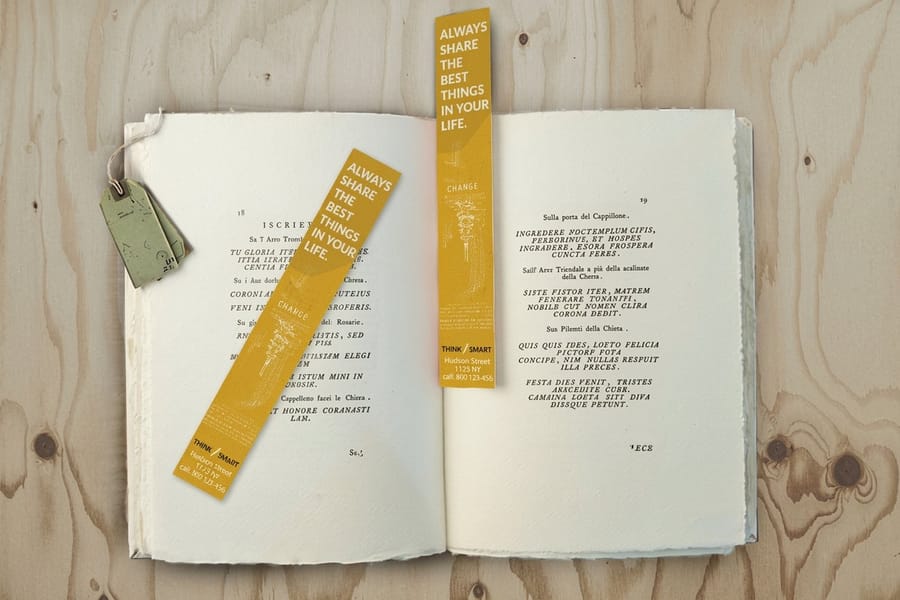
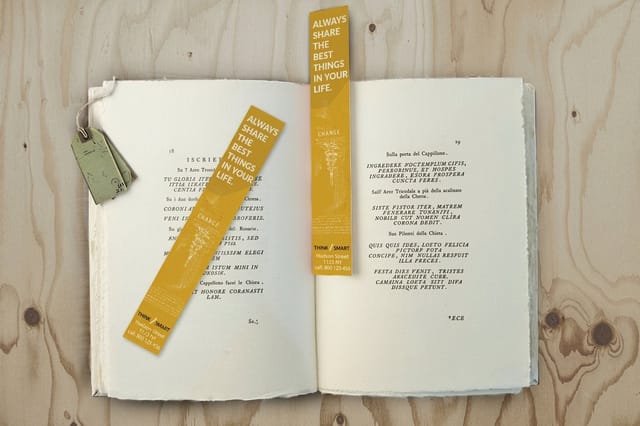
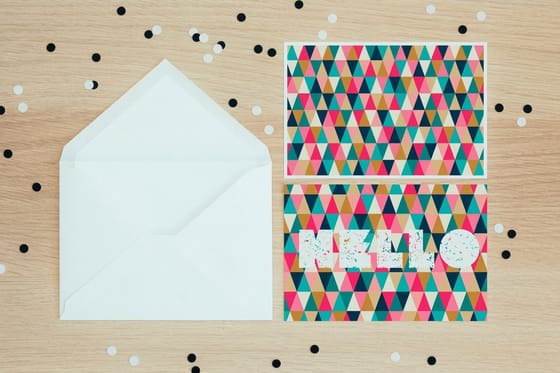
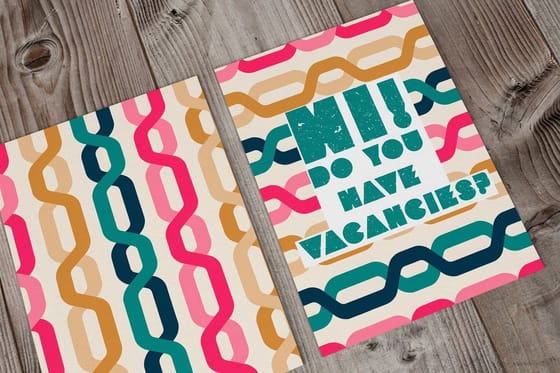
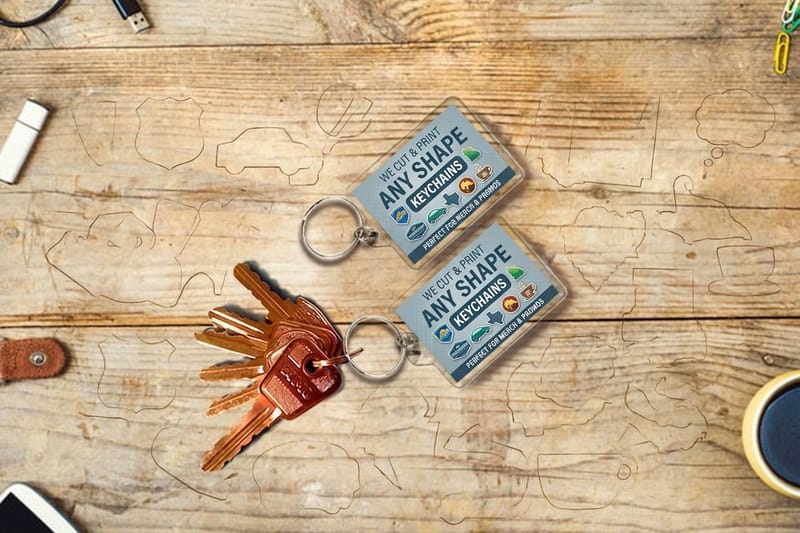
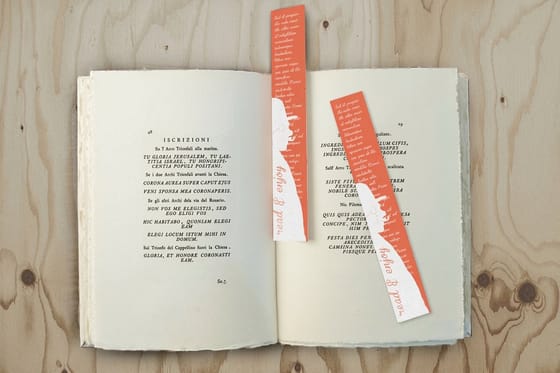
Two small pieces make the printed tier feel finished. Standard Bookmarks start at $16.48 and are the cheapest way to put a discount code or a community link inside the book, where a reader will actually find it. Die-Cut Stickers start at $93.37 and give a faceless brand the one thing it usually lacks, which is a mark people recognise on a laptop lid. Neither is a business on its own. Both raise the perceived value of a box enough to justify the tier above it.
Launch to a Small List, Then Sell the Second Thing
A faceless launch runs on one loop: short content pulls a stranger to a landing page, the landing page trades a sample chapter for an email address, and the sequence that follows sells the book. Nothing about that loop needs your face, and every part of it is measurable.
Publish the short content where the format suits a faceless account. Text posts, carousels, voiceover clips and screen recordings all work; anything built on reaction shots does not. Volume matters more than polish in the first months because you are looking for which promise makes people stop, not for a viral hit. Our organic growth guide covers the posting side, and the content funnel guide covers the handoff from a post to a page.
Launch to the list before you launch to strangers. A hundred people who asked for the sample will tell you more in a week than a month of paid traffic, and their questions become the FAQ on the sales page. Then keep going: the buyer who already paid is the warmest name you will ever have, and most creators never contact them again.
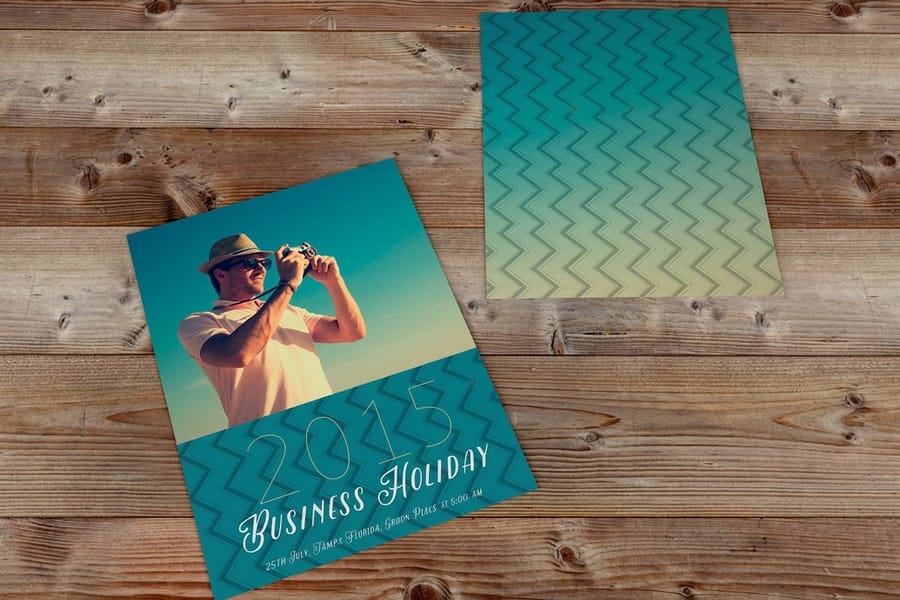
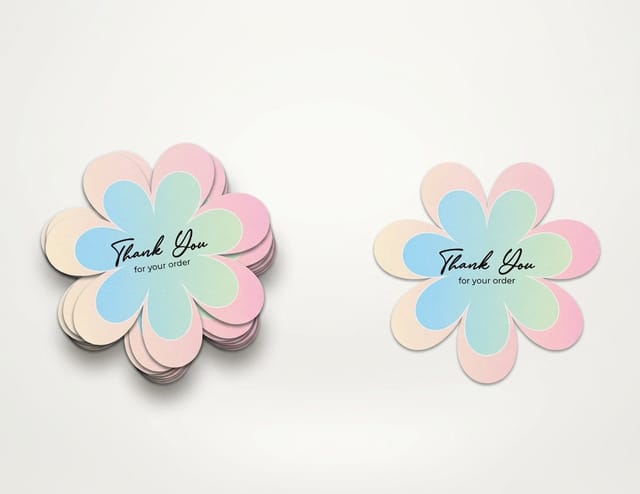
If you ship a printed tier, put a card in the box. Standard Postcards start at $16.48 and a thank you card with a QR code to the review form gets a better response than the email asking for the same thing, because the reader is holding the book when they read it.
Know where this stops. Packing forty boxes by hand is an evening. Packing four hundred is a job, and it is the point where a print tier starts eating the time you were meant to spend writing the next book. Run the printed edition as a limited run, close it when the boxes are gone, and let the files carry the volume. The physical object exists to raise the ceiling on your price and give the brand something to show, not to become the business.
Wally explains the faceless ebook
The book stands where the face would be
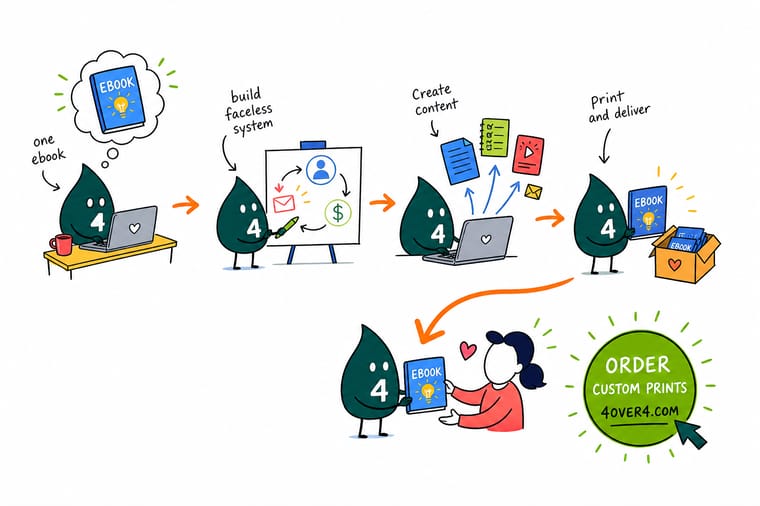
Wally never shows up on camera, so he lets the book do the talking. He writes one promise a stranger can check in a sentence, gives away the first chapter to collect an email, and sells the rest from his own page so he keeps the address. When the text finally stops changing he prints a short booklet run, drops a bookmark inside with a code on it, and closes the edition when the boxes are gone. No face anywhere. Plenty of proof everywhere.
Price a printed booklet edition →Specs and pricing
The print pieces a faceless launch actually uses
Sizes, stocks and starting prices for the booklet edition and the two small pieces that go in the box with it, straight from the 4OVER4.COM configurator.



Print it
Give the digital product something to hold

Explore more
Where to go next
By the numbers
Short runs go through a full scale press
Common Questions
Your faceless ebook questions, answered
Do you need to show your face to sell an ebook?
No, and plenty of the best selling reference material has never had a face attached to it. What a face provides is a shortcut to trust, so a faceless page has to supply that trust another way: a downloadable sample of real pages rather than a mockup, a table of contents that names every chapter, a promise specific enough to be wrong, and a refund policy written in one sentence a person can read without squinting. The rule of thumb is that everything a buyer would have taken on faith from a video now has to be shown on the page.
How long should a faceless creator ebook be?
Thirty to sixty pages covers most first products. Under about fifteen pages buyers feel short changed no matter how good the material is, and refund requests go up for reasons that have nothing to do with quality. Past a hundred pages the thing stops feeling like a purchase and starts feeling like homework, which slows down finishing it and slows down the review you need. Cut anything that is there to pad the page count. Length is not the value, and a reader can tell within two chapters which one you were chasing.
Should you sell on your own site or on a marketplace?
Both, in that order, for different reasons. Your own storefront keeps a smaller cut and, far more important early on, gives you the buyer email address so you can sell the second thing later. A marketplace like Amazon brings search traffic you cannot generate yourself but keeps the customer relationship and pays on its own royalty schedule. Most faceless creators launch on their own page to the people who already follow them, then list on the marketplace a month later to catch strangers. Our note on email nurture sequences covers what to do with those addresses once you have them.
What is the right price for a first ebook?
Price to the outcome, not to the page count. A document that saves a working professional half a day carries a higher number than a general interest read of the same length, and a buyer who is spending company money barely notices the difference between $19 and $39. If you are selling on Amazon, the platform effectively sets your band: the 70 percent royalty rate applies from $2.99 to $9.99, and files priced outside that window earn 35 percent. On your own storefront you are free of that constraint, which is one of the strongest arguments for owning the checkout.
Does a printed edition make sense for a digital ebook?
It makes sense as a tier, not as a replacement. A printed booklet gives you a higher price point, gives a buyer something to keep on a desk, and gives you an object to photograph, which solves the constant problem of having nothing to show for a PDF. The catch is that print freezes the text and ties you to a shipping desk. Order a short run after the file has settled, sell it as a limited edition to people who already bought the digital version, close it when the boxes run out, and go back to files.
Can you stay anonymous and still take payments?
Faceless and anonymous are not the same thing, and it is worth separating them before you launch. Payment processors need a legal name and tax details, invoices carry a business address, and a registered entity puts a public record somewhere. What you control is which name is the brand and which name is administrative. Most faceless creators run everything customer facing under the brand, keep a business mailing address off their home, and never claim to be a person who does not exist, because that is the one shortcut that ends a project rather than growing it.
Get Started
25 booklets cost $240.55, or $9.62 a printed copy
Pick a page count that works with saddle stitch, choose your stock, and print a short booklet run for the readers who already paid for the file.
Legal Disclaimer
Gold Standard guarantees apply to all standard orders placed through 4over4.com. Price match requires verifiable proof of a competitor's published price for an equivalent product with matching specifications and turnaround time. Satisfaction guarantee covers manufacturing defects and print quality issues. Contact support with order number and documentation. On-time delivery rate based on tracked orders 1999 to 2026. Individual results may vary based on shipping carrier performance.
