
How to Monetize a Micro-Audience Without Chasing More Followers


A few thousand engaged people is enough to build a real income, but only if you stop optimizing the number you cannot move. The arithmetic, the offer ladder and the 30 day test all follow.
You monetize a micro-audience by raising the price of what you sell, not by chasing reach. Take 2,000 people and a two percent buy rate: that is 40 buyers, and 40 buyers pay $480 at $12 each or $7,200 at $180 each. Build three rungs rather than one product, sell the middle rung first, and treat the people who already bought as a separate list worth mailing.

Quick answer
Move the price, because you cannot move the reach fast
Revenue is reach times buy rate times price, and only the last of those three answers to you this week. A 2,000 person list converting at two percent gives 40 buyers a year no matter what you sell them, so the whole game is what those 40 people are buying. Offer one $12 item and the year is worth $480. Offer a $180 outcome and it is $7,200. Same audience, same buy rate, different decision.
Start With the Arithmetic, Not the Follower Count
Revenue from an audience is three numbers multiplied together: how many people you can reach, what share of them buy, and what they pay. Write your own three down before you build anything, because the plan changes completely depending on what comes out.
Say the list is 2,000 people and two percent of them buy something in a year. That is 40 buyers. Forty buyers at $12 is $480, which is a weekend of packing and shipping for less than a day of freelance work. The same 40 buyers at $180 is $7,200. Nothing about the audience changed between those two lines.
This is why the follower obsession is expensive. The reach number moves slowly and mostly outside your control, the buy rate moves a little with better writing and a warmer relationship, and the price moves the moment you decide it does. Two of the three levers are stiff. One is not.
The other thing the arithmetic exposes is which people count. A follower on a platform is a permission that can be revoked by a ranking change. An email address is a file you own. If you have 8,000 followers and 200 email addresses, your real audience is 200, and the first job is not selling, it is moving people from a platform onto a list you control, which works in person too when a card carries a scannable link.
Build an Offer Ladder Instead of One Product
One price point sells to one kind of person. Someone who would happily pay $200 for direct help still buys the $15 thing if that is all you offer, and you never find out what they were worth. Three rungs fixes that without tripling your work.
| Rung | Typical price | What it costs you | Who it catches |
|---|---|---|---|
| Free | $0 | Time, weekly, forever | Everyone. This is the list builder, not a product. |
| Entry | $10 to $40 | A print run and postage | The curious, and people who want to own something physical. |
| Core | $40 to $120 | Real production time, once | People with the problem you write about, ready to act. |
| High | $150 and up | Your calendar, one to one | The handful who want the outcome now and will pay for speed. |
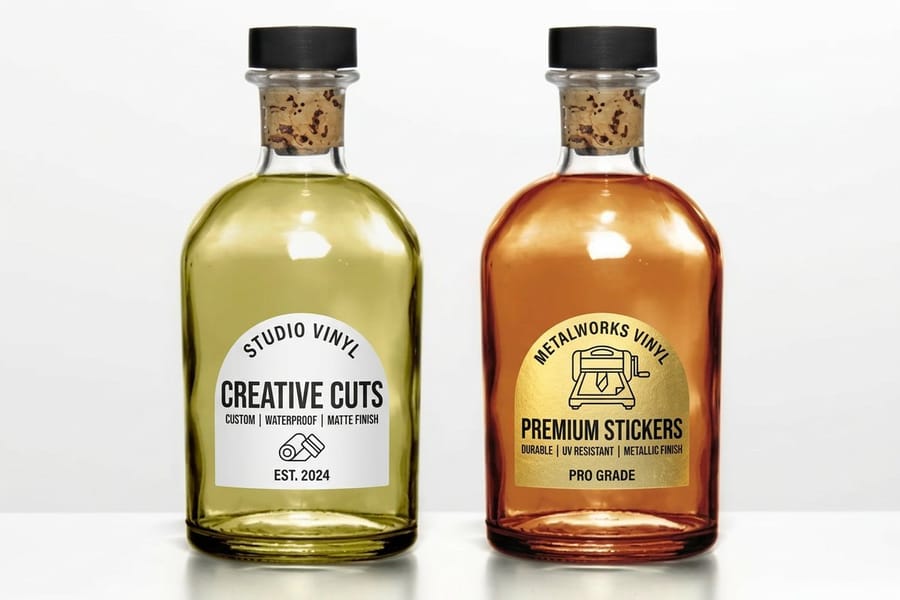
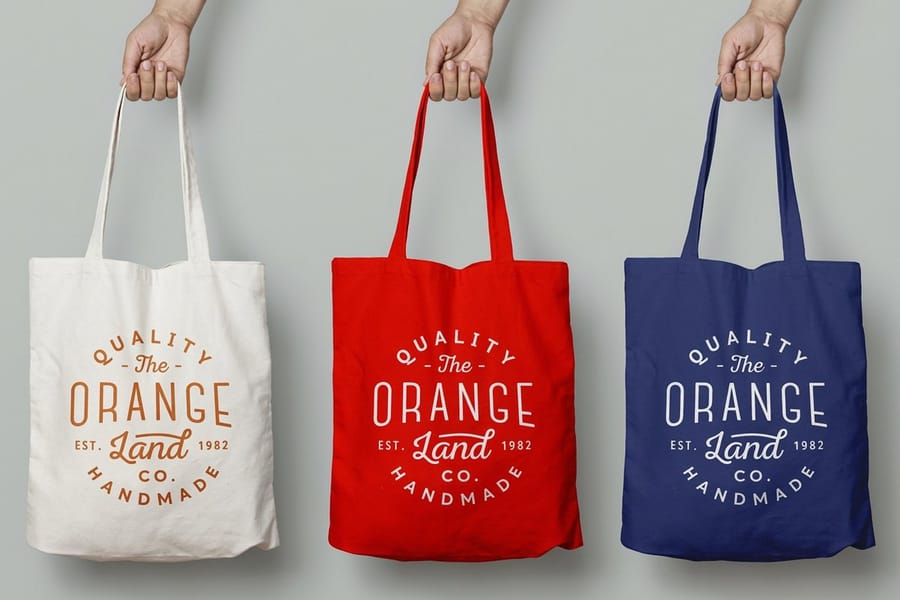
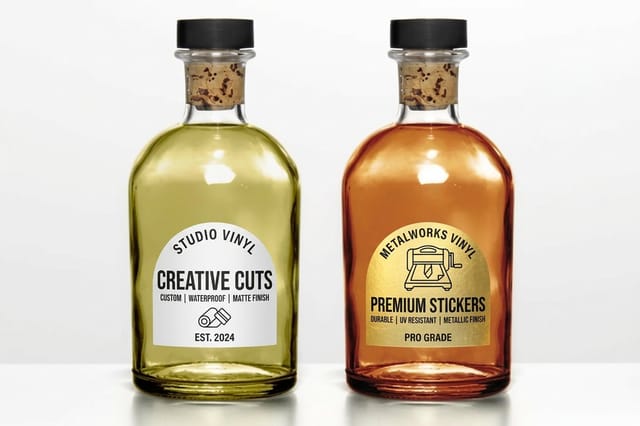
Printed goods sit naturally on the entry and core rungs, and that is where most small creators underuse them. Vinyl stickers start at $25 and work as the cheap physical yes, the thing someone buys to signal they are part of it. A run of standard booklets starting at $240.55 turns your best free writing into a core product with a spine, which people value at a different level than the same words in a file. Tote bags from $22.73 are the visible rung, the one that advertises you in public after the sale.
The trap is building all four rungs before selling one. Build the rung you can deliver next week, sell it, and let the buyers tell you what belongs above and below it. A ladder assembled from real orders beats one designed on paper every time. Our guide to making an offer that creates new sales covers how to frame each rung so it does not undercut the one above.
Where Physical Products Beat Digital Ones for a Small List
A small audience is the only size at which physical goods are easy. You can pack 40 orders on a kitchen table, write a line on every one, and post them yourself. A brand with 4,000 orders hires a fulfilment company and immediately loses the handwriting, which was most of the reason the product felt personal.
Physical also solves a problem digital products have with small audiences: nobody can tell what a file is worth. A booklet has a page count, a weight, and a cover, and people price those without being told. That anchoring is doing real work when your name is not yet doing it for you.
Now the honest limits. Print runs have quantity minimums, so you are buying stock before anyone has bought from you, and the money is spent whether or not the launch works. Shipping is slow, breakable, and it eats margin in a way a download never does. International postage on a $20 item can cost more than the item. And a printed thing cannot be edited after it exists, so an error you would fix in a PDF in thirty seconds is now 250 copies of an error.
Two habits keep the downside small. Take pre-orders on anything above roughly $40 and print to the count you sold. Keep the first run of anything small, accept the worse unit price, and reprint once you know it moves. If you are selling stickers, how you package them changes the perceived value more than the artwork does, and listing printed work on a marketplace is worth reading before you commit to a size range.
Sell to the People Who Already Bought
Your buyer list is a different asset from your audience list, and most small creators treat them as the same file. The person who paid you $45 last spring has proven three things: they can find their card, they trust you enough to hand over money, and the thing you sold was worth it. Nobody in your wider audience has proven any of that.
Contact them separately and contact them differently. A message that opens with what they bought and what came next is a different email to the one your list gets. Direct mail is unusually strong here for the same reason it is wasteful at scale: to 2,000 cold names it is expensive noise, to 40 past buyers it is a card in a real letterbox from someone whose work they already own. Standard postcards start at $16.48, so a run to your buyer list costs less than a single boosted post and gets read.
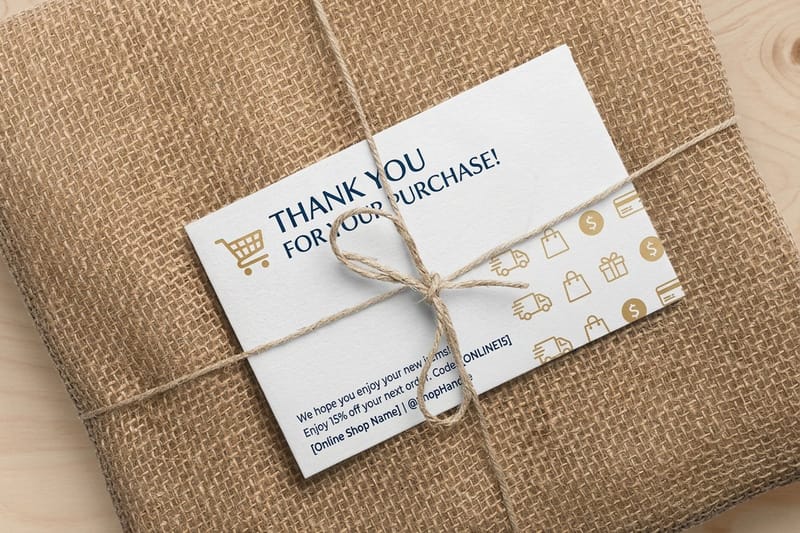
Give the repeat purchase a reason to happen on a schedule rather than at random. A loyalty card does that for a small brand better than an app does, because there is nothing to install and the card sits in a wallet as a reminder. If you write anything regular, a printed newsletter to buyers only is a format almost nobody in a small niche is using, which is exactly why it gets opened.
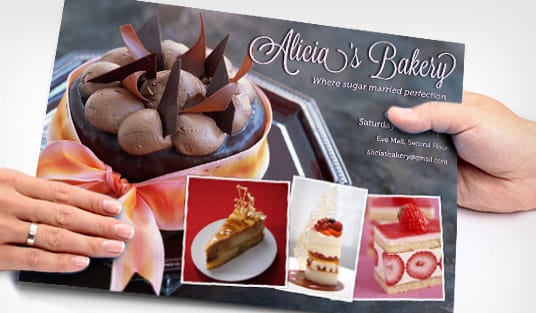
Carry a business card too, from $17.57, for the part of this that happens off a screen. Meeting ten people at an event and capturing three email addresses is a better afternoon than most posting days, and the card is what makes the capture possible.
A 30 Day Test That Tells You Whether Anyone Will Pay
Do not spend three months building before you find out. Spend a month finding out, then build the thing that got money in the first week.
- Days 1 to 5. Read every reply, comment, and message from the last two months. Write down the question people repeat. That is the product, whatever format it ends up in.
- Days 6 to 10. Describe the offer in one paragraph and send it to ten people who already engage with you. Ask what is unclear and what they would expect to pay. Do not sell yet.
- Days 11 to 15. Set a price you would be pleased to work for. Open pre-orders or bookings with a real deadline and a cap on the number.
- Days 16 to 25. Tell your list three times, in three different ways, and say it plainly each time. Once is not a launch, it is an announcement most people miss.
- Days 26 to 30. Count the orders. Deliver to the people who paid before you touch anything else, and ask each of them what nearly stopped them from buying.
Judge the result against the arithmetic rather than against a feeling. Five sales at $150 from a list of 800 is a working offer, even though five sounds small. Sixty sales at $8 is a hobby with a shipping problem. The number that matters is what 40 buyers a year would pay you, and whether that funds the next thing you want to make.
When the answer is yes, that is the moment to print properly. Order a small run first, check it in your hand, and scale the print quantity to the demand you measured rather than the demand you hope for. The promotional products range and a look at how to build a store that actually sells will cover the fulfilment side once the offer is proven.
Wally explains the small audience math
Forty buyers is a business or a hobby, depending on the price tag
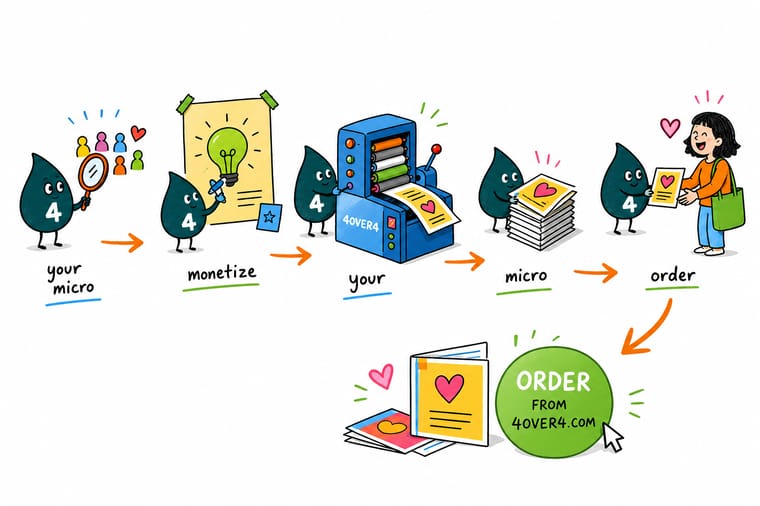
Wally counts the list, not the followers. Two thousand names, two percent who buy, forty orders. He cannot conjure another two thousand names this month, so he stops trying. Instead he asks what those forty people actually want badly enough to pay properly for, prints a small run of it, and posts every order himself. Next year he raises the price and prints the same run again.
See booklet printing prices →Specs and pricing
What the entry rungs cost to print
Live sizes, quantities, and starting prices from the 4OVER4.COM configurator, so you can put a real number into your own arithmetic instead of a guess.



Print it
The three printed rungs worth starting with

Explore more
Where to go next



By the numbers
Small runs printed properly at 4OVER4
Common Questions
Your micro-audience questions, answered
How many followers do you need before you can sell anything?
Fewer than most people assume, because the number that pays you is buyers, not followers. A list of 1,000 people who opted in and open your email is worth more than 50,000 passive follows on a platform. The practical floor is roughly 300 engaged people, because below that a two percent buy rate rounds down to a handful of orders and you cannot tell a bad offer from a small sample. If you are under that line, spend the next quarter collecting email addresses rather than building a product.
What should a micro-audience sell first?
The thing they already ask you for. Read your replies, comments, and direct messages from the last two months and count the repeated question. That question is your first product, and the format barely matters at the start. A short paid workshop tests demand in a week with no inventory, which makes it a better first move than merch. Once something sells twice, print it.
How do I price a first offer when I have nothing to compare to?
Price it at the point where you would be genuinely pleased to do the work, then add nothing for a discount you invented. Low prices do not compensate for a small audience, they compound the problem: 40 buyers at $12 is a weekend of packing for $480 before postage. The same 40 at $180 funds the next three months. If a price feels uncomfortable, run it past three people who bought from you before rather than lowering it.
Is merch worth printing for a small audience?
Sometimes, and the honest answer depends on your minimum order. Print runs have quantity floors, so you are buying inventory before anyone has bought from you. Stickers are the low risk entry because the outlay is small and unsold ones cost you nothing but shelf space, with vinyl stickers starting at $25. A tote bag at $22.73 or a printed booklet at $240.55 is a bigger commitment, so take pre-orders for those and print to the count you sold.
Should I put my time into email or into growing followers?
Email, until it stops working. A platform decides who sees your posts and changes that decision without telling you. An email list is a file you own, it reaches the inbox regardless of an algorithm, and it is the only asset here that survives you leaving a platform. Grow followers as a feeder into the list, never as the goal itself.
What do I do if I launch and nobody buys?
Assume the offer is wrong before you assume the audience is too small, because the offer is the part you can change this week. Ask the ten most engaged people what stopped them and listen for a pattern: wrong problem, wrong moment, unclear result, or a price that did not match the promise. A launch to 2,000 people with zero sales is information, not a verdict. Two rewrites of the same offer is normal.
Get Started
A 25 run of booklets costs $240.55
Start with a small run, hold it in your hand, and scale the quantity to the orders you actually measured. Stickers, postcards, booklets and totes all price live.
Legal Disclaimer
Gold Standard guarantees apply to all standard orders placed through 4over4.com. Price match requires verifiable proof of a competitor's published price for an equivalent product with matching specifications and turnaround time. Satisfaction guarantee covers manufacturing defects and print quality issues. Contact support with order number and documentation. On-time delivery rate based on tracked orders 1999 to 2026. Individual results may vary based on shipping carrier performance.
