
How to Grow Your Social Media Organically Without Paying for Reach


Organic growth is a distribution loop, not a posting habit. The loop grades a post on fixed signals, a simple system keeps it fed on a bad week, and printed pieces send people to your profile directly.
Organic social growth comes from earning distribution: a platform shows each new post to a small test batch, watches whether those people save it, share it or watch it twice, and only then spends more reach on it. Followers are the output of that loop, never the input, which is why a small account can out-reach a large one on a single post. The work is three things: a posting cadence you can hold for six months, one clear action on the profile, and offline touchpoints like stickers and printed handles that put a person on your profile without the algorithm's permission.
Quick answer
Signal buys reach, and followers are what falls out of it
Every post is auditioned in front of a small group before it is given an audience. Saves, shares and rewatches are the throttle, so the practical question is never how to get more followers, it is what would make this specific post worth passing on. Build a cadence you can hold through a bad month, give the profile one job, and use printed pieces to add profile visits the platform did not grant you. Then keep pulling those followers onto a list you actually own.
How Organic Reach Is Decided Before Anyone Follows You

A new post is not broadcast to your followers. It is shown to a small slice of people the platform thinks might care, and what those people do in the next few minutes decides everything after that. Save it, send it to a friend, watch it twice, and the platform widens the batch. Scroll past it, and the post quietly stops.
This is why follower count is a lagging number. An account with a few hundred followers can out-reach one with fifty thousand on the same day, because the grading happens per post, against the audience that post was actually shown to. It also explains the two habits that separate accounts that grow from accounts that post: the first second has to earn the second second, and the piece has to be worth passing on.
The same rule governs a flyer on a community noticeboard. Nobody reads the body copy of a flyer they did not stop for. Whatever is largest on it is doing the entire job, and everything else is for the person who already stopped. Treat the opening frame of a video, or the first line of a caption, the way you would treat the headline on a flyer you are paying to print.
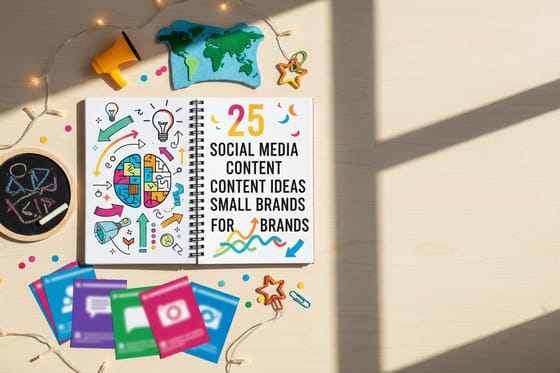
The trade-off nobody mentions: chasing signal with bait works once. Comment farming and fake cliffhangers do pull saves and replies, and they also bring in people who never buy anything, which makes the next test batch less accurate. Aim the post at the person you want, and accept the smaller number. If you need prompts that fit a real small brand, the 25 social content ideas list is a better starting point than another trend audio.
A Posting System You Can Keep for Six Months
Almost every stalled account stalled for the same reason: the plan required a good week every week. Build the system around your worst week instead.
Start with three or four pillars, which are just the recurring subjects you can talk about forever. A bakery might run behind the counter, the mistakes, the seasonal menu, and the customers. Pillars stop the blank-page problem, and they teach the platform what your account is about, which makes its test batches better aimed. Then block one session a week where you make everything: shoot the video, write the captions, sort the photos. Making in a batch and posting on a schedule is what keeps the channel alive in a busy month.
Repurposing is the multiplier, with one caveat. One recorded explanation becomes a short video, a carousel, a caption-only post and a section of an email, and that is honest reuse because each version is rebuilt for where it lands. Exporting a horizontal video and dropping it into a vertical feed is not reuse, it is a crop that throws away the framing, and viewers can tell in a quarter of a second. The content repurposing guide works through the rebuild properly, and the brand voice guide covers keeping it sounding like one person across all of it.
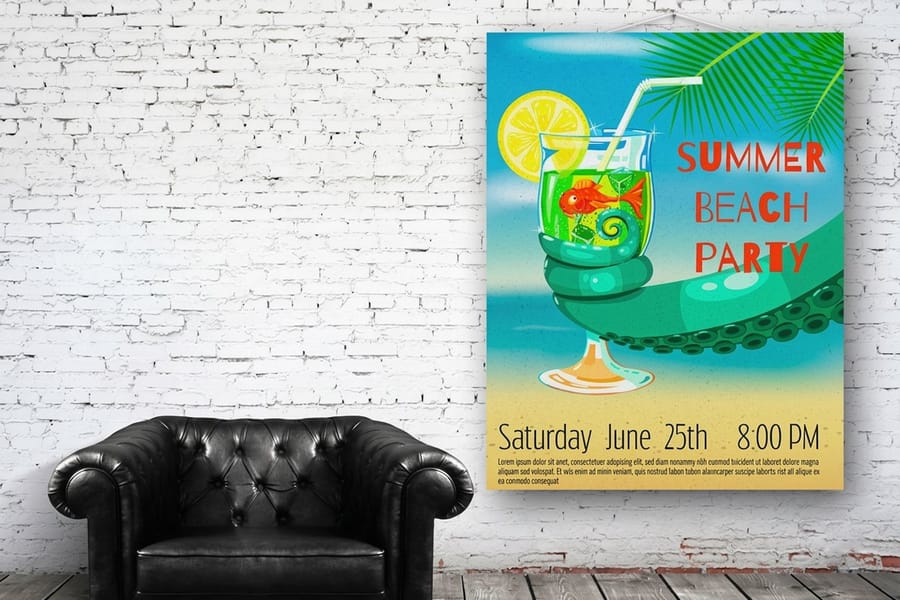
Reuse runs offline too. A post that landed hard is proven copy, so put it on the wall. A poster of your best-performing piece behind the counter, or a printed quote from a customer next to the till, gives the idea a second life in front of people who never saw the feed version.
Where Print Belongs in an Organic Strategy
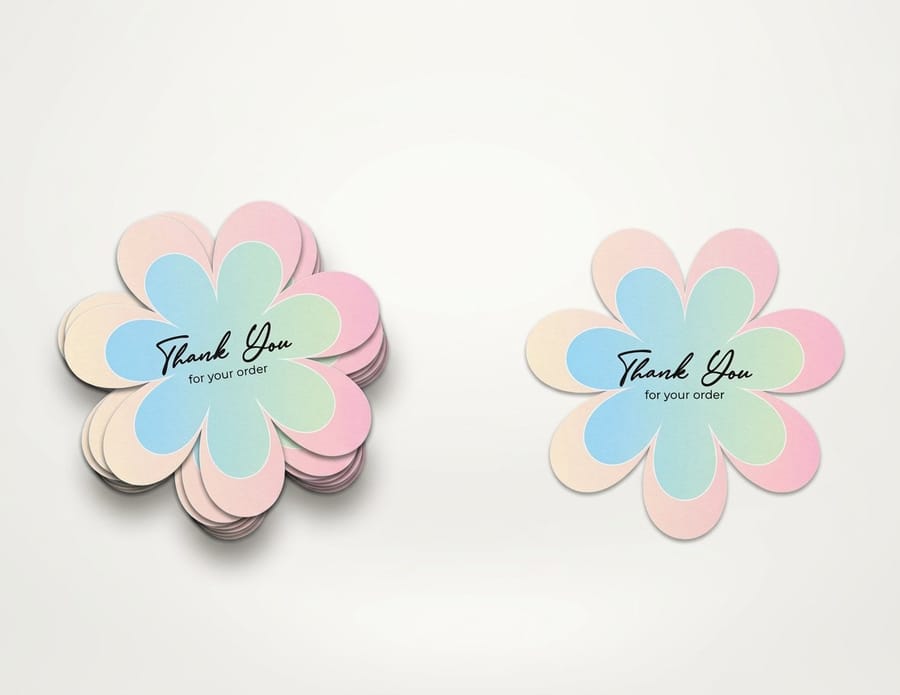
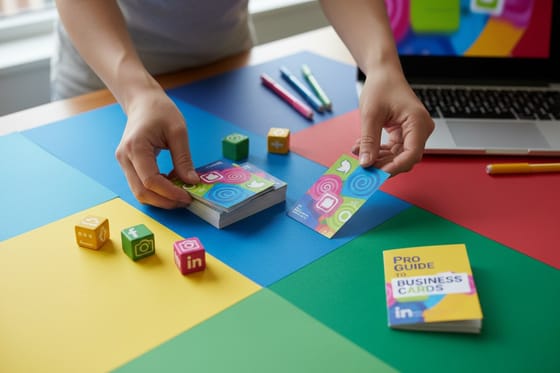
Print is not a replacement for posting. It is the part of the strategy that puts a person on your profile without an algorithm in the middle, which is worth a lot when the loop is grading you harshly. A sticker on a laptop lid, a handle on a card handed across a counter, a QR code on the box that ships with an order: each one is a profile visit the platform did not have to grant you.
| Printed piece | Where it does the work | Starts at | What it does for the account |
|---|---|---|---|
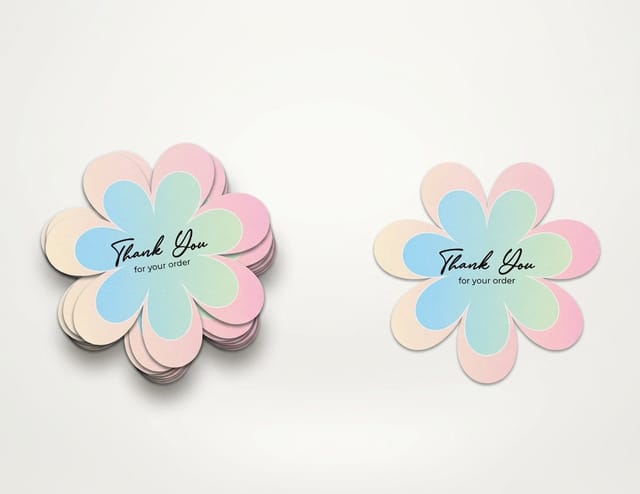
| Die-cut stickers | Laptops, bottles, cases, inside every order box. | $93.37 | Keeps being seen by strangers for months, and gets photographed and posted by the person who applied it. |
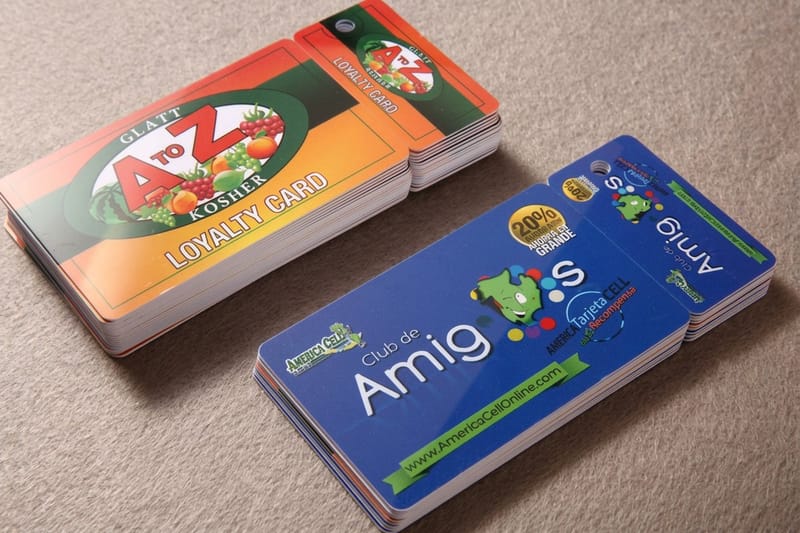
| Standard business cards | Hand to hand, at events, markets and counters. | $17.57 | The cheapest way to move a conversation to your profile while the person still remembers your face. |
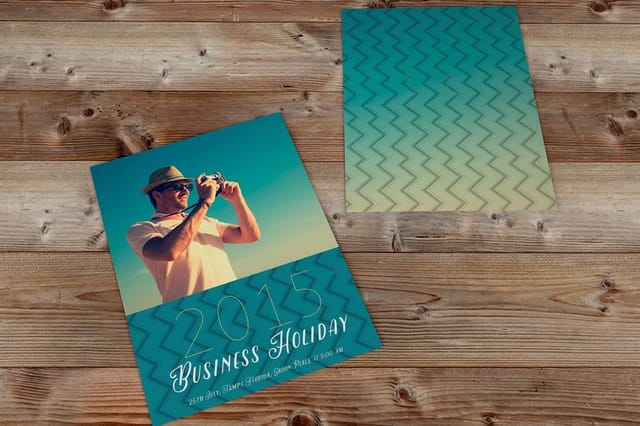
| Standard postcards | Mailed, or dropped into the bag with an order. | $16.48 | Carries one offer and one QR code, and reaches people whether or not they opened the app that week. |
| Standard flyers | Counters, noticeboards, event tables. | $39.54 | Explains the offer at length for the person who already stopped, then hands them the handle. |
The craft matters more than the budget here, because most printed handles are unreadable or unusable:
- Print the handle, not the full URL. Nobody types https into a phone, and the at-sign tells them which app to open.
- Pick one platform. Five icons in a row means the reader picks none of them.
- Keep a QR code at roughly three quarters of an inch or larger on a card, with clear space around it. Codes shrunk into a corner and codes butted against artwork are the two that fail at the table.
- Scan the printed proof, not the screen version. A code that works on a monitor can fail on a matte laminate under bad light.
- Point the code at the profile or a single landing page, never at a homepage that makes the visitor start hunting.
Die-cut stickers are cut to the outline of the artwork, and that shape is the whole reason people apply them: a rectangle with a white border reads as an advert, while a shape reads as a badge. Standard business cards and standard postcards carry the handle in a form people keep. For the layout details, the social media on business cards guide covers placement and sizing, and the QR code business card guide covers codes that actually get scanned. The full range sits in sticker printing.
What to Measure, and Where Organic Growth Runs Out

Four numbers tell you almost everything: shares and saves against the reach of that post, profile visits, follows per profile visit, and clicks on the one link. Read them as a chain. Weak saves means the post was not worth passing on. Good saves but few profile visits means the post never made anyone curious about who made it. Plenty of visits and few follows means the profile itself is failing, usually because the first line does not say what you do or who for. The content marketing analytics guide takes that chain further into revenue.
Ignore raw follower count as a decision metric. It moves for reasons you did not cause, it includes accounts that will never see another post from you, and it tells you nothing about which post to make next.
Now the limit. Organic growth compounds, which is a polite way of saying it is slow at the start and useless on a deadline. If you are opening on a date, launching a product on a date, or filling seats for an event next month, organic is not the channel. Mailed postcards, local flyers or paid ads are, because they buy attention on your schedule rather than the platform's. Organic is what makes the next launch cheaper.
The second limit is ownership. Every follower you have is held by a company that can change its ranking, restrict your account, or lose your niche entirely, and none of that comes with notice. Treat social as the top of the funnel and keep pulling people onto ground you own: an email list, a customer list, a mailing list with real addresses on it. Proof helps that pull, and growing with social proof shows how to put customer evidence where it does the convincing. When you are ready to print the piece that carries people off the platform, start from a correctly sized layout in the blank template library.
Wally explains organic growth
Earn the pass-along, then print the shortcut
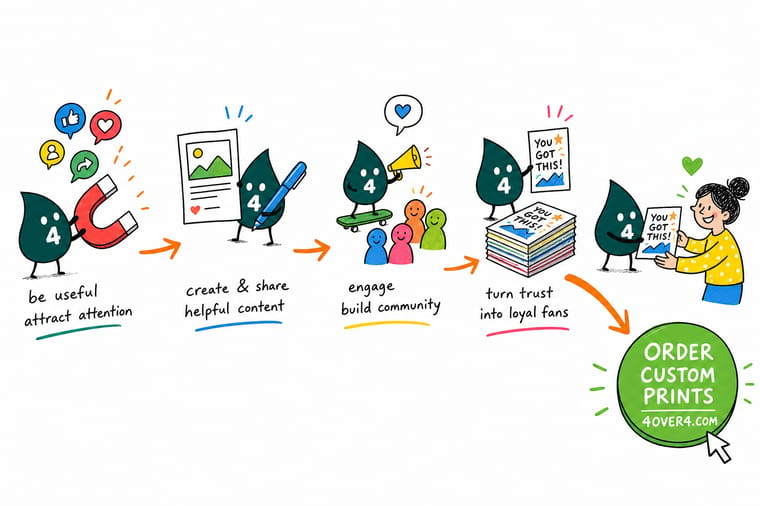
Wally posts one thing. The platform shows it to a handful of people and watches. If they save it or send it to a friend, more people see it. If they scroll past, that is the end of the post, no matter how many followers Wally has. So he makes things worth passing on, sticks to a cadence he can keep on a busy week, and hands out die-cut stickers with his handle on them, because a sticker on a laptop puts someone on his profile without asking any algorithm for permission.
Print die-cut stickers with your handle →Specs and pricing
The pieces that carry your handle, sizes and starting prices
Stickers, postcards and cards do most of the offline work for a social account. Configure them here, with live options and starting prices straight from the 4OVER4.COM configurator.


Print it
Put your handle somewhere people keep it

Explore more
Where to go next


By the numbers
The print side of your growth plan, handled
Common Questions
Your organic growth questions, answered
How long does organic social media growth take?
Judge the system at about three months, not three weeks. A single post can spike for reasons you cannot repeat, so one good week tells you nothing. What tells you something is whether the same format keeps earning saves and shares across ten or twelve posts. If nothing moves after three months of consistent posting, the problem is usually the offer or the positioning rather than the posting rate, and posting twice as often will not fix either.
How often should I post?
As often as you can hold the quality for six months. For most small teams that is three or four posts a week on one platform, plus stories or short updates that cost nothing to make. Two platforms done properly beat five done thinly, because each one wants native material and cross-posted exports look like cross-posted exports. The honest trade-off is that more posts do give you more chances to catch the loop, right up to the point where the work gets thin, and thin work trains the platform to stop testing you.
Do hashtags still matter?
They are a weak topic hint now, not a distribution lever. Platforms read what is actually in the post, the first line of the caption, the spoken words in a video and the on-screen text, and those carry far more weight than a block of tags. A handful of specific, genuinely relevant tags is fine. Thirty generic ones mostly signal that you are guessing.
Should I buy followers or join an engagement pod?
No, and not for moral reasons. Reach is graded as a ratio against the people who were shown the post, so an audience that never saves or shares your work drags that ratio down on every future post. Bought followers and pods add accounts that behave nothing like your buyers, which makes the platform's test batch less accurate and your reach worse. The account also becomes useless as a research tool, because you can no longer tell which posts really landed.
How do I move followers onto something I own?
Give them a reason that lives off the platform: a checklist, a template, an early-access list, a physical thing. Then collect an email address for it, and use the address. For a local or high-value list, mail something real. Standard postcards start at $16.48 at 4OVER4.COM, and a card that arrives in a letterbox gets looked at by someone who already knows your name from the feed. An account can be suspended overnight. A list cannot.
What is the cheapest printed piece for growing a social account?
Standard business cards at $17.57 are the cheapest way to get your handle into a hand, and they work well when you meet people. Die-cut stickers at $93.37 cost more up front but often do more per dollar, because a sticker gets applied to a laptop, a water bottle or a case and then keeps being seen by strangers for a year. Standard flyers at $39.54 sit in between and suit a counter, a noticeboard or an order box. Print the handle, not the full URL, and print one platform rather than five.
Get Started
A 25 sticker run costs $93.37, or $3.73 a sticker
Pick a shape, upload the artwork, and we print die-cut stickers, cards and postcards that send people straight to your profile.
Legal Disclaimer
Gold Standard guarantees apply to all standard orders placed through 4over4.com. Price match requires verifiable proof of a competitor's published price for an equivalent product with matching specifications and turnaround time. Satisfaction guarantee covers manufacturing defects and print quality issues. Contact support with order number and documentation. On-time delivery rate based on tracked orders 1999 to 2026. Individual results may vary based on shipping carrier performance.
