
Scoring and Creasing for Crisp, Crack-Free Folds


Thick cardstock cracks when you fold it cold. Scoring and creasing press a clean line into the stock first, so brochures, folders, and greeting cards fold sharp and stay intact. This page covers how each one works, when to use it, and how 4OVER4 finishes your job.
Scoring and creasing are finishing steps that prepare card stock to fold cleanly. Scoring presses a shallow channel into the paper along the fold line, while creasing uses a matched die to push a rounded bead into the stock, displacing the fibers instead of cutting them. Both give you a crisp, crack-free fold, which matters most on heavy, coated, or laminated stock where an unscored fold would split.

Start here
Scoring and creasing in one paragraph
Scoring and creasing are the finishing steps that let card stock fold cleanly instead of cracking. Scoring compresses a shallow channel into the sheet with a wheel or rule, while creasing forms a rounded bead with a matched die, moving the fibers rather than crushing them. The heavier, coated, or laminated the stock, the more you lean on creasing. Either way, the score or crease is built into the fold, so your printed piece bends exactly where you drew the line.
Products and services
Folded pieces that get scored and creased
These formats fold on cover-weight stock, so the score or crease comes standard as part of the fold. Configure any of them and the finishing is already priced in.
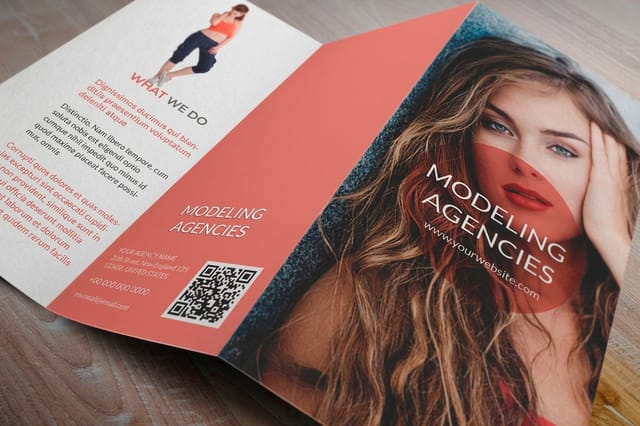

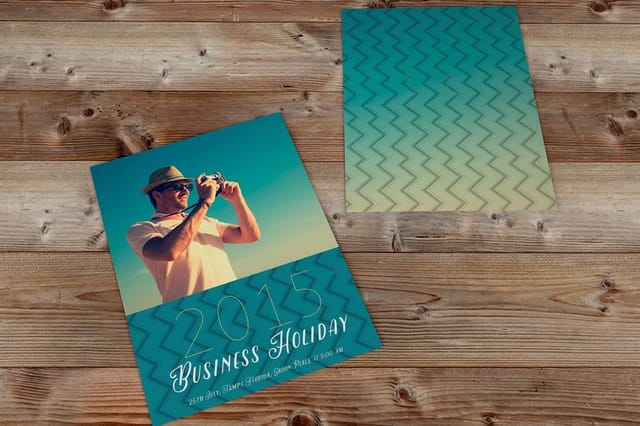
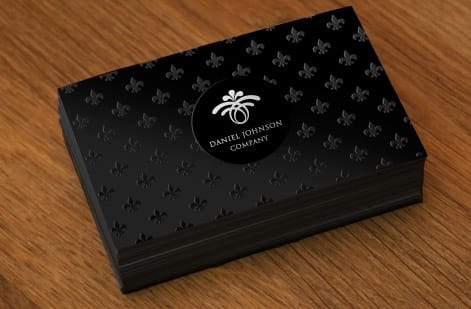
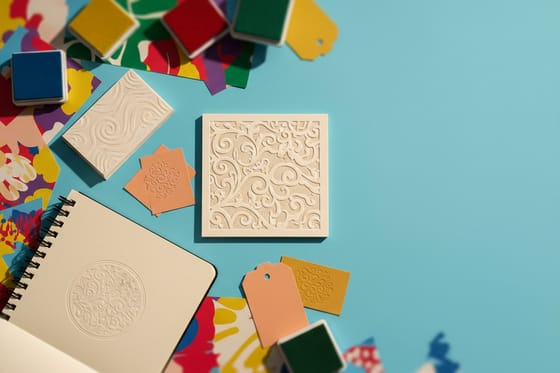
Scoring pairs naturally with the rest of our finishing. Add a pressed brand mark with debossing, hand off packing and shipping to kitting and fulfillment, or lay out fold-ready artwork in the online designer before you order.
Why a clean fold starts before the fold
Fold a business card in half and nothing happens. Fold a 16pt coated brochure the same way and a jagged white line splits along the crease, right through your artwork. That crack is the paper fibers and the coating giving way, and no amount of careful hand-folding fixes it once it starts. The fix has to happen before the fold, and that is what scoring and creasing do.
Scoring and creasing are the finishing steps that tell a sheet exactly where and how to bend. They press a clean line into the stock so the fold lands where you drew it and the surface stays intact. On lighter text-weight paper you can often skip them. On heavy cover stock, coated card, or anything laminated, they are the difference between a crisp product and a damaged one.
This page covers what each method does, how they differ, which printed pieces need them, and how 4OVER4.COM handles the finishing on your job. If you already know you need a clean fold, start with a scored format like brochures or folded flyers and we will build the crease into the run.
What scoring does to the paper
Scoring presses a shallow channel into the surface of the paper along the line where it will fold. A blunt scoring wheel or a metal scoring rule runs down the sheet under pressure, compressing the fibers without cutting through them. That compressed channel becomes the path of least resistance, so when the sheet is folded it bends exactly there instead of wandering or cracking somewhere nearby.
You can feel a good score with a fingernail: a faint valley on one face and a slight ridge on the other. The rule of thumb is to fold away from the ridge, so the raised side sits on the inside of the fold and the outside stays smooth. Scoring is quick, clean, and ideal for medium-weight cover stocks and most standard folded pieces.
Where scoring reaches its limit is on the very heaviest and most coated stocks, where compressing fibers is not always enough to stop the top layer from cracking. That is where creasing takes over.
What creasing does differently
Creasing works the stock harder and more precisely. Instead of a single wheel, it uses a matched pair of tools: a raised creasing rule and a channel, or matrix, sized to the thickness of your paper. The press drives the sheet into that channel and forms a rounded bead, physically displacing the fibers to one side rather than just squashing them. The result is a hinge built into the paper.
Because the fibers are moved rather than cut or crushed, a proper crease keeps the surface from splitting even on thick, laminated, or heavily inked stock. The fold that follows is sharper, more consistent piece to piece, and far less likely to show any cracking along the spine. It is the finishing standard for premium folders, greeting cards, and covers.
Creasing does take a matched die for the stock, which is why it shines on production runs where every fold has to look identical. Pair it with clean fold planning and the finished piece opens and closes like it was meant to.
Scoring vs creasing: which one your job needs
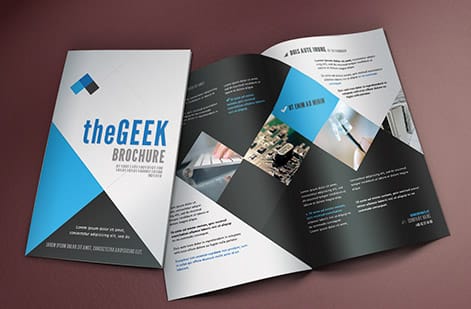
Scoring and creasing aim at the same goal, a clean fold, but they get there differently, and knowing which to reach for saves you from cracked corners. Scoring compresses a channel with a wheel or rule, while creasing forms a rounded bead with a matched die. Scoring is faster and fine for most jobs. Creasing is more precise and holds up on the toughest stocks.
A simple way to choose: the heavier, glossier, or more laminated the stock, the more you lean toward creasing. Light and medium cover stocks score beautifully. A thick presentation folder, a lay-flat greeting card, or a laminated cover almost always wants a crease. When you are unsure, the 4OVER4 team checks your stock and fold style and applies whichever gives the cleanest result.
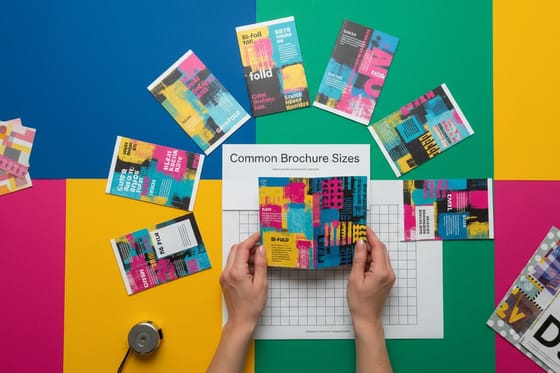
Both methods respect one more variable most people forget: grain direction. Paper folds more cleanly with the grain than against it, and a score or crease is what lets you fold against the grain when the layout demands it without the fold fighting back. Our guide to brochure sizes and fold options shows how those choices play out panel by panel.
The printed pieces that get scored and creased

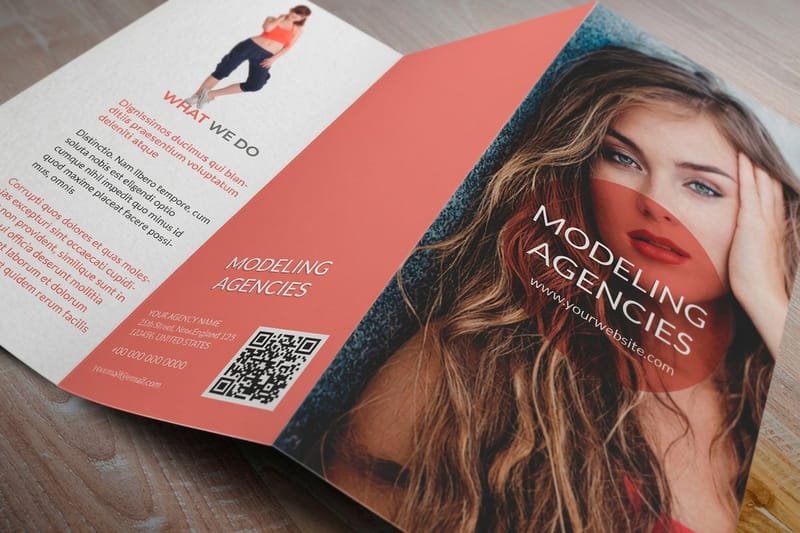
Almost anything that folds and lives on heavier stock benefits from scoring or creasing. Brochures are the classic case, since tri-fold, z-fold, and gate-fold layouts all rely on scored lines so every panel folds square. Folded flyers, folded invitations, and greeting cards need a clean single fold that will not crack down the middle.
Presentation and pocket folders are creased along their spine and glue flaps so they close flat and open without stress. Booklet and catalog covers on heavy cover stock get scored where the cover wraps the spine. Even a folded business card or a door hanger with a tear-away benefits from a proper score. If your piece has a fold and it is printed on cover weight, it is a scoring or creasing candidate.
Not sure which format fits your project? Browse the full range of marketing materials or start from a design template that already has the fold lines placed for you.
How 4OVER4 scores and creases your job

At 4OVER4.COM, scoring and creasing are part of the folding finish, not a separate errand you have to chase. When your job includes a fold, our prepress team reviews the fold style, the stock, and the grain, then sets the score or crease lines to match. Heavy and coated stocks are routed to creasing with a matrix sized to the paper, while lighter cover stocks are scored. You do not have to specify the mechanics, you specify the fold and we choose the method that will not crack.
That review is backed by a real proofing pass. Our 30-point pro review checks fold placement and finishing alongside color and bleed before anything runs, so a misplaced crease gets caught on screen instead of on press. It is the same standard that keeps our on-time delivery where it is across more than a thousand products.
If you want to feel the stock and the fold before you commit to a full run, order free paper samples first. Nothing tells you whether a stock will crack quite like folding a real sheet in your own hands.
Finishing that pairs with a clean crease

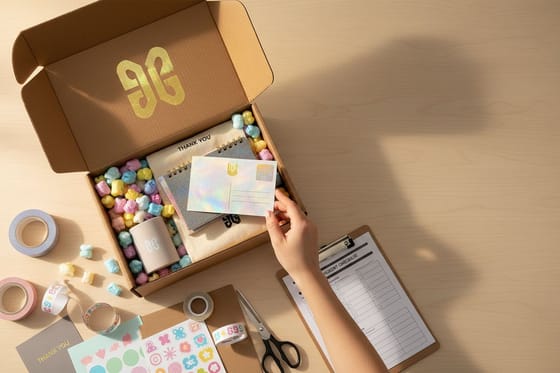
Scoring and creasing rarely travel alone. They sit inside a wider set of finishing services that turn a flat printed sheet into a finished piece. A creased folder might also be debossed with a pressed logo on the cover, giving you a tactile brand mark right beside a crisp fold. A run of folded mailers or kits can move straight into kitting and fulfillment, where pieces are collated, packed, and shipped for you.
Thinking about the whole finished object early is what keeps these steps from clashing. A deboss placed on a fold line, or a crease that runs through a glued flap, causes problems that are easy to avoid when the file is planned as a unit. Our team flags those conflicts during review so your finishing choices reinforce each other instead of fighting.
Designing the piece now? The 4OVER4 online designer and ready-made templates keep your fold lines, bleed, and safe margins in the right place from the first click, so the file you upload is already finish-ready.
Ordering a scored or creased piece

Ordering a scored or creased piece is the same simple flow as any print job. Pick a folded product, choose your size, stock, fold style, and quantity, and the finishing is built into the price. There is no separate line item to hunt for and no minimum finishing fee stacked on top. The crease or score comes with the fold.
Cost scales the way all print does: quantity brings the unit price down, and heavier stocks or added coatings cost a little more. You can watch the number update live in the configurator as you change options, so there are no surprises. A run of folded flyers starts around $68 and drops per unit as the quantity climbs.
When your file is ready, upload it and our team takes it from there, placing the fold lines, choosing score versus crease, and proofing the result before it prints. If you would rather talk it through first, our print experts will help you match the right finish to your stock.
Infographic
Score, crease, fold: how a clean fold is made
One frame, three steps. Scoring or creasing prepares the line, the sheet folds along it, and the surface stays intact. Save it as a quick reference the next time you spec a folded piece.
Scoring and creasing prepare the fold line, so the fold that follows stays crisp instead of cracking. On heavy or coated stock, creasing does the same job with a little more control.
Specs and pricing
Folded flyer specs and live pricing
Scoring and creasing are priced into the fold, so the number you see already includes the finishing. Here are the live specs and price-per-unit for folded flyers at 4OVER4.COM, straight from the configurator.
| Quantity | Price Per Unit | Total |
|---|---|---|
| 50 | $1.37 | $68.54 |
| 100 | 98.9¢ | $98.86 |
| 200 | 63.9¢ | $127.84 |
| 300 | 49.2¢ | $147.62 |
| 400 | 41.9¢ | $167.40 |
| 500 | 37.4¢ | $187.17 |
| 600 | 32.1¢ | $192.43 |
| 700 | 28.2¢ | $197.71 |
Wally explains scoring and creasing
Tell the paper where to bend before you bend it
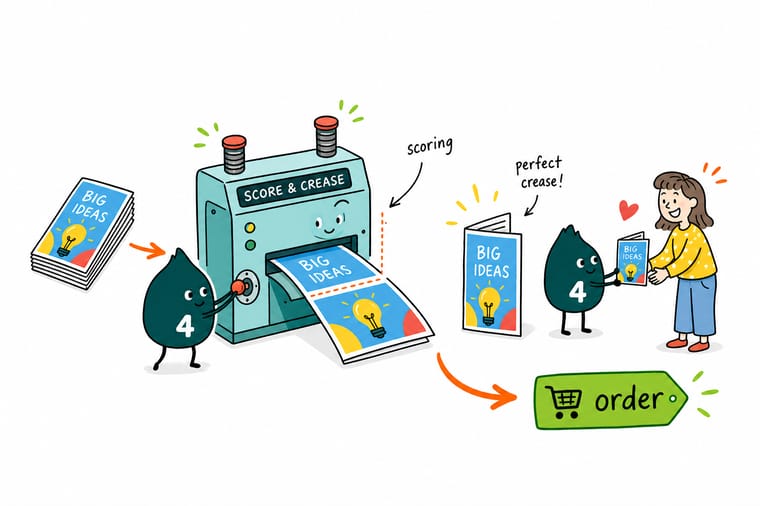
Wally treats a fold like a promise: press a clean line into the stock first and the paper keeps it, folding sharp instead of splitting. Scoring compresses a channel, creasing forms a rounded bead for the heaviest and glossiest card, and the raised side always tucks to the inside of the fold. Spec a folded piece and 4OVER4 builds the right finish into the run so it opens and closes like it was meant to.
Print a folded piece →See it in use
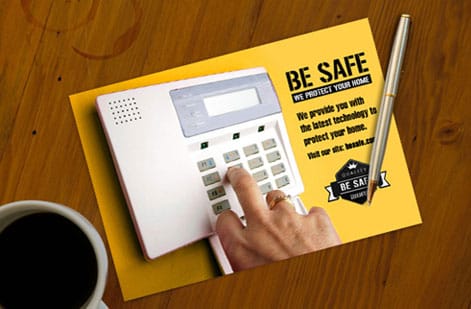
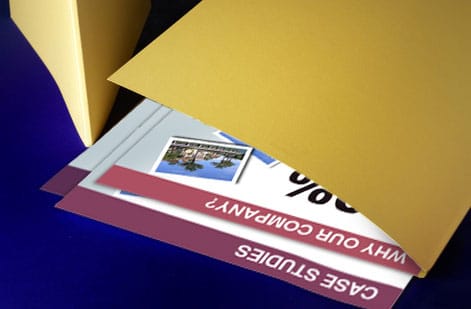
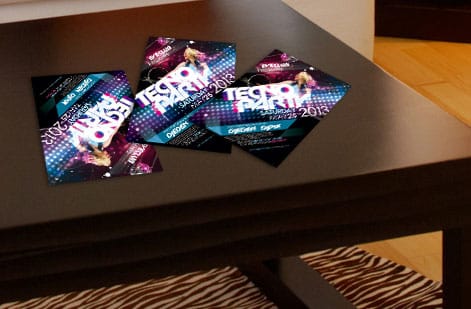
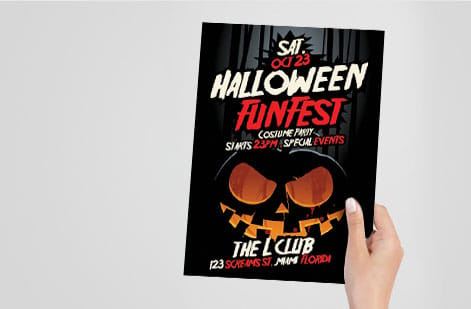
Real folded pieces, finished in-house




Get Started
Ready for a fold that will not crack?
Spec a folded piece at 4OVER4.COM and the scoring or creasing is built into the run. Choose your stock, fold, and quantity, and watch the price update live.
Explore more
Where to go next
By the numbers
Creases pressed before anything is folded
Common Questions
Common questions about scoring and creasing
What is the difference between scoring and creasing?
Scoring presses a shallow channel into the sheet with a wheel or rule, compressing the fibers along the fold line. Creasing uses a matched die to push a rounded bead into the stock, displacing the fibers rather than crushing them. Scoring is quick and works well on light to medium cover stocks. Creasing is more precise and is the better choice for heavy, coated, or laminated paper where an ordinary score might still crack.
Do I always need scoring or creasing to fold paper?
No. Lightweight text-weight paper usually folds cleanly on its own. Scoring and creasing become important once you move to cover stock, coated card, or anything laminated, because those materials crack along an unprepared fold. As a rule, if the paper is heavier than about 100lb text or carries a coating, plan on a score or a crease.
Why does thick cardstock crack when you fold it?
The crack is the paper fibers and any surface coating breaking as they are forced around a tight bend. Thick and coated stocks have less give, so the outer layer stretches past its limit and splits, leaving a white line through your artwork. Scoring compresses a channel and creasing forms a bead, so the sheet bends along a prepared line instead of tearing.
Which side should the score or crease be on?
Fold away from the raised bead so it sits on the inside of the fold and the outer surface stays smooth. Putting the ridge on the outside forces the coating to stretch over the bump, which is what causes cracking. On our jobs the finishing team sets the score or crease in the correct direction for your fold automatically.
Which products can be scored or creased at 4OVER4?
Any folded product on cover weight is a candidate, including brochures, folded flyers, greeting cards, invitations, presentation and pocket folders, booklet covers, folded business cards, and door hangers. When you order a folded format the scoring or creasing is applied as part of the fold, and we choose the method that suits your stock.
Does scoring or creasing cost extra?
The finishing is built into the price of a folded product rather than charged as a separate fee. Your total scales with the usual levers of quantity, size, stock, and any coating, and updates live in the configurator as you set each option. Heavier stocks that require creasing may cost slightly more overall because of the stock itself, not a finishing surcharge.
Legal Disclaimer
Gold Standard guarantees apply to all standard orders placed through 4over4.com. Price match requires verifiable proof of a competitor's published price for an equivalent product with matching specifications and turnaround time. Satisfaction guarantee covers manufacturing defects and print quality issues. Contact support with order number and documentation. On-time delivery rate based on tracked orders 1999 to 2026. Individual results may vary based on shipping carrier performance.
