
Rebranding Refresh Toolkit: 3 Print Products to Get Noticed and Remembered
A rebrand does not happen the day the new logo is approved. It happens the day a customer sees it on the street, takes it home in their pocket, and finds it sitting on their desk a month later. These three pieces cover all three moments, so the new identity replaces the old one instead of coexisting with it.
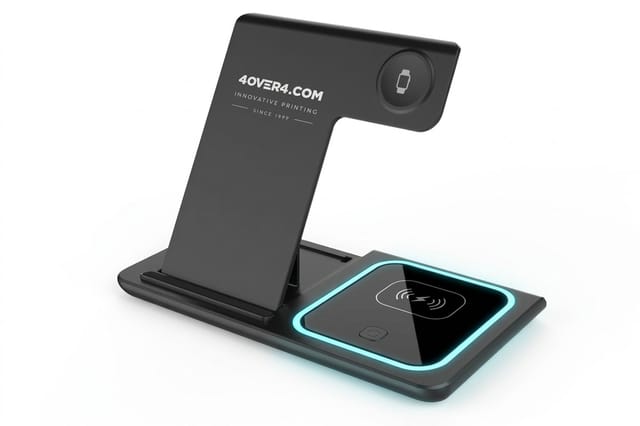
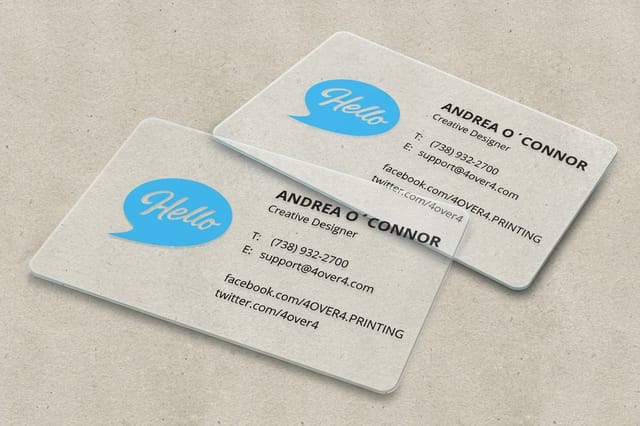
The rebranding refresh toolkit is three pieces that put a new identity in front of people at three distances. Two sided blockout banners announce the change from the sidewalk, 30mil clear plastic cards make the new mark memorable in someone hand, and a branded 3 in 1 foldable wireless charger keeps it visible on a desk long after launch week. Print them together, switch them on the same date, and retire the old stock the same morning.

The picks
A banner, clear cards and a charger, each carrying the new mark
Start here. These are the three products a relaunch actually needs in circulation on day one. Each one is configured and priced on its own page, so quantity, size, finish, and turnaround are yours to set before anything goes to press.

Design and print help
One new name on vinyl, plastic and a desk object
A refresh only reads as intentional if the logo, the color, and the spacing behave the same way on vinyl, on plastic, and on a product surface. These tools keep that consistent from file setup through delivery.
How they work together
Cover the street, the hand, and the desk
Each piece owns a distance and a moment in the rollout. Skip one and people fill the gap with the brand they already knew, which is the version you are trying to retire.
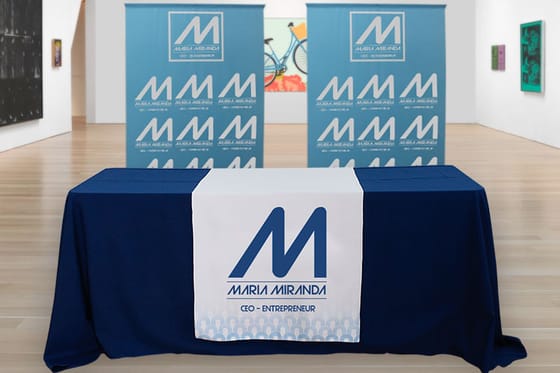
The street sees the change first. A banner at the entrance or the event booth tells passersby the name on the door is new and still the same business.
The moment someone takes your card is the moment the rebrand becomes personal. A clear card makes them look twice at a logo they have never seen before.
Signs come down and cards go in a drawer. A branded charger stays out on a desk, repeating the new identity every workday for months.
1. Two sided blockout banners: announce the change where traffic already is

A rebrand fails quietly when regulars walk past a door they no longer recognize. A banner is the cheapest way to prevent that, because it says the new name and the old promise in the same glance. The blockout layer is the part that matters here: it stops light passing through the material, so the reverse side stays sharp instead of showing a ghost of the artwork behind it.
Two printed faces means one banner covers both directions of foot traffic, which is exactly what you want on a sidewalk, a hallway, or an event aisle. Give it one job. New name, old name in smaller type for one season, and nothing else competing for the space. Our guide to designing advertising banners covers the type sizing that survives distance, and how to make banners walks through hems, grommets, and hanging so the piece stays flat once it is up.
Hang it the week before the switch date and leave it through the first month. If you have more than one entrance or a booth season ahead, print the second unit now while the file is open. More placement thinking sits in 11 outdoor business sign ideas that get noticed.
2. Branded wireless chargers: the new logo that stays on a desk
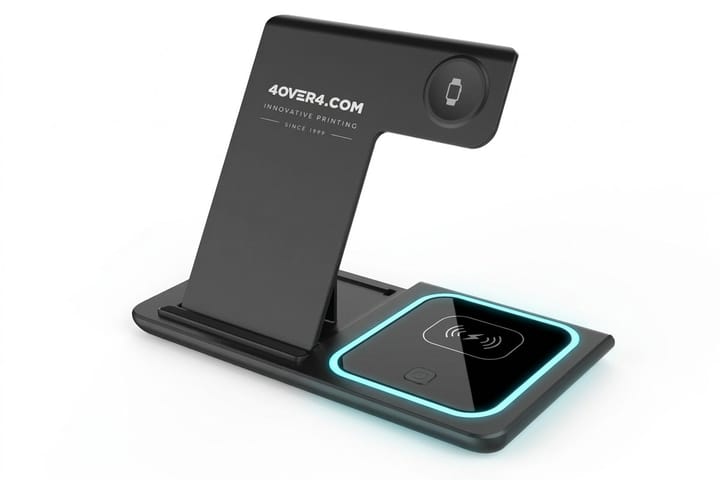
Every rebrand has the same weakness. Attention spikes for a week, then people go back to the name they already had in their heads. The fix is an item nobody throws away. A foldable charger that handles a phone, a watch, and earbuds earns permanent desk space, and your refreshed mark sits in the frame of every meeting held at that desk.
Keep the branding restrained. On a small folded surface, a logo at reasonable size and one brand color reads far better than a full lockup with a tagline crammed underneath. Think of it as a signature rather than an advertisement. If you are also planning a printed handout for the relaunch, the same restraint applies, and creative flyer design ideas that get noticed shows how the identity carries across formats without repeating itself.
These are the pieces to hand to clients, partners, and your own team during the transition, so the people who talk about you most often have the new name in front of them daily.
3. 30mil clear plastic cards: make the new mark impossible to forget

The handshake is where a rebrand either lands or evaporates. Hand over a familiar paper card and the new identity registers as a minor detail. Hand over a rigid clear card and the recipient tilts it to the light, reads it twice, and remembers the encounter. That extra second of attention is worth more than any headline you could print on the back.
Design for the material instead of reusing the old file. Transparency means whatever sits behind the card becomes part of it, so keep large clear zones intentional, put solid white behind any text that must stay readable on every surface, and let the logo own the middle. The fundamentals in how to design business cards still apply, especially the hierarchy that puts name, role, and one contact method in that order.
Print enough to retire the old cards company wide on the same day. A team half switched over is the single clearest signal that the rebrand was not fully committed.

Specs and pricing
Clear card specs on 30mil plastic, with quantity breaks
The card is the piece people keep, so it sets the standard for the rest. Check the stock, thickness, and finish options here, then match the color treatment across the banner and the charger.

| Quantity | Price Per Unit | Total |
|---|---|---|
| 500 | $1.06 | $529.26 |
| 1,000 | 63.0¢ | $630.31 |
| 2,000 | 56.8¢ | $1,135.55 |
| 2,500 | 53.0¢ | $1,325.02 |
| 3,000 | 50.5¢ | $1,514.49 |
| 3,500 | 48.7¢ | $1,703.96 |
| 4,000 | 47.3¢ | $1,893.44 |
| 4,500 | 45.6¢ | $2,051.33 |
Wally explains the refresh
Three pieces, one new identity, switched on the same day
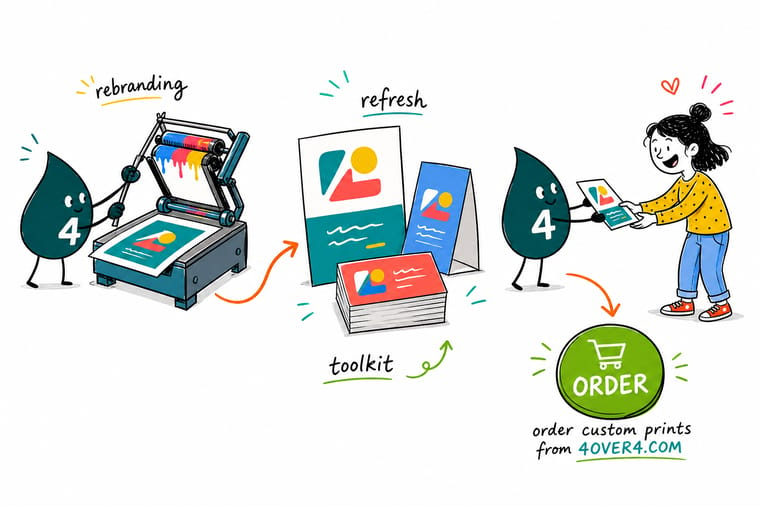
Wally has watched plenty of rebrands stall halfway. The website changes, the sign does not, and for six months customers see two companies. His rule is simple: pick a switch date, have the banner, the cards, and the branded desk pieces in hand before it, then retire every old-logo item that morning. One identity in circulation beats a perfect logo nobody sees consistently.
Shop the business basics collection →See it in use
Real rebrand print work, produced in-house

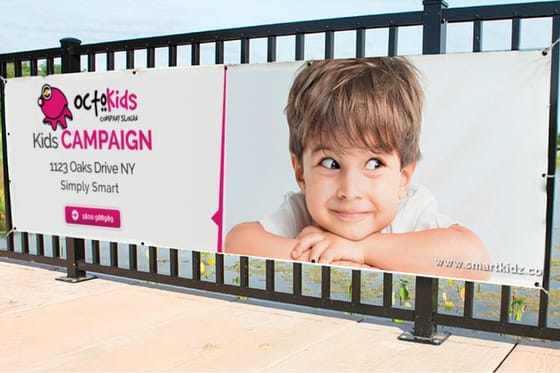
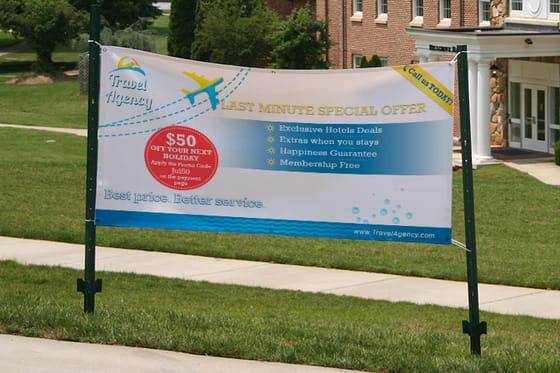


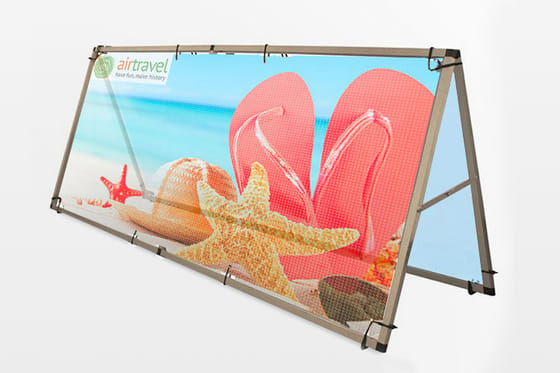
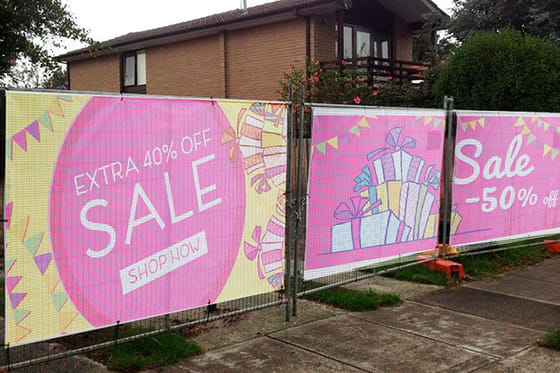

Explore more
Where to go next



By the numbers
One toolkit, printed to relaunch a brand
Common Questions
Common questions about the rebranding refresh toolkit
What is a rebranding refresh toolkit?
It is a small, deliberate set of printed and branded items that carries a new logo, name, or color palette into the real world at the same time. Instead of updating a website and hoping people notice, you cover three distances at once: an outdoor banner that works from across the street, a card that works in someone hand, and a branded desk item that keeps the new mark visible long after the announcement week ends.
When should I order the new pieces during a rebrand?
Order everything so it lands one to two weeks before your switch date, not on it. That buffer lets you check color against the new brand guide, replace anything that printed off, and stage the pieces in every location before the announcement. Printing after the announcement is the most common rebrand mistake, because it forces your team to hand out old-logo material during the exact week people are paying attention.
Do I have to replace every piece of print at once?
No, but the customer-facing pieces should switch together. Anything a customer sees or takes home needs to change on the same day, because two logos in circulation reads as a merger, a mistake, or a closing business. Internal paperwork, packing slips, and back-office forms can run out their existing stock, since nobody outside the company is judging your brand by them.
How do I keep the new brand consistent across three different materials?
Lock three things before you upload anything: the exact color values from your new brand guide, one logo lockup with a set clear space around it, and a single typeface pairing. Then accept that vinyl, clear plastic, and a molded product surface will each render those colors slightly differently. Judge them side by side on a proof rather than on a screen, and adjust the file that looks off instead of loosening the standard.
Why include a clear plastic card instead of a standard paper card?
A rebrand needs a moment of surprise. Clear plastic gives you one, because the recipient has to hold the card up and look through it before they read it, and that extra second is spent on your new logo. Rigid 30mil stock also survives a wallet for years, so the refreshed identity keeps circulating long after the launch campaign budget is spent.
What does the full rebranding refresh toolkit cost to print?
There is no toolkit price. Every piece is quoted on its own product page, because the number moves with quantity, size, finish, and turnaround. Two sided blockout banners begin at $108.75 in 4 business days, the 3 in 1 foldable wireless charger at $15.00 a unit, and 30mil clear plastic cards at $529.26 for 500 with a 15 business day build. Build the exact configuration you want on each page and the running total updates as you choose.
Can I add more pieces to the toolkit later?
Yes, and most companies do. This set is the minimum that makes a new identity feel real across outdoor, in-hand, and on-desk contact. Once the launch is out, the same artwork extends naturally into flyers, yard signs, window graphics, and packaging, and your files are already color-locked and ready to reuse.
Get Started
Order 500 clear plastic cards at $529.26 on the new name
Print the banner, the cards, and the branded desk pieces in one order, set a single switch date, and let the refreshed identity show up everywhere at once.
Legal Disclaimer
Gold Standard guarantees apply to all standard orders placed through 4over4.com. Price match requires verifiable proof of a competitor's published price for an equivalent product with matching specifications and turnaround time. Satisfaction guarantee covers manufacturing defects and print quality issues. Contact support with order number and documentation. On-time delivery rate based on tracked orders 1999 to 2026. Individual results may vary based on shipping carrier performance.
