
6 Print Pieces That Turn What You Know Into a High-Ticket Offer
Packaging expertise means giving a service edges: a named method, a fixed set of deliverables, and something the buyer can hold. These six pieces do that job, from $5.00 for a deluxe spiral notebook, so you can size the order to your next cohort.
You package what you know by making it visible and finite, then printing the parts that carry the most weight. Six pieces cover it: a booklet that names the method, a spiral workbook the client writes in, a pocket folder that delivers the proposal, a leather journal as the welcome gift, a suede card for the handshake, and a brochure that carries the price. Print the stable pieces once a year and reprint the cheap one whenever the number moves.
The picks
Six pieces, from a $5.00 notebook to $844.54 pocket folders
Start with the piece your offer is missing, or print the set so all six read as one business. Prices below are the starting point in the configurator and drop as the quantity climbs. Every layout can be built in the free online designer or started from a design template.
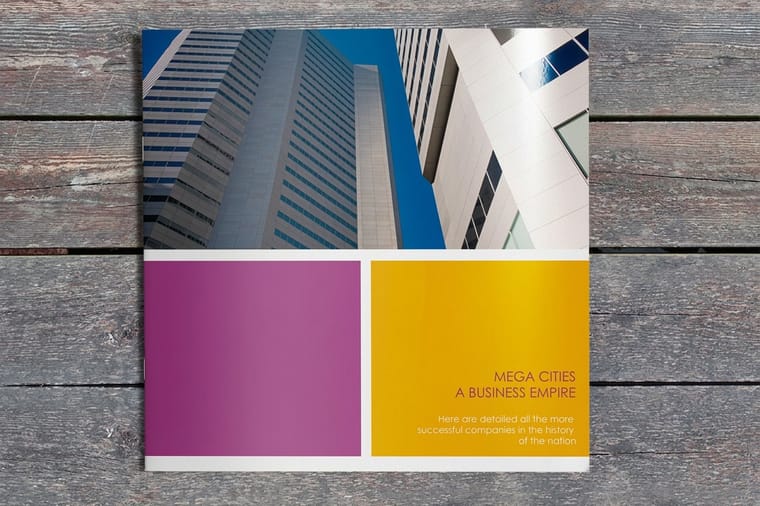
- 1Standard Booklets The playbook that names your method From $240.55
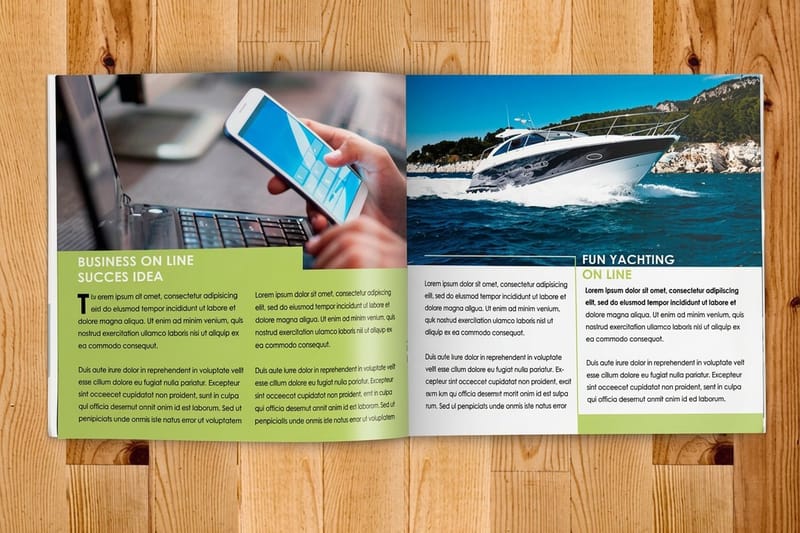
A saddle stitched booklet turns a service you describe on a call into a thing the buyer can weigh in one hand. Print the framework, the diagnostic, the stage names. Leave price and dates out of it.
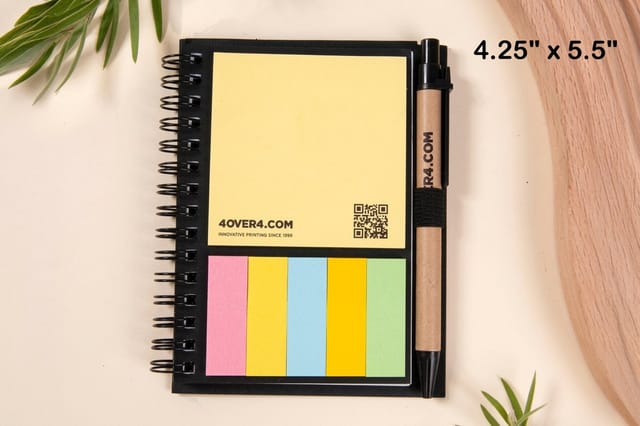
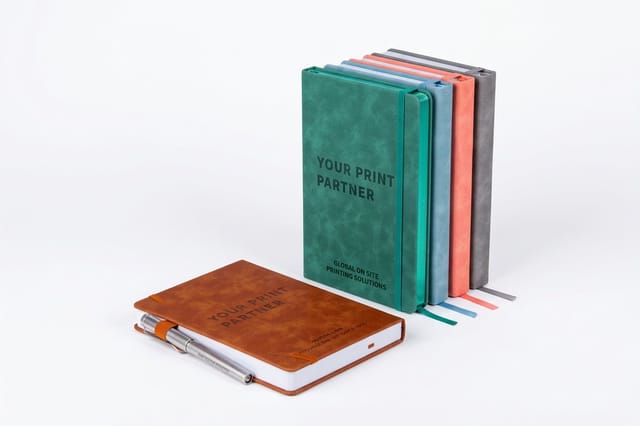
- 2Deluxe Spiral Notebook The workbook the client writes in From $5.00
Spiral binding lies flat and folds back on itself, so a client can write on the right hand page without holding the book open. It is the cheapest piece to reprint when your curriculum shifts between cohorts.
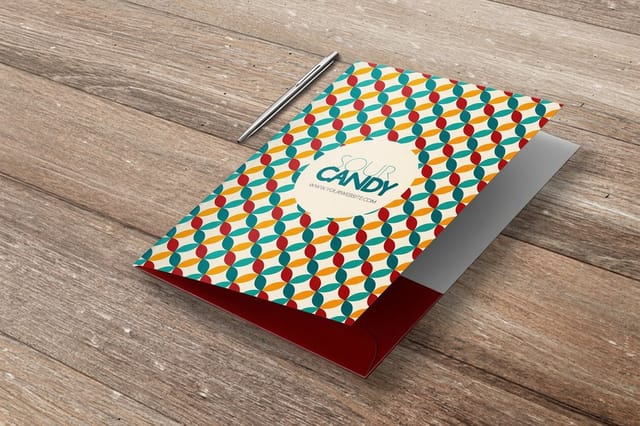
- 3Pocket Folders The proposal and onboarding packet From $844.54
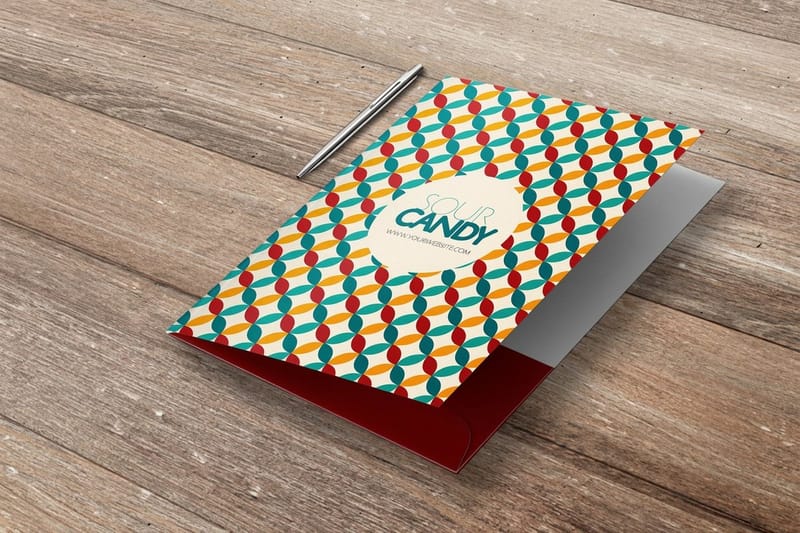
A 9 in x 12 in folder holds letter sheets, a signed scope, and a card in the slit. It is what makes a $12,000 proposal arrive as a document instead of an attachment.
- 4Leather Journals The welcome gift with no expiry date From $10.00
Blank pages never go out of date, so one order covers three years of clients. Dollar for dollar it is the strongest perceived value lever in the kit.
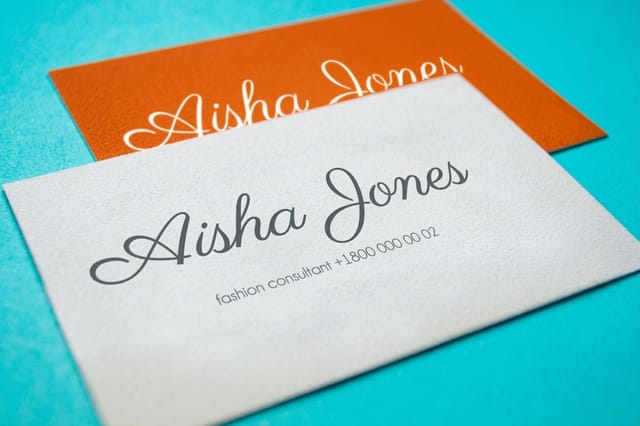
- 5Suede Business Cards The card that matches the price tag From $87.15
Soft touch laminate reads as expensive the moment a hand closes on it. Buy it for the handshake, not for note taking, because ballpoint ink will not bite into the coating.
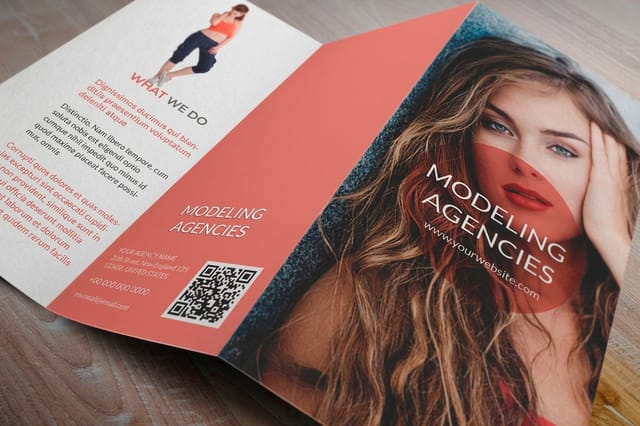
- 6Standard Brochures The sheet that carries the number From $57.11
Everything that changes goes here: tiers, price, start dates, what is out of scope. At this price you reprint it the week you raise your rate instead of living with a stale figure.
The rule behind the kit
Print permanence should match how often the content changes
There is one decision underneath all six choices, and getting it wrong is what leaves consultants handing out a booklet with last year's fee on page two. Durable, expensive pieces carry the things that never change. Cheap, fast pieces carry the price, the dates and the scope. The map below is the whole kit sorted on those two axes.
What each piece carries
Six pieces, six jobs, and the one thing to watch on each
Read the row, then tap the piece to jump to its section. The last column is the detail that most often costs a customer a reprint, so it is worth reading before you open a file.
| Piece | What it carries | How often you reprint it | Watch out for |
|---|---|---|---|
| 1. Standard Booklets | Your method, the stages, the diagnostic | Once a year at most | Page count must land on a multiple of 4, and saddle stitch gets sloppy past roughly 64 pages |
| 2. Deluxe Spiral Notebook | Exercises, worksheets, the session log | Every cohort | The coil punch eats about 0.5 in on the bound edge, so keep type and rules clear of it |
| 3. Pocket Folders | The proposal, the scope, the agreement | Once a year | Highest minimum in the kit, so this is the piece you order ahead, never in a rush |
| 4. Leather Journals | Nothing but your mark on the cover | Almost never | Deboss a logo rather than printing one, because ink sits on grain and rubs |
| 5. Suede Business Cards | Name, one line, one way to book | When a detail changes | Fingerprints show on a heavy dark solid, and pen will not dry on the surface |
| 6. Standard Brochures | Tiers, price, dates, exclusions | Whenever the number moves | Panel width shrinks on the tucked panel of a trifold, so it needs a narrower layout |
1. Standard Booklets: give the method a name and a spine
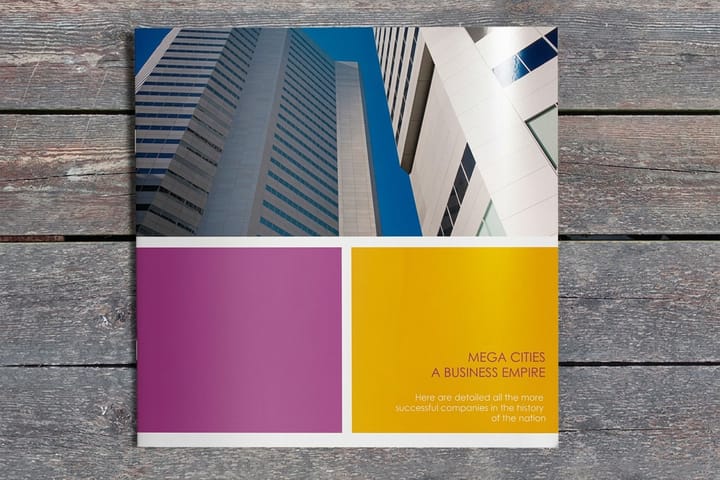
Most experts sell a process they have never written down. Writing it down is what turns an hourly rate into a program. A standard booklet is the right home for it: 16 to 32 pages that lay out the stages, the diagnostic you run first, and what the client is expected to produce at each step. The buyer reads three spreads and understands the shape of six months.
Keep two things out of it. Price and dates. The booklet is the most expensive piece in the kit to reprint, and a number printed on page 2 will pin you to last year's rate every time you hand one over. Put the method in the book and the money on a sheet you can rerun in a week.
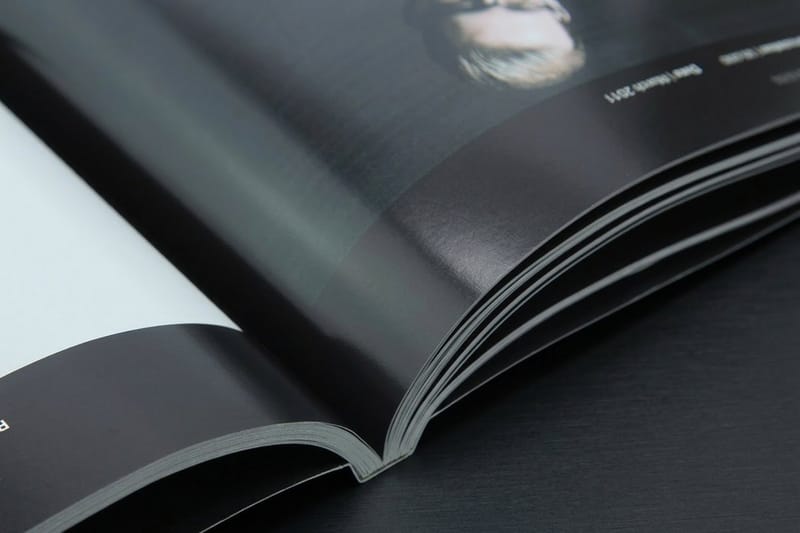
Page count is not a free choice. Saddle stitching folds sheets into each other, so the total has to land on a multiple of four, and the inner pages creep outward as the book thickens. Our explainer on page counts and creep shows what that does to a page number sitting near the trim. Past roughly 64 pages the fold stops sitting flat and you should move to a different binding, which is laid out in booklet binding methods.
Stock matters more here than in almost any other piece. A 100 lb gloss text feels like a magazine and a heavier uncoated feels like a manual, and the two send completely different signals about what you charge. The trade-offs are compared in choosing booklet paper, finish and binding.
2. Deluxe Spiral Notebook: the piece the client actually fills in
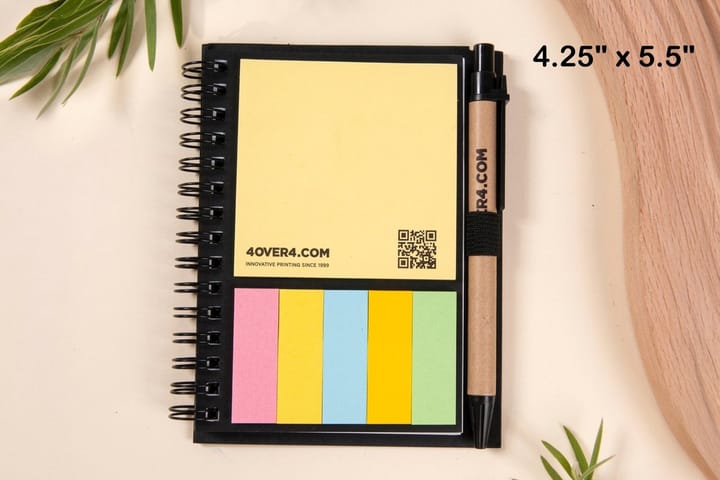
A booklet gets read once. A workbook gets carried to every session, and that is a different job. The deluxe spiral notebook earns its place because of the coil: it opens flat and folds all the way back on itself, so a client can write on the right hand page with one hand while your slide is on the screen. A perfect bound book will not do that and a saddle stitched one springs shut.
It is also the piece you should expect to change. Curriculum shifts between cohorts. Starting from $5.00, reprinting a revised workbook is a rounding error against a $9,000 program fee, which is exactly why the exercises live here and the framework lives in the booklet.
Two layout rules save a reprint. The coil punch takes roughly half an inch off the bound edge, so anything within that margin gets holes drilled through it, and a page number or a rule set too close will be cut in half. Second, leave real writing room: eight lines is generous on screen and cramped on paper. If you want the same feel with a heavier cover, designing a branded notebook covers cover stock and interior paper together.
3. Pocket Folders: make the proposal arrive as a document
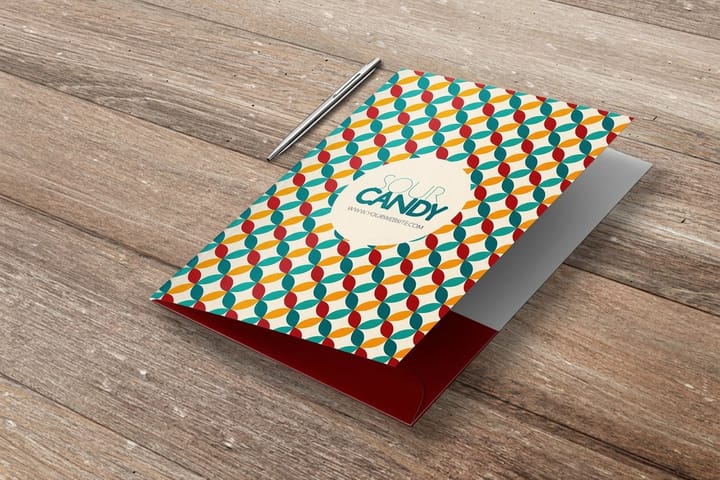
An emailed PDF and a folder handed across a table are the same words at two different prices. Pocket folders in the standard 9 in x 12 in size take letter sheets without trimming, hold a signed scope on one side and the reading on the other, and take a business card in the right pocket slit. That is the whole offer in one object the client puts on a desk instead of in an inbox.
Here is the honest catch. Folders carry the highest starting price in this kit, from $844.54, because die cutting and gluing a folder is a setup cost that does not care whether you order 100 or 250. So this is a piece you order once a year with generic branding, not a piece you print per client. Everything client specific goes on the sheets you slide inside it.
That constraint is actually a design brief. Print your mark, one line of positioning and the contact details on the folder, then let the interior sheets carry names, numbers and dates. Layout and die choices are walked through in designing customized presentation folders, and the broader format options are in the custom business folders guide.
If you are building a wider identity at the same time, the sequencing advice in brand strategy from identity to print keeps the folder from being the one piece that looks like a different company.
4. Leather Journals: the cheapest lift in perceived value you can buy
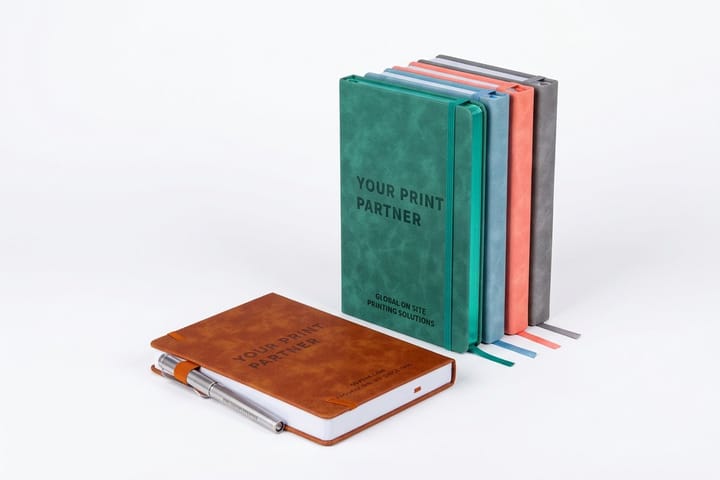
Ask any consultant what clients mention months later and it is rarely the deck. Leather journals start at $10.00 and land in the welcome package as the one item a buyer keeps on a desk. Nothing else in this kit changes the feel of a program that much for that little.
The reason it works is that the pages are blank. There is no price, no cohort date, no module list to go stale, so a single order covers several intakes and you are not throwing away last year's stock every January. That is the same logic as the brochure, run in reverse: content that never changes belongs on the most durable object.
Deboss the mark rather than printing it. Ink sits on top of a grained surface and wears off a cover that gets carried in a bag, while a debossed impression is pressed into the material and is still there after a year of handling. Cover treatments and interior options are compared in our guide to branded journals, and if you want a stitched hardcover instead, see making a custom hardcover journal.
5. Suede Business Cards: a handshake that reads as premium
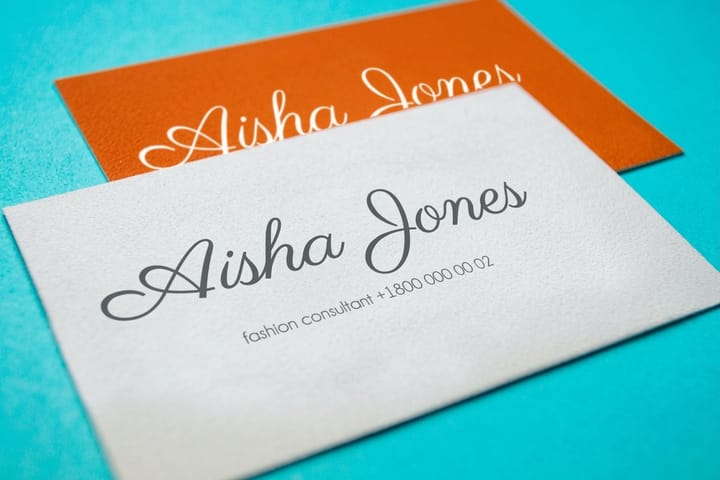
A $50 card and a $5,000 offer do not belong to the same business, and buyers notice inside a second. Suede business cards carry a soft touch laminate that grips slightly in the hand and kills glare, so the card feels heavier than it measures. From $87.15 it is the least expensive way to make the first physical contact match the number you are about to say.
Two limits, stated plainly. Fingerprints show on a large dark solid, so a full bleed black suede card will pick up marks by the third handshake and a lighter field or a broken pattern holds up better. And you cannot write on it. Ballpoint skates off the coating and gel ink stays wet, so if you are the sort of person who scribbles a mobile number on the back, you need a plain uncoated card in the other pocket.
Keep the card doing one job. Name, the single line that says what you do, and one way to book. A QR to a calendar beats a phone number for an offer that starts with a scheduled call.
6. Standard Brochures: put the price where you can change it
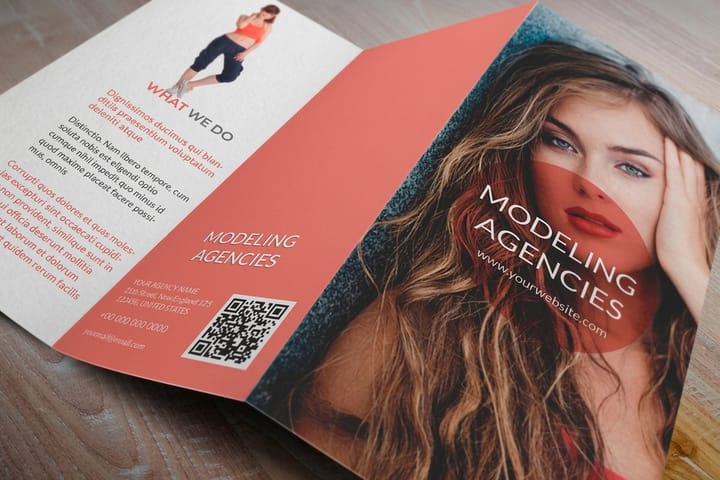
This is the piece that finishes the kit, and it is the cheapest one. Standard brochures start at $57.11, which means the tier table, the fee, the start dates and the list of what is out of scope can all live here and be reprinted the same week you raise your rate. Every other piece in the kit is built to outlast a price change. This one is built to absorb it.
Write it as a scope document rather than a sales sheet. Three tiers with the number under each, the duration, what the client has to supply, and one short paragraph naming what the engagement does not include. Buyers at five figures are looking for the boundary as hard as they are looking for the benefit, and a page that states it is the page that gets forwarded to whoever signs.
Fold choice changes the layout more than people expect. On a trifold, the tucked panel has to be cut about 1/8 in narrower so it seats inside the fold, which means the panel you thought was equal is not. The measurements are in common brochure sizes and fold options, and if you are torn between formats, booklet against brochure against flyer settles it.
One more thing worth knowing before you order any of the six: unit price falls hard as quantity climbs, so ordering a year of brochures in one run beats four small reprints. The mechanics are explained in how price breaks work.
Design and print help
Keep all six pieces looking like one offer
A buyer who sees the folder on Monday and the workbook in week three should not have to work out that both came from you. These are the tools that hold the line while you are busy selling.
Specs and pricing
Lock the two pieces you reorder most
The booklet and the workbook are the pieces a growing practice reorders every cohort, so it pays to settle their specs first. Here are the live options and price ladders for both.

| Quantity | Price Per Unit | Total |
|---|---|---|
| 25 | $9.62 | $240.55 |
| 50 | $6.04 | $302.06 |
| 100 | $3.61 | $361.37 |
| 200 | $2.22 | $444.85 |
| 300 | $1.65 | $495.38 |
| 400 | $1.29 | $515.14 |
| 500 | $1.06 | $531.61 |
| 600 | 91.5¢ | $549.19 |
| Quantity | Price Per Unit | Total |
|---|---|---|
| 50 | $1.14 | $57.11 |
| 100 | 82.4¢ | $82.38 |
| 200 | 53.3¢ | $106.55 |
| 300 | 41.0¢ | $123.02 |
| 400 | 34.9¢ | $139.49 |
| 500 | 31.2¢ | $155.97 |
| 600 | 26.7¢ | $160.36 |
| 700 | 23.5¢ | $164.75 |
Wally explains the packaging rule
Bind what never changes, reprint what always does

Wally sorts the kit into two stacks. On the left, the pieces that outlive a price change: the method booklet, the pocket folder, the leather journal, the suede card. On the right, the pieces built to be reprinted: the spiral workbook that follows your curriculum and the brochure that carries the fee. Put a number in the left stack and you will be apologizing for it a year from now. Put your method in the right stack and it will never feel worth five figures.
Shop the business basics collection →See it in use
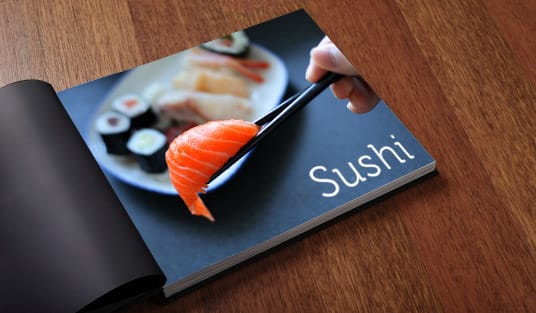
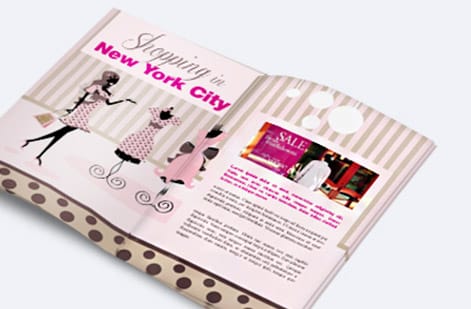
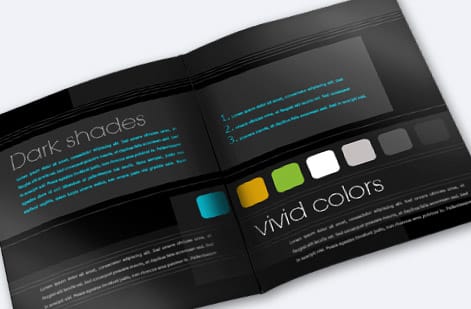
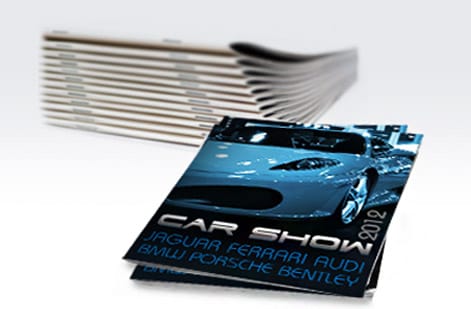
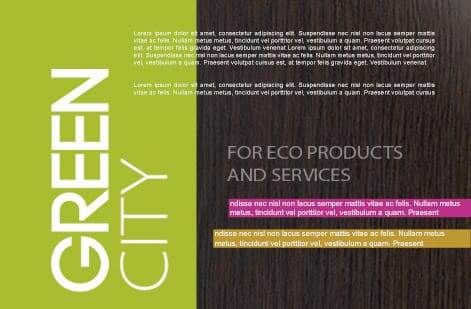
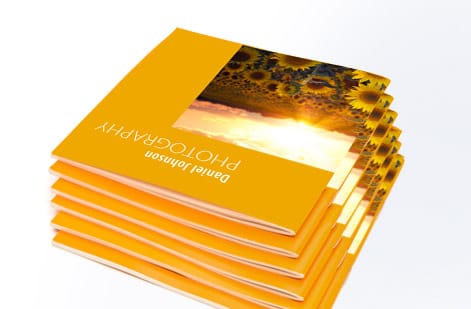
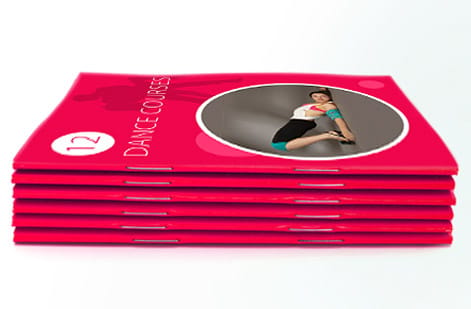
Booklets consultants have printed for a cohort

Explore more
Where to go next
By the numbers
Six pieces, sixty materials and one on-time record
Common Questions
Common questions about packaging an offer in print
What actually makes an offer high-ticket?
Scope and certainty, not price alone. A high-ticket offer names a specific outcome, a fixed number of sessions or deliverables, and a defined end point, so the buyer can see what they receive instead of buying open ended access. The printed pieces matter because they make that scope visible: a booklet shows the method, a brochure states the tiers and the exclusions, and a folder delivers both as one document rather than three attachments.
Do I really need printed materials to sell a high-ticket offer?
No, and plenty of consultants close five figure work on a call and a PDF. Print earns its cost in two specific situations: in person meetings where a folder handed across a table outclasses a link, and long programs where a workbook the client writes in keeps the engagement alive between sessions. If you sell entirely on video and never meet a buyer, start with the brochure and the workbook and skip the folder.
Which piece should I print first if I can only afford one?
The workbook. A deluxe spiral notebook starts at $5.00 and it is the only piece in the kit that a client uses repeatedly rather than reads once. It also forces you to write your process down in exercise form, which is the work that makes the offer sellable in the first place. The booklet, the folder and the gift all get easier once the workbook exists.
How many pages should a client workbook be?
Enough for one page of writing room per exercise and no more. A twelve session program usually lands between 24 and 48 pages, and the number of pages is less important than leaving eight to twelve ruled lines under each prompt. If you are saddle stitching instead of coil binding, the total has to be a multiple of four, so plan the page count before you lay out the pages.
Should the price be printed in the booklet?
No. The booklet is the most expensive piece to reprint and the price is the most likely thing to change, so putting the two together means either handing out a stale number or reordering a whole run. Print the method in the booklet and the price on the brochure, which starts at $57.11 and can be rerun the week you raise your rate.
Can I print a single workbook for one client?
Yes. There is no minimum on our digital products, so a pilot cohort of one person gets one printed workbook. The per unit price is highest at quantity one and drops steeply as the run grows, so once a program is proven it is worth ordering a full cohort in a single run rather than printing one at a time.
How far ahead should I order the kit?
Start the pocket folders and the booklets first, because they carry the highest minimums and the longest production paths, and order them the month before your launch. The brochure and the workbook are the fast pieces, so hold those until pricing and cohort dates are final. Ordering in that sequence keeps the piece most likely to change from being the piece you printed first.
How do I keep six printed pieces looking like one offer?
Lock three things and repeat them everywhere: one logo lockup, two brand colors, and one type pairing with the same heading weight on every piece. Starting each item from the same design template family is the fastest way to hold that line under deadline, because you change the content and leave the type scale alone. A free proof on each order catches the piece that drifted before it goes to press.
Get Started
Give the offer something to hold
Print the six-piece kit at 4OVER4.COM and your method, your workbook and your price each land on the right paper. Pick sizes, stocks and finishes, and watch the price update live as you build the order.
Legal Disclaimer
Gold Standard guarantees apply to all standard orders placed through 4over4.com. Price match requires verifiable proof of a competitor's published price for an equivalent product with matching specifications and turnaround time. Satisfaction guarantee covers manufacturing defects and print quality issues. Contact support with order number and documentation. On-time delivery rate based on tracked orders 1999 to 2026. Individual results may vary based on shipping carrier performance.
