
Deal-Breaking Case Studies, 5 Print Products That Put Your Proof on the Table
A case study breaks a deal open when a buyer can hold it, check the number and see their own business in it. These five printed pieces do that job at five different points in the sale, and each one is priced live.
Print the case study on the format that matches where the deal is, and lead every one of them with the number rather than the client logo. Sales sheets from $75.80 carry one case each, standard brochures from $57.11 put three side by side for a reader who has not chosen yet, standard booklets from $240.55 bind the set for a committee, short run presentation folders from $108.75 let you assemble a pack for one named buyer, and standard postcards from $16.48 mail a single result to a desk. All five start at $498.69 together, or $258.14 without the booklets.
The picks
The 5 picks, numbered and priced live
Buy the sheets first and the booklet last. Single sheets are the format you will reprint every time a new win lands, so they earn their keep immediately. Binding only makes sense once a deal is large enough to survive a yearly reprint. Prices come straight from the configurator and drop per piece as the quantity climbs.
Sales sheets from $75.80
One case per page, so the buyer only ever sees the story that matches their own problem. Order it uncoated and a prospect can write their own numbers in the margin while you talk.
Standard brochures from $57.11
Three panels, three cases at three company sizes. This is the piece for a browser who has not yet told you which problem is theirs.
Standard booklets from $240.55
A spread per case, bound. The most convincing piece in the kit and the fastest to go stale, so only bind it when the deal size pays for a reprint each year.
Short run presentation folders from $108.75
Brand once, load per prospect. Twenty-five to a hundred folders costs a fraction of a full pocket-folder run, and nothing time-sensitive is printed on it.
Standard postcards from $16.48
One result, one name, mailed. It cannot carry the method, so do not try. It lands on a desk two days before the meeting and stays there.
Before the file goes to press
What separates a case study from a testimonial
Most printed case studies fail on the same three lines. They lead with a client logo a stranger does not recognise, they give a percentage with no baseline, and they carry no dates at all. Fix those and the piece starts doing work.
Build every case on the same six blocks, in this order, and the format you print it on becomes a separate decision rather than a rewrite:
- The result, as the headline. The number and what it measures. Not the client name, which means nothing to a reader who has never heard of them.
- Two sentences of situation. Include the company size and the sector, because a reader who cannot see themselves in the first two sentences stops there.
- What you did. Enough detail that a competitor could copy the approach. Vague method reads as though nothing in particular happened.
- Before and after. Both figures, not the percentage on its own. A percentage without a baseline behind it is decoration.
- A quote with a full name and job title. An anonymous quote on printed paper reads as one you wrote yourself, and costs you more credibility than leaving it out.
- The period the result covers, printed. Undated claims age badly, and a buyer assumes the oldest year the piece could possibly mean.
Get written approval before anything reaches the press. The named contact, their marketing or legal team, and whoever actually owns the data all need to sign off on the wording, the figures and the logo. A web page can be edited quietly at midnight. A pallet of 500 sheets with a number the client will not stand behind is scrap, and the person who approved it verbally will not remember doing so.
One more habit worth building. Ask for the number at the end of the project, while the client is still pleased and still has the report open, not six months later when the champion has moved on and nobody can find the baseline. The best case studies are the ones that were agreed before anyone needed them.
What each piece does
The five pieces and the moment each one belongs in
Same content, five different jobs. Read the row, tap the piece to jump to its section, and start with the format that matches how your deals actually move.
| Piece | The job it does | When it makes sense | Starts at |
|---|---|---|---|
| Sales sheets | Carries one case in full, headline number first | The buyer has already named their problem | $75.80 |
| Standard brochures | Puts three cases side by side to be compared | Trade shows, racks, and cold first meetings | $57.11 |
| Standard booklets | Binds six to eight cases into one document | Long cycles, committees, and six-figure deals | $240.55 |
| Short run presentation folders | Holds a set assembled for one named buyer | You pitch in the room and leave paper behind | $108.75 |
| Standard postcards | Lands a single number on a desk by mail | Before the meeting, or after the email went quiet | $16.48 |
1. Sales sheets: one case, one page, the number in the headline
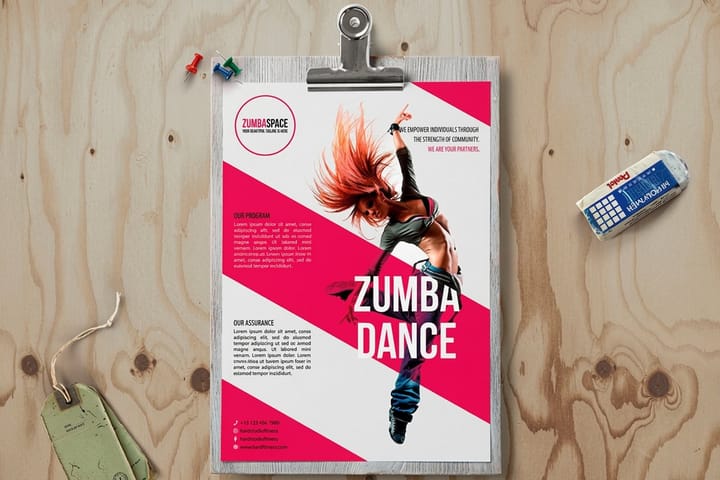
Sales sheets from $75.80 are the format most case studies should be in. One case per 8.5 by 11 in page means you hand a buyer only the story that matches the problem they just described, instead of a folder they have to search. The page that fits their industry gets read on the spot. The other six stay in the bag.
Set the sheet in six blocks and keep the order: the result with its number as the headline, two sentences of situation with the company size in them, what you actually did, the before and after figures over a named period, a quote with a full name and job title, and the measurement dates at the foot. Skip the dates and a reader assumes the worst year you could have meant.
Stock is the decision that changes how the sheet gets used. Uncoated takes a ballpoint, so a prospect can write their own volume in the margin while you talk, and a buyer who writes on your paper has started doing the arithmetic. Gloss holds a photograph of installed work far better and smears the same pen. If your proof is a number, go uncoated. If your proof is a picture of the job, take the gloss and accept that nobody writes on it. The brochures versus sales sheets comparison covers where each format stops working.
When four or more cases travel together, staggered cut sales sheets trim each page slightly shorter than the one behind it so the headings stack into a visible tab strip. A buyer flips straight to their sector without pulling the stack apart. That only pays off at four sheets or more; below that the stagger is a cost with nothing to show for it.
2. Standard brochures: three cases the reader can compare
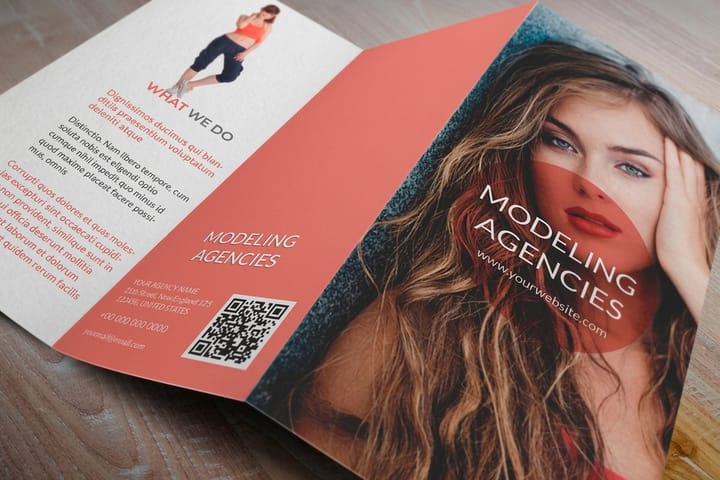
A standard brochure from $57.11 is the piece for a reader who has not told you anything yet. Three inside panels take three cases at three company sizes, or three versions of the same problem, and the buyer picks the one they recognise. That self-selection is the whole point, which is also why it is the wrong piece once somebody has already named their situation. Then they get a single sheet.
The fold has geometry that ruins a layout built on equal panels. On a tri-fold, the panel that tucks inside is trimmed about 1/16 in narrower than the other two so the piece closes flat, so a headline centerd as though all three panels matched sits visibly off-center once it is folded. Set the panel widths to their real measurements before you place anything. The tri-fold brochure sizes guide lists them, and print folding options covers the other folds if three panels are not enough room.
Keep each panel to one case and resist filling the back with an About Us block. The reader is deciding whether your proof looks like their business, and every paragraph about your founding year is a paragraph they spend not doing that. Our notes on building a brochure that drives sales deal with the panel order and where the call to action goes.
3. Standard booklets: bound proof, for a deal worth binding
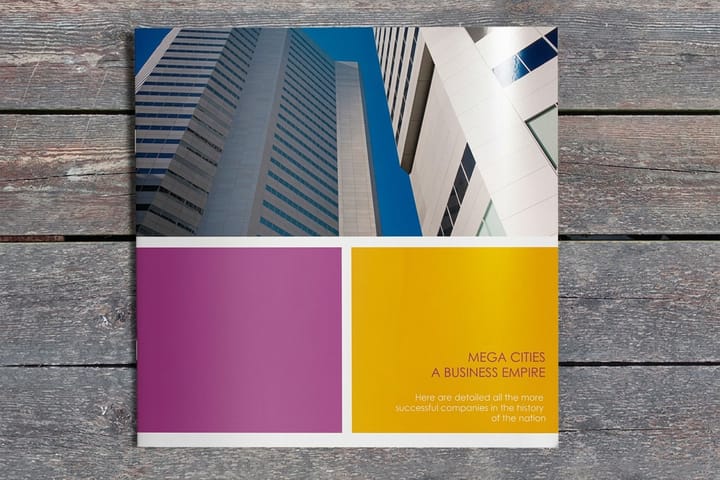
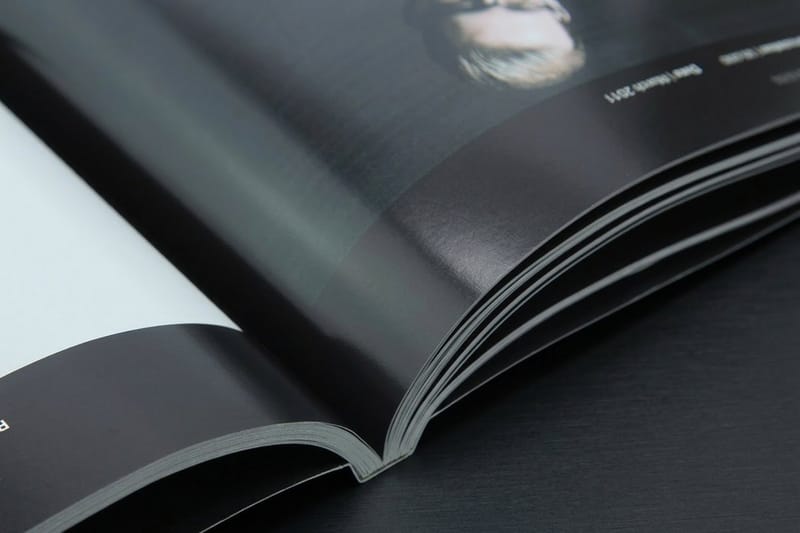
Standard booklets from $240.55 are the most persuasive piece in this kit and the one most likely to be wasted. Give each case a full spread, six to eight cases in a 16 page book, and a procurement committee has something they can circulate without you in the room. That is worth real money on a long cycle and nothing at all on a two-call sale.
Two mechanical facts shape the file. Saddle stitched pages come in multiples of four, because every sheet folded in half makes four, so a 14 page plan becomes 16 pages and you decide what fills the extra two rather than the bindery deciding for you. Creep is the second one: on thicker stock the inner spreads push outward as the fold builds up, so a page number or a figure sitting 0.125 in from the trim on the center spread can end up trimmed off. Keep anything you need read 0.25 in inside the edge. Both are unpacked in page counts and creep explained and what a saddle stitched booklet is.
Here is the limit. A booklet ages worse than any other piece in the kit, because it is the one a buyer keeps. Numbers from three years ago sitting in a bound document read as the last time anything went well, which is more damaging than having no booklet at all. Only bind when the deal size covers a reprint every year, and print the measurement period on every case so an old book at least dates itself honestly. If the run is small and the cases change often, the money belongs in sheets and a folder instead. Booklet versus brochure walks the same trade at a smaller page count.
4. Short run presentation folders: assemble the set for one buyer
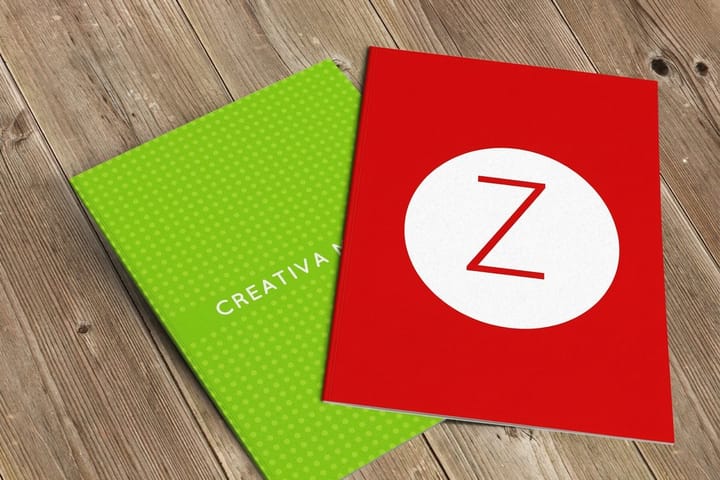
Short run presentation folders from $108.75 exist for the quantity a sales team actually uses. Standard pocket folders start at $844.54 because they are priced for a full marketing run, and most teams need twenty-five to a hundred folders a quarter, not five thousand sitting in a cupboard going out of date.
Build it so the folder never expires. Brand, logo, one line of positioning, contact details on the pocket, and nothing else. Every number, every client name and every date lives on the loose sheets inside, which means a new win costs you one sheet to add rather than a folder reprint. Print a case study on the cover and you have tied a $108.75 item to a figure that will be wrong in eighteen months.
Then load it per prospect: the two case sheets closest to their industry, the pricing page, and a business card in the slot. A buyer opening a folder that contains exactly their situation and nothing irrelevant reads it as preparation, and preparation is most of what a first meeting is judged on. Presentation folder sizes covers the pocket depth and the card slot, and how to build a presentation kit takes the assembly further.
5. Standard postcards: one result, one name, in the mail
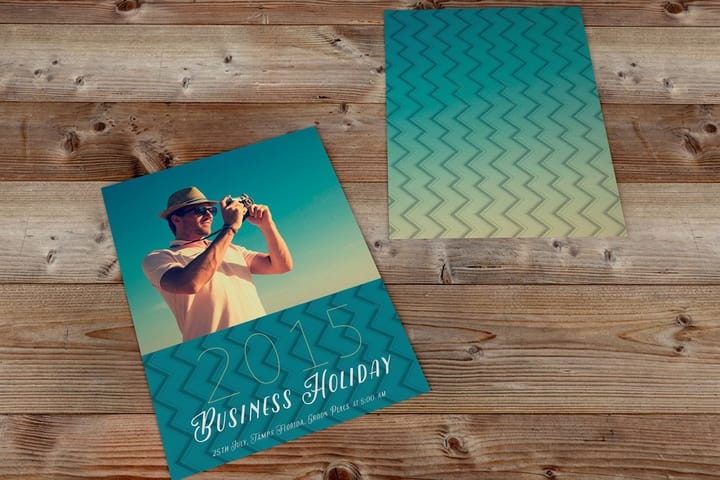
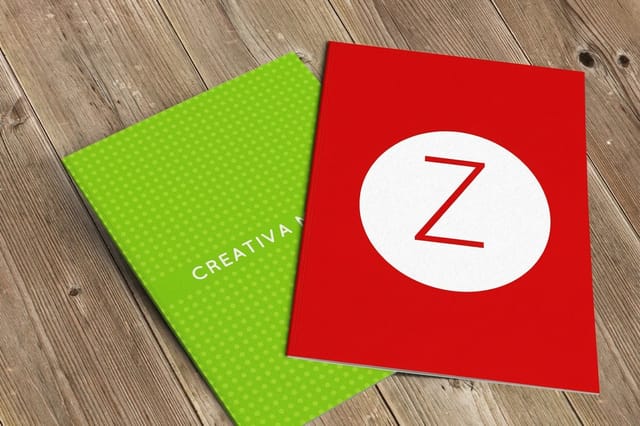
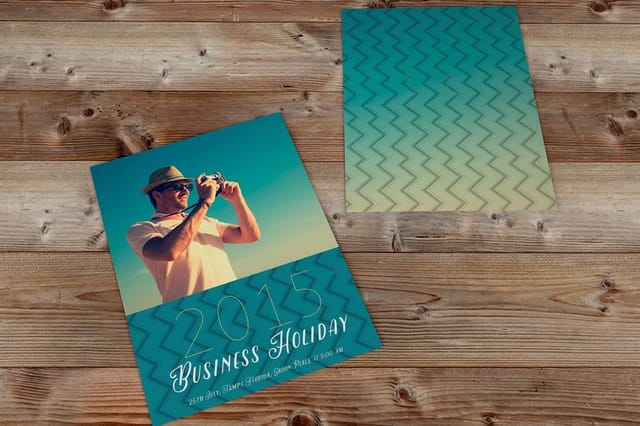
Standard postcards from $16.48 are the cheapest way to put one proven number in front of one named person. Front: the result, large, and the sector it came from. Back: two sentences of context, the dates, and the name of whoever is going to walk in on Thursday. That is the whole piece.
A postcard cannot carry a method and it will fail if you ask it to. Six-point type squeezed around a chart is a card nobody reads and a printing bill for the privilege. One number, one line, one name. Send it so it lands two days before the meeting, which puts your proof on the desk before you are in the room, or send it three weeks after an email thread went quiet, when a physical card is the only thing that has not been ignored yet.
If you are pointing a code at the full write-up, keep it around 0.8 in square with a clear border around it, dark on light, at least 0.125 in inside the trim so a shift on the cutter cannot clip a corner. Our walkthrough on QR codes on postcards and brochures covers the placement, and direct mail postcards handle the addressing and postage when the send is a list rather than a handful of named accounts.
Specs and pricing
The two pieces you will reprint most, side by side
Sheets change every time a new win lands and brochures get refilled after every show, so these are the two where quantity moves the per-piece price most. Here are the live specs and price ladders straight from the configurator.


| Quantity | Price Per Unit | Total |
|---|---|---|
| 50 | $1.14 | $57.11 |
| 100 | 82.4¢ | $82.38 |
| 200 | 53.3¢ | $106.55 |
| 300 | 41.0¢ | $123.02 |
| 400 | 34.9¢ | $139.49 |
| 500 | 31.2¢ | $155.97 |
| 600 | 26.7¢ | $160.36 |
| 700 | 23.5¢ | $164.75 |
| Quantity | Price Per Unit | Total |
|---|---|---|
| 50 | $1.52 | $75.80 |
| 100 | $1.09 | $108.75 |
| 200 | 70.8¢ | $141.70 |
| 300 | 54.6¢ | $163.67 |
| 400 | 46.4¢ | $185.63 |
| 500 | 41.5¢ | $207.60 |
| 600 | 35.7¢ | $214.19 |
| 700 | 31.5¢ | $220.78 |
Wally circles the number
The logo goes at the bottom, the result goes at the top
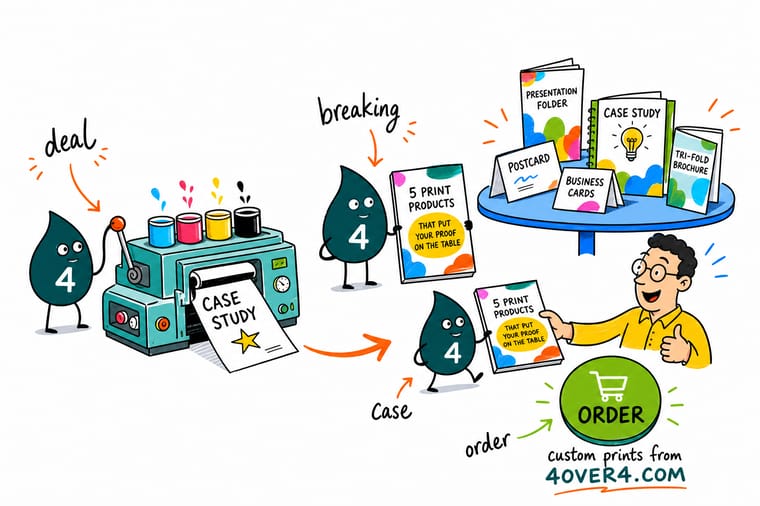
Wally printed his first case study with the client's logo across the top and the result buried on page two. Nobody who read it had heard of the client, so nobody read page two. Now the headline is the number, the two figures behind it sit underneath, the quote carries a real name and title, and the dates are printed at the foot so the sheet cannot quietly age. Same story, same paper, and it finally gets asked about in meetings.
Shop the business basics collection →See it in use
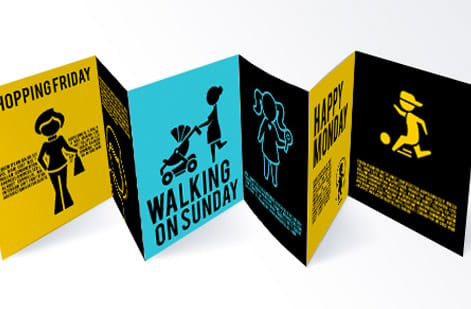
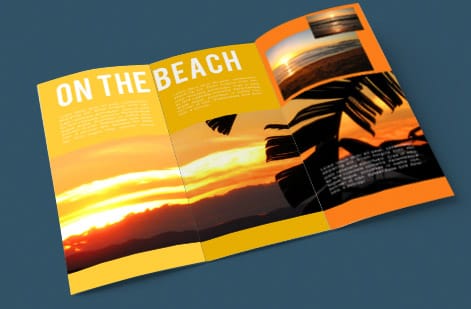
Brochure designs on show
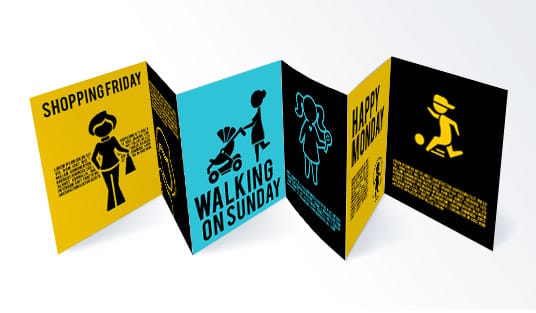
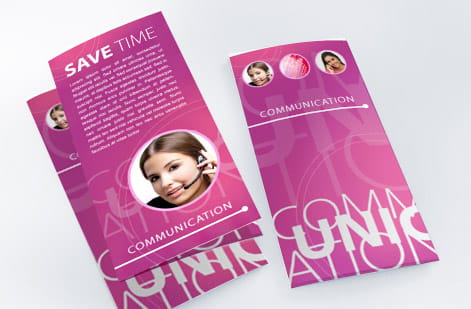


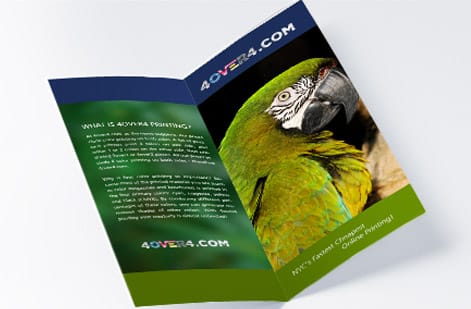
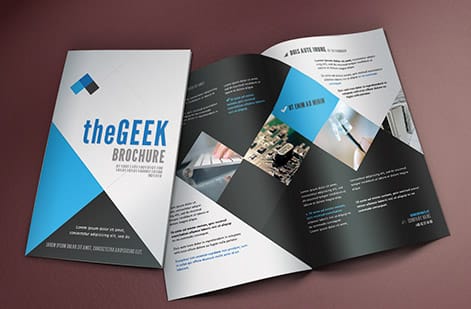
Explore more
Where to go next

By the numbers
Printing that puts the proof on the table
Common Questions
Common questions about printing case studies
What makes a case study close a deal instead of just sounding nice?
A named number with a baseline behind it, over a stated period. "Cut reprints by 31%" is a claim; "4,100 reprints down to 2,830 between March and August" is evidence, because a reader can check whether the scale matches their own operation. Add a quote with a full name and job title, since an anonymous quote on printed paper reads as one you wrote yourself. Everything else on the page is supporting material.
How long should a printed case study be?
One side of 8.5 by 11 in for the version you hand over, and that is usually all the further it needs to go. A buyer in a meeting reads a headline, a number pair and a quote, then asks a question. Keep the long version as a PDF for the person who asks for detail after the meeting, and print the short one, because the printed piece exists to start the conversation rather than finish it.
Should I print one case per sheet or bind them all into a booklet?
Sheets first. Individual sales sheets from $75.80 let you hand over only the case that matches the buyer, and adding a new win costs one sheet. Standard booklets from $240.55 are worth it when a committee has to circulate your proof without you present, which usually means a long cycle and a large deal. The catch with binding is age: an unchanged booklet full of three-year-old figures reads as the last time anything went well.
Do I need permission to print a client name and their numbers?
Yes, in writing, before the file goes to press. Get the named contact, their legal or marketing team, and whoever owns the data to approve the exact wording, the exact figures and the use of the logo. A verbal yes from one enthusiastic manager is what turns 500 printed sheets into scrap, and unlike a web page you cannot quietly edit paper after it ships.
What does the five-piece case study kit cost to start?
The five starting prices come to $498.69 at 4OVER4.COM: sales sheets from $75.80, standard brochures from $57.11, standard booklets from $240.55, short run presentation folders from $108.75 and standard postcards from $16.48. Leaving the booklets out brings the other four to $258.14. Every price falls per piece as the quantity climbs, and the configurator updates live as you change size, stock and finish.
Coated or uncoated paper for a leave-behind?
Uncoated when the proof is numbers, because it takes a pen and a prospect who writes their own volume in your margin is already running the comparison. Coated or gloss when the proof is a photograph of installed work, since saturated images look flat and slightly grey on an uncoated sheet. You cannot have both on one piece, so choose by what the case study is actually showing.
How often do printed case studies need reprinting?
Reprint the sheets whenever the numbers move or a new win lands, which is why single-case sheets are the cheap format to live with. Folders and brochures should carry nothing dated, so they run until the branding changes. Booklets are the piece with a real shelf life, and once the newest case inside is more than two years old the book is working against you.
Can I mail a case study to a prospect?
A postcard version, yes. Put one result on the front and two sentences on the back, addressed to a named person, timed to land a couple of days before a meeting or a few weeks into a stalled thread. Full sheets and booklets mail badly on their own and need an envelope, which raises the cost per piece enough that you should be certain the recipient is worth it before you send.
Get Started
Put the proof in their hands
Print the five-piece case study kit as one branded set at 4OVER4.COM. Sales sheets start at 50 for $75.80 and booklets at 25 for $240.55.
Legal Disclaimer
Gold Standard guarantees apply to all standard orders placed through 4over4.com. Price match requires verifiable proof of a competitor's published price for an equivalent product with matching specifications and turnaround time. Satisfaction guarantee covers manufacturing defects and print quality issues. Contact support with order number and documentation. On-time delivery rate based on tracked orders 1999 to 2026. Individual results may vary based on shipping carrier performance.
